
Why Silicate Industrial Processes Fail Quality Checks More Often




Why do silicate industrial processes fail quality checks more often than expected? For quality control and safety managers, the answer usually lies in unstable thermal profiles, raw material inconsistency, hidden process deviations, and weak monitoring links. This article examines the most frequent failure points across high-temperature production systems and shows how better process intelligence can reduce risk, improve compliance, and protect operational performance.
Why quality failures in silicate industrial processes are becoming more visible
Across cement plants, glass lines, industrial kilns, refractory production, and extrusion systems, a clear shift is underway: quality problems that once stayed hidden inside yield losses or customer complaints are now showing up earlier, more formally, and more often in inspections, audits, and internal release checks. For teams responsible for product conformity and safe operation, this is not simply a sign that silicate industrial processes are getting worse. It is a sign that tolerance windows are shrinking while production systems are being asked to do more.
Several trend signals explain this change. Energy prices and carbon constraints are pushing operators to run hotter, leaner, and with tighter fuel strategies. Raw material supply is becoming more variable due to alternative sourcing, recycled inputs, and regional disruptions. Environmental compliance is forcing modifications in combustion, dust control, and waste co-processing. At the same time, end users expect more stable product properties, whether that means clinker strength consistency, glass flatness, refractory density, or extrusion uniformity. In this environment, minor process instability can quickly become a failed quality check.
For quality control managers, the key insight is practical: failure rates are increasingly tied to system interaction, not just isolated defects. A temperature drift may alter reaction completion, which changes material structure, which then affects downstream testing and even safety exposure. That is why silicate industrial processes now need stronger cross-functional judgment linking process control, laboratory results, maintenance discipline, and risk monitoring.
The strongest signals shaping current failure patterns
The quality landscape in high-temperature industry is being reshaped by a group of connected forces rather than one dominant cause. When these forces overlap, the probability of nonconforming output rises sharply.
This is why discussions about silicate industrial processes increasingly focus on resilience rather than nominal capacity. A line may still hit throughput targets while silently drifting away from the process conditions required for stable quality. By the time lab data confirms the issue, the cost has already spread across waste, downtime, customer risk, and safety exposure.
Where silicate industrial processes most often fail quality checks
In trend terms, failure points are moving upstream. Instead of only showing up at final inspection, many problems now begin in feed preparation, thermal balance, or control logic. Quality and safety managers should watch five zones especially closely.
1. Raw mix and feed consistency
Silicate systems are highly sensitive to chemistry variation, moisture swings, contamination, and particle size distribution. As procurement teams broaden sources or add recycled inputs, feed unpredictability rises. The result is unstable melting behavior, incomplete sintering, density differences, and erratic strength or thermal resistance results. In many facilities, failed quality checks begin with a raw material problem that was accepted because it still looked operationally manageable.
2. Thermal profile instability
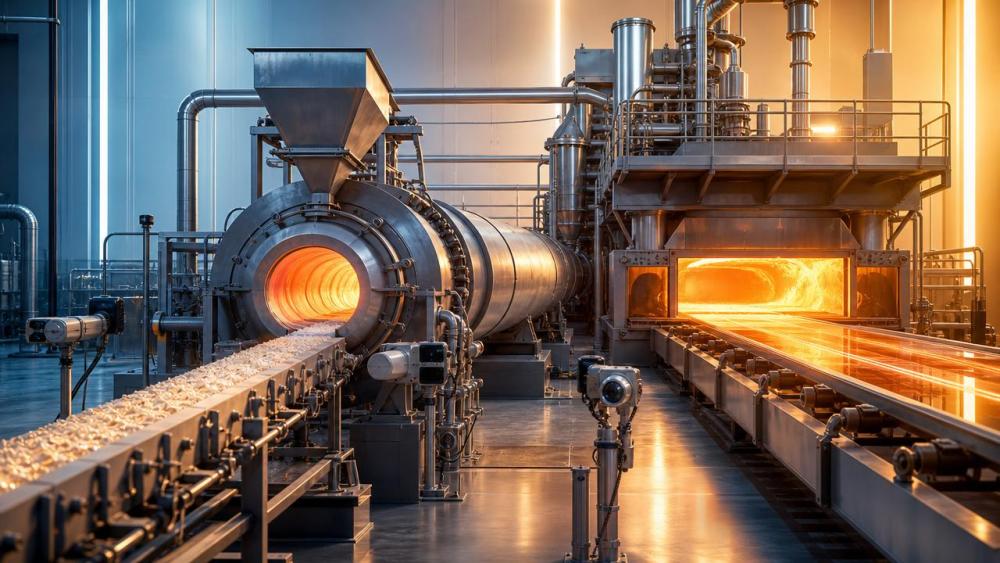
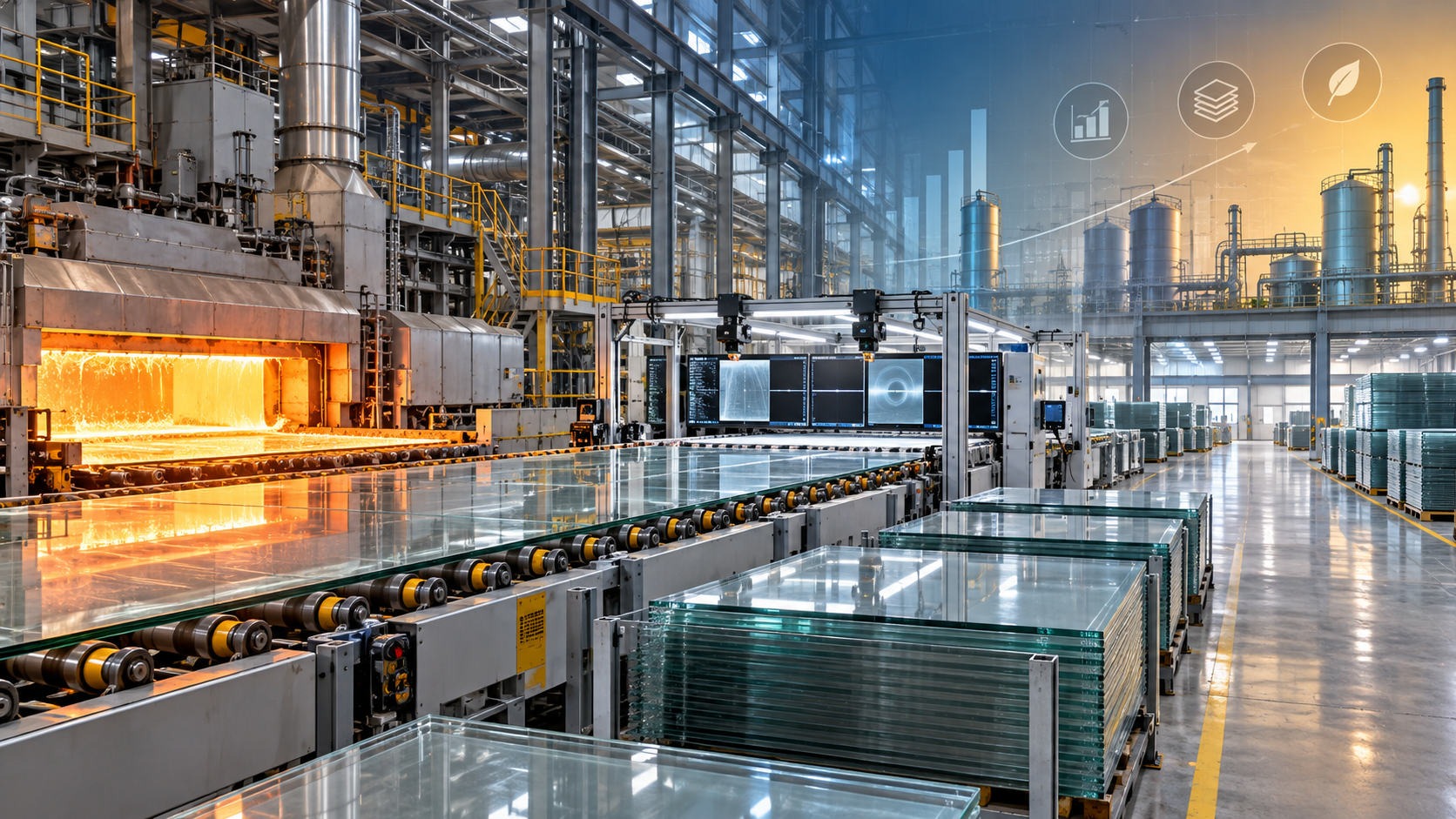
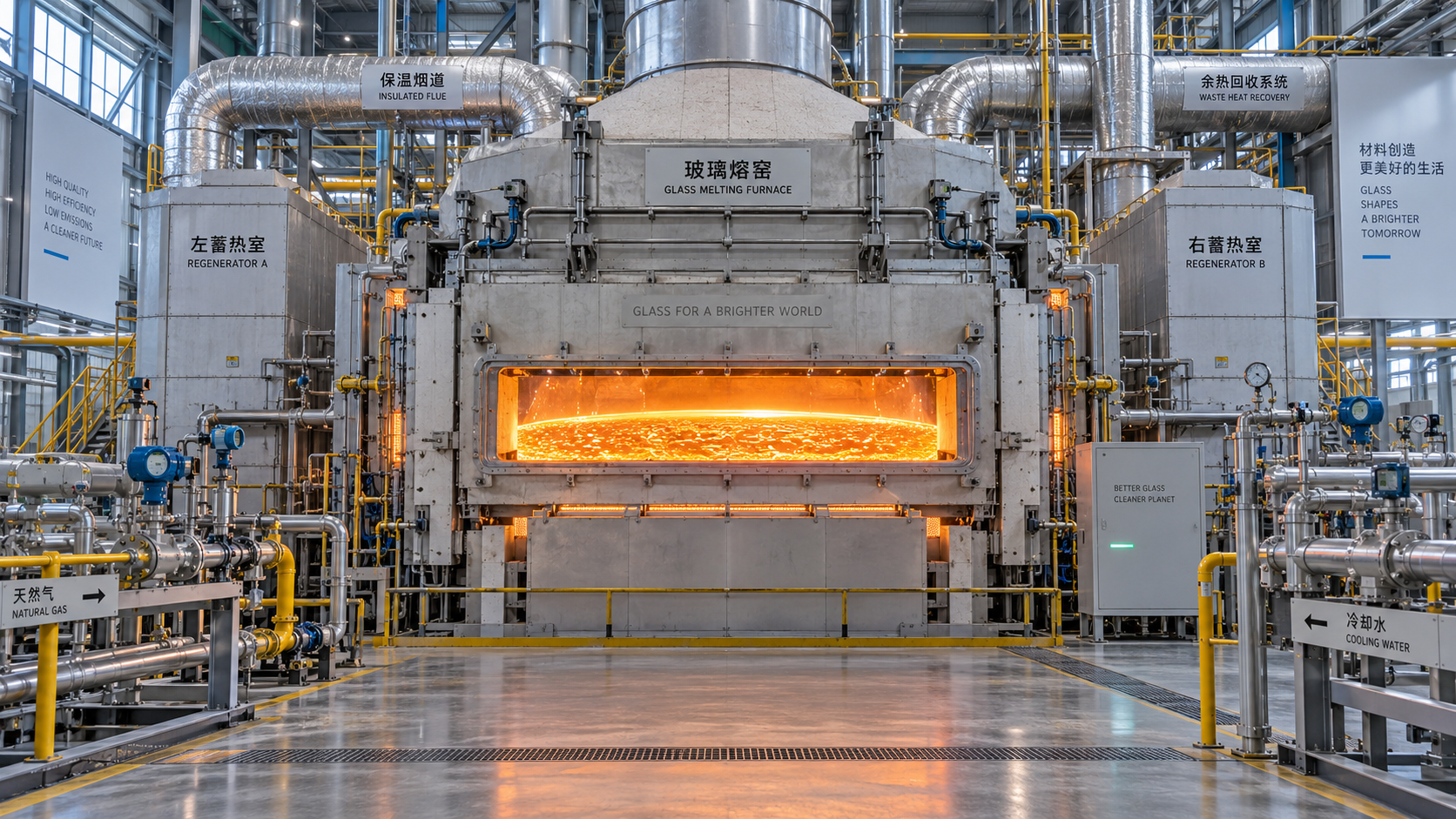
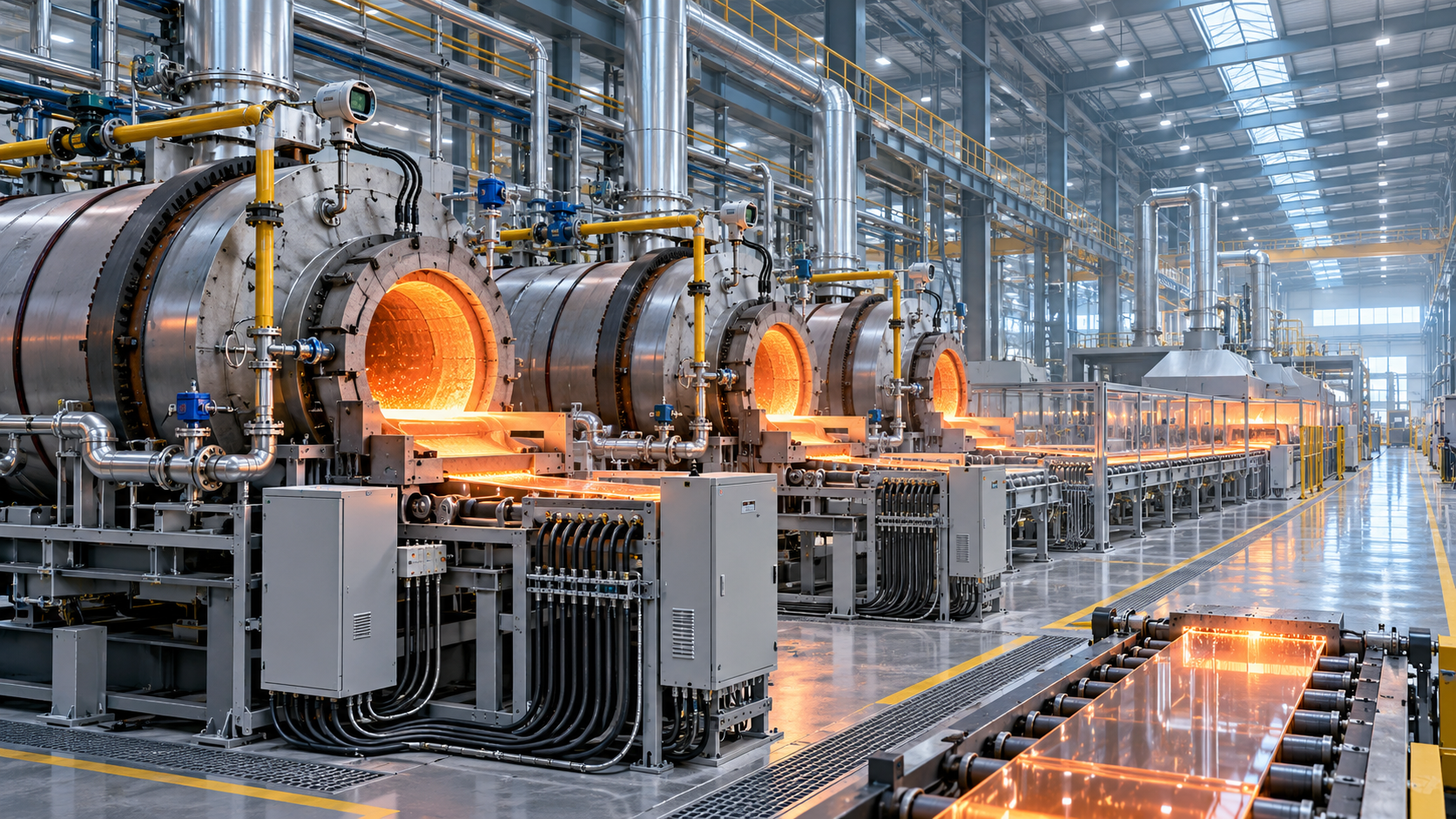
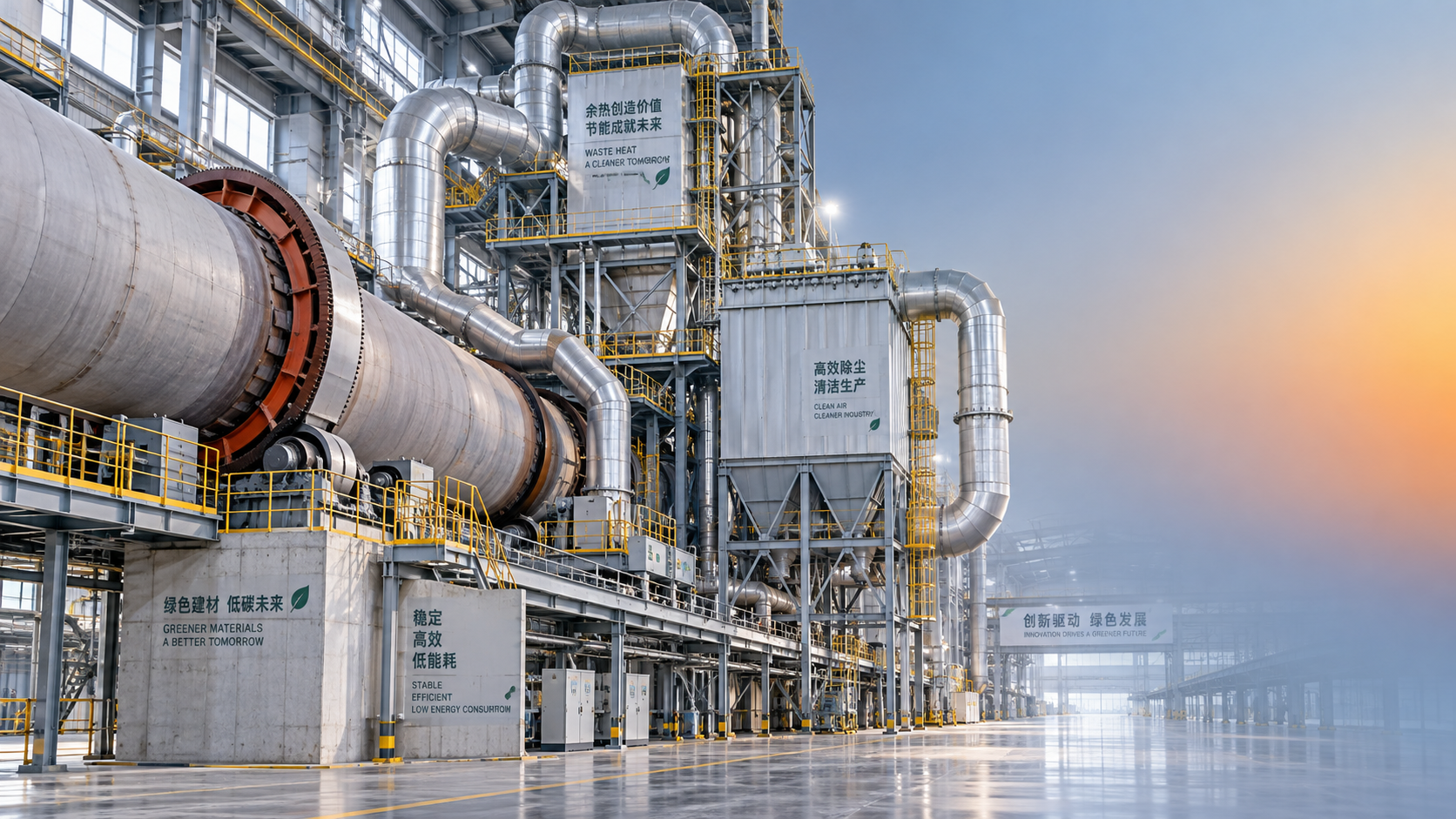
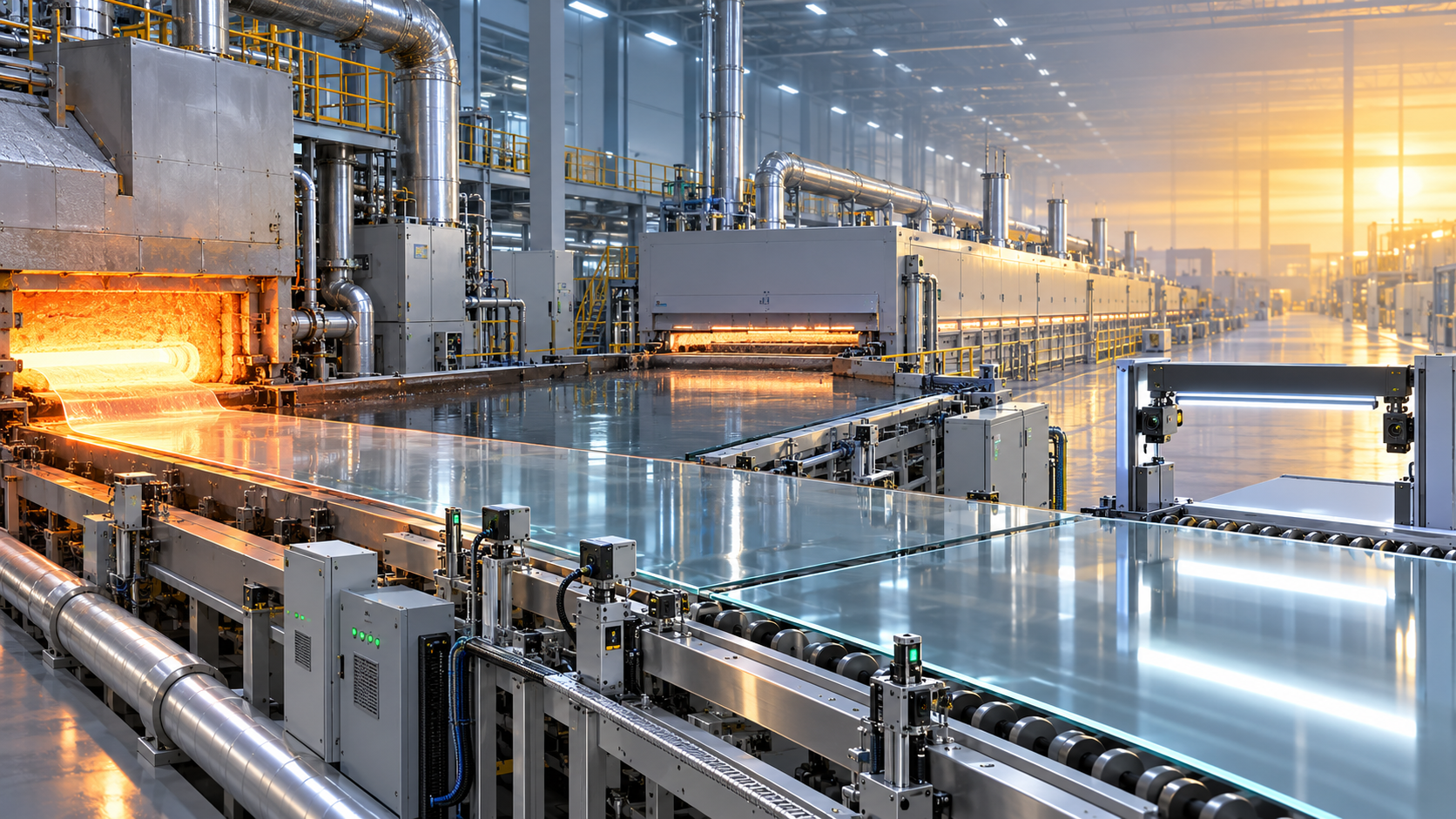
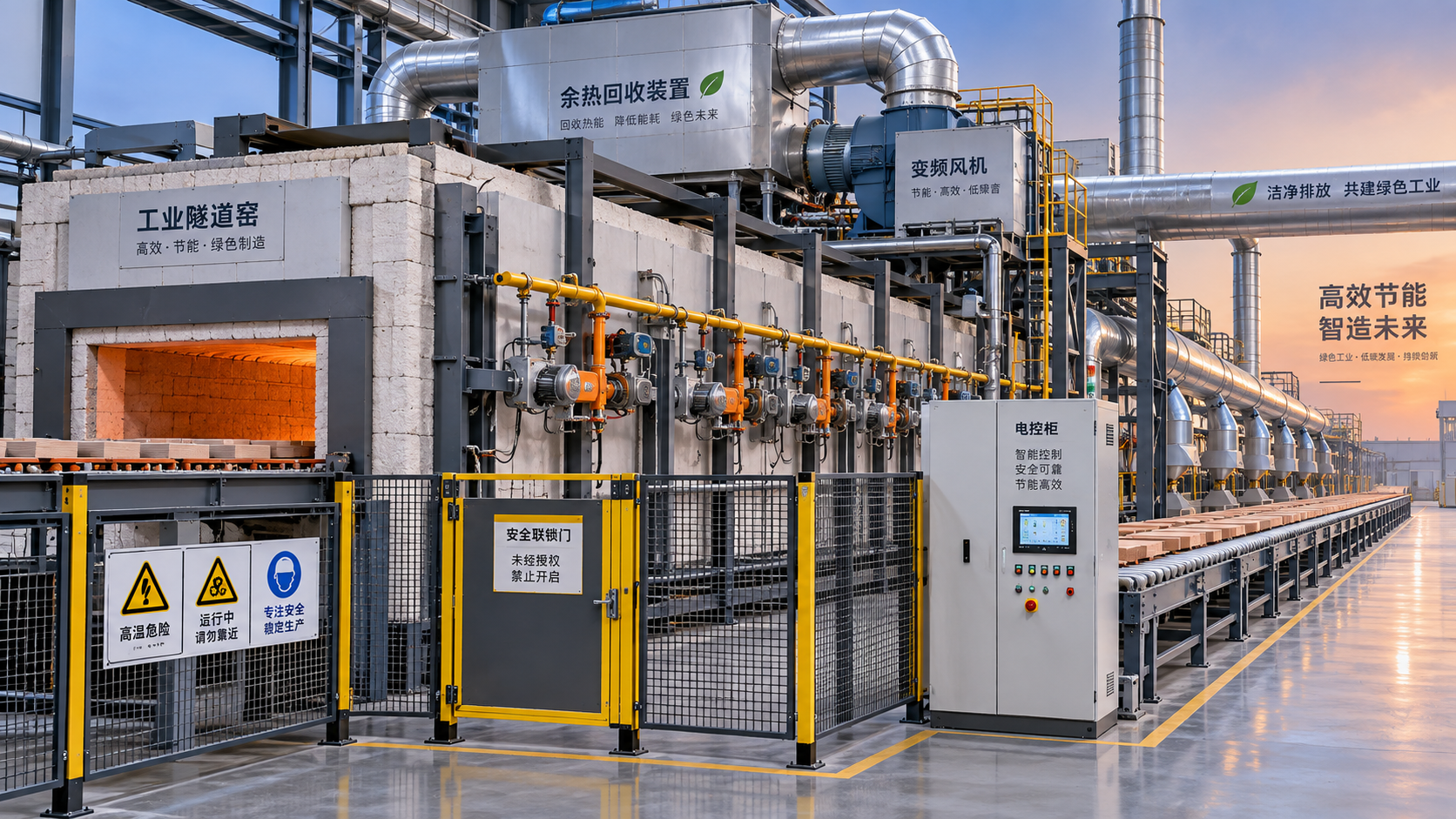
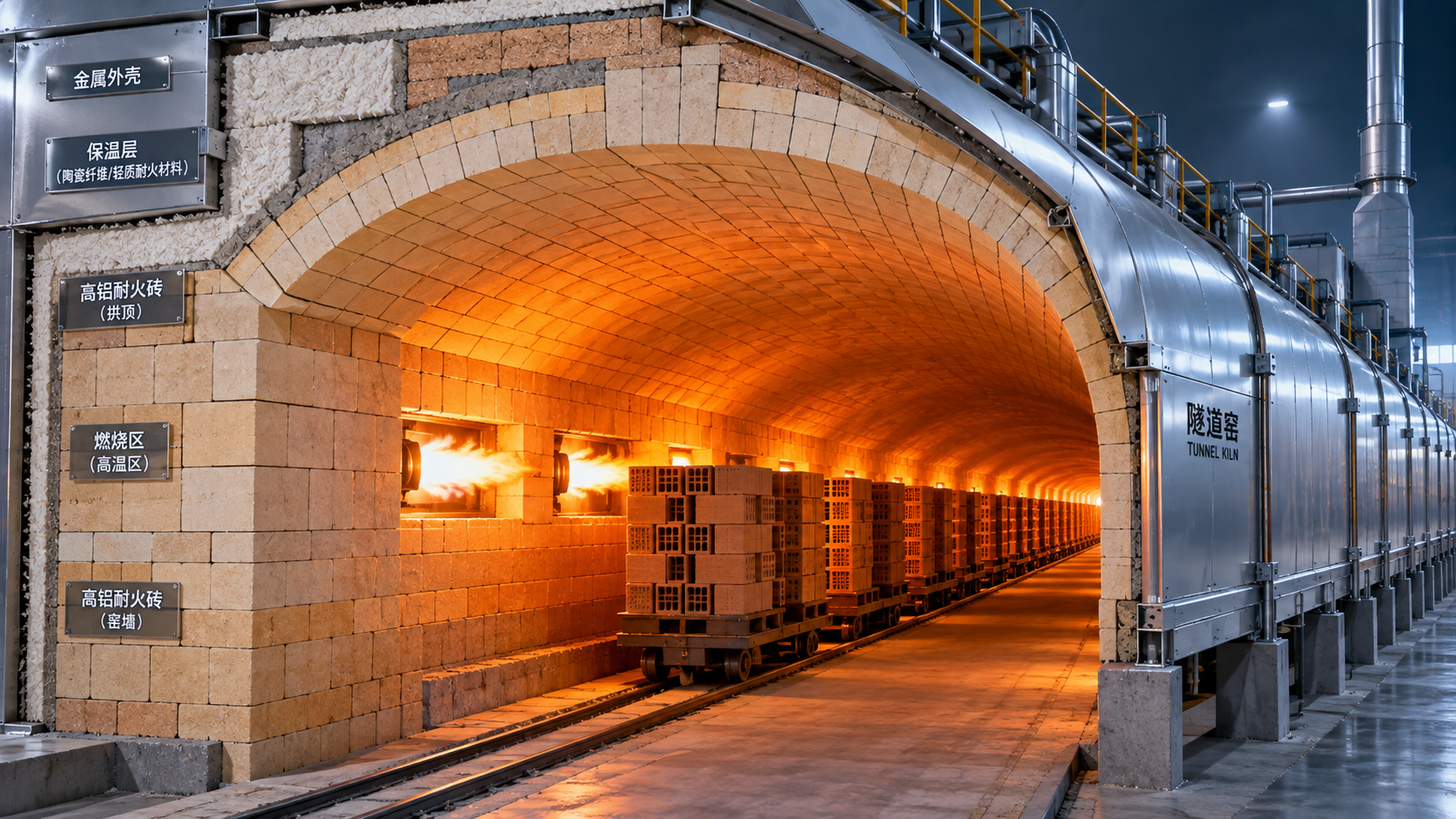
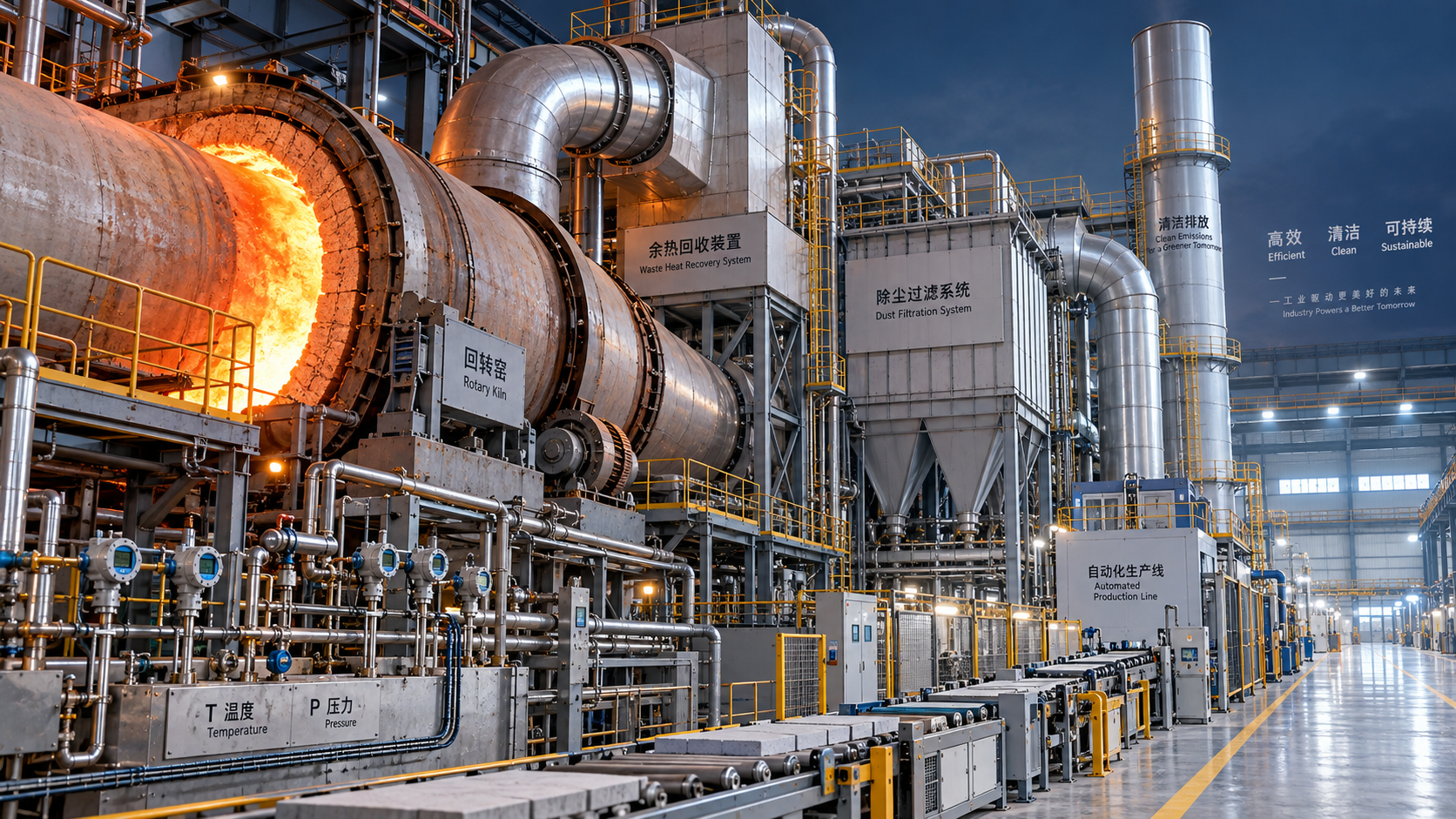
Among all failure drivers in silicate industrial processes, thermal instability remains one of the most decisive. Kilns, furnaces, and annealing zones rely on controlled residence time, combustion balance, and heat transfer uniformity. Short cycling, burner imbalance, hot spots, cold pockets, or poor zone transition control can produce defects that are not immediately visible. When the process window narrows, even minor thermal drift can trigger batch rejection.
3. Hidden equipment wear
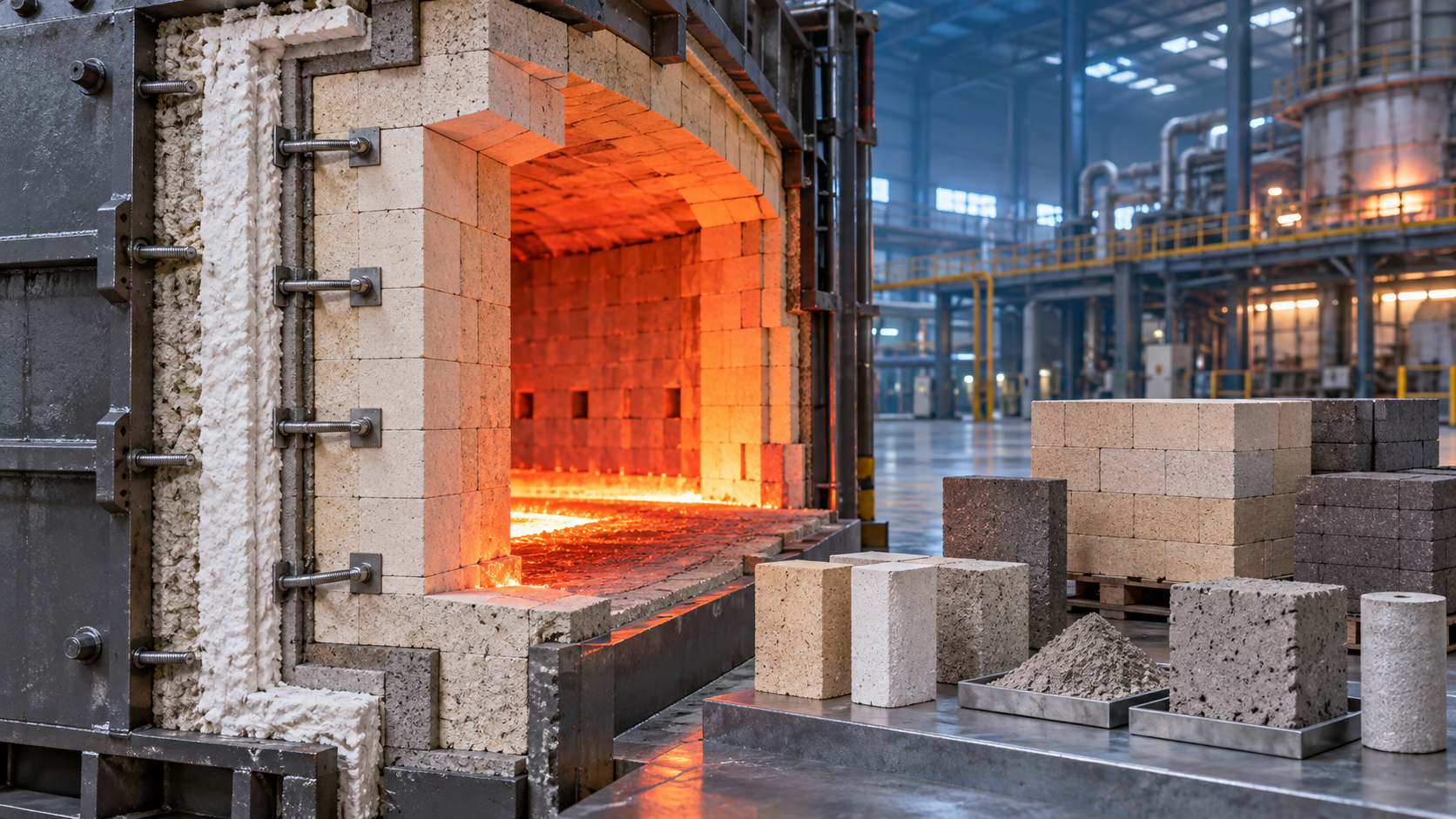
A notable industry change is that more plants are operating under extended maintenance intervals. This raises the chance that refractory wear, seal leakage, misalignment, sensor aging, or feed system degradation will influence product quality before the issue is classified as equipment failure. Quality checks then fail not because the specification changed, but because the machine gradually stopped delivering repeatable process conditions.
4. Weak in-line monitoring and delayed feedback
Many sites have more data than before, yet still react too late. The problem is not sensor quantity alone. It is poor integration between field measurements, lab analysis, process historian review, and operator action thresholds. In modern silicate industrial processes, delayed interpretation is almost equivalent to missing data. If alarms are not linked to likely quality outcomes, operators may normalize drift until nonconformance becomes unavoidable.
5. Process changes made for efficiency without enough validation
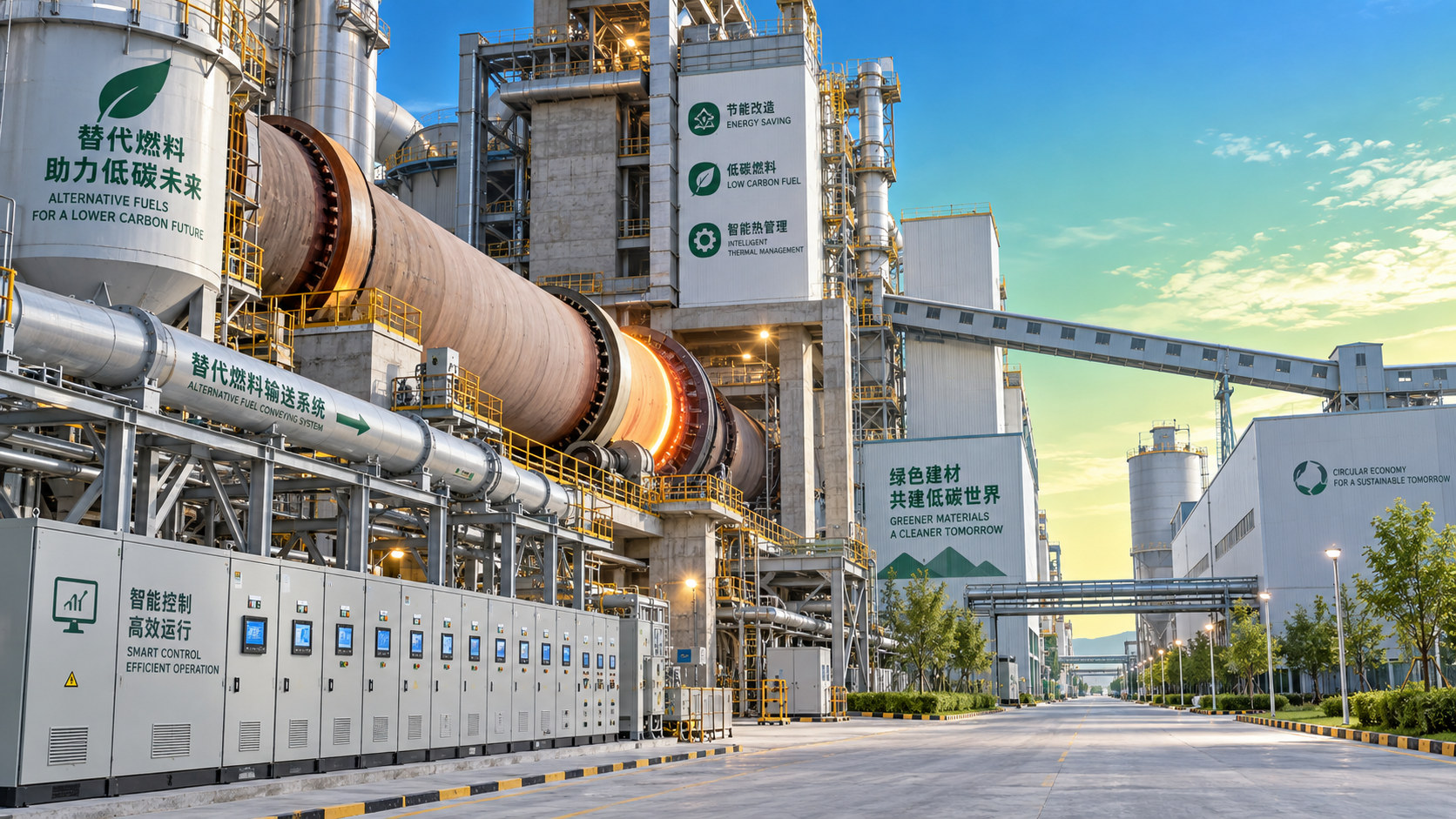
A strong market trend is the search for lower energy intensity and lower carbon output. This includes fuel substitution, different additive ratios, revised residence times, higher recycled content, and throughput optimization. These changes may improve economics, but they often alter reaction kinetics and physical formation pathways. If validation is too narrow or too short, plants can pass initial tests and still fail quality checks under routine production conditions.
Why these changes matter more for quality and safety managers
The impact is not equally distributed across all roles. Quality control personnel and safety managers are now closer to core production decisions than in the past because process deviations increasingly carry both conformity risk and operational hazard.
This role convergence matters. In silicate industrial processes, poor quality is no longer a narrow lab issue. It can indicate unstable combustion, unbalanced pressure, poor thermal containment, or material behavior that threatens equipment life and safe operation. That is why the most advanced sites no longer separate quality assurance from thermal and mechanical risk review.
The next stage of process control is intelligence, not just instrumentation
One of the most important industry directions is the shift from measuring more variables to understanding which combinations of variables predict failure earliest. This is especially relevant for organizations following the intelligence-centered model championed by platforms such as CF-Elite, where thermal performance, material behavior, and carbon strategy are interpreted together rather than in isolation.
For quality and safety leaders, this means focusing on process intelligence in three practical layers. First, identify which process deviations reliably precede failed checks: feed moisture spikes, flame instability, kiln shell temperature anomalies, viscosity drift, pressure imbalance, or cooling profile variation. Second, connect those deviations to likely business consequences such as scrap, rework, permit risk, equipment stress, or customer claim exposure. Third, create response logic that is specific enough to trigger action before defects become embedded in production volume.
In other words, better silicate industrial processes are not built only by adding sensors. They are built by turning process signals into operational decisions. Plants that fail to make this transition may continue collecting data while still losing consistency.
What companies should judge now before failure rates rise further
Because market and regulatory pressures are still evolving, organizations need a forward-looking review instead of a one-time correction. The most useful questions are diagnostic and strategic at the same time.
Check whether your quality limits still match process reality
Many facilities have revised recipes, fuels, throughput targets, or sourcing patterns, but their control plans still reflect older assumptions. If process conditions have changed, acceptance logic, sampling frequency, and hold-release triggers may need updating as well.
Map your highest-risk interaction points
Do not review raw materials, heat treatment, and final testing as separate silos. Identify where combined variation is most dangerous. In silicate industrial processes, the worst failures often result from two moderate deviations acting together rather than one extreme event.
Use trend review, not just incident review
A passed batch does not always mean a healthy process. Look for repeated correction actions, frequent alarm suppression, growing variability in test results, or increased dependence on operator judgment. These are early signals that quality checks may fail more often in the near future.
Treat decarbonization changes as quality events
Whenever a site adopts alternative fuels, waste-derived inputs, lower-energy firing strategies, or new lightweight material formulations, quality and safety validation should be built into the change process from the start. Efficiency gains that are not process-stable often become hidden quality costs later.
A practical decision framework for the next 12 months
If your facility wants to reduce recurring failures in silicate industrial processes, the most effective approach is to prioritize actions by visibility, controllability, and consequence.
Final judgment: quality checks are revealing a deeper operational transition
The rise in failed checks across silicate industrial processes should not be viewed as a narrow testing problem. It reflects a broader industrial transition in which high-temperature operations must balance tighter compliance, lower emissions, more variable inputs, and stronger customer expectations at the same time. That combination makes hidden weakness easier to expose.
For quality control and safety managers, the most valuable response is to move from reactive defect handling to structured trend judgment. Watch thermal stability, raw material variation, equipment condition, and data interpretation as one linked system. If your organization wants to understand how these trends affect its own lines, the first questions to confirm are simple: which deviations appear before failures, where process changes have outpaced control logic, and which quality risks are actually early safety risks in disguise. Those answers will do more to improve performance than any isolated corrective action.
Related News
 Dr. Alistair VaughnIndustrial Waste Recycling: Selecting Conversion Systems by Feedstock and OutputCompare industrial waste conversion systems recycling teams can match to feedstock and output. Explore recovery routes, quality criteria, and costs to choose with confidence.Oct 14, 2026
 Ms. Elena RodriguezHigh-Pressure Molding Innovations: How Automation and Tooling Affect PriceExplore the high-pressure molding innovations price equation: compare automation, tooling, and ownership costs to find upgrades that cut waste and deliver measurable value.Oct 13, 2026
 Ms. Elena RodriguezIndustrial Process Optimization: Where to Target Energy, Yield, and Throughput LossesIndustrial process optimization: identify energy, yield, and throughput losses to improve plant stability, reduce costs, and unlock measurable performance gains.Oct 12, 2026
 Ms. Elena RodriguezGlass Market Intelligence: How to Assess Demand, Capacity, and Regional Growth RisksGlass market intelligence for evaluating demand, effective capacity, energy exposure, trade dynamics, and regional growth risks before investing in glass manufacturing.Oct 11, 2026
 Silicate Process EngineerWhat Is a Realistic Energy Efficiency Target for a Cement Plant?What energy efficiency target is realistic for a cement plant? Explore practical thermal and electrical benchmarks, savings opportunities, and phased strategies to reduce costs, improve reliability, and build a credible decarbonization roadmap.Oct 14, 2026
 Ms. Elena RodriguezAre Green Building Materials More Expensive to Manufacture?Are green building materials more expensive to manufacture? Explore cost drivers, savings opportunities, and how sustainable production can strengthen long-term competitiveness.Oct 13, 2026
 Structural Material AnalystWhich Sustainable Construction Materials Are Suitable for Extrusion?Which sustainable construction materials are suitable for extrusion? Explore recycled clay, cementitious mixes, geopolymers, and bio-composites for reliable, lower-impact building products.Oct 12, 2026
 Optical Glass Tech FellowWhat Should a Glass Furnace Energy Specification Include?What should be included in a glass furnace energy specification? Explore performance, fuel flexibility, heat recovery, emissions, and monitoring essentials.Oct 11, 2026
 Dr. Alistair VaughnHow Process Technology Platforms Improve Control Across Multi-Line ManufacturingDiscover how a process technology platform strengthens cross-line control, connects operational data, and improves energy, quality, and maintenance decisions.Oct 10, 2026
 Optical Glass Tech FellowHow Glass Furnace Emissions Are Measured and Controlled for Regulatory ComplianceGlass furnace emissions: learn how to measure, monitor, and control NOx, SOx, particulate, CO, and CO2 for reliable regulatory compliance.Oct 08, 2026
 Prof. Marcus ChenIndustrial Decarbonization Strategies in Europe: A Roadmap for Energy-Intensive PlantsIndustrial decarbonization strategies Europe: explore practical pathways for energy-intensive plants to cut emissions, improve efficiency, and protect performance.Oct 07, 2026
 Thermal Energy ArchitectEnergy-Efficient Silicate Production Lines: What to Compare Before SelectionSilicate production lines energy efficient selection guide: compare thermal performance, stability, emissions, controls, and lifecycle value before investing.Oct 06, 2026
 Optical Glass Tech FellowHow to Evaluate Automated Float Glass Lines for Capacity, Quality, and Energy UseEvaluate automated float glass lines for net capacity, consistent quality, energy efficiency, automation reliability, and lifecycle value. Explore key criteria for smarter investment decisions.Oct 05, 2026
 Thermal Energy ArchitectWhat Does CE Marking Require for an Energy-Efficient Industrial Kiln?Energy efficient kiln CE requirements explained: assess safety, technical files, energy performance, and EU compliance before purchase or commissioning.Oct 04, 2026
 Thermal Energy ArchitectRefractory Manufacturing Solutions for Brick Plants: How to Extend Kiln LifeRefractory manufacturing solutions for brick plant operations: discover proven strategies to extend kiln life, reduce heat loss, prevent lining failures, and plan cost-effective repairs.Oct 03, 2026
 Thermal Energy ArchitectHow to Specify Heavy Industrial Process Systems for High-Temperature PlantsHeavy industrial processes systems: learn how to specify high-temperature plants for efficiency, emissions control, maintainability, and lifecycle performance.Oct 02, 2026
 Structural Material AnalystHow Sustainable Material Extrusion Can Improve Wall Panel Durability and Design FlexibilityDiscover how sustainable material extrusion for wall panels improves durability, moisture resistance, design flexibility, and installation consistency for high-performing wall systems.Oct 01, 2026
 Thermal Energy ArchitectHow to Evaluate a High-Temperature Materials Manufacturer for Furnace ApplicationsChoose a high-temperature materials manufacturer with confidence: compare thermal performance, chemical resistance, quality controls, installation support, and lifecycle cost.Sep 30, 2026
 Ms. Elena RodriguezHow to Structure Global Specification Data for Faster Industrial Product EvaluationGlobal specification-oriented product information helps industrial teams compare capacity, energy, emissions, automation, and lifecycle data on a like-for-like basis for faster, confident equipment decisions.Sep 29, 2026
 Thermal Energy ArchitectHow to Specify High-Temperature Process Systems for Continuous Thermal OperationsHigh-temperature process engineering systems: learn how to specify resilient continuous thermal operations for efficiency, compliance, reliable uptime, and long-term performance.Sep 28, 2026

Related News
- 00
0000-00
What Should a Glass Furnace Energy Specification Include? - 00
0000-00
How Glass Furnace Emissions Are Measured and Controlled for Regulatory Compliance - 00
0000-00
How to Evaluate Automated Float Glass Lines for Capacity, Quality, and Energy Use - 00
0000-00
How to Specify Glass Annealing Equipment for European Quality and Energy Requirements - 00
0000-00
Silicate Process Automation: Improving Batch Consistency and Energy Control
Weekly Insights
Stay ahead with our curated technology reports delivered every Monday.