
Advanced Material Extrusion Upgrades Worth Making First




For enterprise decision-makers evaluating capital priorities, advanced material extrusion upgrades can deliver faster returns than broad plant overhauls when chosen strategically. From throughput optimization and thermal stability to energy efficiency and product consistency, the right first investments reduce operational risk while strengthening competitiveness. This article outlines which advanced material extrusion improvements deserve priority and how they support smarter, lower-carbon industrial growth.
What does “advanced material extrusion” really include, and why is it receiving so much attention?
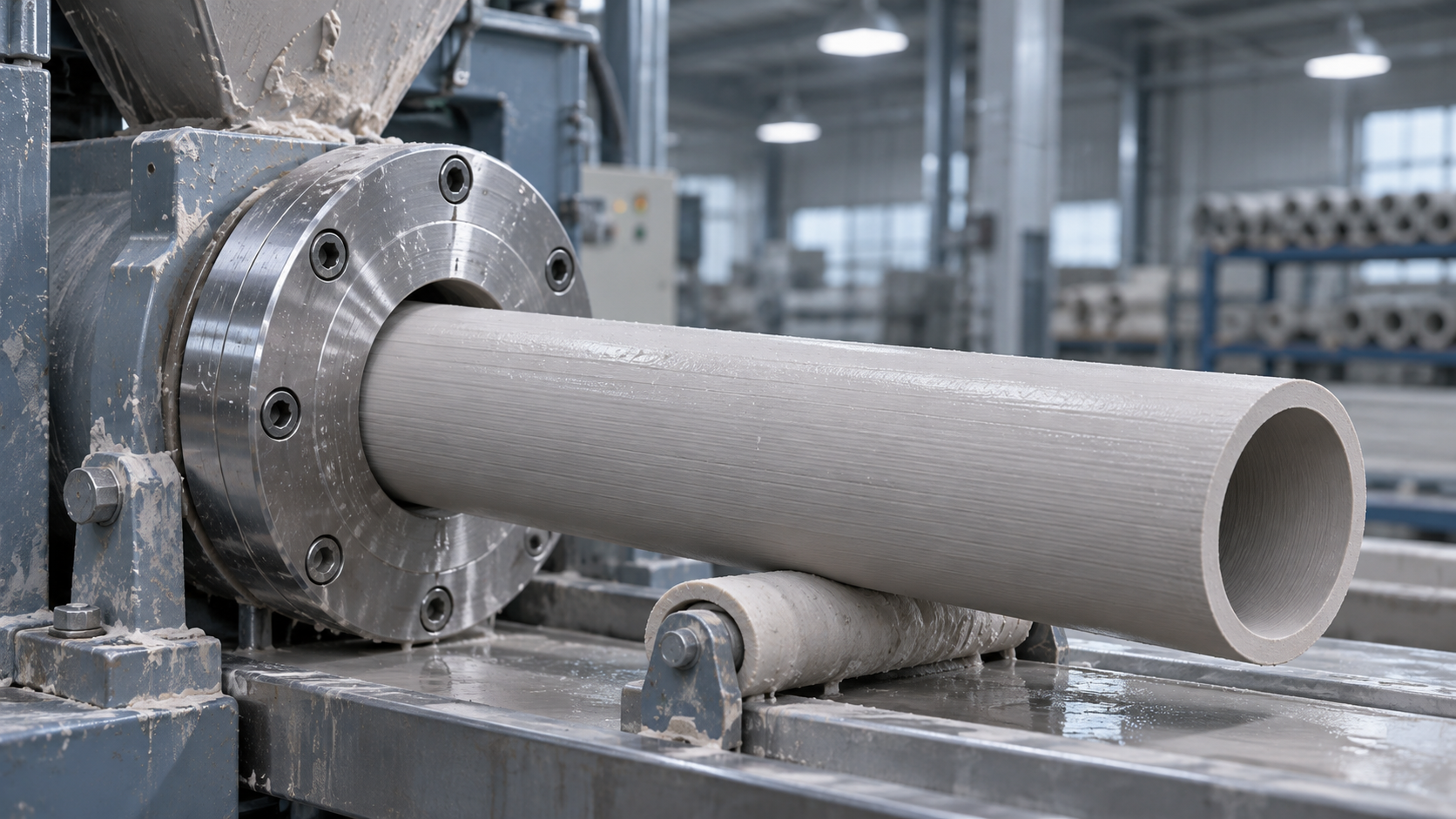
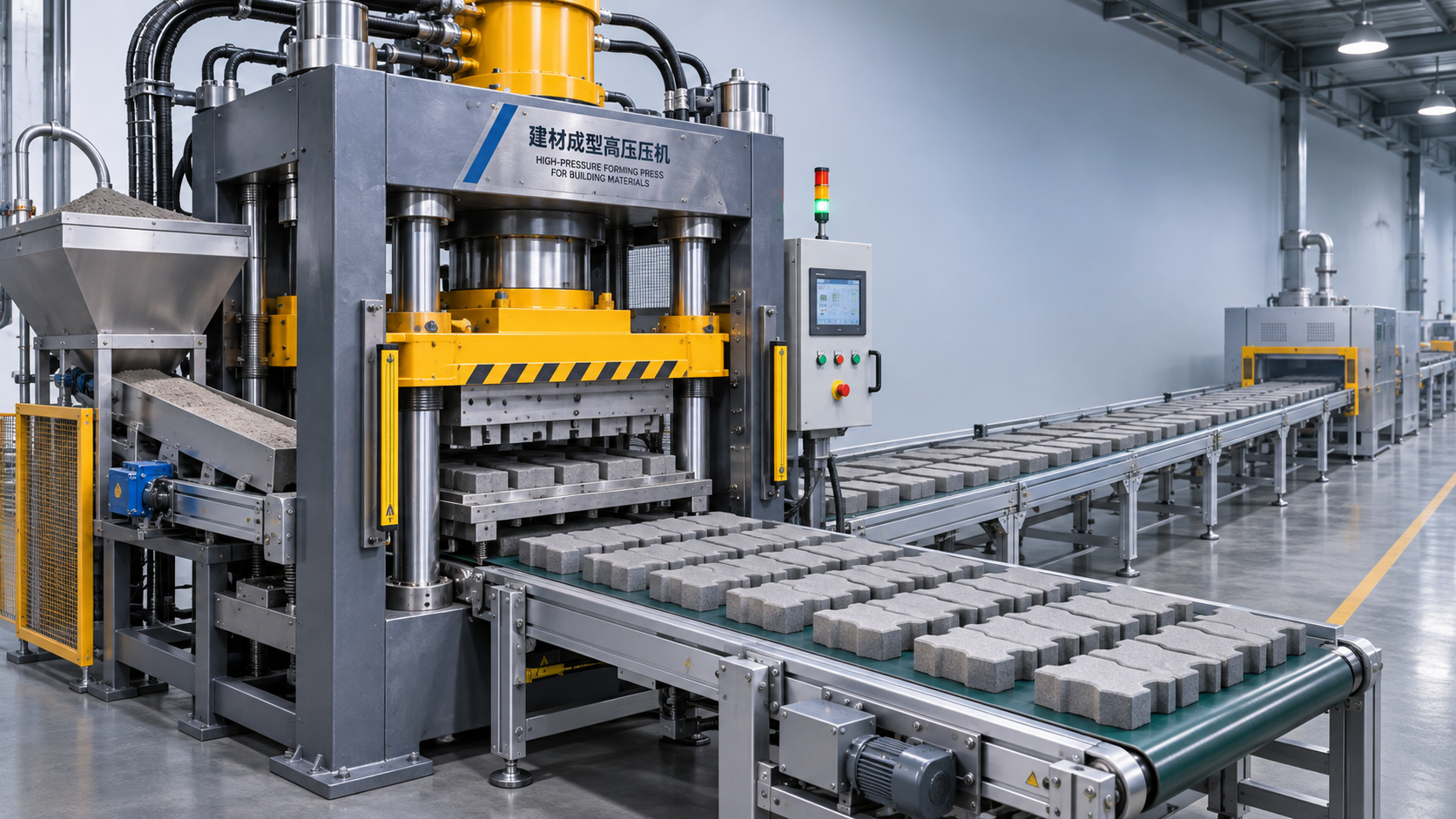
In industrial practice, advanced material extrusion is more than pushing material through a die. It refers to a controlled production system where raw material preparation, pressure management, screw or ram performance, die design, thermal control, moisture balance, automation, and downstream handling work together to shape high-value products consistently. For sectors tied to cement-adjacent products, refractory components, lightweight building panels, ceramic bodies, and specialty silicate formulations, extrusion quality often determines whether a line is efficient, stable, and commercially competitive.
It is receiving more attention because market conditions have changed. Buyers now expect tighter dimensional tolerances, lower embodied carbon, less waste, and more reliable delivery schedules. At the same time, producers face energy price volatility, labor constraints, stricter environmental requirements, and pressure to digitize operations. In that context, advanced material extrusion upgrades are attractive because they can improve the economics of existing assets without forcing a full greenfield investment.
For decision-makers, this matters because extrusion is often a leverage point. A targeted upgrade in one section of the line can influence output rate, reject ratio, drying behavior, kiln loading consistency, and even logistics efficiency. That is why the smartest first move is rarely the most expensive one. It is usually the upgrade that removes the largest constraint from the current process window.
Which advanced material extrusion upgrades are usually worth making first?
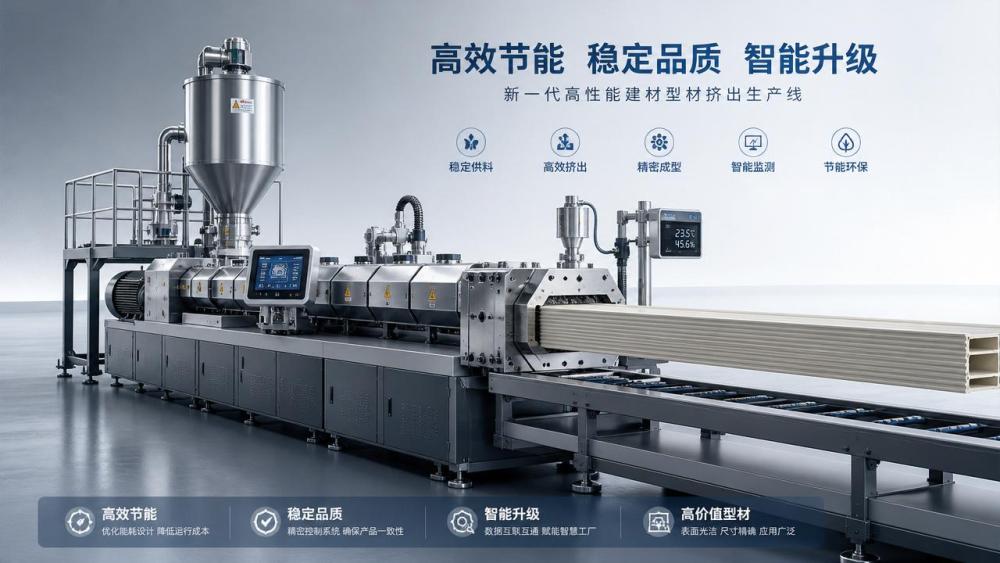
The best first upgrades are the ones that solve recurring production losses rather than adding theoretical capability. In most plants, the highest-priority opportunities fall into five categories: feed consistency, die and screw optimization, thermal and moisture control, sensing and automation, and wear-resistant components. Each one supports faster payback because it addresses problems that affect every shift.
1. Raw material conditioning and feed stabilization. If the material entering the extruder varies in particle size, moisture, temperature, or binder distribution, the rest of the line is forced to compensate. Adding more precise batching, pre-mixing, de-airing, or moisture dosing can quickly reduce pressure fluctuation and improve shape retention. In advanced material extrusion, stable input conditions are often the foundation for every other improvement.
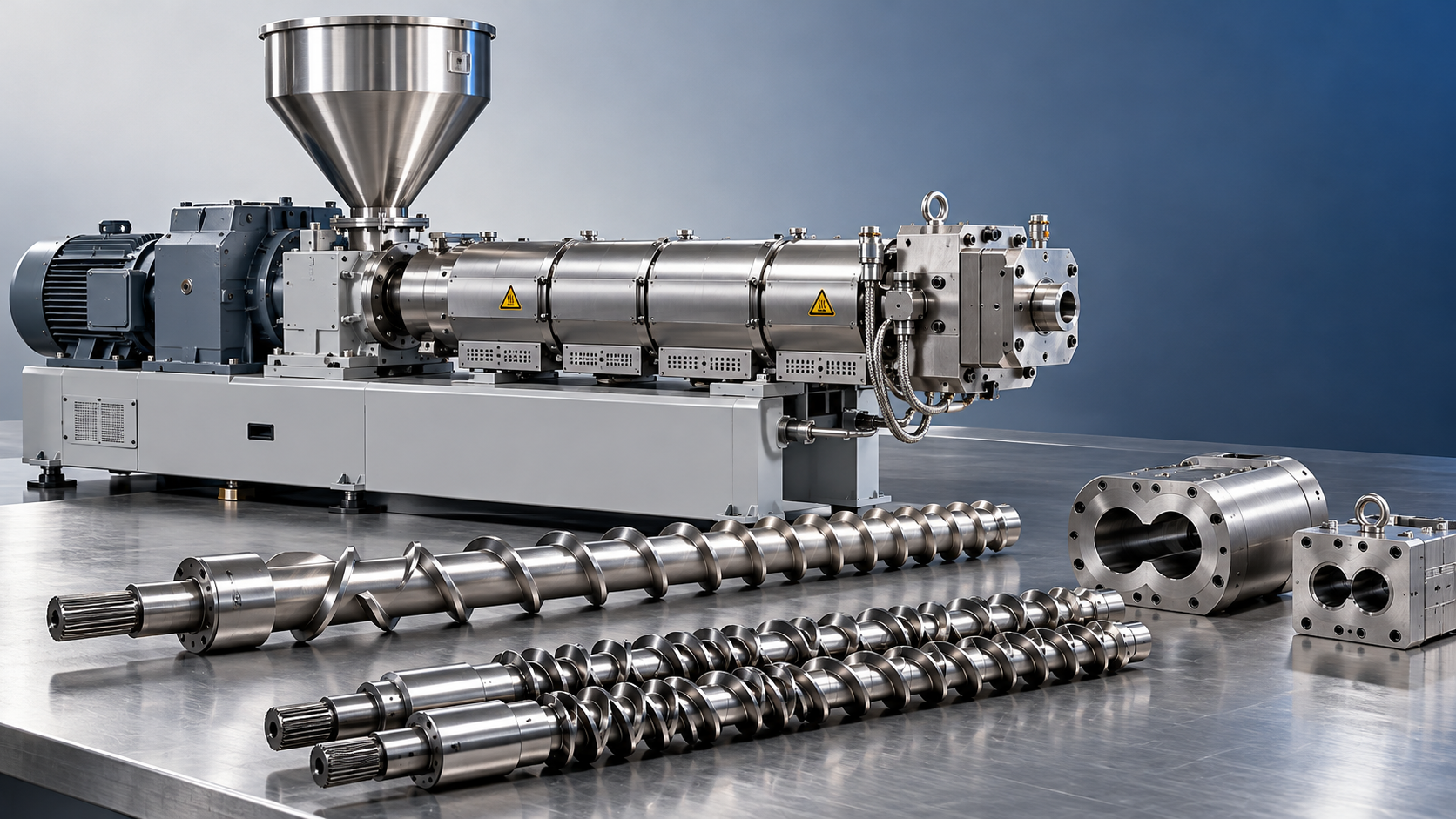
2. Screw, barrel, and die redesign. Many extrusion lines underperform because the geometry was designed for an older product mix or lower throughput target. Upgrading screw profiles, die flow paths, or pressure-balancing features can improve material homogeneity and reduce internal stress. This is especially valuable for lightweight building material extrusion and specialty refractory shapes, where uneven flow leads to cracks, warping, or density variation.
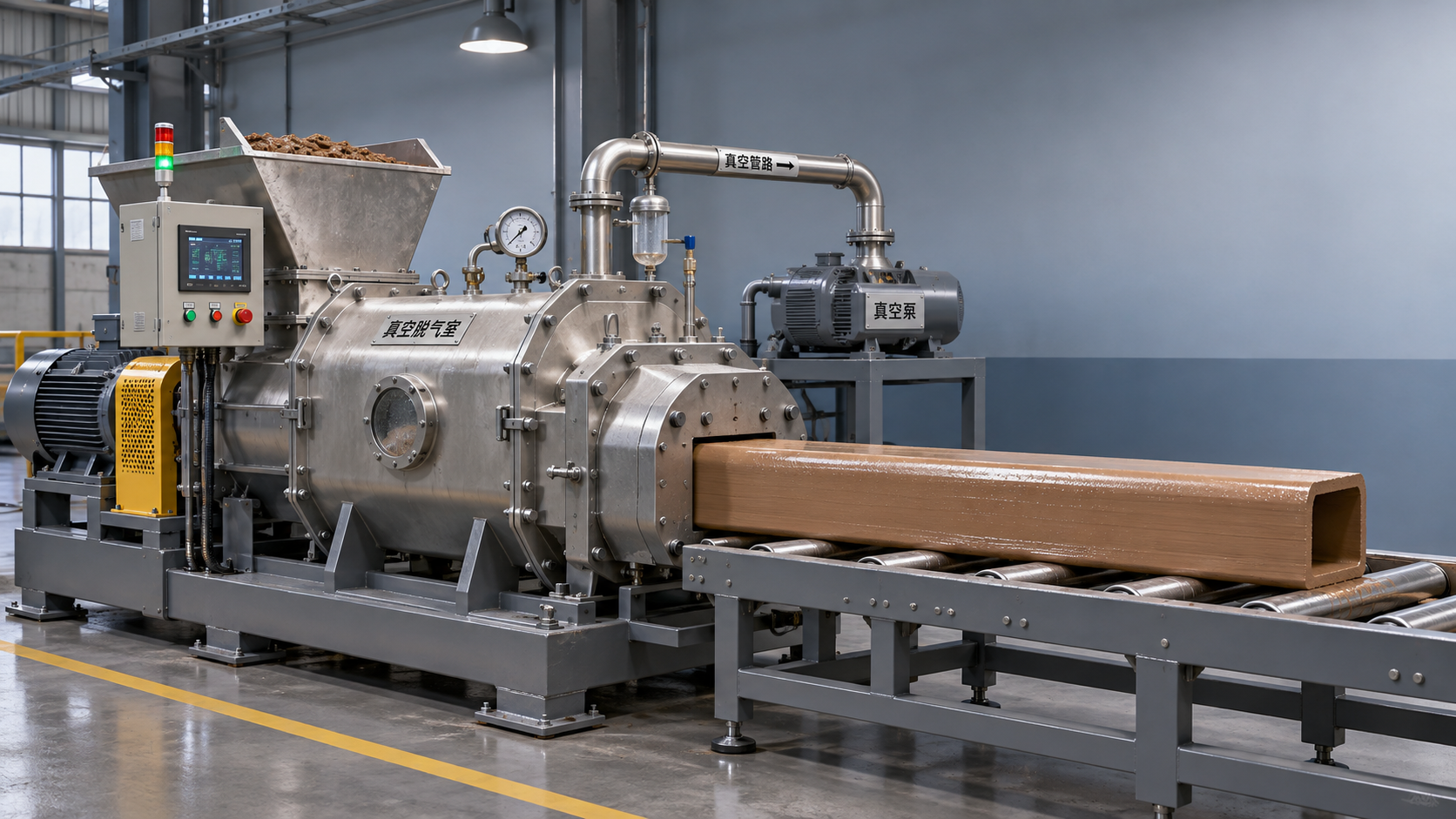
3. Thermal and moisture management. Temperature and water content are still among the most underestimated variables in advanced material extrusion. Inline temperature monitoring, jacket control, vacuum de-airing, and smarter drying integration often deliver a measurable gain in product consistency. Better thermal stability also supports lower energy consumption downstream by reducing over-drying or corrective reprocessing.
4. Instrumentation and process automation. Pressure sensors, torque monitoring, motor load analytics, machine vision, and recipe control systems can convert a reactive line into a predictable one. This is often one of the most practical first investments because it improves visibility before management commits to larger mechanical changes. You cannot optimize what you do not measure.
5. Wear-resistant critical parts. In silicate and abrasive material applications, screws, liners, dies, and cutting elements degrade faster than many operators assume. Performance loss is gradual, so plants may accept poor output as normal. Upgrading to more durable materials or modular wear parts can restore pressure efficiency, dimensional control, and uptime with relatively limited disruption.
How can an enterprise judge which upgrade should come first instead of buying too much at once?
A useful rule is to begin with the bottleneck that creates the largest hidden cost. Not all losses appear as downtime. Some show up as lower density uniformity, unstable drying, increased scrap, excessive specific energy consumption, or quality claims from customers. In advanced material extrusion, the first upgrade should be selected by process impact, not by vendor presentation quality.
Decision-makers should ask five practical questions. First, where does variability begin: feed preparation, extrusion pressure, die discharge, cutting, or downstream curing? Second, which issue is chronic rather than occasional? Third, does the problem affect output, energy, quality, or safety at the same time? Fourth, can the line be upgraded in phases? Fifth, how quickly can performance be verified with data?
The most reliable capital planning usually follows this sequence: diagnose, measure, upgrade, validate, and then scale. This reduces risk and helps management defend the investment internally. It also aligns with the intelligence-driven approach increasingly used in high-temperature and foundation-material industries, where process knowledge is often more valuable than equipment volume alone.
Are advanced material extrusion upgrades mainly for large plants, or can mid-sized operations benefit too?
They are highly relevant for both. Large plants usually pursue advanced material extrusion upgrades to unlock scale efficiency, standardize multiple product lines, and meet sustainability targets across regions. Mid-sized operations often benefit even more quickly because a single chronic process problem can have an outsized impact on margins, customer trust, and capacity utilization.
For a large enterprise, a digital process layer may be the first step because management needs line visibility, benchmarking, and predictive maintenance across a broader asset base. For a mid-sized producer, however, the first win may be more mechanical: better die engineering, a stabilized feed system, or improved de-airing. In other words, company size matters less than operational pain point and product strategy.
This is particularly true in industries linked to green building materials and thermal-process supply chains. Buyers increasingly compare suppliers on consistency, documentation, and environmental performance. If advanced material extrusion upgrades can reduce scrap, improve dimensional reliability, and lower energy per ton, even a smaller plant can strengthen its position in long-cycle industrial trade.
What mistakes do companies make when evaluating advanced material extrusion investments?
The first mistake is buying capacity before fixing stability. More power or a larger extruder does not solve poor material preparation, die imbalance, or uncontrolled moisture. In fact, it may magnify inconsistency. The second mistake is evaluating upgrades only by purchase price instead of total operational effect. A lower-cost component that wears quickly or causes frequent correction can be more expensive over a year than a premium solution.
A third mistake is separating extrusion from downstream reality. In advanced material extrusion, upstream mixing and downstream drying, firing, curing, or cutting should be considered together. If a line pushes more material but creates internal stress that later causes breakage, the apparent gain is misleading. Fourth, many teams underestimate commissioning discipline. Without baseline data, trial protocols, and operator training, even a sound upgrade may fail to show its real value.
Another common error is selecting technology that is impressive but not maintainable. Enterprise decision-makers should prefer systems that fit local skills, spare parts access, and process culture. The most advanced option on paper is not always the best first investment. The best first investment is the one the plant can run reliably, measure accurately, and expand later.
How do these upgrades support energy efficiency, lower carbon goals, and smarter industrial growth?
This is where advanced material extrusion aligns with broader industrial strategy. Better feed uniformity reduces over-processing. Better die and screw design can lower unnecessary pressure losses. Better moisture and thermal control reduce drying waste and reject rates. Better sensors enable data-backed optimization instead of guesswork. Together, these changes often cut both direct energy consumption and embedded waste across the production chain.
For organizations focused on decarbonization, the value is not only technical but strategic. Lower scrap means fewer raw materials processed for the same sellable output. Improved dimensional consistency can reduce rework, transport inefficiency, and customer-side installation loss. More stable operation also supports stronger environmental reporting and makes future digital twin or predictive analytics projects more credible.
This is especially meaningful in high-temperature industries and foundation-material supply chains, where energy intensity remains under close regulatory and commercial scrutiny. Companies that treat advanced material extrusion as a core productivity and sustainability lever are often better positioned to respond to green building demand, procurement audits, and cross-border market expectations.
If a company wants to move forward, what should it confirm before procurement or implementation?
Before selecting a vendor or approving a budget, management should confirm several practical points. Start with baseline metrics: current throughput, reject rate, energy per ton, wear intervals, dimensional variance, and downtime causes. Then define what success looks like. Is the priority more output, lower unit energy, improved quality stability, reduced labor dependency, or all of these in a phased roadmap?
Next, verify material reality. Different silicate bodies, additives, recycled inputs, or lightweight formulations behave differently under pressure and temperature. An advanced material extrusion upgrade should be validated against the actual feedstock range, not ideal laboratory assumptions. Decision-makers should also ask how the upgrade interacts with mixers, dryers, kilns, cutting stations, and quality systems already on site.
Commercially, it is wise to confirm delivery scope, commissioning support, spare parts strategy, operator training, remote diagnostics capability, and the timeline for measurable results. A strong supplier conversation should include not just equipment specifications, but process accountability: what parameter changes are expected, what data will be tracked, and how performance will be reviewed after startup.
For enterprise teams comparing options, a phased approach usually offers the best balance of speed and control. Begin with diagnostics and high-impact quick wins, then expand into deeper mechanical or digital optimization once the process window is clearer. That way, advanced material extrusion becomes not a one-time purchase, but a structured capability upgrade tied to efficiency, resilience, and lower-carbon growth.
What should decision-makers ask first in a serious discussion about next steps?
If the goal is to confirm a practical roadmap, the first questions should be simple and specific: Where is the current bottleneck? Which losses are measurable today? Which upgrade can be installed with the least disruption? How will success be verified within 30, 60, and 180 days? What process data is missing right now? And how does the proposed solution support both current products and future market direction?
Those questions create a more disciplined procurement process and help separate meaningful advanced material extrusion solutions from generic sales claims. If further confirmation is needed on technical方案, operating parameters, upgrade sequence, implementation cycle, budget range, or cooperation model, these are the issues worth discussing first with a qualified industry intelligence and equipment partner.
Related News
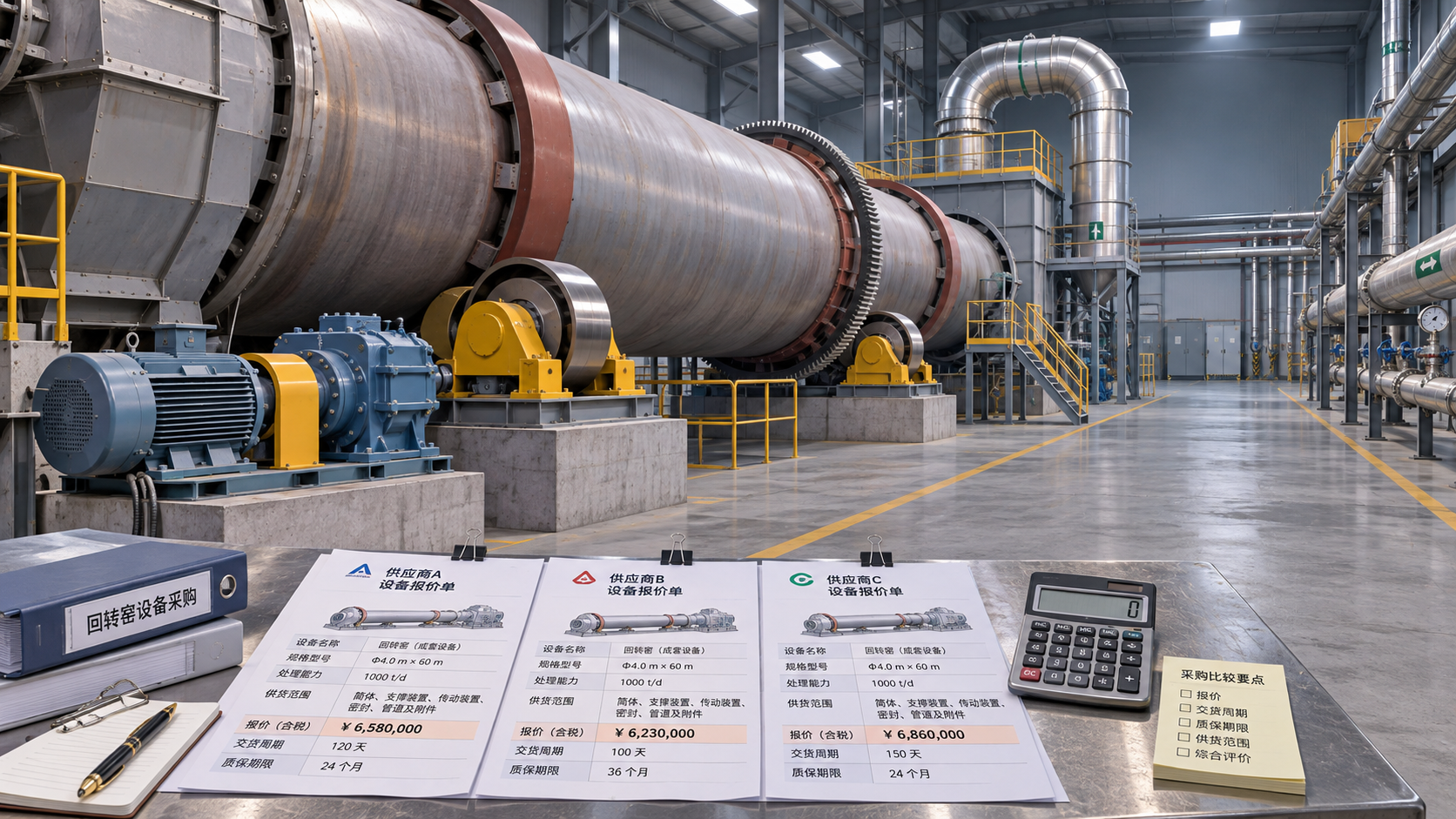
 Ms. Elena RodriguezProcess Equipment Pricing: How to Compare Quotes and Total CostsMaster process equipment comparison pricing: compare supplier quotes, uncover hidden costs, and evaluate lifetime expenses to make a confident buying decision.Nov 17, 2026
 Prof. Marcus ChenGlobal Cement Industry Decarbonization: Key Technologies and Cost BarriersExplore global cement industry decarbonization technologies, cost barriers, and practical investment strategies to cut emissions while protecting competitiveness.Nov 16, 2026
 Structural Material AnalystChoosing Specification Preparation Support for North American ProjectsChoose specification preparation support North America projects can rely on. Compare technical expertise, compliance, interfaces, and supplier acceptance criteria.Nov 14, 2026
 Structural Material AnalystSpecialty Ceramic Extrusion: How Material Properties Affect FormingExplore how ceramic specialized material extrusion is shaped by particle size, binders, and solids loading—and learn to improve forming and reduce defects.Nov 13, 2026
 Ms. Elena RodriguezHigh-Pressure Molding Equipment Prices in Europe: What Affects the Total Cost?Explore high pressure molding equipment price Europe buyers can expect to assess, from tooling and installation to running costs. Compare quotes with confidence.Nov 12, 2026
 Structural Material AnalystChoosing a Vacuum Extrusion System: Capacity, Materials and Vacuum LevelsChoosing a vacuum extrusion system? Compare capacity, material behavior and vacuum levels to improve product quality and select the right equipment.Nov 11, 2026
 Optical Glass Tech FellowGlass Melting Innovations: Comparing Electric and Hybrid Furnace TechnologiesExplore glass melting innovations and compare electric and hybrid furnaces by energy use, emissions, glass quality and operating costs to find the right fit.Nov 10, 2026
 Thermal Energy ArchitectHow Thermal Barrier Technology for Kilns Reduces Heat LossDiscover how thermal barrier technology for kilns reduces heat loss, and learn how to select insulation and assess savings without compromising lining durability.Nov 09, 2026
 Prof. Marcus ChenGlobal Materials Trends: What North American Manufacturers Need to KnowExplore global material trends North America manufacturers need to know, from energy costs and supply chains to lower-carbon materials and smarter investment decisions.Nov 08, 2026
 Thermal Energy ArchitectSelecting Abrasion-Resistant Refractories for High-Wear Kiln LiningsExplore advanced refractory materials abrasion resistant enough for high-wear kiln linings. Compare wear mechanisms, thermal stability, installation and lifecycle costs.Nov 06, 2026
 Dr. Alistair VaughnIndustrial Energy Efficiency Certification: ISO 50001 Requirements for PlantsExplore industrial energy efficiency certification with ISO 50001. Learn how plants define scope, measure performance and prepare credible evidence for audits.Nov 05, 2026
 Ms. Elena RodriguezWhat Is an Industrial Intelligence Database and How Is It Used?Discover how an industrial intelligence database helps researchers map markets, track projects, compare technologies, and assess evidence with confidence.Nov 04, 2026
 Ms. Elena RodriguezIndustrial Material Pricing: How Freight and Order Volume Affect QuotesExplore industrial material pricing and learn how freight, order volume, and inventory costs affect quotes. Compare suppliers and make smarter purchasing decisions.Nov 03, 2026
 Structural Material AnalystSingle- vs. Twin-Screw Extrusion Systems: Which Suits Your Material?Choose the right specialized extrusion systems screw type for your material. Compare single- and twin-screw options to improve quality and control costs.Nov 02, 2026
 Thermal Energy ArchitectChoosing Thermal Barrier Materials for Kilns: Temperature and Heat LossExplore thermal barrier materials for kilns and learn how to balance temperature resistance, heat loss, durability and operating costs when selecting a lining.Nov 01, 2026
 Ms. Elena RodriguezSupplier Reference Platform Pricing: Fees and Contract Terms to CompareCompare supplier reference platform pricing, hidden fees, verification costs and contract terms to choose the right solution for your sourcing team.Oct 31, 2026
 Ms. Elena RodriguezSupplier Comparison Metrics: How to Score Cost, Quality, and DeliveryUse supplier comparison metrics to score cost, quality, and delivery with a practical weighted scorecard. Make more confident equipment sourcing decisions.Oct 30, 2026
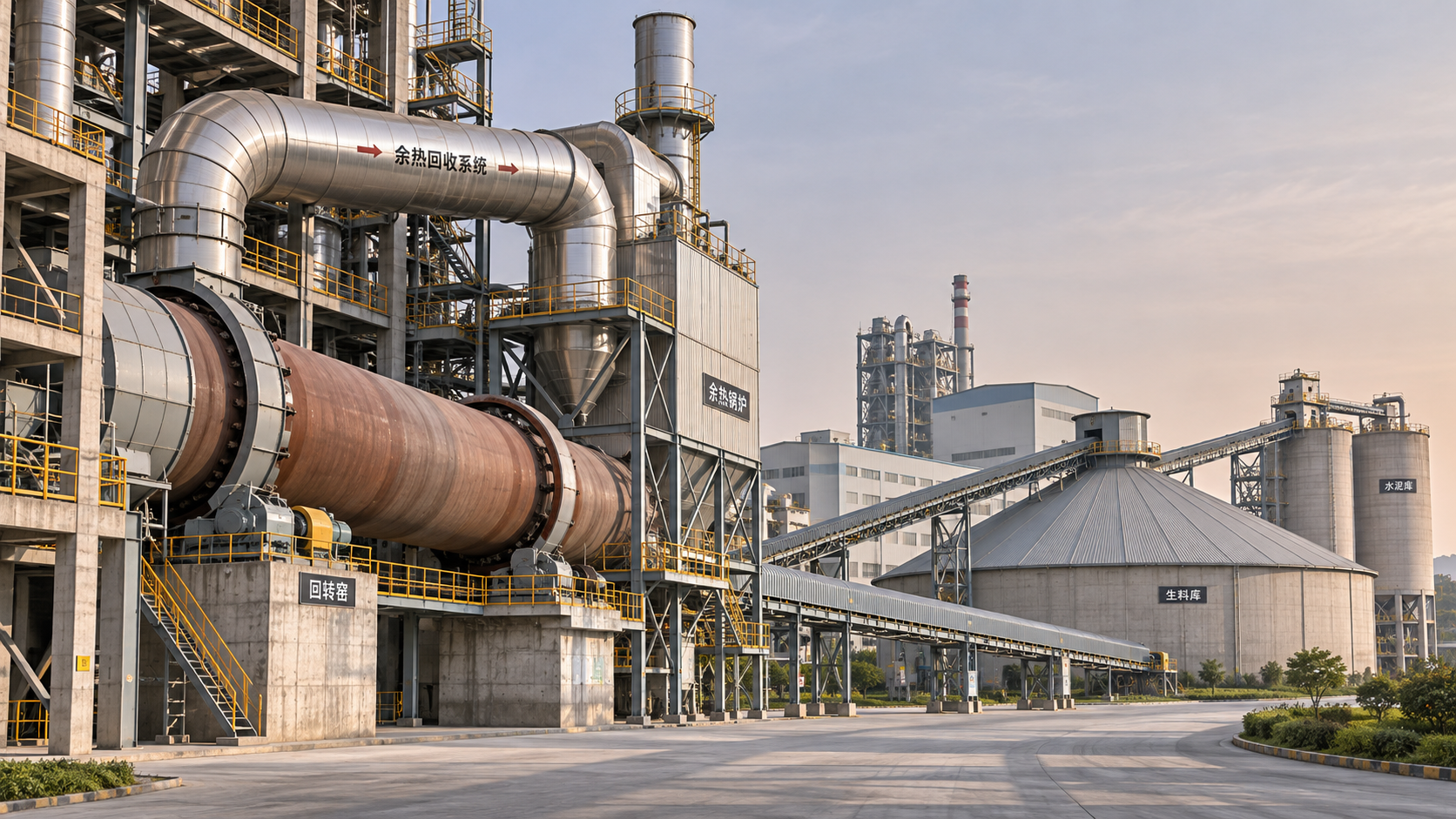
 Ms. Elena RodriguezWhat Does Industrial Waste Heat Recovery Cost, and When Does It Pay Back?Understand industrial waste heat recovery cost, from equipment and installation to net savings. Learn how to compare quotes, assess risks, and calculate realistic payback before investing.Oct 29, 2026
 Thermal Energy ArchitectChoosing Industrial Waste-to-Energy Equipment by Waste Moisture and Heating ValueChoose industrial waste to energy equipment by moisture and heating value. Compare technologies, fuel needs, and supplier guarantees to make a confident investment.Oct 28, 2026
 Thermal Energy ArchitectChoosing Industrial Kiln Insulation for High Heat and Repeated Thermal CyclingExplore high temperature industry solutions for kiln insulation under repeated thermal cycling. Compare materials, reduce heat loss, and select the right lining for your operating conditions.Oct 27, 2026


Related News
- 00
0000-00
Choosing Specification Preparation Support for North American Projects - 00
0000-00
Specialty Ceramic Extrusion: How Material Properties Affect Forming - 00
0000-00
Choosing a Vacuum Extrusion System: Capacity, Materials and Vacuum Levels - 00
0000-00
Single- vs. Twin-Screw Extrusion Systems: Which Suits Your Material? - 00
0000-00
Bioprocessing Equipment Comparisons: Where to Find Reliable Performance Data
0000-00
Weekly Insights
Stay ahead with our curated technology reports delivered every Monday.