
Why thermal energy optimization starts with heat loss




Why Thermal Energy Optimization Starts with Heat Loss
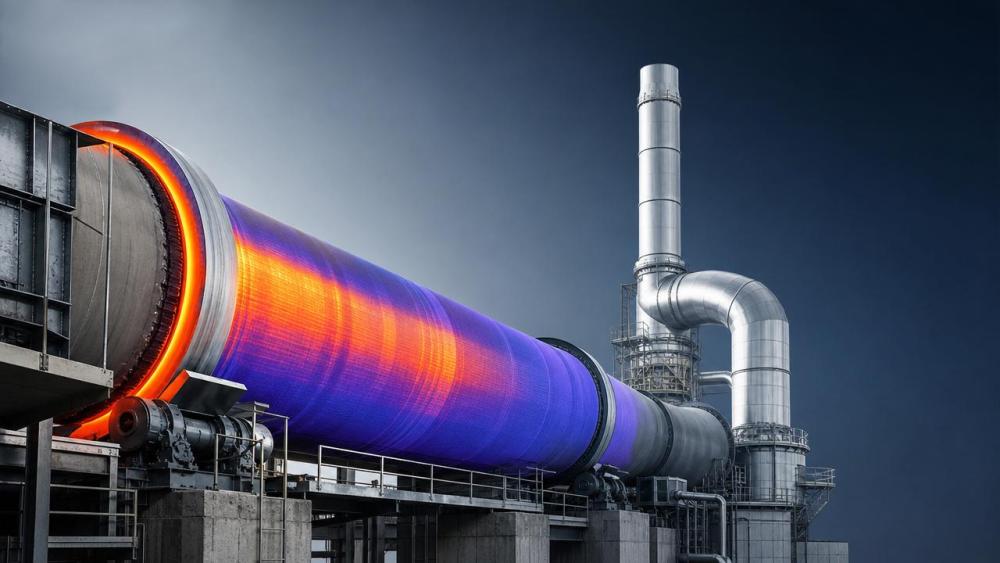
In any kiln, furnace, incinerator, or extrusion line, thermal energy optimization begins with a practical question: where is heat escaping before it creates value?
Heat loss affects fuel demand, product uniformity, refractory life, emissions stability, and maintenance frequency across high-temperature industrial systems.
When losses are traced through insulation gaps, flue gas, air leakage, or unstable control, efficiency improvement becomes measurable and repeatable.
Scenario Judgment: Heat Loss Defines the Real Optimization Starting Point
Thermal energy optimization is often associated with advanced burners, automation platforms, or waste heat recovery systems.
Yet those measures deliver limited value when the thermal boundary is weak, leaking, or poorly understood.
A cement kiln, glass furnace, incinerator, refractory tunnel kiln, and extrusion dryer do not lose heat in the same way.
Each scenario has different temperature curves, material reactions, airflow conditions, residence times, and equipment constraints.
Therefore, thermal energy optimization must start with loss mapping, not with generic equipment replacement.
For CF-Elite’s intelligence focus, this approach links physical parameters, process chemistry, and decarbonization strategy into one decision framework.
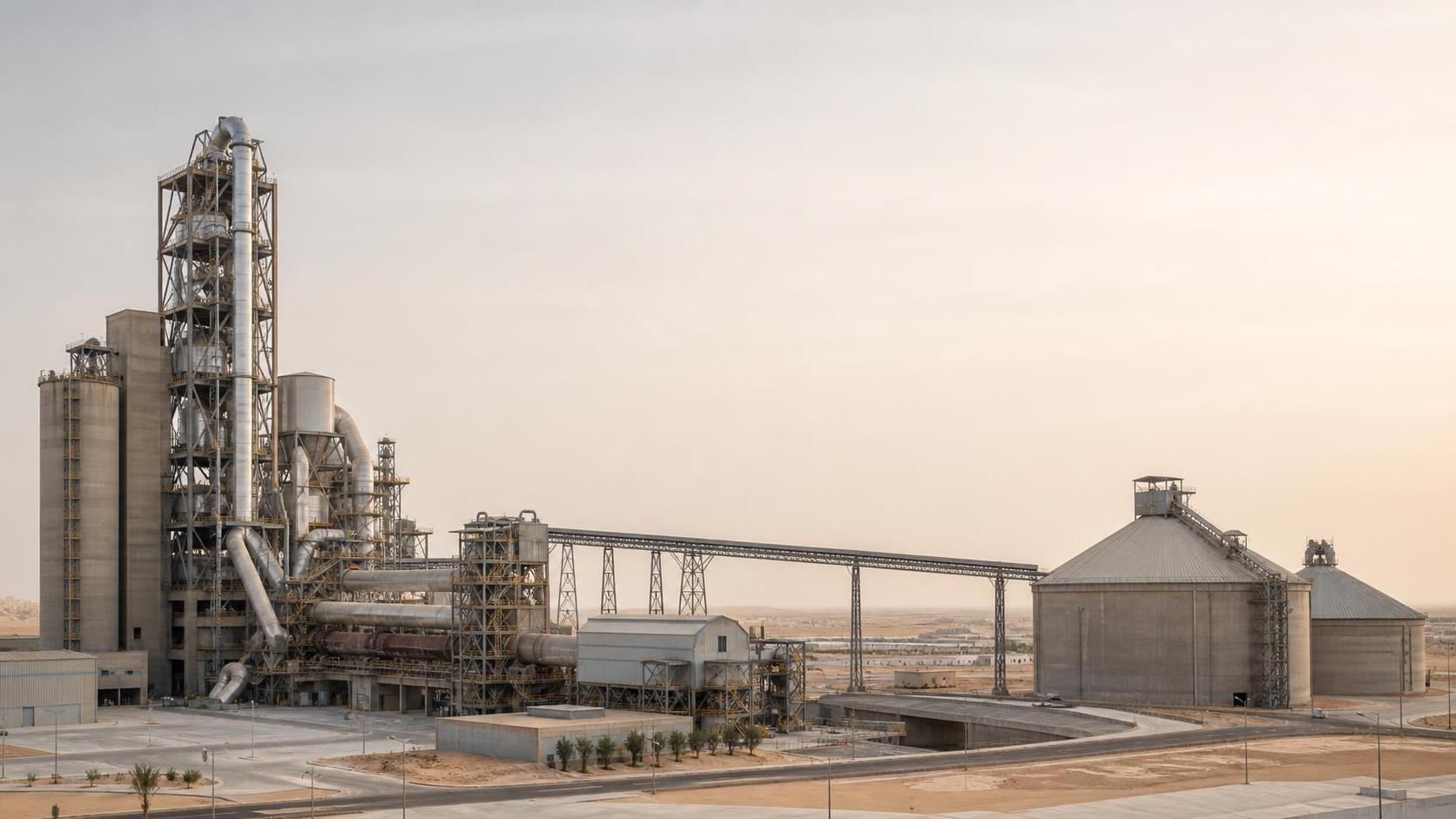
Scenario One: Cement Lines Need Heat Loss Control Around Kiln Stability
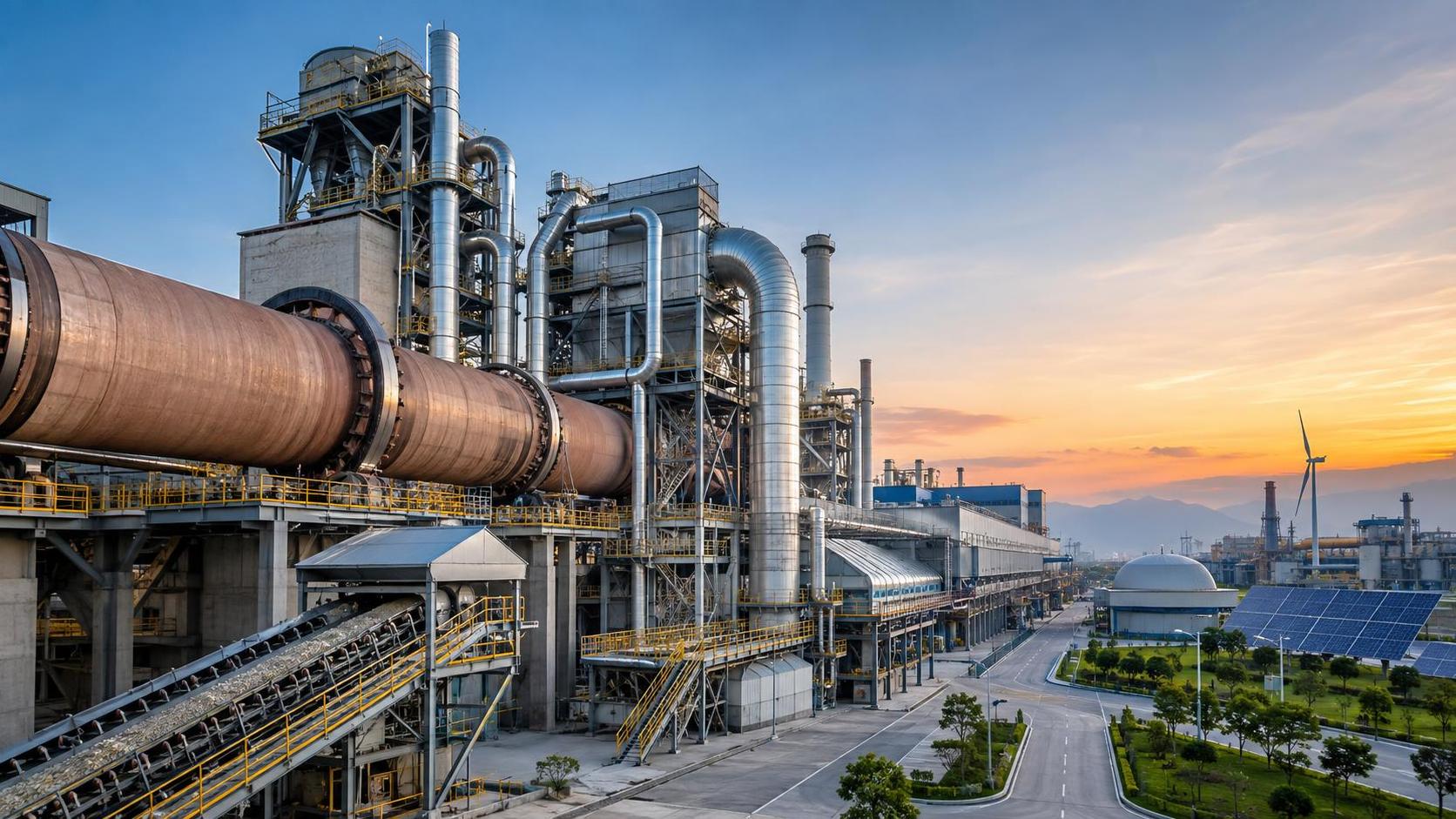
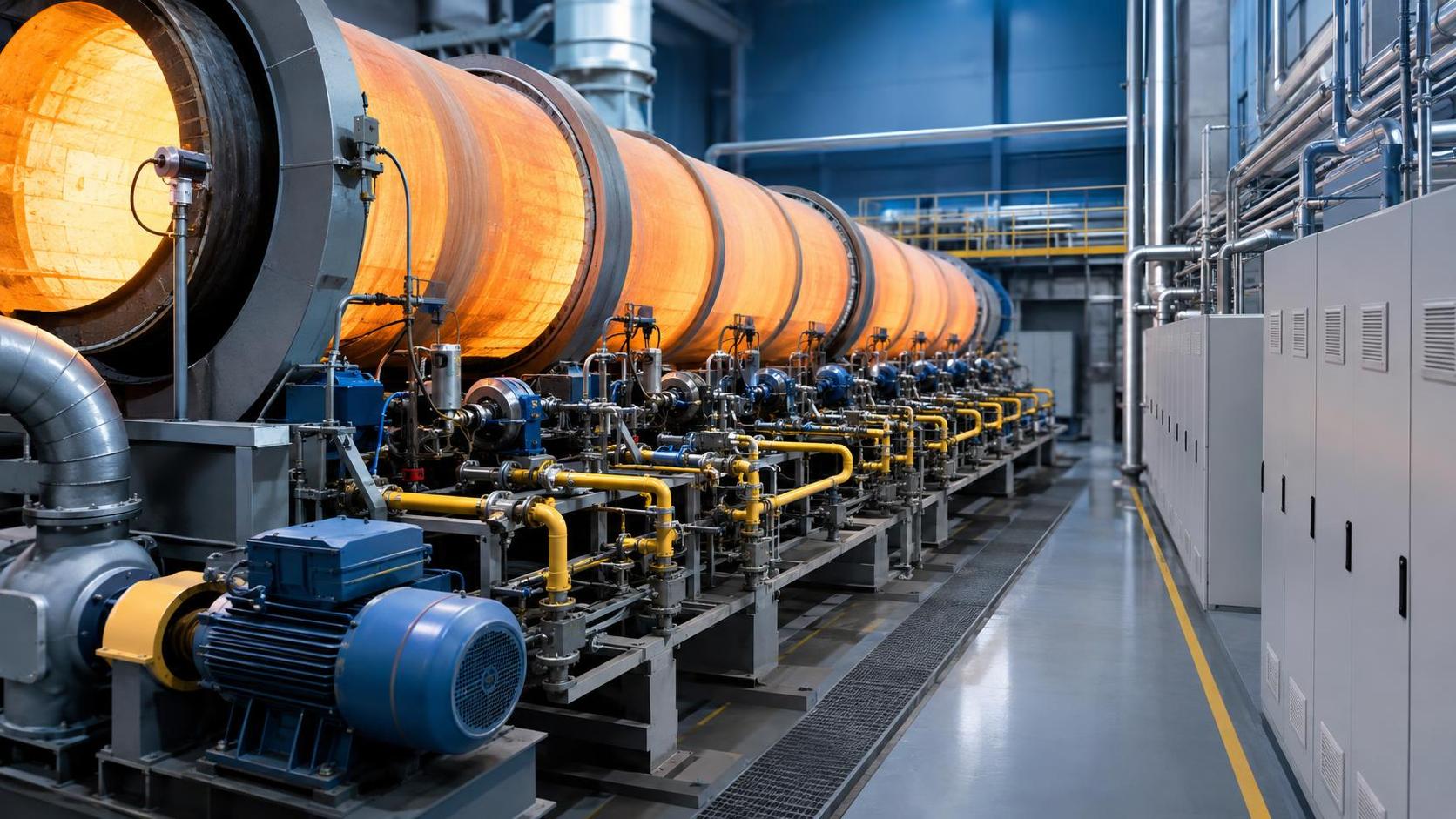
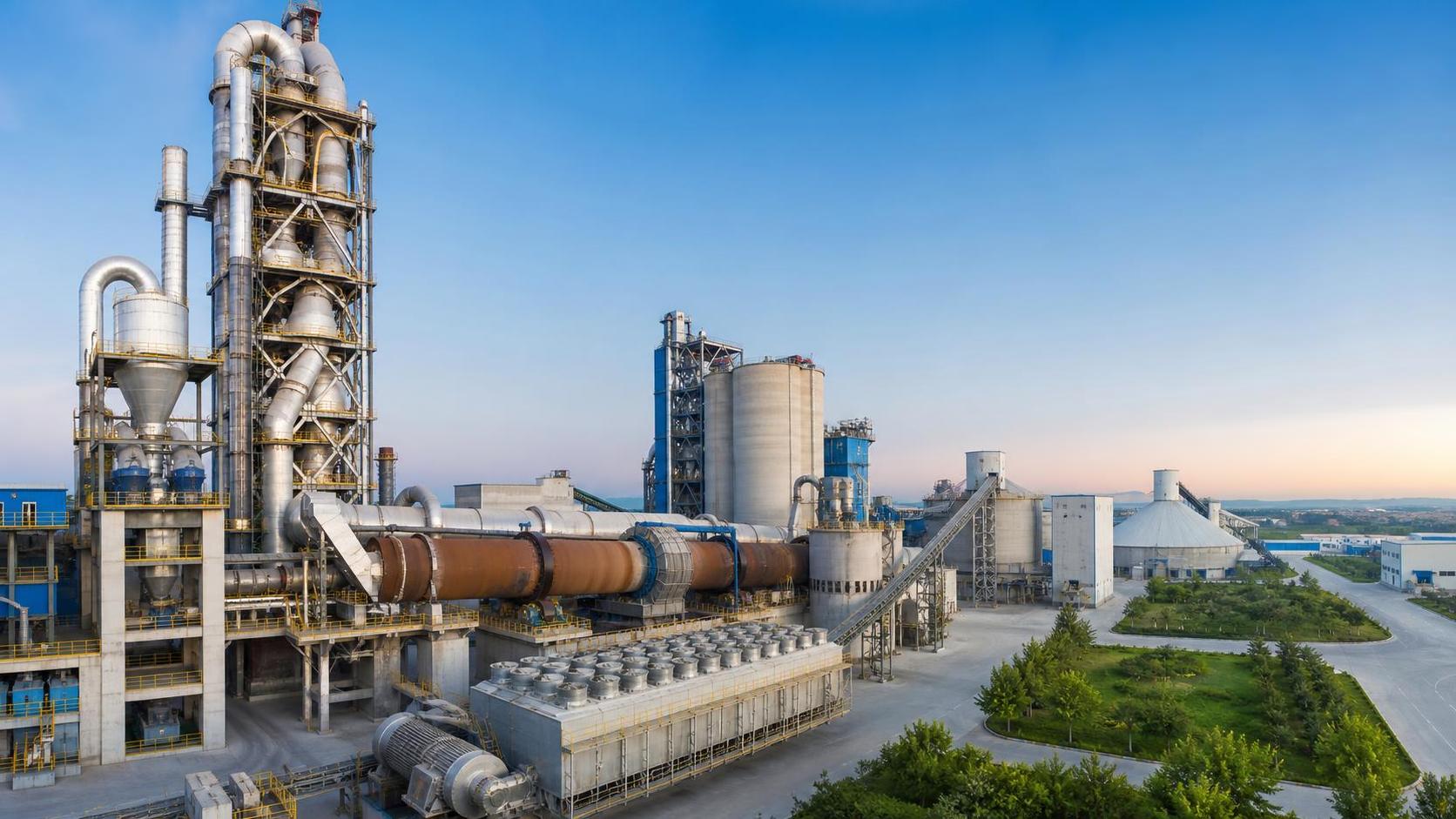
In cement production, thermal energy optimization depends on clinker quality, fuel rate, preheater performance, and kiln shell condition.
The most visible heat loss often appears through shell radiation, cooler inefficiency, and excessive exhaust temperature.
However, the deeper issue is usually process instability that forces extra fuel to protect clinker formation.
A practical judgment point is whether heat loss changes with feed chemistry, coating condition, or secondary air temperature.
If it does, thermal energy optimization should combine refractory inspection, burner adjustment, cooler balancing, and kiln draft review.
Scenario Two: Glass Furnaces Require Heat Retention for Melting Precision
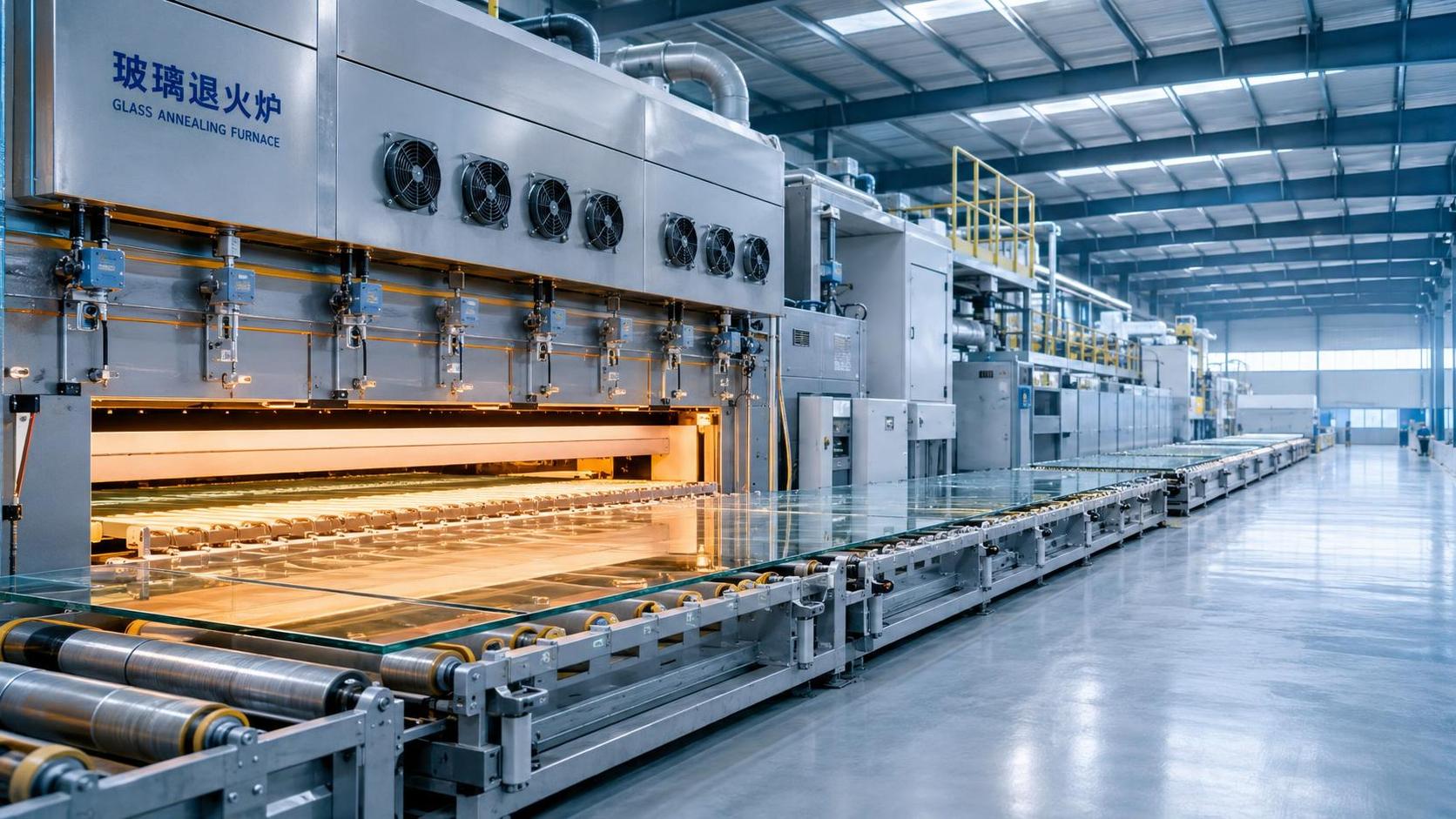
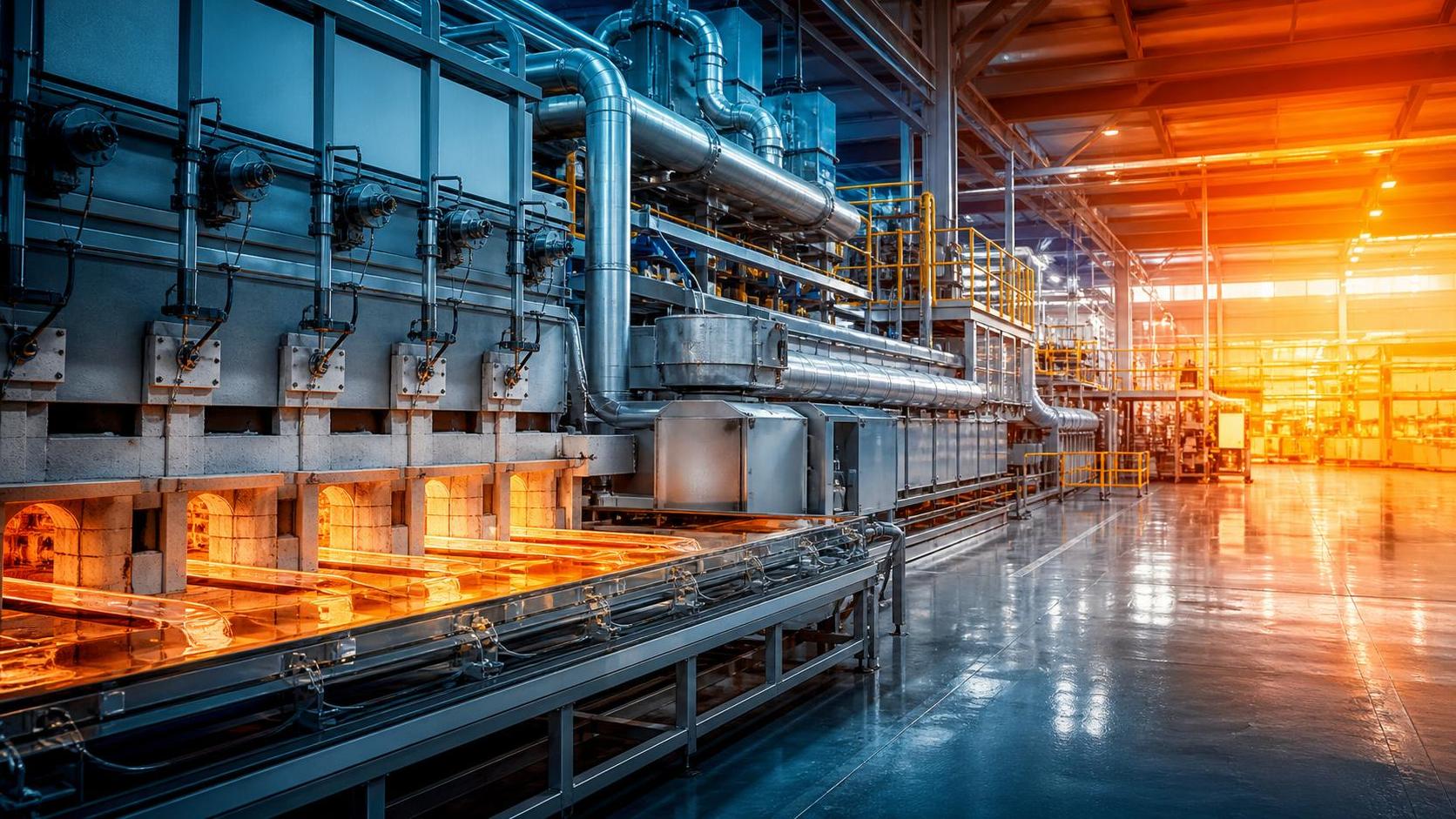
Glass manufacturing has a different energy logic because melting quality depends on stable heat transfer and controlled convection.
Heat loss through furnace crowns, regenerators, sidewalls, ports, and flue channels directly affects melt temperature uniformity.
For float glass, PV glass, and ultra-thin glass, small thermal deviations may create bubbles, striae, or thickness variation.
Here, thermal energy optimization should not only chase lower fuel use.
It should protect melting logic, annealing stability, and furnace campaign life at the same time.
Useful judgment points include regenerator temperature balance, exhaust oxygen, crown hot spots, and batch-to-melt conversion efficiency.
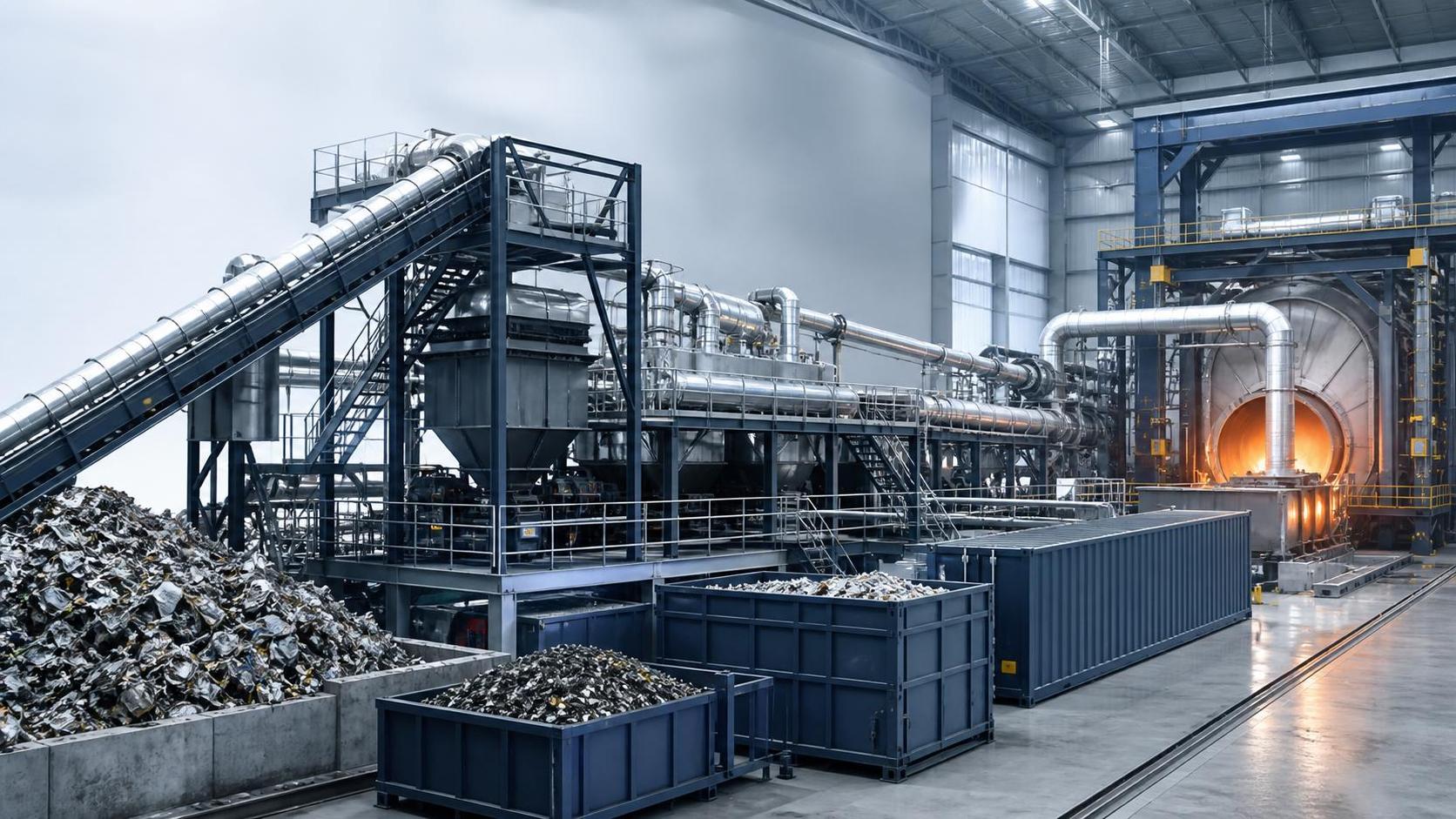
Scenario Three: Incineration Systems Must Balance Heat Recovery and Compliance
Industrial incineration converts waste into controlled thermal treatment, and sometimes into recoverable energy.
In this scenario, thermal energy optimization must respect waste variability, residence time, excess air, and emission limits.
Heat loss may appear through over-ventilation, poorly sealed charging points, wet waste, refractory damage, or unstable secondary combustion.
The wrong optimization move can reduce fuel use but increase CO, NOx, dioxin risk, or incomplete burnout.
A sound judgment model reviews thermal loss together with combustion safety, flue gas treatment load, and waste heat boiler performance.
Thermal energy optimization in incineration is successful only when energy recovery and regulatory stability improve together.
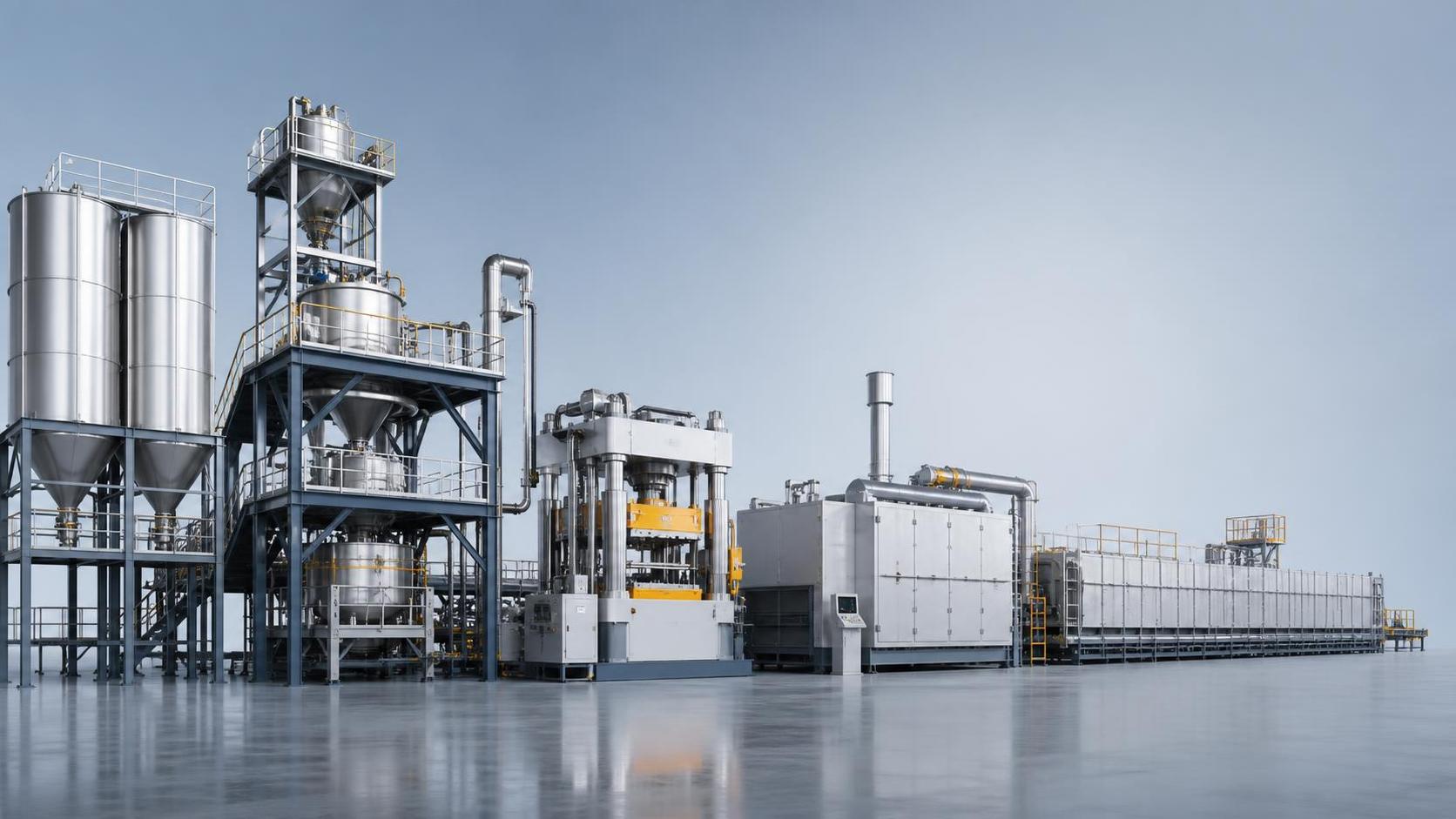
Scenario Four: Refractory Production Depends on Heat Barriers and Firing Curves
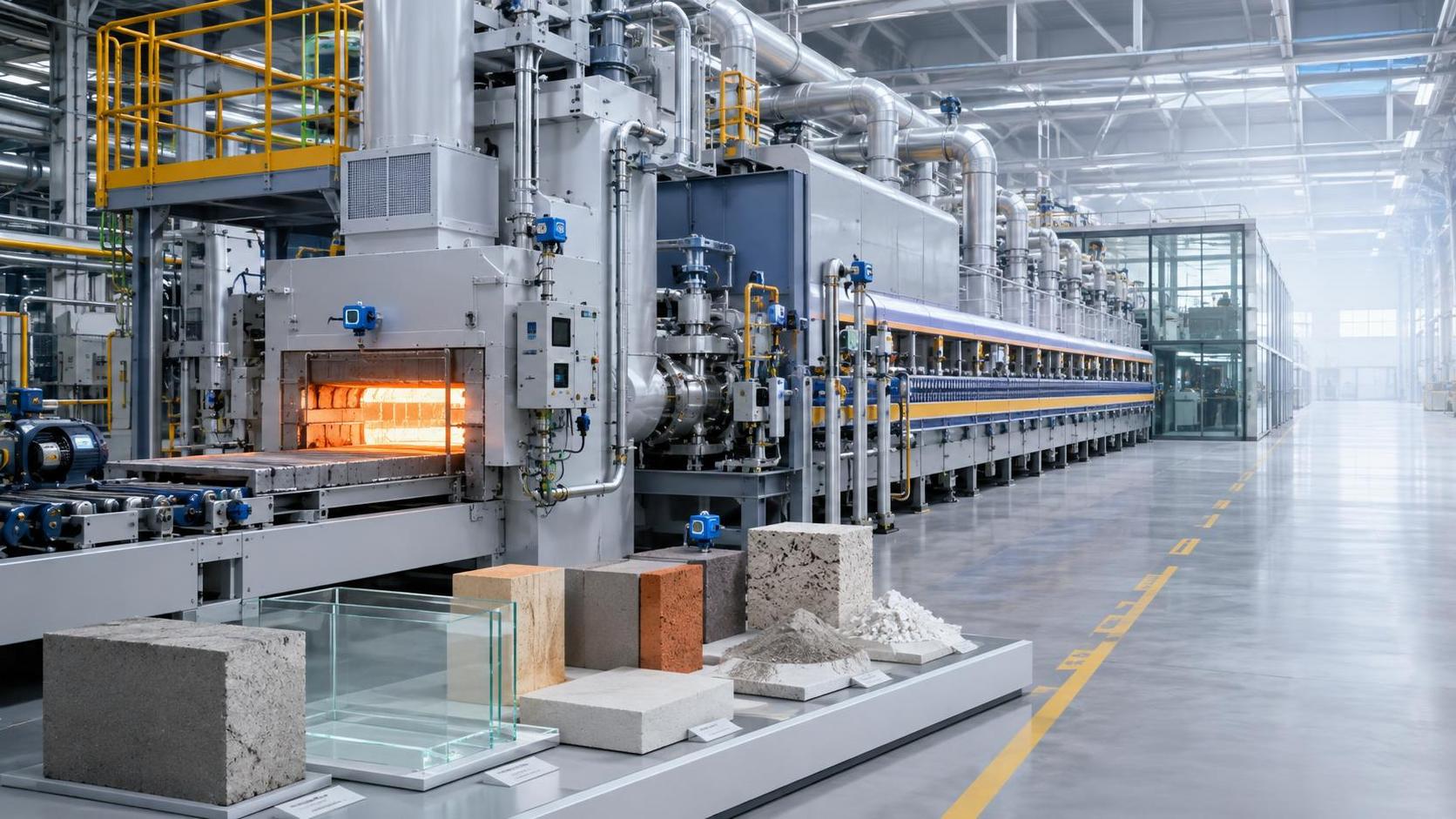
Refractory production lines produce the thermal barriers used by steel, metallurgy, cement, glass, and chemical industries.
Their own firing processes require carefully managed heat-up, soaking, and cooling stages.
Heat loss in tunnel kilns or shuttle kilns can cause uneven sintering, dimensional deviation, and unnecessary firing cycles.
Thermal energy optimization should examine kiln car sealing, insulation aging, burner zone balance, and pressure distribution.
The key question is whether product defects correlate with temperature deviation or with local heat leakage.
If both appear together, insulation repair may create more value than increasing firing temperature.
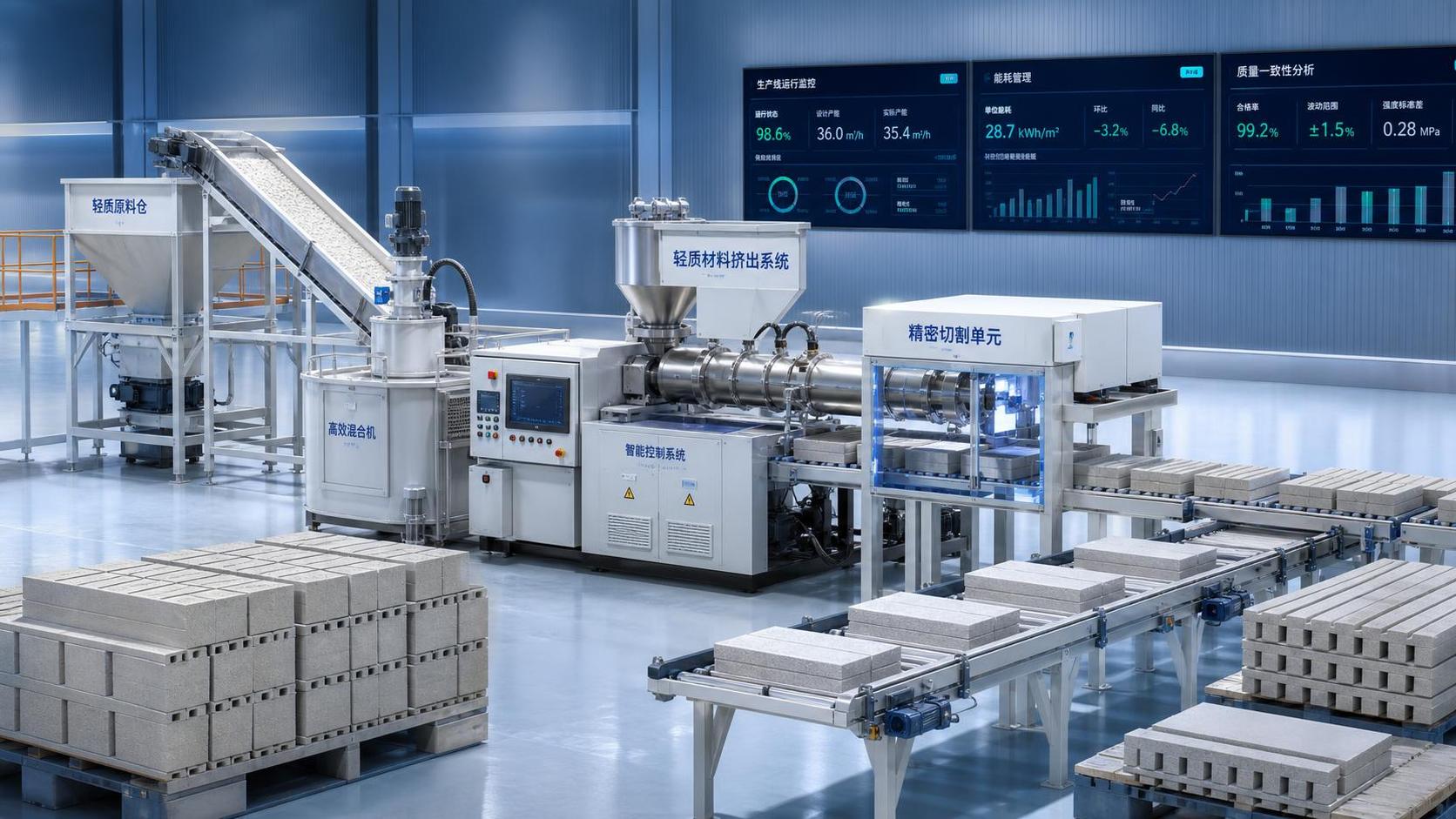
Scenario Five: Building Material Extrusion Links Heat Loss to Drying Quality
New building material extrusion often combines high-pressure forming, moisture removal, curing, drying, or heat treatment.
Thermal energy optimization in this scenario is strongly tied to airflow distribution and moisture migration.
Heat escaping from dryers, curing chambers, steam lines, or exhaust ducts creates uneven shrinkage and extended cycle times.
A useful judgment point is whether energy use rises while output speed or product strength remains unchanged.
That pattern often indicates heat loss, poor humidity control, or mismatched drying profiles.
For lightweight green materials, thermal energy optimization should improve efficiency without damaging density, bonding, or surface quality.
Different Scenarios Show Different Heat Loss Priorities
The table shows why thermal energy optimization cannot be reduced to one universal formula.
The same temperature loss may mean refractory wear in one line and airflow imbalance in another.
Scene-Based Adaptation: How to Turn Heat Loss Into Action
Thermal energy optimization becomes practical when heat loss is converted into inspection routes, control changes, and investment priorities.
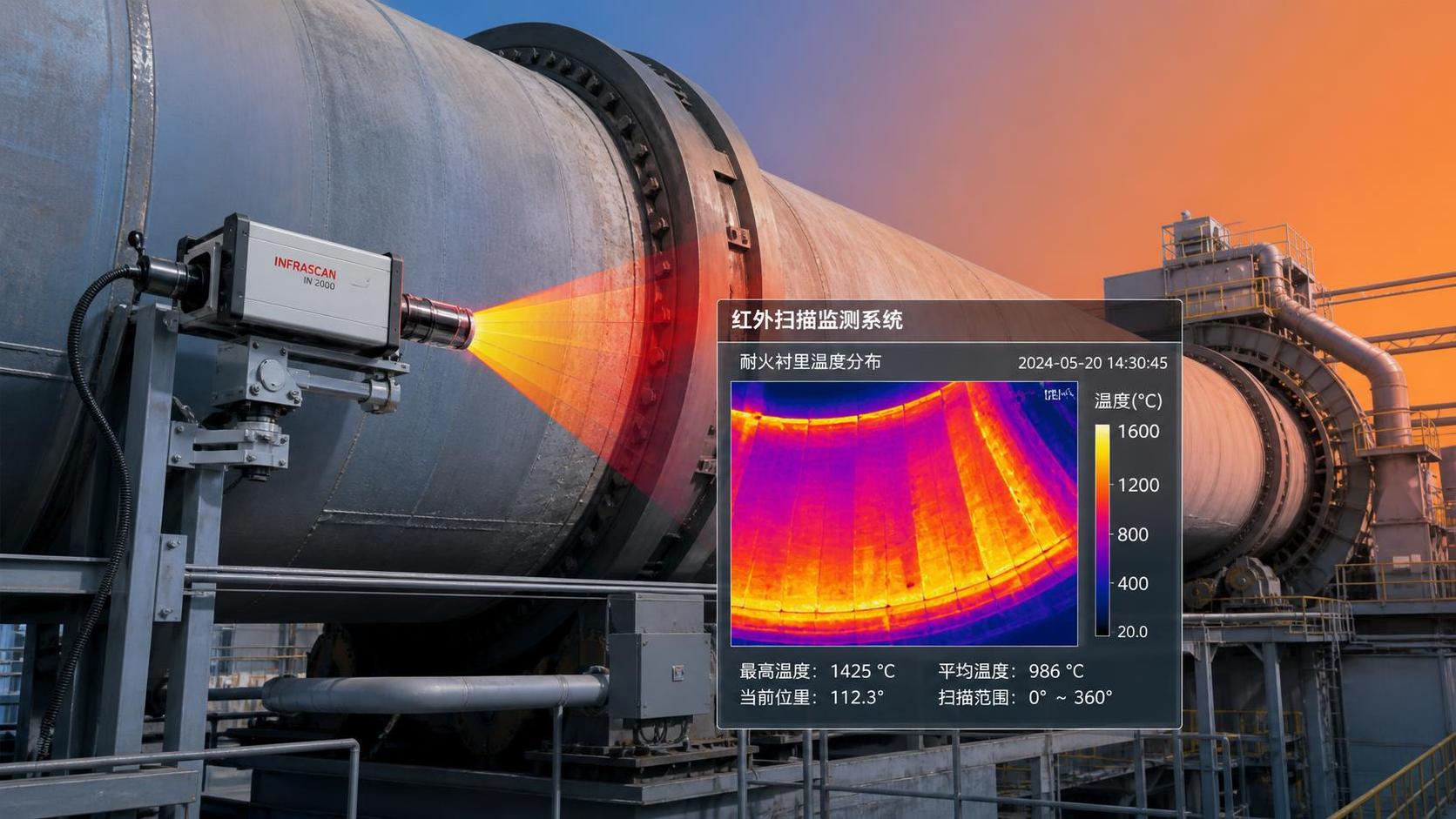
- Map visible and hidden heat loss with thermography, shell scans, oxygen readings, and exhaust temperature trends.
- Compare losses against production rate, product quality, fuel mix, and environmental indicators.
- Separate structural heat loss from process-driven heat loss before selecting upgrades.
- Prioritize sealing, insulation, refractory repair, draft balance, and combustion tuning before major retrofits.
- Use digital monitoring to confirm whether thermal energy optimization remains stable after adjustments.
This sequence helps avoid scattered projects that save energy on paper but fail under real production conditions.
Common Misjudgments That Weaken Thermal Energy Optimization
Mistaking High Temperature for Useful Heat
A hot surface, hot exhaust stream, or hot chamber does not automatically represent useful process heat.
Thermal energy optimization must distinguish between heat that drives reaction and heat that escapes without value.
Replacing Equipment Before Diagnosing Loss Paths
New burners, fans, or control systems cannot fully compensate for damaged insulation or persistent air leakage.
A loss-first diagnosis often reveals lower-cost improvements with faster payback and less production disruption.
Ignoring Material Chemistry and Residence Time
Reducing heat input too quickly may disturb clinker formation, glass melting, waste burnout, or refractory sintering.
Thermal energy optimization should respect chemical kinetics, physical transformation, and required holding time.
Measuring Energy Without Measuring Quality
Energy savings are incomplete if defect rates rise, output falls, or emissions become unstable.
Reliable thermal energy optimization connects fuel data with quality records, equipment health, and compliance performance.
Decision Framework: What Should Be Checked First
A structured checklist helps teams decide where thermal energy optimization should begin in complex industrial environments.
- Identify the highest temperature boundary and confirm whether its insulation condition matches design expectations.
- Track exhaust gas temperature, oxygen level, moisture load, and pressure fluctuation over full operating cycles.
- Review refractory wear, expansion joints, door seals, kiln car seals, and duct leakage points.
- Compare energy intensity before and after product changes, fuel changes, or maintenance events.
- Rank actions by safety impact, energy impact, quality impact, payback time, and shutdown requirement.
This framework supports thermal energy optimization decisions across cement, glass, incineration, refractory, and extrusion applications.
How Intelligence Improves Heat Loss Decisions
High-temperature industries increasingly need intelligence that connects equipment data, market pressure, and environmental regulation.
CF-Elite observes these connections through silicate process knowledge, thermal management analysis, and global decarbonization signals.
The value is not only knowing that heat is lost, but knowing which loss deserves attention first.
For example, digital twin simulations can test furnace changes before physical adjustment.
Online refractory monitoring can detect lining risk before shell temperature becomes critical.
Market intelligence can also show when carbon costs make thermal energy optimization more urgent than capacity expansion.
Action Guidance: Start With Heat Loss, Then Scale the Upgrade
The next step is not a large retrofit plan, but a disciplined heat loss baseline.
Measure where heat escapes, why it escapes, and how that loss affects product value.
Then match actions to the real scenario: sealing, insulation, refractory renewal, airflow balancing, combustion tuning, or recovery integration.
Thermal energy optimization becomes stronger when every action is tied to measurable fuel savings, stable quality, and lower emissions.
For high-temperature industries, heat loss is not a minor symptom.
It is the first diagnostic signal, the first efficiency opportunity, and the first step toward cleaner industrial foundations.
By starting there, thermal energy optimization becomes practical, scenario-specific, and aligned with long-term carbon reduction goals.
Related News
 Optical Glass Tech FellowHow to Evaluate a Glass Annealing Equipment Manufacturer for Production StabilityChoose a glass annealing equipment manufacturer with proven thermal uniformity, reliable controls, lifecycle value, and responsive service for stable production.Sep 08, 2026
 Prof. Marcus ChenThermal Energy Architecture in North America: Strategies for Lower Building Energy UseThermal energy architecture North America helps project leaders cut building energy use through stronger envelopes, right-sized HVAC, storage, and smart commissioning.Sep 07, 2026
 Ms. Elena RodriguezHow Should Buyers Evaluate Building Material Industry Intelligence Pricing?Building material industry intelligence pricing: learn how to compare coverage, technical depth, and ROI to choose intelligence that reduces procurement risk.Sep 07, 2026
 Ms. Elena RodriguezHow to Use Building Material Intelligence Data for Market and Investment DecisionsBuilding material industry intelligence data helps leaders evaluate demand, costs, regulation, capacity, and technology to make smarter market and investment decisions.Sep 05, 2026
 Thermal Energy ArchitectHow PLC Control Improves Energy Efficiency and Temperature Stability in KilnsEnergy efficient kilns PLC control improves temperature stability, cuts fuel waste, and optimizes combustion, draft, and material flow. Explore proven strategies for smarter kiln modernization.Sep 04, 2026
 Optical Glass Tech FellowEuropean Glass Melting Processes: Furnace Choices, Energy Use, and Quality ControlGlass melting process Europe: explore furnace choices, energy efficiency, cullet strategy, and quality control to improve output, compliance, and long-term glass performance.Sep 03, 2026
 Thermal Energy ArchitectWhat Determines Refractory Lining Monitoring Price for Industrial Kilns?Refractory lining monitoring price depends on kiln size, sensor technology, installation, software, and support. Compare total lifecycle costs and choose the right solution.Sep 02, 2026
 Silicate Process EngineerCement Production System Costs: A Plant Buyer’s Guide to Budgeting and ROICement production systems cost planning made clear: compare CAPEX, operating costs, compliance, and ROI to build a resilient, profitable cement plant investment.Sep 01, 2026
 Dr. Alistair VaughnWhat Should a Process Technology Database Track for High-Temperature Plants?Process technology database essentials for high-temperature plants: track thermal profiles, feed chemistry, refractory wear, emissions, energy, and maintenance for safer, data-driven decisions.Aug 31, 2026
 Ms. Elena RodriguezHow to Evaluate a Silicate Processing Equipment Manufacturer for Plant ProjectsSilicate processing equipment manufacturer selection: assess process fit, guarantees, energy, compliance, delivery risk, and lifecycle support for dependable plant performance.Aug 30, 2026
 Dr. Alistair VaughnHow to Specify Custom Agricultural Processing Equipment for Throughput and HygieneEquipment customization services for agricultural processing: learn to specify hygienic, high-throughput lines that improve yield, reliability, and long-term efficiency.Aug 29, 2026
 Dr. Alistair VaughnHow to Select Process Plant Equipment for High-Temperature, Abrasive Production LinesProcess plant equipment selection for high-temperature, abrasive lines: reduce downtime, improve durability, and optimize lifecycle performance.Aug 28, 2026
 Silicate Process EngineerHow Kiln Heat Recovery Systems Cut Fuel Use in Cement and Lime ProductionKiln heat recovery helps cement and lime plants cut fuel use, improve thermal stability, and build practical, reliable decarbonization strategies.Aug 27, 2026
 Ms. Elena RodriguezProcess Equipment Comparison: Which Metrics Matter Most for Reliable Selection?Process equipment comparison made practical: discover which metrics truly drive reliable selection, from energy efficiency and control stability to wear life, maintainability, and uptime.Aug 26, 2026
 Ms. Elena RodriguezWhat Buyers Should Check Before Sourcing Precision Alloy Bars for Critical PartsPrecision Alloy Bars buyers should verify grade, chemistry, tolerances, surface quality, traceability, and lead time before sourcing for critical parts. Learn what prevents costly machining and reliability risks.Aug 27, 2026
 Ms. Elena RodriguezHow to Evaluate Thermal Management Solutions Insulation for High-Heat Industrial SystemsThermal management solutions insulation: learn how to assess high-heat industrial systems by thermal performance, durability, lifecycle cost, and supplier data for smarter decisions.Aug 25, 2026
 Ms. Elena RodriguezWhat Drives Waste Recycling Cost in Industrial Projects and How to Estimate It?Waste recycling cost in industrial projects depends on composition, moisture, transport, pre-treatment, and compliance. Learn how to estimate it accurately and compare suppliers with confidence.Aug 24, 2026
 Silicate Process EngineerHow to Evaluate Cement Production Plants in the Middle East for Capacity, Fuel Flexibility, and ROIcement production plants Middle East: Learn how to assess true capacity, fuel flexibility, and ROI risks to identify resilient assets and smarter investment opportunities.Aug 23, 2026
 Structural Material AnalystHow to Evaluate Lightweight Material Machinery for Output, Energy Use, and Product QualityLightweight material machinery evaluation guide: compare stable output, energy use, and product quality to choose equipment that cuts waste, lowers costs, and improves production confidence.Aug 22, 2026
 Material Heat-Resist ExpertWhat Determines Refractory Production Line Price in a Turnkey Plant Project?Refractory production line price depends on raw materials, forming method, kiln and drying design, automation, utilities, and scope. Learn what really drives turnkey plant cost before you invest.Aug 21, 2026

Related News
- 00
0000-00
How PLC Control Improves Energy Efficiency and Temperature Stability in Kilns - 00
0000-00
What Determines Refractory Lining Monitoring Price for Industrial Kilns? - 00
0000-00
How Digital Twin Simulations Help Kiln Operators Cut Fuel Use and Stabilize Output - 00
0000-00
What to Evaluate in a Rotary Kiln Technology Manufacturer for High-Temperature Process Projects - 00
0000-00
How to Evaluate an Incineration Equipment Exporter for Compliance, Capacity, and After-Sales Support
Weekly Insights
Stay ahead with our curated technology reports delivered every Monday.