
How can industrial waste recycling cut kiln emissions?




As decarbonization pressures reshape cement, glass, refractory, and high-temperature material production, enterprise leaders are looking beyond fuel switching toward smarter circular strategies.
Industrial waste recycling can cut kiln emissions by turning selected residues into alternative fuels, mineral inputs, or energy recovery streams.
The result is lower landfill dependence, improved thermal efficiency, better resource utilization, and stronger resilience against volatile fuel and raw material prices.
Why industrial waste recycling needs a disciplined kiln checklist
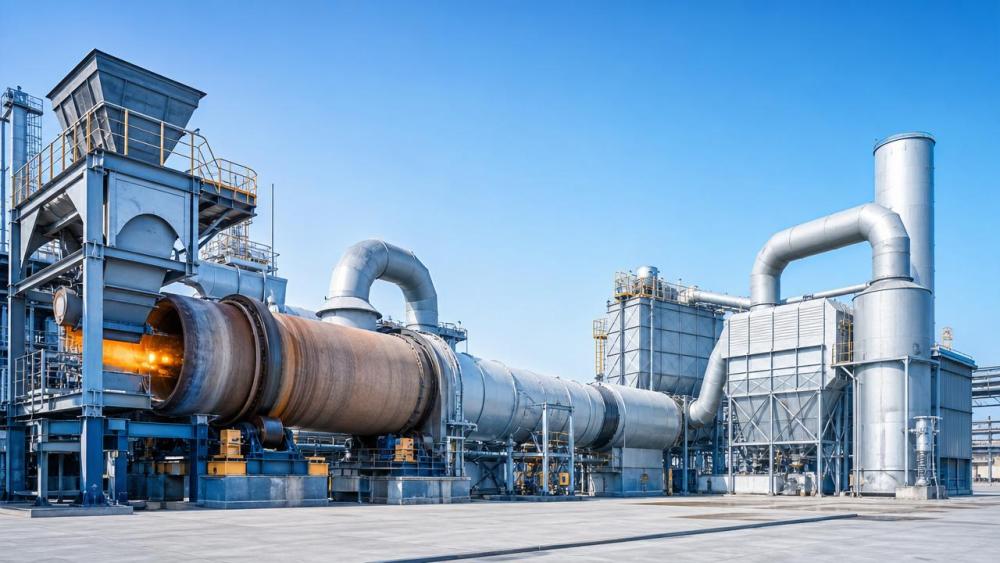
Kilns are not simple disposal units. They are controlled thermal reactors where chemistry, heat transfer, residence time, and emissions systems must remain aligned.
Industrial waste recycling reduces emissions only when the incoming waste stream improves the process balance instead of disturbing combustion, clinker quality, or gas cleaning.
A checklist prevents random trials. It links waste characterization, feeding design, oxygen control, mineral contribution, and compliance monitoring into one operating logic.
For cement, glass, refractory, and incineration lines, this discipline turns industrial waste recycling from a sustainability slogan into measurable thermal management.
Core industrial waste recycling checklist for lower kiln emissions
Use this checklist before accepting, pre-processing, or feeding any secondary material into a high-temperature production or energy recovery system.
- Classify each waste stream by calorific value, ash chemistry, moisture, chlorine, sulfur, heavy metals, particle size, and storage stability before kiln integration.
- Match alternative fuels with burner design, flame shape, residence time, excess oxygen, and temperature profile to avoid incomplete combustion.
- Confirm mineral compatibility by comparing ash oxides with clinker, glass batch, refractory mix, or lightweight aggregate formulation requirements.
- Pre-treat residues through sorting, shredding, drying, pelletizing, blending, or metal removal to stabilize industrial waste recycling performance.
- Control feeding points according to volatility, particle burnout time, alkali content, and potential impact on coating, rings, or refractory wear.
- Monitor CO, NOx, SOx, HCl, dust, VOCs, dioxin precursors, and mercury continuously where regulations or process risks demand verification.
- Calculate net carbon reduction by comparing fossil fuel displacement, avoided landfill methane, transport emissions, and additional electricity demand.
- Protect product quality by testing strength, color, leaching behavior, dimensional stability, thermal shock resistance, or chemical durability after substitution.
- Set rejection limits for unstable batches, unknown sources, excessive moisture, high halogens, explosive contaminants, or incompatible organic compounds.
- Document supplier audits, laboratory results, feeding rates, permit limits, corrective actions, and emission trends for traceable compliance evidence.
This checklist makes industrial waste recycling auditable. It also gives operating teams a common language for fuel, raw mix, maintenance, and environmental control.
How industrial waste recycling cuts emissions inside the kiln
Replace fossil energy without weakening combustion
The most direct route is alternative fuel substitution. Solvent residues, waste oils, biomass fractions, plastics, and prepared solid recovered fuel can replace coal or petcoke.
Industrial waste recycling works best when fuel preparation delivers stable heating value. Stable fuel supports steady flame temperature and reduces CO spikes.
Poorly prepared fuel creates local reducing zones. Those zones increase emissions, damage product chemistry, and shorten refractory life.
Use waste minerals as process inputs
Some residues reduce emissions by replacing quarried minerals. Slags, fly ash, foundry sand, ceramic waste, and filter dust may supply useful oxides.
In cement kilns, suitable mineral waste can reduce limestone demand. That matters because calcination is a major source of process CO2.
In glass and refractory production, industrial waste recycling may lower melting energy when cullet or compatible fired scrap enters the formulation.
Recover energy from difficult residues
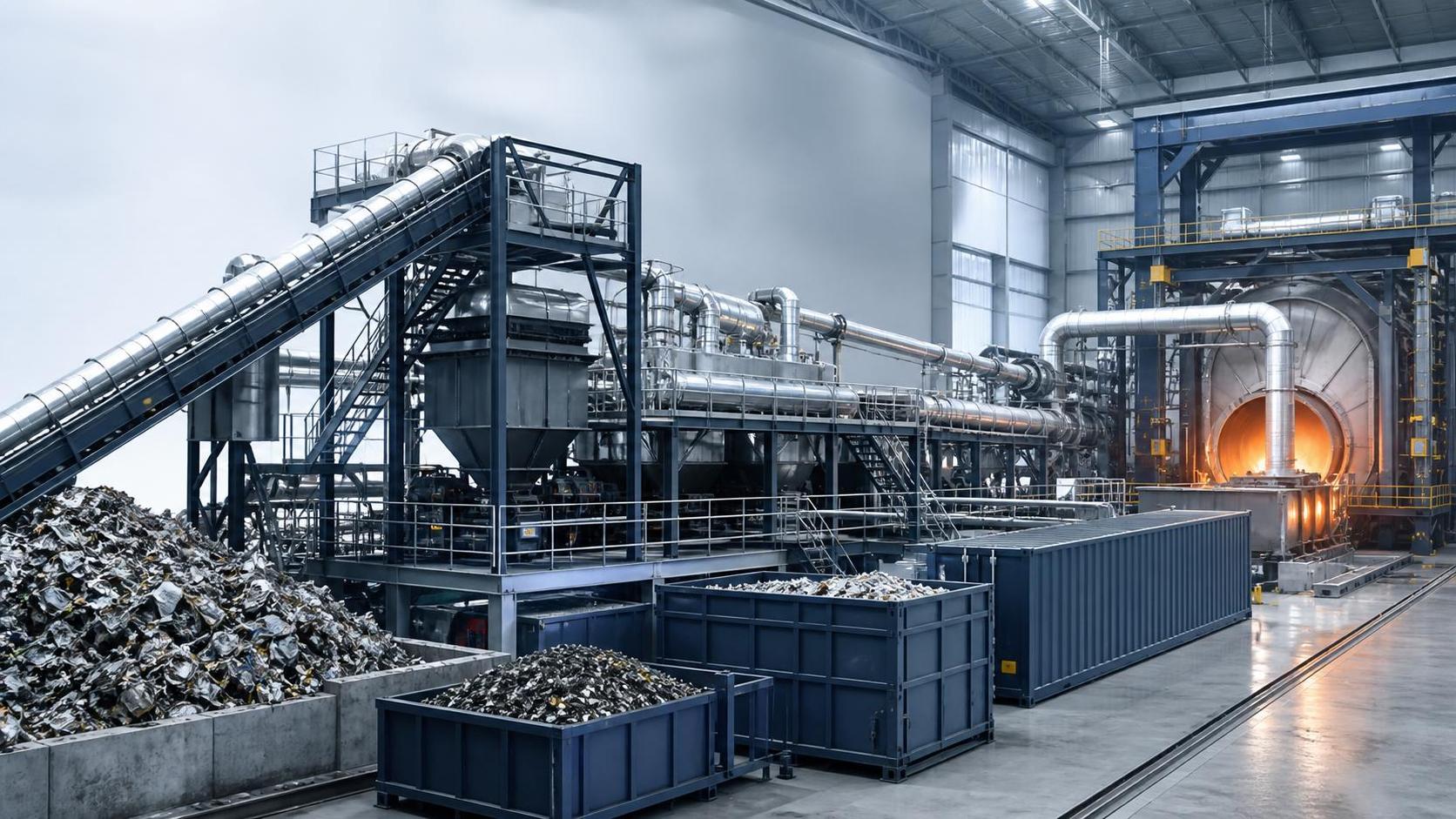
Industrial incineration and co-processing lines can recover heat from residues that cannot be mechanically recycled with consistent quality.
When flue gas cleaning, feed control, and ash handling are properly designed, industrial waste recycling supports both waste reduction and useful energy recovery.
Application notes across high-temperature industries
Cement production plants
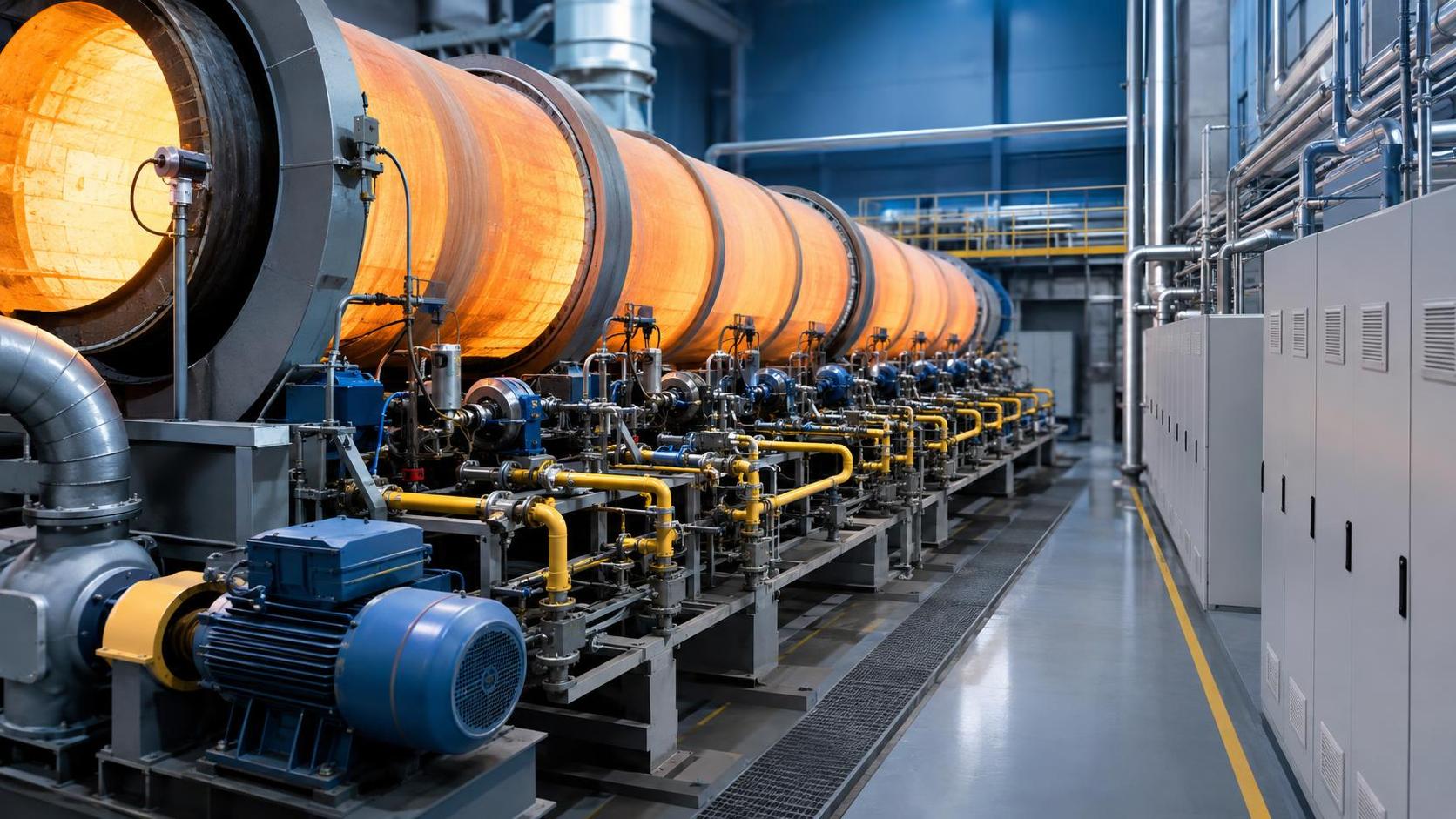
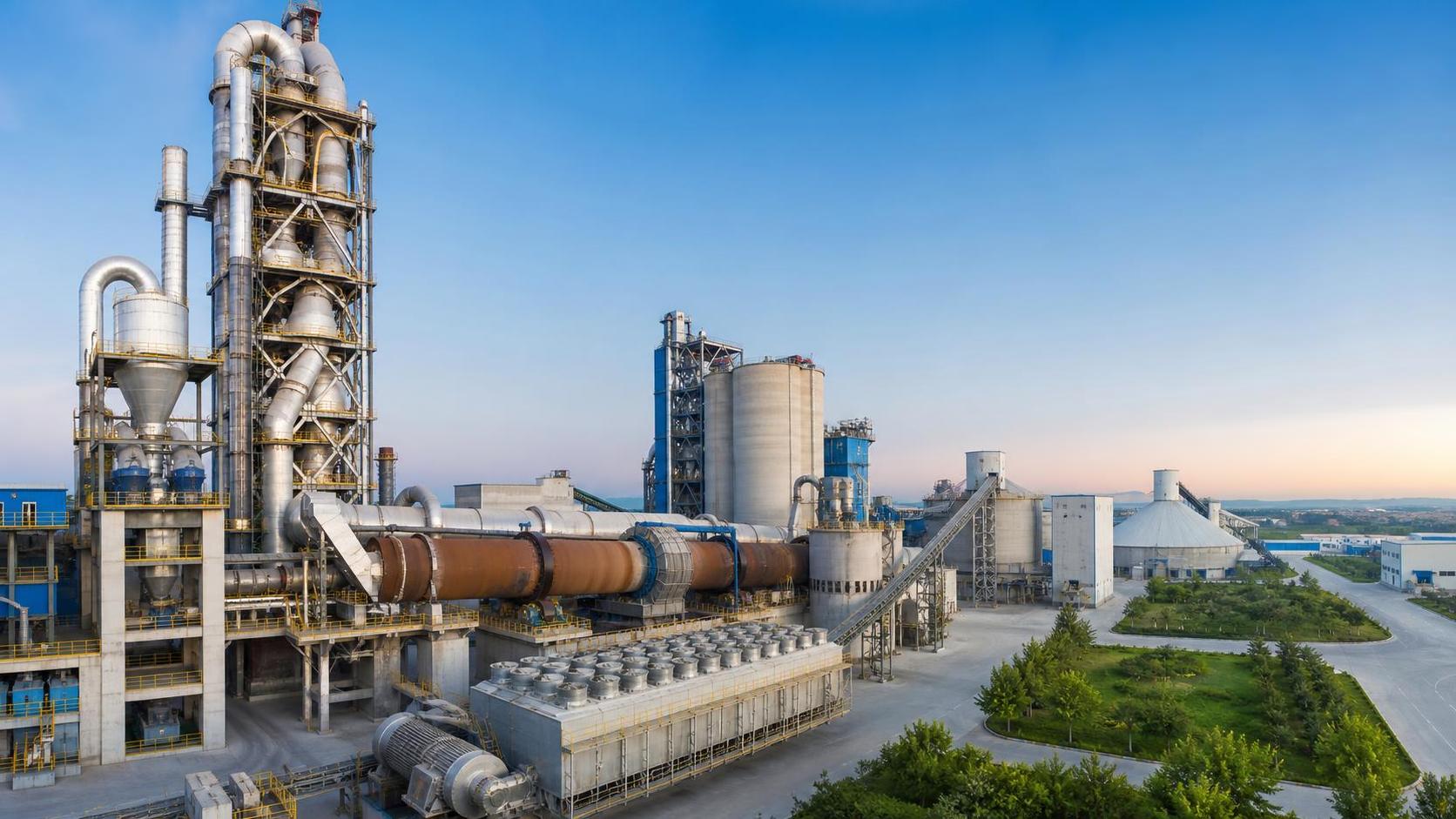
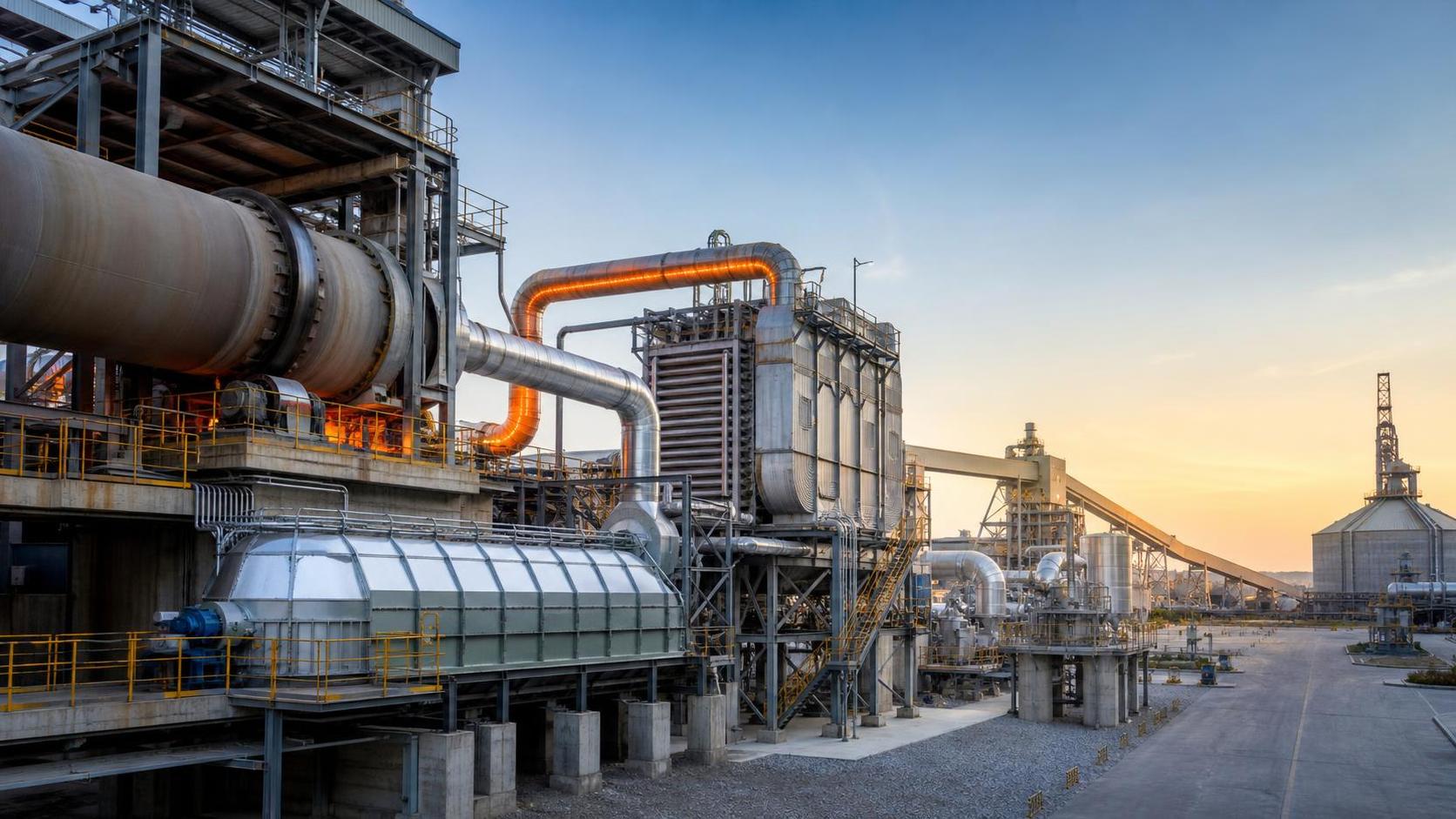
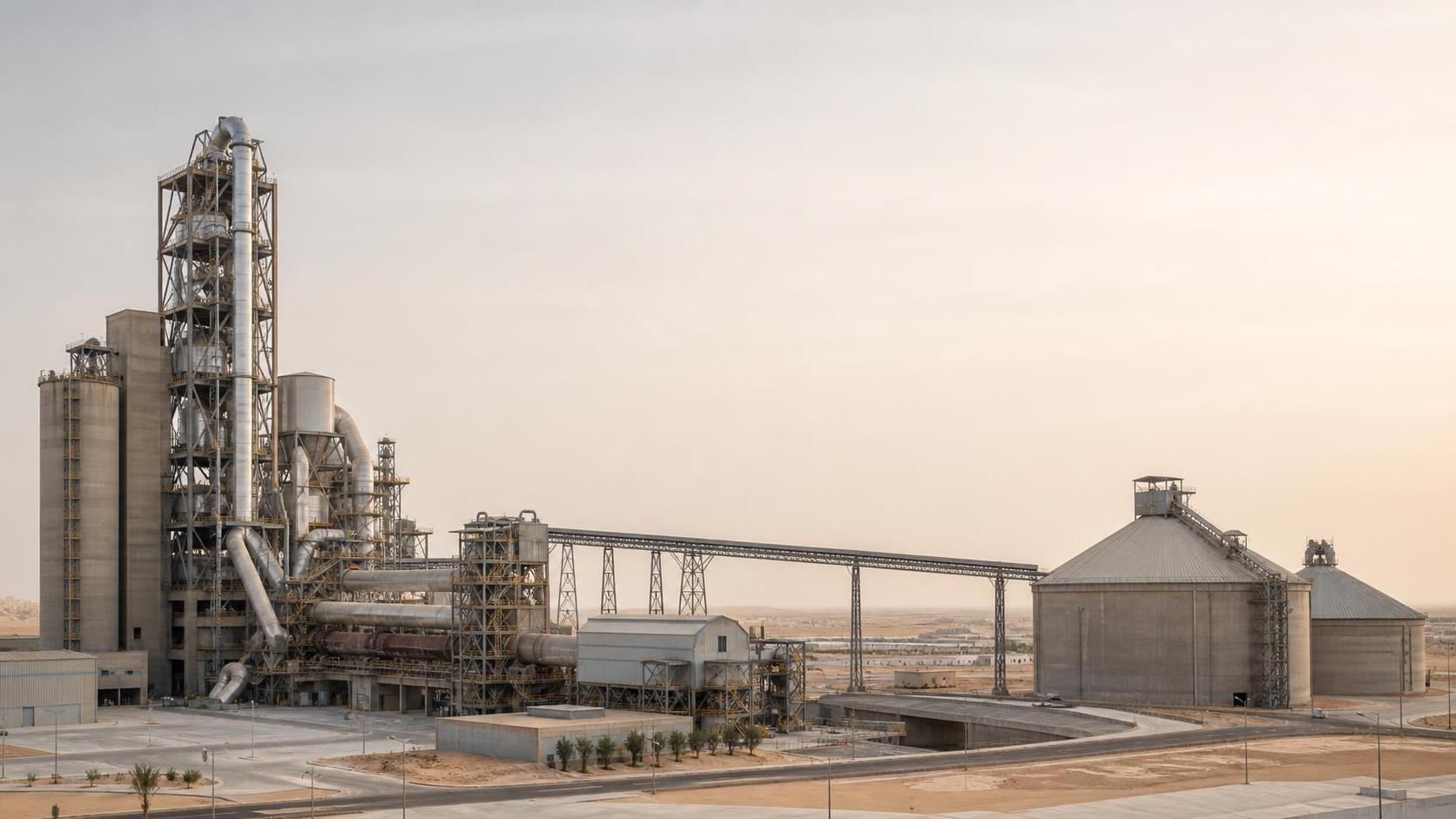
Cement kilns are well suited to co-processing because of high temperature, long residence time, alkaline conditions, and mineral absorption capacity.
Industrial waste recycling can replace fuel and contribute ash to clinker phases. However, chlorine and alkali cycles require careful bypass and coating management.
Glass manufacturing gear
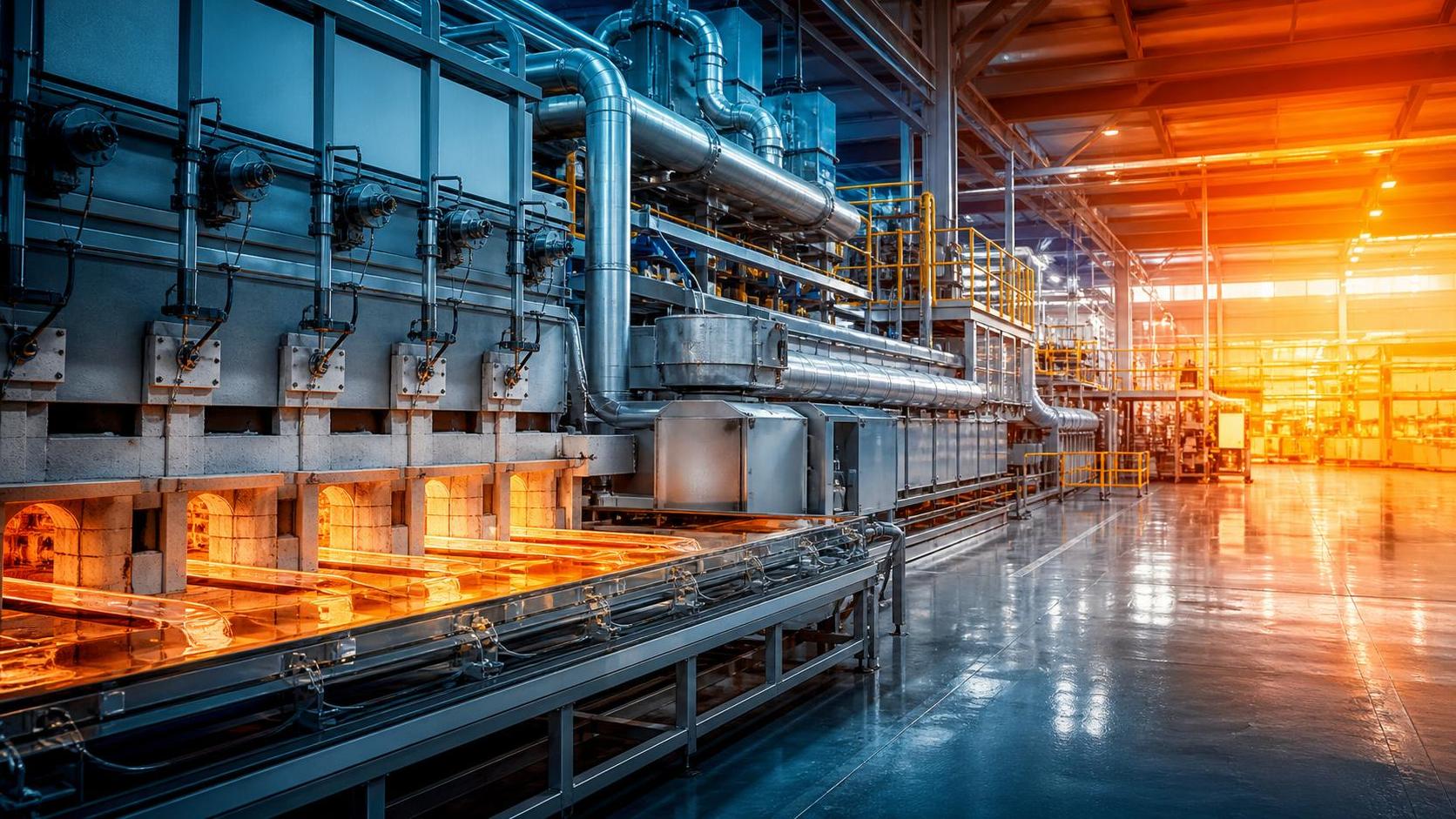
Glass furnaces benefit from clean cullet and selected mineral returns. Cullet reduces melting demand and improves energy intensity.
Industrial waste recycling in glass must protect color, bubbles, redox balance, and trace contaminant limits, especially for PV glass and display substrates.
Refractory production lines
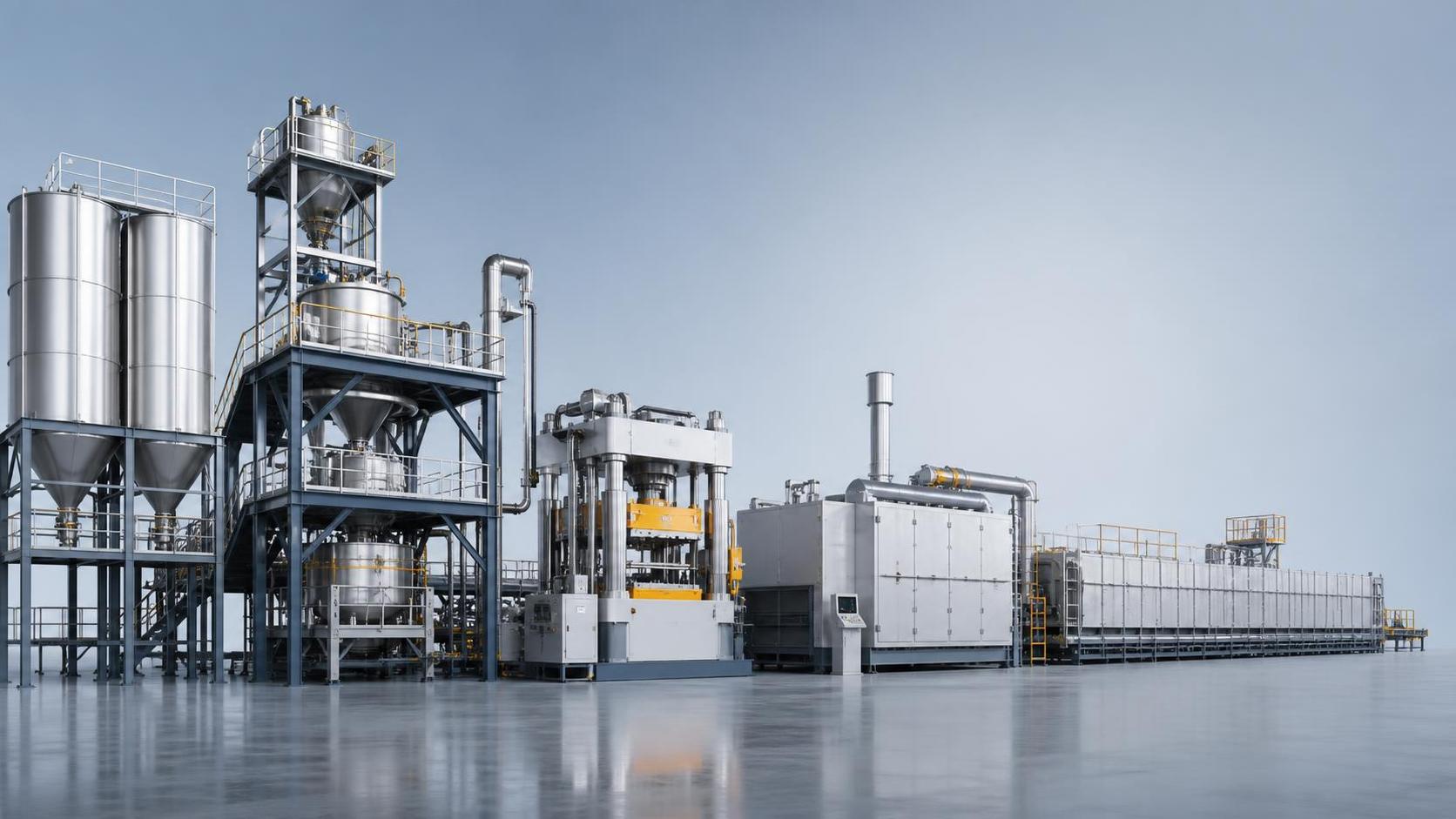
Refractory plants can reuse fired scrap, grog, alumina-rich residues, and selected ceramic waste when grading and chemistry remain stable.
Here, industrial waste recycling must never compromise thermal shock resistance, corrosion resistance, porosity control, or high-temperature dimensional behavior.
New building material extrusion
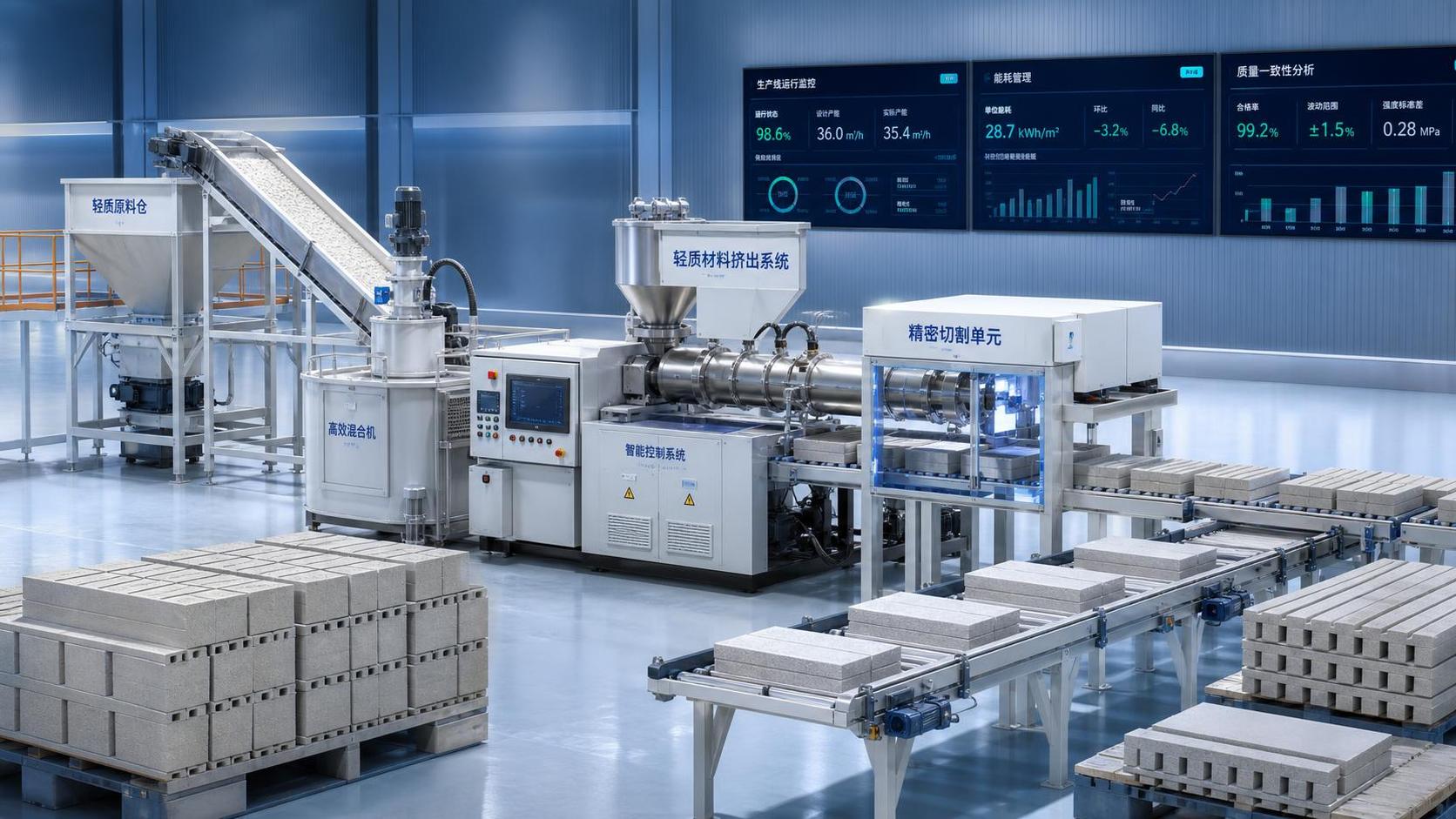
Extruded building materials may incorporate fly ash, slag, ceramic fines, or demolition-derived mineral fractions after particle control and leaching review.
Industrial waste recycling can support lightweight, lower-carbon products when extrusion pressure, moisture, binder reaction, and curing behavior are validated together.
Commonly overlooked risks in industrial waste recycling
Moisture variability: High moisture reduces usable heat, destabilizes feeding, increases fan load, and may erase part of the carbon benefit.
Hidden halogens: Chlorine and fluorine can drive corrosion, build-ups, acid gas emissions, and kiln instability if not tracked at source.
Uncontrolled metals: Mercury, cadmium, lead, chromium, and zinc require strict acceptance rules because volatility and product retention differ by kiln environment.
Ash chemistry drift: Alternative fuels are not neutral. Their ash may alter liquid phase formation, glass viscosity, refractory bonding, or sintering behavior.
Weak supplier control: Industrial waste recycling depends on reliable origin data. A low-cost stream can become expensive when composition changes without notice.
Incomplete carbon accounting: Avoid counting only fossil fuel displacement. Include transport, pre-treatment electricity, auxiliary fuel, bypass dust, and rejected loads.
Practical execution plan for kiln emission reduction
- Build a waste map covering local residues, seasonal volumes, legal status, transport distance, energy value, and likely chemical restrictions.
- Run laboratory screening before commercial trials, including proximate analysis, ultimate analysis, ash fusion, leaching, and contaminant profiling.
- Start with low substitution rates, then increase gradually while tracking kiln stability, product quality, emissions, and refractory condition.
- Install feeding systems that prevent bridging, dust release, backfire risk, inconsistent dosing, and uncontrolled air ingress.
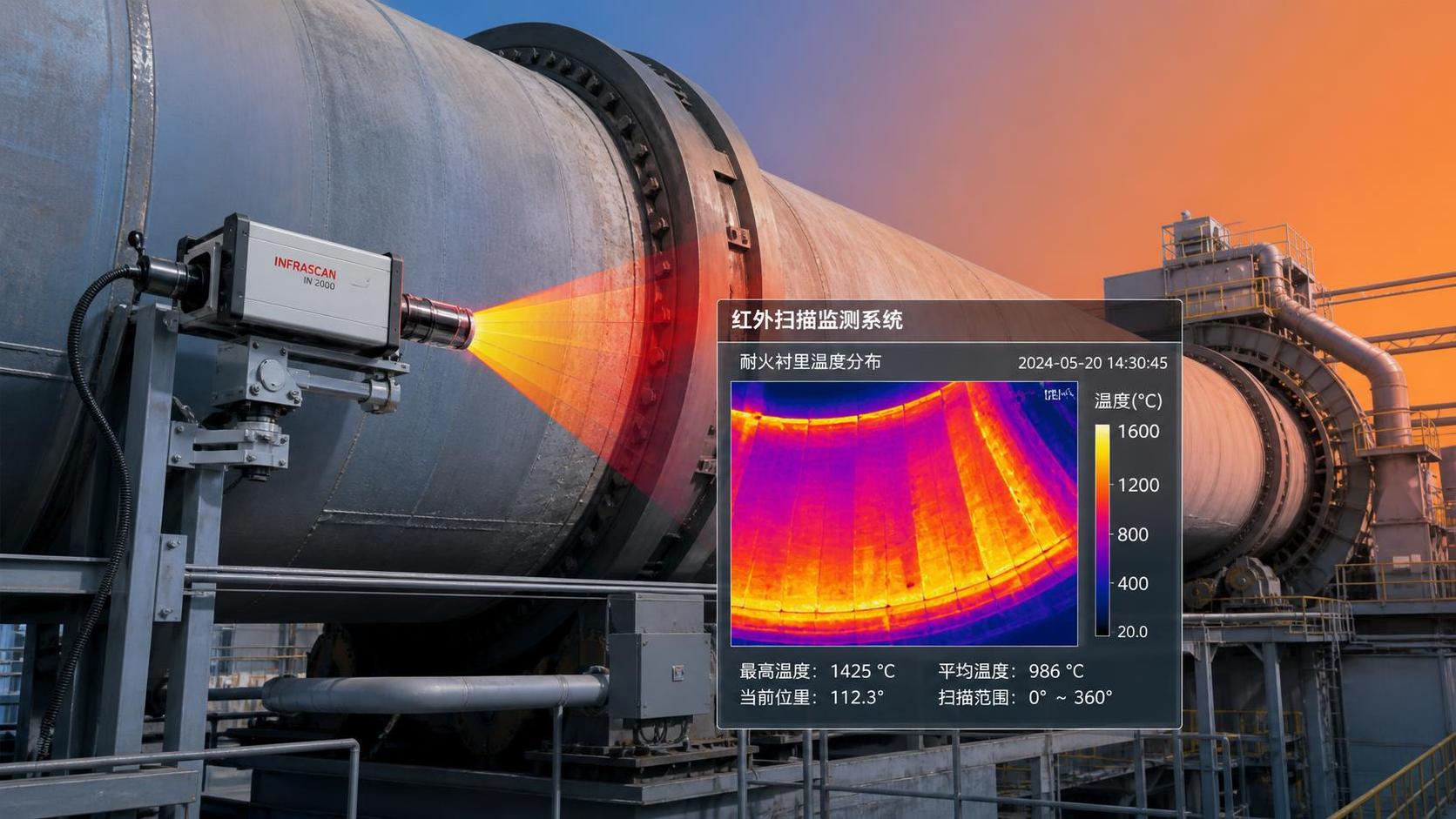
- Connect industrial waste recycling data with digital monitoring, including fuel flow, gas composition, temperature zones, and emission alarms.
- Review performance monthly using carbon intensity, fuel cost, acceptance rejection rate, maintenance impact, and compliance margin.
The safest approach is phased adoption. Each stage should prove that industrial waste recycling reduces emissions without creating hidden process losses.
Digital twin modeling can also support decisions. It helps test how alternative fuels or mineral residues influence heat balance and reaction kinetics.
Decision indicators that prove real value
Industrial waste recycling should be judged by operating evidence, not only annual sustainability statements. The strongest programs show measurable improvements.
- Track CO2 per ton of product before and after substitution, separating fuel-related emissions from process-related emissions.
- Measure specific heat consumption to confirm that moisture, grinding demand, or unstable flame behavior has not increased energy use.
- Compare dust loading, acid gases, NOx, CO, and VOC trends against permit limits and internal warning thresholds.
- Verify product performance through routine mechanical, chemical, thermal, and visual testing relevant to each material line.
- Quantify avoided landfill, recovered energy, replaced virgin minerals, and reduced fossil fuel purchases in one reporting framework.
When these indicators move together, industrial waste recycling becomes a strategic decarbonization tool rather than a narrow waste handling method.
Summary and action guide
Industrial waste recycling cuts kiln emissions through three connected pathways: fossil fuel replacement, mineral substitution, and controlled energy recovery.
The opportunity is strongest when waste acceptance, pre-treatment, feeding, combustion control, emissions monitoring, and product validation operate as one system.
Start by selecting two or three predictable waste streams. Test them deeply, model the kiln impact, and run a controlled substitution trial.
Then scale only what improves carbon intensity, thermal efficiency, compliance margin, and material quality at the same time.
For high-temperature industries, disciplined industrial waste recycling is not an add-on. It is a practical route toward circular resources and lower-emission production.
Related News
 Optical Glass Tech FellowHow to Evaluate a Glass Annealing Equipment Manufacturer for Production StabilityChoose a glass annealing equipment manufacturer with proven thermal uniformity, reliable controls, lifecycle value, and responsive service for stable production.Sep 08, 2026
 Prof. Marcus ChenThermal Energy Architecture in North America: Strategies for Lower Building Energy UseThermal energy architecture North America helps project leaders cut building energy use through stronger envelopes, right-sized HVAC, storage, and smart commissioning.Sep 07, 2026
 Ms. Elena RodriguezHow Should Buyers Evaluate Building Material Industry Intelligence Pricing?Building material industry intelligence pricing: learn how to compare coverage, technical depth, and ROI to choose intelligence that reduces procurement risk.Sep 07, 2026
 Ms. Elena RodriguezHow to Use Building Material Intelligence Data for Market and Investment DecisionsBuilding material industry intelligence data helps leaders evaluate demand, costs, regulation, capacity, and technology to make smarter market and investment decisions.Sep 05, 2026
 Thermal Energy ArchitectHow PLC Control Improves Energy Efficiency and Temperature Stability in KilnsEnergy efficient kilns PLC control improves temperature stability, cuts fuel waste, and optimizes combustion, draft, and material flow. Explore proven strategies for smarter kiln modernization.Sep 04, 2026
 Optical Glass Tech FellowEuropean Glass Melting Processes: Furnace Choices, Energy Use, and Quality ControlGlass melting process Europe: explore furnace choices, energy efficiency, cullet strategy, and quality control to improve output, compliance, and long-term glass performance.Sep 03, 2026
 Thermal Energy ArchitectWhat Determines Refractory Lining Monitoring Price for Industrial Kilns?Refractory lining monitoring price depends on kiln size, sensor technology, installation, software, and support. Compare total lifecycle costs and choose the right solution.Sep 02, 2026
 Silicate Process EngineerCement Production System Costs: A Plant Buyer’s Guide to Budgeting and ROICement production systems cost planning made clear: compare CAPEX, operating costs, compliance, and ROI to build a resilient, profitable cement plant investment.Sep 01, 2026
 Dr. Alistair VaughnWhat Should a Process Technology Database Track for High-Temperature Plants?Process technology database essentials for high-temperature plants: track thermal profiles, feed chemistry, refractory wear, emissions, energy, and maintenance for safer, data-driven decisions.Aug 31, 2026
 Ms. Elena RodriguezHow to Evaluate a Silicate Processing Equipment Manufacturer for Plant ProjectsSilicate processing equipment manufacturer selection: assess process fit, guarantees, energy, compliance, delivery risk, and lifecycle support for dependable plant performance.Aug 30, 2026
 Dr. Alistair VaughnHow to Specify Custom Agricultural Processing Equipment for Throughput and HygieneEquipment customization services for agricultural processing: learn to specify hygienic, high-throughput lines that improve yield, reliability, and long-term efficiency.Aug 29, 2026
 Dr. Alistair VaughnHow to Select Process Plant Equipment for High-Temperature, Abrasive Production LinesProcess plant equipment selection for high-temperature, abrasive lines: reduce downtime, improve durability, and optimize lifecycle performance.Aug 28, 2026
 Silicate Process EngineerHow Kiln Heat Recovery Systems Cut Fuel Use in Cement and Lime ProductionKiln heat recovery helps cement and lime plants cut fuel use, improve thermal stability, and build practical, reliable decarbonization strategies.Aug 27, 2026
 Ms. Elena RodriguezProcess Equipment Comparison: Which Metrics Matter Most for Reliable Selection?Process equipment comparison made practical: discover which metrics truly drive reliable selection, from energy efficiency and control stability to wear life, maintainability, and uptime.Aug 26, 2026
 Ms. Elena RodriguezWhat Buyers Should Check Before Sourcing Precision Alloy Bars for Critical PartsPrecision Alloy Bars buyers should verify grade, chemistry, tolerances, surface quality, traceability, and lead time before sourcing for critical parts. Learn what prevents costly machining and reliability risks.Aug 27, 2026
 Ms. Elena RodriguezHow to Evaluate Thermal Management Solutions Insulation for High-Heat Industrial SystemsThermal management solutions insulation: learn how to assess high-heat industrial systems by thermal performance, durability, lifecycle cost, and supplier data for smarter decisions.Aug 25, 2026
 Ms. Elena RodriguezWhat Drives Waste Recycling Cost in Industrial Projects and How to Estimate It?Waste recycling cost in industrial projects depends on composition, moisture, transport, pre-treatment, and compliance. Learn how to estimate it accurately and compare suppliers with confidence.Aug 24, 2026
 Silicate Process EngineerHow to Evaluate Cement Production Plants in the Middle East for Capacity, Fuel Flexibility, and ROIcement production plants Middle East: Learn how to assess true capacity, fuel flexibility, and ROI risks to identify resilient assets and smarter investment opportunities.Aug 23, 2026
 Structural Material AnalystHow to Evaluate Lightweight Material Machinery for Output, Energy Use, and Product QualityLightweight material machinery evaluation guide: compare stable output, energy use, and product quality to choose equipment that cuts waste, lowers costs, and improves production confidence.Aug 22, 2026
 Material Heat-Resist ExpertWhat Determines Refractory Production Line Price in a Turnkey Plant Project?Refractory production line price depends on raw materials, forming method, kiln and drying design, automation, utilities, and scope. Learn what really drives turnkey plant cost before you invest.Aug 21, 2026

Related News
- 00
0000-00
How PLC Control Improves Energy Efficiency and Temperature Stability in Kilns - 00
0000-00
What Determines Refractory Lining Monitoring Price for Industrial Kilns? - 00
0000-00
How Digital Twin Simulations Help Kiln Operators Cut Fuel Use and Stabilize Output - 00
0000-00
What to Evaluate in a Rotary Kiln Technology Manufacturer for High-Temperature Process Projects - 00
0000-00
How to Evaluate an Incineration Equipment Exporter for Compliance, Capacity, and After-Sales Support
Weekly Insights
Stay ahead with our curated technology reports delivered every Monday.