
Can industrial waste conversion lower plant costs?




Can Industrial Waste Conversion Lower Plant Costs?
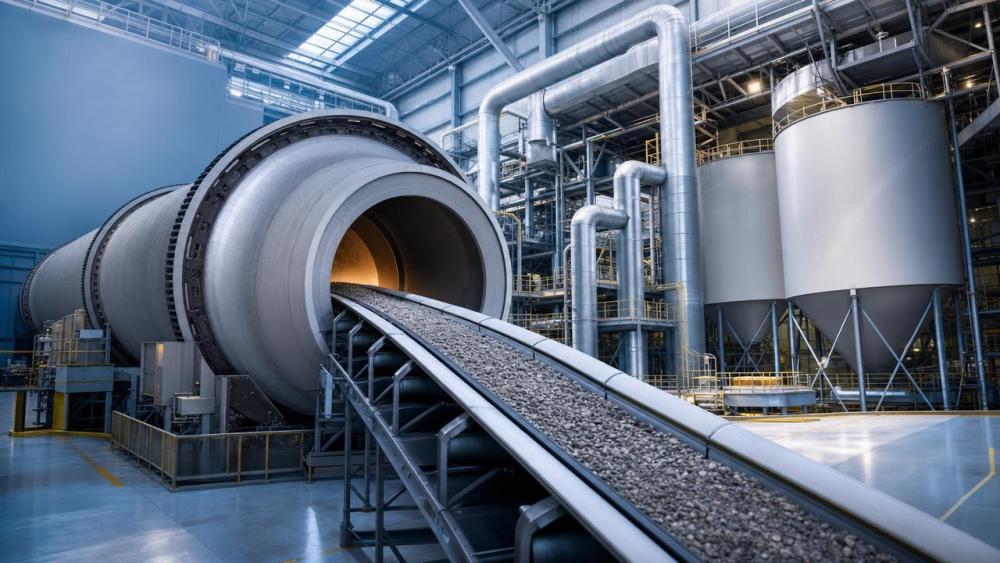
For financial approvers, industrial waste conversion is no longer only a sustainability target.
It is increasingly a cost-control strategy for high-temperature and foundation-material operations.
By converting eligible waste streams into alternative fuels, recoverable heat, or process inputs, plants can reduce several recurring costs.
The strongest savings usually appear in disposal fees, fossil fuel exposure, landfill taxes, and regulatory risk management.
However, industrial waste conversion is not automatically profitable in every plant scenario.
The real result depends on kiln compatibility, emissions control, material consistency, logistics, and capital payback.
For cement, glass, refractory, incineration, and extrusion operations, the key question is practical.
Which waste streams lower total plant cost without damaging process stability, product quality, or permit security?
Scenario Background: Why Cost Impact Varies by Plant Type
Industrial waste conversion behaves differently across high-temperature industries because each process has different thermal demands.
A cement rotary kiln can tolerate certain mineral and calorific variations better than many precision melting systems.
A glass furnace, by contrast, often requires strict chemical balance and stable heat release.
An industrial incineration line may already be designed around heterogeneous feeds and energy recovery.
Refractory production and building material extrusion may benefit more from recovered mineral inputs than fuel substitution.
Therefore, industrial waste conversion should be evaluated as a scenario-based engineering and finance decision.
A strong business case links waste availability, process chemistry, energy value, emissions treatment, and maintenance impact.
The cheapest waste stream can become expensive if it increases downtime, fouling, corrosion, or rejected output.
Scenario 1: Cement Kilns Using Alternative Fuels
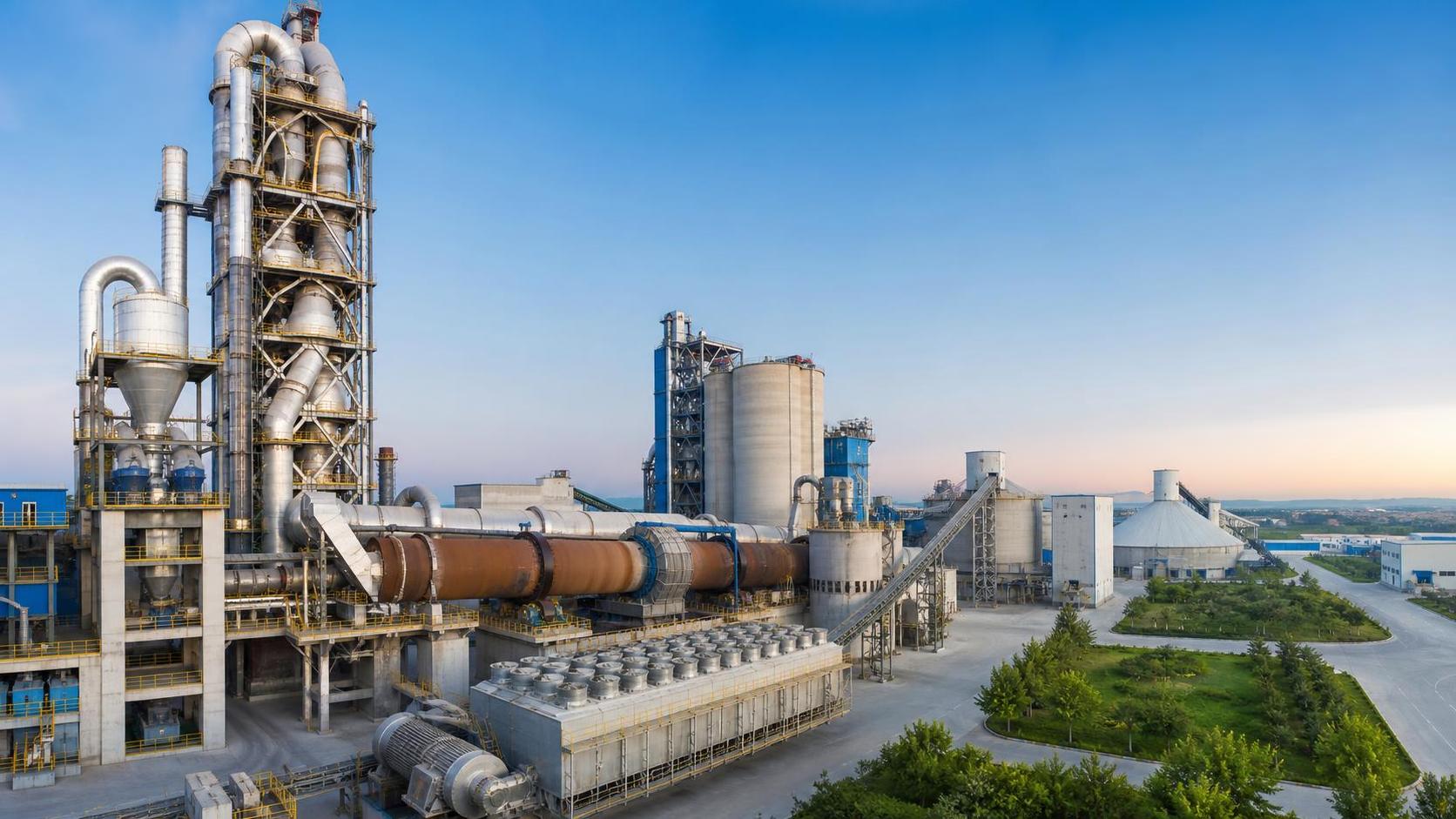
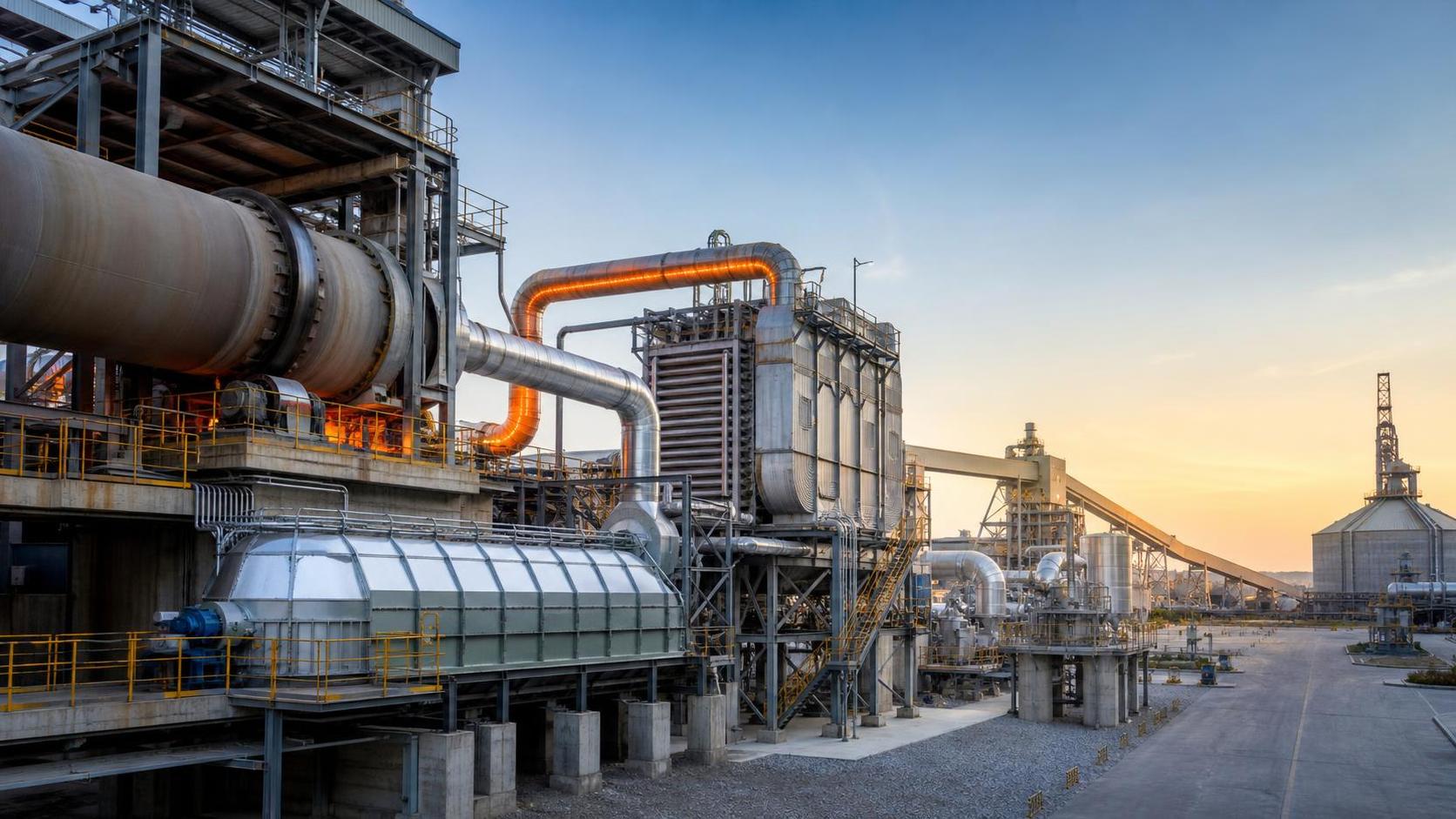
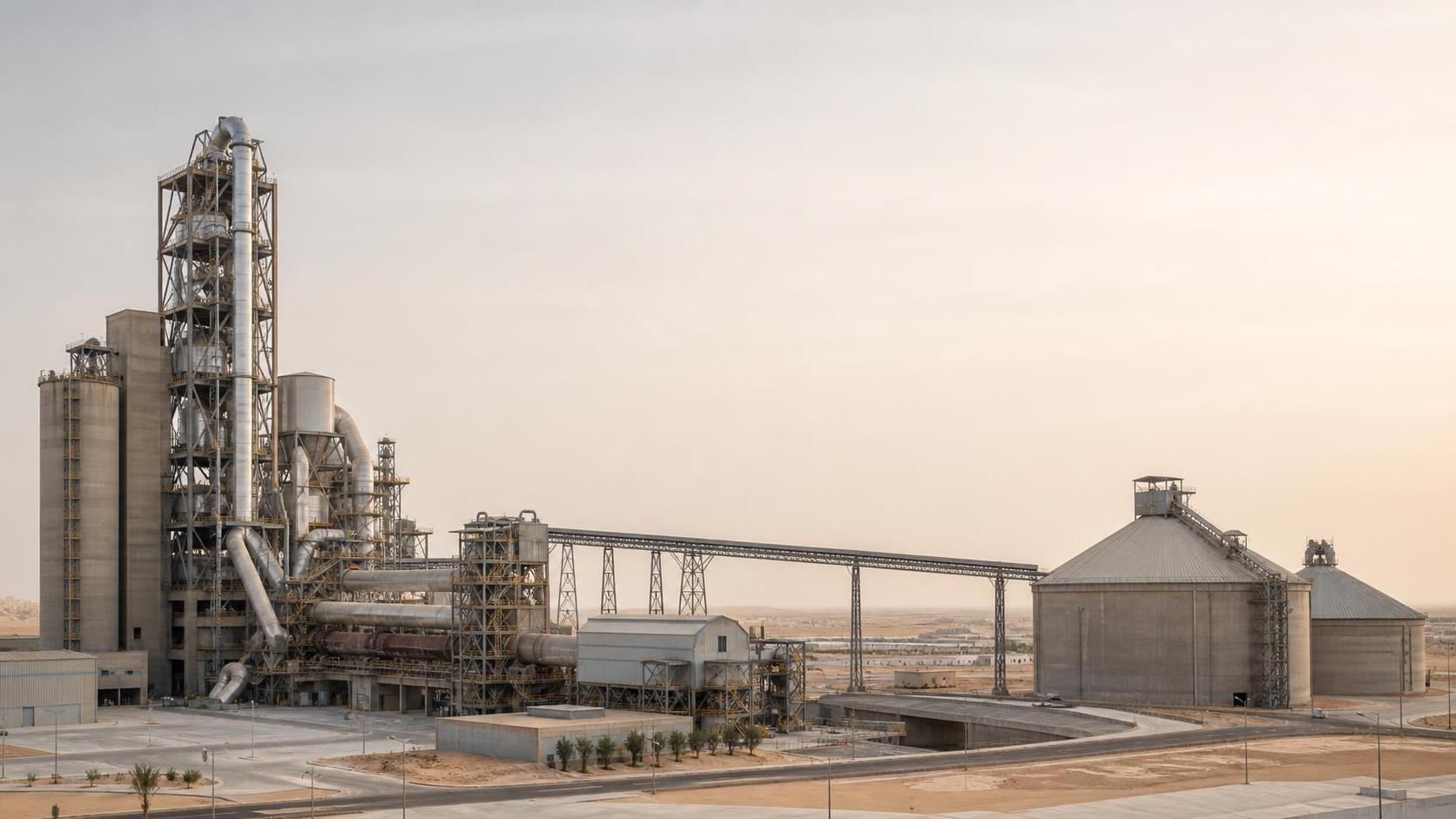
Cement plants are among the strongest candidates for industrial waste conversion.
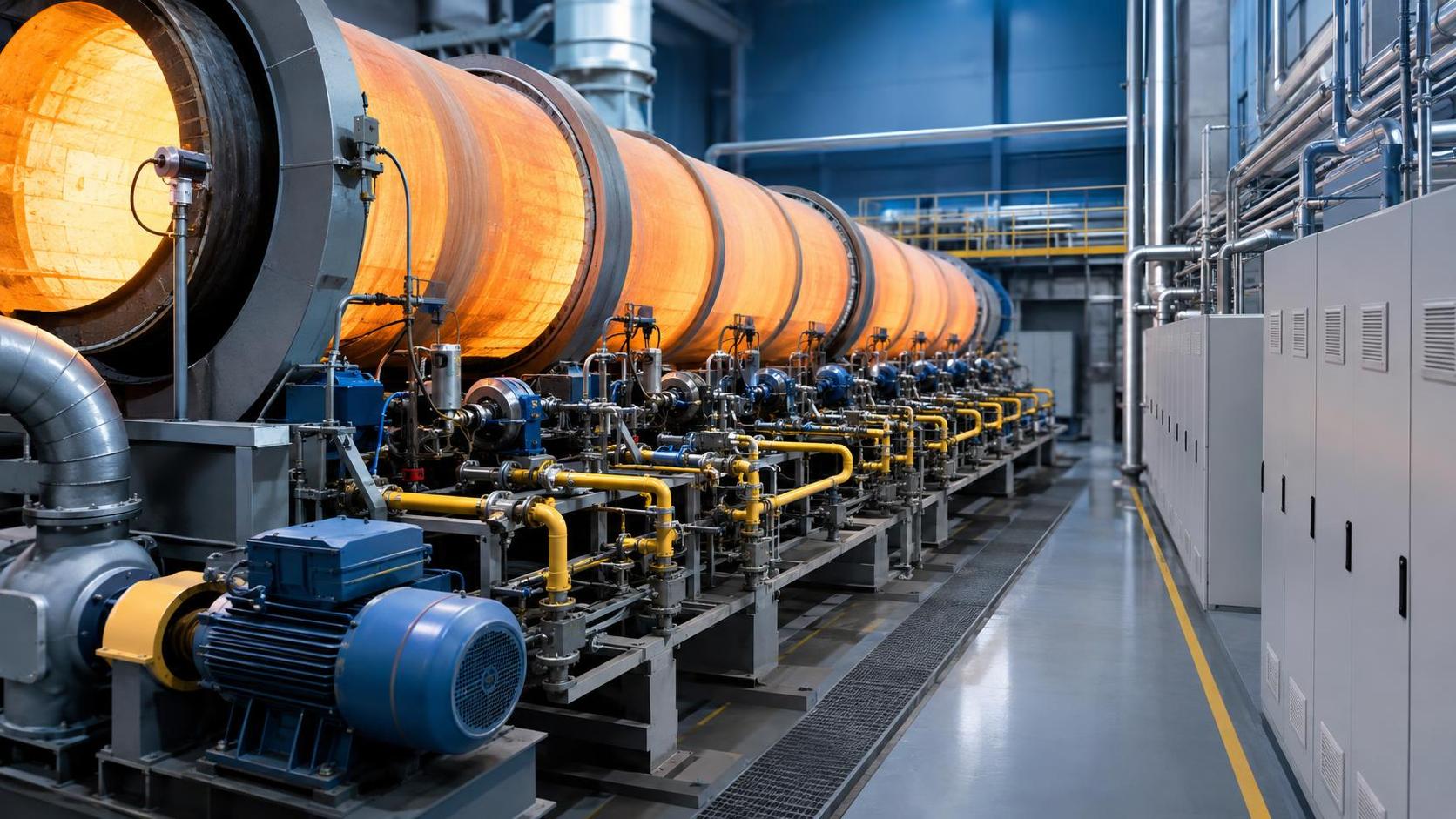
Rotary kilns provide long residence time, high temperature, and alkaline environments that can support co-processing.
Suitable streams may include refuse-derived fuel, waste oils, solvents, tires, biomass residues, and selected industrial sludges.
Cost savings usually come from replacing coal or petcoke while charging gate fees for accepted waste.
The financial advantage is strongest when fuel preparation, dosing, and emissions monitoring are already mature.
Yet industrial waste conversion in cement must protect clinker chemistry and kiln stability.
Chlorine, sulfur, alkalis, heavy metals, and moisture can change coating behavior and bypass dust loads.
A reliable acceptance protocol is often more valuable than a low-cost feed contract.
Scenario 2: Industrial Incineration with Energy Recovery
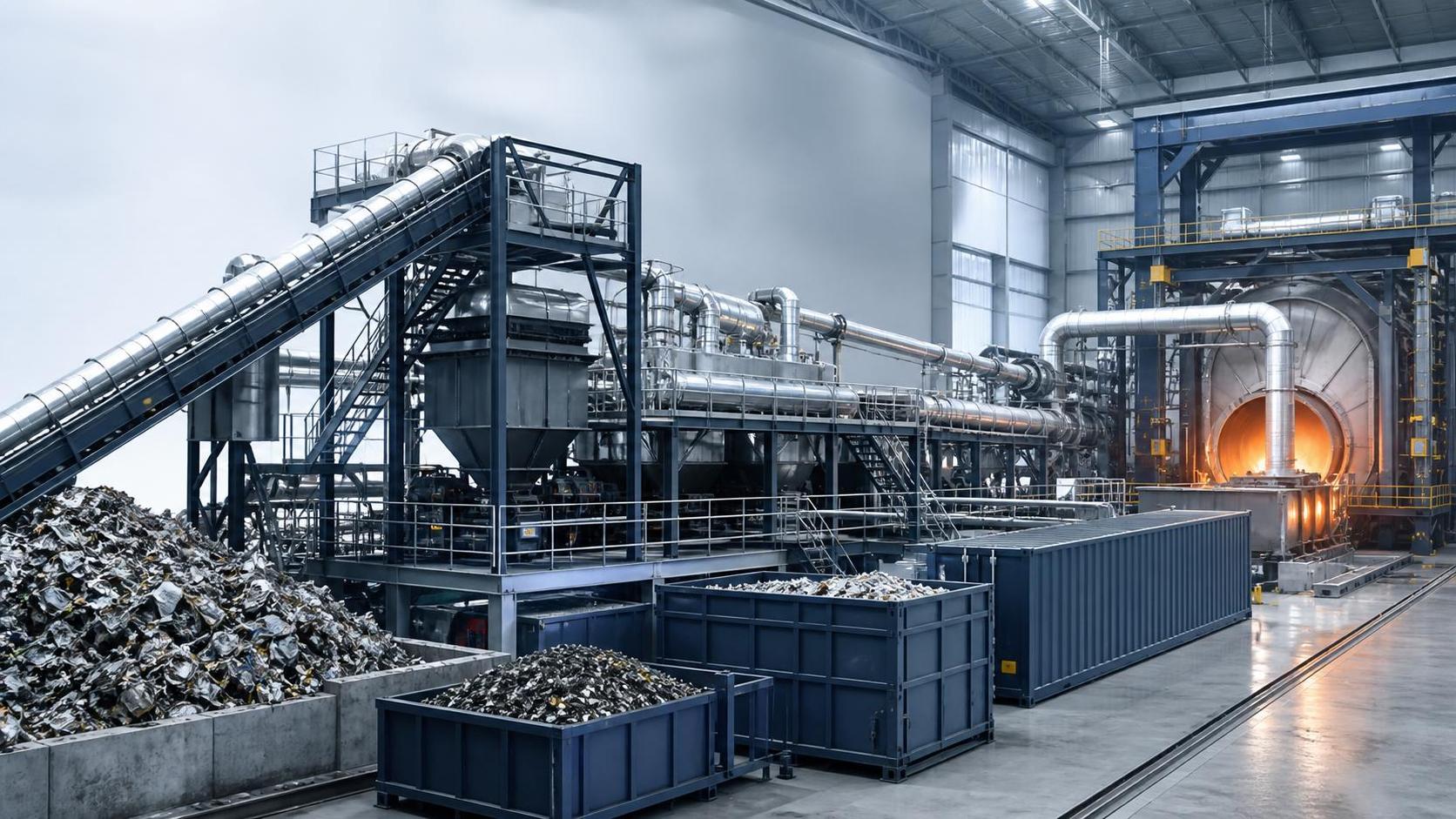
Industrial incineration lines can turn difficult waste into steam, electricity, or usable thermal energy.
In this scenario, industrial waste conversion works best when energy offtake is stable.
Steam users, district heating systems, dryers, or nearby process units can improve project economics.
Without a consistent heat sink, recovered energy may have limited financial value.
The main cost reductions include avoided disposal, reduced purchased energy, and stronger compliance positioning.
However, flue gas treatment, ash handling, reagent consumption, and continuous monitoring shape the real margin.
For hazardous or variable waste, industrial waste conversion requires conservative feed blending and robust laboratory control.
Plants should model reagent cost per ton, not only energy recovered per ton.
Scenario 3: Glass Furnaces and Carefully Controlled Inputs
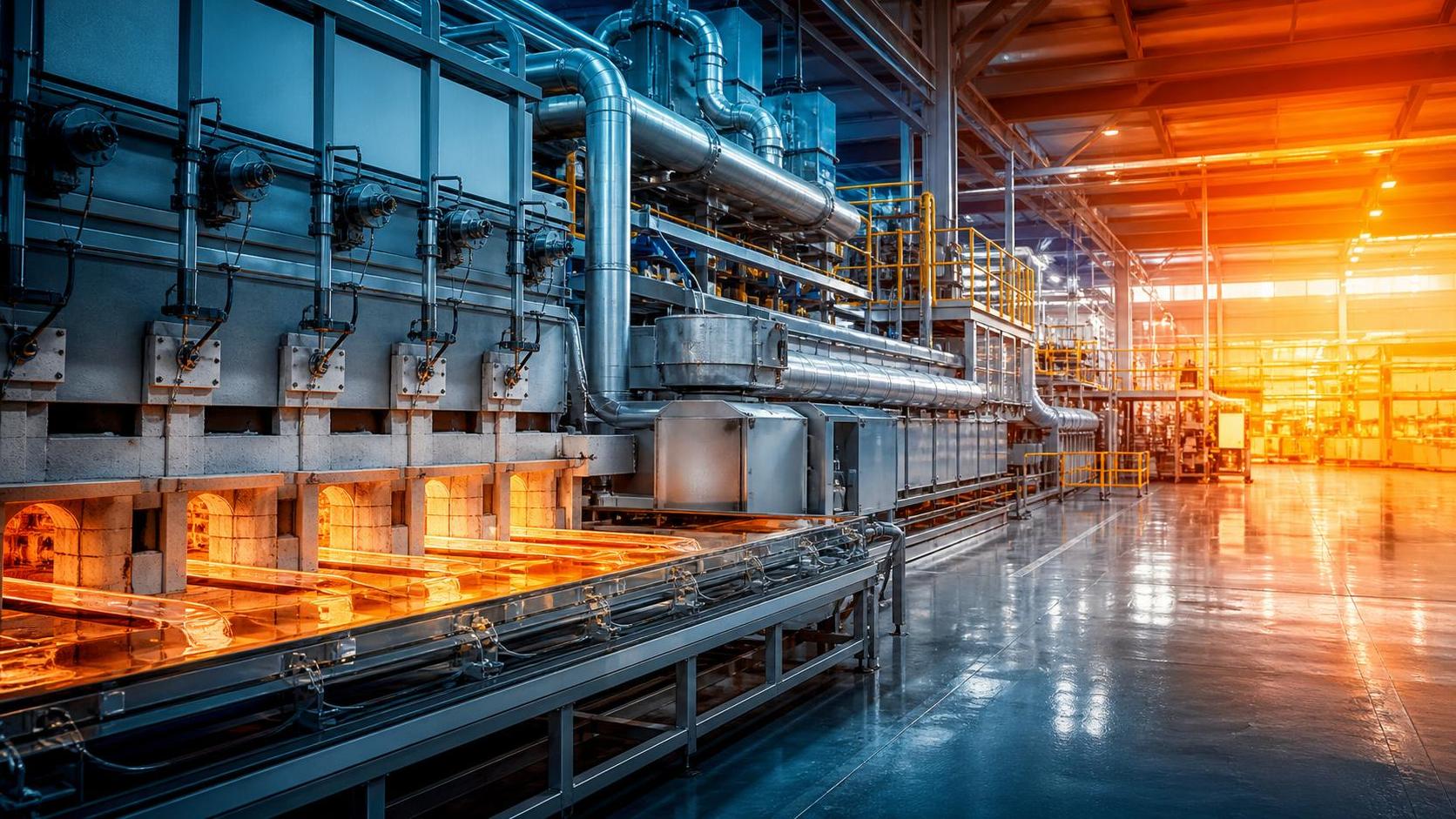
Glass manufacturing offers a more selective case for industrial waste conversion.
The furnace needs chemical stability, optical quality, predictable melting behavior, and controlled redox conditions.
Common opportunities include cullet use, selected mineral substitutes, and recovered heat from exhaust systems.
Cullet usually provides direct energy savings because it melts faster than virgin batch materials.
Industrial waste conversion can lower batch cost if contaminants are tightly managed.
Metal, ceramic, organic, or color contaminants may create bubbles, stones, streaks, and yield loss.
For PV glass, container glass, or ultra-thin display glass, quality penalties can exceed raw material savings.
Here, the best approach is phased qualification, digital furnace monitoring, and strict supplier traceability.
Scenario 4: Refractory Lines and Mineral Resource Substitution
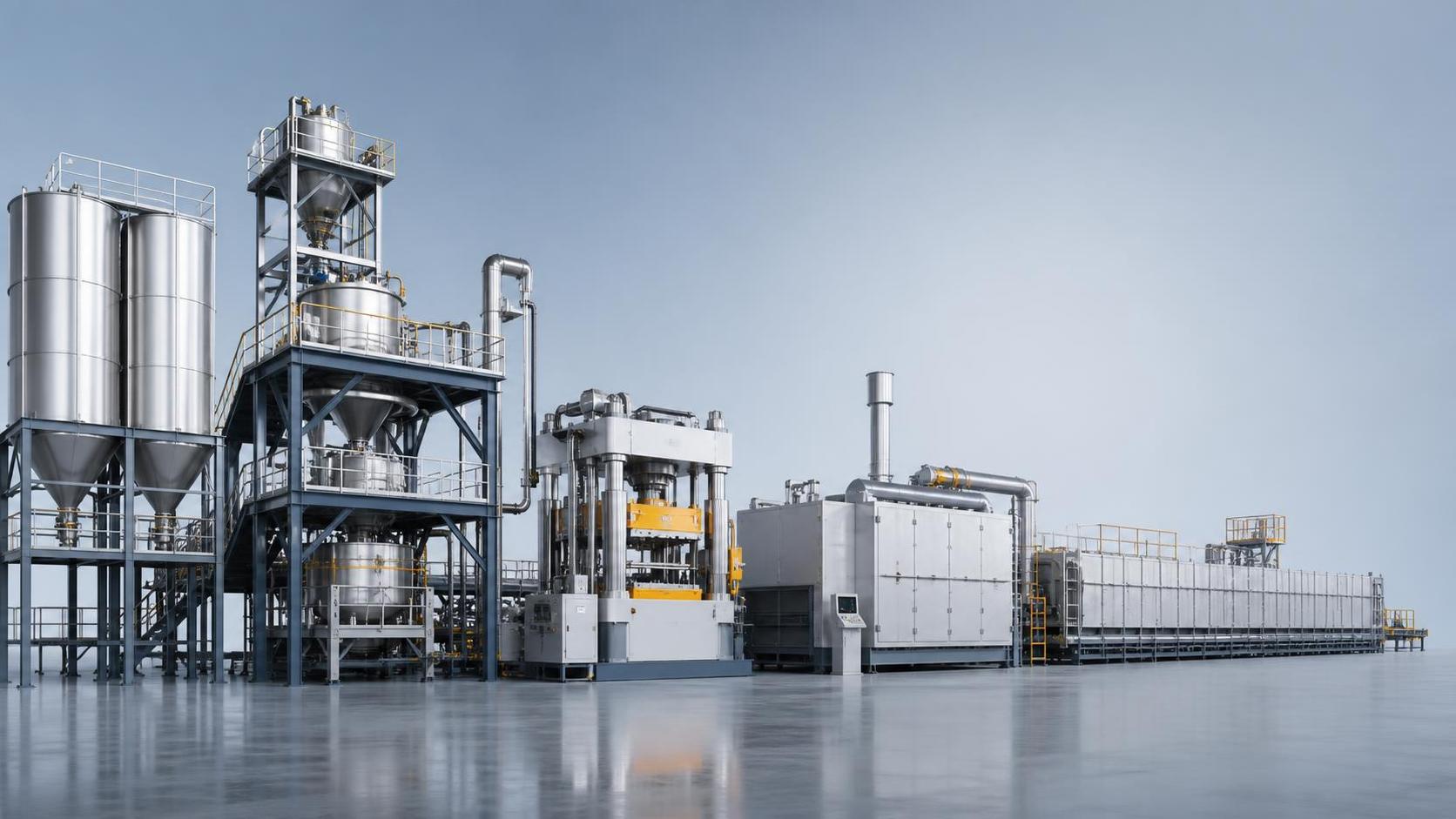
Refractory production can use industrial waste conversion through selected mineral recovery and secondary raw materials.
Potential inputs include spent refractories, alumina-rich residues, magnesia materials, and certain ceramic waste streams.
The value lies less in fuel replacement and more in reducing virgin mineral purchases.
This is attractive when imported minerals face price volatility or supply constraints.
Industrial waste conversion must still respect phase composition, grain size, thermal expansion, and slag resistance.
A small impurity change can alter corrosion performance in steel, cement, or glass service environments.
Pilot firing and application-specific testing are essential before commercial-scale substitution.
For premium refractory grades, reliability may matter more than material savings.
Scenario 5: Building Material Extrusion and Lightweight Products
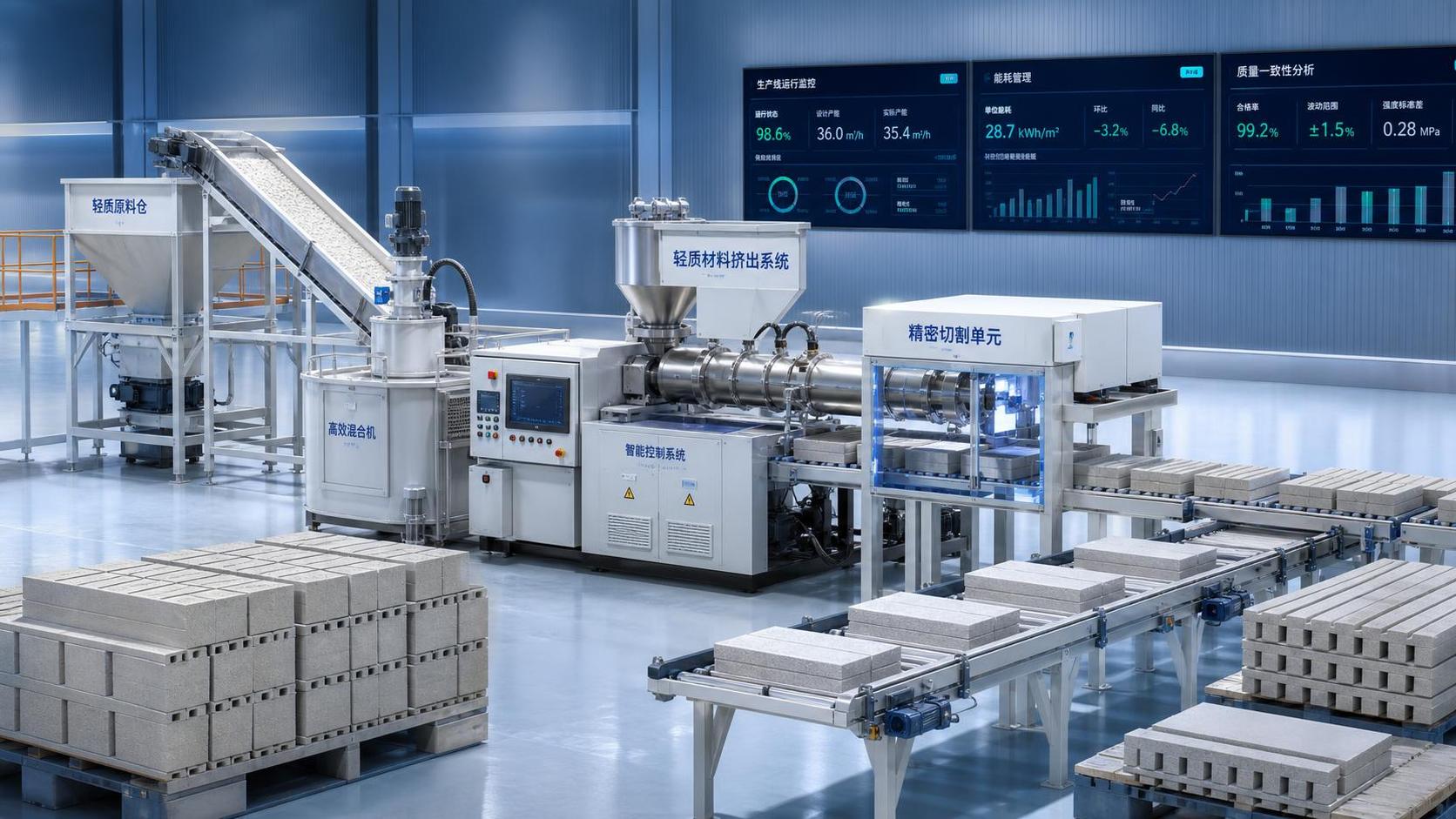
New building material extrusion can benefit from industrial waste conversion in blended formulations.
Fly ash, slag, ceramic residues, mineral fillers, and processed construction waste may support greener products.
Cost reductions may come from lower binder consumption, cheaper fillers, and improved green-building positioning.
However, extrusion requires stable rheology, particle distribution, moisture control, and curing behavior.
Industrial waste conversion fails when variable feed causes cracking, deformation, weak edges, or inconsistent density.
The best scenario is a regional supply loop with predictable waste sources and standardized preprocessing.
When product certification accepts recycled content, the commercial benefit can extend beyond direct plant cost.
Cost Drivers That Decide Whether Savings Are Real
Industrial waste conversion should be measured through total cost of ownership, not only unit feed price.
A low gate-cost stream may require shredding, drying, separation, enclosed storage, fire protection, and new dosing systems.
Emissions compliance can also change the cost curve significantly.
Baghouse loading, SCR performance, activated carbon use, scrubber demand, and ash classification must be included.
The strongest projects combine stable waste supply with existing thermal demand and manageable compliance upgrades.
Scenario Adaptation Checklist Before Investment
Before approving industrial waste conversion, plants should test the match between waste characteristics and process limits.
- Confirm calorific value, moisture, ash, chlorine, sulfur, metals, and particle size.
- Map impacts on product chemistry, furnace control, kiln coating, or extrusion stability.
- Calculate preprocessing, storage, feeding, fire safety, and laboratory testing costs.
- Model emissions treatment, continuous monitoring, permit changes, and reporting duties.
- Compare savings under conservative, expected, and disrupted supply scenarios.
Industrial waste conversion also needs clear acceptance rules.
Rejected loads, emergency storage, supplier penalties, and traceability records should be defined before commissioning.
A digital monitoring layer can improve confidence in long-cycle heavy equipment decisions.
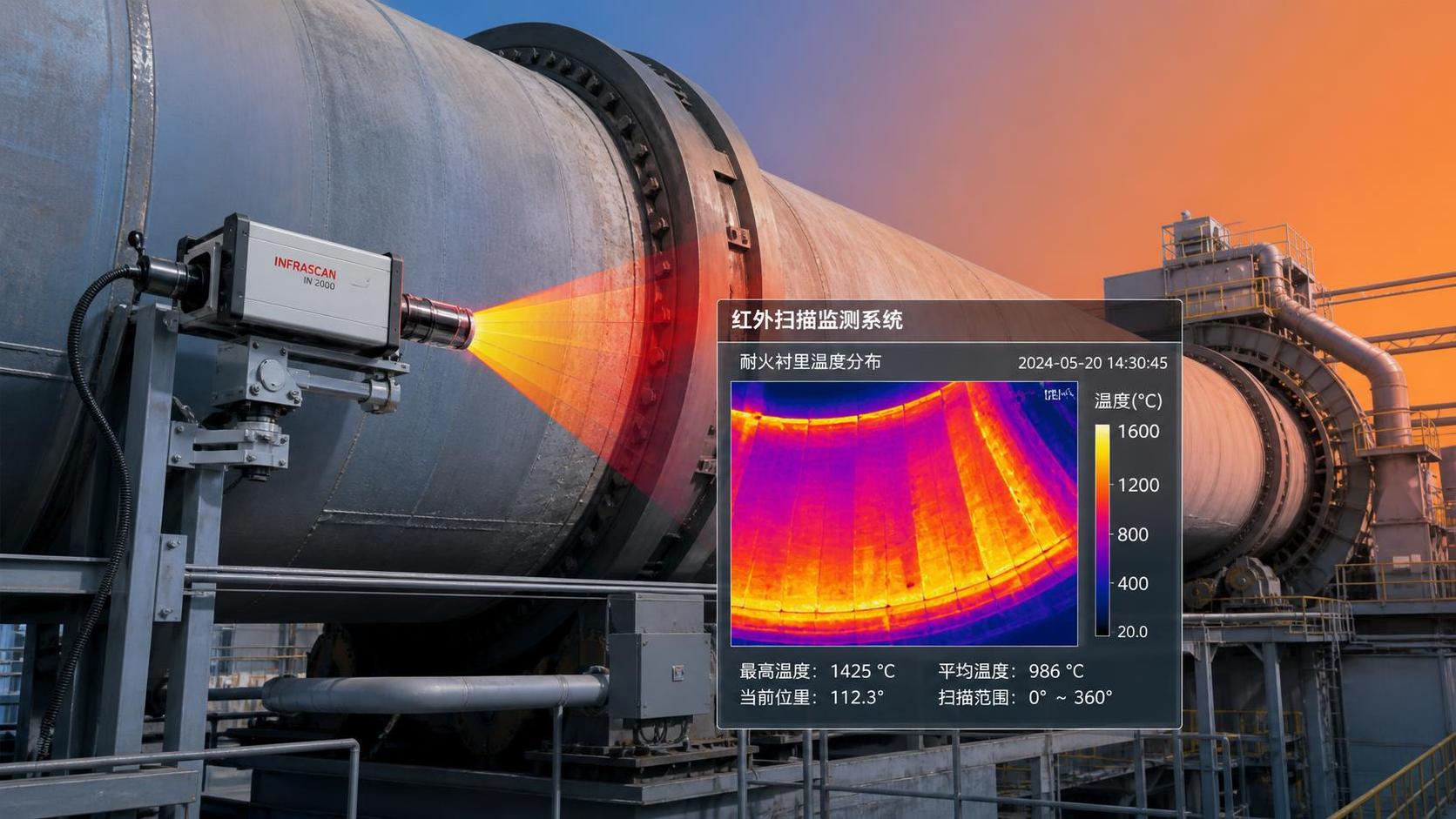
Temperature profiles, oxygen levels, emissions data, feed composition, and maintenance records should be connected.
Common Misjudgments That Reduce Financial Gains
One common error is assuming all waste with energy value is a suitable alternative fuel.
In reality, industrial waste conversion depends on burn behavior, emissions profile, and material interaction.
Another mistake is excluding downtime risk from the payback model.
A few unplanned stops can erase months of fuel or disposal savings.
Plants also underestimate the cost of inconsistent suppliers.
Industrial waste conversion needs contracts based on specification compliance, not only volume commitment.
Regulatory assumptions can be equally risky.
Permit delays, community concerns, waste classification changes, and carbon accounting rules can affect economics.
The safest financial review includes sensitivity analysis for energy price, gate fee, emission cost, and availability rate.
Action Path: Build a Bankable Conversion Case
Industrial waste conversion can lower plant costs when the scenario is technically compatible and financially disciplined.
The first step is a feedstock audit covering local waste sources, seasonal variability, and competing demand.
The second step is a process impact study using laboratory tests, pilot trials, and emissions modeling.
The third step is a total-cost model that includes capital, operations, maintenance, compliance, and rejected material.
The fourth step is a phased rollout with strict operating windows and measurable performance gates.
For high-temperature industries, CF-Elite connects silicate process logic, thermal management intelligence, and carbon-reduction strategy.
Its intelligence focus supports practical decisions across cement, glass, incineration, refractory, and extrusion operations.
When correctly evaluated, industrial waste conversion becomes more than an environmental initiative.
It becomes a structured route to lower exposure, improve resource circularity, and strengthen long-term plant economics.
Related News
 Optical Glass Tech FellowHow to Evaluate a Glass Annealing Equipment Manufacturer for Production StabilityChoose a glass annealing equipment manufacturer with proven thermal uniformity, reliable controls, lifecycle value, and responsive service for stable production.Sep 08, 2026
 Prof. Marcus ChenThermal Energy Architecture in North America: Strategies for Lower Building Energy UseThermal energy architecture North America helps project leaders cut building energy use through stronger envelopes, right-sized HVAC, storage, and smart commissioning.Sep 07, 2026
 Ms. Elena RodriguezHow Should Buyers Evaluate Building Material Industry Intelligence Pricing?Building material industry intelligence pricing: learn how to compare coverage, technical depth, and ROI to choose intelligence that reduces procurement risk.Sep 07, 2026
 Ms. Elena RodriguezHow to Use Building Material Intelligence Data for Market and Investment DecisionsBuilding material industry intelligence data helps leaders evaluate demand, costs, regulation, capacity, and technology to make smarter market and investment decisions.Sep 05, 2026
 Thermal Energy ArchitectHow PLC Control Improves Energy Efficiency and Temperature Stability in KilnsEnergy efficient kilns PLC control improves temperature stability, cuts fuel waste, and optimizes combustion, draft, and material flow. Explore proven strategies for smarter kiln modernization.Sep 04, 2026
 Optical Glass Tech FellowEuropean Glass Melting Processes: Furnace Choices, Energy Use, and Quality ControlGlass melting process Europe: explore furnace choices, energy efficiency, cullet strategy, and quality control to improve output, compliance, and long-term glass performance.Sep 03, 2026
 Thermal Energy ArchitectWhat Determines Refractory Lining Monitoring Price for Industrial Kilns?Refractory lining monitoring price depends on kiln size, sensor technology, installation, software, and support. Compare total lifecycle costs and choose the right solution.Sep 02, 2026
 Silicate Process EngineerCement Production System Costs: A Plant Buyer’s Guide to Budgeting and ROICement production systems cost planning made clear: compare CAPEX, operating costs, compliance, and ROI to build a resilient, profitable cement plant investment.Sep 01, 2026
 Dr. Alistair VaughnWhat Should a Process Technology Database Track for High-Temperature Plants?Process technology database essentials for high-temperature plants: track thermal profiles, feed chemistry, refractory wear, emissions, energy, and maintenance for safer, data-driven decisions.Aug 31, 2026
 Ms. Elena RodriguezHow to Evaluate a Silicate Processing Equipment Manufacturer for Plant ProjectsSilicate processing equipment manufacturer selection: assess process fit, guarantees, energy, compliance, delivery risk, and lifecycle support for dependable plant performance.Aug 30, 2026
 Dr. Alistair VaughnHow to Specify Custom Agricultural Processing Equipment for Throughput and HygieneEquipment customization services for agricultural processing: learn to specify hygienic, high-throughput lines that improve yield, reliability, and long-term efficiency.Aug 29, 2026
 Dr. Alistair VaughnHow to Select Process Plant Equipment for High-Temperature, Abrasive Production LinesProcess plant equipment selection for high-temperature, abrasive lines: reduce downtime, improve durability, and optimize lifecycle performance.Aug 28, 2026
 Silicate Process EngineerHow Kiln Heat Recovery Systems Cut Fuel Use in Cement and Lime ProductionKiln heat recovery helps cement and lime plants cut fuel use, improve thermal stability, and build practical, reliable decarbonization strategies.Aug 27, 2026
 Ms. Elena RodriguezProcess Equipment Comparison: Which Metrics Matter Most for Reliable Selection?Process equipment comparison made practical: discover which metrics truly drive reliable selection, from energy efficiency and control stability to wear life, maintainability, and uptime.Aug 26, 2026
 Ms. Elena RodriguezWhat Buyers Should Check Before Sourcing Precision Alloy Bars for Critical PartsPrecision Alloy Bars buyers should verify grade, chemistry, tolerances, surface quality, traceability, and lead time before sourcing for critical parts. Learn what prevents costly machining and reliability risks.Aug 27, 2026
 Ms. Elena RodriguezHow to Evaluate Thermal Management Solutions Insulation for High-Heat Industrial SystemsThermal management solutions insulation: learn how to assess high-heat industrial systems by thermal performance, durability, lifecycle cost, and supplier data for smarter decisions.Aug 25, 2026
 Ms. Elena RodriguezWhat Drives Waste Recycling Cost in Industrial Projects and How to Estimate It?Waste recycling cost in industrial projects depends on composition, moisture, transport, pre-treatment, and compliance. Learn how to estimate it accurately and compare suppliers with confidence.Aug 24, 2026
 Silicate Process EngineerHow to Evaluate Cement Production Plants in the Middle East for Capacity, Fuel Flexibility, and ROIcement production plants Middle East: Learn how to assess true capacity, fuel flexibility, and ROI risks to identify resilient assets and smarter investment opportunities.Aug 23, 2026
 Structural Material AnalystHow to Evaluate Lightweight Material Machinery for Output, Energy Use, and Product QualityLightweight material machinery evaluation guide: compare stable output, energy use, and product quality to choose equipment that cuts waste, lowers costs, and improves production confidence.Aug 22, 2026
 Material Heat-Resist ExpertWhat Determines Refractory Production Line Price in a Turnkey Plant Project?Refractory production line price depends on raw materials, forming method, kiln and drying design, automation, utilities, and scope. Learn what really drives turnkey plant cost before you invest.Aug 21, 2026

Related News
- 00
0000-00
How PLC Control Improves Energy Efficiency and Temperature Stability in Kilns - 00
0000-00
What Determines Refractory Lining Monitoring Price for Industrial Kilns? - 00
0000-00
How Digital Twin Simulations Help Kiln Operators Cut Fuel Use and Stabilize Output - 00
0000-00
What to Evaluate in a Rotary Kiln Technology Manufacturer for High-Temperature Process Projects - 00
0000-00
How to Evaluate an Incineration Equipment Exporter for Compliance, Capacity, and After-Sales Support
Weekly Insights
Stay ahead with our curated technology reports delivered every Monday.