
Can industrial co-processing solutions cut kiln waste?




Can industrial co-processing solutions cut kiln waste?
Rising disposal costs, tighter emissions rules, and decarbonization targets are pushing cement and high-temperature operators to rethink kiln waste.
For enterprise decision makers, industrial co-processing solutions offer more than an alternative fuel strategy.
They can transform selected industrial residues into thermal energy and mineral input while supporting circular economy goals.
The core question is no longer whether waste can enter kilns.
It is whether industrial co-processing solutions can be controlled, verified, and scaled without compromising clinker quality or emissions compliance.
Kiln waste is becoming a strategic efficiency signal
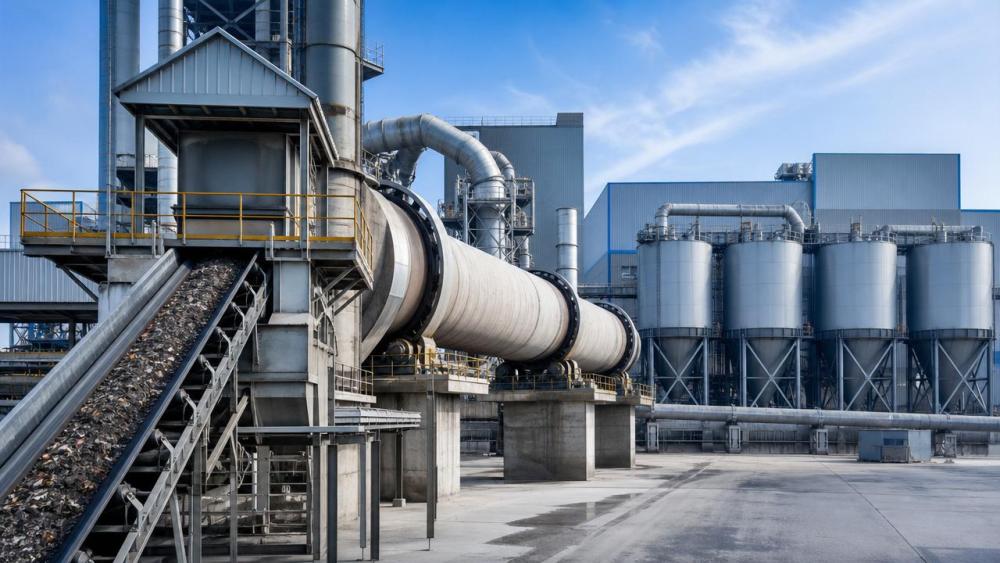
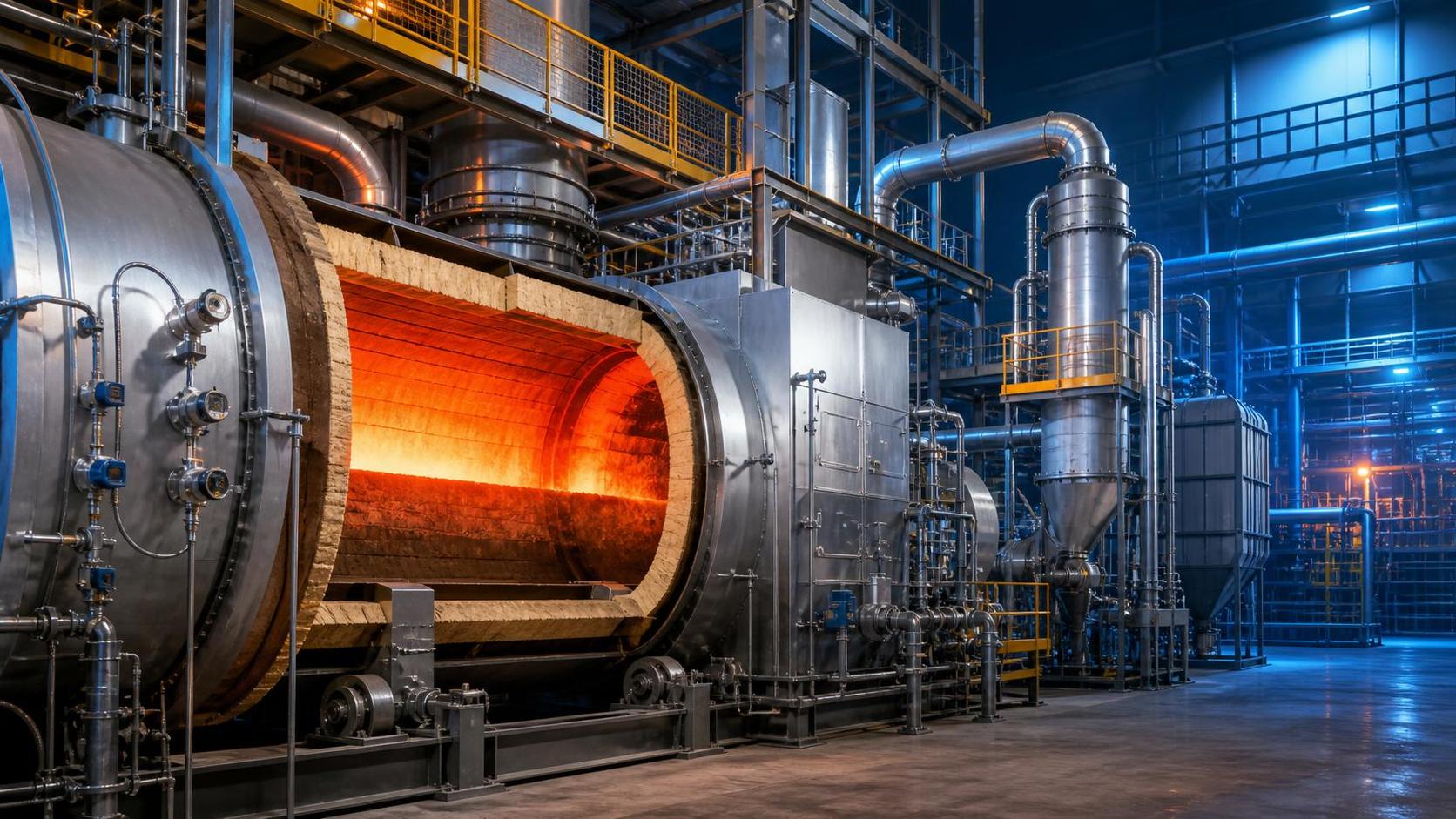
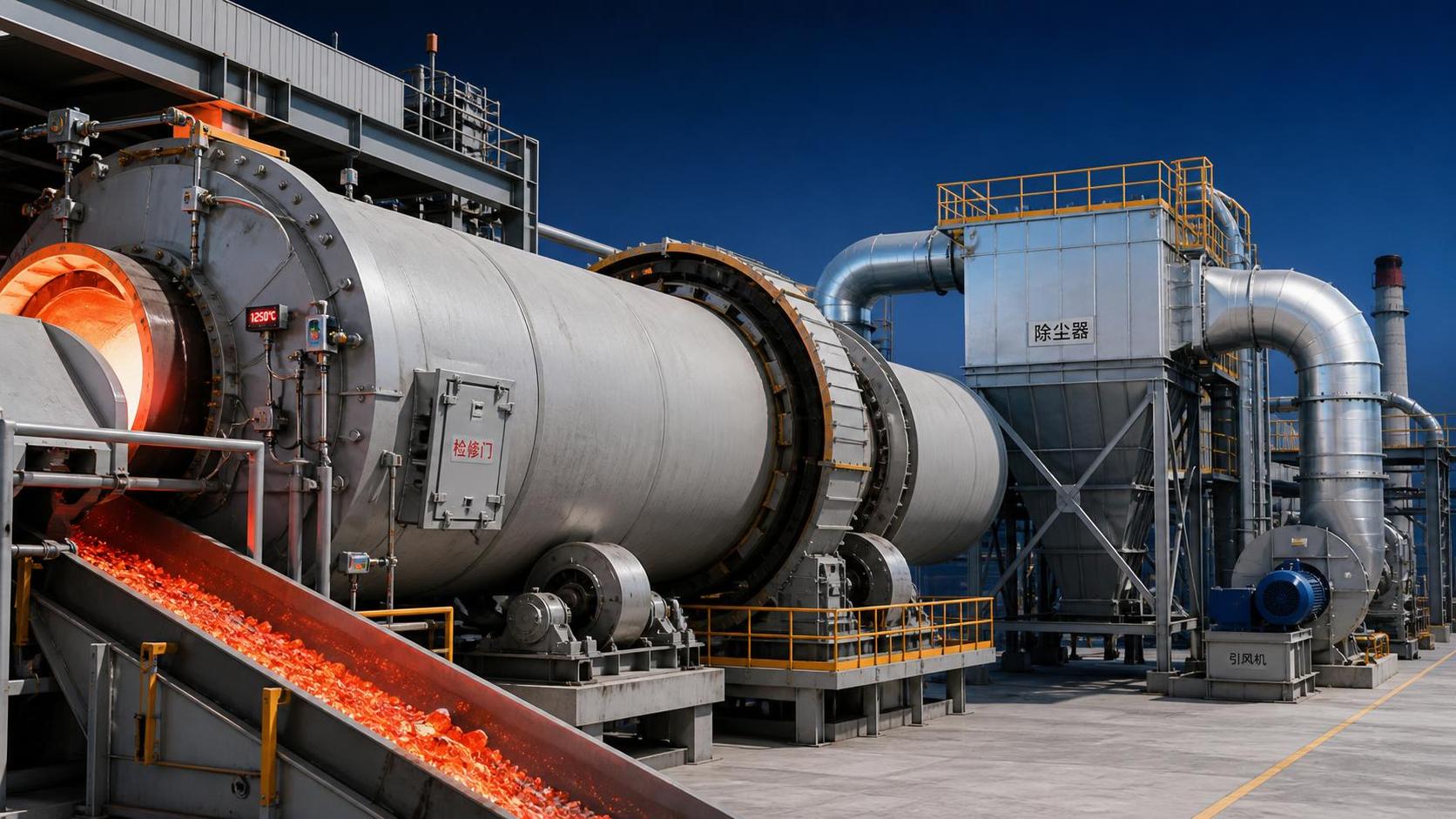
Kilns are no longer viewed only as thermal production assets.
They are becoming resource conversion platforms within wider industrial ecosystems.
This shift matters for cement plants, industrial incineration systems, refractory lines, glass-adjacent thermal assets, and building material extrusion networks.
In this context, industrial co-processing solutions connect waste management, energy substitution, mineral chemistry, and carbon accounting.
The trend is strongest where landfill capacity is shrinking and fossil fuel exposure remains volatile.
Operators face pressure to convert residues into measurable operational value.
Well-designed industrial co-processing solutions can reduce external disposal dependence while improving the kiln’s circular material profile.
However, results depend on feedstock discipline, combustion stability, and regulatory alignment.
Trend signals: waste control is moving upstream
The most visible change is the movement of waste evaluation before the kiln gate.
Earlier models focused on end-of-pipe control and fuel replacement ratios.
Current industrial co-processing solutions require deeper pre-qualification, chemical mapping, and logistics visibility.
This change reflects a practical reality.
Kilns accept variability poorly when moisture, chlorine, sulfur, alkalis, or heavy metals fluctuate beyond managed limits.
Therefore, industrial co-processing solutions increasingly include sampling protocols, blending yards, online sensors, and digital approval workflows.
The stronger the upstream control, the lower the probability of kiln instability.
Why the shift is accelerating
Co-processing can reduce waste, but not by accepting everything
The main misconception is that kiln capacity automatically equals waste treatment capacity.
In reality, industrial co-processing solutions work best with selected, characterized, and consistently supplied residues.
Suitable streams often include solvents, used oils, biomass residues, refuse-derived fuel, certain sludges, and mineral-bearing byproducts.
Their value depends on calorific contribution, ash chemistry, moisture level, particle behavior, and contaminant profile.
When managed correctly, industrial co-processing solutions can cut waste sent to landfill or dedicated incineration.
They can also replace part of coal, petcoke, or conventional mineral additives.
The benefit is strongest when energy recovery and mineral incorporation occur together.
This dual effect differentiates industrial co-processing solutions from simple waste burning.
Residue characteristics that decide success
- Stable calorific value supports predictable flame behavior.
- Controlled moisture reduces thermal penalties and feed blockages.
- Low chlorine limits coating cycles, corrosion, and bypass load.
- Balanced ash chemistry protects clinker mineral formation.
- Trace metal limits support emissions compliance and product confidence.
Operational impact spreads across the full thermal chain
The impact of industrial co-processing solutions is not confined to the burner.
It touches procurement, storage, dosing, combustion, refractory wear, gas cleaning, laboratory control, and reporting systems.
A residue that looks economical at the gate may become costly if it increases kiln stops.
Likewise, a technically stable residue may fail if permitting documentation is weak.
For cement plants, industrial co-processing solutions influence clinker chemistry and specific heat consumption.
For industrial incineration ecosystems, they reshape where residues should be thermally treated.
For refractory operations, variable flame zones can alter lining stress and maintenance planning.
For building material networks, verified circular inputs can strengthen green product narratives.
Business areas most affected
- Fuel sourcing shifts from commodity buying to risk-screened feedstock portfolios.
- Quality control expands from raw meal chemistry to waste-derived inputs.
- Maintenance planning must consider corrosion, deposits, and thermal cycling.
- Environmental reporting requires transparent mass balance and emissions evidence.
- Commercial positioning gains value from circular economy verification.
The strongest programs combine chemistry, heat, and intelligence
Industrial co-processing solutions are most resilient when built around three control layers.
The first layer is chemical intelligence.
This includes elemental analysis, calorific testing, ash fusion behavior, and contaminant screening.
The second layer is thermal management.
Operators must protect flame shape, oxygen balance, residence time, and temperature distribution.
The third layer is regulatory intelligence.
Permits, waste codes, emissions limits, and product standards determine the acceptable operating window.
CF-Elite’s high-temperature intelligence perspective supports this integrated view.
The connection between silicate process engineering, kiln kinetics, and carbon strategy is becoming decisive.
Without that connection, industrial co-processing solutions may remain fragmented trials.
Core priorities to monitor
- Define acceptance criteria before signing feedstock contracts.
- Build blending capacity to smooth chemical and calorific variation.
- Track chlorine, sulfur, alkalis, mercury, and volatile metals closely.
- Use online monitoring to detect combustion instability early.
- Link alternative fuel rates with clinker quality indicators.
- Align carbon claims with recognized accounting boundaries.
Decision logic: when co-processing creates durable value
Not every site should pursue the same substitution rate.
Industrial co-processing solutions should be judged by total system performance, not headline replacement percentages.
A moderate, stable program may outperform an aggressive program that causes bypass overload or quality losses.
The better question is where the kiln can absorb variability without eroding reliability.
Risks are manageable when governance is specific
Industrial co-processing solutions can fail when governance remains too general.
A broad approval for alternative fuels is not enough.
Each residue category needs acceptance limits, emergency rejection rules, and documented handling methods.
Storage design also matters.
Liquids, solids, sludges, and shredded fuels require different fire control, odor control, and dosing systems.
Digital tools are improving this governance model.
Laboratory systems can connect sample results with delivery approvals.
Kiln dashboards can compare feed changes with NOx, CO, SOx, temperature, and pressure behavior.
Digital twin simulations can test substitution scenarios before full-scale adoption.
This is where industrial co-processing solutions become strategic rather than experimental.
Next moves for sites evaluating co-processing
A practical response should begin with a structured baseline.
Sites need to know current fuel intensity, residue costs, emissions margin, and kiln sensitivity.
Then industrial co-processing solutions can be evaluated through staged pilots.
- Map local and regional residue streams by volume, chemistry, and legal status.
- Screen high-risk contaminants before commercial discussion.
- Run controlled trials at conservative substitution levels.
- Measure clinker quality, emissions response, fuel savings, and maintenance effects.
- Scale only after operating windows are proven across seasons.
The most reliable programs also create feedback loops.
Supplier quality scores, kiln performance data, and compliance records should inform future feedstock acceptance.
This approach prevents industrial co-processing solutions from becoming a disposal shortcut.
It keeps them aligned with efficiency, circularity, and long-cycle equipment reliability.
The outlook: less waste, stronger circular performance
So, can industrial co-processing solutions cut kiln waste?
Yes, when they are engineered as controlled resource conversion systems.
They reduce landfill reliance, recover thermal value, and reuse mineral content within high-temperature production.
Their value grows as energy markets, emissions rules, and circular economy expectations tighten.
The winners will not be the sites that accept the most waste fastest.
They will be the sites that understand chemistry, stabilize heat, verify data, and protect product performance.
CF-Elite tracks these changes across cement production, industrial kilns, refractory systems, and advanced material lines.
For organizations planning kiln upgrades or circularity programs, the next step is clear.
Assess feedstock availability, define control limits, benchmark emissions capacity, and model staged adoption before committing capital.
With disciplined intelligence, industrial co-processing solutions can move from compliance option to competitive advantage.
Related News
 Optical Glass Tech FellowHow to Evaluate a Glass Annealing Equipment Manufacturer for Production StabilityChoose a glass annealing equipment manufacturer with proven thermal uniformity, reliable controls, lifecycle value, and responsive service for stable production.Sep 08, 2026
 Prof. Marcus ChenThermal Energy Architecture in North America: Strategies for Lower Building Energy UseThermal energy architecture North America helps project leaders cut building energy use through stronger envelopes, right-sized HVAC, storage, and smart commissioning.Sep 07, 2026
 Ms. Elena RodriguezHow Should Buyers Evaluate Building Material Industry Intelligence Pricing?Building material industry intelligence pricing: learn how to compare coverage, technical depth, and ROI to choose intelligence that reduces procurement risk.Sep 07, 2026
 Ms. Elena RodriguezHow to Use Building Material Intelligence Data for Market and Investment DecisionsBuilding material industry intelligence data helps leaders evaluate demand, costs, regulation, capacity, and technology to make smarter market and investment decisions.Sep 05, 2026
 Thermal Energy ArchitectHow PLC Control Improves Energy Efficiency and Temperature Stability in KilnsEnergy efficient kilns PLC control improves temperature stability, cuts fuel waste, and optimizes combustion, draft, and material flow. Explore proven strategies for smarter kiln modernization.Sep 04, 2026
 Optical Glass Tech FellowEuropean Glass Melting Processes: Furnace Choices, Energy Use, and Quality ControlGlass melting process Europe: explore furnace choices, energy efficiency, cullet strategy, and quality control to improve output, compliance, and long-term glass performance.Sep 03, 2026
 Thermal Energy ArchitectWhat Determines Refractory Lining Monitoring Price for Industrial Kilns?Refractory lining monitoring price depends on kiln size, sensor technology, installation, software, and support. Compare total lifecycle costs and choose the right solution.Sep 02, 2026
 Silicate Process EngineerCement Production System Costs: A Plant Buyer’s Guide to Budgeting and ROICement production systems cost planning made clear: compare CAPEX, operating costs, compliance, and ROI to build a resilient, profitable cement plant investment.Sep 01, 2026
 Dr. Alistair VaughnWhat Should a Process Technology Database Track for High-Temperature Plants?Process technology database essentials for high-temperature plants: track thermal profiles, feed chemistry, refractory wear, emissions, energy, and maintenance for safer, data-driven decisions.Aug 31, 2026
 Ms. Elena RodriguezHow to Evaluate a Silicate Processing Equipment Manufacturer for Plant ProjectsSilicate processing equipment manufacturer selection: assess process fit, guarantees, energy, compliance, delivery risk, and lifecycle support for dependable plant performance.Aug 30, 2026
 Dr. Alistair VaughnHow to Specify Custom Agricultural Processing Equipment for Throughput and HygieneEquipment customization services for agricultural processing: learn to specify hygienic, high-throughput lines that improve yield, reliability, and long-term efficiency.Aug 29, 2026
 Dr. Alistair VaughnHow to Select Process Plant Equipment for High-Temperature, Abrasive Production LinesProcess plant equipment selection for high-temperature, abrasive lines: reduce downtime, improve durability, and optimize lifecycle performance.Aug 28, 2026
 Silicate Process EngineerHow Kiln Heat Recovery Systems Cut Fuel Use in Cement and Lime ProductionKiln heat recovery helps cement and lime plants cut fuel use, improve thermal stability, and build practical, reliable decarbonization strategies.Aug 27, 2026
 Ms. Elena RodriguezProcess Equipment Comparison: Which Metrics Matter Most for Reliable Selection?Process equipment comparison made practical: discover which metrics truly drive reliable selection, from energy efficiency and control stability to wear life, maintainability, and uptime.Aug 26, 2026
 Ms. Elena RodriguezWhat Buyers Should Check Before Sourcing Precision Alloy Bars for Critical PartsPrecision Alloy Bars buyers should verify grade, chemistry, tolerances, surface quality, traceability, and lead time before sourcing for critical parts. Learn what prevents costly machining and reliability risks.Aug 27, 2026
 Ms. Elena RodriguezHow to Evaluate Thermal Management Solutions Insulation for High-Heat Industrial SystemsThermal management solutions insulation: learn how to assess high-heat industrial systems by thermal performance, durability, lifecycle cost, and supplier data for smarter decisions.Aug 25, 2026
 Ms. Elena RodriguezWhat Drives Waste Recycling Cost in Industrial Projects and How to Estimate It?Waste recycling cost in industrial projects depends on composition, moisture, transport, pre-treatment, and compliance. Learn how to estimate it accurately and compare suppliers with confidence.Aug 24, 2026
 Silicate Process EngineerHow to Evaluate Cement Production Plants in the Middle East for Capacity, Fuel Flexibility, and ROIcement production plants Middle East: Learn how to assess true capacity, fuel flexibility, and ROI risks to identify resilient assets and smarter investment opportunities.Aug 23, 2026
 Structural Material AnalystHow to Evaluate Lightweight Material Machinery for Output, Energy Use, and Product QualityLightweight material machinery evaluation guide: compare stable output, energy use, and product quality to choose equipment that cuts waste, lowers costs, and improves production confidence.Aug 22, 2026
 Material Heat-Resist ExpertWhat Determines Refractory Production Line Price in a Turnkey Plant Project?Refractory production line price depends on raw materials, forming method, kiln and drying design, automation, utilities, and scope. Learn what really drives turnkey plant cost before you invest.Aug 21, 2026

Related News
- 00
0000-00
How PLC Control Improves Energy Efficiency and Temperature Stability in Kilns - 00
0000-00
What Determines Refractory Lining Monitoring Price for Industrial Kilns? - 00
0000-00
How Digital Twin Simulations Help Kiln Operators Cut Fuel Use and Stabilize Output - 00
0000-00
What to Evaluate in a Rotary Kiln Technology Manufacturer for High-Temperature Process Projects - 00
0000-00
How to Evaluate an Incineration Equipment Exporter for Compliance, Capacity, and After-Sales Support
Weekly Insights
Stay ahead with our curated technology reports delivered every Monday.