
What really improves industrial kiln efficiency in daily use?




What really improves industrial kiln efficiency in daily use? The strongest gains usually come from operating discipline, not a single retrofit.
Stable feed, accurate heat balance, controlled airflow, sound refractory, and continuous checks directly shape industrial kiln efficiency in real conditions.
Across cement, glass, refractory, incineration, and thermal processing lines, daily habits often decide whether fuel becomes productive heat or avoidable loss.
For high-temperature industries tracked by CF-Elite, practical efficiency is linked to thermal management, emission pressure, uptime, and process consistency.
Core Operating Factors Behind Industrial Kiln Efficiency
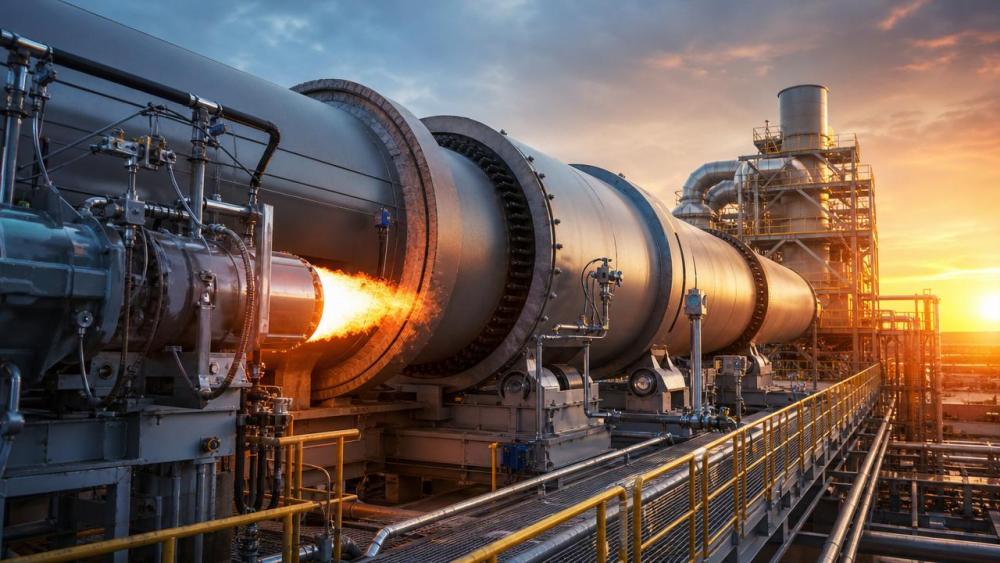
Industrial kiln efficiency measures how effectively fuel energy becomes useful process heat, stable product quality, and sustained throughput.
In daily use, efficiency drops when heat escapes, combustion becomes incomplete, residence time varies, or unplanned stoppages disturb thermal stability.
Most operators see the same five drivers repeatedly:
- Feed consistency in size, moisture, and chemistry
- Temperature profile control across zones
- Combustion air management and draft balance
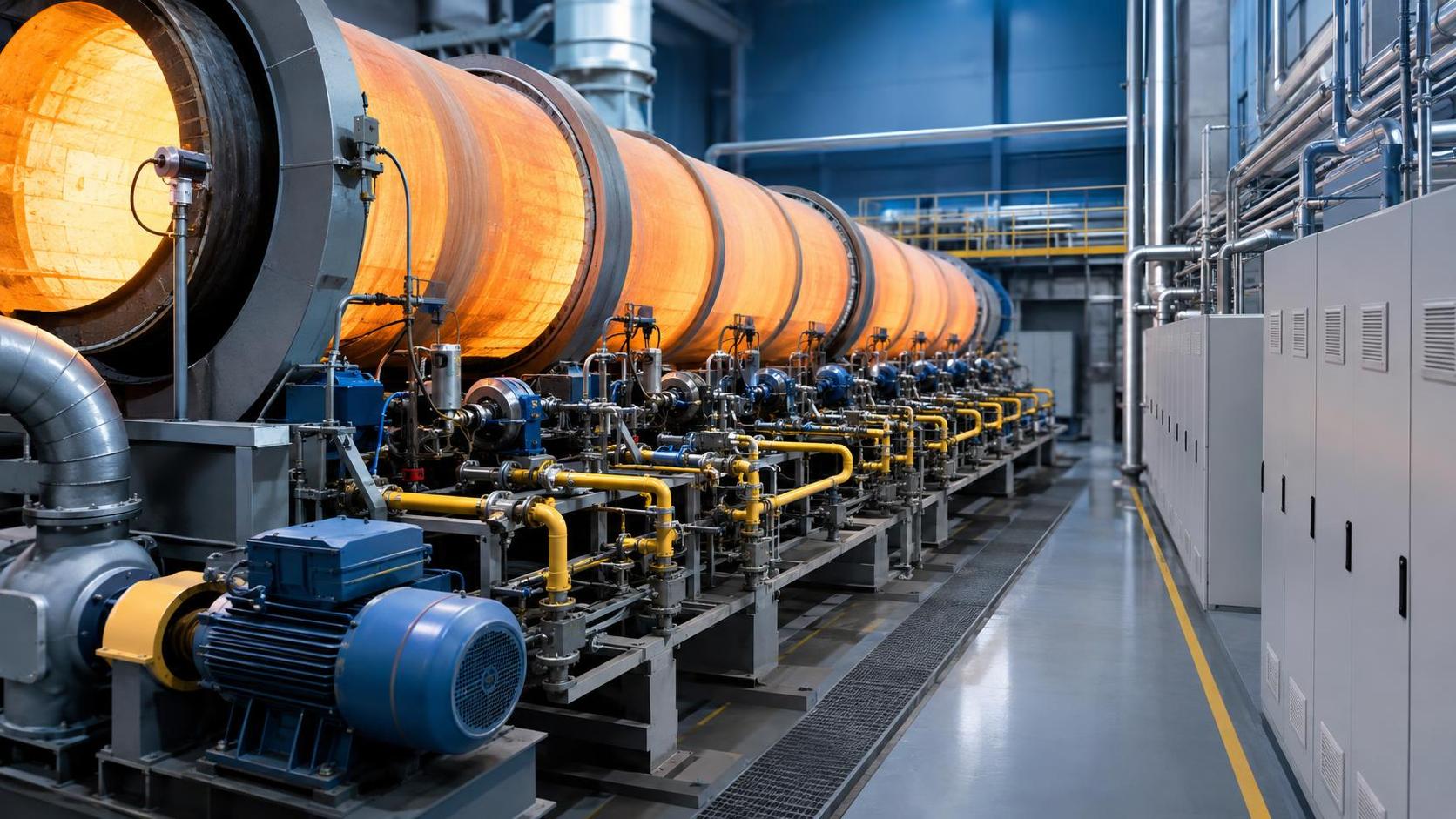
- Refractory integrity and shell heat loss
- Routine monitoring, cleaning, and calibration
These factors interact. Better burner tuning cannot fully offset unstable feed. New lining cannot solve weak draft control.
That is why industrial kiln efficiency should be treated as a system outcome rather than a single equipment metric.
Industry Context and Current Performance Priorities
High-temperature industries now face tighter energy costs, stricter emission rules, and stronger pressure to keep output stable.
As a result, industrial kiln efficiency is no longer only a fuel issue. It affects carbon intensity, maintenance planning, and product yield.
This broader context explains why daily operational details receive more attention than before across integrated thermal production systems.
Feed Stability and Thermal Uniformity
One of the fastest ways to improve industrial kiln efficiency is to stabilize the feed entering the kiln.
When particle size swings too widely, heat transfer becomes uneven. Finer material may overreact, while larger pieces remain underprocessed.
Moisture variation creates another hidden penalty. Extra water absorbs heat before the intended thermal reaction even begins.
Chemical inconsistency also forces operators to chase temperature with higher fuel input. That usually reduces process predictability.
Daily controls that matter
- Keep feed sizing within a narrow target band
- Reduce moisture fluctuations before charging
- Track bulk density and composition trends
- Avoid sudden feed rate shifts during stable campaigns
Uniform feed supports a consistent temperature profile, which is central to better industrial kiln efficiency and lower thermal stress.
Combustion, Airflow, and Heat Transfer Control
Fuel quality matters, but combustion control matters more in daily operation.
A kiln with too little air risks incomplete combustion. A kiln with too much air wastes energy by heating unnecessary gas volume.
This is where draft, burner alignment, flame shape, and secondary air temperature become practical efficiency levers.
Key checkpoints
- Verify burner nozzle condition and positioning
- Control excess oxygen within process targets
- Check draft stability across inlet and exhaust sections
- Minimize false air infiltration through seals and joints
False air is especially damaging. It cools the process, disturbs gas flow, and forces extra fuel use without improving output.
Good combustion control improves industrial kiln efficiency by converting more fuel into useful radiant and convective heat.
Refractory Condition, Sealing, and Mechanical Health
Even with ideal combustion, damaged insulation can erase efficiency gains.
Refractory wear increases shell temperature, accelerates heat loss, and may alter internal flow patterns or material residence behavior.
Seal leakage at the inlet or outlet creates similar losses. It also weakens process control by introducing unstable air volumes.
Mechanical issues matter too. Misalignment, coating imbalance, or irregular rotation can disrupt heat exposure and product consistency.
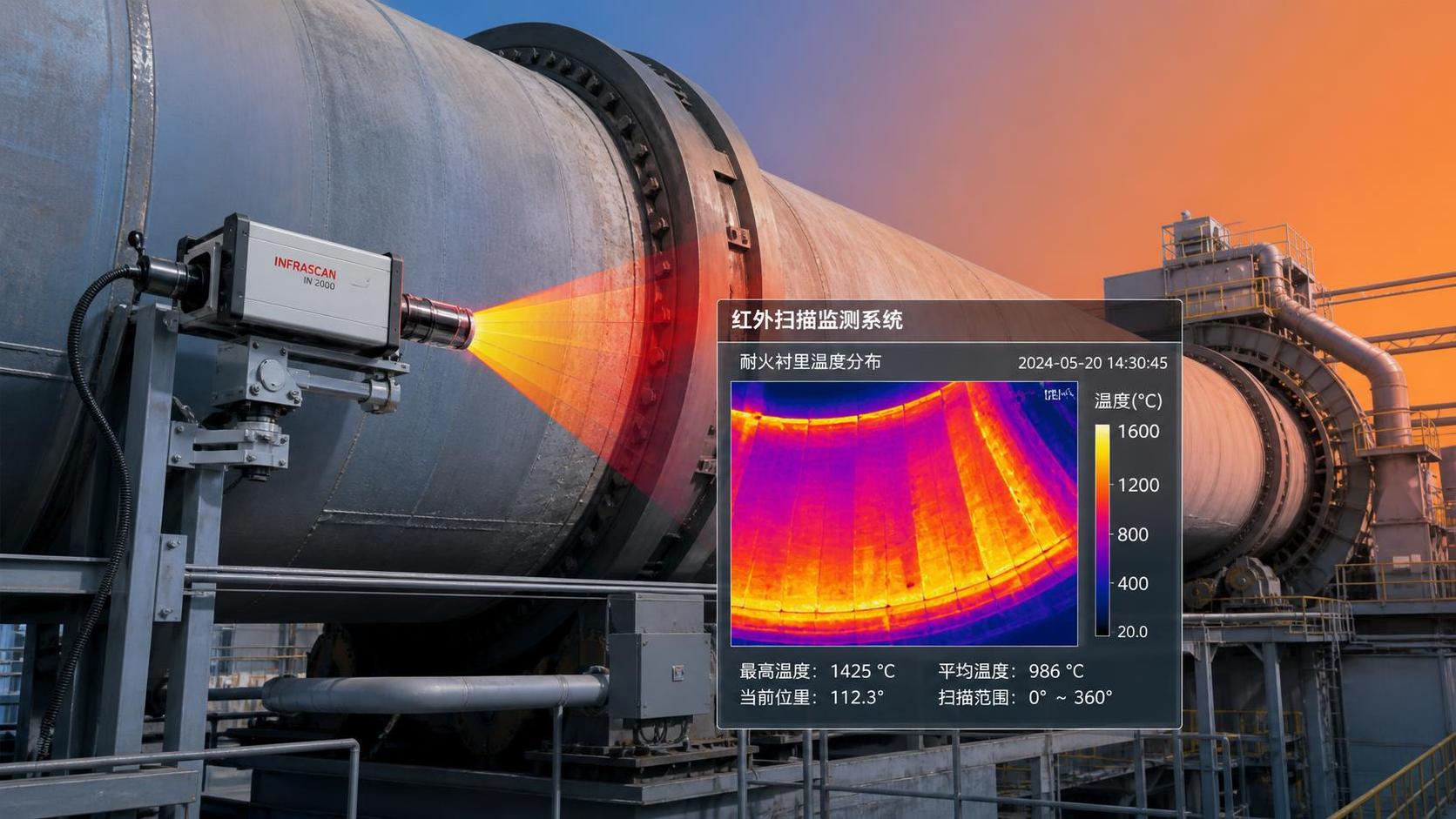
Regular refractory surveys and seal inspections often deliver better industrial kiln efficiency than isolated burner adjustments.
Monitoring, Data Discipline, and Daily Decision Quality
Industrial kiln efficiency improves fastest when routine decisions are based on timely, trusted data.
Temperature, oxygen, pressure, fuel flow, shell heat, and throughput should be reviewed together, not in isolation.
A single reading can mislead. Trends usually reveal whether the kiln is drifting toward waste or returning to thermal balance.
Useful monitoring habits
- Calibrate sensors on schedule
- Compare setpoints with actual zone behavior
- Record deviations after feed or fuel changes
- Review shell temperature maps for emerging refractory issues
- Use trend analysis before changing multiple variables at once
In advanced plants, digital twins and online lining monitoring support deeper analysis. Yet disciplined daily logs still remain essential.
Typical Efficiency Priorities by Thermal Processing Scenario
Different kilns share the same fundamentals, but practical focus areas vary by process and material behavior.
This process-specific view helps narrow improvement actions while keeping industrial kiln efficiency aligned with product requirements.
Practical Improvement Steps and Common Cautions
The most reliable path is to optimize low-cost daily controls before pursuing larger capital projects.
- Standardize feed preparation and charging rhythm
- Tune combustion using measured oxygen and temperature trends
- Repair air leaks and worn seals early
- Inspect refractory condition before hot spots become failures
- Link maintenance records with process deviations
Avoid changing too many variables at once. When fuel, airflow, and feed rate are altered together, root causes become difficult to identify.
Also avoid judging industrial kiln efficiency only by short-term fuel consumption. Output quality, stability, and downtime must be included.
In many plants, the best result comes from small, repeatable corrections applied consistently over weeks, not dramatic one-day interventions.
Operational Direction for the Next Improvement Cycle
A practical next step is to review one month of feed, fuel, oxygen, temperature, downtime, and shell heat data together.
From that review, identify the top three loss points affecting industrial kiln efficiency, then assign one operational correction to each point.
CF-Elite’s thermal intelligence perspective supports exactly this method: connect process parameters, material behavior, lining condition, and energy strategy.
When daily operating decisions are informed by structured thermal insight, industrial kiln efficiency becomes more measurable, more stable, and more scalable.
Related News
 Optical Glass Tech FellowHow to Evaluate a Glass Annealing Equipment Manufacturer for Production StabilityChoose a glass annealing equipment manufacturer with proven thermal uniformity, reliable controls, lifecycle value, and responsive service for stable production.Sep 08, 2026
 Prof. Marcus ChenThermal Energy Architecture in North America: Strategies for Lower Building Energy UseThermal energy architecture North America helps project leaders cut building energy use through stronger envelopes, right-sized HVAC, storage, and smart commissioning.Sep 07, 2026
 Ms. Elena RodriguezHow Should Buyers Evaluate Building Material Industry Intelligence Pricing?Building material industry intelligence pricing: learn how to compare coverage, technical depth, and ROI to choose intelligence that reduces procurement risk.Sep 07, 2026
 Ms. Elena RodriguezHow to Use Building Material Intelligence Data for Market and Investment DecisionsBuilding material industry intelligence data helps leaders evaluate demand, costs, regulation, capacity, and technology to make smarter market and investment decisions.Sep 05, 2026
 Thermal Energy ArchitectHow PLC Control Improves Energy Efficiency and Temperature Stability in KilnsEnergy efficient kilns PLC control improves temperature stability, cuts fuel waste, and optimizes combustion, draft, and material flow. Explore proven strategies for smarter kiln modernization.Sep 04, 2026
 Optical Glass Tech FellowEuropean Glass Melting Processes: Furnace Choices, Energy Use, and Quality ControlGlass melting process Europe: explore furnace choices, energy efficiency, cullet strategy, and quality control to improve output, compliance, and long-term glass performance.Sep 03, 2026
 Thermal Energy ArchitectWhat Determines Refractory Lining Monitoring Price for Industrial Kilns?Refractory lining monitoring price depends on kiln size, sensor technology, installation, software, and support. Compare total lifecycle costs and choose the right solution.Sep 02, 2026
 Silicate Process EngineerCement Production System Costs: A Plant Buyer’s Guide to Budgeting and ROICement production systems cost planning made clear: compare CAPEX, operating costs, compliance, and ROI to build a resilient, profitable cement plant investment.Sep 01, 2026
 Dr. Alistair VaughnWhat Should a Process Technology Database Track for High-Temperature Plants?Process technology database essentials for high-temperature plants: track thermal profiles, feed chemistry, refractory wear, emissions, energy, and maintenance for safer, data-driven decisions.Aug 31, 2026
 Ms. Elena RodriguezHow to Evaluate a Silicate Processing Equipment Manufacturer for Plant ProjectsSilicate processing equipment manufacturer selection: assess process fit, guarantees, energy, compliance, delivery risk, and lifecycle support for dependable plant performance.Aug 30, 2026
 Dr. Alistair VaughnHow to Specify Custom Agricultural Processing Equipment for Throughput and HygieneEquipment customization services for agricultural processing: learn to specify hygienic, high-throughput lines that improve yield, reliability, and long-term efficiency.Aug 29, 2026
 Dr. Alistair VaughnHow to Select Process Plant Equipment for High-Temperature, Abrasive Production LinesProcess plant equipment selection for high-temperature, abrasive lines: reduce downtime, improve durability, and optimize lifecycle performance.Aug 28, 2026
 Silicate Process EngineerHow Kiln Heat Recovery Systems Cut Fuel Use in Cement and Lime ProductionKiln heat recovery helps cement and lime plants cut fuel use, improve thermal stability, and build practical, reliable decarbonization strategies.Aug 27, 2026
 Ms. Elena RodriguezProcess Equipment Comparison: Which Metrics Matter Most for Reliable Selection?Process equipment comparison made practical: discover which metrics truly drive reliable selection, from energy efficiency and control stability to wear life, maintainability, and uptime.Aug 26, 2026
 Ms. Elena RodriguezWhat Buyers Should Check Before Sourcing Precision Alloy Bars for Critical PartsPrecision Alloy Bars buyers should verify grade, chemistry, tolerances, surface quality, traceability, and lead time before sourcing for critical parts. Learn what prevents costly machining and reliability risks.Aug 27, 2026
 Ms. Elena RodriguezHow to Evaluate Thermal Management Solutions Insulation for High-Heat Industrial SystemsThermal management solutions insulation: learn how to assess high-heat industrial systems by thermal performance, durability, lifecycle cost, and supplier data for smarter decisions.Aug 25, 2026
 Ms. Elena RodriguezWhat Drives Waste Recycling Cost in Industrial Projects and How to Estimate It?Waste recycling cost in industrial projects depends on composition, moisture, transport, pre-treatment, and compliance. Learn how to estimate it accurately and compare suppliers with confidence.Aug 24, 2026
 Silicate Process EngineerHow to Evaluate Cement Production Plants in the Middle East for Capacity, Fuel Flexibility, and ROIcement production plants Middle East: Learn how to assess true capacity, fuel flexibility, and ROI risks to identify resilient assets and smarter investment opportunities.Aug 23, 2026
 Structural Material AnalystHow to Evaluate Lightweight Material Machinery for Output, Energy Use, and Product QualityLightweight material machinery evaluation guide: compare stable output, energy use, and product quality to choose equipment that cuts waste, lowers costs, and improves production confidence.Aug 22, 2026
 Material Heat-Resist ExpertWhat Determines Refractory Production Line Price in a Turnkey Plant Project?Refractory production line price depends on raw materials, forming method, kiln and drying design, automation, utilities, and scope. Learn what really drives turnkey plant cost before you invest.Aug 21, 2026

Related News
- 00
0000-00
How PLC Control Improves Energy Efficiency and Temperature Stability in Kilns - 00
0000-00
What Determines Refractory Lining Monitoring Price for Industrial Kilns? - 00
0000-00
How Digital Twin Simulations Help Kiln Operators Cut Fuel Use and Stabilize Output - 00
0000-00
What to Evaluate in a Rotary Kiln Technology Manufacturer for High-Temperature Process Projects - 00
0000-00
How to Evaluate an Incineration Equipment Exporter for Compliance, Capacity, and After-Sales Support
Weekly Insights
Stay ahead with our curated technology reports delivered every Monday.