
How to compare industrial co-processing solutions wisely




Choosing among industrial co-processing solutions requires more than a price comparison. Technical fit, combustion stability, waste chemistry, and emissions control determine whether a project performs well over time.
In cross-sector heavy industry, industrial co-processing solutions sit at the intersection of energy recovery, waste utilization, carbon strategy, and process reliability. A poor match can raise downtime, fuel volatility, and compliance risk.
A sound evaluation method should connect kiln physics, material behavior, environmental rules, and total operating economics. That approach reduces uncertainty and supports better long-term industrial decisions.
Definition and evaluation scope of industrial co-processing solutions
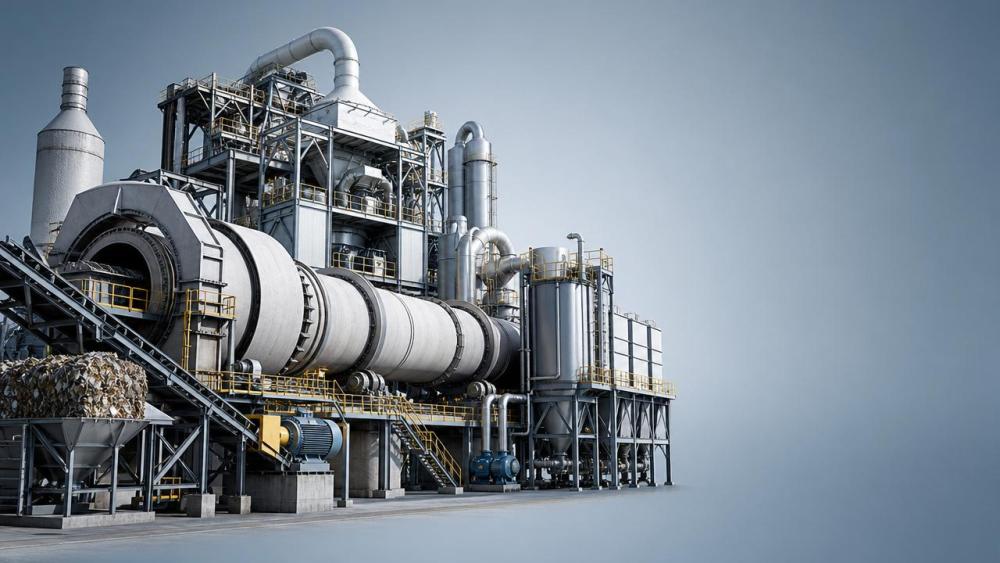
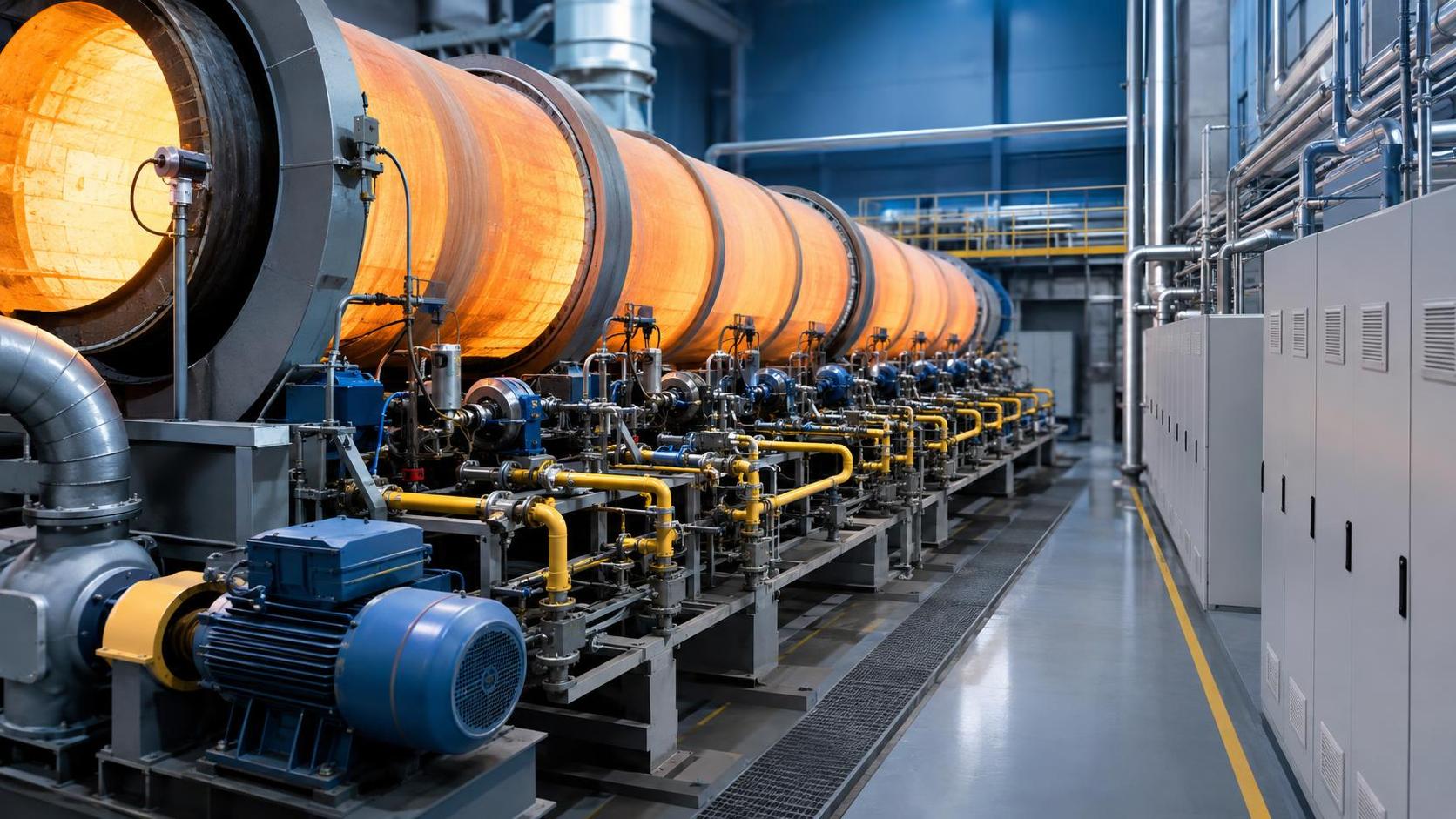
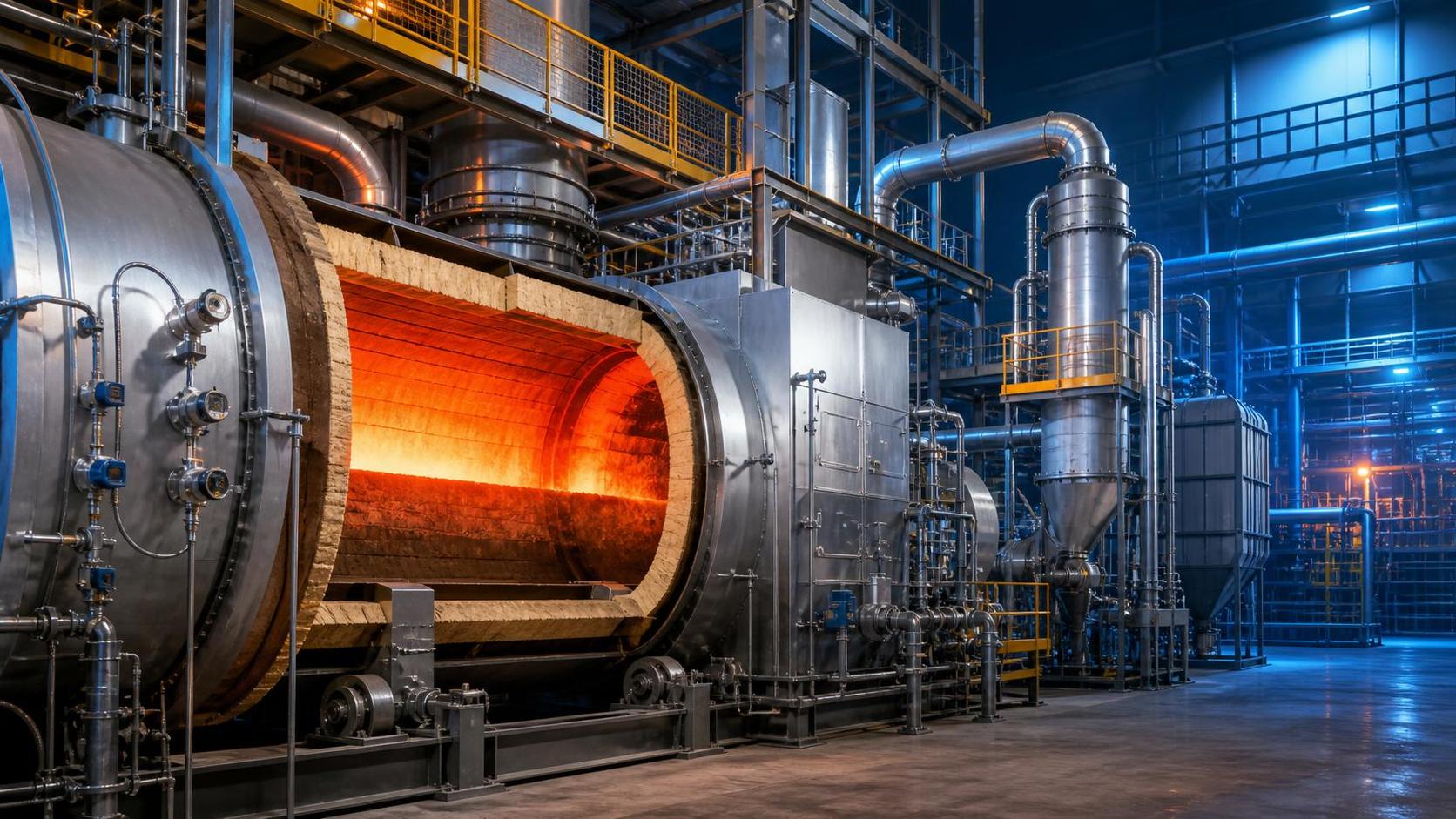
Industrial co-processing solutions use existing high-temperature systems to treat waste while recovering mineral value, thermal energy, or both. Typical platforms include cement kilns, industrial kilns, and incineration-integrated process lines.
The comparison should not focus only on disposal capacity. It should assess process integration, feedstock tolerance, heat balance, ash behavior, residue formation, and long-cycle maintenance impacts.
In practical terms, industrial co-processing solutions often differ in five core dimensions:
- Thermal utilization efficiency
- Waste and alternative fuel compatibility
- Emission control performance
- Mechanical and refractory reliability
- Lifecycle cost and reporting transparency
For sectors monitored by CF-Elite, this comparison is especially important because silicate lines, incineration systems, and thermal processing units operate under strict process windows. Small deviations can create major economic consequences.
Current industry signals shaping solution selection
Today’s market evaluates industrial co-processing solutions under tighter environmental, operational, and carbon-performance expectations. Decision quality increasingly depends on measurable process intelligence rather than generic supplier claims.
Several signals now influence comparison criteria across comprehensive industrial sectors:
These signals explain why industrial co-processing solutions should be compared through process evidence, pilot data, and operational history. A technically elegant concept still fails if it cannot survive feed variation or compliance audits.
Core business value behind a better comparison process
Comparing industrial co-processing solutions wisely protects more than capital spending. It supports energy efficiency, plant uptime, environmental credibility, and the stable use of secondary resources.
The strongest business value usually appears in four areas:
- Lower net fuel cost through controlled substitution rates
- Reduced landfill dependence and improved resource circularity
- Better emissions positioning under evolving regulations
- Higher operating resilience across variable feed and market conditions
For example, a cement or glass-adjacent thermal system may accept certain residues efficiently, but only when chloride input, moisture level, particle size, and calorific value remain inside manageable boundaries.
This is why industrial co-processing solutions should be tied to a site-specific mass and energy balance. Generic claims about savings often ignore hidden maintenance burdens, bypass rates, or unstable flame conditions.
A disciplined comparison also clarifies whether value comes mainly from disposal economics, fuel replacement, mineral incorporation, or carbon-performance reporting. Different facilities prioritize these outcomes differently.
Typical solution pathways and scenario-based differences
Not all industrial co-processing solutions fit the same industrial environment. The best option depends on process temperature, residence time, product sensitivity, emission limits, and available preprocessing capability.
The table shows why industrial co-processing solutions should be matched to process architecture first. Only then should cost and supplier structure be compared.
A high substitution design may look attractive on paper. However, unstable feed preparation or weak combustion control can erase the expected gains through shutdowns and product deviations.
Practical comparison framework for technical and commercial review
A practical framework helps compare industrial co-processing solutions consistently. The goal is to convert broad claims into verifiable engineering and economic indicators.
1. Check feedstock compatibility
Review calorific value, moisture, ash composition, chlorine, sulfur, alkalis, and metal content. Compatibility determines flame behavior, deposit risk, and downstream emissions burden.
2. Confirm thermal and process integration
Compare injection points, residence time, temperature profile, oxygen availability, and process control logic. Industrial co-processing solutions must work with existing process windows, not against them.
3. Evaluate emissions and compliance pathways
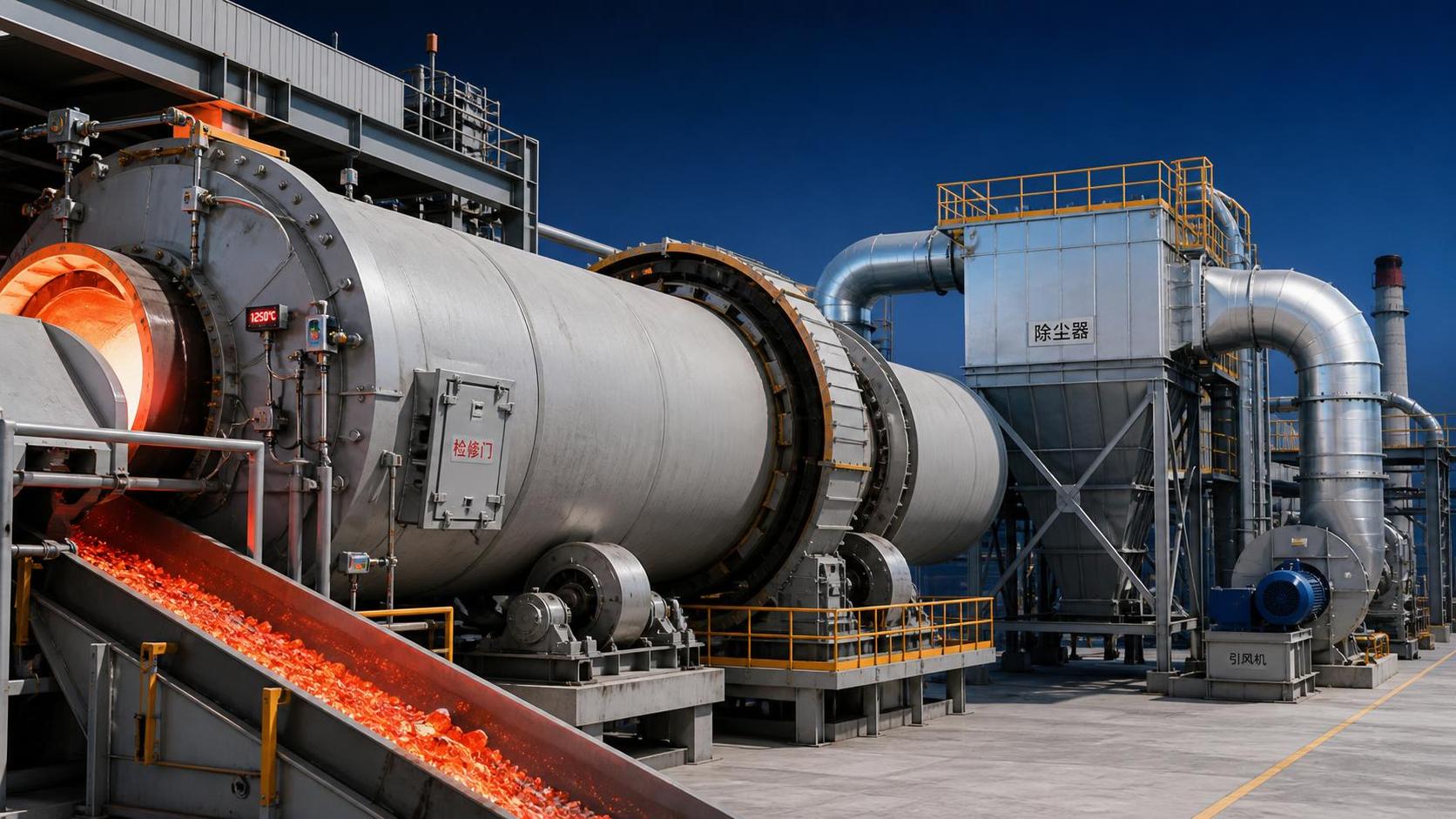
Assess continuous monitoring, stack performance, acid gas control, dust capture, and emergency operating modes. Compliance should be demonstrated under normal and upset conditions.
4. Measure lifecycle cost, not entry price
Include preprocessing, storage, dosing, refractory wear, spare parts, APC consumables, training, shutdown time, and data reporting cost. This reveals the real economics of industrial co-processing solutions.
5. Verify digital visibility and traceability
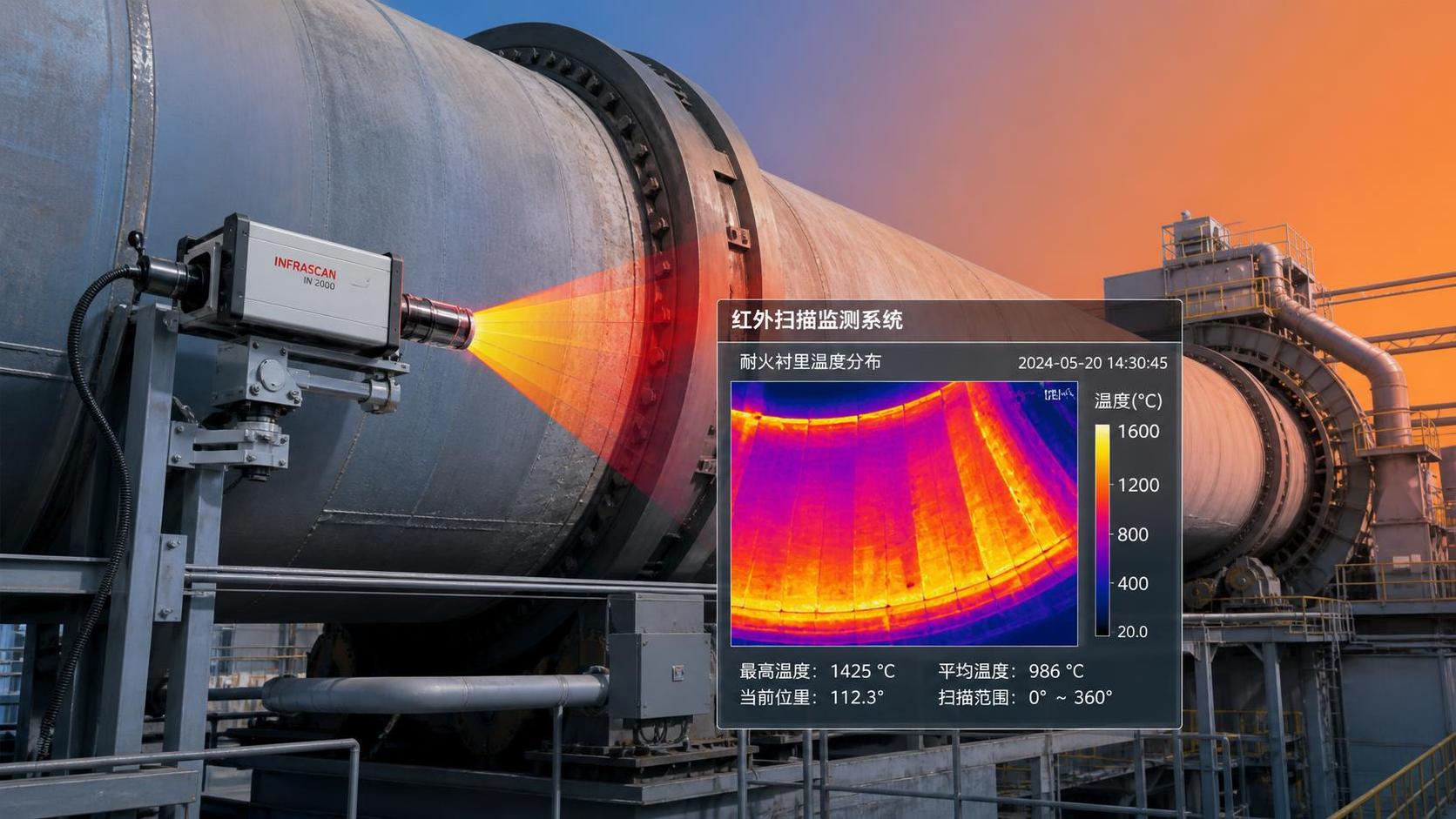
Reliable solutions provide operating dashboards, feed traceability, deviation alarms, and trend analysis. This supports optimization, audit readiness, and long-term confidence.
Common mistakes and implementation precautions
Several mistakes repeatedly weaken industrial co-processing solutions, even when the base technology is sound. Most problems begin with incomplete boundary definition.
- Overestimating stable waste supply and underestimating composition variability
- Ignoring hidden impacts on clinker, glass, or final material quality
- Comparing disposal fees without including emissions and maintenance cost
- Selecting equipment without piloting representative feed conditions
- Treating digital monitoring as optional instead of operationally essential
A better implementation path starts with feed characterization and a clear operating envelope. Then it moves to pilot validation, performance guarantees, and staged scale-up.
For high-temperature industries covered by CF-Elite, this staged method aligns engineering detail with strategic intelligence. It connects thermal behavior, material chemistry, and carbon-performance logic into one decision structure.
Next-step guidance for a wiser selection process
To compare industrial co-processing solutions wisely, begin with a structured shortlist. Define target waste types, required substitution rate, emission thresholds, energy objectives, and acceptable product-quality risk.
Next, request site-specific data rather than generic brochures. Useful inputs include heat and mass balance models, reference cases, APC configurations, feed limits, and maintenance assumptions.
Then rank industrial co-processing solutions with weighted criteria. Technical fit should carry more importance than purchase price because long-cycle performance drives the real outcome.
Where process complexity is high, independent intelligence support improves decision quality. In sectors such as cement, glass, kilns, refractories, and extrusion, comparison accuracy depends on understanding both chemistry and thermal mechanics.
The wisest choice is the one that delivers stable operation, regulatory confidence, measurable resource recovery, and credible carbon progress. That is the benchmark industrial co-processing solutions should meet.
Related News
 Dr. Alistair VaughnIndustrial Process Engineering: How to Map Processes for Safer, More Efficient PlantsIndustrial process engineering reveals bottlenecks, safety risks, and energy losses through practical process mapping for safer, more efficient plants.Sep 09, 2026
 Optical Glass Tech FellowHow to Evaluate a Glass Annealing Equipment Manufacturer for Production StabilityChoose a glass annealing equipment manufacturer with proven thermal uniformity, reliable controls, lifecycle value, and responsive service for stable production.Sep 08, 2026
 Prof. Marcus ChenThermal Energy Architecture in North America: Strategies for Lower Building Energy UseThermal energy architecture North America helps project leaders cut building energy use through stronger envelopes, right-sized HVAC, storage, and smart commissioning.Sep 07, 2026
 Ms. Elena RodriguezHow Should Buyers Evaluate Building Material Industry Intelligence Pricing?Building material industry intelligence pricing: learn how to compare coverage, technical depth, and ROI to choose intelligence that reduces procurement risk.Sep 07, 2026
 Ms. Elena RodriguezHow to Use Building Material Intelligence Data for Market and Investment DecisionsBuilding material industry intelligence data helps leaders evaluate demand, costs, regulation, capacity, and technology to make smarter market and investment decisions.Sep 05, 2026
 Thermal Energy ArchitectHow PLC Control Improves Energy Efficiency and Temperature Stability in KilnsEnergy efficient kilns PLC control improves temperature stability, cuts fuel waste, and optimizes combustion, draft, and material flow. Explore proven strategies for smarter kiln modernization.Sep 04, 2026
 Optical Glass Tech FellowEuropean Glass Melting Processes: Furnace Choices, Energy Use, and Quality ControlGlass melting process Europe: explore furnace choices, energy efficiency, cullet strategy, and quality control to improve output, compliance, and long-term glass performance.Sep 03, 2026
 Thermal Energy ArchitectWhat Determines Refractory Lining Monitoring Price for Industrial Kilns?Refractory lining monitoring price depends on kiln size, sensor technology, installation, software, and support. Compare total lifecycle costs and choose the right solution.Sep 02, 2026
 Silicate Process EngineerCement Production System Costs: A Plant Buyer’s Guide to Budgeting and ROICement production systems cost planning made clear: compare CAPEX, operating costs, compliance, and ROI to build a resilient, profitable cement plant investment.Sep 01, 2026
 Dr. Alistair VaughnWhat Should a Process Technology Database Track for High-Temperature Plants?Process technology database essentials for high-temperature plants: track thermal profiles, feed chemistry, refractory wear, emissions, energy, and maintenance for safer, data-driven decisions.Aug 31, 2026
 Ms. Elena RodriguezHow to Evaluate a Silicate Processing Equipment Manufacturer for Plant ProjectsSilicate processing equipment manufacturer selection: assess process fit, guarantees, energy, compliance, delivery risk, and lifecycle support for dependable plant performance.Aug 30, 2026
 Dr. Alistair VaughnHow to Specify Custom Agricultural Processing Equipment for Throughput and HygieneEquipment customization services for agricultural processing: learn to specify hygienic, high-throughput lines that improve yield, reliability, and long-term efficiency.Aug 29, 2026
 Dr. Alistair VaughnHow to Select Process Plant Equipment for High-Temperature, Abrasive Production LinesProcess plant equipment selection for high-temperature, abrasive lines: reduce downtime, improve durability, and optimize lifecycle performance.Aug 28, 2026
 Silicate Process EngineerHow Kiln Heat Recovery Systems Cut Fuel Use in Cement and Lime ProductionKiln heat recovery helps cement and lime plants cut fuel use, improve thermal stability, and build practical, reliable decarbonization strategies.Aug 27, 2026
 Ms. Elena RodriguezProcess Equipment Comparison: Which Metrics Matter Most for Reliable Selection?Process equipment comparison made practical: discover which metrics truly drive reliable selection, from energy efficiency and control stability to wear life, maintainability, and uptime.Aug 26, 2026
 Ms. Elena RodriguezWhat Buyers Should Check Before Sourcing Precision Alloy Bars for Critical PartsPrecision Alloy Bars buyers should verify grade, chemistry, tolerances, surface quality, traceability, and lead time before sourcing for critical parts. Learn what prevents costly machining and reliability risks.Aug 27, 2026
 Ms. Elena RodriguezHow to Evaluate Thermal Management Solutions Insulation for High-Heat Industrial SystemsThermal management solutions insulation: learn how to assess high-heat industrial systems by thermal performance, durability, lifecycle cost, and supplier data for smarter decisions.Aug 25, 2026
 Ms. Elena RodriguezWhat Drives Waste Recycling Cost in Industrial Projects and How to Estimate It?Waste recycling cost in industrial projects depends on composition, moisture, transport, pre-treatment, and compliance. Learn how to estimate it accurately and compare suppliers with confidence.Aug 24, 2026
 Silicate Process EngineerHow to Evaluate Cement Production Plants in the Middle East for Capacity, Fuel Flexibility, and ROIcement production plants Middle East: Learn how to assess true capacity, fuel flexibility, and ROI risks to identify resilient assets and smarter investment opportunities.Aug 23, 2026
 Structural Material AnalystHow to Evaluate Lightweight Material Machinery for Output, Energy Use, and Product QualityLightweight material machinery evaluation guide: compare stable output, energy use, and product quality to choose equipment that cuts waste, lowers costs, and improves production confidence.Aug 22, 2026






Related News
- 00
0000-00
How PLC Control Improves Energy Efficiency and Temperature Stability in Kilns - 00
0000-00
What Determines Refractory Lining Monitoring Price for Industrial Kilns? - 00
0000-00
How Digital Twin Simulations Help Kiln Operators Cut Fuel Use and Stabilize Output - 00
0000-00
What to Evaluate in a Rotary Kiln Technology Manufacturer for High-Temperature Process Projects - 00
0000-00
How to Evaluate an Incineration Equipment Exporter for Compliance, Capacity, and After-Sales Support
Weekly Insights
Stay ahead with our curated technology reports delivered every Monday.