
Why heat-resistant material development now favors longer life




As energy costs rise and maintenance windows shrink, heat-resistant material development is shifting from peak temperature performance to longer service life. For heavy thermal systems, durability now shapes uptime, emissions control, and lifecycle economics. In cement, glass, incineration, refractory processing, and extrusion lines, this change affects how plants choose linings, insulation, wear parts, and monitoring methods. Understanding why heat-resistant material development now favors longer life helps guide smarter technical and investment decisions.
Why is heat-resistant material development moving beyond maximum temperature ratings?
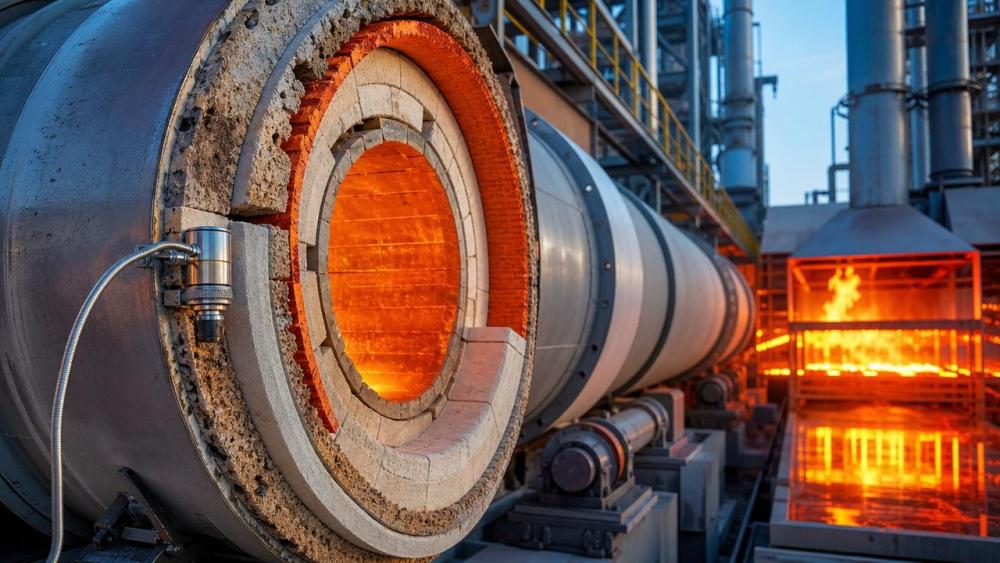
For years, material selection often centered on the highest survivable temperature. That benchmark still matters, but it is no longer enough.
Modern process lines run under tighter fuel budgets, stricter emissions rules, and more variable raw materials. These conditions create repeated thermal shocks, chemical attack, and mechanical stress.
A lining that tolerates extreme heat once may still fail early if it cracks during cycling or erodes under abrasive dust.
That is why heat-resistant material development increasingly values stability over time, not just peak resistance during testing.
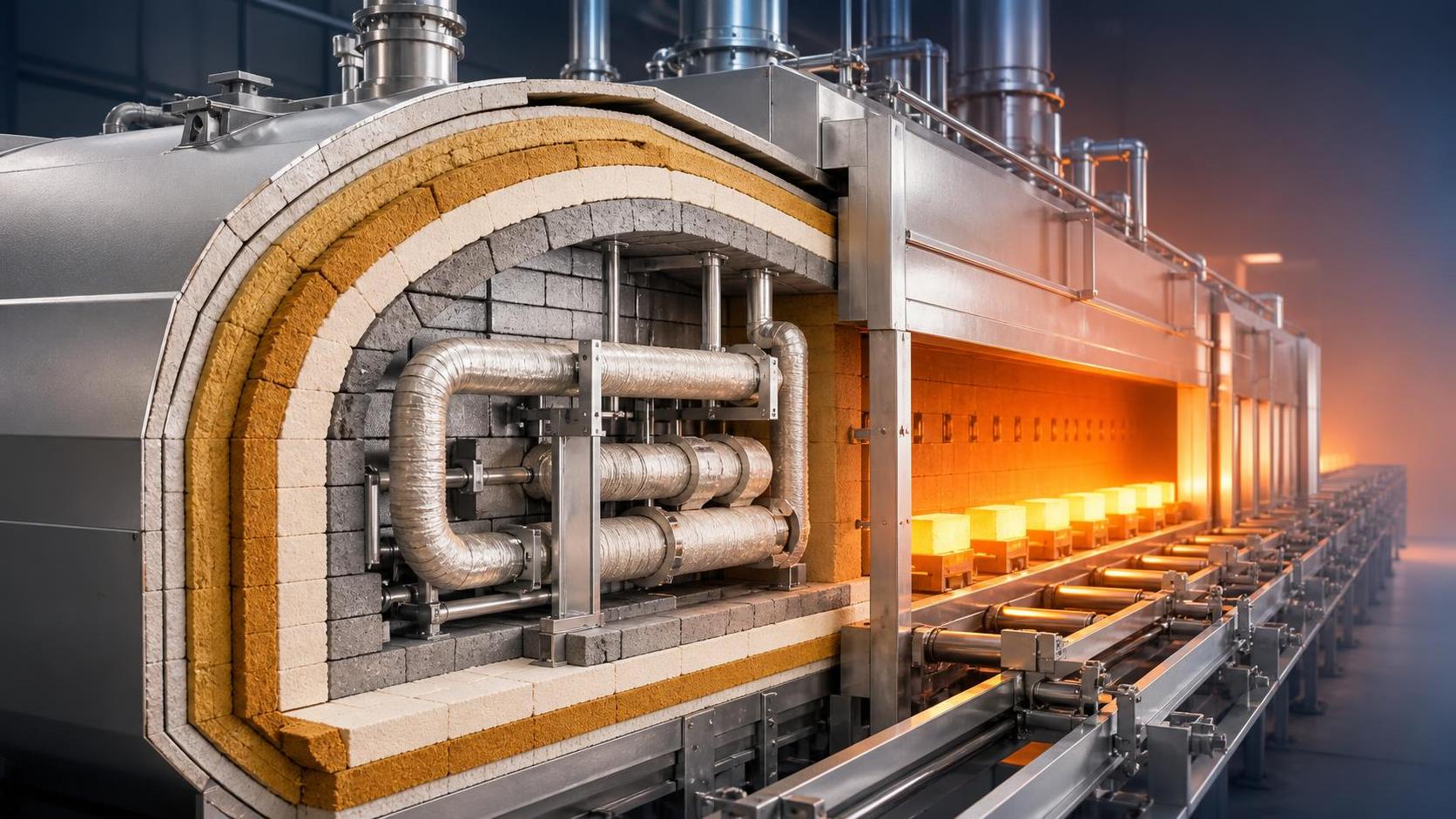
Longer-life materials reduce shutdown frequency. They also support steadier thermal efficiency, because damaged surfaces often increase heat loss and process instability.
In global industrial systems, the real question is changing from “How hot can it go?” to “How long can it perform under real operating cycles?”
- Higher energy prices make unplanned heat loss more expensive.
- Carbon targets reward stable, efficient thermal containment.
- Complex feedstocks create broader chemical corrosion risks.
- Labor and outage constraints increase the value of longer campaigns.
What does longer-life heat-resistant material development actually mean?
It does not simply mean thicker material or harder surfaces. Longer-life performance comes from balancing several properties at once.
Heat-resistant material development now integrates thermal shock resistance, creep control, corrosion resistance, dimensional stability, and lower microcrack growth rates.
In practical terms, developers look at how a material behaves during startup, load changes, upset conditions, and repeated cooling cycles.
They also study interactions with alkalis, chlorides, sulfates, ash, molten glass, clinker dust, and combustion residues.
Key design priorities now include:
- Resistance to thermal cycling, not just static high heat.
- Microstructure control to slow crack propagation.
- Better bonding phases under corrosive atmospheres.
- Lower maintenance burden during long campaigns.
- Compatibility with sensors and online condition monitoring.
This broader view explains why heat-resistant material development increasingly involves data from field performance, not just laboratory heat tests.
Which applications are most affected by this longer-life shift?
The shift is visible across many thermal industries, especially where downtime is expensive and process continuity is essential.
Cement production plants
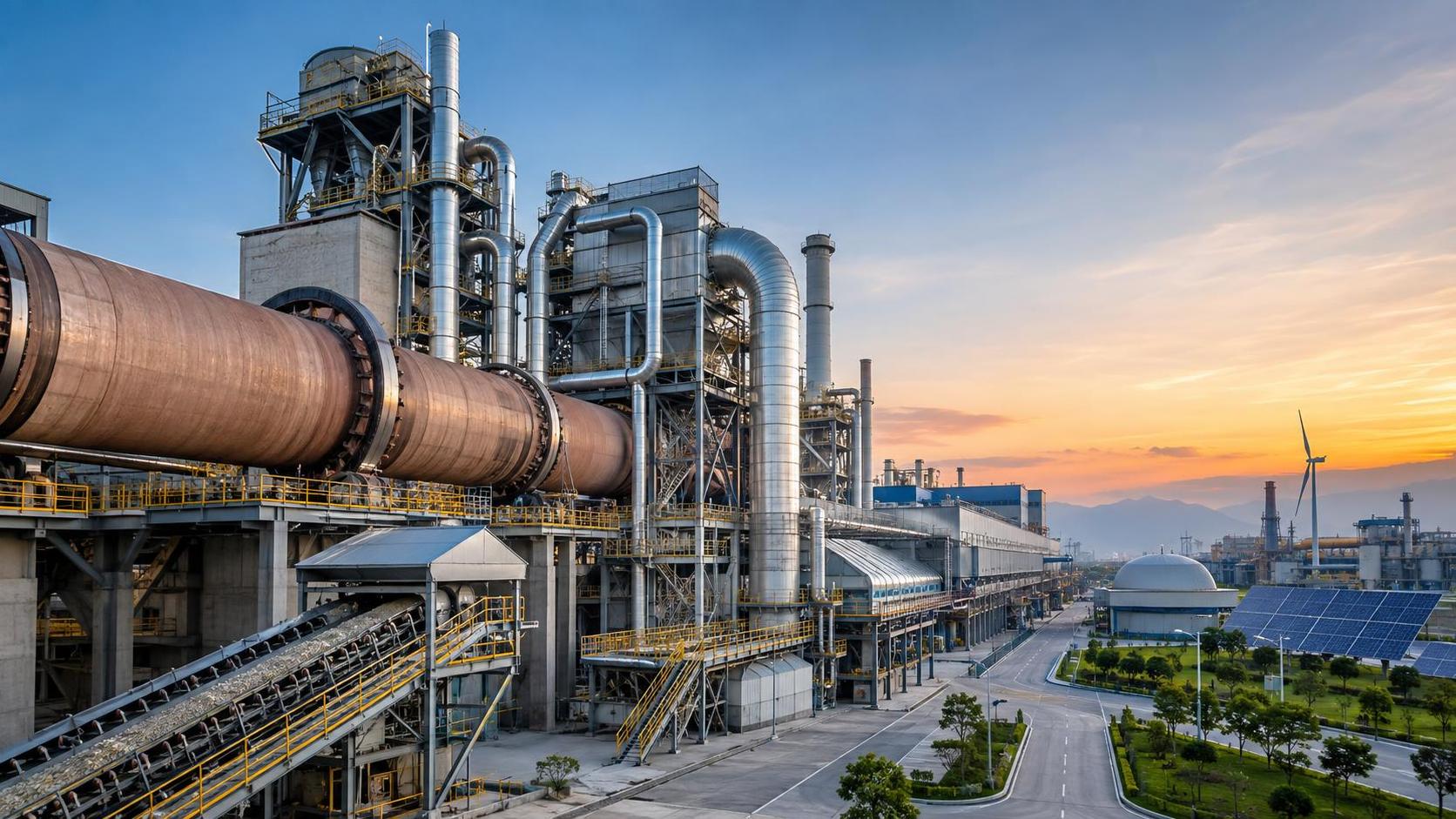
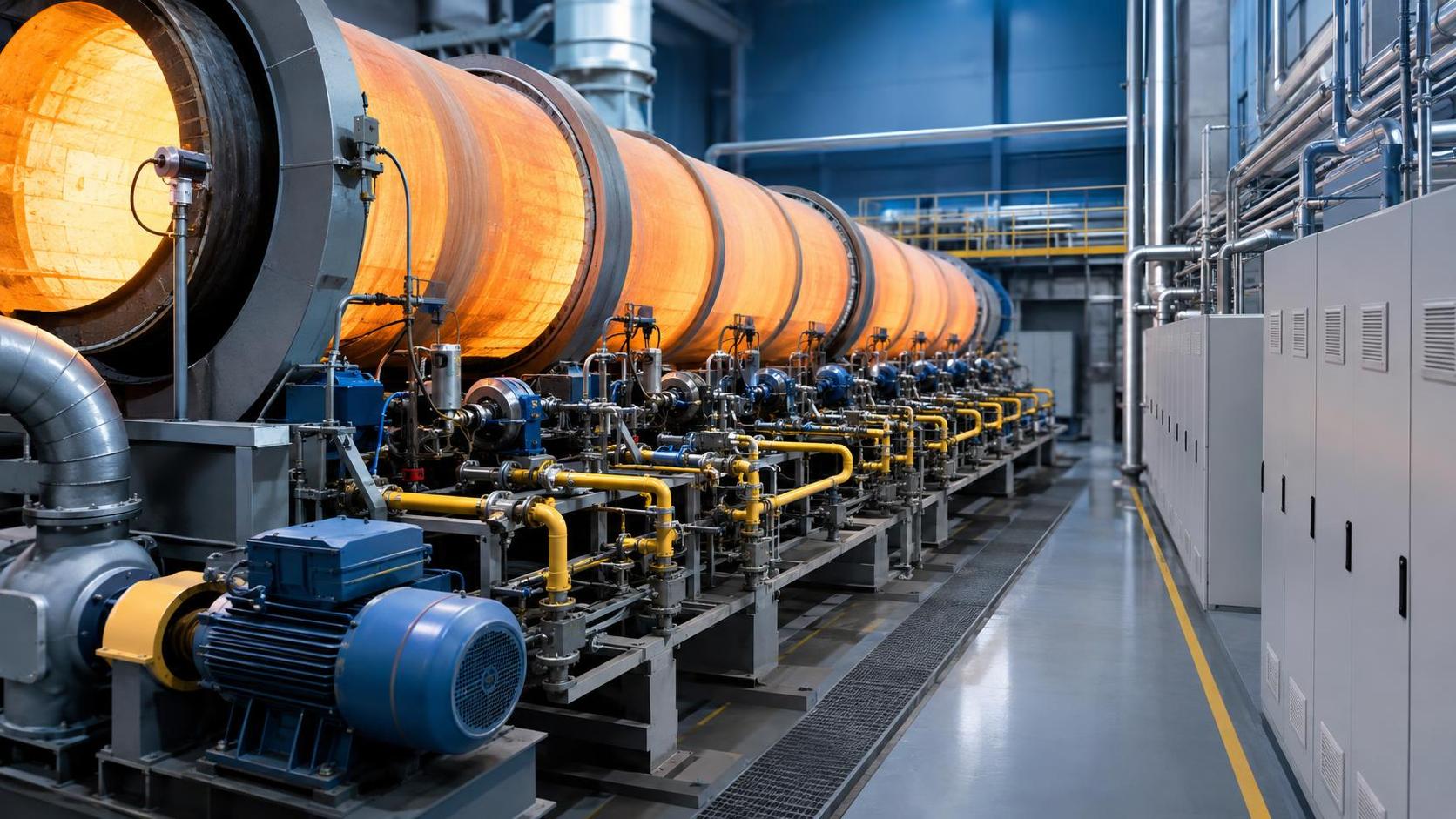
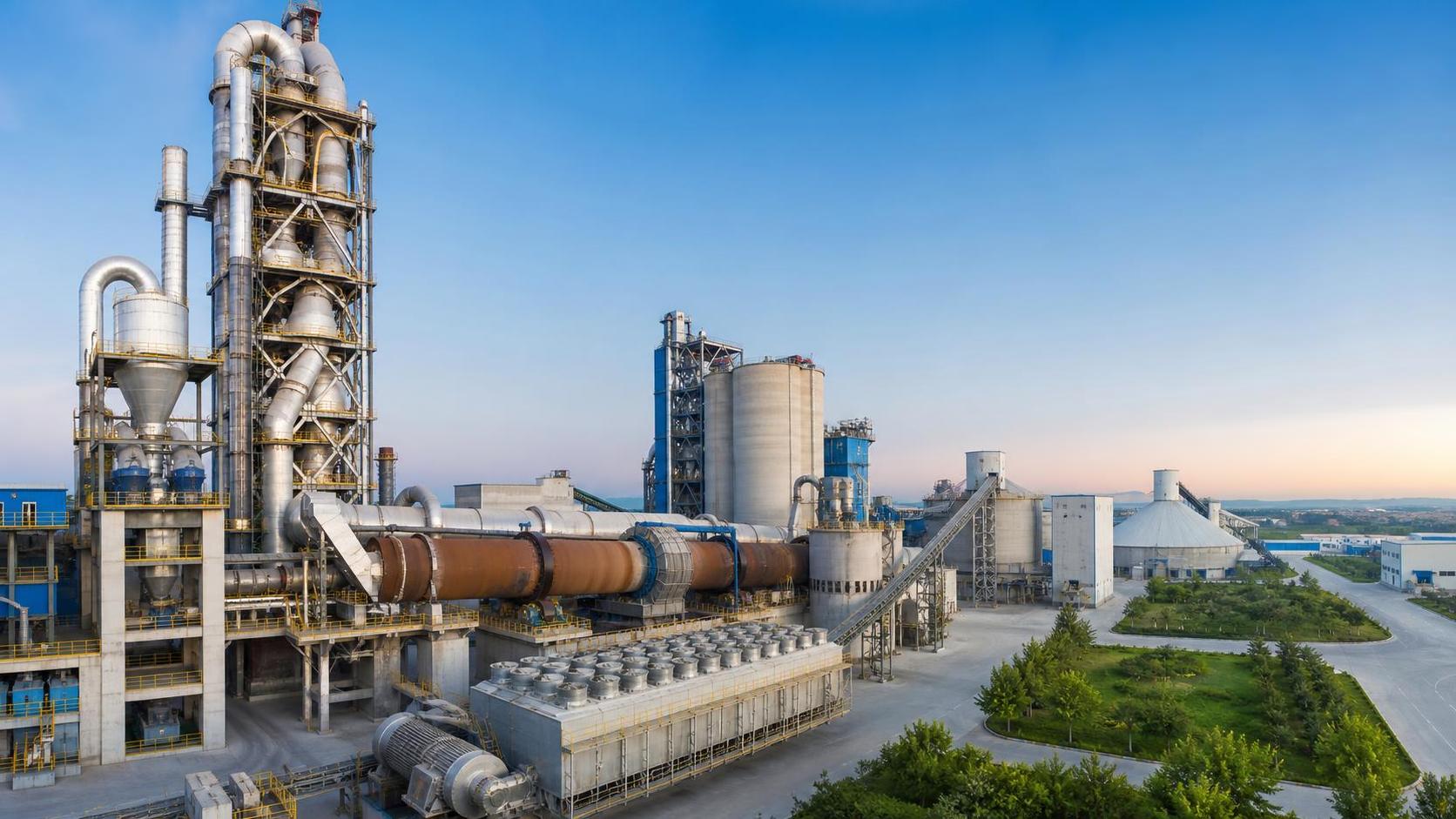
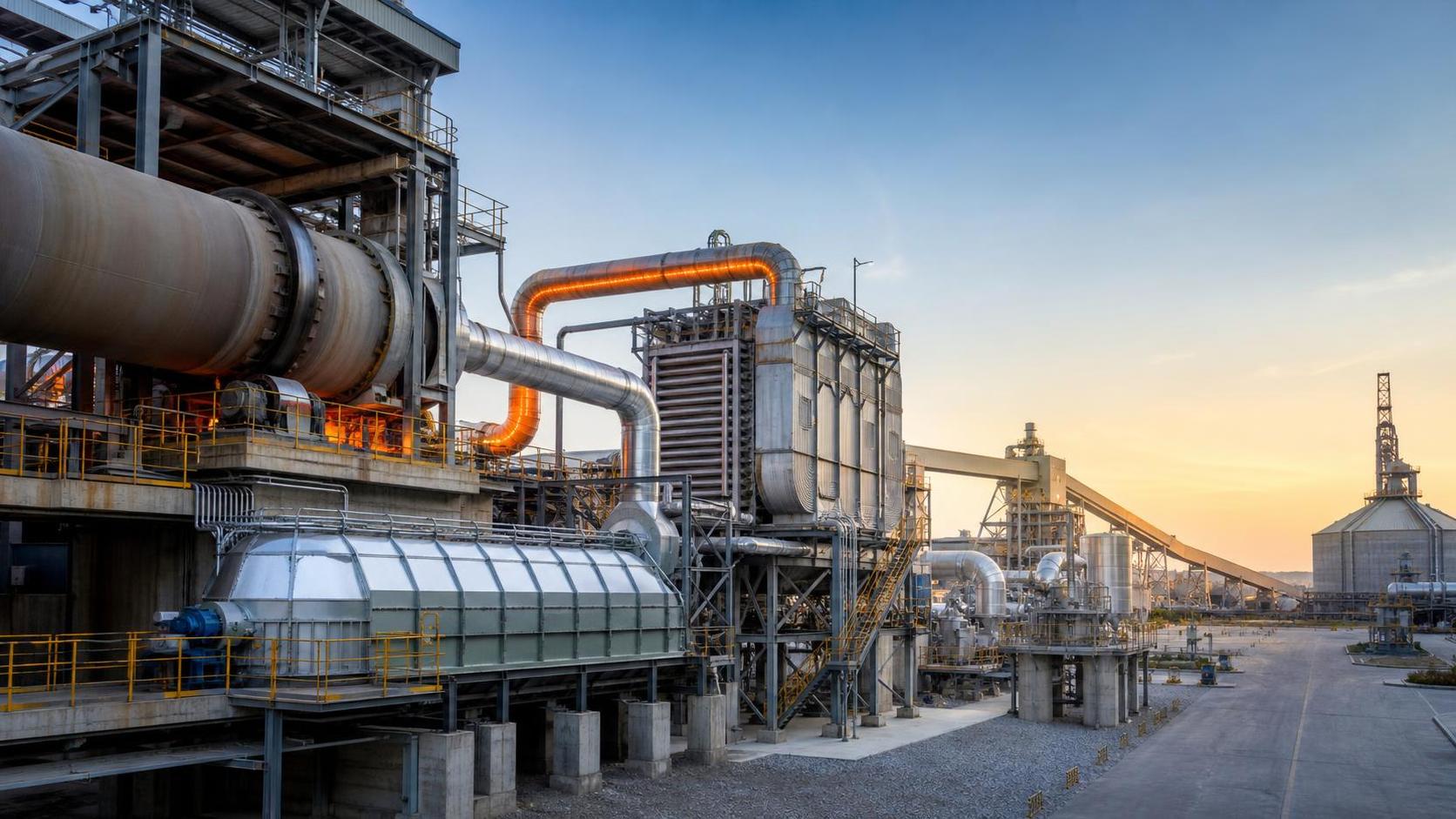
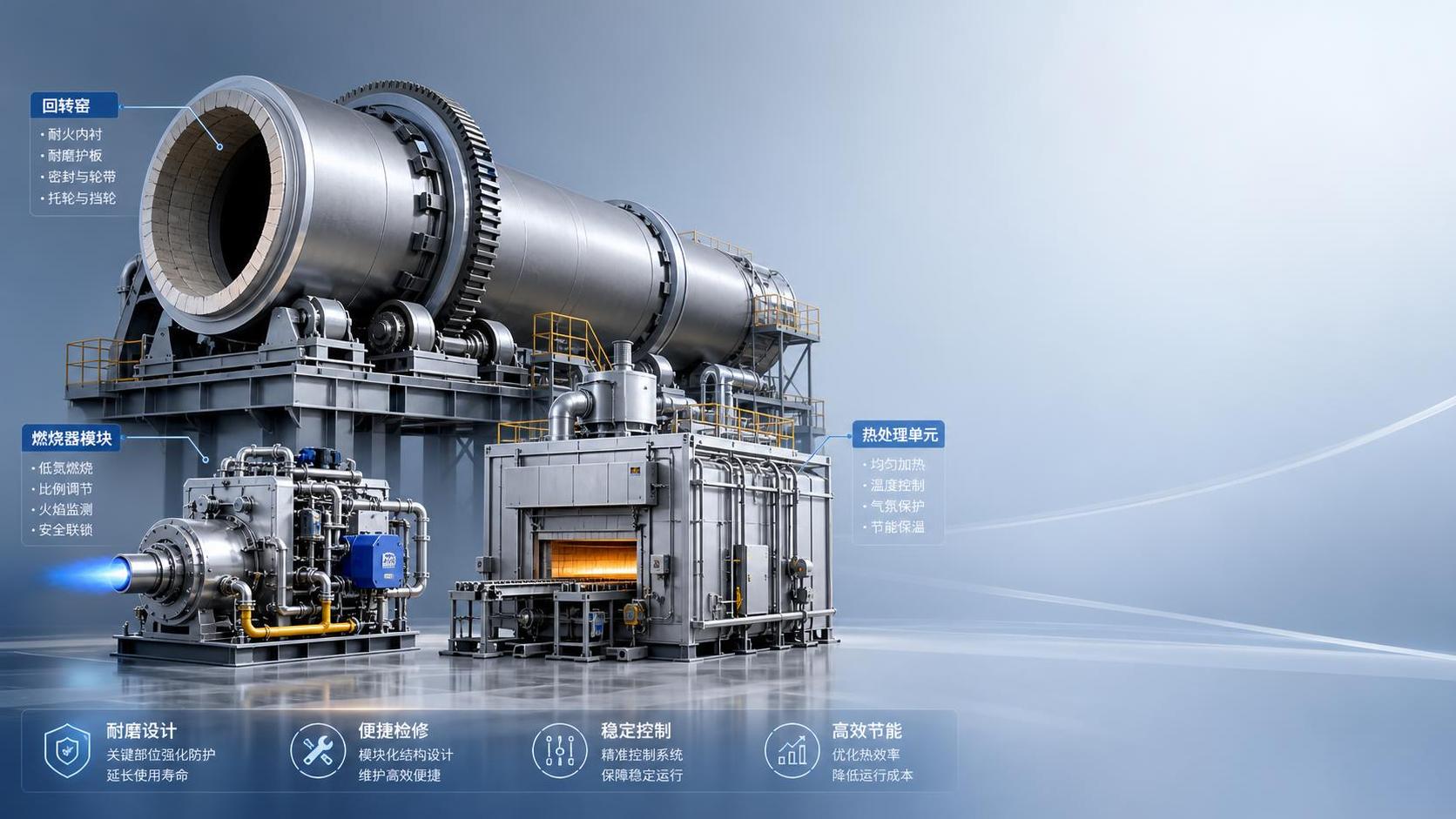
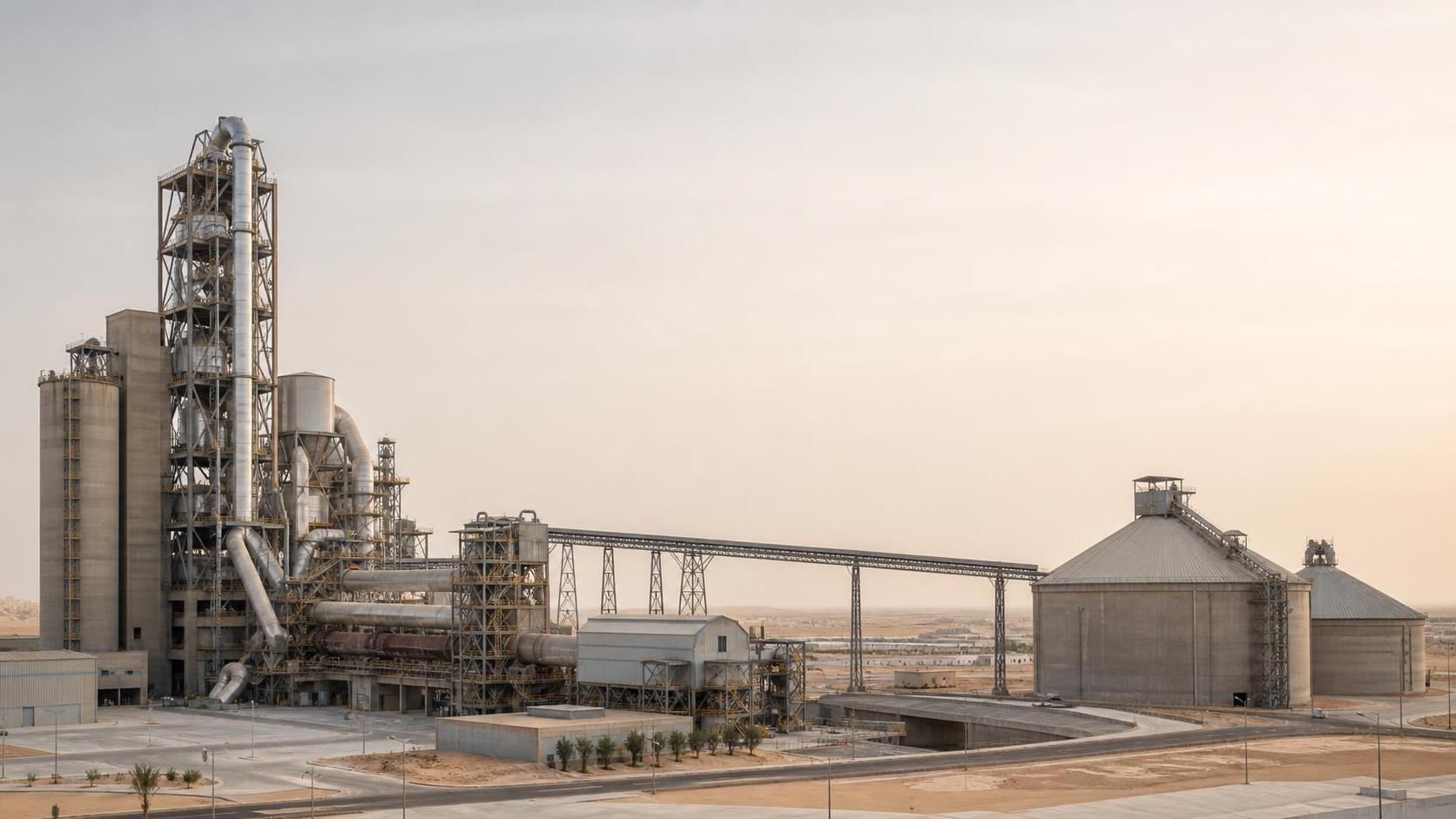
Rotary kilns and preheaters face coating fluctuations, alkali attack, and thermal cycling. Longer-life refractory systems help stabilize fuel efficiency and campaign duration.
Glass manufacturing gear
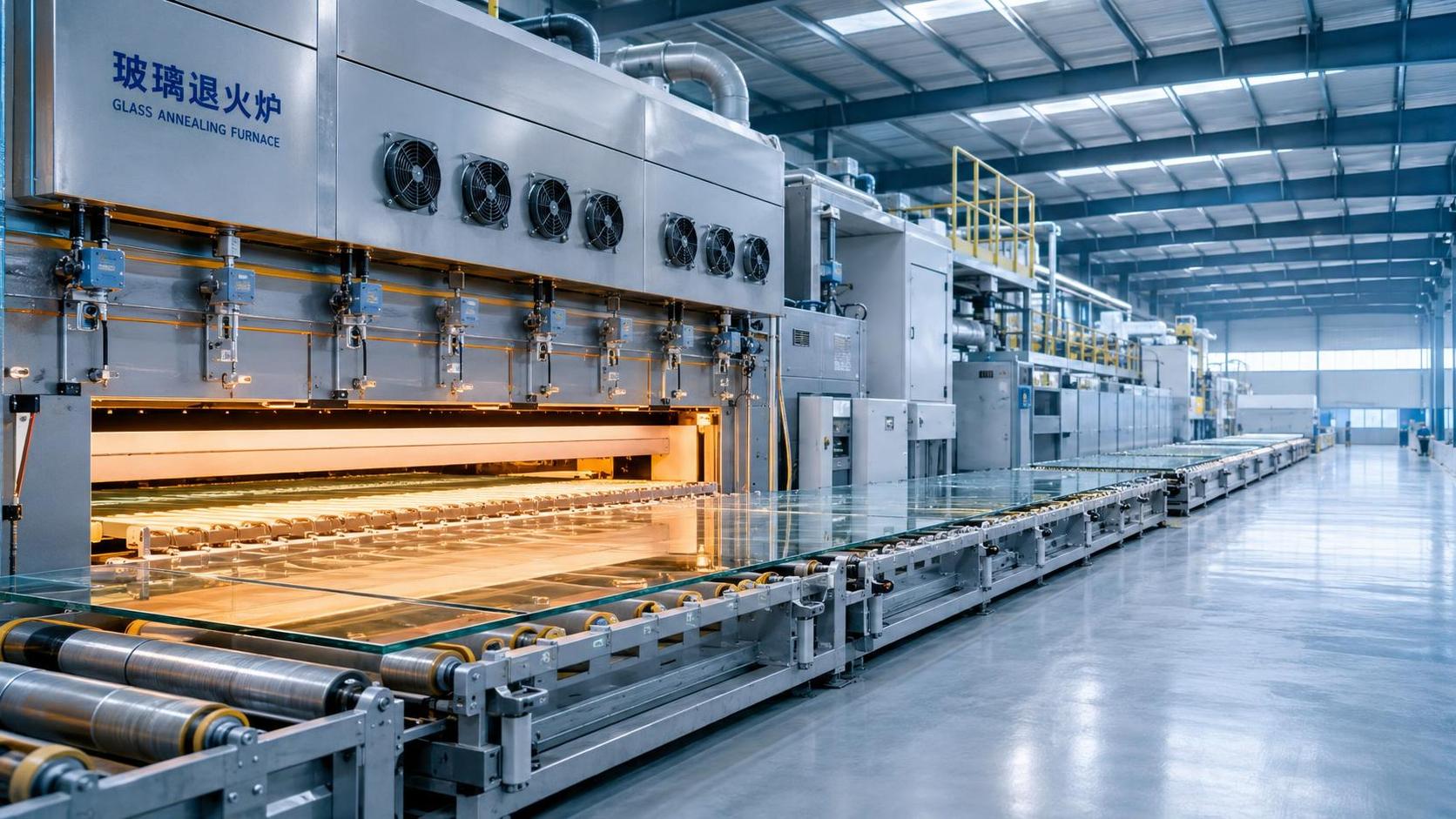
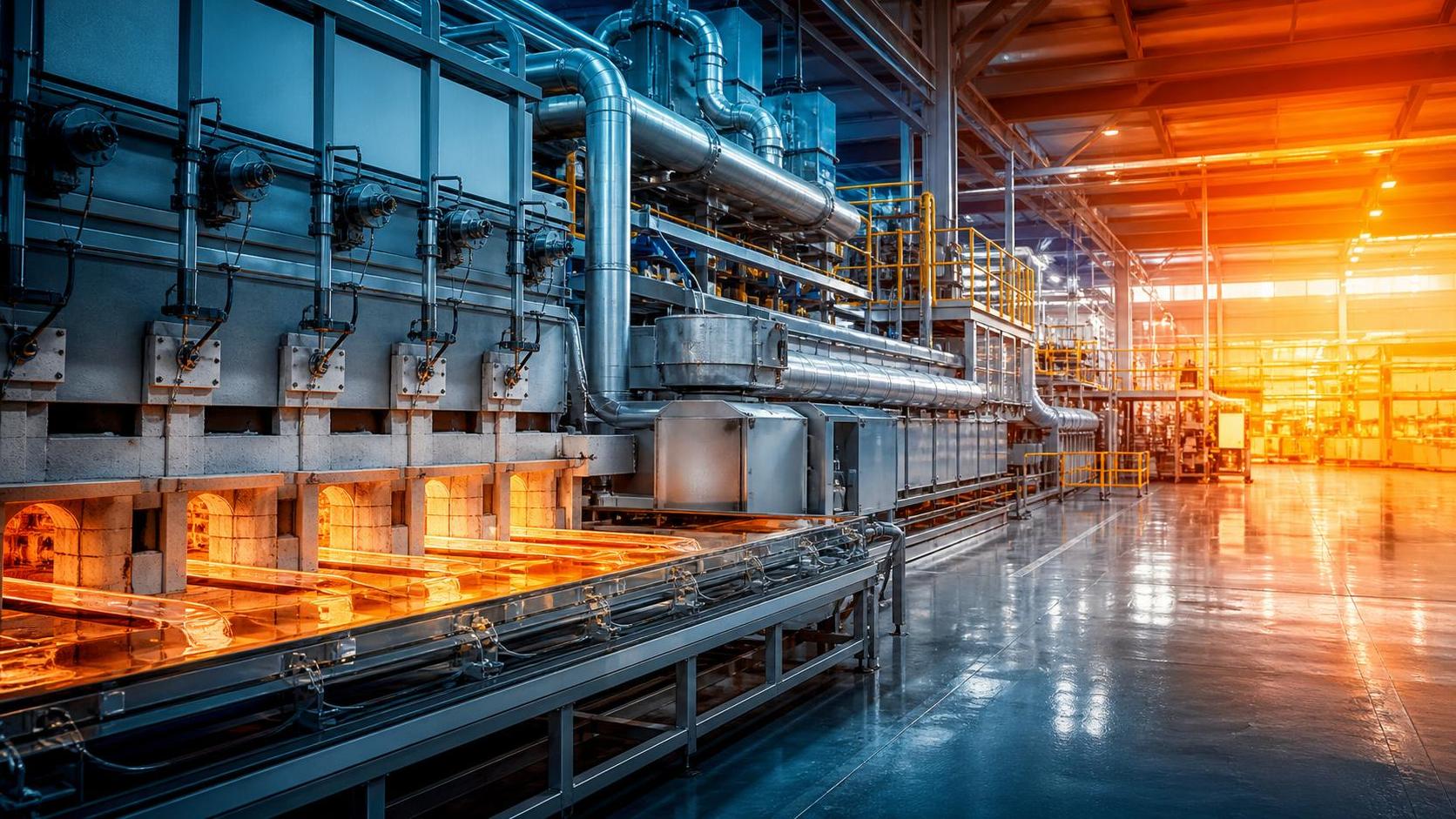
Furnaces demand dimensional stability, low contamination risk, and resistance to molten glass chemistry. Longer service life protects product quality and rebuild schedules.
Industrial kilns and incineration
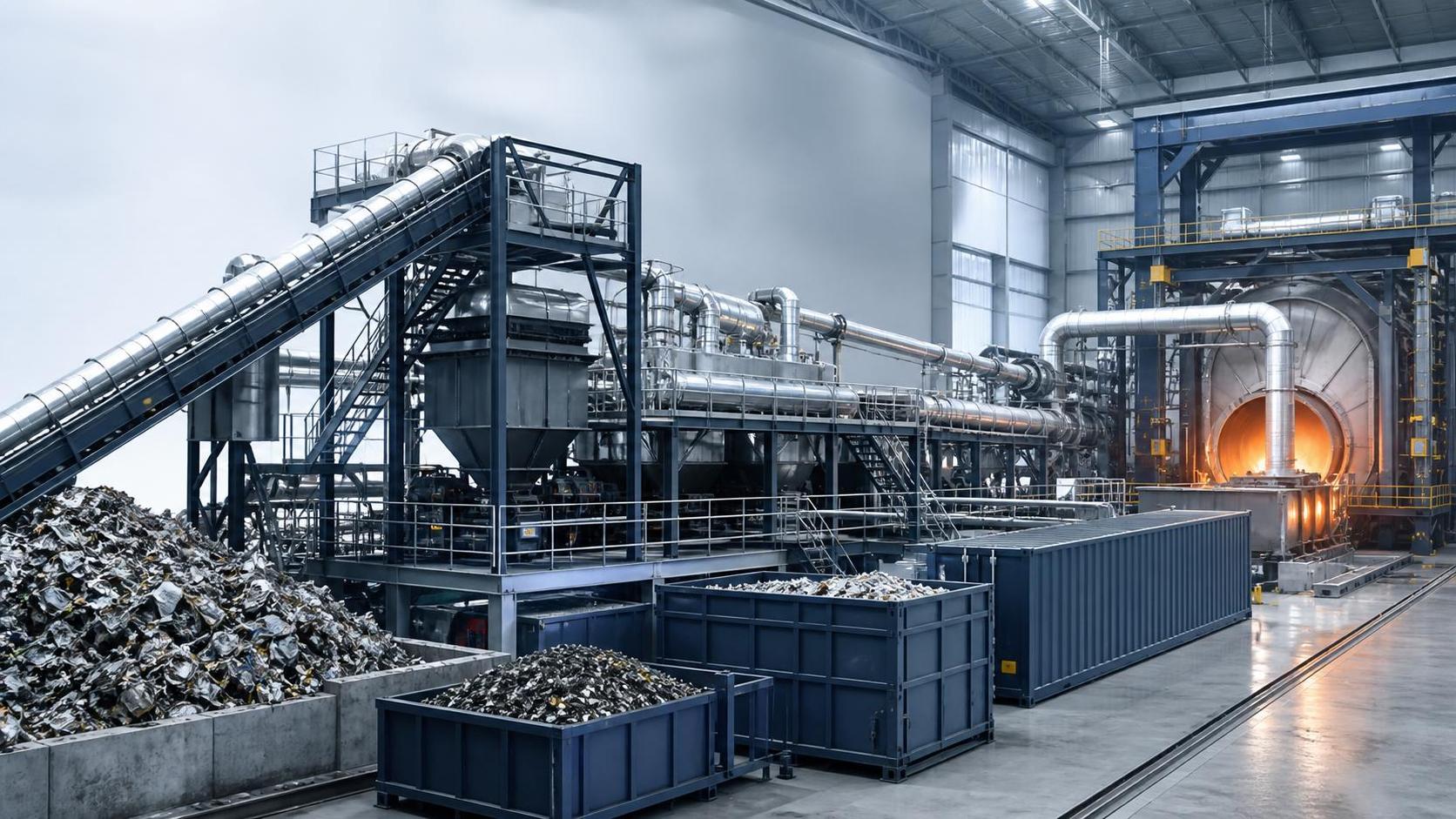
Waste composition can vary sharply. That means stronger chemical attack and local overheating. Heat-resistant material development must handle unpredictable corrosion and rapid cycling.
Refractory production lines
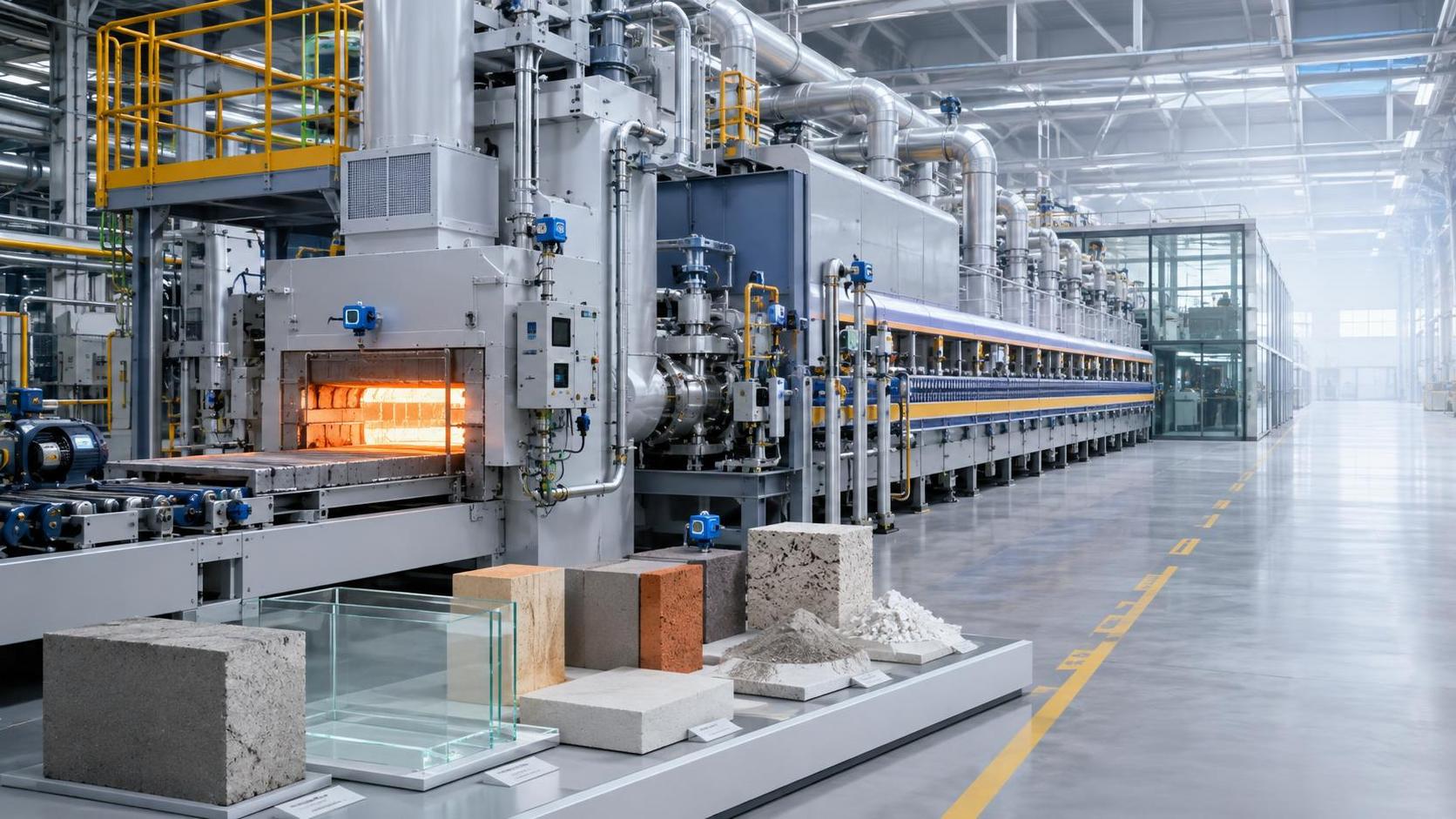
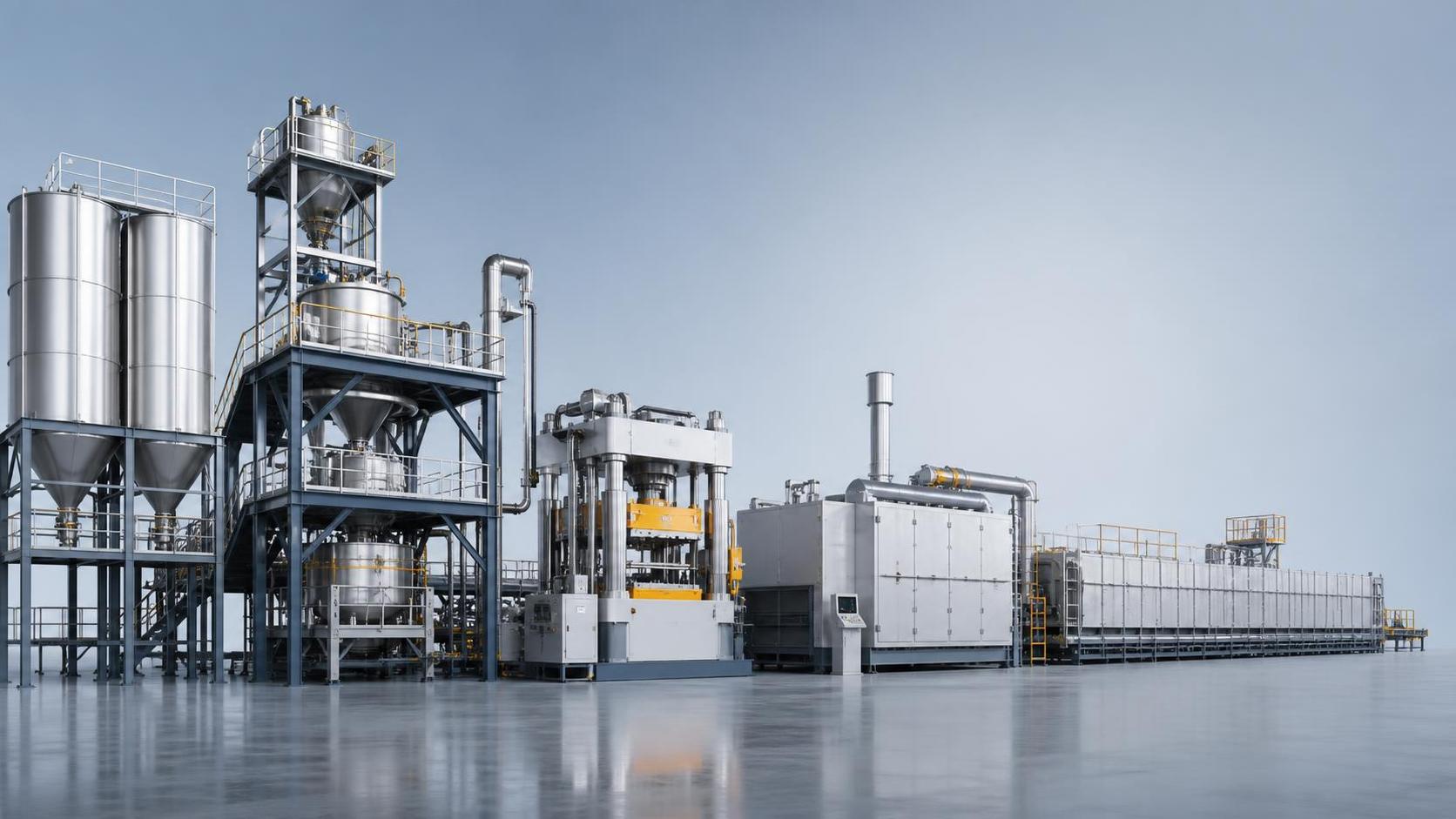
Producers themselves are under pressure to supply materials with traceable life data, installation tolerance, and digital performance feedback.
New building material extrusion
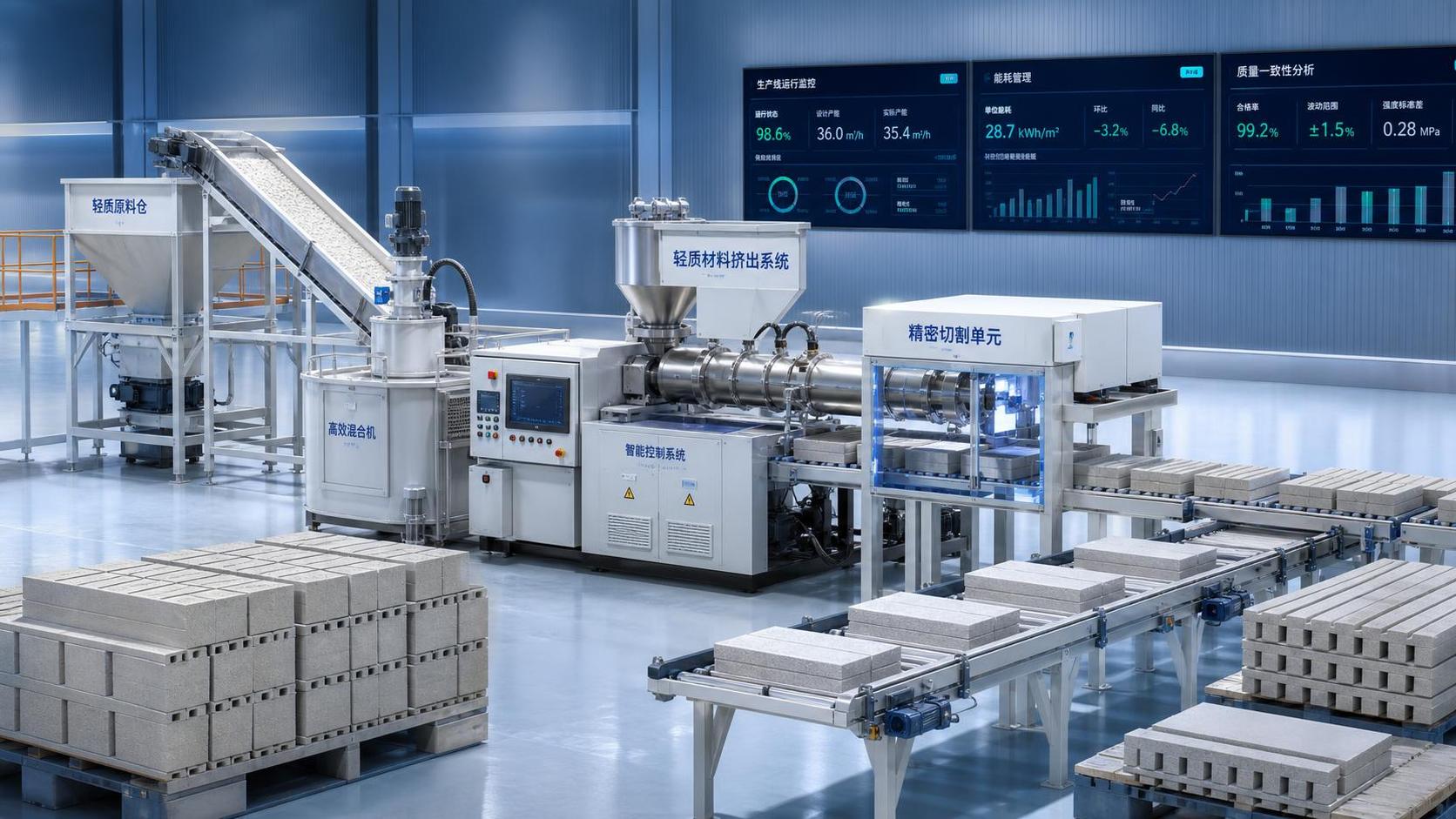
Thermal components in drying and curing stages benefit from longer-life materials that reduce temperature drift and improve consistency in lightweight green materials.
For intelligence-driven platforms such as CF-Elite, these sectors show the same pattern: longer life now creates technical, financial, and environmental value together.
How should performance be judged when comparing heat-resistant material development options?
Comparing options by headline temperature alone can mislead decisions. A more useful method is to compare total operating behavior.
The table below summarizes the most practical evaluation points.
A strong heat-resistant material development strategy should link test metrics with process history, maintenance data, and expected future operating conditions.
What common mistakes weaken longer-life results in the field?
Many failures come from mismatch, not material weakness alone. Longer-life systems need the right design context.
Mistake 1: Focusing only on peak heat numbers
A material may survive extreme heat but still degrade quickly under fast cycling, vibration, or chemical penetration.
Mistake 2: Ignoring process variability
Alternative fuels, changing waste streams, or unstable feed chemistry can alter corrosion patterns dramatically.
Mistake 3: Underestimating installation quality
Incorrect anchoring, rushed dry-out, or poor joint design can shorten service life before full production even starts.
Mistake 4: Delaying monitoring until damage appears
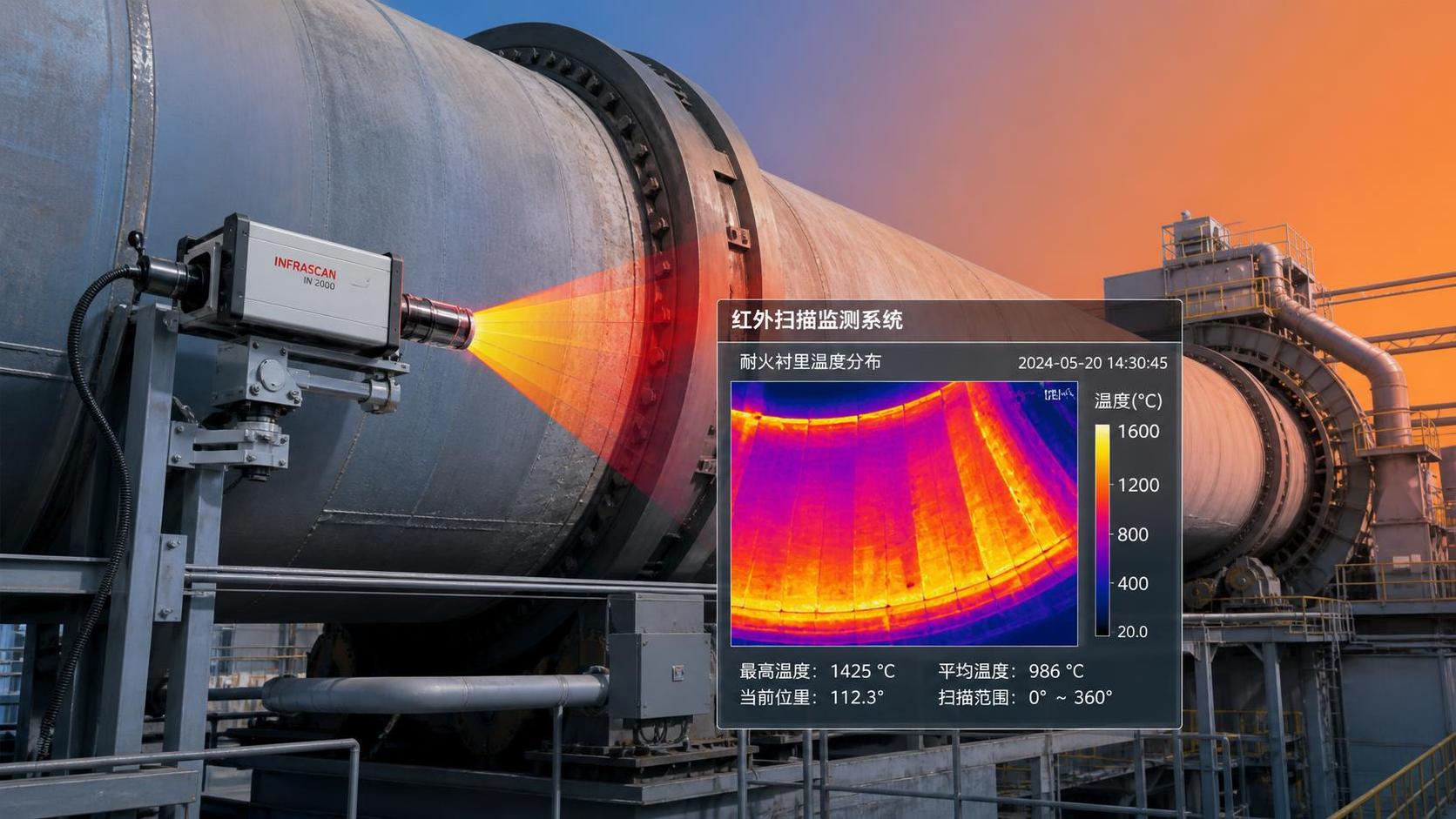
Hot spots, shell temperature drift, and thickness loss are easier to manage when detected early.
Mistake 5: Treating materials as isolated purchases
Heat-resistant material development works best when linked with combustion control, insulation design, and maintenance planning.
Avoiding these mistakes usually delivers greater value than chasing the most expensive material grade on paper.
How do cost, carbon, and maintenance planning change with longer-life heat-resistant material development?
Longer-life materials may cost more initially, but the financial picture changes when outages and energy penalties are included.
A short-lived lining often creates three layers of hidden cost: replacement labor, production loss, and higher fuel use during degradation.
There is also a carbon dimension. Premature wear can increase heat leakage, destabilize combustion, and raise total emissions per unit of output.
That makes heat-resistant material development important to decarbonization, not only to maintenance savings.
- Fewer shutdowns improve annual equipment availability.
- Stable thermal envelopes reduce energy drift.
- Better durability supports safer operating windows.
- Lifecycle accounting becomes more accurate and defendable.
For sectors tracked by CF-Elite, the best decisions increasingly come from combining material science with process intelligence and long-horizon cost analysis.
What should be the next step when reviewing heat-resistant material development strategies?
Start by mapping real failure modes, not catalog claims. Review thermal cycling patterns, corrosion sources, shell temperatures, and outage history.
Then compare candidate solutions using lifecycle criteria. Include installation risk, monitoring capability, and energy retention over time.
Where possible, connect material selection with digital twins, online lining surveillance, and maintenance planning. This creates feedback for future improvements.
In today’s high-temperature industries, heat-resistant material development favors longer life because reliability now drives competitiveness. Better durability protects uptime, energy performance, and carbon goals at the same time.
A practical review should therefore ask one final question: which material system will still perform well after months of cycling, corrosion, and load variation? That is where the strongest value now lies.
Related News
 Optical Glass Tech FellowHow to Evaluate a Glass Annealing Equipment Manufacturer for Production StabilityChoose a glass annealing equipment manufacturer with proven thermal uniformity, reliable controls, lifecycle value, and responsive service for stable production.Sep 08, 2026
 Prof. Marcus ChenThermal Energy Architecture in North America: Strategies for Lower Building Energy UseThermal energy architecture North America helps project leaders cut building energy use through stronger envelopes, right-sized HVAC, storage, and smart commissioning.Sep 07, 2026
 Ms. Elena RodriguezHow Should Buyers Evaluate Building Material Industry Intelligence Pricing?Building material industry intelligence pricing: learn how to compare coverage, technical depth, and ROI to choose intelligence that reduces procurement risk.Sep 07, 2026
 Ms. Elena RodriguezHow to Use Building Material Intelligence Data for Market and Investment DecisionsBuilding material industry intelligence data helps leaders evaluate demand, costs, regulation, capacity, and technology to make smarter market and investment decisions.Sep 05, 2026
 Thermal Energy ArchitectHow PLC Control Improves Energy Efficiency and Temperature Stability in KilnsEnergy efficient kilns PLC control improves temperature stability, cuts fuel waste, and optimizes combustion, draft, and material flow. Explore proven strategies for smarter kiln modernization.Sep 04, 2026
 Optical Glass Tech FellowEuropean Glass Melting Processes: Furnace Choices, Energy Use, and Quality ControlGlass melting process Europe: explore furnace choices, energy efficiency, cullet strategy, and quality control to improve output, compliance, and long-term glass performance.Sep 03, 2026
 Thermal Energy ArchitectWhat Determines Refractory Lining Monitoring Price for Industrial Kilns?Refractory lining monitoring price depends on kiln size, sensor technology, installation, software, and support. Compare total lifecycle costs and choose the right solution.Sep 02, 2026
 Silicate Process EngineerCement Production System Costs: A Plant Buyer’s Guide to Budgeting and ROICement production systems cost planning made clear: compare CAPEX, operating costs, compliance, and ROI to build a resilient, profitable cement plant investment.Sep 01, 2026
 Dr. Alistair VaughnWhat Should a Process Technology Database Track for High-Temperature Plants?Process technology database essentials for high-temperature plants: track thermal profiles, feed chemistry, refractory wear, emissions, energy, and maintenance for safer, data-driven decisions.Aug 31, 2026
 Ms. Elena RodriguezHow to Evaluate a Silicate Processing Equipment Manufacturer for Plant ProjectsSilicate processing equipment manufacturer selection: assess process fit, guarantees, energy, compliance, delivery risk, and lifecycle support for dependable plant performance.Aug 30, 2026
 Dr. Alistair VaughnHow to Specify Custom Agricultural Processing Equipment for Throughput and HygieneEquipment customization services for agricultural processing: learn to specify hygienic, high-throughput lines that improve yield, reliability, and long-term efficiency.Aug 29, 2026
 Dr. Alistair VaughnHow to Select Process Plant Equipment for High-Temperature, Abrasive Production LinesProcess plant equipment selection for high-temperature, abrasive lines: reduce downtime, improve durability, and optimize lifecycle performance.Aug 28, 2026
 Silicate Process EngineerHow Kiln Heat Recovery Systems Cut Fuel Use in Cement and Lime ProductionKiln heat recovery helps cement and lime plants cut fuel use, improve thermal stability, and build practical, reliable decarbonization strategies.Aug 27, 2026
 Ms. Elena RodriguezProcess Equipment Comparison: Which Metrics Matter Most for Reliable Selection?Process equipment comparison made practical: discover which metrics truly drive reliable selection, from energy efficiency and control stability to wear life, maintainability, and uptime.Aug 26, 2026
 Ms. Elena RodriguezWhat Buyers Should Check Before Sourcing Precision Alloy Bars for Critical PartsPrecision Alloy Bars buyers should verify grade, chemistry, tolerances, surface quality, traceability, and lead time before sourcing for critical parts. Learn what prevents costly machining and reliability risks.Aug 27, 2026
 Ms. Elena RodriguezHow to Evaluate Thermal Management Solutions Insulation for High-Heat Industrial SystemsThermal management solutions insulation: learn how to assess high-heat industrial systems by thermal performance, durability, lifecycle cost, and supplier data for smarter decisions.Aug 25, 2026
 Ms. Elena RodriguezWhat Drives Waste Recycling Cost in Industrial Projects and How to Estimate It?Waste recycling cost in industrial projects depends on composition, moisture, transport, pre-treatment, and compliance. Learn how to estimate it accurately and compare suppliers with confidence.Aug 24, 2026
 Silicate Process EngineerHow to Evaluate Cement Production Plants in the Middle East for Capacity, Fuel Flexibility, and ROIcement production plants Middle East: Learn how to assess true capacity, fuel flexibility, and ROI risks to identify resilient assets and smarter investment opportunities.Aug 23, 2026
 Structural Material AnalystHow to Evaluate Lightweight Material Machinery for Output, Energy Use, and Product QualityLightweight material machinery evaluation guide: compare stable output, energy use, and product quality to choose equipment that cuts waste, lowers costs, and improves production confidence.Aug 22, 2026
 Material Heat-Resist ExpertWhat Determines Refractory Production Line Price in a Turnkey Plant Project?Refractory production line price depends on raw materials, forming method, kiln and drying design, automation, utilities, and scope. Learn what really drives turnkey plant cost before you invest.Aug 21, 2026

Related News
- 00
0000-00
How PLC Control Improves Energy Efficiency and Temperature Stability in Kilns - 00
0000-00
What Determines Refractory Lining Monitoring Price for Industrial Kilns? - 00
0000-00
How Digital Twin Simulations Help Kiln Operators Cut Fuel Use and Stabilize Output - 00
0000-00
What to Evaluate in a Rotary Kiln Technology Manufacturer for High-Temperature Process Projects - 00
0000-00
How to Evaluate an Incineration Equipment Exporter for Compliance, Capacity, and After-Sales Support
Weekly Insights
Stay ahead with our curated technology reports delivered every Monday.