



Industrial kiln efficiency rarely declines overnight; it usually slips through small, cumulative changes that operators may overlook during daily production.
Refractory wear, burner imbalance, air leakage, raw material variation, and poor heat recovery can all raise fuel consumption while reducing throughput and product consistency.
Understanding why industrial kiln efficiency drops over time helps plant teams detect early warning signs, schedule smarter maintenance, and protect operating margins.
The short answer: efficiency drops when heat stops doing useful work
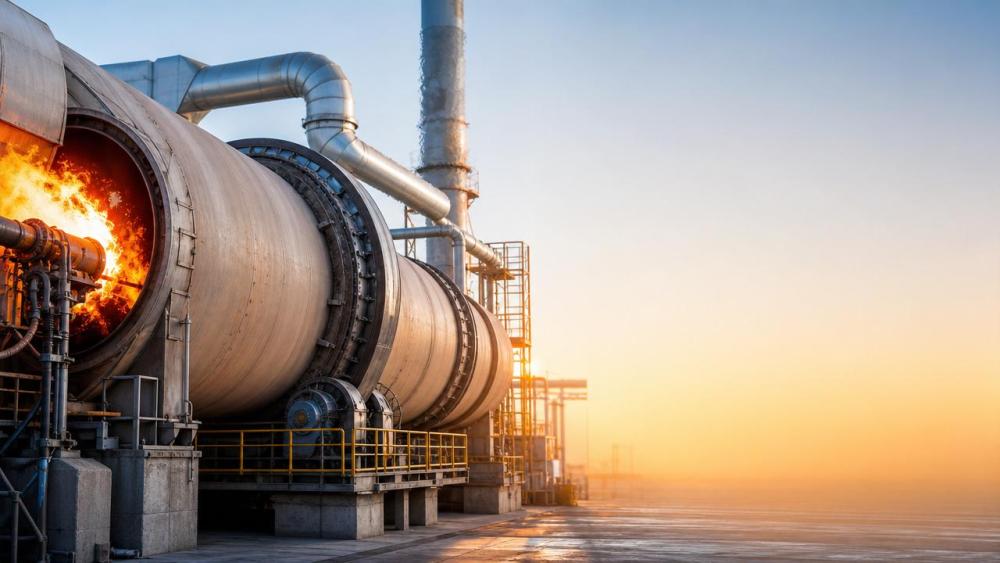
For operators, the most practical way to view kiln efficiency is simple: how much fuel becomes controlled, useful heat inside the process zone.
Efficiency falls when more heat escapes, reacts unpredictably, heats excess air, leaves with exhaust, or is wasted correcting unstable operation.
This decline may appear as higher fuel rate, slower production, uneven product quality, hotter shell readings, or frequent adjustments to burners and draft.
Because kilns operate under high temperature, dust, chemical attack, and mechanical stress, small losses tend to accumulate across months or years.
The key is not only knowing the causes, but recognizing which cause is active before it becomes a major outage.
Refractory wear changes the kiln’s thermal behavior
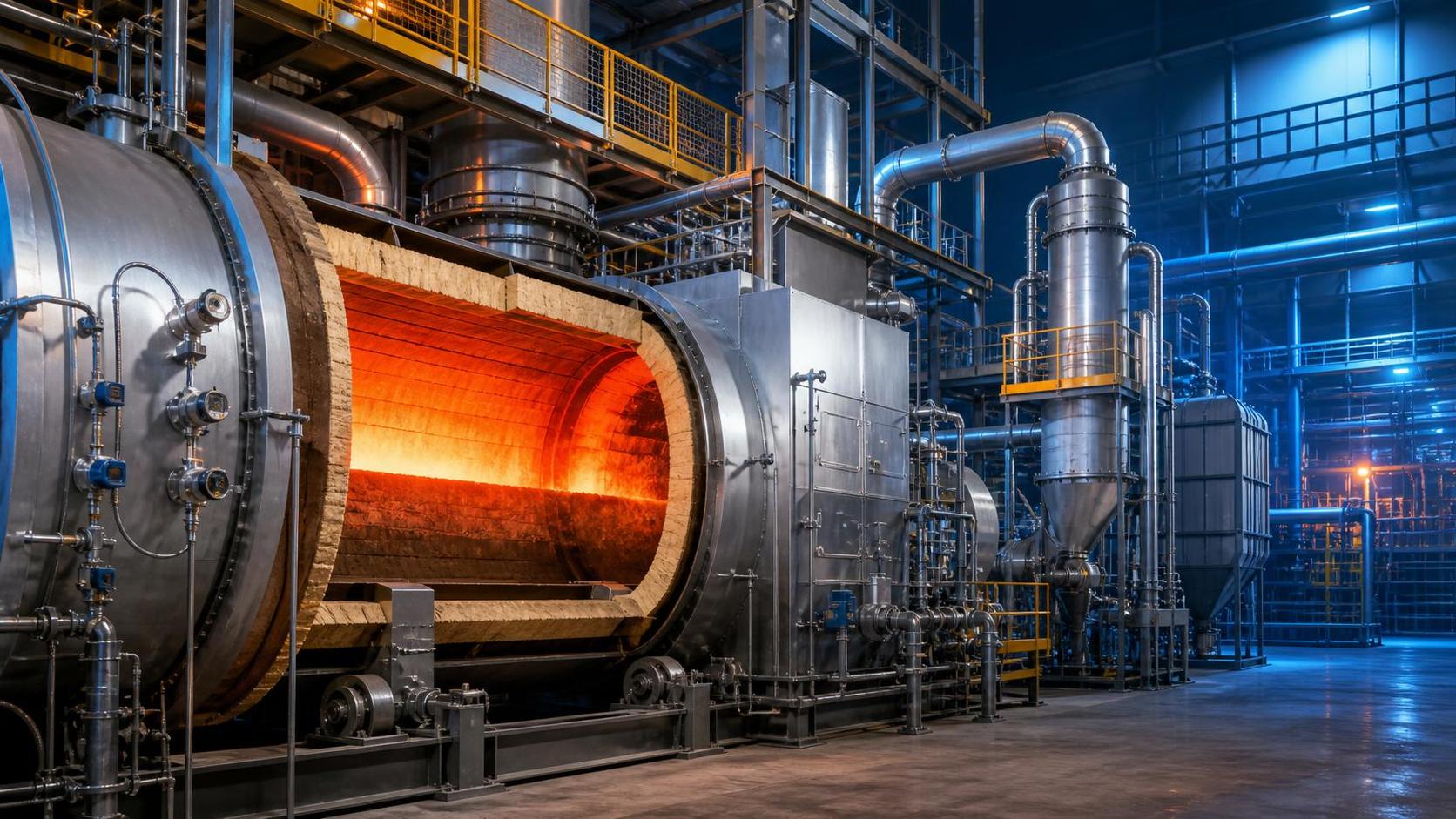
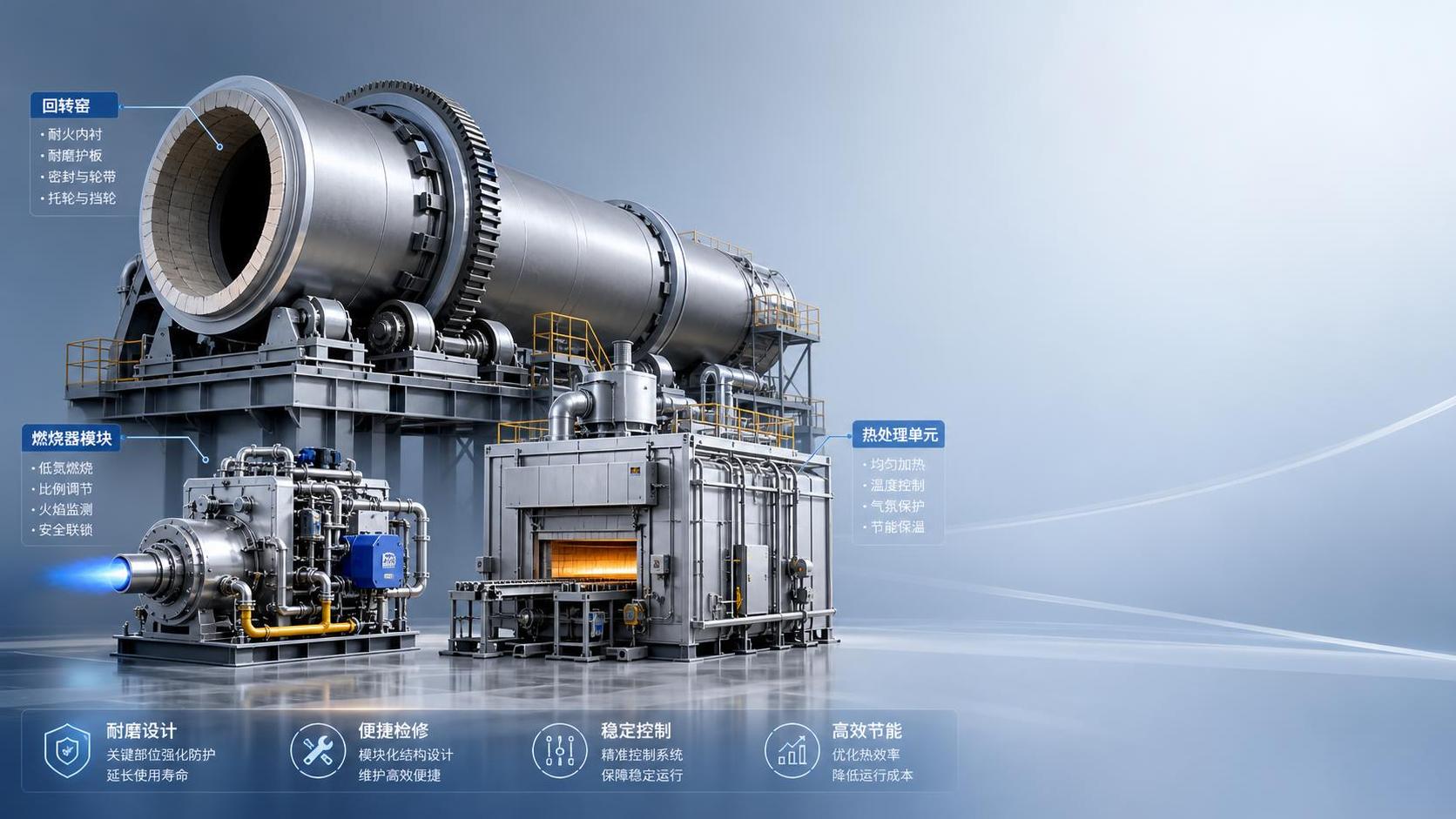
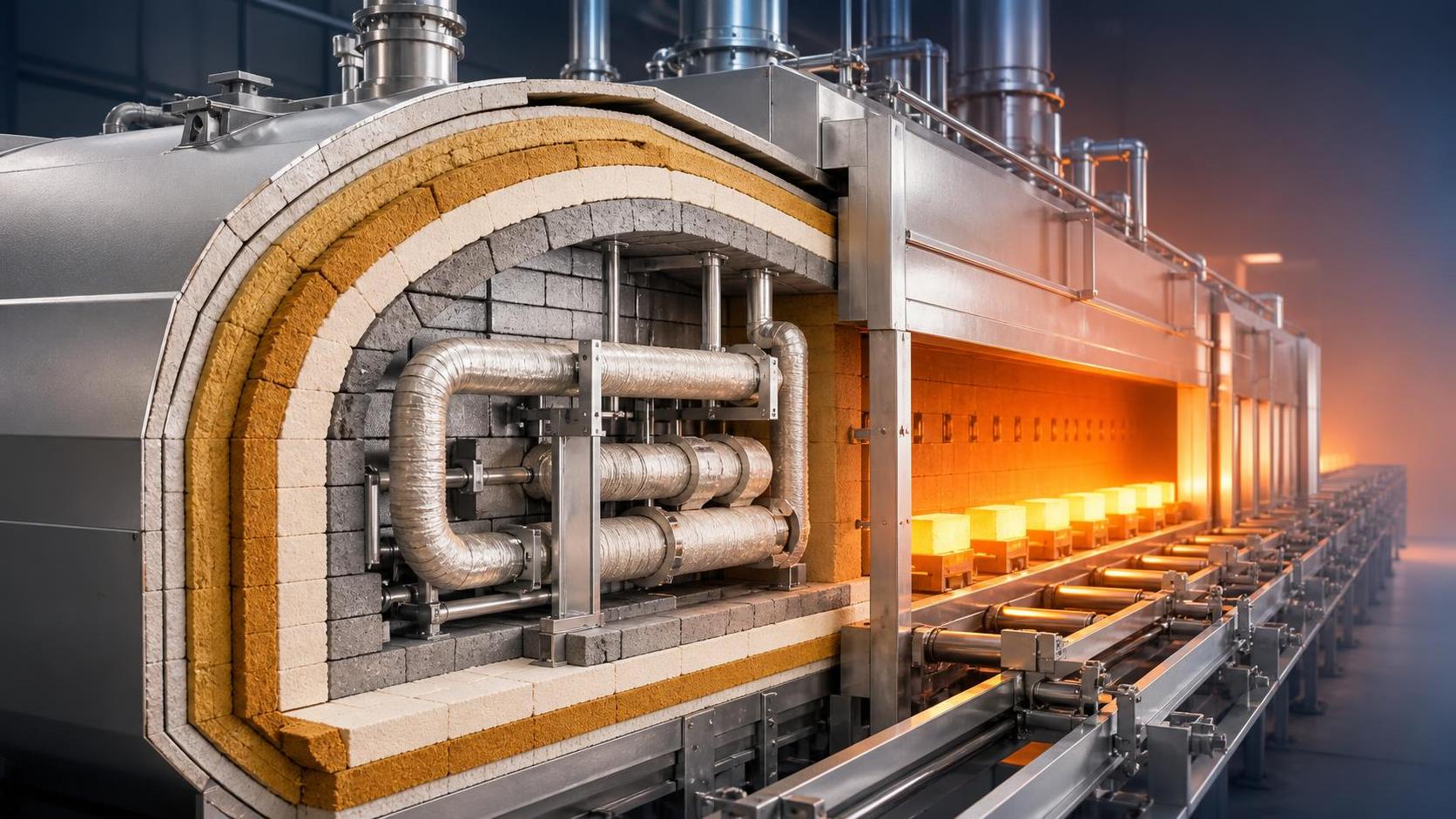
Refractory lining is the kiln’s main thermal barrier, and its condition strongly influences fuel consumption, shell temperature, and process stability.
As refractory wears, cracks, spalls, or loses insulation value, more heat transfers into the shell instead of staying inside the material bed.
Operators may notice rising shell temperatures, localized hot spots, increased cooling fan use, or higher fuel demand at the same production rate.
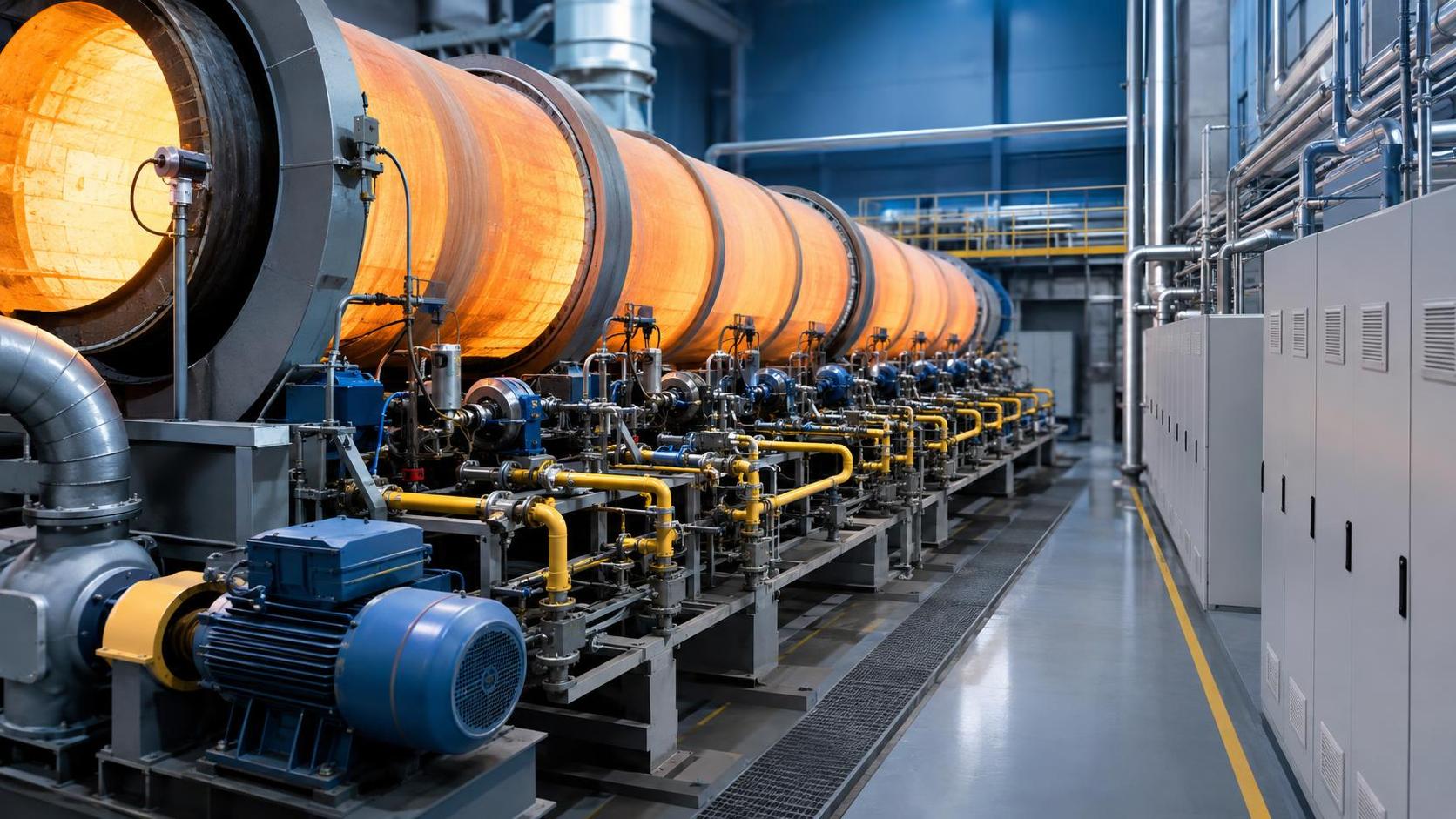
In rotary kilns, worn refractory can also affect material movement, coating formation, and exposure time inside critical temperature zones.
Not every refractory problem is obvious from visual inspection, especially when damage develops behind a remaining hot-face layer.
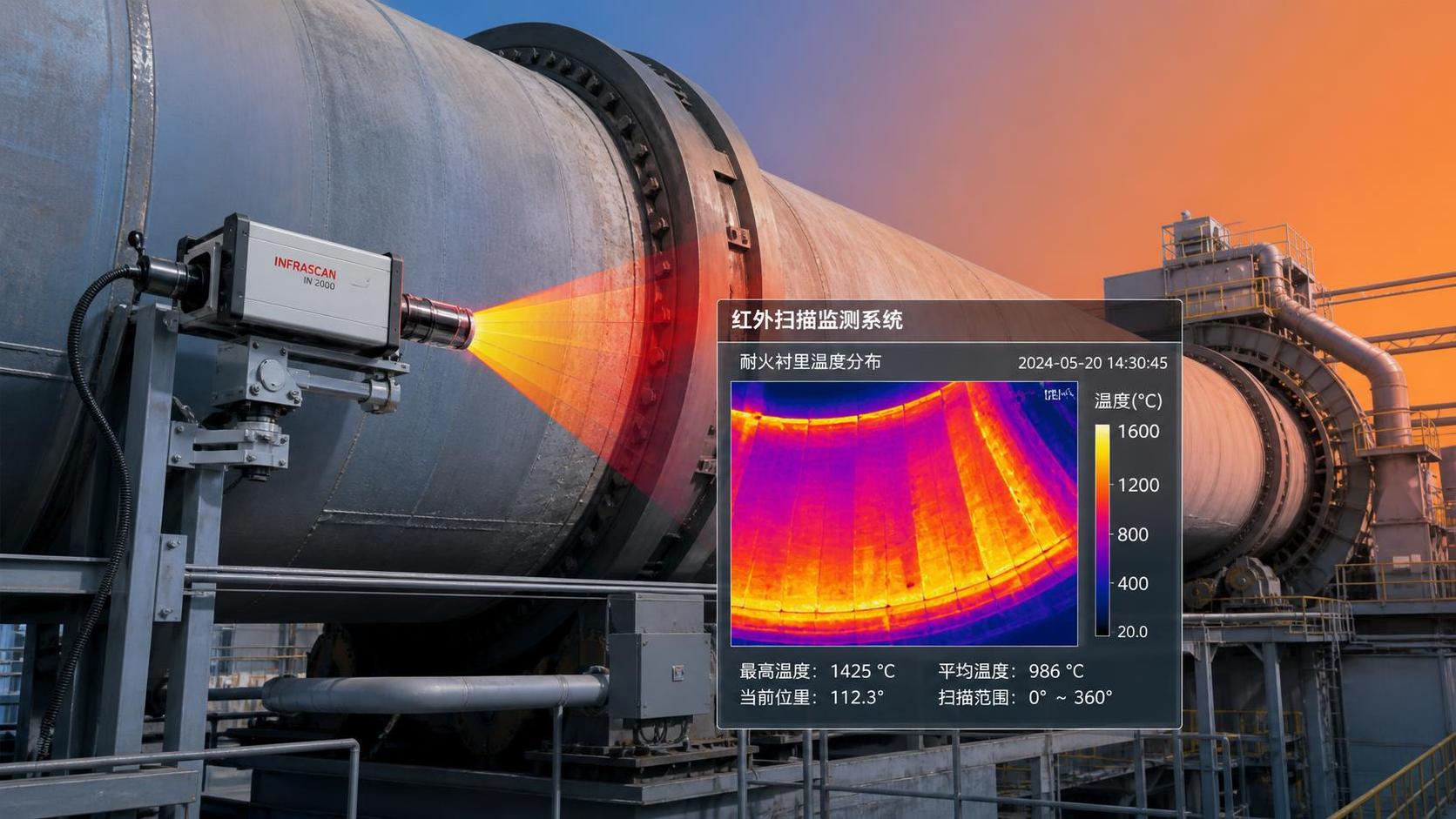
Thermal scanning, shell temperature trending, and shutdown inspections should be compared over time, not treated as isolated readings.
A useful operating habit is to link shell temperature changes with fuel rate, feed chemistry, draft settings, and product quality events.
Burner imbalance creates unstable flame and poor heat transfer
A kiln burner is not just a fuel nozzle; it determines flame shape, mixing intensity, temperature profile, and heat release location.
Over time, burner tips wear, air passages foul, swirl settings drift, and fuel pressure control may become less accurate.
When the flame becomes too long, too short, off-center, or unstable, heat transfer to the product becomes less predictable.
Operators often respond by increasing fuel input, but this may only mask poor combustion and raise exhaust losses.
Warning signs include flame impingement, high carbon monoxide, oxygen swings, ring formation, uneven coating, or frequent manual burner corrections.
Burner performance should be checked alongside primary air, secondary air temperature, fuel quality, atomization, draft, and kiln load.
Good practice is to record normal flame appearance and operating values when the kiln is healthy, then compare later deviations.
Air leakage quietly increases fuel consumption
Uncontrolled air leakage is one of the most common reasons industrial kiln efficiency declines without an obvious mechanical failure.
Leaks at seals, doors, inspection ports, duct joints, dampers, and damaged casings introduce cold air into the thermal system.
This extra air must be heated, which consumes fuel but contributes nothing to product transformation or waste destruction.
Air leakage can also disturb draft balance, reduce flame temperature, increase fan load, and push more heat out through exhaust gas.
Operators may see higher oxygen levels, unstable negative pressure, reduced secondary air temperature, or difficulty maintaining target temperature.
The challenge is that leakage often grows gradually, so the plant accepts new fuel consumption as normal operation.
Routine seal checks, smoke tests, oxygen profiling, and pressure trend reviews help identify leakage before it becomes expensive.
Raw material variation forces the kiln to work harder
Industrial kiln efficiency is also affected by what enters the kiln, not only by the equipment condition itself.
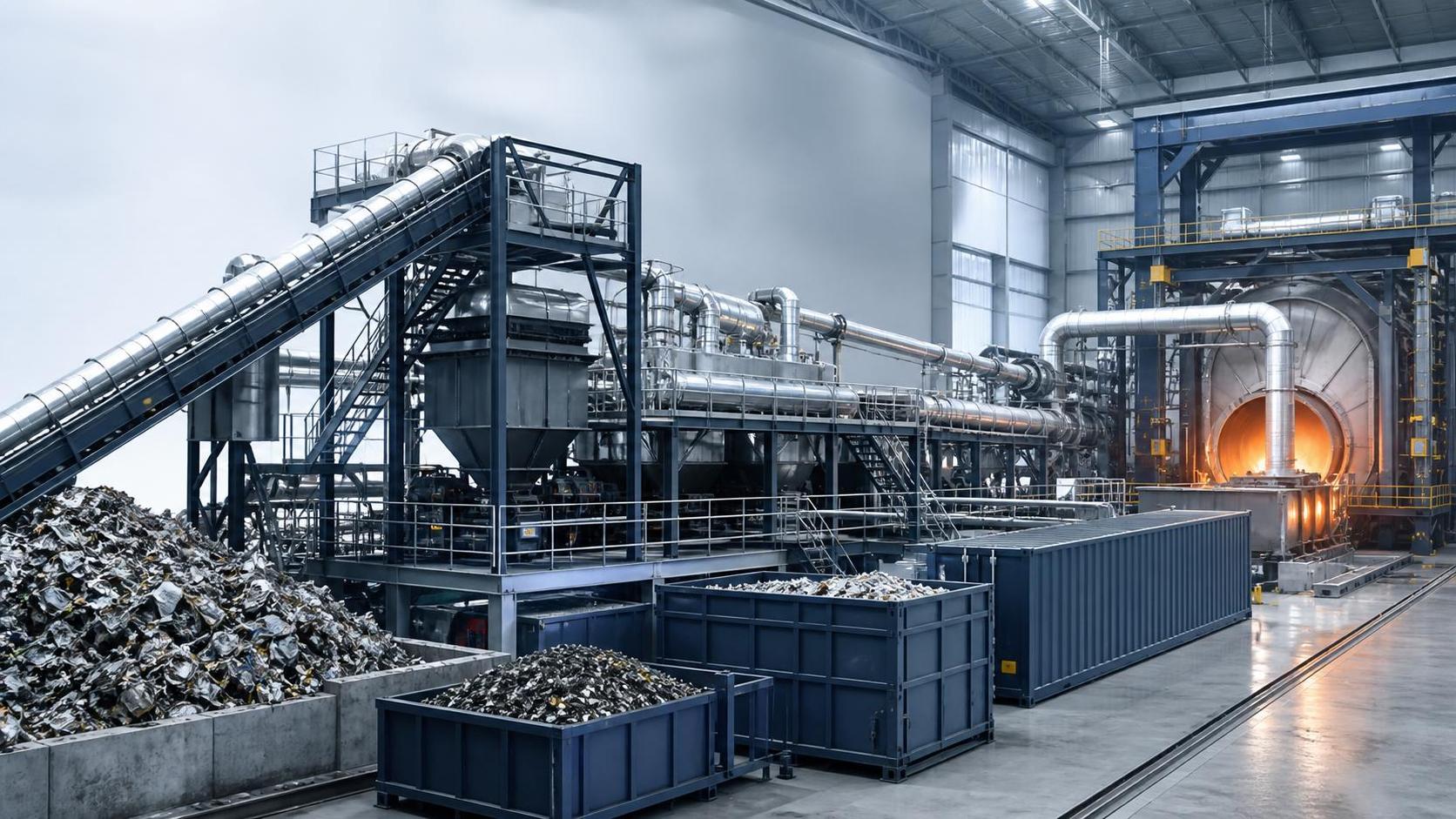
Moisture, particle size, chemical composition, calorific value, and impurity levels can change the heat required for stable processing.
In cement, ceramics, glass, refractory, and waste treatment applications, inconsistent feed can shift reaction kinetics and residence time requirements.
Higher moisture is especially costly because the kiln must evaporate water before useful heating or chemical conversion can proceed.
Large particles, poor mixing, or variable bulk density may cause incomplete reaction, temperature swings, or uneven bed behavior.
Operators may compensate by raising temperature, reducing throughput, or extending retention time, each reducing effective efficiency.
The best defense is tighter feed preparation, reliable sampling, pre-drying where justified, and communication between laboratory, production, and control room teams.
Heat recovery systems lose performance with fouling and imbalance
Many kiln systems depend on heat recovery from exhaust gas, clinker coolers, regenerators, recuperators, or preheating sections.
When these systems are clean and balanced, they return heat to combustion air, feed material, or upstream process stages.
Over time, dust buildup, coating, corrosion, broken internals, and poor damper control reduce recovered heat.
The kiln then needs more fuel to reach the same process temperature, even if the main firing system appears normal.
Common signs include lower secondary air temperature, higher stack temperature, reduced preheater performance, or unstable pressure across heat exchange equipment.
Operators should treat exhaust temperature as money leaving the plant, especially when production rate and feed conditions remain unchanged.
Cleaning schedules, pressure drop monitoring, infrared inspections, and cooler balance checks are practical tools for maintaining recovery efficiency.
Control drift makes small inefficiencies permanent
Even well-designed kiln systems can lose efficiency when instruments, control loops, and operator setpoints drift away from optimum conditions.
Temperature sensors age, pressure transmitters plug, oxygen probes foul, belt scales drift, and actuator positions may no longer match displayed values.
If operators do not trust measurements, they naturally rely on conservative settings, which usually means more fuel and lower throughput.
Control drift is dangerous because it can make inefficient operation look stable, especially when product quality remains acceptable.
For example, excess oxygen may rise slowly, but the kiln still meets temperature targets because fuel input increases automatically.
Regular calibration, loop tuning, alarm rationalization, and review of manual-mode operation help prevent hidden efficiency loss.
A stable kiln is not always an efficient kiln; the right question is whether stability is being bought with unnecessary energy.
Mechanical condition affects residence time and heat contact
Mechanical issues can reduce industrial kiln efficiency by changing how material moves, mixes, and contacts hot gases.
In rotary kilns, tire migration, misalignment, drive irregularities, worn seals, distorted shells, or uneven rotation can affect material behavior.
In tunnel, shuttle, roller, or chamber kilns, door sealing, car condition, airflow paths, and loading patterns matter greatly.
Poor movement may create cold pockets, overfired zones, bypassing gas paths, or excessive retention in certain sections.
Operators may notice more rejects, uneven color, unstable discharge temperature, or local overheating despite unchanged firing settings.
Mechanical inspections should not be separated from energy performance reviews, because alignment and sealing directly affect thermal efficiency.
When maintenance and operations share trend data, the team can connect mechanical symptoms with fuel and quality outcomes.
Product quality problems often reveal energy problems first
Efficiency decline does not always appear first on the fuel report; sometimes it appears as product variability.
Underburning, overburning, cracking, incomplete decomposition, residual organics, poor sintering, or inconsistent density may indicate unstable heat delivery.
Operators should avoid treating quality defects only as process chemistry issues before checking combustion, airflow, refractory, and heat recovery.
When kiln efficiency declines, teams often widen operating margins to protect quality, which further increases fuel consumption.
This creates a cycle where quality risk leads to conservative firing, and conservative firing hides the root cause.
A better approach is to track fuel rate, reject rate, throughput, and key quality indicators on the same timeline.
If quality variation rises while energy intensity increases, the kiln is likely losing control efficiency, not only consuming more fuel.
How operators can detect early efficiency decline
The most useful early-warning method is trend comparison against a known good operating baseline.
Operators should track fuel per ton, throughput, oxygen, carbon monoxide, stack temperature, shell temperature, draft, pressure drop, and product quality.
Single readings can be misleading, but trends reveal whether the kiln is gradually moving away from efficient operation.
A daily log should include abnormal noises, flame appearance, damper position, fan behavior, seal condition, and unusual operator adjustments.
Control room data becomes more valuable when paired with field observations from people walking the kiln line.
When efficiency drops, ask what changed first: feed, fuel, air, refractory temperature, pressure, equipment condition, or operating practice.
This sequence-based thinking helps teams avoid random adjustments and focus investigation on the most likely root cause.
Practical actions to recover and protect kiln efficiency
Start with low-cost checks before assuming major equipment replacement is required.
Inspect seals, confirm oxygen readings, verify fuel flow measurement, check burner condition, review draft stability, and compare stack temperatures.
Clean fouled heat recovery equipment where pressure drop or temperature data indicates reduced transfer performance.
Review refractory thermal scans and prioritize localized repairs before hot spots expand into shell damage or unplanned shutdowns.
Improve feed consistency by controlling moisture, particle size, blending, and upstream storage practices.
Calibrate critical instruments and ensure important loops are not left in manual mode without operational justification.
Finally, train operators to recognize efficiency signals, not only production alarms, because early awareness prevents expensive energy loss.
When efficiency loss indicates a deeper upgrade need
Some efficiency losses can be corrected through maintenance, but others reflect outdated design or changed production requirements.
If the kiln consistently operates near fan limits, burner limits, refractory limits, or emission limits, maintenance alone may not restore performance.
Plants processing new fuels, alternative raw materials, or stricter emission loads may need upgraded combustion control or heat recovery.
Digital monitoring, advanced oxygen control, variable speed drives, improved seals, modern burners, and better insulation can deliver measurable gains.
However, upgrades should be justified with baseline data, not assumptions or vendor promises alone.
Calculate fuel savings, throughput recovery, reduced rejects, avoided shutdowns, maintenance savings, and carbon cost exposure.
For operators, the strongest upgrade case is built from reliable daily evidence gathered before efficiency problems become urgent.
Conclusion: efficiency decline is manageable when operators see the pattern
Industrial kiln efficiency drops over time because heat losses, process variation, equipment wear, and control drift accumulate gradually.
The decline is rarely caused by one factor only; it usually comes from several small weaknesses reinforcing each other.
Operators are in the best position to catch early signs because they see flame behavior, pressure changes, product variation, and field conditions.
By connecting these observations with trend data, teams can move from reactive fuel increases to targeted correction.
The practical goal is clear: keep useful heat inside the process, remove avoidable losses, and maintain stable product transformation.
When plants treat efficiency as a daily operating discipline, they protect fuel cost, product quality, equipment life, and carbon performance.