
Thermal Energy Optimization in Industrial Kilns: Where Heat Loss Starts




Thermal Energy Optimization in Industrial Kilns: Where Heat Loss Starts begins before heat loss appears in fuel bills. It starts inside refractory behavior, air leakage, exhaust flow, combustion stability, and process control drift.
For high-temperature operations, small thermal weak points compound into energy waste, unstable quality, and higher emissions. Data-driven evaluation makes thermal energy optimization measurable, repeatable, and commercially relevant.
Scenario Background: Why Thermal Energy Optimization Depends on Operating Context
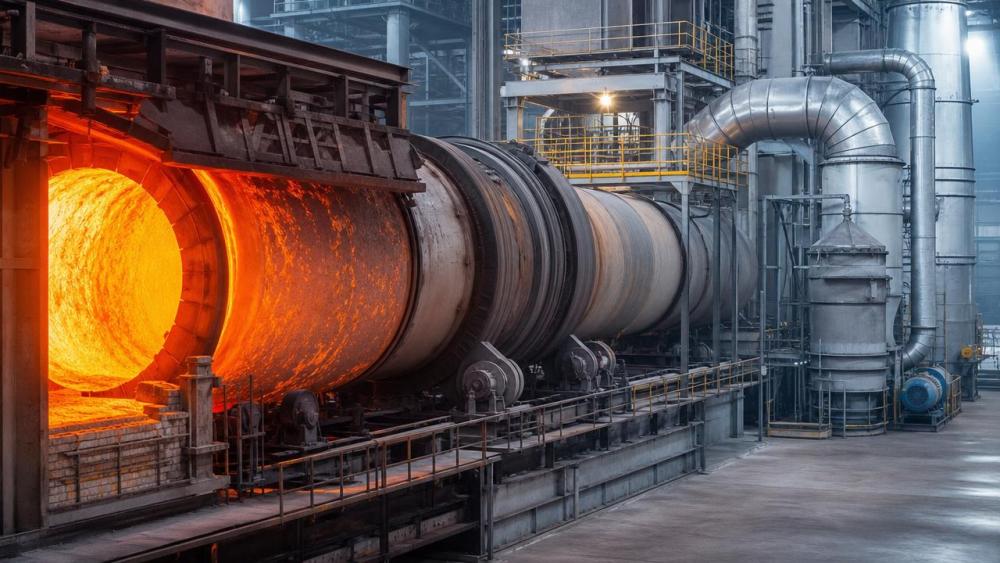
Industrial kilns rarely lose heat through one obvious fault. Losses usually emerge from overlapping physical, chemical, and operational conditions.
A cement rotary kiln, glass furnace, incinerator, refractory tunnel kiln, and extrusion dryer each show different heat signatures.
That is why thermal energy optimization must be evaluated by scenario, not only by generic efficiency ratios.
At CF-Elite, high-temperature systems are assessed through the combined lens of materials, heat transfer, reaction kinetics, and carbon strategy.
This approach connects operational symptoms with root causes. It also supports better equipment renewal, retrofit planning, and long-cycle investment decisions.
Scenario 1: Rotary Kilns Where Heat Loss Starts at the Shell and Seals
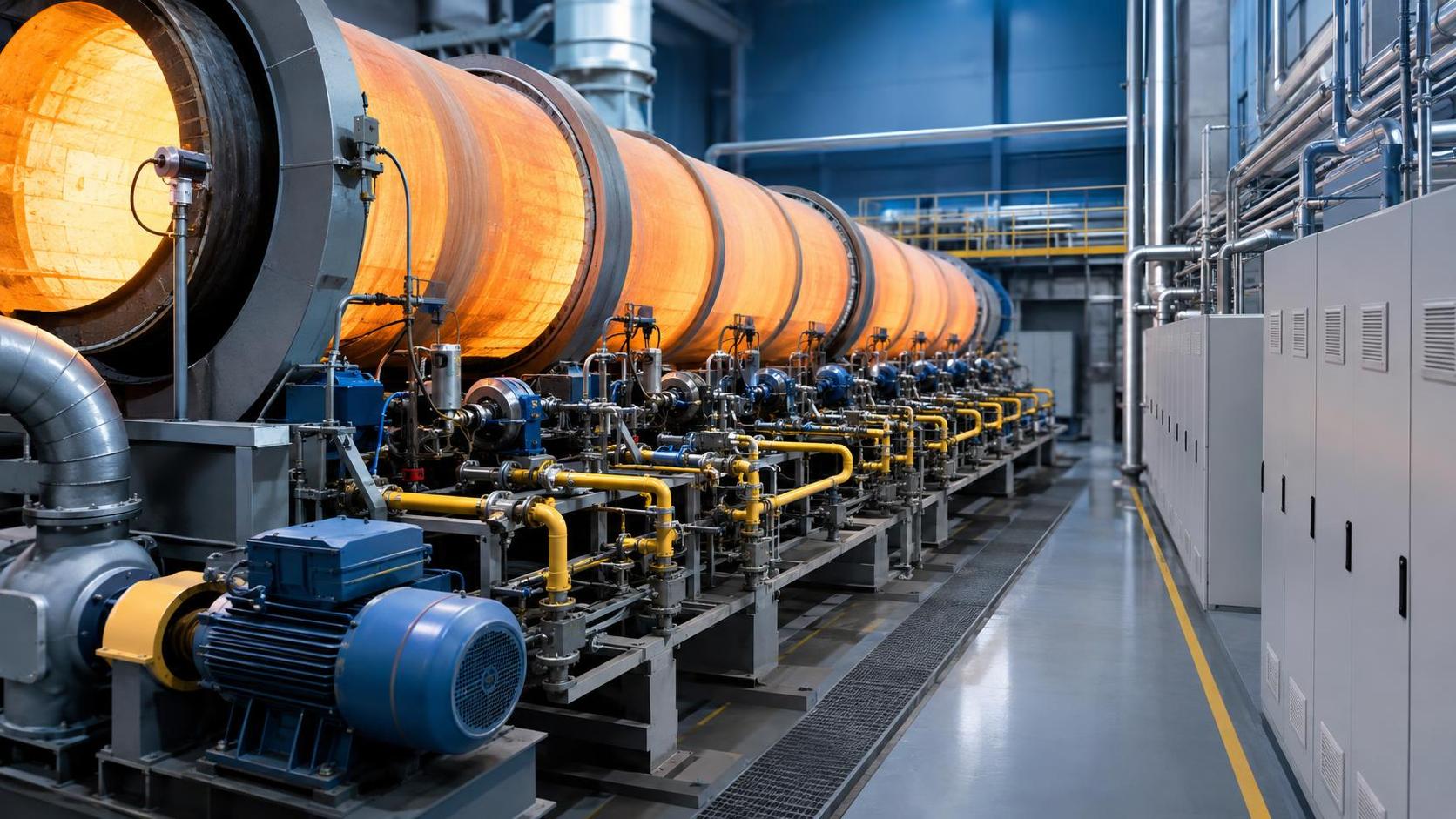
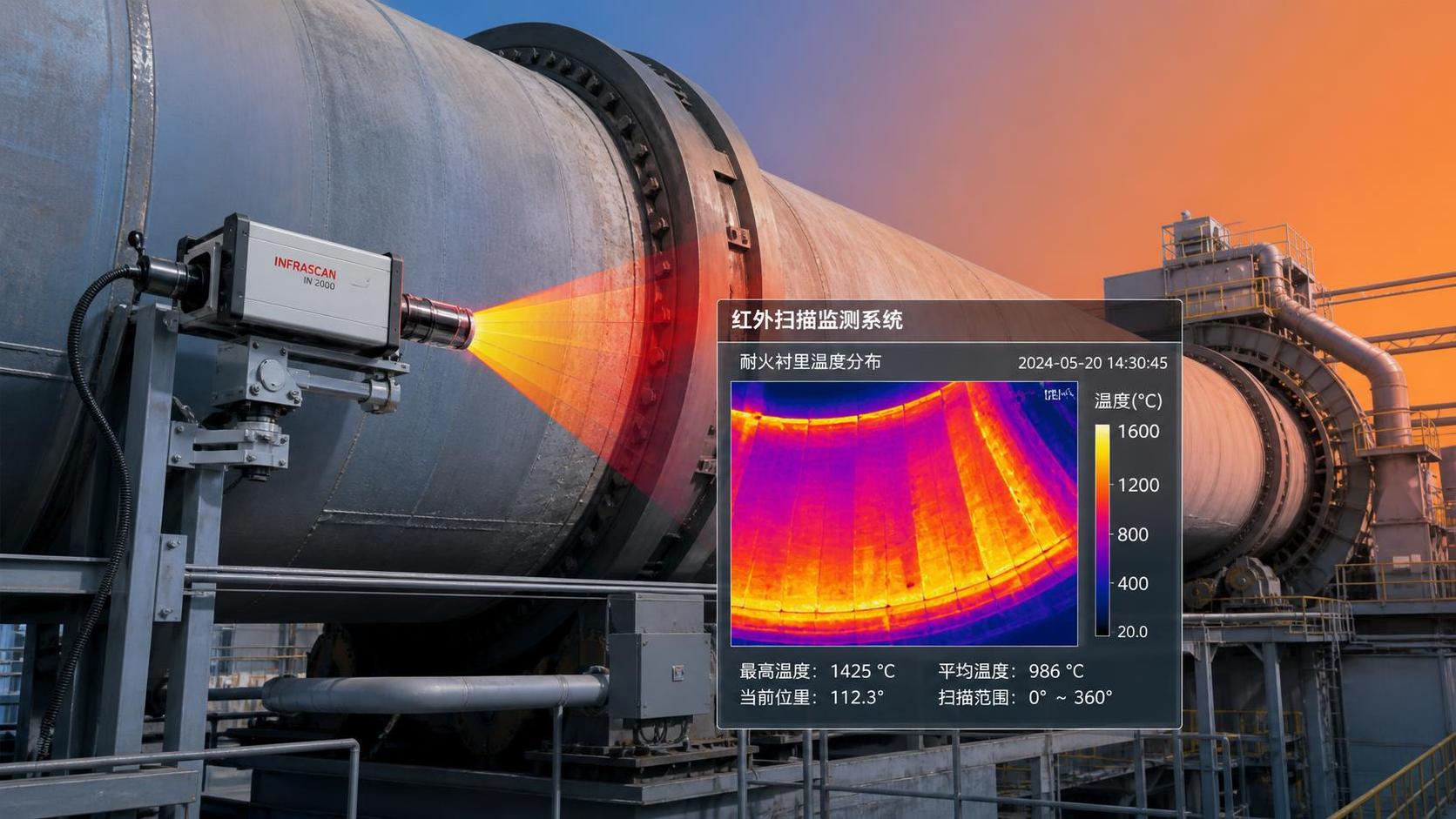
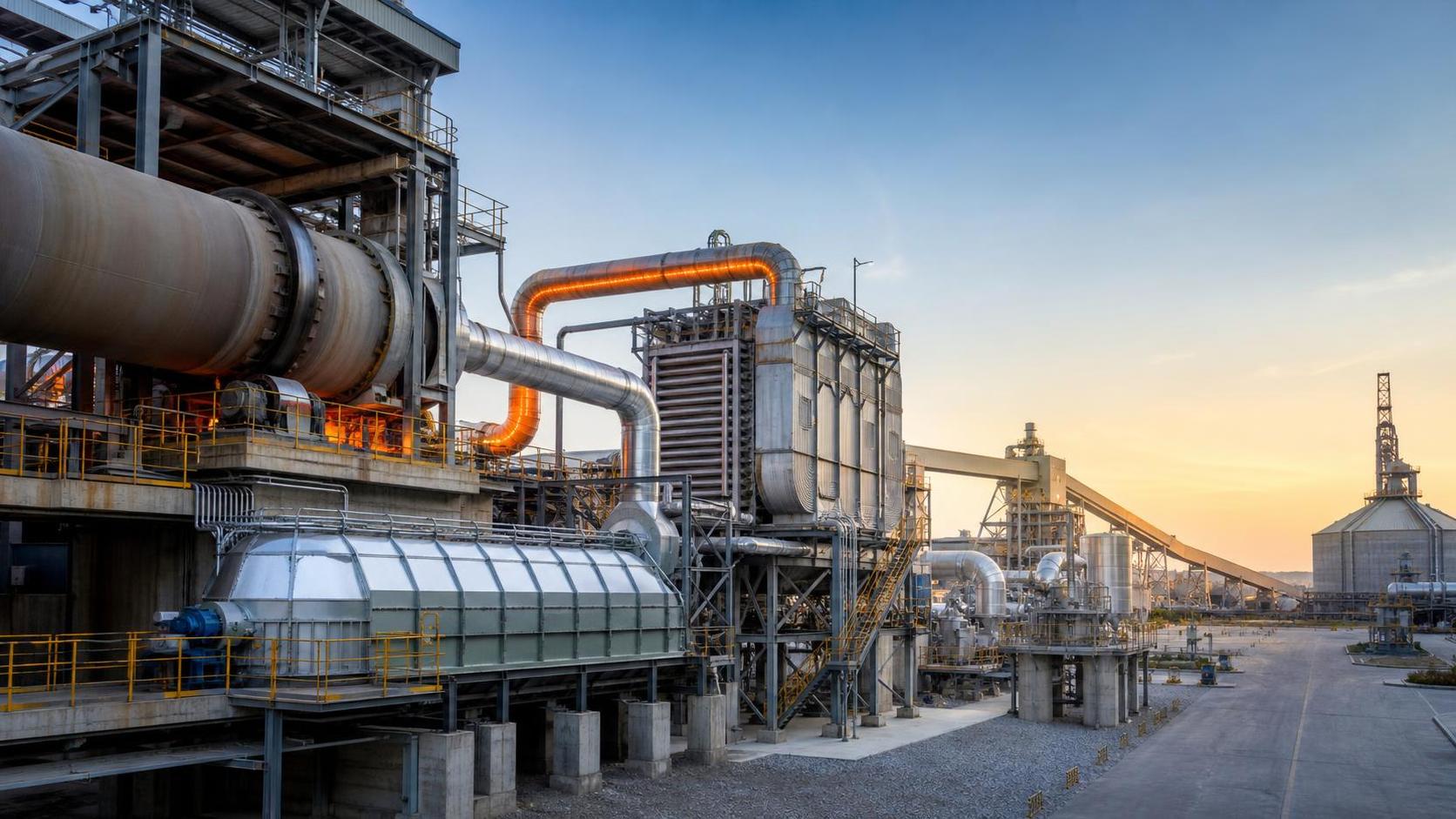
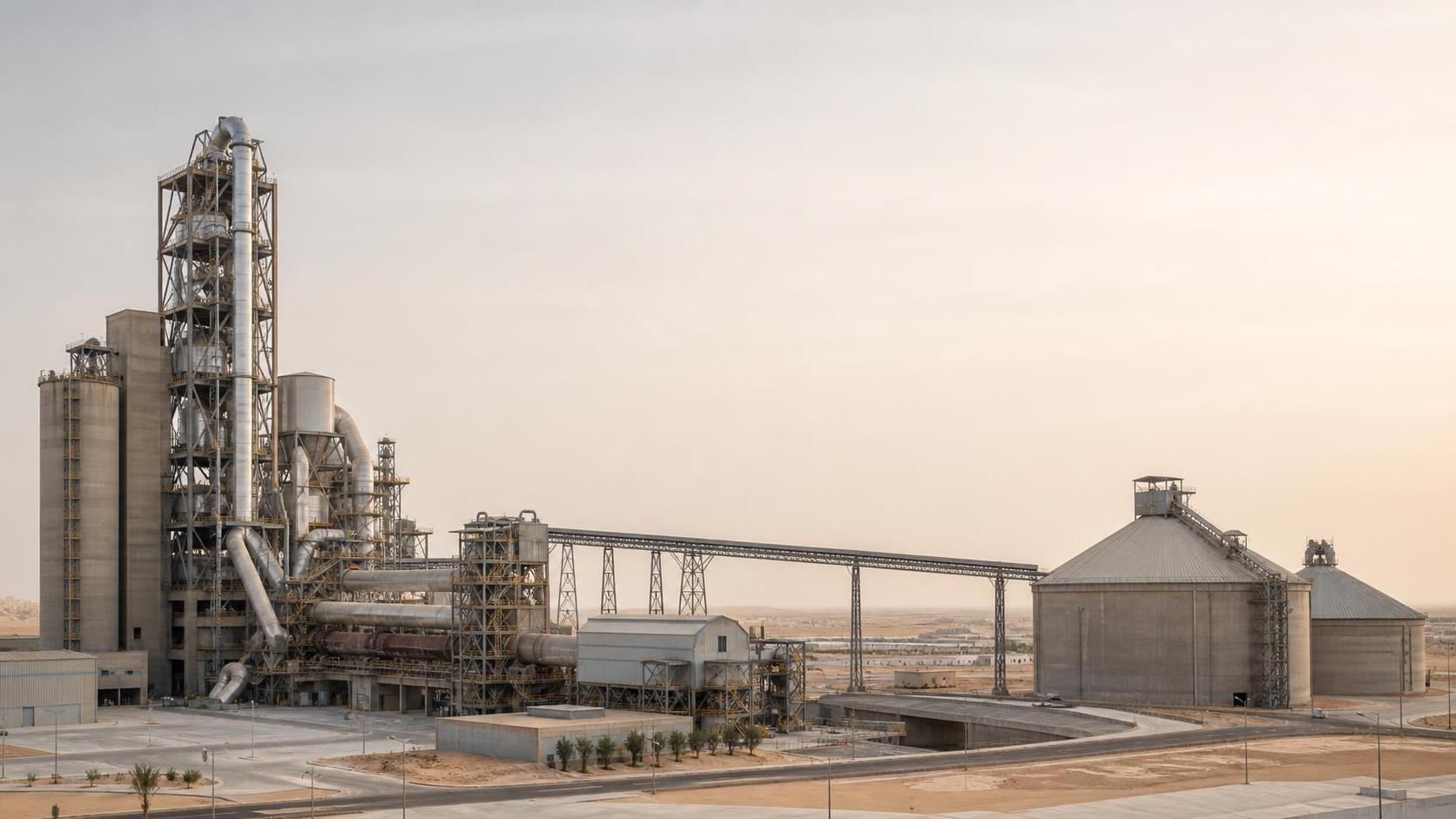
In rotary kilns, thermal energy optimization often starts with shell temperature mapping. Hot spots usually indicate refractory thinning, coating instability, or mechanical distortion.
A hot shell is not only an energy problem. It may signal accelerated refractory wear, unstable clinker chemistry, or unsafe mechanical stress.
Air leakage at inlet and outlet seals is another early loss point. False air changes oxygen balance, draft behavior, and flame shape.
For cement and mineral processing lines, the core judgment is simple: measure shell loss, leakage volume, and exhaust oxygen together.
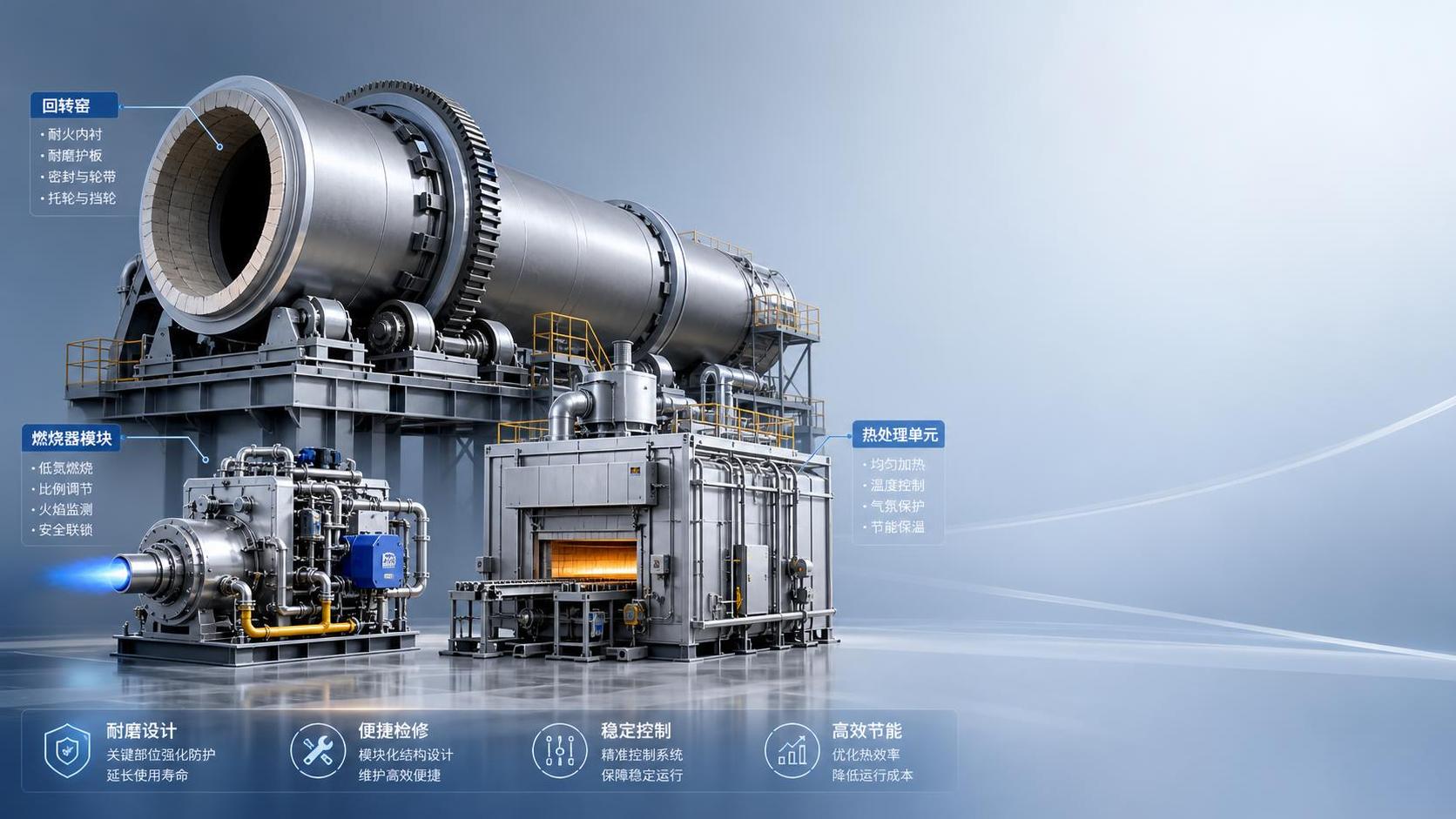
Thermal energy optimization becomes effective when refractory condition, burner setting, feed chemistry, and draft control are reviewed as one system.
Scenario 2: Glass Furnaces Where Heat Escapes Through Exhaust and Crown Areas
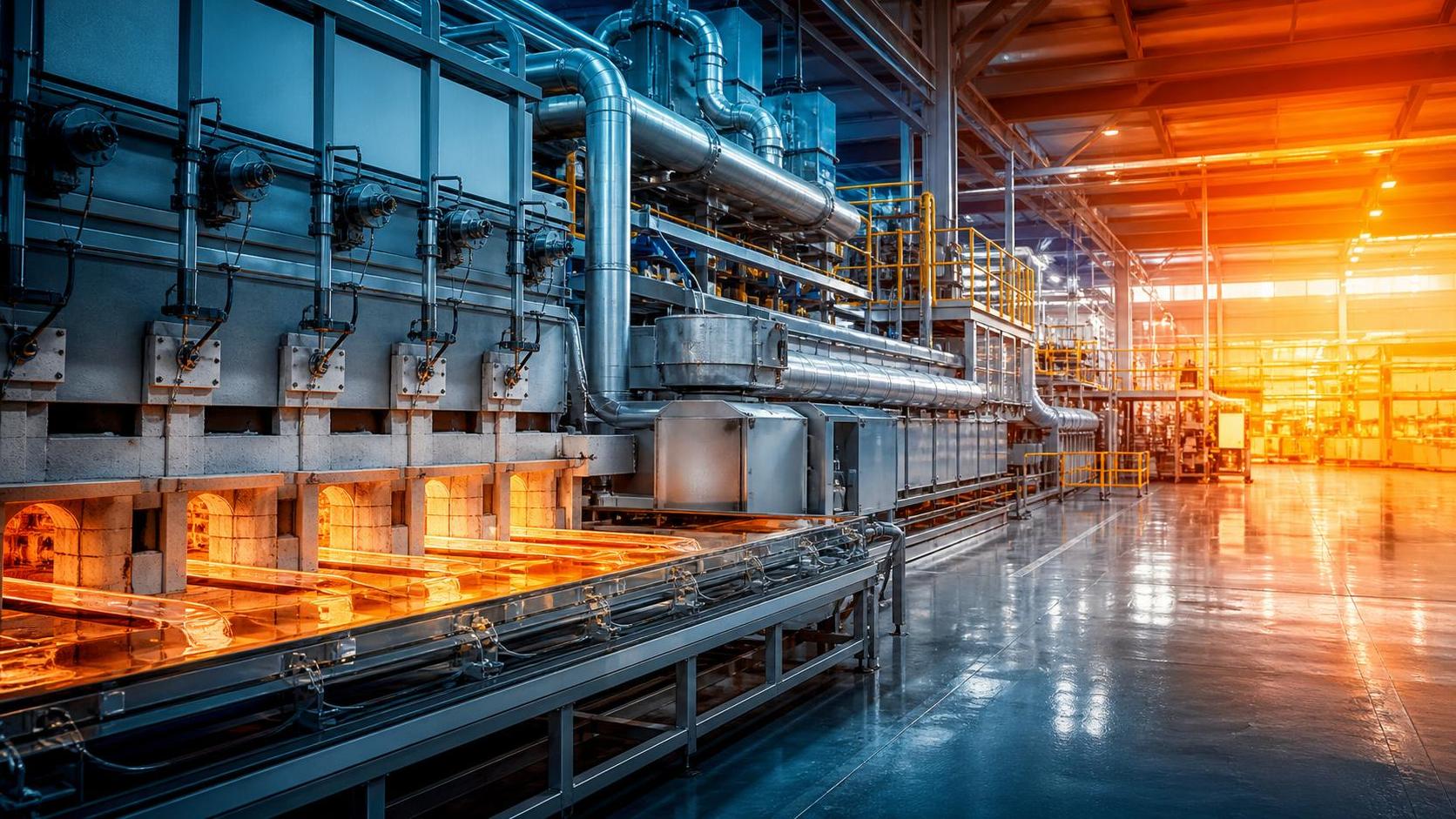
Glass melting systems face extreme temperature continuity requirements. Energy loss may begin in furnace crown leakage, regenerator imbalance, or poor combustion staging.
Unlike batch kilns, glass furnaces cannot tolerate large thermal swings. Even minor instability can affect viscosity, bubbles, color, and annealing behavior.
Thermal energy optimization in this scenario requires temperature uniformity, exhaust heat recovery, and refractory corrosion monitoring.
Regenerator performance is especially important. Blockage, checker wear, and uneven flow reduce preheated air temperature and increase fuel demand.
For PV glass, container glass, and ultra-thin glass, the practical focus is stable melt quality with lower specific energy consumption.
Scenario 3: Incineration Systems Where Waste Variability Breaks Thermal Balance
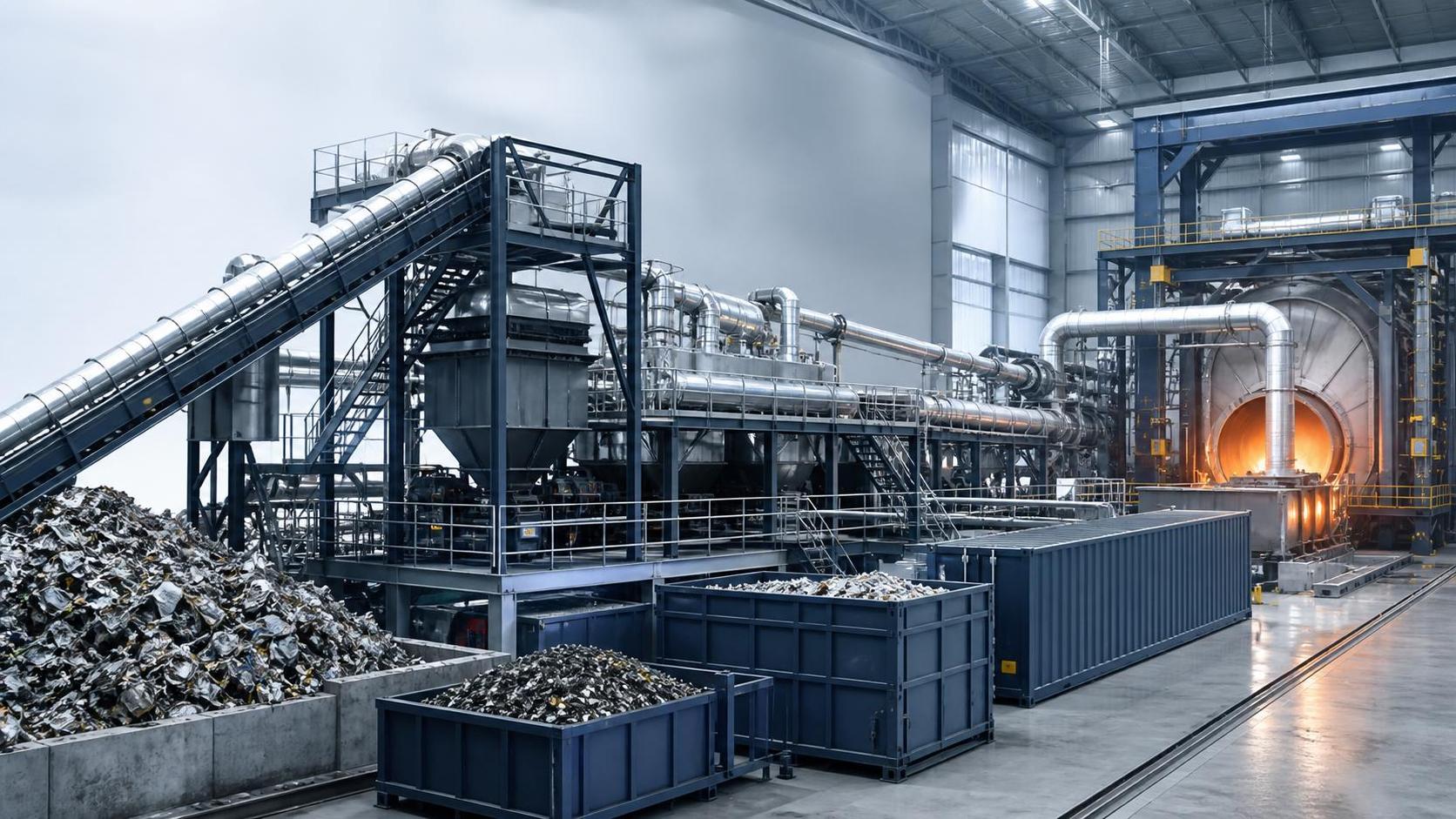
Industrial incineration adds a difficult variable: the feedstock itself. Moisture, calorific value, chlorine, ash, and particle size change constantly.
Thermal energy optimization here begins with feed characterization and combustion zone stability. Poor mixing creates cold pockets and excess auxiliary fuel use.
Heat loss may appear as high stack temperature, incomplete burnout, refractory attack, or oversized air supply.
Secondary air distribution and residence time are decisive. They determine whether waste is converted into recoverable heat or unmanaged thermal stress.
A reliable assessment connects flue gas composition, chamber pressure, slag behavior, and heat recovery equipment performance.
Scenario 4: Refractory Production Lines Where Drying and Firing Curves Define Efficiency
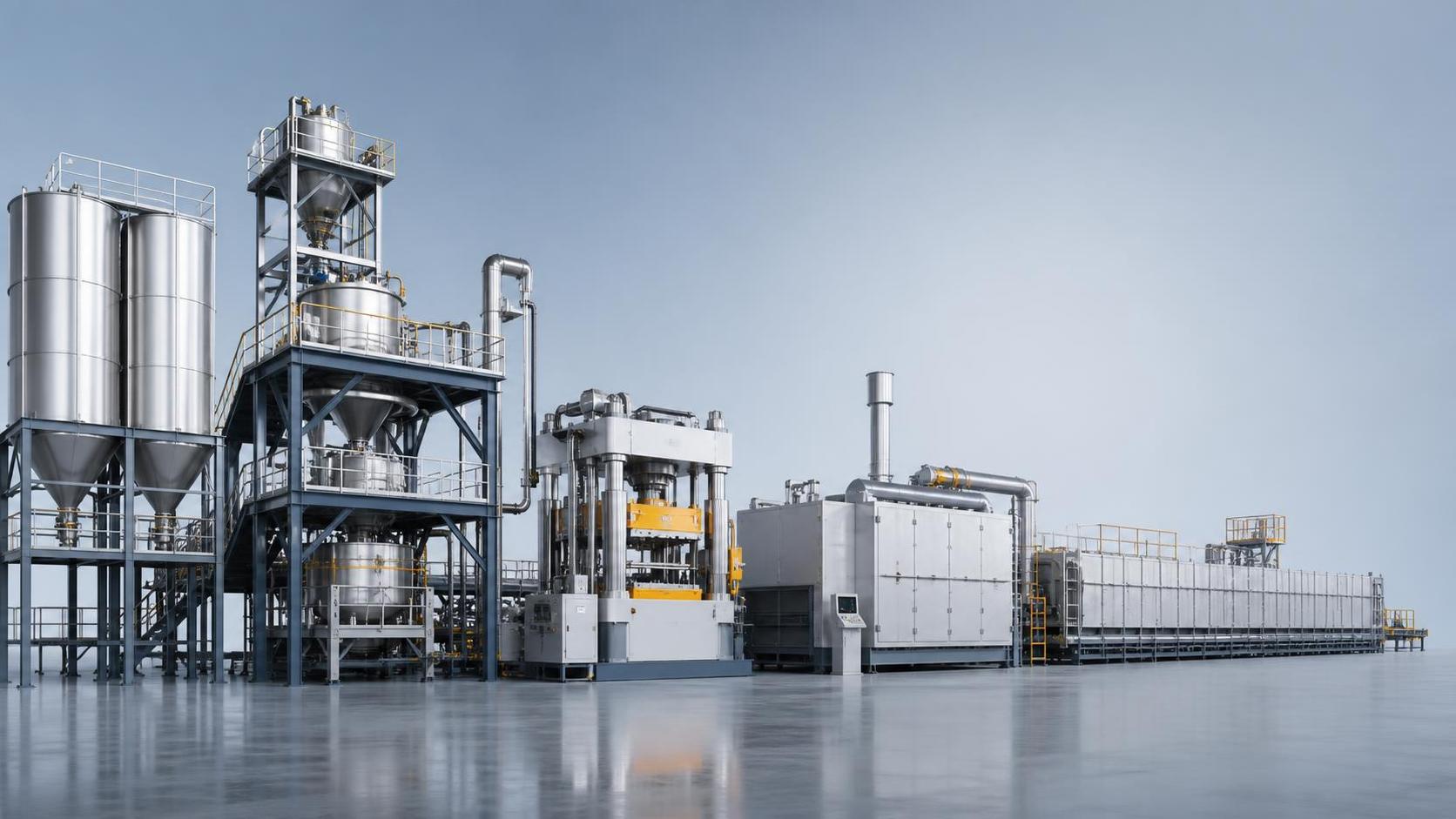
Refractory production depends on controlled heat exposure. Rapid heating can cause cracking, while excessive holding time wastes energy.
Thermal energy optimization should examine drying curves, kiln furniture, product loading density, and atmosphere control.
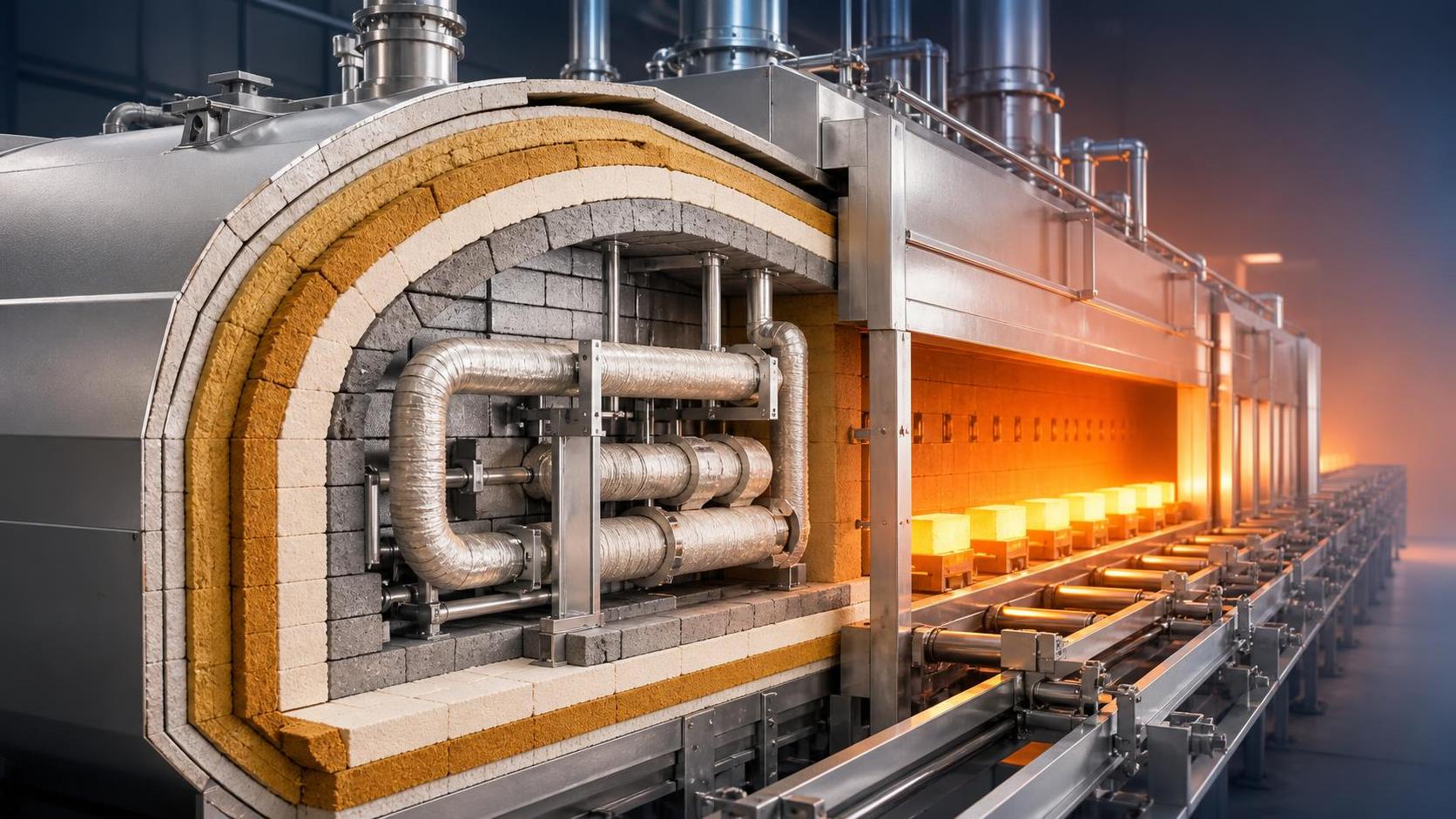
In tunnel kilns, heat loss often starts at car sealing, under-car leakage, door gaps, and uneven circulation.
Material geometry also matters. Dense bricks, castables, and specialized shapes absorb and release heat differently.
The correct judgment is not only kiln temperature. It is the relationship between product core temperature and surface thermal exposure.
Scenario 5: New Building Material Extrusion Where Thermal Loss Follows Moisture
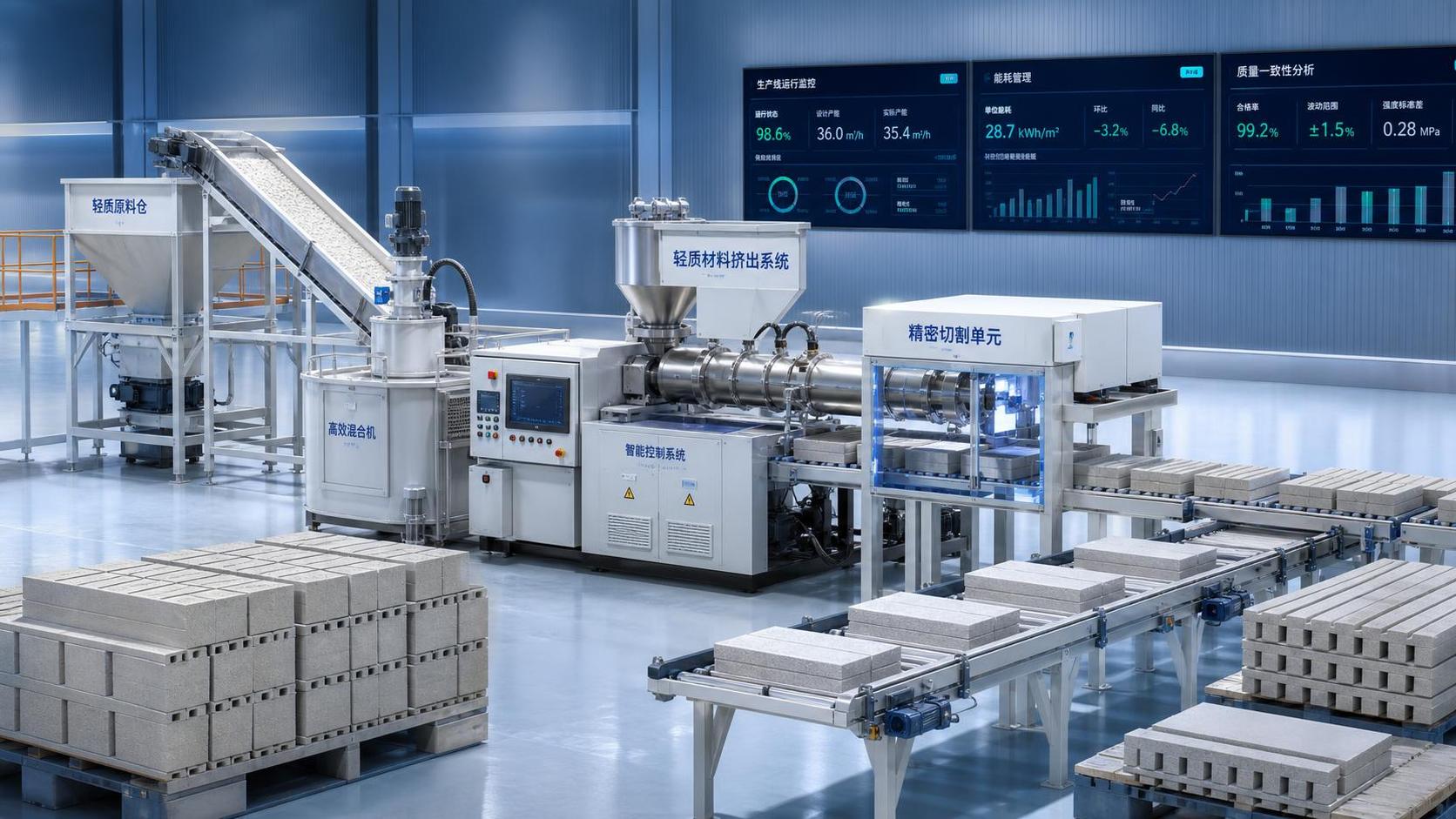
Extruded building materials often require drying, preheating, curing, or firing. Moisture migration becomes a major energy driver.
Thermal energy optimization starts by identifying whether energy is removing free water, bound water, or compensating for airflow imbalance.
If drying air is too hot, cracks may form. If airflow is weak, residence time increases and throughput declines.
Lightweight panels, green bricks, and composite products require different moisture and heat profiles.
A suitable energy strategy evaluates extrusion pressure, initial moisture, chamber humidity, exhaust recirculation, and final strength requirements.
Different Scenario Requirements for Thermal Energy Optimization
This comparison shows why thermal energy optimization cannot rely on fuel consumption alone. Each process requires a different diagnostic sequence.
Scenario Adaptation Advice: Turning Heat Data Into Decisions
Effective thermal energy optimization should begin with a structured heat loss audit, not a single equipment replacement decision.
- Map surface temperatures during stable production, start-up, and load changes.
- Compare exhaust temperature with oxygen, pressure, moisture, and fuel flow.
- Inspect refractory wear patterns against process chemistry and mechanical movement.
- Review control loop response during feed changes and draft fluctuations.
- Quantify recovered heat potential before choosing major retrofit routes.
Digital twin modeling can strengthen this process. It tests heat transfer assumptions before physical shutdowns or expensive modifications.
Online monitoring also supports thermal energy optimization by detecting gradual degradation. Early warning signals reduce emergency maintenance and production disruption.
For international projects, the adaptation plan should include local fuel quality, emissions regulation, refractory availability, and service capability.
Common Misjudgments That Delay Thermal Energy Optimization
A frequent mistake is treating high stack temperature as the only target. Exhaust heat matters, but it may be a symptom.
The real cause may be excess air, poor heat exchange, unstable firing, or refractory damage.
Another misjudgment is focusing only on burner upgrades. A better burner cannot fully correct leakage, poor draft, or feed inconsistency.
Some evaluations ignore product quality. Thermal energy optimization must preserve strength, melt clarity, burnout, or dimensional stability.
There is also a timing risk. Measurements taken only after shutdown may miss dynamic losses that occur during production transitions.
The most reliable diagnosis combines operating data, infrared inspection, gas analysis, material behavior, and historical maintenance records.
CF-Elite Intelligence View: From Heat Loss Recognition to Carbon Reduction
Thermal energy optimization is now linked directly with carbon competitiveness. Lower fuel use supports emissions compliance and lifecycle cost reduction.
In foundation materials and thermal management, efficiency improvement must align with resource circularity and intelligent operation.
CF-Elite tracks rotary kiln co-processing, glass digital twins, refractory lining monitoring, and extrusion system upgrades.
This intelligence helps connect process evidence with equipment strategy, especially in long-cycle high-temperature industries.
The strongest programs do not chase isolated savings. They build a repeatable method for identifying where heat loss starts.
Action Guide: Practical Next Steps for Thermal Energy Optimization
Begin with a baseline. Record fuel rate, throughput, exhaust data, shell temperature, product quality, and operating mode.
Then separate losses into shell radiation, air leakage, exhaust heat, incomplete reaction, moisture load, and control instability.
Rank each loss by recoverable value, production risk, maintenance feasibility, and carbon impact.
Short-term actions may include seal adjustment, insulation repair, airflow balancing, and combustion tuning.
Medium-term actions may include heat recovery, refractory redesign, digital monitoring, and control system upgrades.
Long-term actions should connect thermal energy optimization with plant modernization, emissions strategy, and market positioning in green materials.
When the first point of heat loss is understood, efficiency decisions become clearer. Fuel savings, quality stability, and decarbonization can move together.
CF-Elite supports this direction through high-authority intelligence stitching across silicate production, industrial incineration, refractory systems, and extrusion equipment.
The practical next step is a scenario-specific heat loss map. It turns thermal energy optimization from an abstract target into an operational roadmap.
Related News
 Optical Glass Tech FellowHow to Evaluate a Glass Annealing Equipment Manufacturer for Production StabilityChoose a glass annealing equipment manufacturer with proven thermal uniformity, reliable controls, lifecycle value, and responsive service for stable production.Sep 08, 2026
 Prof. Marcus ChenThermal Energy Architecture in North America: Strategies for Lower Building Energy UseThermal energy architecture North America helps project leaders cut building energy use through stronger envelopes, right-sized HVAC, storage, and smart commissioning.Sep 07, 2026
 Ms. Elena RodriguezHow Should Buyers Evaluate Building Material Industry Intelligence Pricing?Building material industry intelligence pricing: learn how to compare coverage, technical depth, and ROI to choose intelligence that reduces procurement risk.Sep 07, 2026
 Ms. Elena RodriguezHow to Use Building Material Intelligence Data for Market and Investment DecisionsBuilding material industry intelligence data helps leaders evaluate demand, costs, regulation, capacity, and technology to make smarter market and investment decisions.Sep 05, 2026
 Thermal Energy ArchitectHow PLC Control Improves Energy Efficiency and Temperature Stability in KilnsEnergy efficient kilns PLC control improves temperature stability, cuts fuel waste, and optimizes combustion, draft, and material flow. Explore proven strategies for smarter kiln modernization.Sep 04, 2026
 Optical Glass Tech FellowEuropean Glass Melting Processes: Furnace Choices, Energy Use, and Quality ControlGlass melting process Europe: explore furnace choices, energy efficiency, cullet strategy, and quality control to improve output, compliance, and long-term glass performance.Sep 03, 2026
 Thermal Energy ArchitectWhat Determines Refractory Lining Monitoring Price for Industrial Kilns?Refractory lining monitoring price depends on kiln size, sensor technology, installation, software, and support. Compare total lifecycle costs and choose the right solution.Sep 02, 2026
 Silicate Process EngineerCement Production System Costs: A Plant Buyer’s Guide to Budgeting and ROICement production systems cost planning made clear: compare CAPEX, operating costs, compliance, and ROI to build a resilient, profitable cement plant investment.Sep 01, 2026
 Dr. Alistair VaughnWhat Should a Process Technology Database Track for High-Temperature Plants?Process technology database essentials for high-temperature plants: track thermal profiles, feed chemistry, refractory wear, emissions, energy, and maintenance for safer, data-driven decisions.Aug 31, 2026
 Ms. Elena RodriguezHow to Evaluate a Silicate Processing Equipment Manufacturer for Plant ProjectsSilicate processing equipment manufacturer selection: assess process fit, guarantees, energy, compliance, delivery risk, and lifecycle support for dependable plant performance.Aug 30, 2026
 Dr. Alistair VaughnHow to Specify Custom Agricultural Processing Equipment for Throughput and HygieneEquipment customization services for agricultural processing: learn to specify hygienic, high-throughput lines that improve yield, reliability, and long-term efficiency.Aug 29, 2026
 Dr. Alistair VaughnHow to Select Process Plant Equipment for High-Temperature, Abrasive Production LinesProcess plant equipment selection for high-temperature, abrasive lines: reduce downtime, improve durability, and optimize lifecycle performance.Aug 28, 2026
 Silicate Process EngineerHow Kiln Heat Recovery Systems Cut Fuel Use in Cement and Lime ProductionKiln heat recovery helps cement and lime plants cut fuel use, improve thermal stability, and build practical, reliable decarbonization strategies.Aug 27, 2026
 Ms. Elena RodriguezProcess Equipment Comparison: Which Metrics Matter Most for Reliable Selection?Process equipment comparison made practical: discover which metrics truly drive reliable selection, from energy efficiency and control stability to wear life, maintainability, and uptime.Aug 26, 2026
 Ms. Elena RodriguezWhat Buyers Should Check Before Sourcing Precision Alloy Bars for Critical PartsPrecision Alloy Bars buyers should verify grade, chemistry, tolerances, surface quality, traceability, and lead time before sourcing for critical parts. Learn what prevents costly machining and reliability risks.Aug 27, 2026
 Ms. Elena RodriguezHow to Evaluate Thermal Management Solutions Insulation for High-Heat Industrial SystemsThermal management solutions insulation: learn how to assess high-heat industrial systems by thermal performance, durability, lifecycle cost, and supplier data for smarter decisions.Aug 25, 2026
 Ms. Elena RodriguezWhat Drives Waste Recycling Cost in Industrial Projects and How to Estimate It?Waste recycling cost in industrial projects depends on composition, moisture, transport, pre-treatment, and compliance. Learn how to estimate it accurately and compare suppliers with confidence.Aug 24, 2026
 Silicate Process EngineerHow to Evaluate Cement Production Plants in the Middle East for Capacity, Fuel Flexibility, and ROIcement production plants Middle East: Learn how to assess true capacity, fuel flexibility, and ROI risks to identify resilient assets and smarter investment opportunities.Aug 23, 2026
 Structural Material AnalystHow to Evaluate Lightweight Material Machinery for Output, Energy Use, and Product QualityLightweight material machinery evaluation guide: compare stable output, energy use, and product quality to choose equipment that cuts waste, lowers costs, and improves production confidence.Aug 22, 2026
 Material Heat-Resist ExpertWhat Determines Refractory Production Line Price in a Turnkey Plant Project?Refractory production line price depends on raw materials, forming method, kiln and drying design, automation, utilities, and scope. Learn what really drives turnkey plant cost before you invest.Aug 21, 2026

Related News
- 00
0000-00
How PLC Control Improves Energy Efficiency and Temperature Stability in Kilns - 00
0000-00
What Determines Refractory Lining Monitoring Price for Industrial Kilns? - 00
0000-00
How Digital Twin Simulations Help Kiln Operators Cut Fuel Use and Stabilize Output - 00
0000-00
What to Evaluate in a Rotary Kiln Technology Manufacturer for High-Temperature Process Projects - 00
0000-00
How to Evaluate an Incineration Equipment Exporter for Compliance, Capacity, and After-Sales Support
Weekly Insights
Stay ahead with our curated technology reports delivered every Monday.