
Silicate Industrial Processes: Key Steps, Materials, and Kiln Conditions




For technical evaluators, understanding silicate industrial processes means looking beyond basic production flowcharts to the materials behavior, heat-transfer logic, kiln atmosphere, and reaction control that determine efficiency, product quality, and emissions performance. From cement clinker formation and glass melting to refractory firing and advanced extrusion, each step depends on precise coordination between raw material chemistry, thermal profiles, equipment design, and environmental compliance. This article outlines the key process stages, critical materials, and kiln conditions that shape high-temperature silicate production decisions.
Why Technical Evaluators Need a Process-Level View
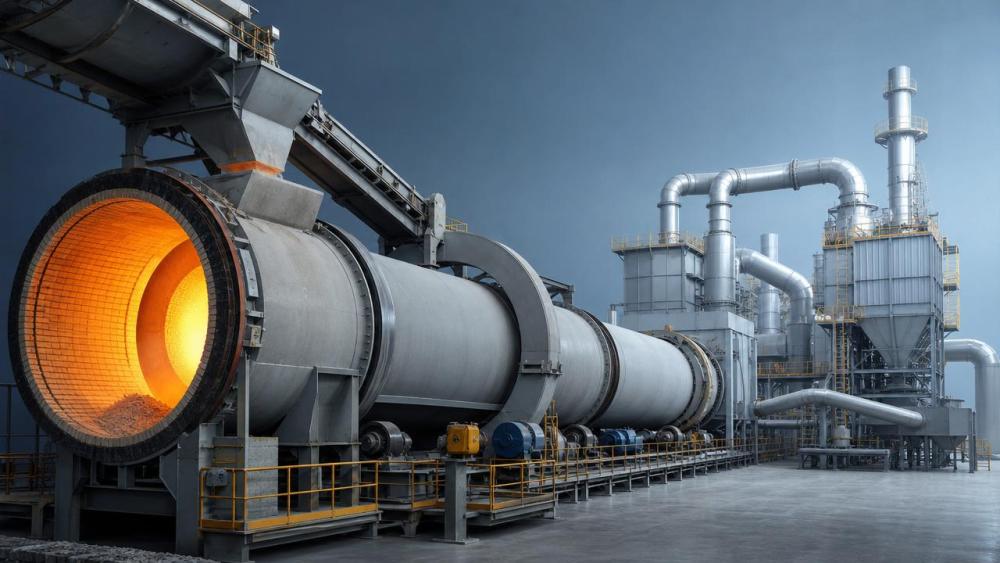
Silicate industrial processes are rarely judged by output volume alone. Evaluators must connect mineralogy, fuel strategy, refractory wear, dust capture, and control logic before approving equipment or investment plans.
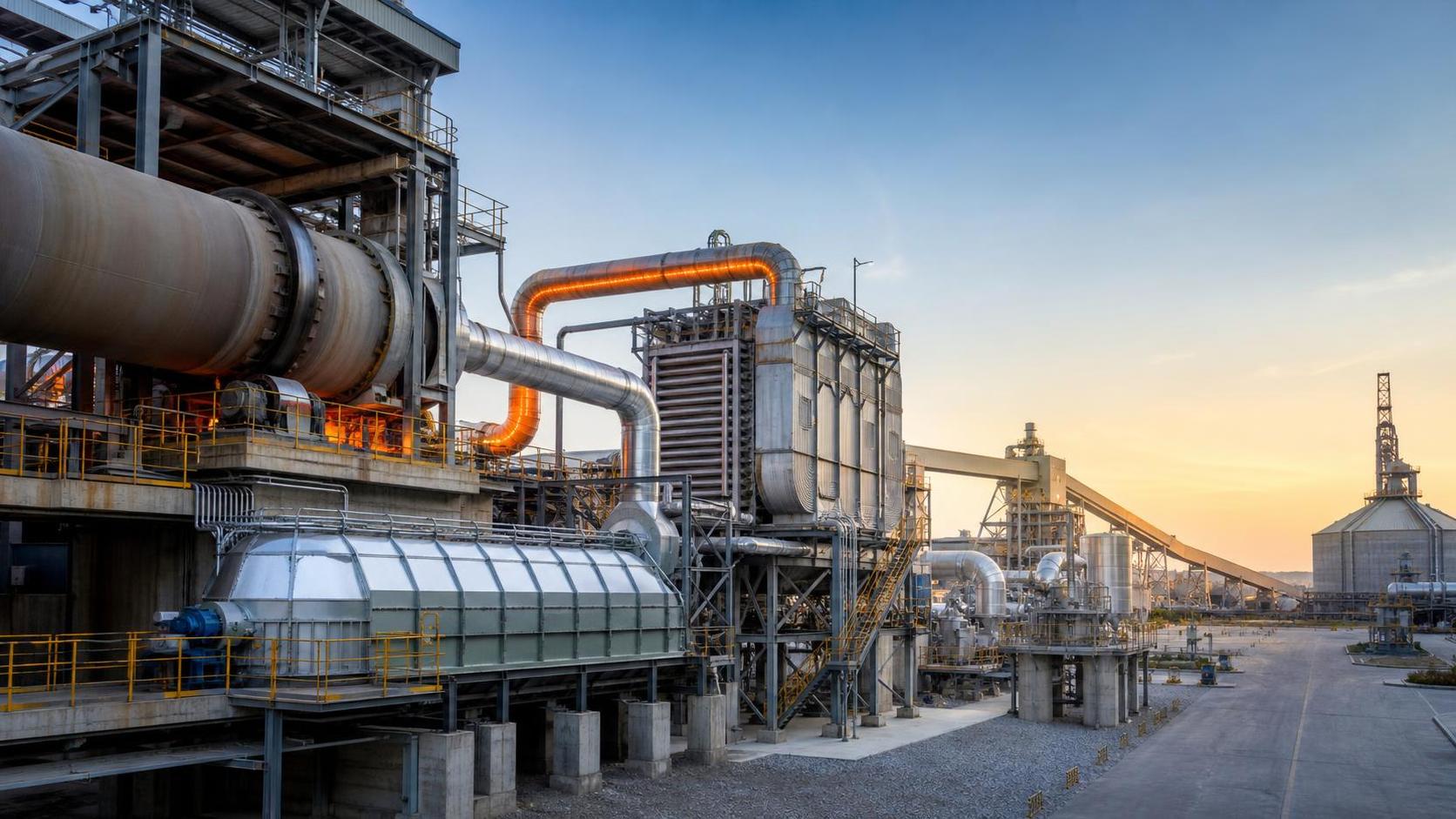
A rotary kiln, float glass furnace, tunnel kiln, or extrusion line can meet nominal capacity while still underperforming in heat economy, emissions stability, or product consistency.
Core evaluation questions before selection
- Does the raw material chemistry support stable reactions at the proposed residence time and peak temperature?
- Can the kiln atmosphere control oxidation, reduction, volatilization, and alkali circulation without frequent shutdowns?
- Are energy recovery, dust collection, and flue gas treatment aligned with local compliance requirements?
- Is the instrumentation plan strong enough for troubleshooting, data logging, and future digital twin modeling?
CF-Elite approaches silicate industrial processes through foundation materials and thermal management intelligence, helping evaluators compare heavy equipment decisions across cement, glass, refractory, incineration, and extrusion scenarios.
Key Steps Across Cement, Glass, Refractory, and Extrusion Lines
Although silicate industrial processes differ by product, most production lines share a repeatable chain: raw preparation, forming or batching, thermal conversion, controlled cooling, finishing, and emission control.
The table below helps evaluators identify where process risk usually appears and which operational indicators deserve attention during technical comparison.
This comparison shows why a low-cost quotation can hide process exposure. In silicate industrial processes, weak preparation or cooling design often creates defects that appear far downstream.
Cement clinker formation
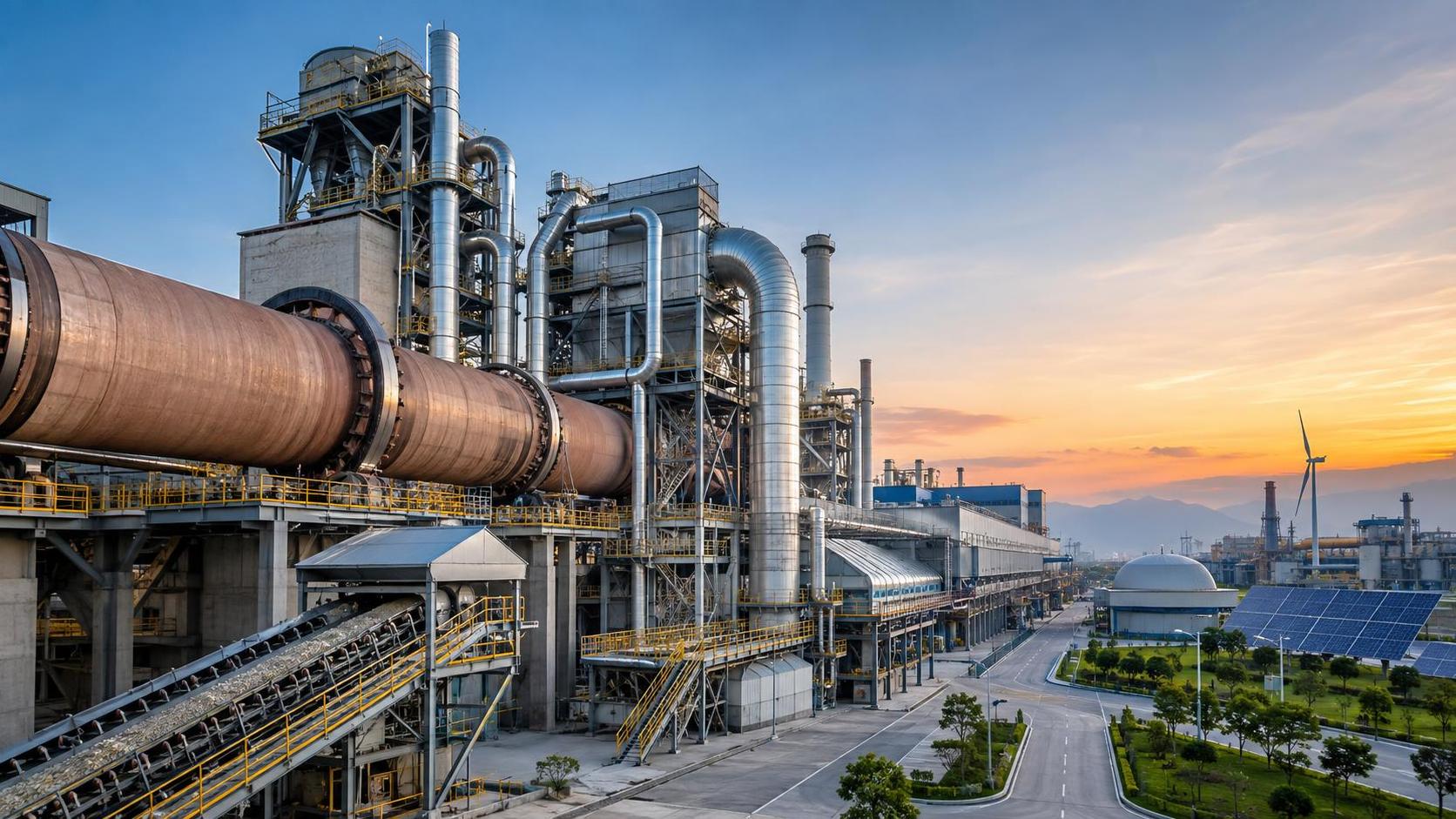
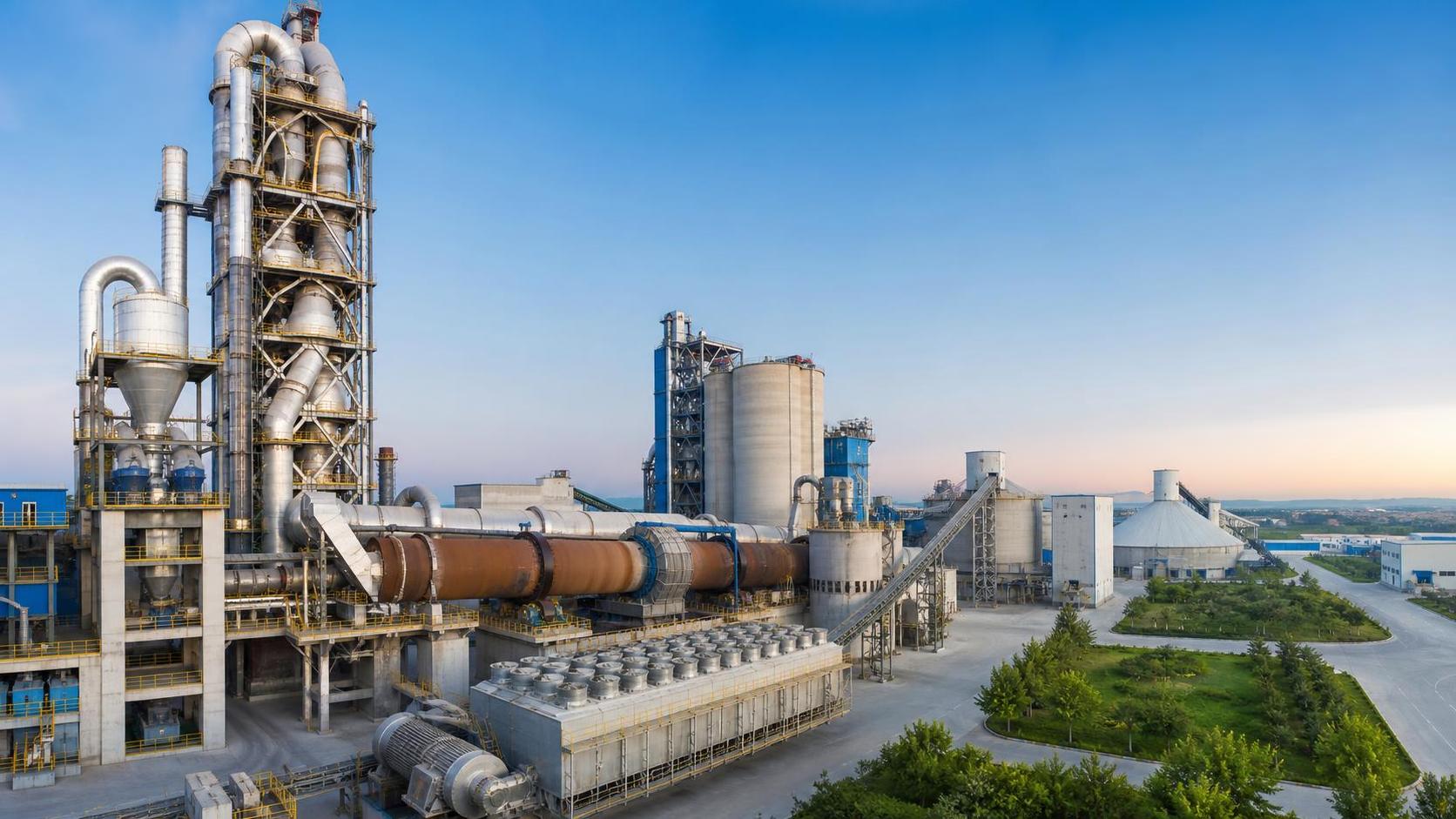
In cement lines, limestone decomposition, belite formation, alite formation, and clinker cooling must be synchronized with preheater efficiency and kiln stability.
Technical evaluators should focus on free lime control, coating behavior, bypass demand, alternative fuel compatibility, and dust circulation in the preheater tower.
Glass melting and annealing
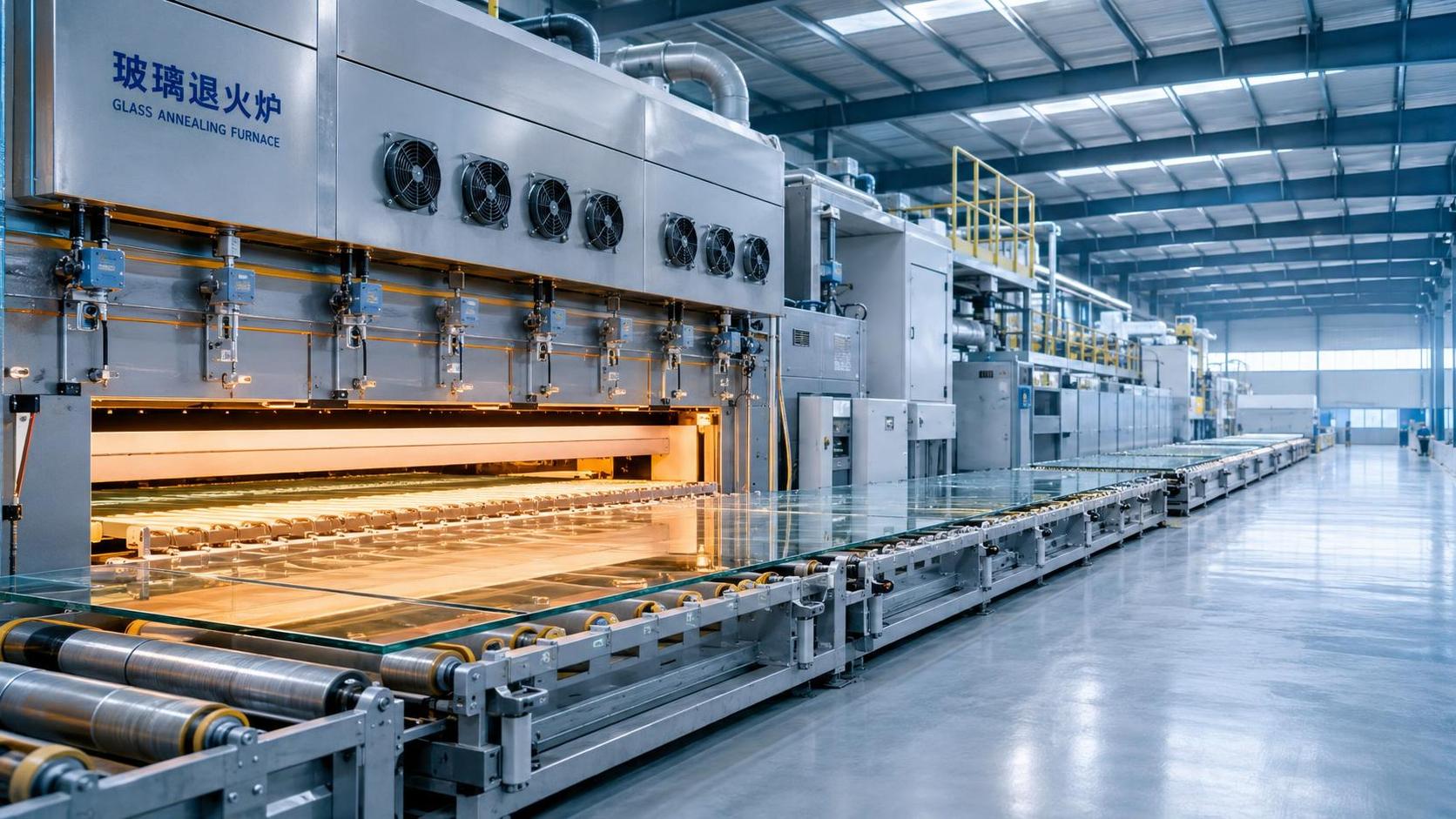
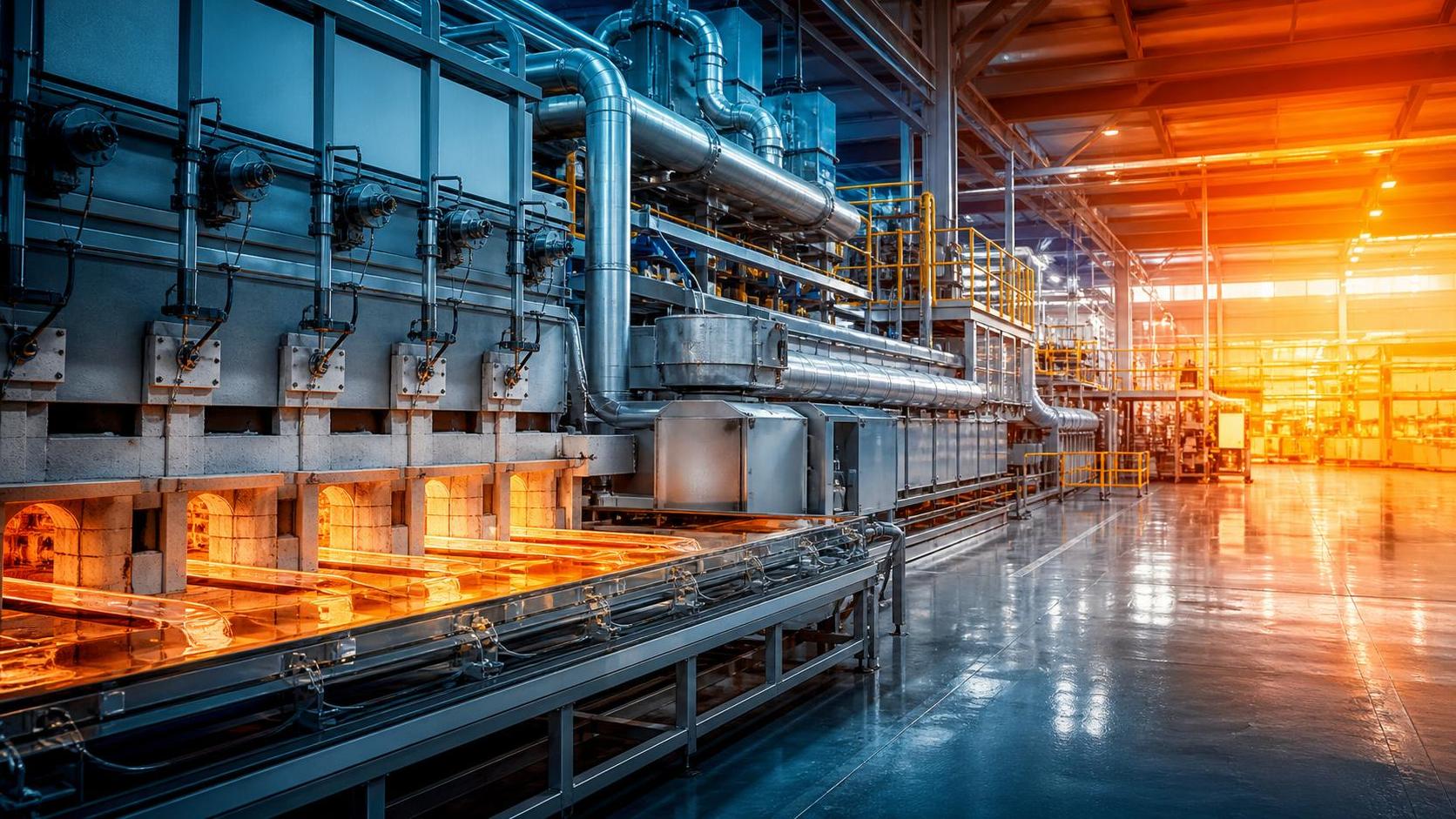
Glass-focused silicate industrial processes depend on batch melting, fining, homogenization, forming, and annealing. Furnace stability directly affects bubbles, stones, cords, and optical quality.
For PV glass or ultra-thin products, evaluators should review melting temperature distribution, refractory corrosion risk, combustion control, and tin bath atmosphere management.
Refractory firing and extrusion
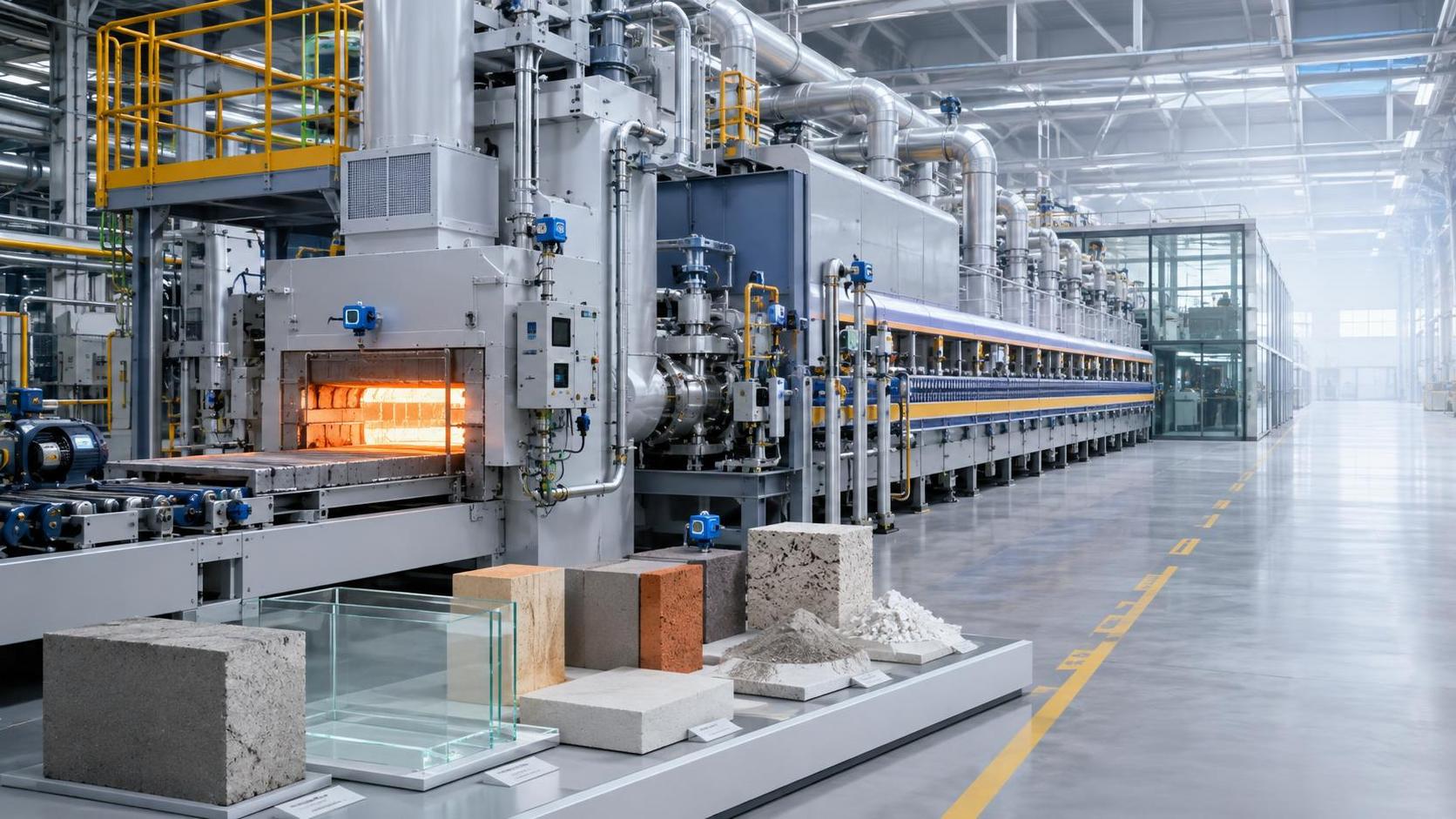
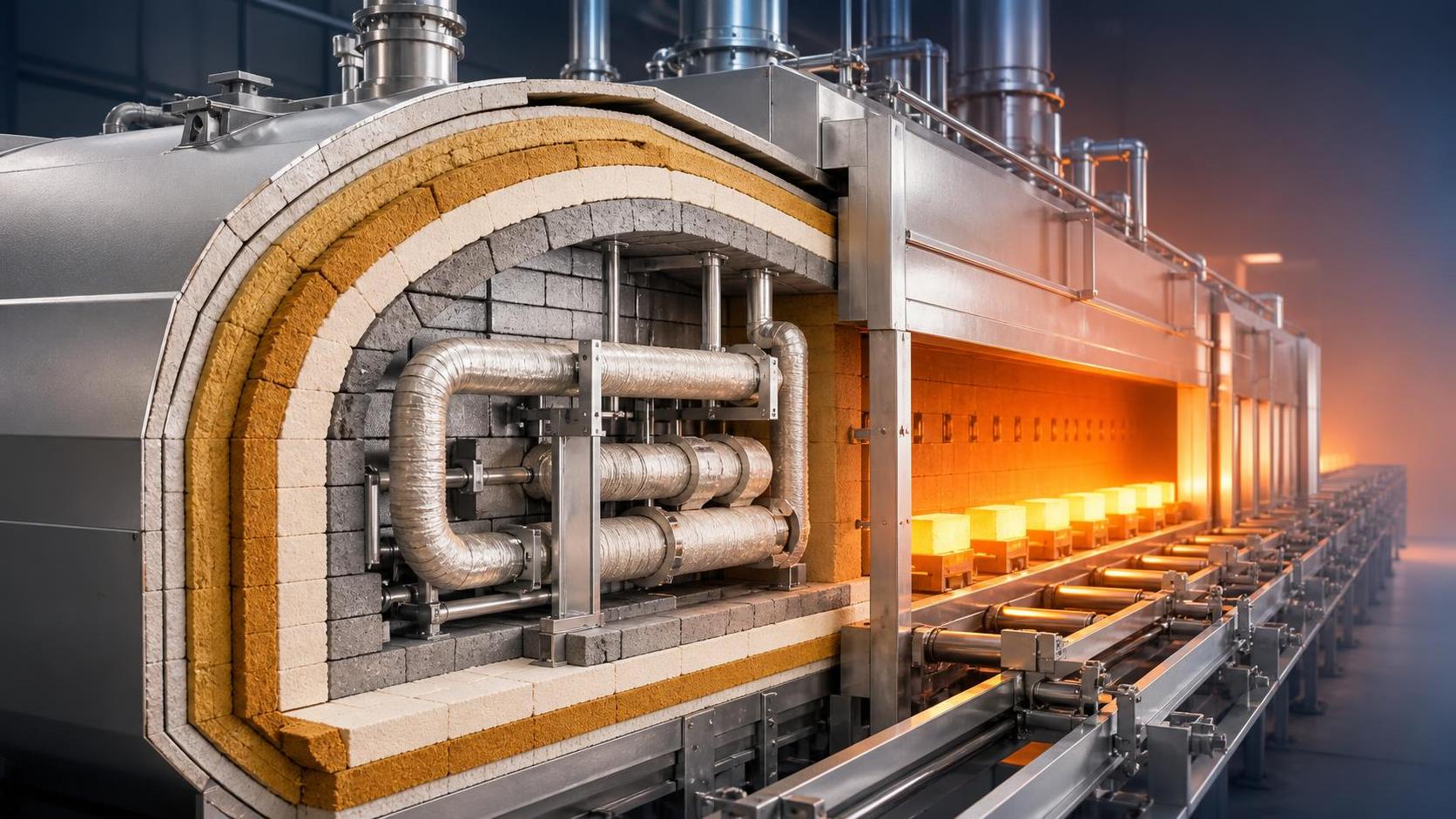
Refractory lines require controlled drying, binder burnout, sintering, and dimensional stability. Over-fast heating may crack bricks or reduce service life in steel and metallurgy applications.
New building material extrusion adds pressure, plasticity, vacuum de-airing, and moisture control. The firing curve must match green-body strength and final density targets.
Critical Materials: What Should Be Verified Before Equipment Approval?
Material behavior determines whether silicate industrial processes run smoothly. A kiln cannot compensate indefinitely for unstable feed chemistry, inconsistent particle size, or incompatible additives.
Raw material and additive checklist
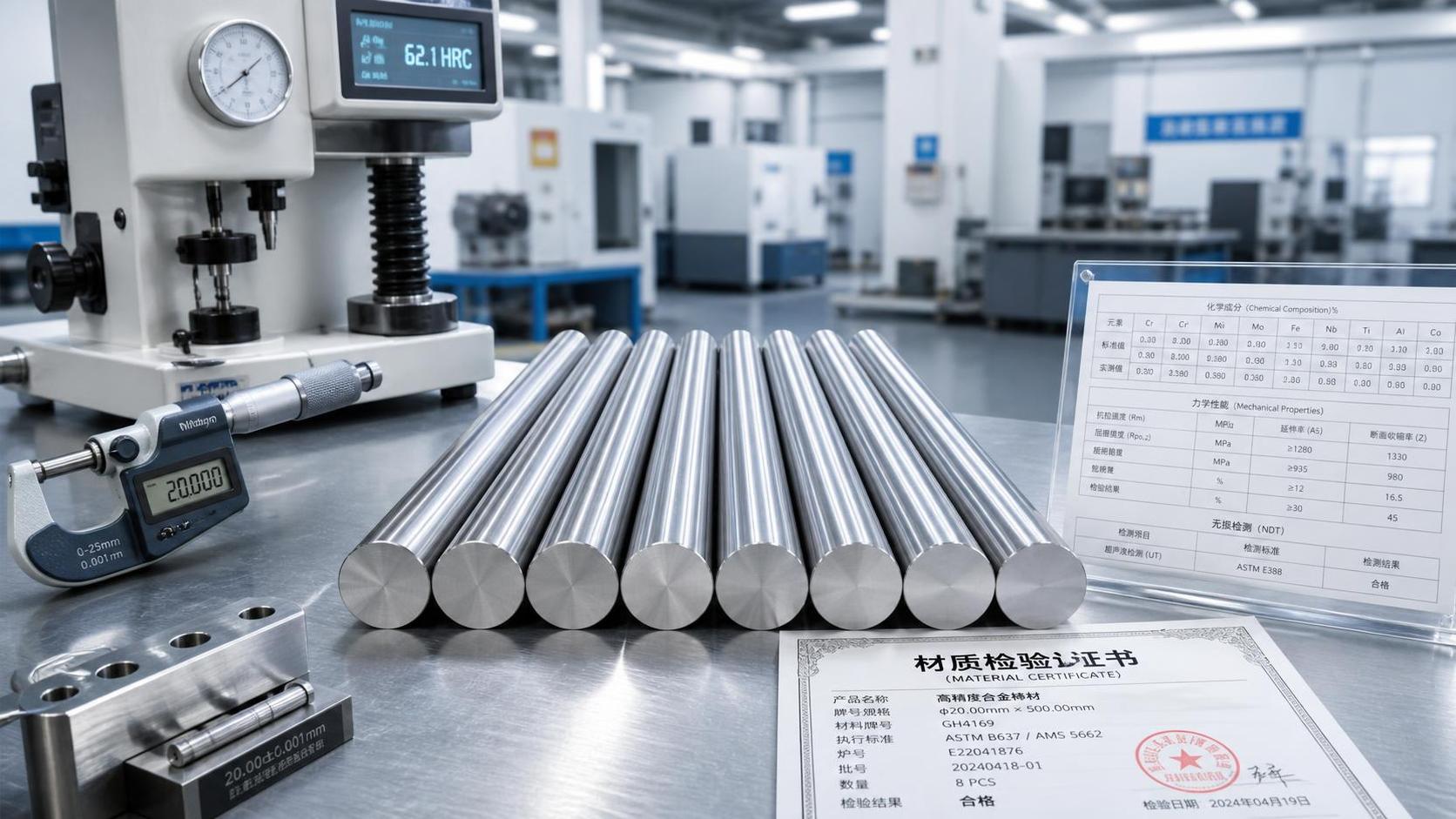
- Silica, alumina, calcium, magnesium, sodium, potassium, and iron content should be measured against target phase requirements.
- Moisture variation should be linked to dryer capacity, energy demand, forming stability, and storage design.
- Alkali, sulfur, chlorine, and fluorine levels should be checked because they influence rings, deposits, corrosion, and emissions.
- Cullet, slag, fly ash, red mud, or industrial waste inputs should be evaluated for circularity benefits and process penalties.
CF-Elite’s intelligence approach helps technical evaluators connect material test data with equipment consequences, rather than treating chemistry as a separate laboratory issue.
Kiln Conditions That Decide Quality, Efficiency, and Emissions
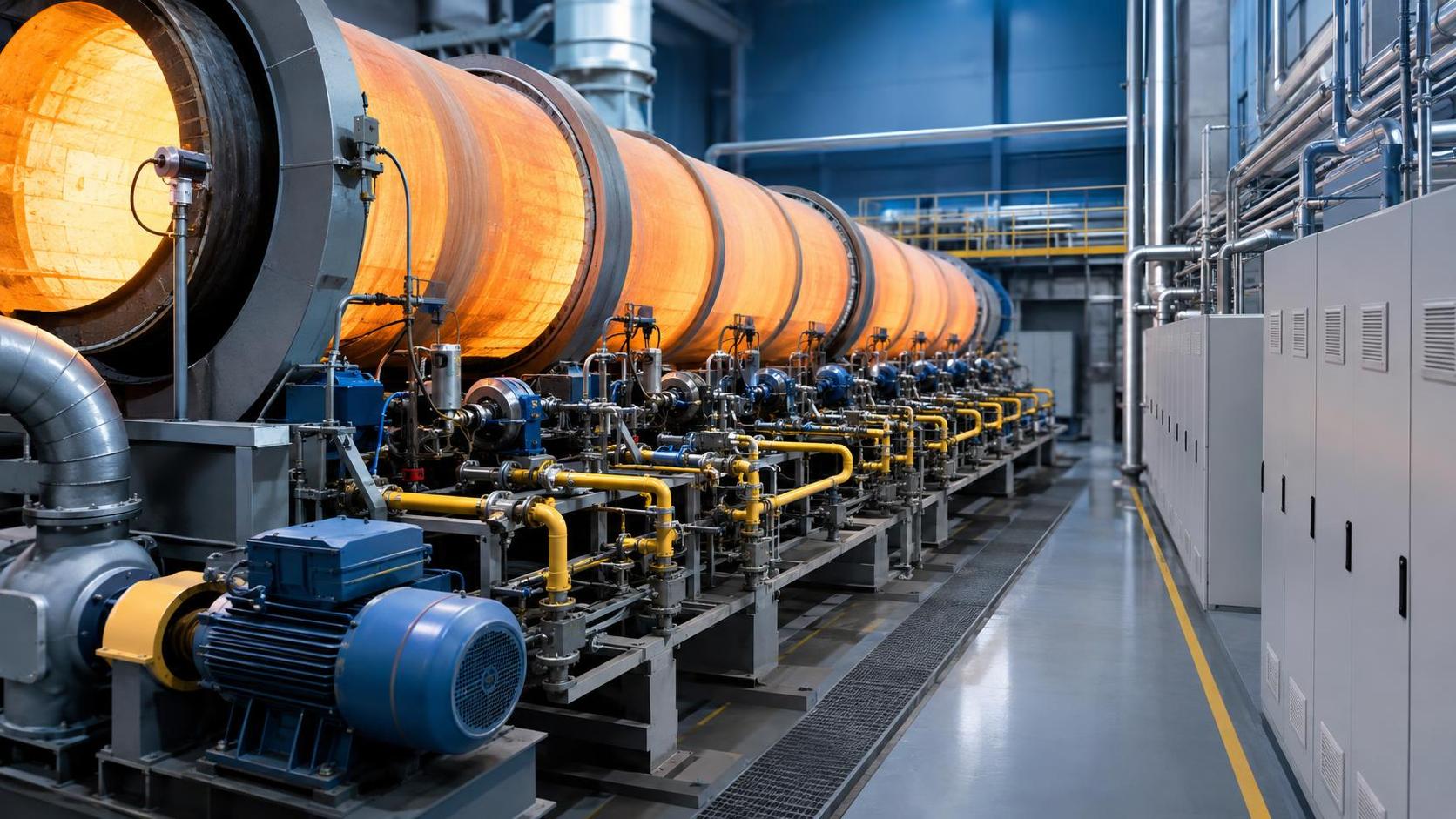
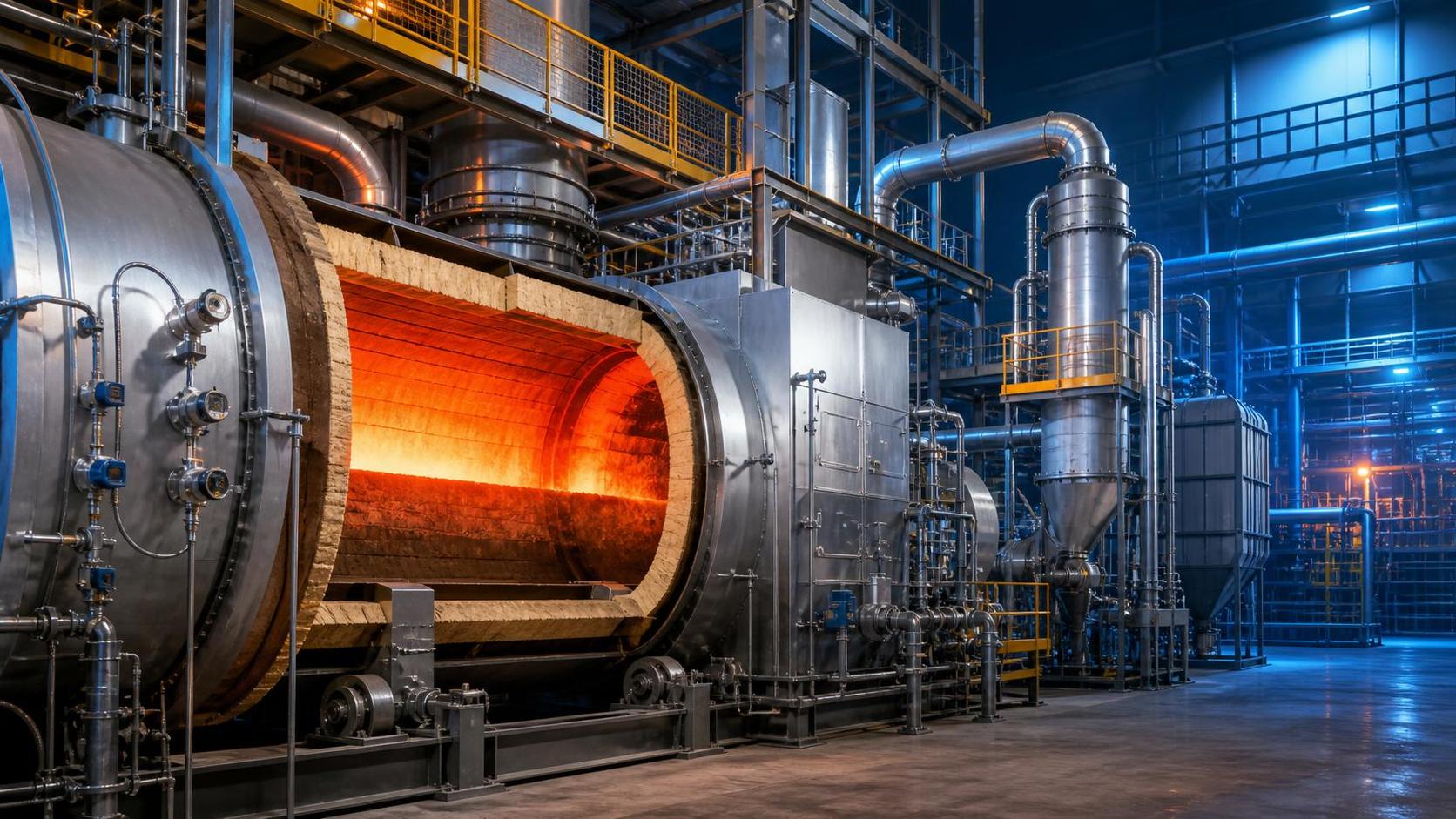
Kiln conditions in silicate industrial processes involve more than peak temperature. The important variables include heat flux, oxygen level, pressure profile, flame momentum, and residence time.
Use the following parameter table as a practical evaluation reference when reviewing supplier proposals, retrofit plans, or process audit reports.
A proposal that defines only capacity and fuel consumption is incomplete. Reliable silicate industrial processes require measurable control limits and documented correction methods.
Atmosphere and fuel decisions
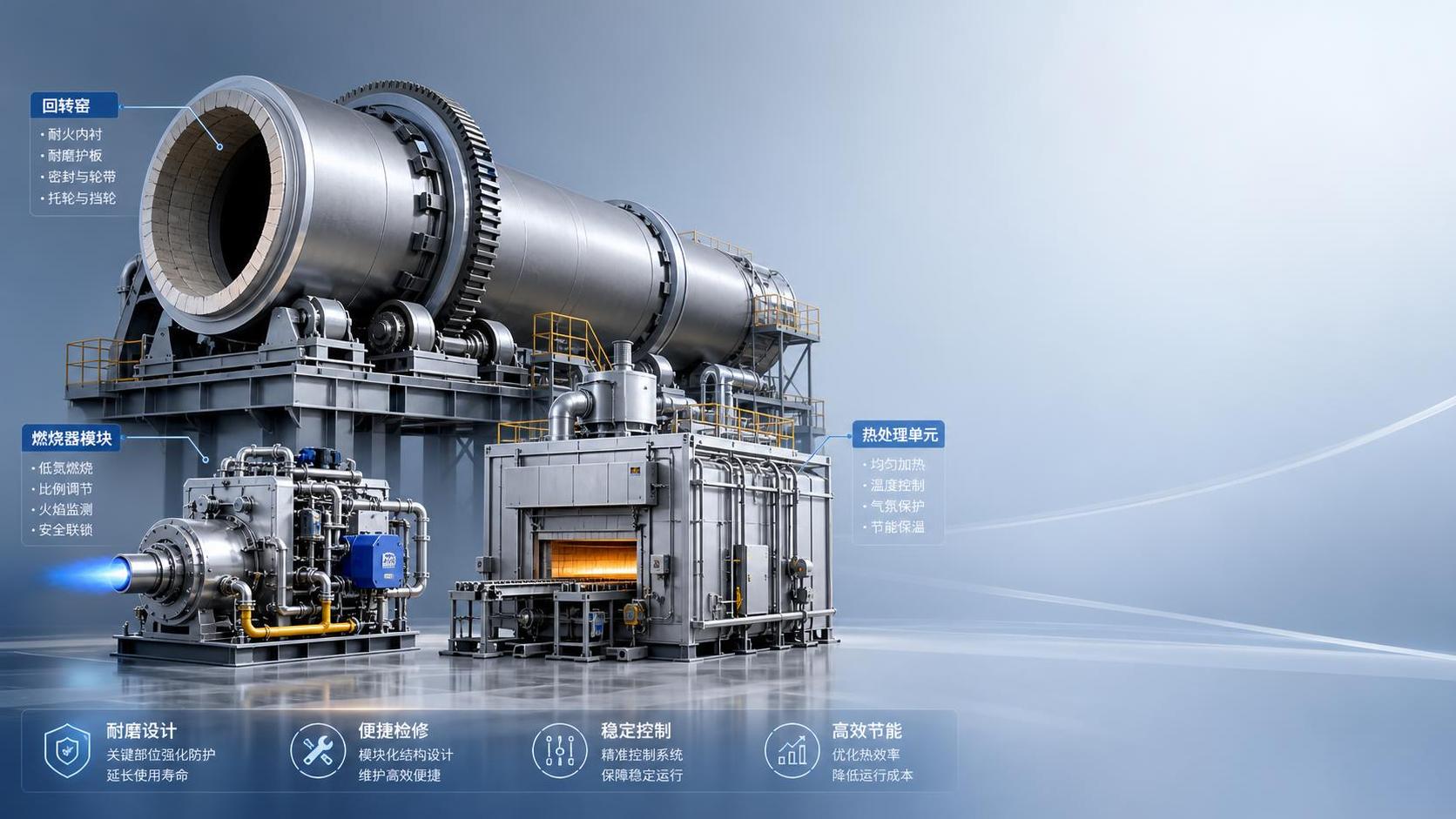
Coal, natural gas, biomass, refuse-derived fuel, and industrial waste fuels each alter flame temperature, ash chemistry, oxygen demand, and emission treatment requirements.
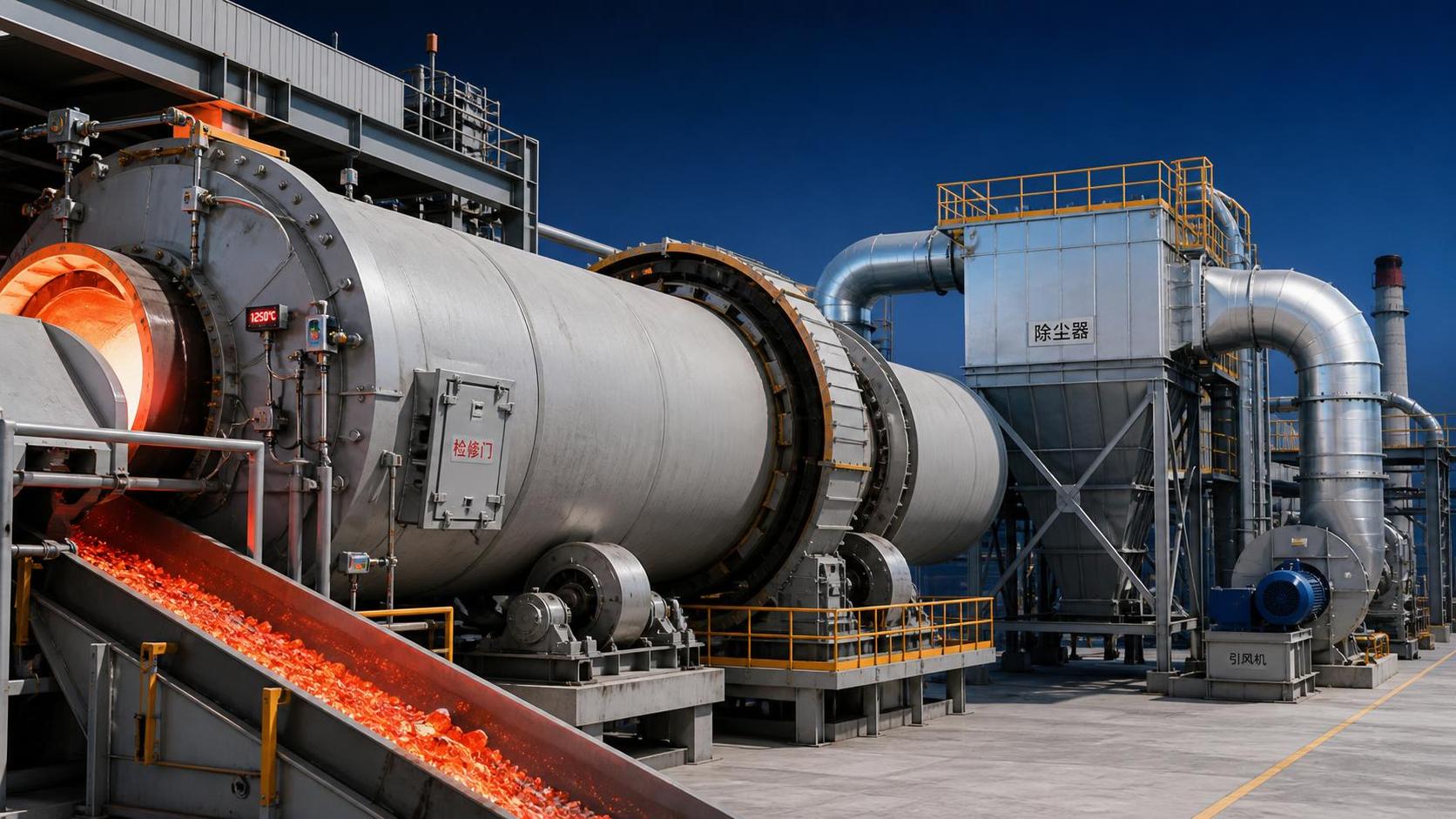
For co-processing in rotary kilns, evaluators should examine calorific value variation, chlorine input, metal content, feed safety, and the effect on clinker or ash quality.
Procurement Decision Matrix for Silicate Industrial Processes
Procurement teams often compare suppliers by price and delivery time, while technical evaluators worry about commissioning risk, spare parts, certification, and process adaptability.
The matrix below converts silicate industrial processes into decision criteria that can be discussed across engineering, finance, compliance, and operations teams.
A balanced decision matrix prevents narrow purchasing logic. For long-cycle heavy equipment, the lowest initial price may not reflect total process cost.
Compliance, Monitoring, and Data Intelligence
Modern silicate industrial processes must satisfy production targets and environmental expectations simultaneously. Technical evaluators should treat monitoring architecture as part of the core process.
Relevant compliance and monitoring areas
- Air emissions monitoring should address particulate matter, NOx, SOx, CO, CO2, oxygen, and application-specific acid gases.
- Occupational safety planning should consider hot surfaces, confined spaces, combustible dust, noise, and material handling hazards.
- Quality control should include chemical analysis, phase testing, strength testing, dimensional checks, or optical inspection as needed.
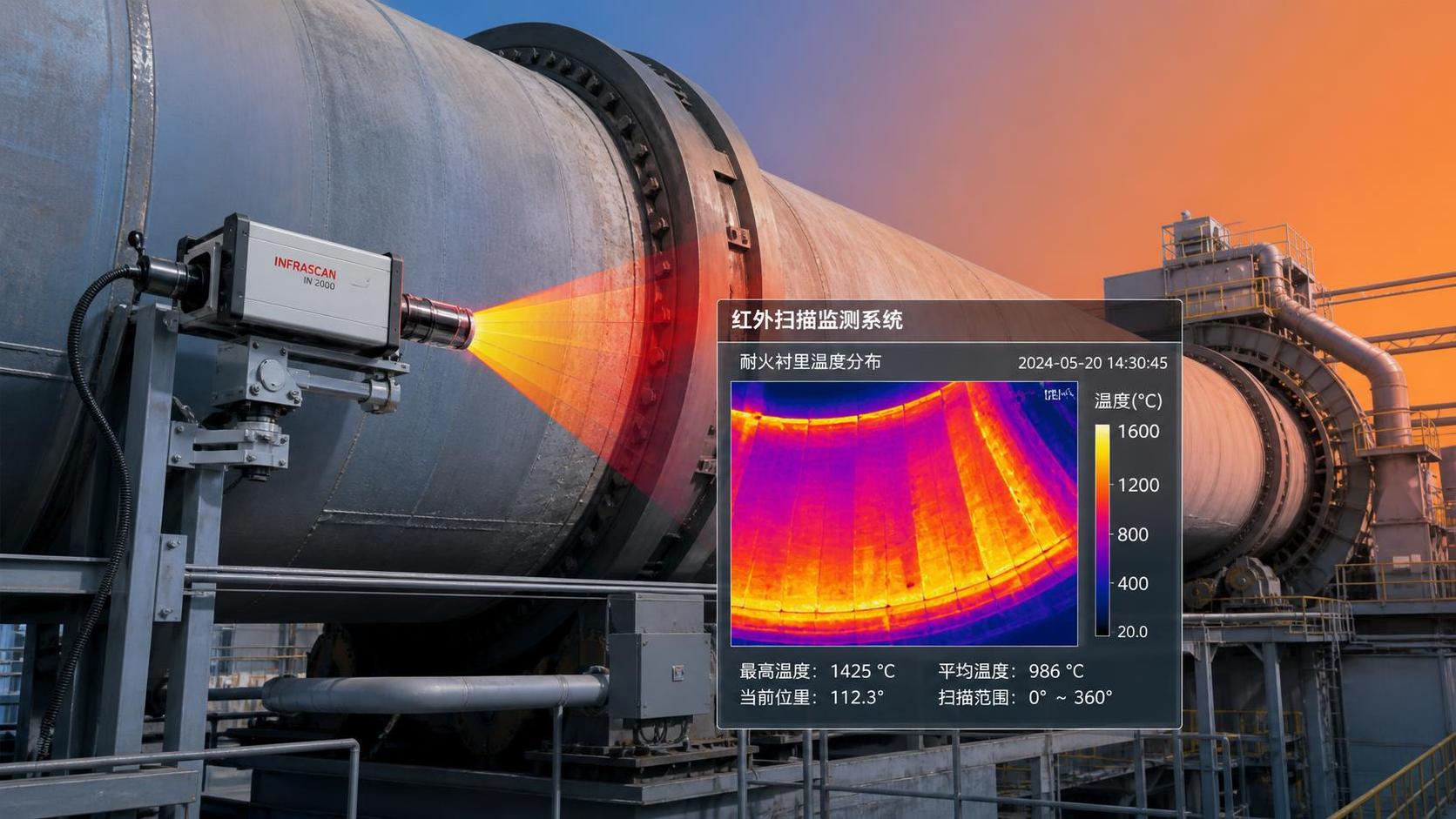
- Data systems should support trend analysis, batch traceability, predictive maintenance, and remote expert review.
Common references may include ISO management systems, EN or ASTM product testing methods, local emission permits, and electrical safety requirements for industrial equipment.
CF-Elite’s Strategic Intelligence Center tracks digital twin simulation, online refractory lining monitoring, co-processing evolution, and market regulation shifts for high-temperature industries.
Cost Drivers and Alternatives Evaluators Should Not Miss
The real cost of silicate industrial processes includes raw material conditioning, energy, refractory consumption, downtime, emissions treatment, water use, automation, and operator training.
Cost-sensitive alternatives to compare
- Improve preheating or waste heat recovery before increasing kiln size, especially when fuel price volatility is high.
- Use blended raw materials or recycled inputs only after testing alkali, sulfur, chlorine, and heavy metal impact.
- Upgrade control systems when process instability comes from delayed feedback rather than mechanical capacity limits.
- Select refractory lining based on chemical attack and thermal cycling, not only quoted brick price.
A structured alternative review can reduce investment mistakes. In many silicate industrial processes, a smaller retrofit may solve the bottleneck better than a full replacement.
FAQ: Practical Questions About Silicate Industrial Processes
How should evaluators choose between a new line and a retrofit?
Start with bottleneck diagnosis. If emissions, control response, or heat recovery causes losses, retrofitting may be practical. If geometry limits residence time, replacement may be justified.
Which kiln condition is most important for product quality?
No single variable is enough. Temperature uniformity, atmosphere, residence time, and cooling rate work together. Evaluators should request trend data, not just design targets.
Are alternative fuels suitable for all silicate industrial processes?
They can be valuable, especially for carbon and waste reduction strategies, but suitability depends on ash chemistry, feeding stability, calorific value, and emission treatment capability.
What is a common procurement mistake?
A common mistake is separating equipment price from process risk. Technical evaluators should request raw material assumptions, control philosophy, commissioning scope, and compliance boundaries.
Why Choose CF-Elite for Technical Evaluation Support?
CF-Elite supports technical evaluators who need to interpret silicate industrial processes across cement plants, glass manufacturing gear, industrial kilns, refractory lines, and extrusion systems.
Our intelligence links high-temperature physical parameters, chemical reaction kinetics, equipment architecture, and decarbonization strategy into decision-ready analysis for complex industrial procurement.
Consult us when you need clarity on:
- Parameter confirmation for kiln temperature profile, residence time, atmosphere control, and refractory lining selection.
- Product and process selection across rotary kilns, float lines, incineration systems, refractory firing, and extrusion equipment.
- Delivery cycle discussion, commissioning risk review, documentation requirements, and supplier comparison logic.
- Customized intelligence for certification expectations, emissions constraints, sample testing, or quotation communication.
If your team is evaluating silicate industrial processes for expansion, replacement, or green transformation, CF-Elite can help convert technical uncertainty into a practical decision path.
Related News
 Optical Glass Tech FellowHow to Evaluate a Glass Annealing Equipment Manufacturer for Production StabilityChoose a glass annealing equipment manufacturer with proven thermal uniformity, reliable controls, lifecycle value, and responsive service for stable production.Sep 08, 2026
 Prof. Marcus ChenThermal Energy Architecture in North America: Strategies for Lower Building Energy UseThermal energy architecture North America helps project leaders cut building energy use through stronger envelopes, right-sized HVAC, storage, and smart commissioning.Sep 07, 2026
 Ms. Elena RodriguezHow Should Buyers Evaluate Building Material Industry Intelligence Pricing?Building material industry intelligence pricing: learn how to compare coverage, technical depth, and ROI to choose intelligence that reduces procurement risk.Sep 07, 2026
 Ms. Elena RodriguezHow to Use Building Material Intelligence Data for Market and Investment DecisionsBuilding material industry intelligence data helps leaders evaluate demand, costs, regulation, capacity, and technology to make smarter market and investment decisions.Sep 05, 2026
 Thermal Energy ArchitectHow PLC Control Improves Energy Efficiency and Temperature Stability in KilnsEnergy efficient kilns PLC control improves temperature stability, cuts fuel waste, and optimizes combustion, draft, and material flow. Explore proven strategies for smarter kiln modernization.Sep 04, 2026
 Optical Glass Tech FellowEuropean Glass Melting Processes: Furnace Choices, Energy Use, and Quality ControlGlass melting process Europe: explore furnace choices, energy efficiency, cullet strategy, and quality control to improve output, compliance, and long-term glass performance.Sep 03, 2026
 Thermal Energy ArchitectWhat Determines Refractory Lining Monitoring Price for Industrial Kilns?Refractory lining monitoring price depends on kiln size, sensor technology, installation, software, and support. Compare total lifecycle costs and choose the right solution.Sep 02, 2026
 Silicate Process EngineerCement Production System Costs: A Plant Buyer’s Guide to Budgeting and ROICement production systems cost planning made clear: compare CAPEX, operating costs, compliance, and ROI to build a resilient, profitable cement plant investment.Sep 01, 2026
 Dr. Alistair VaughnWhat Should a Process Technology Database Track for High-Temperature Plants?Process technology database essentials for high-temperature plants: track thermal profiles, feed chemistry, refractory wear, emissions, energy, and maintenance for safer, data-driven decisions.Aug 31, 2026
 Ms. Elena RodriguezHow to Evaluate a Silicate Processing Equipment Manufacturer for Plant ProjectsSilicate processing equipment manufacturer selection: assess process fit, guarantees, energy, compliance, delivery risk, and lifecycle support for dependable plant performance.Aug 30, 2026
 Dr. Alistair VaughnHow to Specify Custom Agricultural Processing Equipment for Throughput and HygieneEquipment customization services for agricultural processing: learn to specify hygienic, high-throughput lines that improve yield, reliability, and long-term efficiency.Aug 29, 2026
 Dr. Alistair VaughnHow to Select Process Plant Equipment for High-Temperature, Abrasive Production LinesProcess plant equipment selection for high-temperature, abrasive lines: reduce downtime, improve durability, and optimize lifecycle performance.Aug 28, 2026
 Silicate Process EngineerHow Kiln Heat Recovery Systems Cut Fuel Use in Cement and Lime ProductionKiln heat recovery helps cement and lime plants cut fuel use, improve thermal stability, and build practical, reliable decarbonization strategies.Aug 27, 2026
 Ms. Elena RodriguezProcess Equipment Comparison: Which Metrics Matter Most for Reliable Selection?Process equipment comparison made practical: discover which metrics truly drive reliable selection, from energy efficiency and control stability to wear life, maintainability, and uptime.Aug 26, 2026
 Ms. Elena RodriguezWhat Buyers Should Check Before Sourcing Precision Alloy Bars for Critical PartsPrecision Alloy Bars buyers should verify grade, chemistry, tolerances, surface quality, traceability, and lead time before sourcing for critical parts. Learn what prevents costly machining and reliability risks.Aug 27, 2026
 Ms. Elena RodriguezHow to Evaluate Thermal Management Solutions Insulation for High-Heat Industrial SystemsThermal management solutions insulation: learn how to assess high-heat industrial systems by thermal performance, durability, lifecycle cost, and supplier data for smarter decisions.Aug 25, 2026
 Ms. Elena RodriguezWhat Drives Waste Recycling Cost in Industrial Projects and How to Estimate It?Waste recycling cost in industrial projects depends on composition, moisture, transport, pre-treatment, and compliance. Learn how to estimate it accurately and compare suppliers with confidence.Aug 24, 2026
 Silicate Process EngineerHow to Evaluate Cement Production Plants in the Middle East for Capacity, Fuel Flexibility, and ROIcement production plants Middle East: Learn how to assess true capacity, fuel flexibility, and ROI risks to identify resilient assets and smarter investment opportunities.Aug 23, 2026
 Structural Material AnalystHow to Evaluate Lightweight Material Machinery for Output, Energy Use, and Product QualityLightweight material machinery evaluation guide: compare stable output, energy use, and product quality to choose equipment that cuts waste, lowers costs, and improves production confidence.Aug 22, 2026
 Material Heat-Resist ExpertWhat Determines Refractory Production Line Price in a Turnkey Plant Project?Refractory production line price depends on raw materials, forming method, kiln and drying design, automation, utilities, and scope. Learn what really drives turnkey plant cost before you invest.Aug 21, 2026

Related News
- 00
0000-00
How PLC Control Improves Energy Efficiency and Temperature Stability in Kilns - 00
0000-00
What Determines Refractory Lining Monitoring Price for Industrial Kilns? - 00
0000-00
How Digital Twin Simulations Help Kiln Operators Cut Fuel Use and Stabilize Output - 00
0000-00
What to Evaluate in a Rotary Kiln Technology Manufacturer for High-Temperature Process Projects - 00
0000-00
How to Evaluate an Incineration Equipment Exporter for Compliance, Capacity, and After-Sales Support
Weekly Insights
Stay ahead with our curated technology reports delivered every Monday.