
Why industrial kiln design fails under heat stress




Why does industrial kiln design so often break down under heat stress despite advanced materials and controls? For technical evaluators, the answer lies in the interaction of thermal gradients, refractory behavior, structural expansion, and process instability. This article examines the hidden failure mechanisms that undermine kiln reliability, energy efficiency, and lifecycle performance in demanding high-temperature operations.
Why a checklist matters in industrial kiln design
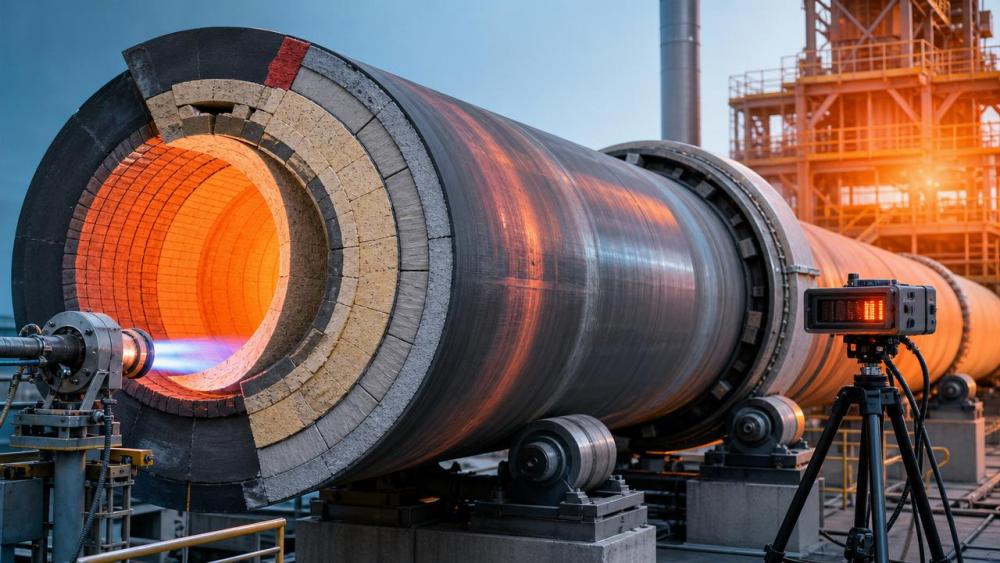
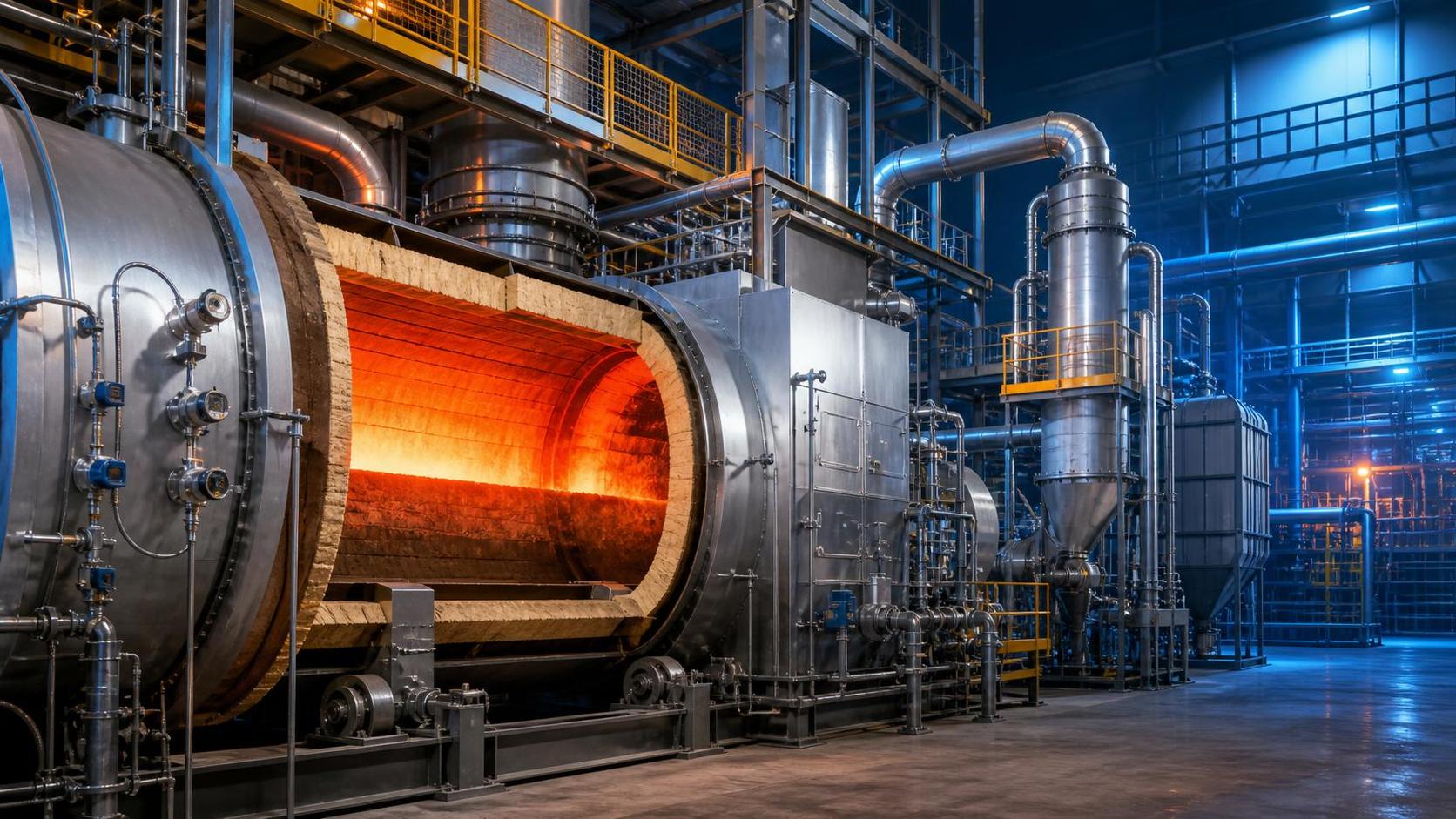
Heat-stress failure rarely comes from one bad part. In industrial kiln design, breakdowns usually emerge from small mismatches across shell geometry, refractory selection, burner tuning, airflow, load pattern, and thermal cycling.
A checklist forces disciplined review before damage appears. It turns abstract thermal risk into verifiable points, helping compare designs, retrofits, and operating envelopes across cement, glass, refractory, waste treatment, and extrusion systems.
This approach also supports broader industrial goals. Better industrial kiln design reduces fuel waste, protects lining life, lowers unplanned shutdowns, and supports carbon reduction through stable combustion and tighter process control.
Core checklist: what to verify before heat stress causes failure
- Map thermal gradients across the kiln shell, refractory hot face, backup layer, and support zones to identify localized overheating before mechanical distortion develops.
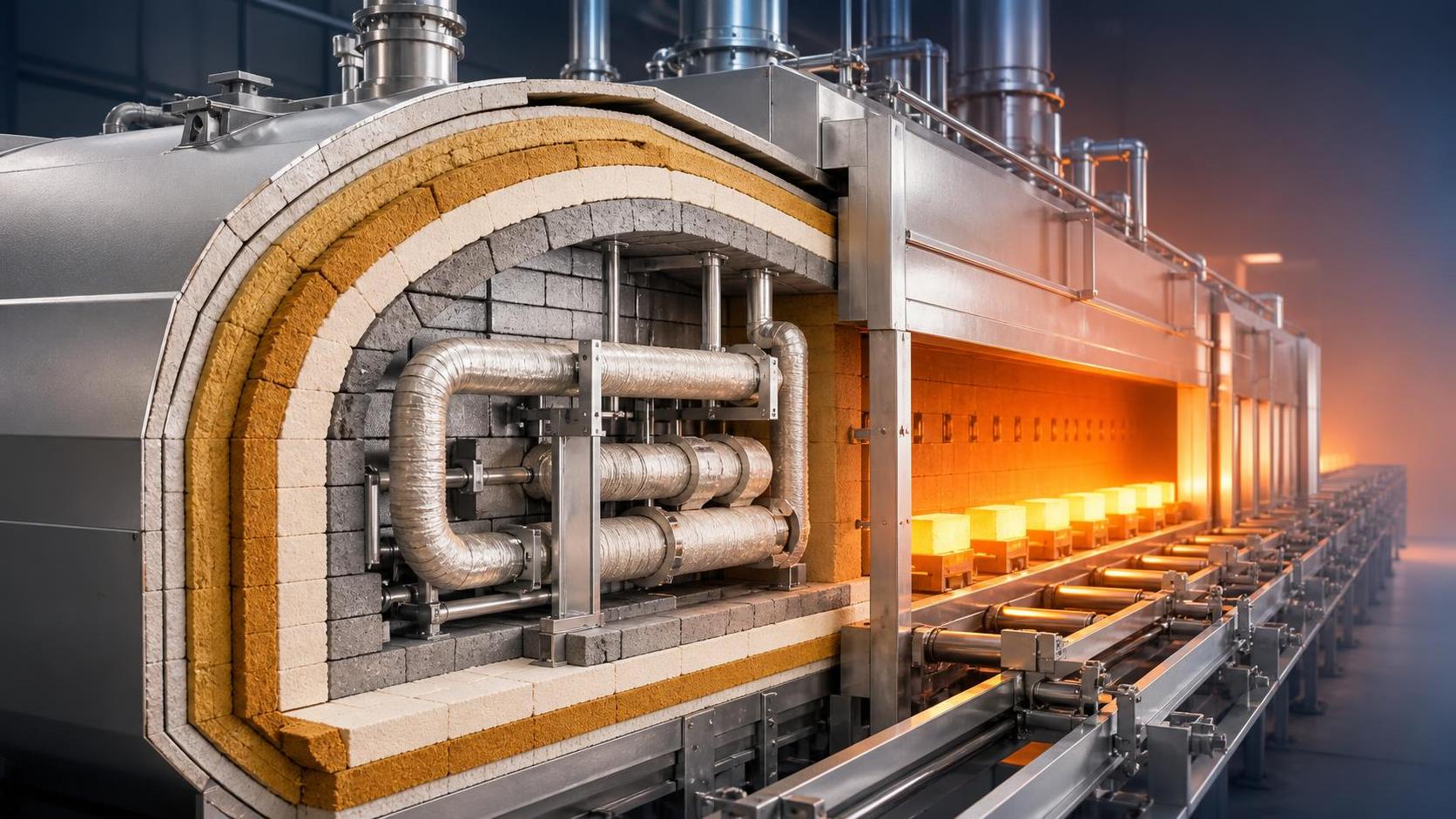
- Confirm refractory compatibility with peak temperature, alkali load, abrasion, redox swings, and cycling frequency rather than relying only on nominal maximum service temperature.
- Calculate differential expansion between steel shell, anchors, castables, bricks, and support structures so restraint points do not convert thermal growth into cracking stress.
- Check burner flame shape, momentum, and impingement angle to prevent hot spots, asymmetric heating, and unstable heat transfer near transition sections.
- Review coating formation assumptions because unstable coating can expose refractory, alter emissivity, and shift internal heat distribution faster than the control loop can react.
- Verify shell roundness, tire alignment, and support roller condition since mechanical eccentricity amplifies thermal stress and accelerates lining fatigue under rotating operation.
- Assess feed uniformity, particle size, moisture, and bulk chemistry because process variability often creates transient heat stress that design calculations never included.
- Measure gas flow distribution and secondary air leakage to avoid cold infiltration, oxidation imbalance, and uneven convective loading inside the kiln body.
- Specify expansion joints, anchor spacing, and installation tolerances carefully because good materials still fail when installation prevents controlled thermal movement.
- Model startup, shutdown, and upset conditions separately because industrial kiln design often survives steady state but fails during ramps and emergency cooling events.
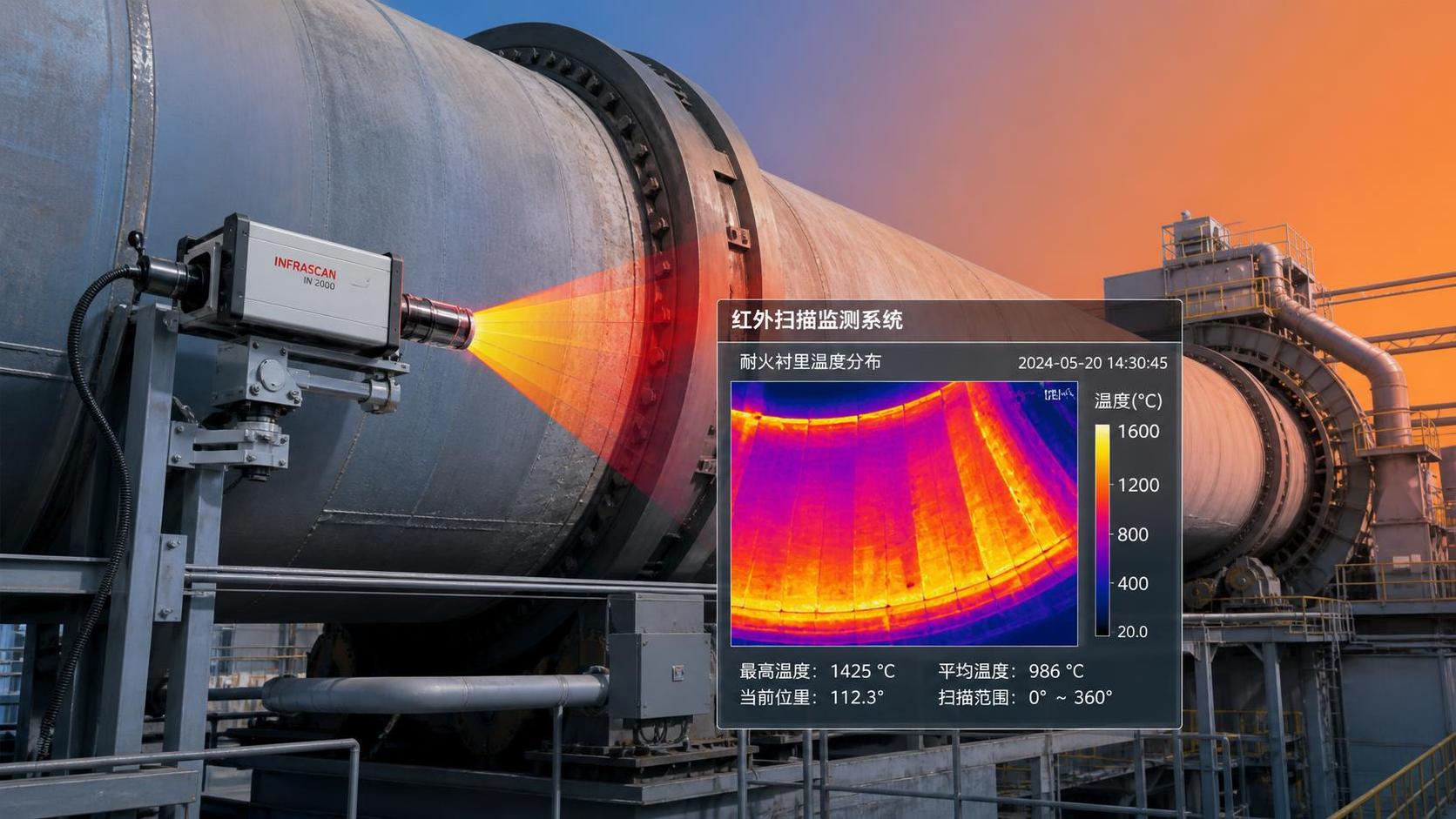
- Integrate shell scanners, infrared monitoring, pressure trends, and refractory thickness inspection so thermal damage is tracked as a progression, not discovered as a collapse.
- Compare energy efficiency targets with durability margins since aggressive heat flux optimization can shorten service life when refractory reserves become too thin.
Where industrial kiln design fails in different operating scenarios
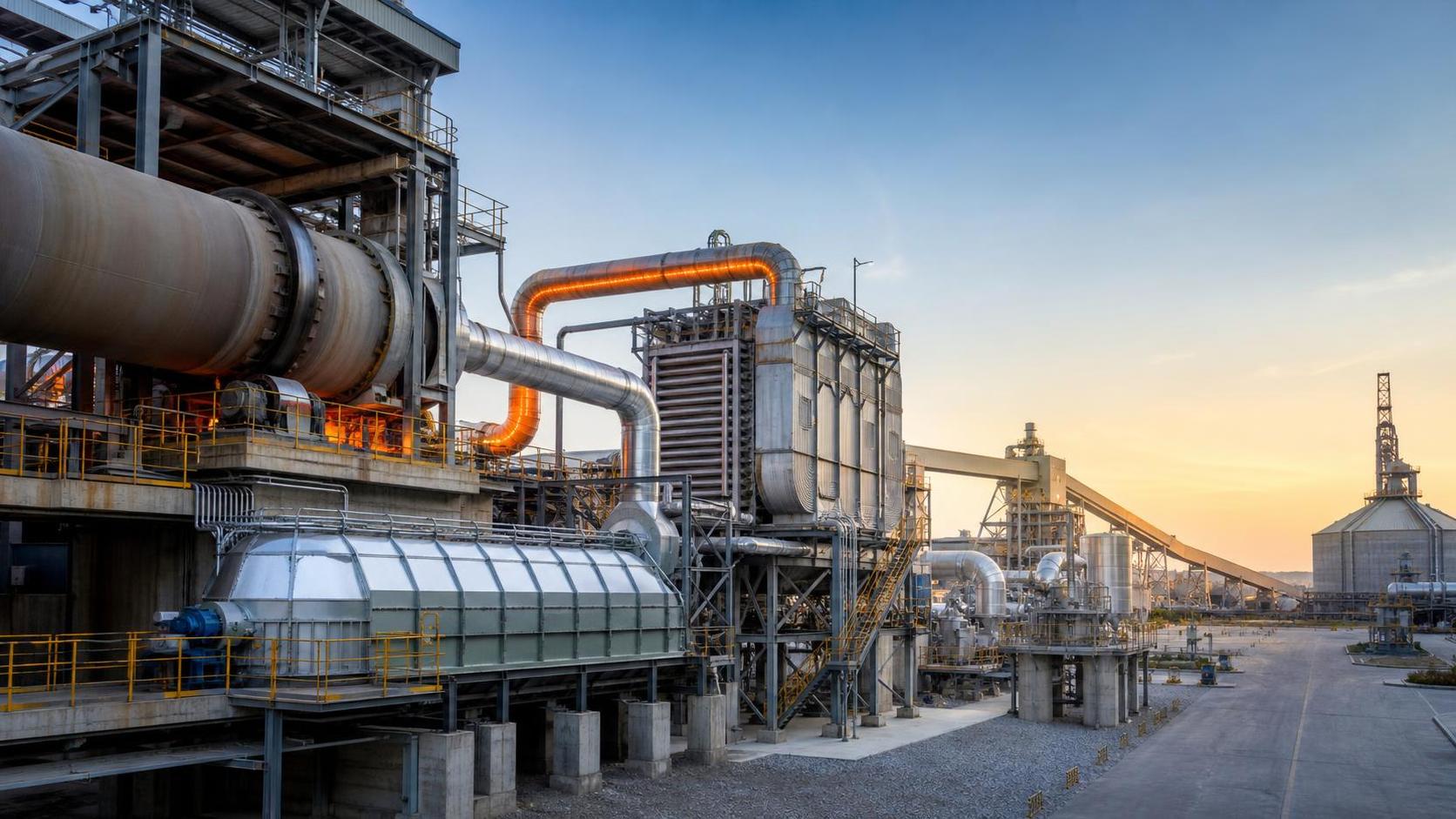
Rotary kilns in cement and mineral processing
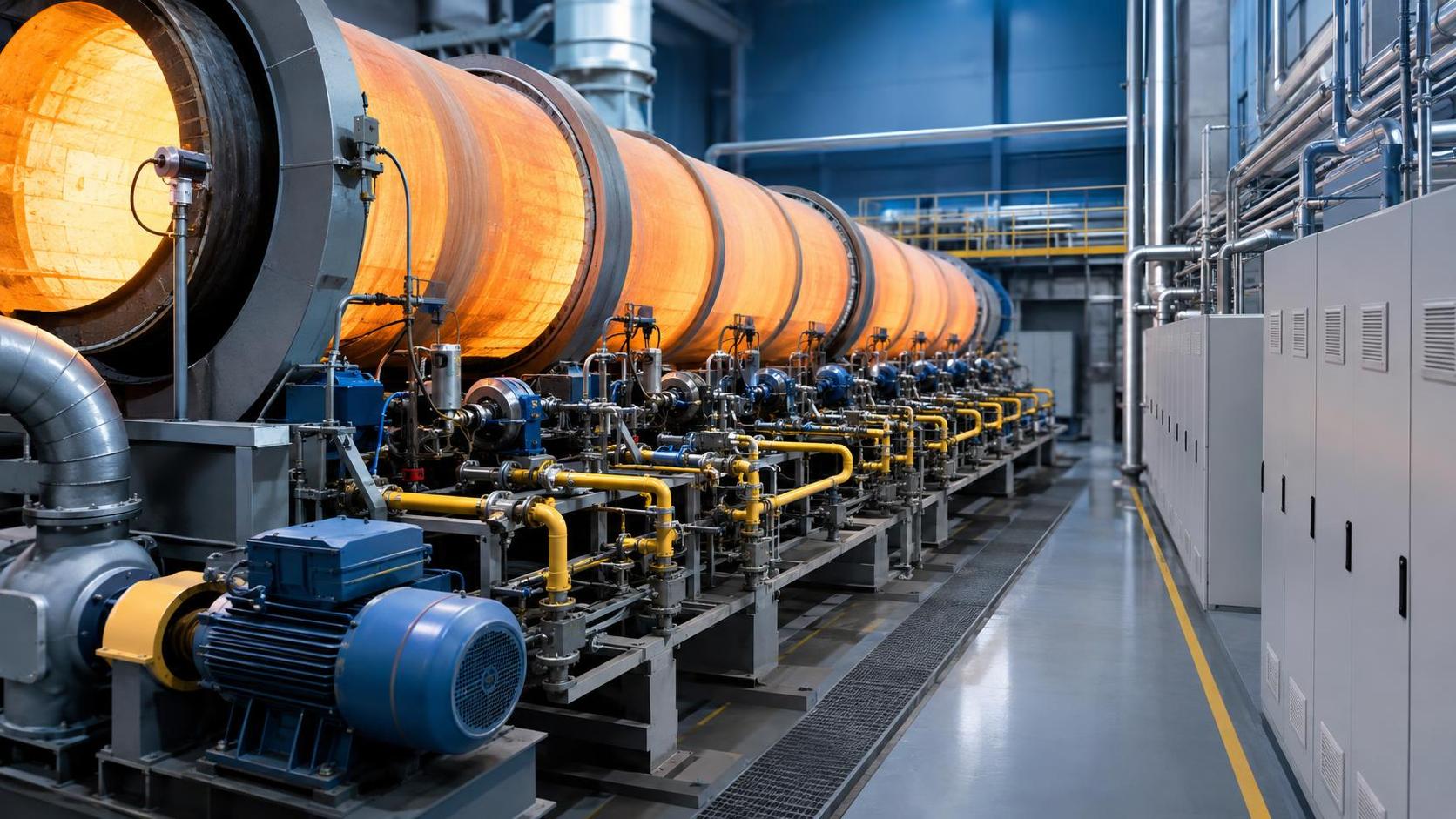
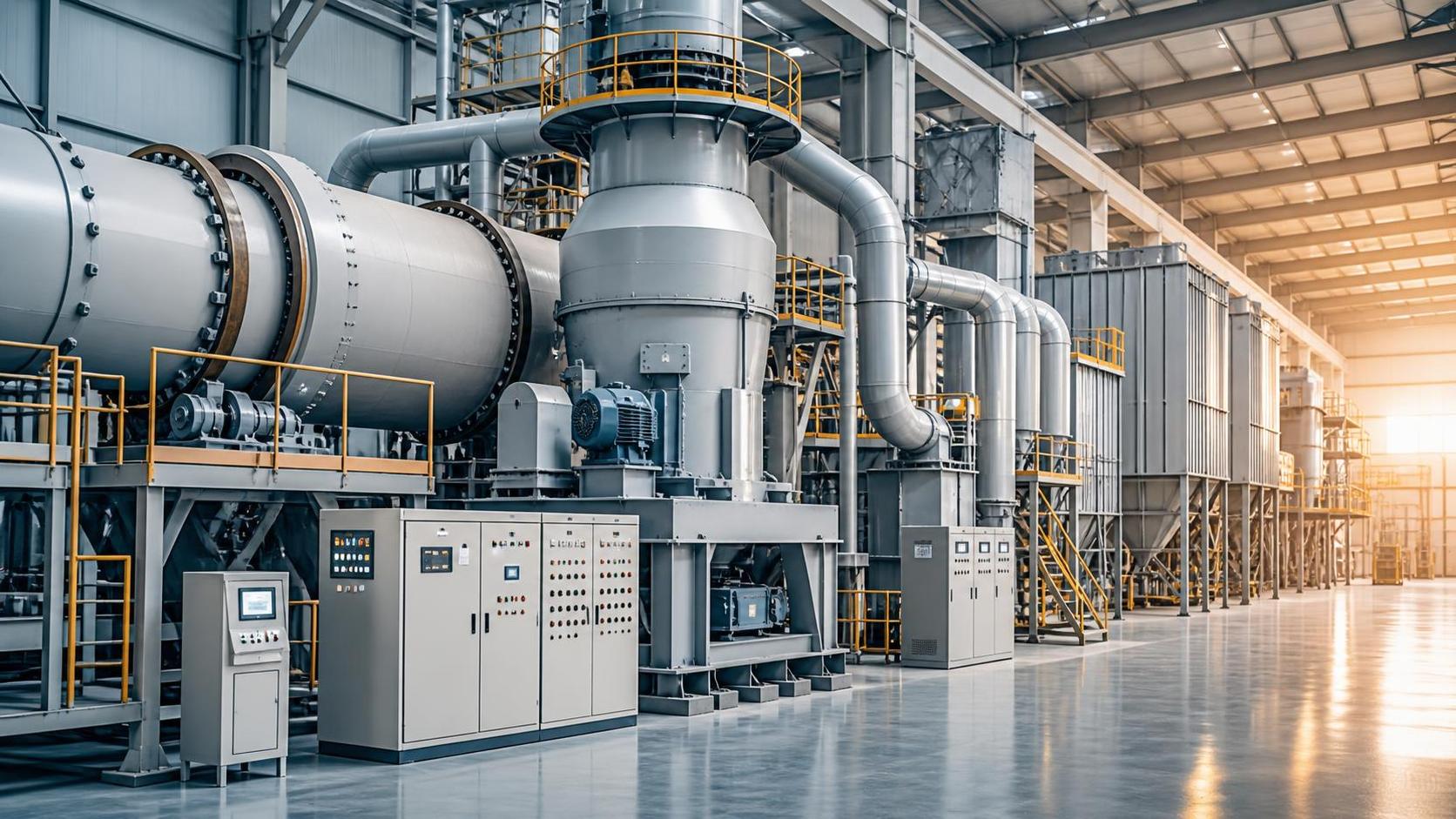
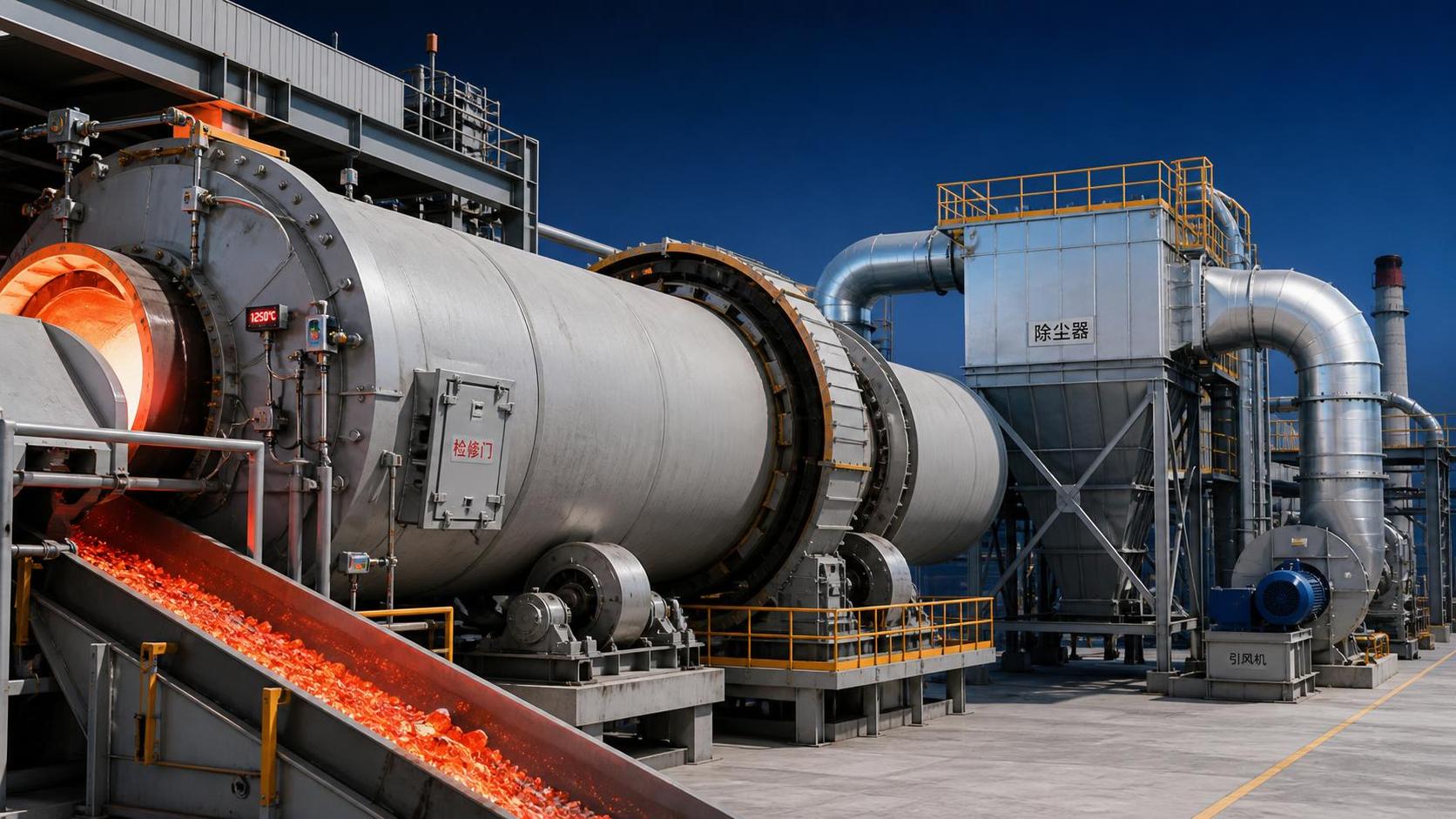
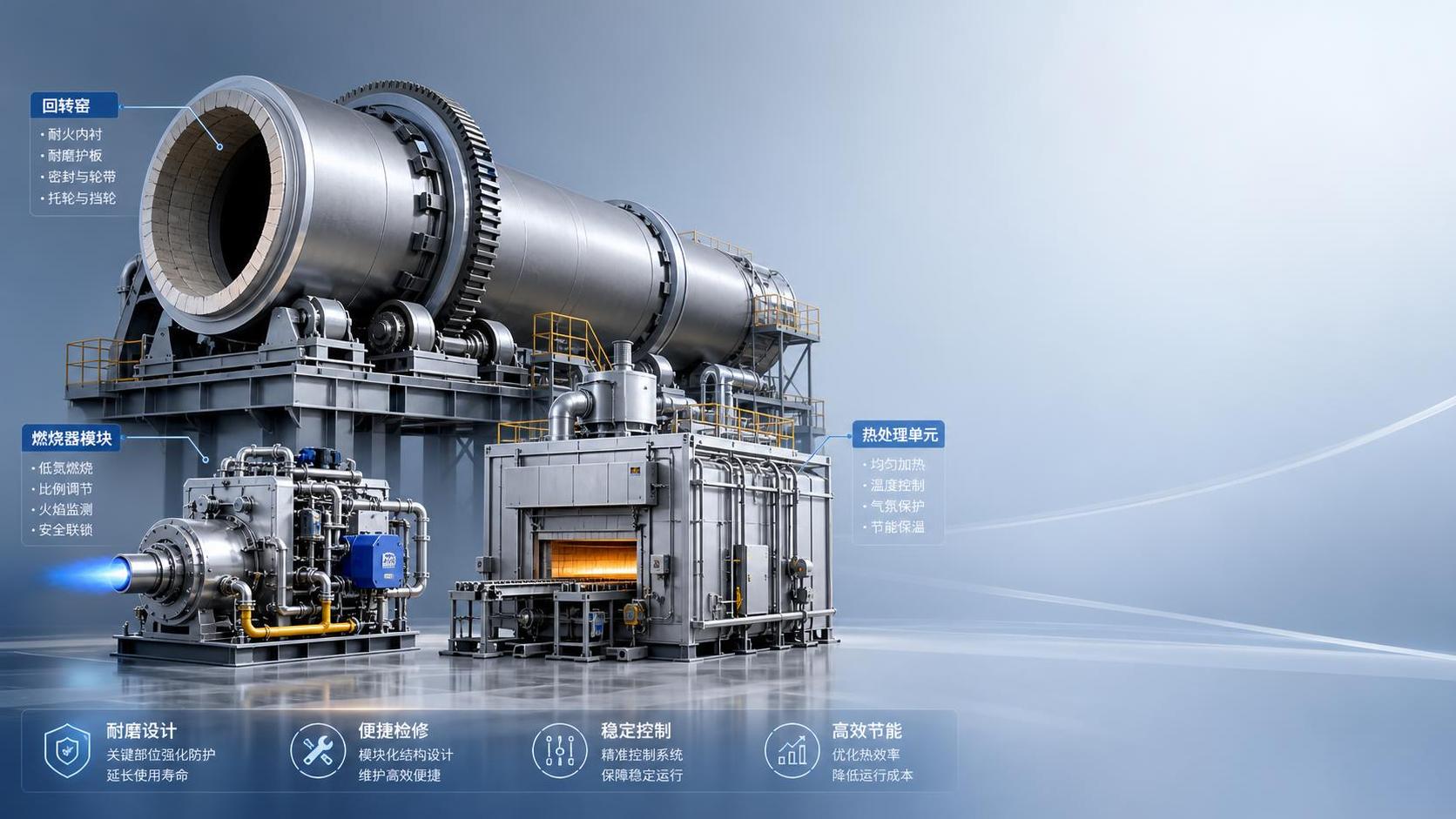
In rotary systems, the classic mistake is treating thermal and mechanical design as separate disciplines. Ovality, tire migration, shell creep, and refractory stress influence each other continuously.
When feed chemistry changes, coating behavior changes too. Industrial kiln design then loses its assumed thermal shield, exposing the burning zone to heat flux the lining was never sized to absorb.
Glass melting and annealing equipment
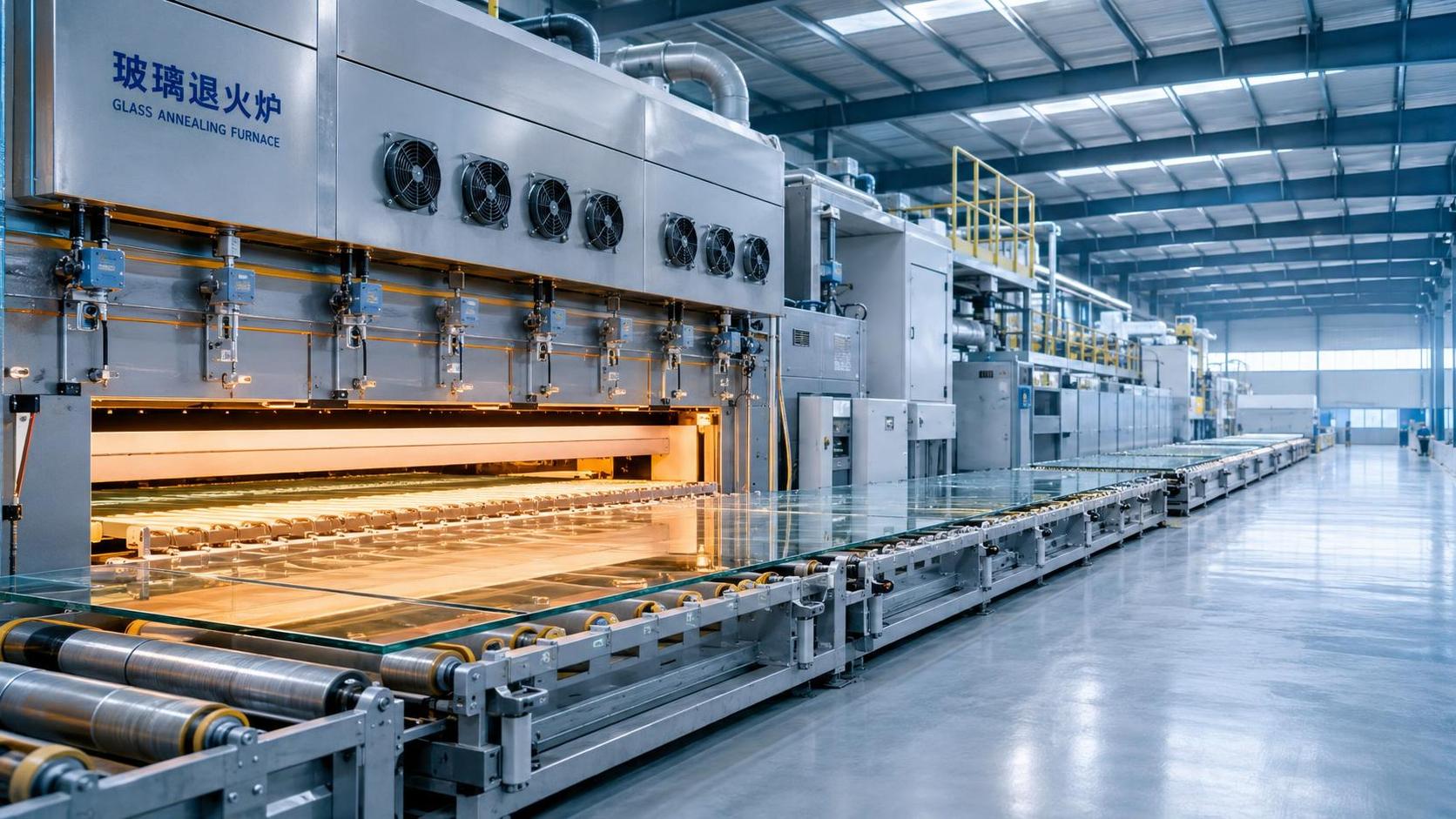
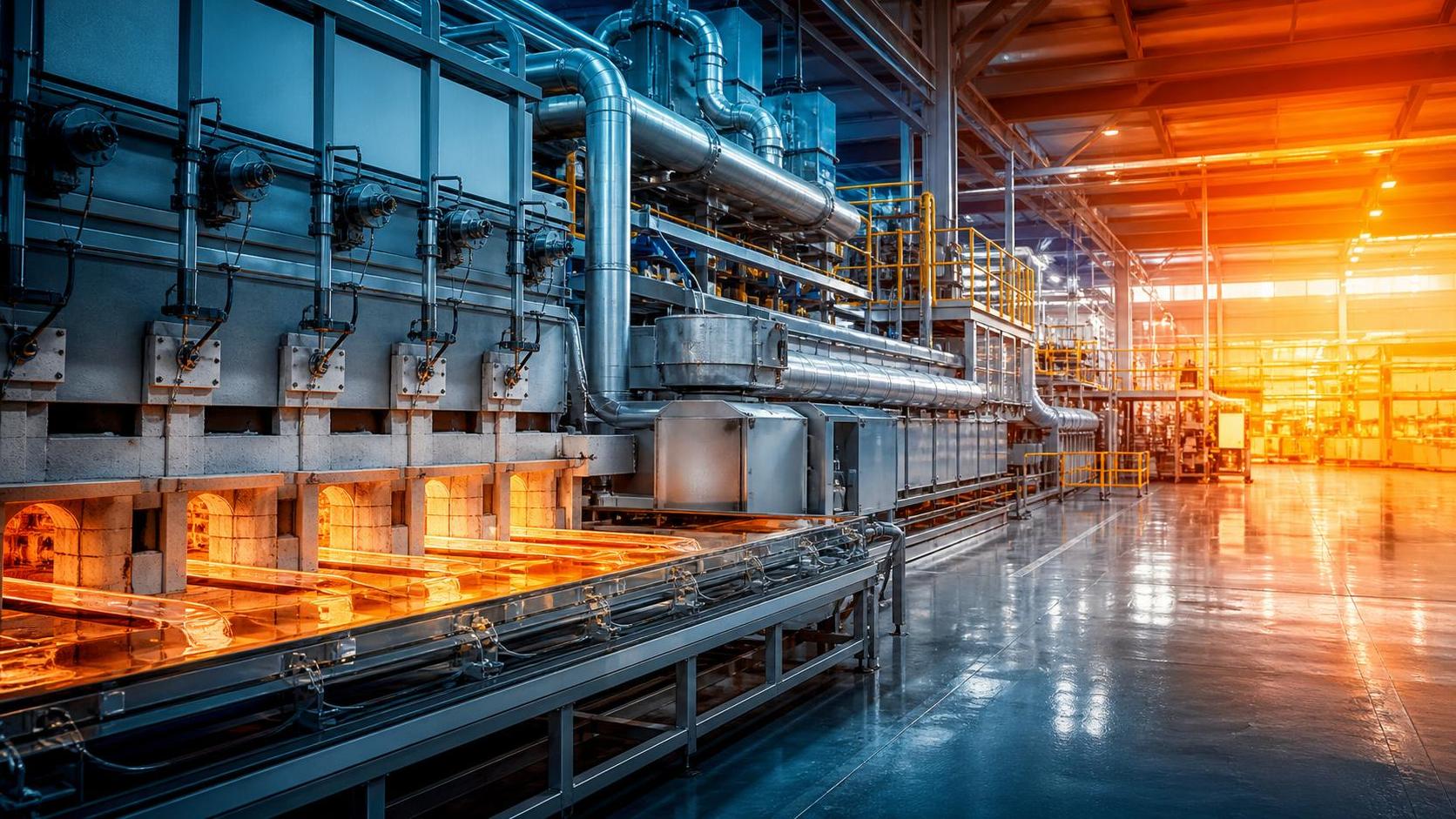
Glass furnaces face slower but highly persistent thermal stress. Crown areas, sidewalls, and throat sections suffer from chemical corrosion plus temperature imbalance, not just absolute heat level.
Here, industrial kiln design fails when expansion allowances are too conservative or combustion zoning is too coarse. Small asymmetries can distort heat profiles and degrade product quality before structural alarms appear.
Industrial incineration and waste-to-energy lines
Incineration systems operate with volatile feed, chlorine, sulfur, ash, and abrupt calorific swings. Thermal stress is therefore linked to chemical attack, slag adhesion, and corrosive gas episodes.
Industrial kiln design often fails here by underestimating upset frequency. A refractory that survives average conditions may still spall rapidly when waste composition drives repeated shock cycles.
Refractory production and material extrusion heating zones
These applications demand thermal uniformity for dimensional stability and material performance. Overdesigned peak heat can be as harmful as underheating if it creates uneven shrinkage or internal stress.
In such systems, industrial kiln design benefits from close coupling between thermal simulation, airflow balancing, and product residence time rather than chasing temperature alone.
Commonly overlooked risks that trigger heat-stress failure
- Ignoring transient states. Most severe cracking appears during heating ramps, fuel switches, coating loss, or emergency stops instead of during steady production.
- Trusting average temperature data. Mean values hide local peaks, while industrial kiln design usually fails at the hottest restrained location, not at the process average.
- Separating mechanical maintenance from thermal diagnosis. Misalignment, shell runout, and roller defects can turn manageable heat load into concentrated refractory failure.
- Assuming stronger materials solve everything. High-grade refractories still crack if anchor design, expansion gaps, or curing practice are wrong.
- Optimizing for fuel efficiency only. Pushing excess heat transfer may lower specific energy use briefly but can raise shell temperature and shorten campaign life.
- Neglecting monitoring integration. Separate sensors without trend correlation cannot explain whether thermal stress comes from combustion, feed disturbance, or structural movement.
Practical execution steps to strengthen industrial kiln design
Start with a failure map, not a material catalog. List every zone where temperature, chemistry, mechanical load, and movement intersect. That exposes the real design limits.
Run separate evaluations for steady operation, startup, shutdown, and upset recovery. A resilient industrial kiln design must survive the full thermal journey, not only the nameplate condition.
Use instrumentation that supports decisions. Shell scanners, burner imaging, pressure balance records, and refractory thickness checks should feed one review process, not isolated reports.
Tie process data to maintenance windows. Repeated hot spots, changing ovality, or sudden air leakage trends should trigger planned correction before refractory collapse or shell damage escalates.
Apply digital simulation carefully. Thermal models are valuable only when updated with actual operating data, coating behavior, combustion variation, and measured material properties.
For organizations tracking high-temperature industries globally, the strongest industrial kiln design decisions come from combining field inspection, process analytics, and cross-sector intelligence on lining systems, combustion, and decarbonization trends.
Conclusion and next action
Industrial kiln design fails under heat stress when thermal gradients, structural expansion, refractory behavior, and process instability are reviewed in isolation. The damage may appear sudden, but the causes usually accumulate slowly.
The most effective next step is to audit one kiln zone using the checklist above. Verify thermal mapping, movement allowance, combustion balance, refractory fit, and transient risk together.
That disciplined review improves reliability, energy efficiency, and campaign life while supporting lower emissions. In high-temperature operations, better industrial kiln design begins with better structured judgment.
Related News
 Optical Glass Tech FellowHow to Evaluate a Glass Annealing Equipment Manufacturer for Production StabilityChoose a glass annealing equipment manufacturer with proven thermal uniformity, reliable controls, lifecycle value, and responsive service for stable production.Sep 08, 2026
 Prof. Marcus ChenThermal Energy Architecture in North America: Strategies for Lower Building Energy UseThermal energy architecture North America helps project leaders cut building energy use through stronger envelopes, right-sized HVAC, storage, and smart commissioning.Sep 07, 2026
 Ms. Elena RodriguezHow Should Buyers Evaluate Building Material Industry Intelligence Pricing?Building material industry intelligence pricing: learn how to compare coverage, technical depth, and ROI to choose intelligence that reduces procurement risk.Sep 07, 2026
 Ms. Elena RodriguezHow to Use Building Material Intelligence Data for Market and Investment DecisionsBuilding material industry intelligence data helps leaders evaluate demand, costs, regulation, capacity, and technology to make smarter market and investment decisions.Sep 05, 2026
 Thermal Energy ArchitectHow PLC Control Improves Energy Efficiency and Temperature Stability in KilnsEnergy efficient kilns PLC control improves temperature stability, cuts fuel waste, and optimizes combustion, draft, and material flow. Explore proven strategies for smarter kiln modernization.Sep 04, 2026
 Optical Glass Tech FellowEuropean Glass Melting Processes: Furnace Choices, Energy Use, and Quality ControlGlass melting process Europe: explore furnace choices, energy efficiency, cullet strategy, and quality control to improve output, compliance, and long-term glass performance.Sep 03, 2026
 Thermal Energy ArchitectWhat Determines Refractory Lining Monitoring Price for Industrial Kilns?Refractory lining monitoring price depends on kiln size, sensor technology, installation, software, and support. Compare total lifecycle costs and choose the right solution.Sep 02, 2026
 Silicate Process EngineerCement Production System Costs: A Plant Buyer’s Guide to Budgeting and ROICement production systems cost planning made clear: compare CAPEX, operating costs, compliance, and ROI to build a resilient, profitable cement plant investment.Sep 01, 2026
 Dr. Alistair VaughnWhat Should a Process Technology Database Track for High-Temperature Plants?Process technology database essentials for high-temperature plants: track thermal profiles, feed chemistry, refractory wear, emissions, energy, and maintenance for safer, data-driven decisions.Aug 31, 2026
 Ms. Elena RodriguezHow to Evaluate a Silicate Processing Equipment Manufacturer for Plant ProjectsSilicate processing equipment manufacturer selection: assess process fit, guarantees, energy, compliance, delivery risk, and lifecycle support for dependable plant performance.Aug 30, 2026
 Dr. Alistair VaughnHow to Specify Custom Agricultural Processing Equipment for Throughput and HygieneEquipment customization services for agricultural processing: learn to specify hygienic, high-throughput lines that improve yield, reliability, and long-term efficiency.Aug 29, 2026
 Dr. Alistair VaughnHow to Select Process Plant Equipment for High-Temperature, Abrasive Production LinesProcess plant equipment selection for high-temperature, abrasive lines: reduce downtime, improve durability, and optimize lifecycle performance.Aug 28, 2026
 Silicate Process EngineerHow Kiln Heat Recovery Systems Cut Fuel Use in Cement and Lime ProductionKiln heat recovery helps cement and lime plants cut fuel use, improve thermal stability, and build practical, reliable decarbonization strategies.Aug 27, 2026
 Ms. Elena RodriguezProcess Equipment Comparison: Which Metrics Matter Most for Reliable Selection?Process equipment comparison made practical: discover which metrics truly drive reliable selection, from energy efficiency and control stability to wear life, maintainability, and uptime.Aug 26, 2026
 Ms. Elena RodriguezWhat Buyers Should Check Before Sourcing Precision Alloy Bars for Critical PartsPrecision Alloy Bars buyers should verify grade, chemistry, tolerances, surface quality, traceability, and lead time before sourcing for critical parts. Learn what prevents costly machining and reliability risks.Aug 27, 2026
 Ms. Elena RodriguezHow to Evaluate Thermal Management Solutions Insulation for High-Heat Industrial SystemsThermal management solutions insulation: learn how to assess high-heat industrial systems by thermal performance, durability, lifecycle cost, and supplier data for smarter decisions.Aug 25, 2026
 Ms. Elena RodriguezWhat Drives Waste Recycling Cost in Industrial Projects and How to Estimate It?Waste recycling cost in industrial projects depends on composition, moisture, transport, pre-treatment, and compliance. Learn how to estimate it accurately and compare suppliers with confidence.Aug 24, 2026
 Silicate Process EngineerHow to Evaluate Cement Production Plants in the Middle East for Capacity, Fuel Flexibility, and ROIcement production plants Middle East: Learn how to assess true capacity, fuel flexibility, and ROI risks to identify resilient assets and smarter investment opportunities.Aug 23, 2026
 Structural Material AnalystHow to Evaluate Lightweight Material Machinery for Output, Energy Use, and Product QualityLightweight material machinery evaluation guide: compare stable output, energy use, and product quality to choose equipment that cuts waste, lowers costs, and improves production confidence.Aug 22, 2026
 Material Heat-Resist ExpertWhat Determines Refractory Production Line Price in a Turnkey Plant Project?Refractory production line price depends on raw materials, forming method, kiln and drying design, automation, utilities, and scope. Learn what really drives turnkey plant cost before you invest.Aug 21, 2026

Related News
- 00
0000-00
How PLC Control Improves Energy Efficiency and Temperature Stability in Kilns - 00
0000-00
What Determines Refractory Lining Monitoring Price for Industrial Kilns? - 00
0000-00
How Digital Twin Simulations Help Kiln Operators Cut Fuel Use and Stabilize Output - 00
0000-00
What to Evaluate in a Rotary Kiln Technology Manufacturer for High-Temperature Process Projects - 00
0000-00
How to Evaluate an Incineration Equipment Exporter for Compliance, Capacity, and After-Sales Support
Weekly Insights
Stay ahead with our curated technology reports delivered every Monday.