
How high-temp material processing cuts energy loss




For technical evaluators, high-temp material processing now sits at the center of energy performance. It shapes fuel demand, heat retention, product uniformity, and emissions across heavy thermal industries.
In cement, glass, kilns, refractories, and extrusion systems, losses rarely come from one dramatic failure. They usually emerge from many small thermal mismatches and control gaps.
That is why high-temp material processing deserves closer assessment. Better furnace geometry, insulation, combustion tuning, and data visibility can reduce hidden energy waste without sacrificing output stability.
For platforms such as CF-Elite, this topic matters because thermal efficiency is not only an operating metric. It is also a strategic link between process design, carbon reduction, and equipment lifecycle value.
What high-temp material processing means in energy terms
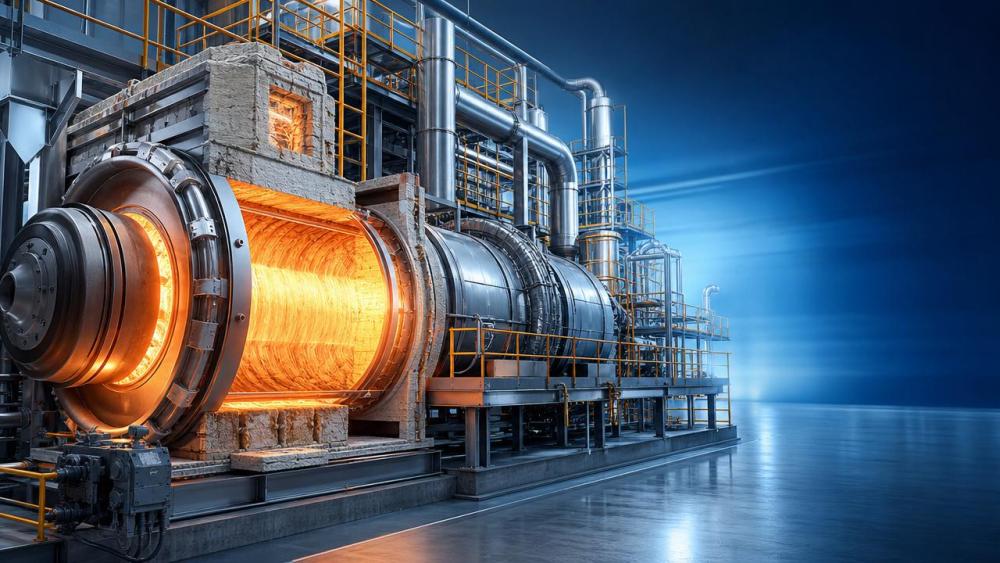
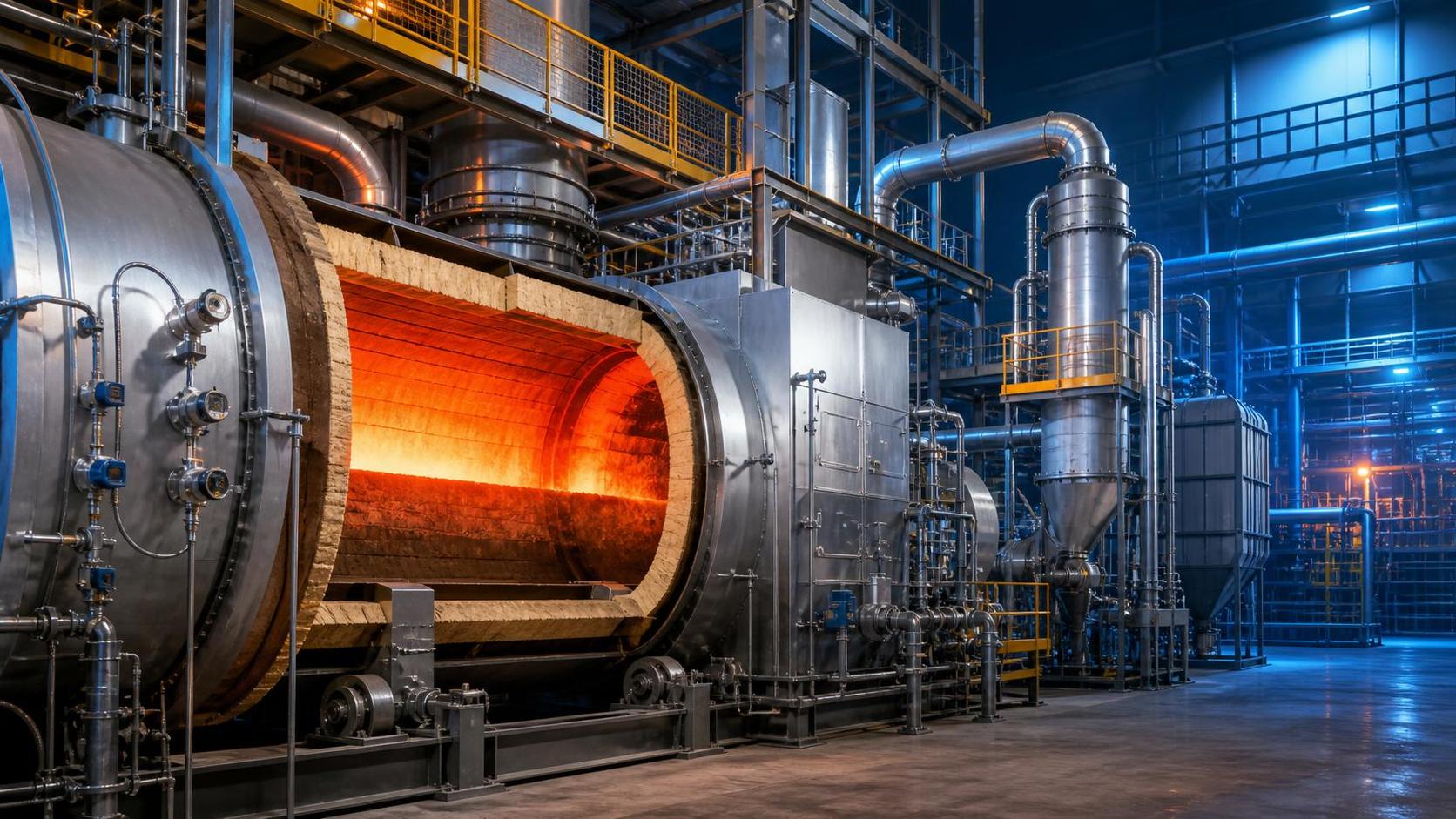
High-temp material processing refers to production steps where solids, melts, or semi-plastic materials undergo heating, reaction, shaping, or thermal treatment at elevated temperatures.
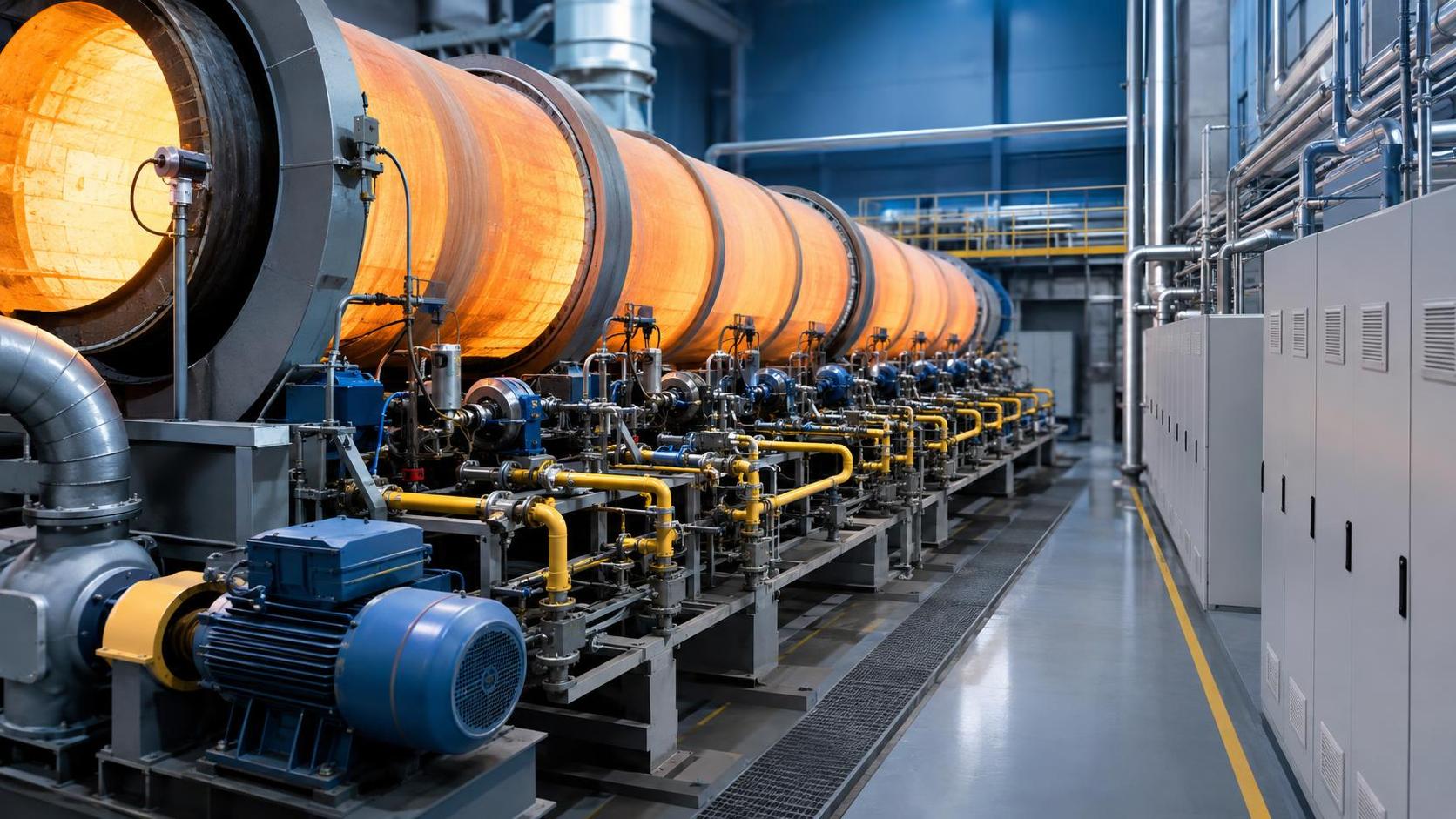
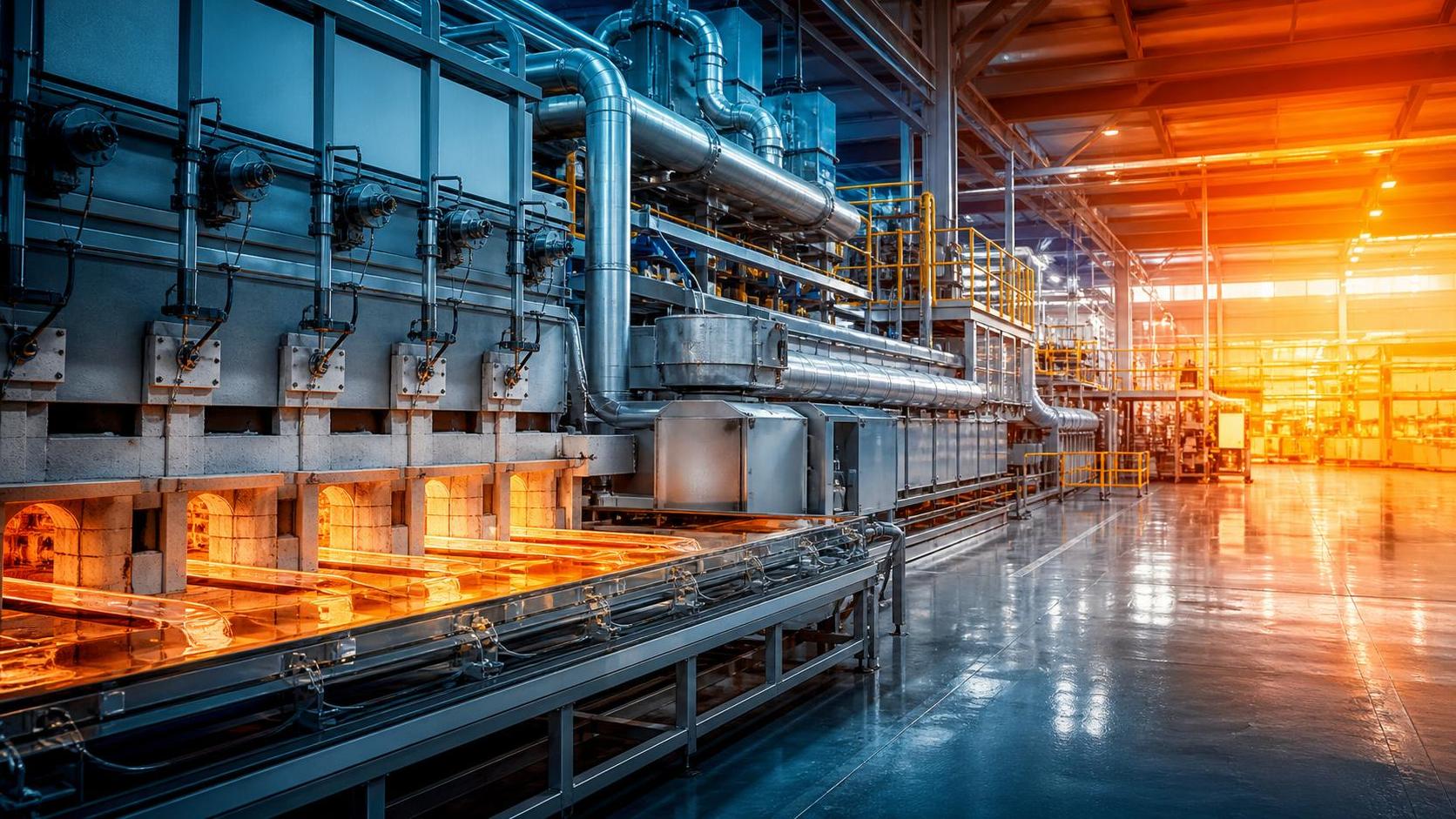
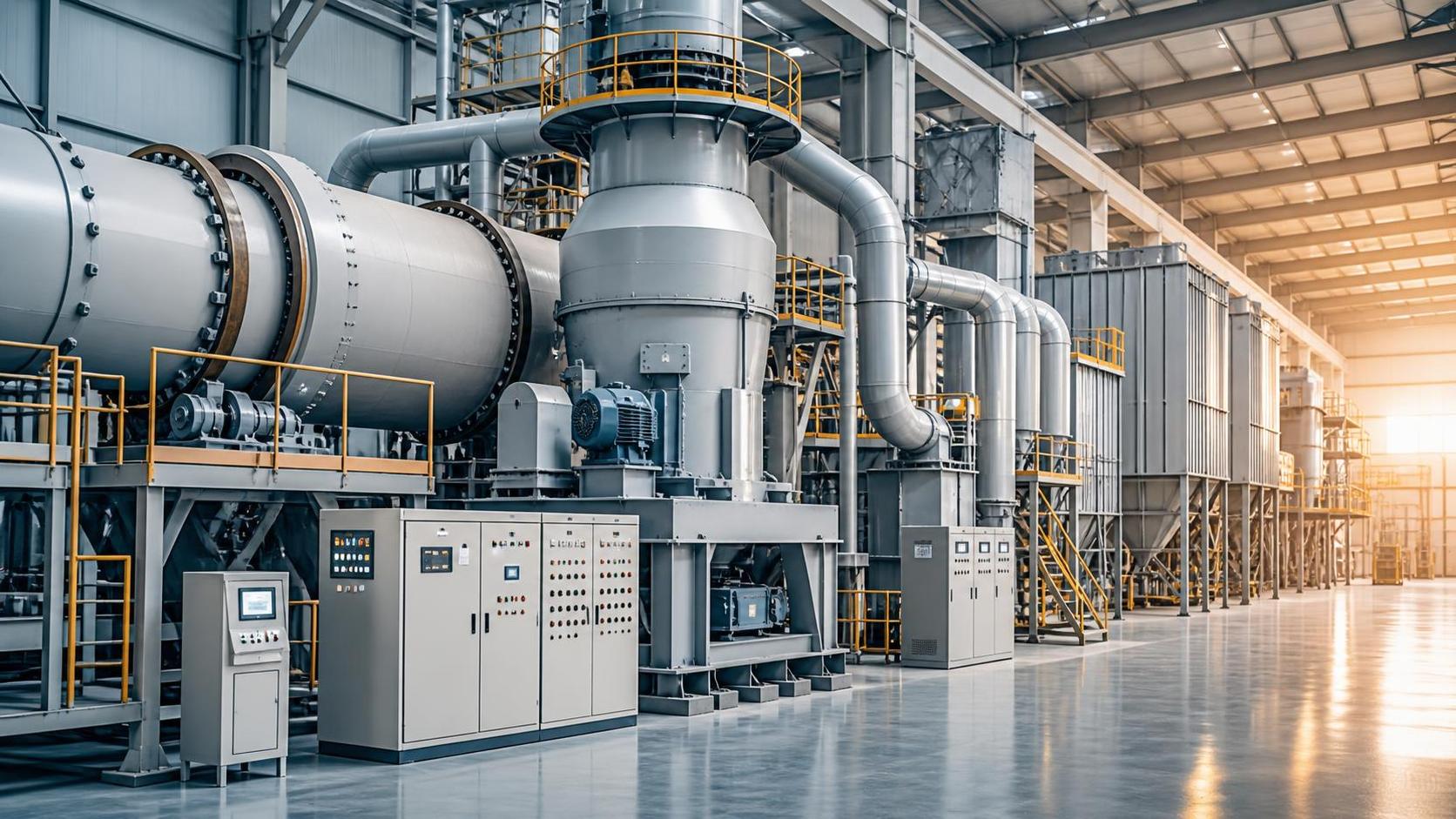
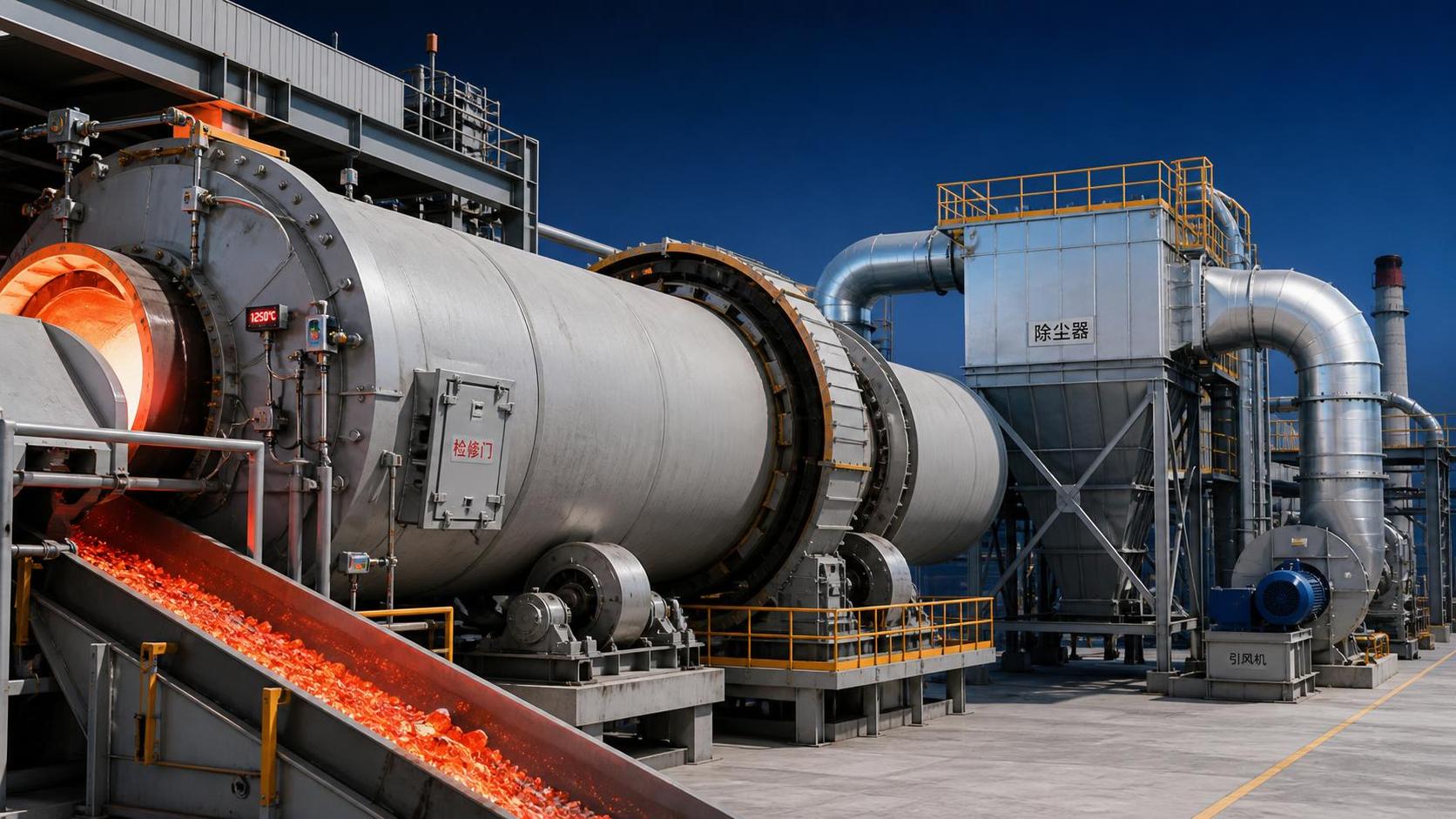
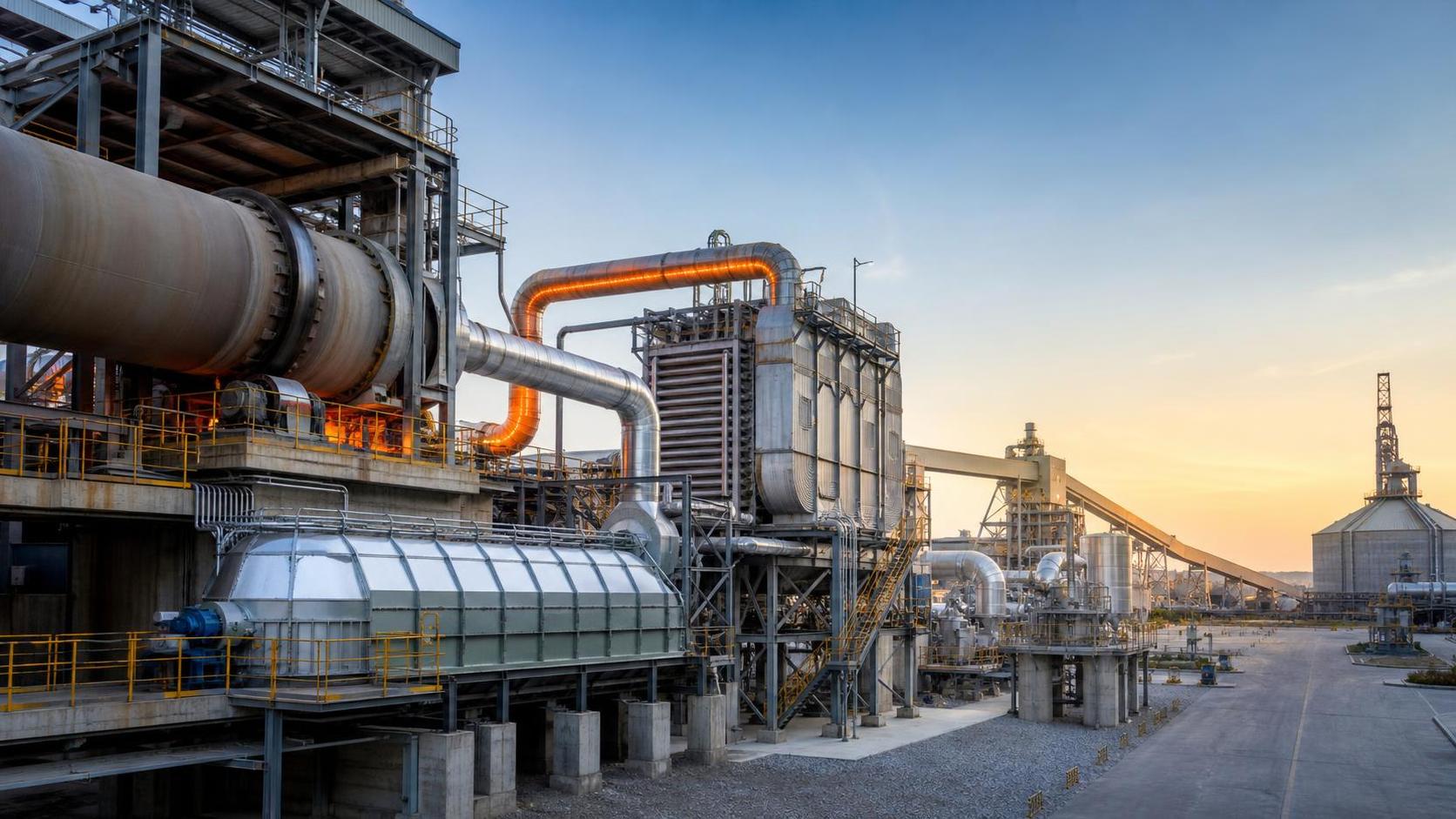
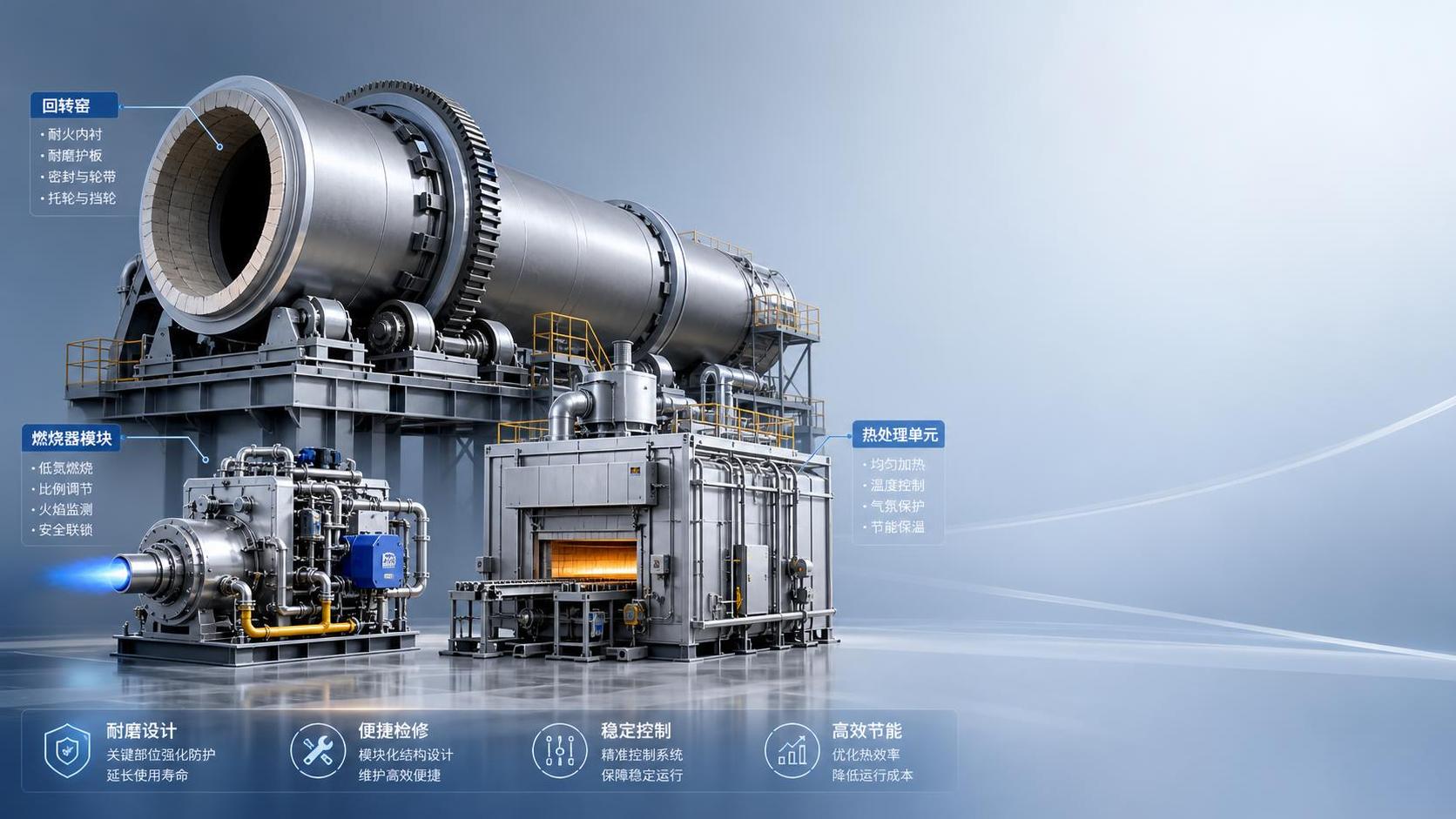
Typical systems include rotary kilns, tunnel kilns, float glass furnaces, calcination units, refractory sintering lines, and extrusion equipment with high-temperature curing sections.
Energy loss in high-temp material processing appears in five common forms:
- wall and shell heat dissipation
- exhaust gas leaving with recoverable heat
- incomplete combustion or poor air-fuel balance
- non-uniform temperature distribution
- material overprocessing caused by weak control
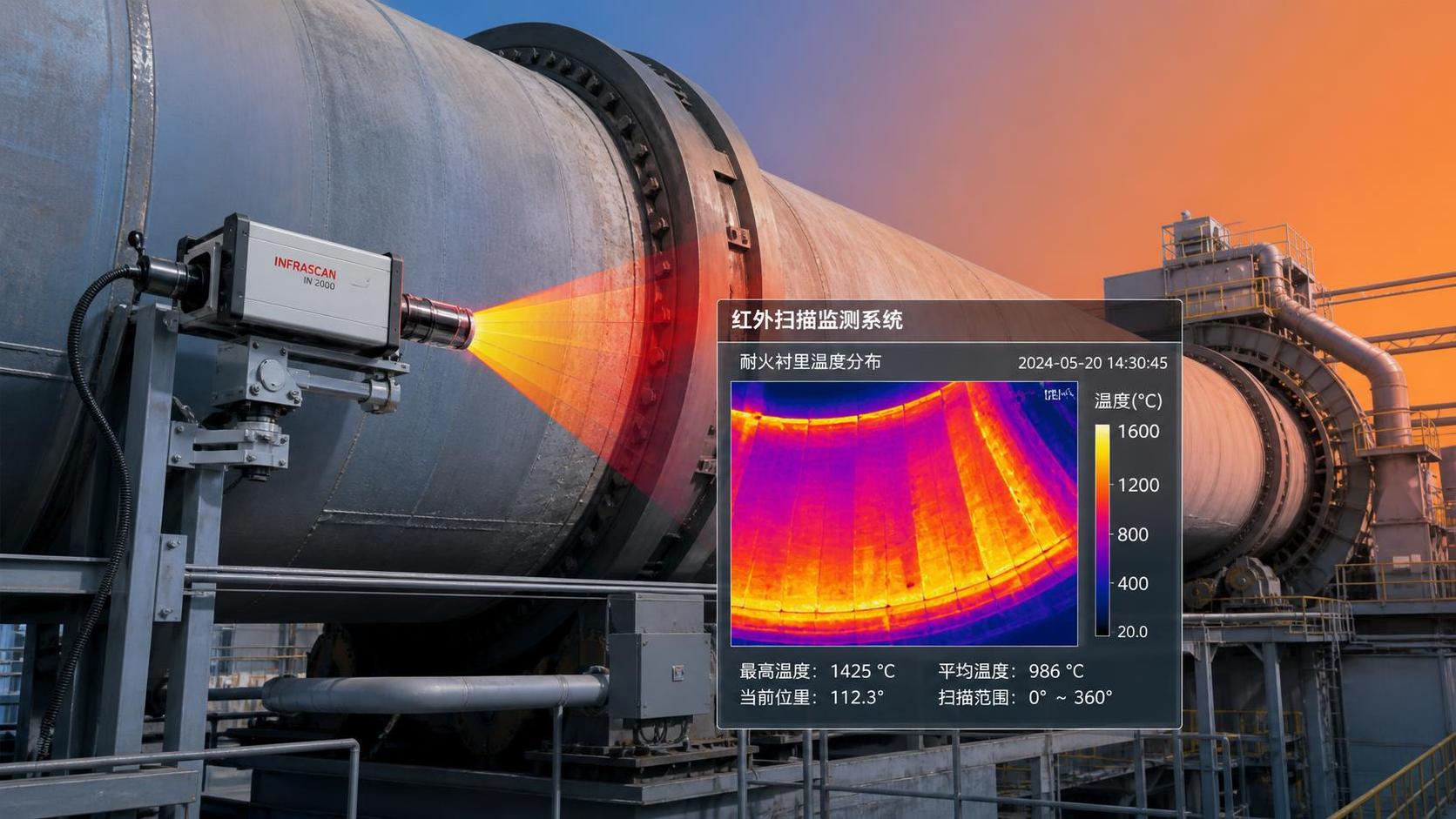
These losses often interact. A damaged lining raises shell temperature, disturbs internal profiles, and forces additional fuel input to maintain target quality.
This is why energy analysis should not isolate burners, refractories, or automation. In high-temp material processing, efficiency comes from system coordination.
Current industry signals shaping efficiency priorities
Across the comprehensive industrial landscape, three forces are raising scrutiny on high-temp material processing: fuel volatility, decarbonization pressure, and tighter product consistency requirements.
The issue is especially visible in sectors observed by CF-Elite, where thermal systems run continuously and every degree of instability creates cumulative cost.
Another important signal is the rise of digital observation. Plants now compare thermal images, online shell scans, oxygen trends, and energy-per-ton data more frequently.
This shift helps transform high-temp material processing from a reactive maintenance topic into a measurable efficiency strategy.
Where high-temp material processing cuts energy loss most effectively
The largest gains usually come from interfaces, not isolated components. Heat moves across walls, gases, materials, and control loops. That is where evaluation should begin.
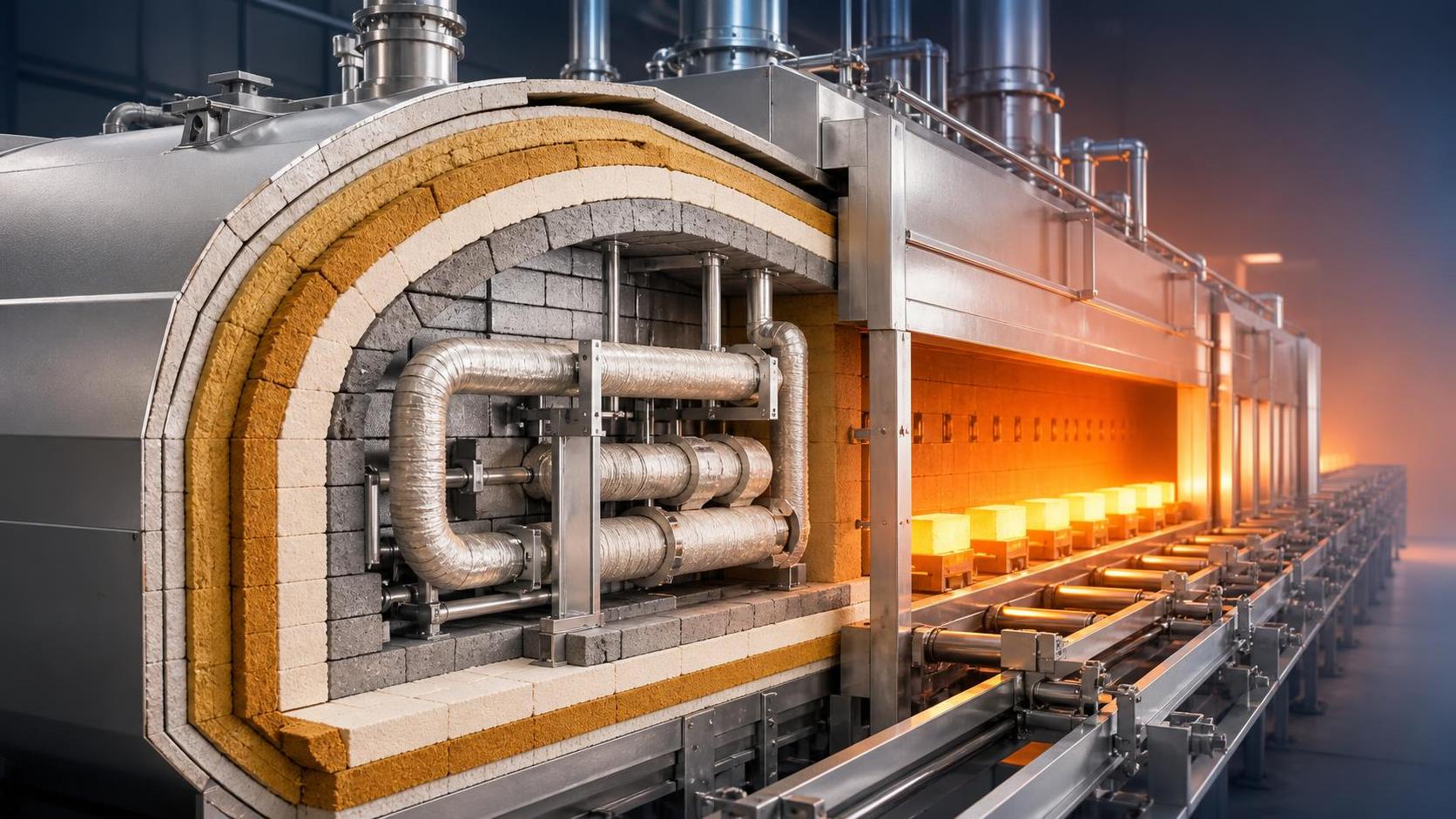
Thermal containment and refractory integrity
Healthy thermal barriers are foundational in high-temp material processing. Worn linings increase external shell temperature and reduce effective heat delivery to the material bed.
Selection also matters. Refractory chemistry, porosity, spalling resistance, and installation quality determine whether insulation performance remains stable over long campaigns.
Combustion precision and atmosphere control
Burners do more than provide heat. They shape flame geometry, residence time, turbulence, and local temperature peaks. Poor tuning creates overfire zones and cold pockets.
In high-temp material processing, excess air often seems safe but wastes energy. Better oxygen control lowers unnecessary heating of extra gas volumes.
Material residence time and thermal matching
If material moves too fast, conversion stays incomplete. If it moves too slowly, the system burns fuel to maintain heat without adding value.
Residence time should match reaction kinetics, particle size, moisture, and feed variability. This is one of the most overlooked drivers in high-temp material processing.
Heat recovery and cascade use
Exhaust streams often contain useful heat for preheating combustion air, raw feed, cullet, or drying sections. Recovery reduces primary fuel demand immediately.
The key is practical integration. Recovery systems should align with process rhythm, maintenance access, and dust or corrosive gas conditions.
Application value across major thermal industries
The business value of high-temp material processing extends beyond lower fuel bills. It affects uptime, product rejection, environmental compliance, and long-cycle asset planning.
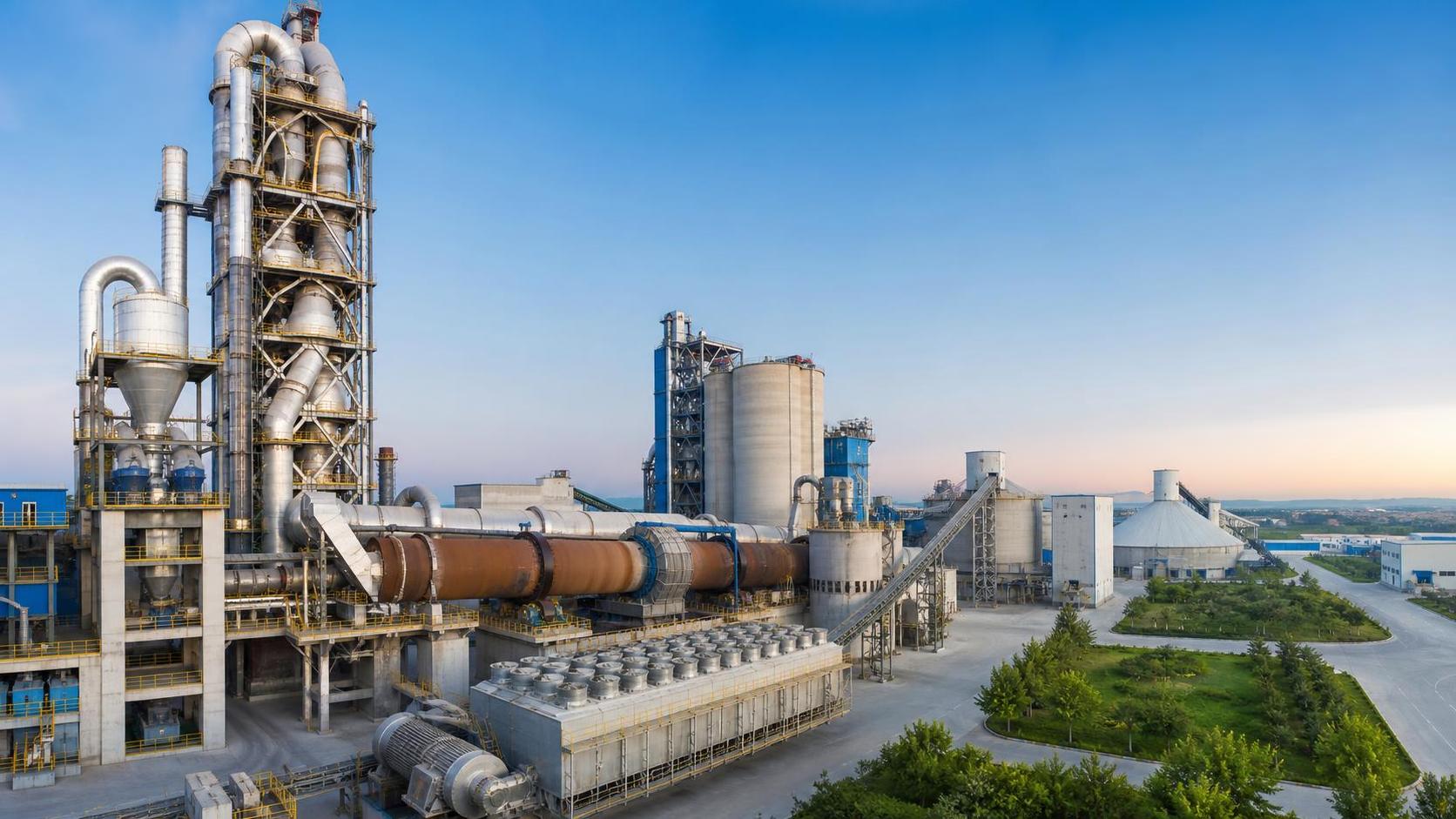
- Cement lines gain from steadier clinker formation and lower specific heat consumption.
- Glass plants benefit from more uniform melt quality and fewer thermal defects.
- Incineration units improve waste-to-energy conversion and reduce unstable combustion periods.
- Refractory production lines improve firing consistency and extend campaign reliability.
- Extrusion systems reduce curing bottlenecks and avoid unnecessary reheating cycles.
For intelligence-driven platforms such as CF-Elite, these improvements also create comparable decision signals across regions, technologies, and equipment generations.
That matters when evaluating retrofits, selecting process upgrades, or tracking whether a thermal line supports broader carbon reduction objectives.
Typical scenarios for evaluating high-temp material processing
Not every thermal line needs the same intervention. Evaluation should reflect process stage, material behavior, and equipment age.
A strong review of high-temp material processing should combine physical inspection with operating data. One without the other often leads to partial conclusions.
Practical recommendations for reducing hidden losses
Useful efficiency work is usually disciplined rather than dramatic. Small validated changes can outperform expensive upgrades that ignore process interactions.
- Build a thermal loss map covering shell, exhaust, seals, and feed transitions.
- Compare energy use against product quality, not against throughput alone.
- Review refractory condition as an efficiency asset, not only a maintenance item.
- Tune combustion with measured oxygen, draft, and flame stability data.
- Check whether residence time still matches current raw material properties.
- Assess waste heat recovery for real operating compatibility, not theoretical potential only.
- Use digital twins or online monitoring where process complexity justifies continuous optimization.
High-temp material processing improves fastest when teams track recurring indicators over time. Single audits help, but trend visibility drives durable gains.
A grounded next step for thermal efficiency improvement
The most effective next step is to define an evidence-based baseline for high-temp material processing. Start with thermal balance, line condition, and control stability.
Then rank opportunities by recoverable heat, implementation difficulty, and effect on product consistency. This keeps energy action tied to operational reality.
CF-Elite’s industry focus shows that thermal performance is now inseparable from strategic competitiveness. Better high-temp material processing means lower loss, stronger reliability, and clearer progress toward decarbonization.
When thermal data, material behavior, and equipment intelligence are stitched together, efficiency stops being a vague target. It becomes a measurable engineering outcome.
Related News
 Optical Glass Tech FellowHow to Evaluate a Glass Annealing Equipment Manufacturer for Production StabilityChoose a glass annealing equipment manufacturer with proven thermal uniformity, reliable controls, lifecycle value, and responsive service for stable production.Sep 08, 2026
 Prof. Marcus ChenThermal Energy Architecture in North America: Strategies for Lower Building Energy UseThermal energy architecture North America helps project leaders cut building energy use through stronger envelopes, right-sized HVAC, storage, and smart commissioning.Sep 07, 2026
 Ms. Elena RodriguezHow Should Buyers Evaluate Building Material Industry Intelligence Pricing?Building material industry intelligence pricing: learn how to compare coverage, technical depth, and ROI to choose intelligence that reduces procurement risk.Sep 07, 2026
 Ms. Elena RodriguezHow to Use Building Material Intelligence Data for Market and Investment DecisionsBuilding material industry intelligence data helps leaders evaluate demand, costs, regulation, capacity, and technology to make smarter market and investment decisions.Sep 05, 2026
 Thermal Energy ArchitectHow PLC Control Improves Energy Efficiency and Temperature Stability in KilnsEnergy efficient kilns PLC control improves temperature stability, cuts fuel waste, and optimizes combustion, draft, and material flow. Explore proven strategies for smarter kiln modernization.Sep 04, 2026
 Optical Glass Tech FellowEuropean Glass Melting Processes: Furnace Choices, Energy Use, and Quality ControlGlass melting process Europe: explore furnace choices, energy efficiency, cullet strategy, and quality control to improve output, compliance, and long-term glass performance.Sep 03, 2026
 Thermal Energy ArchitectWhat Determines Refractory Lining Monitoring Price for Industrial Kilns?Refractory lining monitoring price depends on kiln size, sensor technology, installation, software, and support. Compare total lifecycle costs and choose the right solution.Sep 02, 2026
 Silicate Process EngineerCement Production System Costs: A Plant Buyer’s Guide to Budgeting and ROICement production systems cost planning made clear: compare CAPEX, operating costs, compliance, and ROI to build a resilient, profitable cement plant investment.Sep 01, 2026
 Dr. Alistair VaughnWhat Should a Process Technology Database Track for High-Temperature Plants?Process technology database essentials for high-temperature plants: track thermal profiles, feed chemistry, refractory wear, emissions, energy, and maintenance for safer, data-driven decisions.Aug 31, 2026
 Ms. Elena RodriguezHow to Evaluate a Silicate Processing Equipment Manufacturer for Plant ProjectsSilicate processing equipment manufacturer selection: assess process fit, guarantees, energy, compliance, delivery risk, and lifecycle support for dependable plant performance.Aug 30, 2026
 Dr. Alistair VaughnHow to Specify Custom Agricultural Processing Equipment for Throughput and HygieneEquipment customization services for agricultural processing: learn to specify hygienic, high-throughput lines that improve yield, reliability, and long-term efficiency.Aug 29, 2026
 Dr. Alistair VaughnHow to Select Process Plant Equipment for High-Temperature, Abrasive Production LinesProcess plant equipment selection for high-temperature, abrasive lines: reduce downtime, improve durability, and optimize lifecycle performance.Aug 28, 2026
 Silicate Process EngineerHow Kiln Heat Recovery Systems Cut Fuel Use in Cement and Lime ProductionKiln heat recovery helps cement and lime plants cut fuel use, improve thermal stability, and build practical, reliable decarbonization strategies.Aug 27, 2026
 Ms. Elena RodriguezProcess Equipment Comparison: Which Metrics Matter Most for Reliable Selection?Process equipment comparison made practical: discover which metrics truly drive reliable selection, from energy efficiency and control stability to wear life, maintainability, and uptime.Aug 26, 2026
 Ms. Elena RodriguezWhat Buyers Should Check Before Sourcing Precision Alloy Bars for Critical PartsPrecision Alloy Bars buyers should verify grade, chemistry, tolerances, surface quality, traceability, and lead time before sourcing for critical parts. Learn what prevents costly machining and reliability risks.Aug 27, 2026
 Ms. Elena RodriguezHow to Evaluate Thermal Management Solutions Insulation for High-Heat Industrial SystemsThermal management solutions insulation: learn how to assess high-heat industrial systems by thermal performance, durability, lifecycle cost, and supplier data for smarter decisions.Aug 25, 2026
 Ms. Elena RodriguezWhat Drives Waste Recycling Cost in Industrial Projects and How to Estimate It?Waste recycling cost in industrial projects depends on composition, moisture, transport, pre-treatment, and compliance. Learn how to estimate it accurately and compare suppliers with confidence.Aug 24, 2026
 Silicate Process EngineerHow to Evaluate Cement Production Plants in the Middle East for Capacity, Fuel Flexibility, and ROIcement production plants Middle East: Learn how to assess true capacity, fuel flexibility, and ROI risks to identify resilient assets and smarter investment opportunities.Aug 23, 2026
 Structural Material AnalystHow to Evaluate Lightweight Material Machinery for Output, Energy Use, and Product QualityLightweight material machinery evaluation guide: compare stable output, energy use, and product quality to choose equipment that cuts waste, lowers costs, and improves production confidence.Aug 22, 2026
 Material Heat-Resist ExpertWhat Determines Refractory Production Line Price in a Turnkey Plant Project?Refractory production line price depends on raw materials, forming method, kiln and drying design, automation, utilities, and scope. Learn what really drives turnkey plant cost before you invest.Aug 21, 2026

Related News
- 00
0000-00
How PLC Control Improves Energy Efficiency and Temperature Stability in Kilns - 00
0000-00
What Determines Refractory Lining Monitoring Price for Industrial Kilns? - 00
0000-00
How Digital Twin Simulations Help Kiln Operators Cut Fuel Use and Stabilize Output - 00
0000-00
What to Evaluate in a Rotary Kiln Technology Manufacturer for High-Temperature Process Projects - 00
0000-00
How to Evaluate an Incineration Equipment Exporter for Compliance, Capacity, and After-Sales Support
Weekly Insights
Stay ahead with our curated technology reports delivered every Monday.