
How industrial incineration equipment cuts disposal risk




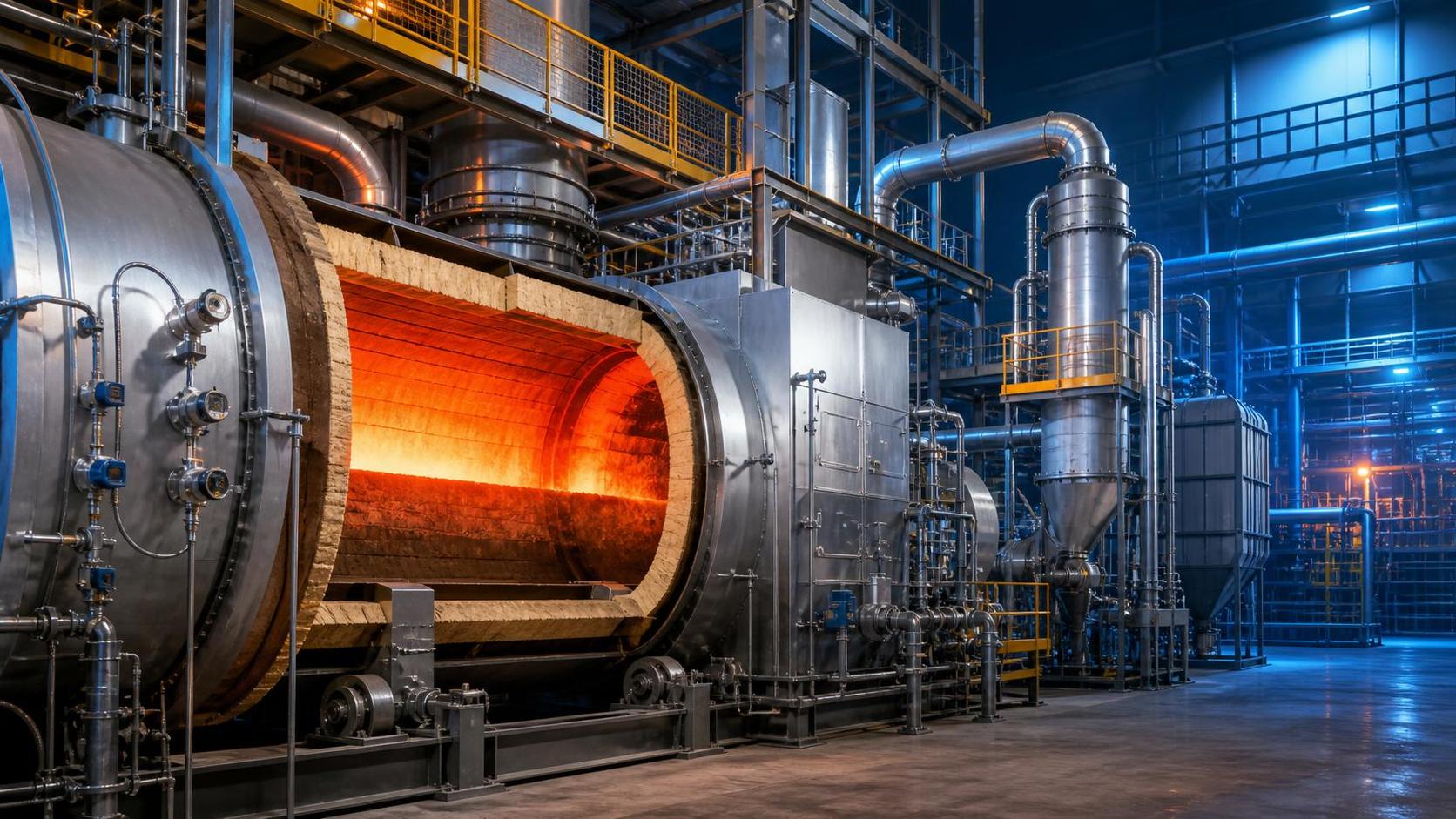
For quality control and safety teams, industrial incineration equipment is not just a disposal asset. It is a control point for emissions, residue stability, thermal reliability, and regulatory confidence.
When waste streams vary, disposal risk rises fast. Inconsistent moisture, calorific value, ash chemistry, and feed timing can disrupt combustion and create costly downstream issues.
Well-designed industrial incineration equipment reduces that uncertainty. It supports better burn efficiency, safer handling, stronger traceability, and more predictable compliance across complex industrial operations.
Within CF-Elite’s high-temperature intelligence perspective, disposal safety is closely linked to thermal management, process stability, and carbon-aware operating decisions.
Why disposal risk changes by operating scenario
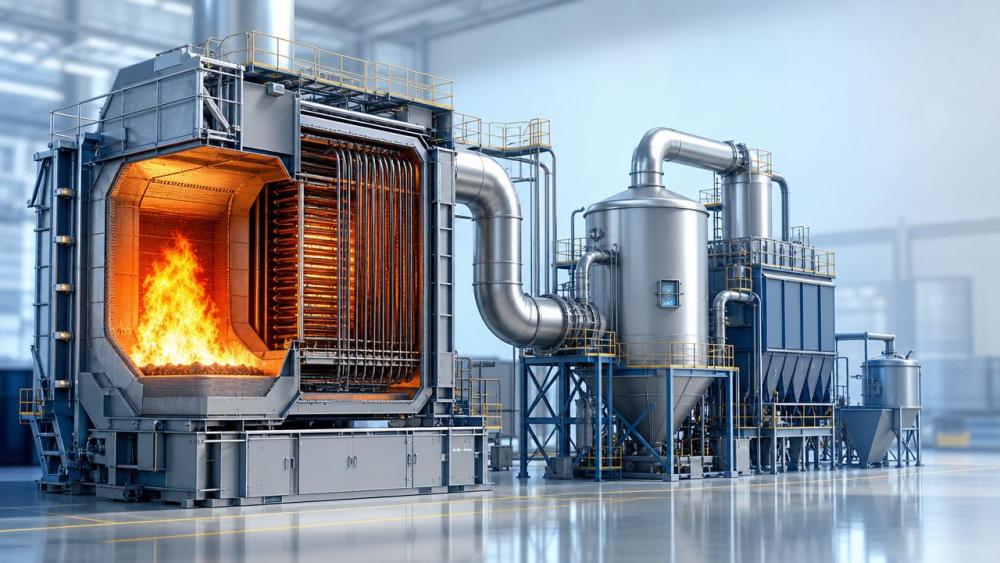
Not every facility faces the same disposal challenge. Risk profiles change with waste composition, throughput volatility, local regulation, and whether energy recovery is part of the process.
A plant treating solvent-rich residues needs different controls than one handling sludge, packaging scrap, contaminated filters, or mixed production rejects.
This is why selecting industrial incineration equipment by nameplate capacity alone often leads to hidden failure points. The right fit depends on the actual disposal scenario.
Scenario signals that usually increase disposal risk
- Frequent changes in waste composition or moisture
- Tight emissions limits for NOx, SOx, VOCs, or particulates
- High ash, corrosive compounds, or sticky byproducts
- Need for continuous operation with limited shutdown windows
- Pressure to recover heat while maintaining destruction efficiency
In each case, industrial incineration equipment must do more than destroy waste. It must stabilize a risky thermal process and keep the entire system inside acceptable limits.
Which application scenarios benefit most from industrial incineration equipment
Across the broader industrial sector, several scenarios stand out. Each one has distinct decision criteria, operating hazards, and equipment adaptation priorities.
Scenario 1: Mixed industrial waste with unstable feed quality
This scenario often includes packaging residues, contaminated absorbents, off-spec materials, and maintenance waste. The main challenge is feed inconsistency.
Here, industrial incineration equipment cuts disposal risk through feed control, staged combustion, and residence time management. These features help prevent cold spots and incomplete destruction.
Scenario 2: High-moisture sludge and semi-solid residues
Sludge creates ignition and stability problems. Excess moisture lowers thermal efficiency and may increase fuel demand or create temperature swings.
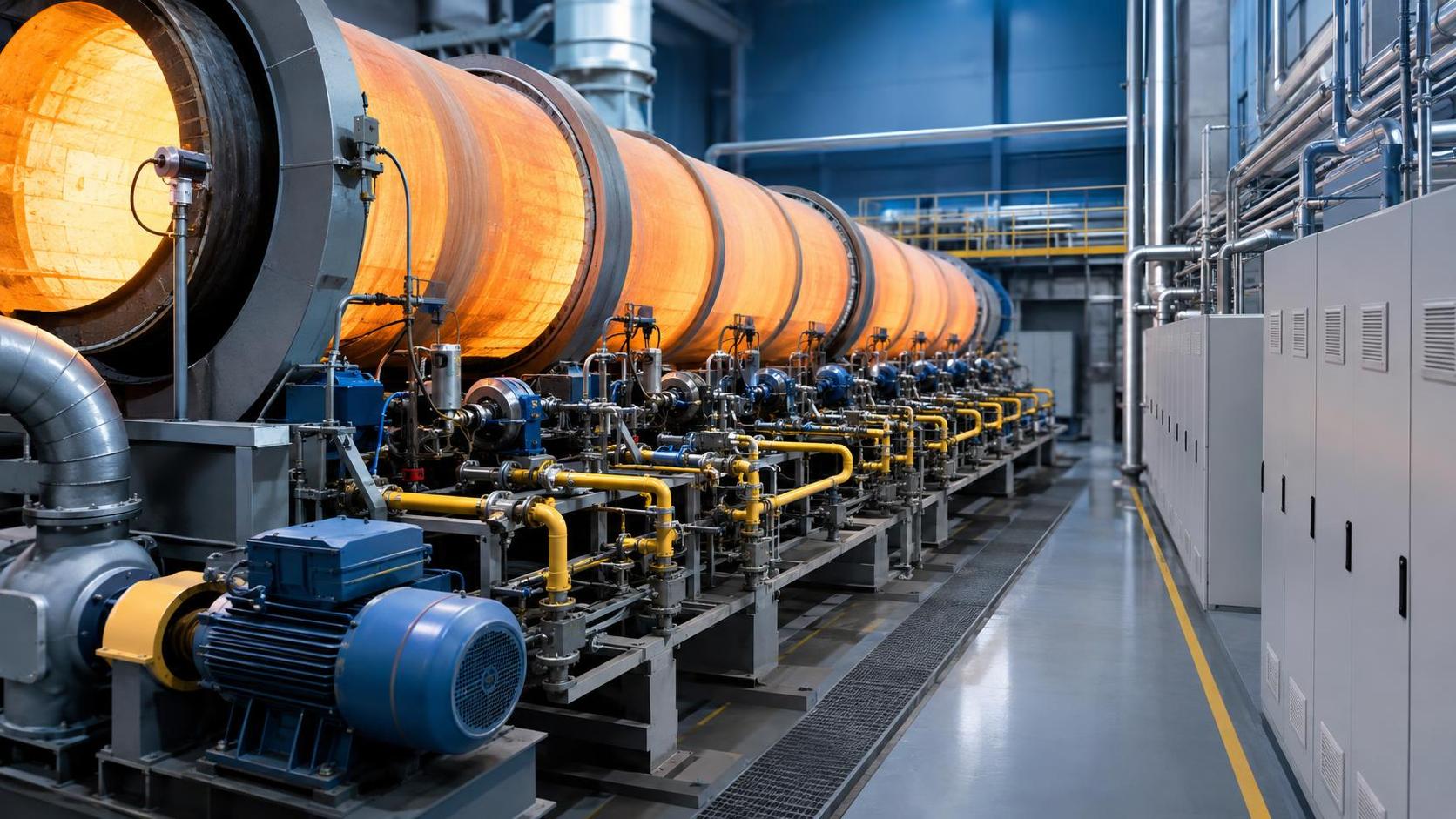
In this setting, industrial incineration equipment needs reliable drying integration, robust refractory protection, and combustion automation to maintain steady destruction conditions.
Scenario 3: Hazardous or chemically sensitive waste streams
Some residues contain halogens, heavy metals, acids, or reactive compounds. Disposal risk is not only about burning. It is about secondary pollution and material attack.
For such cases, industrial incineration equipment reduces risk through controlled temperatures, corrosion-resistant design, advanced flue gas treatment, and secure ash handling routes.
Scenario 4: Continuous-process facilities needing energy recovery
In energy-intensive sectors, waste disposal may also support steam, hot water, or process heat generation. The benefit is clear, but the balance is delicate.
In this scenario, industrial incineration equipment must protect thermal efficiency without sacrificing destruction performance, uptime, or emissions stability.
How scenario differences change equipment priorities
The same disposal objective can require very different system configurations. A scenario-based review helps avoid costly underdesign or unnecessary overspecification.
This comparison shows why industrial incineration equipment should be evaluated as a process system, not as an isolated furnace purchase.
What to check when matching industrial incineration equipment to site conditions
A practical assessment should combine waste data, thermal behavior, emissions targets, and maintenance realities. Decisions improve when technical assumptions are tested early.
Core adaptation checks
- Measure calorific value ranges, not only average values
- Review chlorine, sulfur, metals, and ash fusion behavior
- Confirm residence time under worst-case feed conditions
- Check burner turndown and control response speed
- Validate flue gas cleaning against future regulations
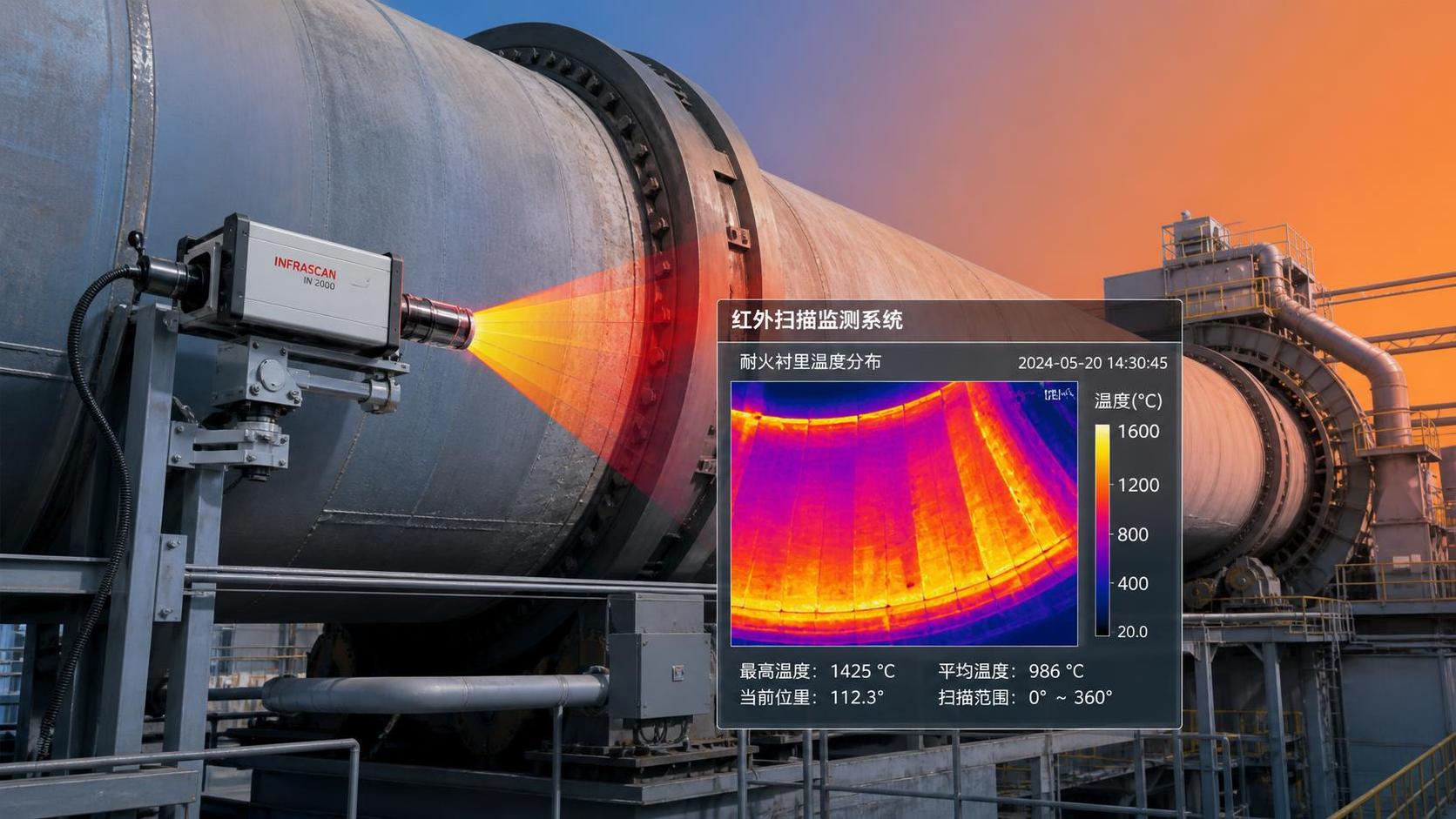
- Examine refractory life under real thermal cycling patterns
These checks help ensure industrial incineration equipment remains safe and economical when feedstocks, regulations, or production schedules change.
Why digital monitoring matters
Advanced monitoring can detect drift before it becomes a disposal event. Temperature mapping, oxygen trends, pressure signals, and emissions tracking improve intervention timing.
For CF-Elite’s industrial perspective, this is where thermal intelligence becomes strategic. Better data improves uptime, documentation, and environmental performance at the same time.
Common judgment errors that increase disposal risk
Many disposal problems come from incorrect assumptions made before startup. The equipment may be technically sound, yet poorly matched to the real operating scenario.
- Assuming all waste batches have similar burn behavior
- Sizing only for peak throughput, not feed variability
- Underestimating ash handling and residue classification needs
- Treating emissions control as an add-on, not a core system
- Ignoring maintenance access in high-temperature zones
- Overlooking carbon and energy reporting requirements
Avoiding these mistakes allows industrial incineration equipment to perform as a risk-reduction platform, not merely a waste destruction endpoint.
A practical next step for lower-risk disposal planning
Start with a scenario map. Separate waste streams by composition, variability, hazard profile, and heat potential. Then connect each stream to its most likely process constraint.
Next, compare current disposal performance against the required outcome. Look at combustion stability, residue quality, emissions margin, energy use, and shutdown frequency.
From there, define whether the site needs retrofits, a different control philosophy, upgraded gas cleaning, or a new industrial incineration equipment configuration.
In complex high-temperature industries, stronger disposal decisions come from integrated intelligence. CF-Elite supports that view by linking thermal process insight, compliance awareness, and equipment adaptation logic.
When disposal risk is evaluated by scenario instead of assumption, industrial incineration equipment becomes a measurable advantage in safety, continuity, and long-term environmental control.
Related News
 Optical Glass Tech FellowHow to Evaluate a Glass Annealing Equipment Manufacturer for Production StabilityChoose a glass annealing equipment manufacturer with proven thermal uniformity, reliable controls, lifecycle value, and responsive service for stable production.Sep 08, 2026
 Prof. Marcus ChenThermal Energy Architecture in North America: Strategies for Lower Building Energy UseThermal energy architecture North America helps project leaders cut building energy use through stronger envelopes, right-sized HVAC, storage, and smart commissioning.Sep 07, 2026
 Ms. Elena RodriguezHow Should Buyers Evaluate Building Material Industry Intelligence Pricing?Building material industry intelligence pricing: learn how to compare coverage, technical depth, and ROI to choose intelligence that reduces procurement risk.Sep 07, 2026
 Ms. Elena RodriguezHow to Use Building Material Intelligence Data for Market and Investment DecisionsBuilding material industry intelligence data helps leaders evaluate demand, costs, regulation, capacity, and technology to make smarter market and investment decisions.Sep 05, 2026
 Thermal Energy ArchitectHow PLC Control Improves Energy Efficiency and Temperature Stability in KilnsEnergy efficient kilns PLC control improves temperature stability, cuts fuel waste, and optimizes combustion, draft, and material flow. Explore proven strategies for smarter kiln modernization.Sep 04, 2026
 Optical Glass Tech FellowEuropean Glass Melting Processes: Furnace Choices, Energy Use, and Quality ControlGlass melting process Europe: explore furnace choices, energy efficiency, cullet strategy, and quality control to improve output, compliance, and long-term glass performance.Sep 03, 2026
 Thermal Energy ArchitectWhat Determines Refractory Lining Monitoring Price for Industrial Kilns?Refractory lining monitoring price depends on kiln size, sensor technology, installation, software, and support. Compare total lifecycle costs and choose the right solution.Sep 02, 2026
 Silicate Process EngineerCement Production System Costs: A Plant Buyer’s Guide to Budgeting and ROICement production systems cost planning made clear: compare CAPEX, operating costs, compliance, and ROI to build a resilient, profitable cement plant investment.Sep 01, 2026
 Dr. Alistair VaughnWhat Should a Process Technology Database Track for High-Temperature Plants?Process technology database essentials for high-temperature plants: track thermal profiles, feed chemistry, refractory wear, emissions, energy, and maintenance for safer, data-driven decisions.Aug 31, 2026
 Ms. Elena RodriguezHow to Evaluate a Silicate Processing Equipment Manufacturer for Plant ProjectsSilicate processing equipment manufacturer selection: assess process fit, guarantees, energy, compliance, delivery risk, and lifecycle support for dependable plant performance.Aug 30, 2026
 Dr. Alistair VaughnHow to Specify Custom Agricultural Processing Equipment for Throughput and HygieneEquipment customization services for agricultural processing: learn to specify hygienic, high-throughput lines that improve yield, reliability, and long-term efficiency.Aug 29, 2026
 Dr. Alistair VaughnHow to Select Process Plant Equipment for High-Temperature, Abrasive Production LinesProcess plant equipment selection for high-temperature, abrasive lines: reduce downtime, improve durability, and optimize lifecycle performance.Aug 28, 2026
 Silicate Process EngineerHow Kiln Heat Recovery Systems Cut Fuel Use in Cement and Lime ProductionKiln heat recovery helps cement and lime plants cut fuel use, improve thermal stability, and build practical, reliable decarbonization strategies.Aug 27, 2026
 Ms. Elena RodriguezProcess Equipment Comparison: Which Metrics Matter Most for Reliable Selection?Process equipment comparison made practical: discover which metrics truly drive reliable selection, from energy efficiency and control stability to wear life, maintainability, and uptime.Aug 26, 2026
 Ms. Elena RodriguezWhat Buyers Should Check Before Sourcing Precision Alloy Bars for Critical PartsPrecision Alloy Bars buyers should verify grade, chemistry, tolerances, surface quality, traceability, and lead time before sourcing for critical parts. Learn what prevents costly machining and reliability risks.Aug 27, 2026
 Ms. Elena RodriguezHow to Evaluate Thermal Management Solutions Insulation for High-Heat Industrial SystemsThermal management solutions insulation: learn how to assess high-heat industrial systems by thermal performance, durability, lifecycle cost, and supplier data for smarter decisions.Aug 25, 2026
 Ms. Elena RodriguezWhat Drives Waste Recycling Cost in Industrial Projects and How to Estimate It?Waste recycling cost in industrial projects depends on composition, moisture, transport, pre-treatment, and compliance. Learn how to estimate it accurately and compare suppliers with confidence.Aug 24, 2026
 Silicate Process EngineerHow to Evaluate Cement Production Plants in the Middle East for Capacity, Fuel Flexibility, and ROIcement production plants Middle East: Learn how to assess true capacity, fuel flexibility, and ROI risks to identify resilient assets and smarter investment opportunities.Aug 23, 2026
 Structural Material AnalystHow to Evaluate Lightweight Material Machinery for Output, Energy Use, and Product QualityLightweight material machinery evaluation guide: compare stable output, energy use, and product quality to choose equipment that cuts waste, lowers costs, and improves production confidence.Aug 22, 2026
 Material Heat-Resist ExpertWhat Determines Refractory Production Line Price in a Turnkey Plant Project?Refractory production line price depends on raw materials, forming method, kiln and drying design, automation, utilities, and scope. Learn what really drives turnkey plant cost before you invest.Aug 21, 2026

Related News
- 00
0000-00
How PLC Control Improves Energy Efficiency and Temperature Stability in Kilns - 00
0000-00
What Determines Refractory Lining Monitoring Price for Industrial Kilns? - 00
0000-00
How Digital Twin Simulations Help Kiln Operators Cut Fuel Use and Stabilize Output - 00
0000-00
What to Evaluate in a Rotary Kiln Technology Manufacturer for High-Temperature Process Projects - 00
0000-00
How to Evaluate an Incineration Equipment Exporter for Compliance, Capacity, and After-Sales Support
Weekly Insights
Stay ahead with our curated technology reports delivered every Monday.