
Rotary kiln technology choices affect uptime more than expected




Rotary kiln technology is becoming a maintenance issue, not only an engineering choice
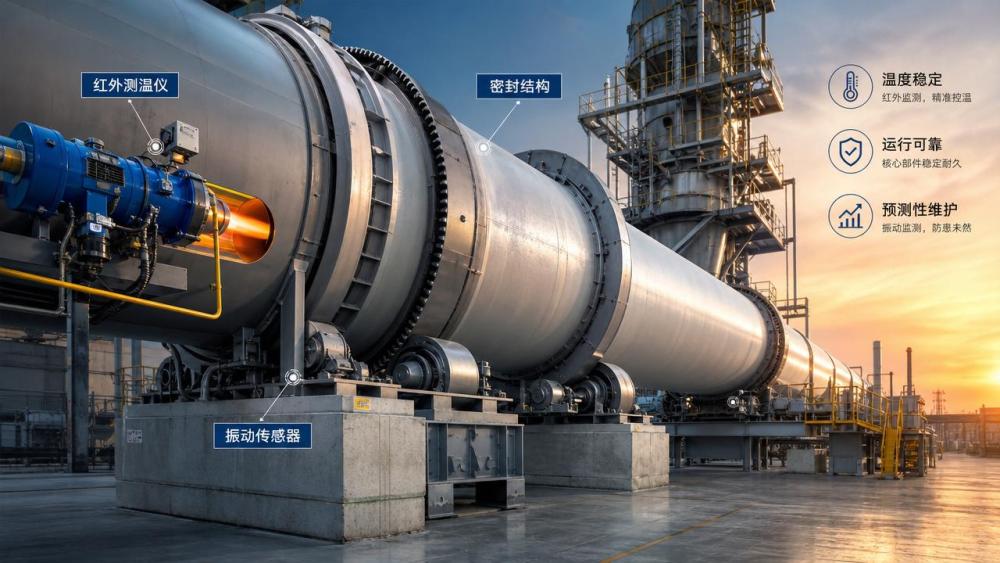
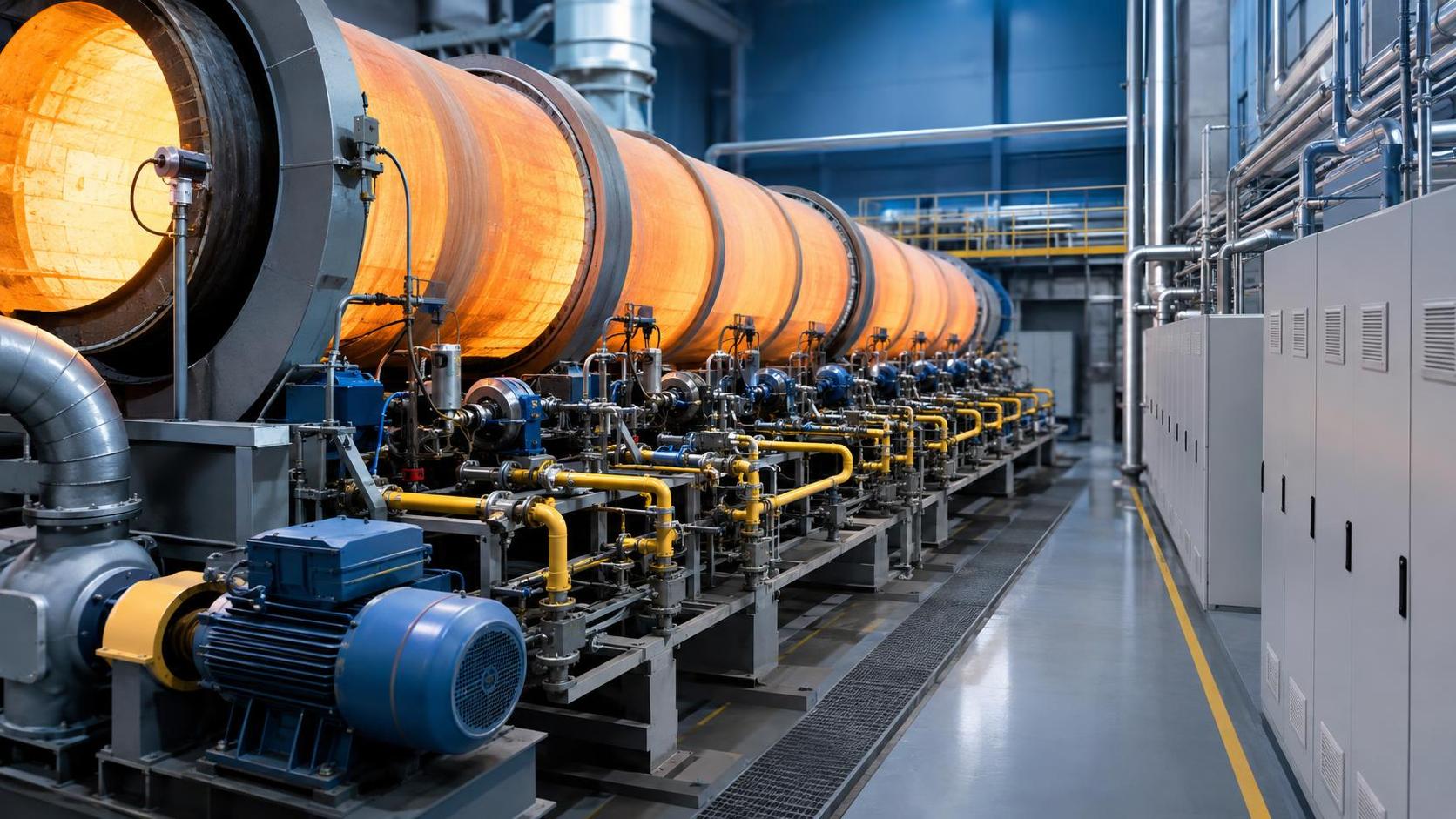
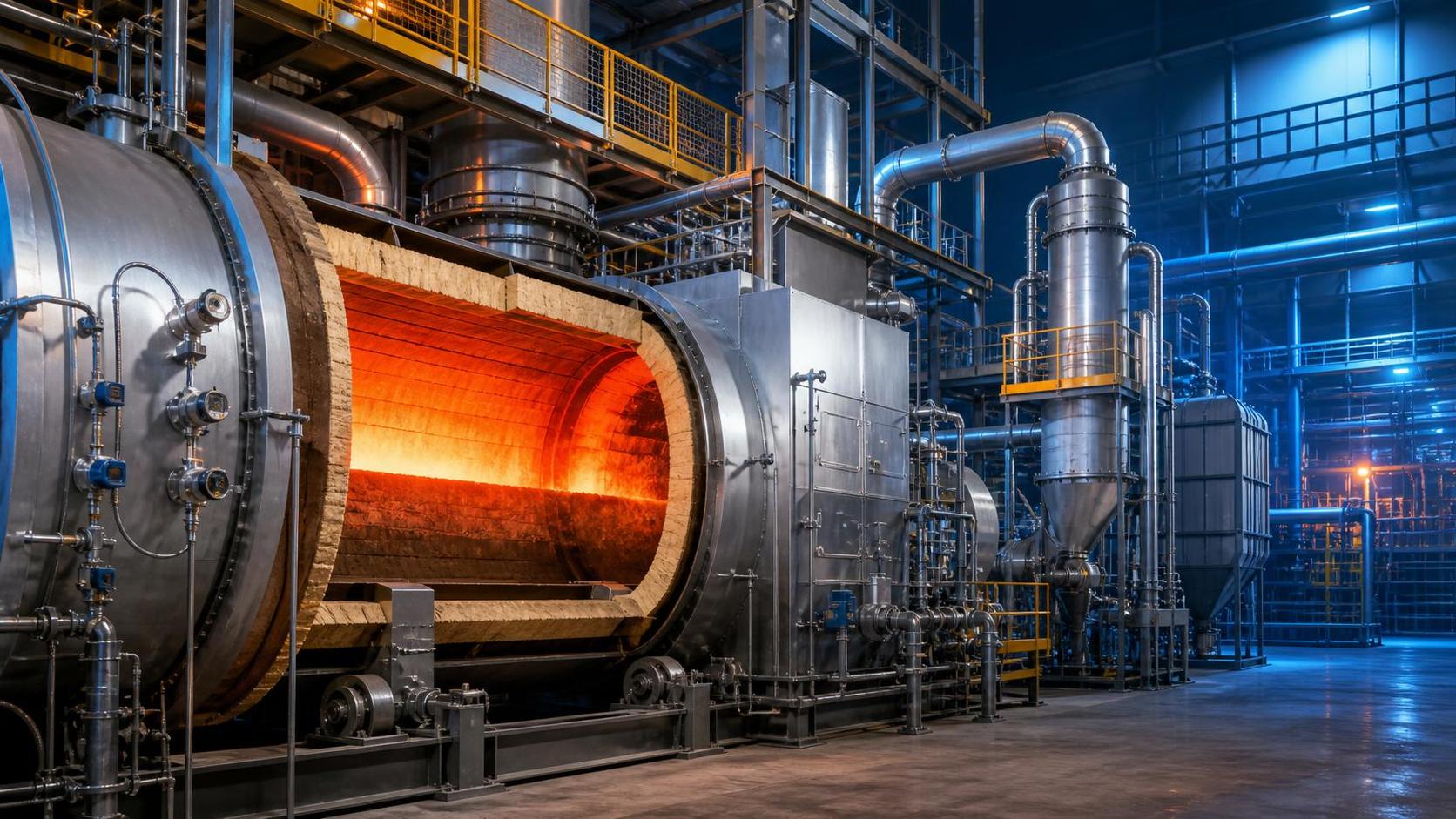
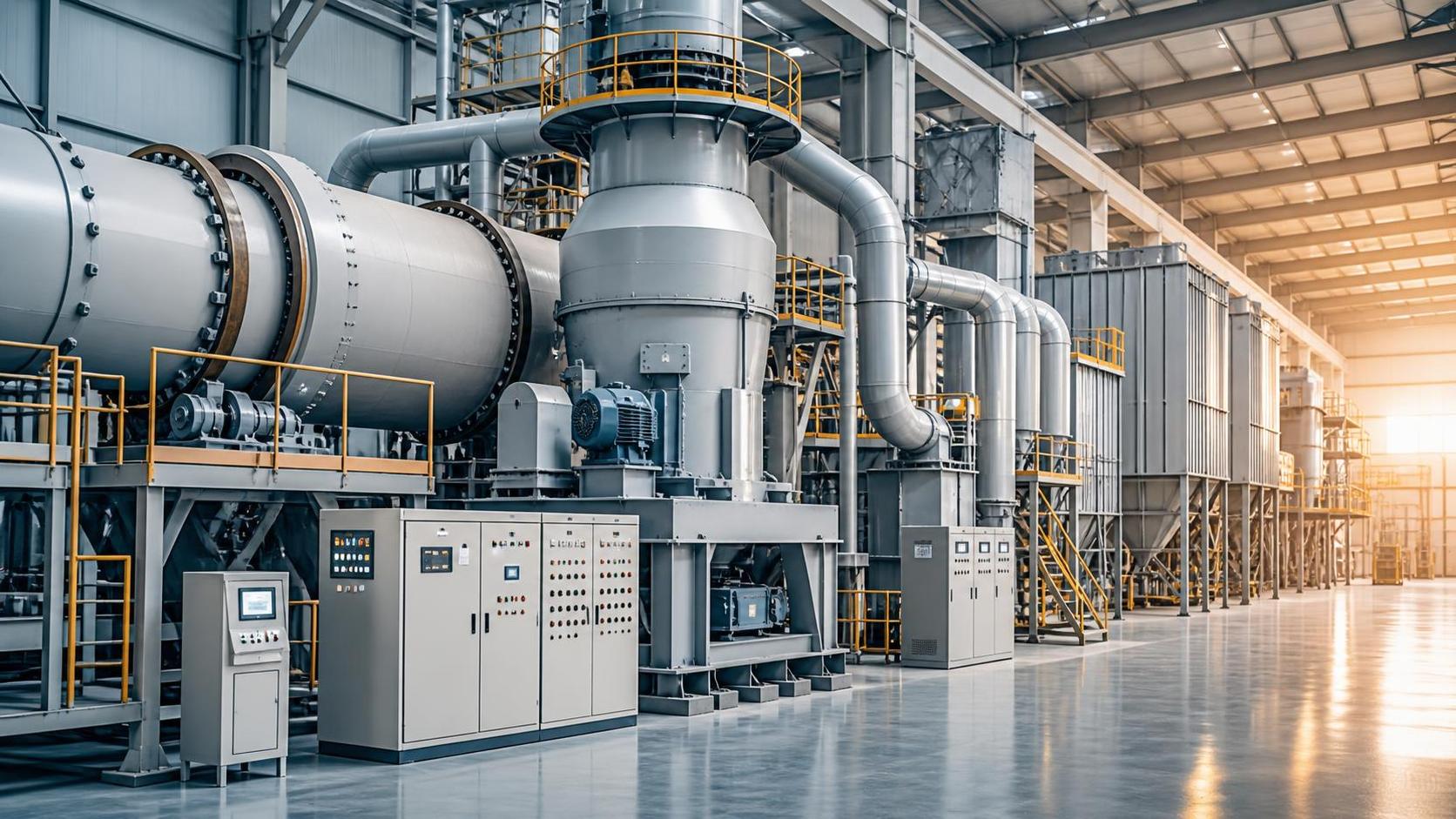
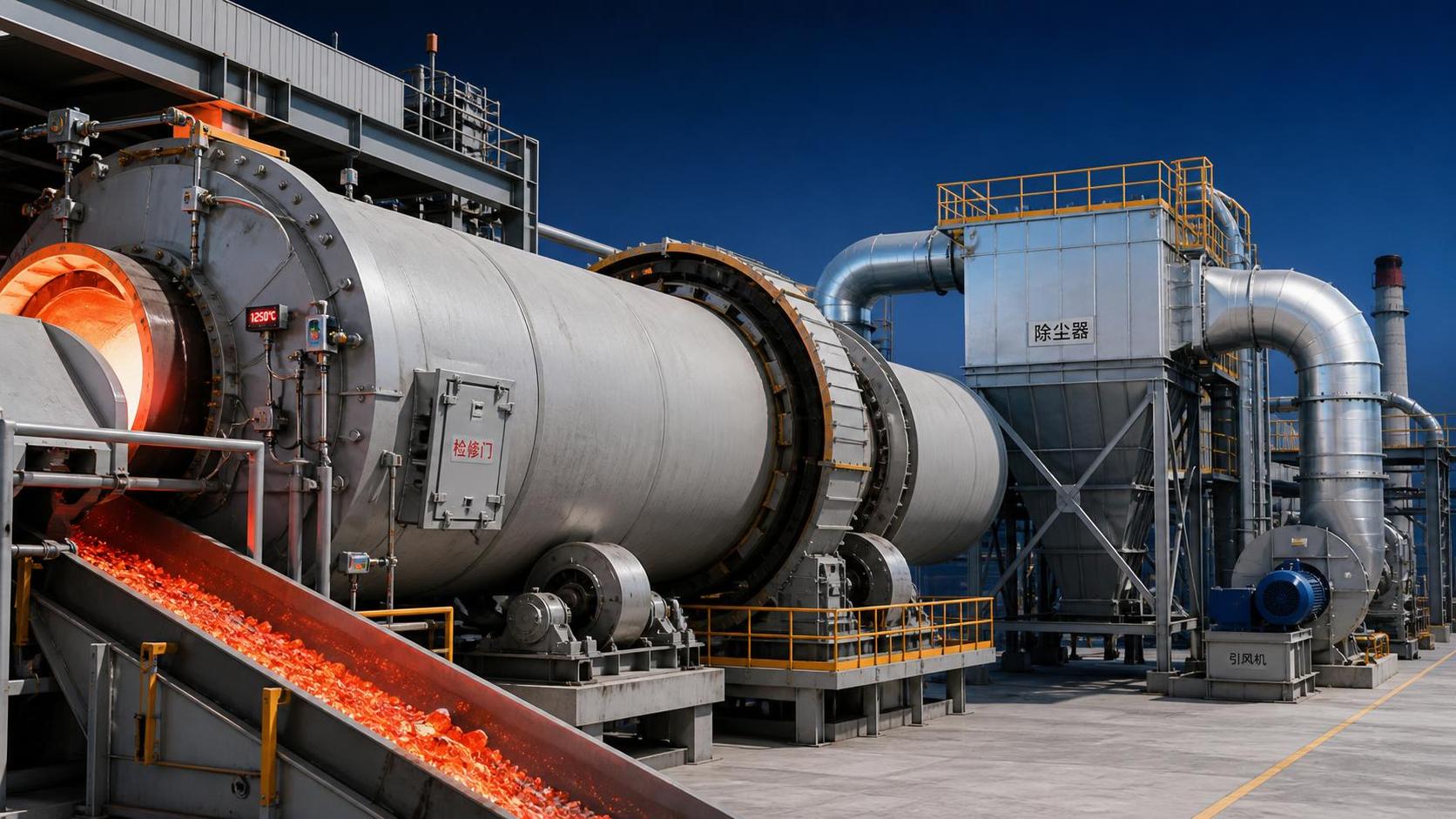
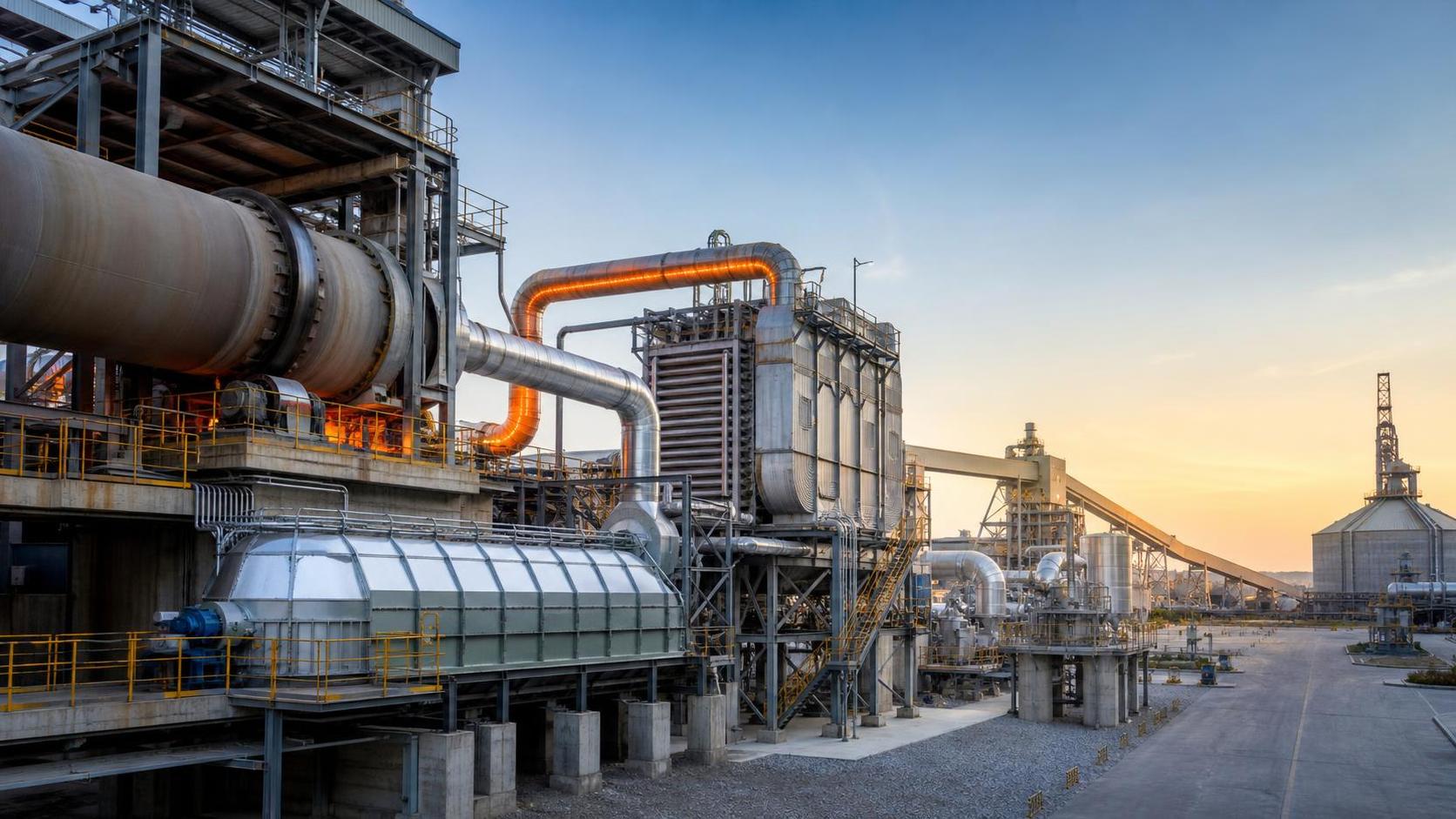
For many plants, rotary kiln technology now determines uptime more than expected.
What once looked like a front-end design preference now shapes shutdown frequency, repair speed, and thermal stability.
This matters across cement, glass-adjacent thermal systems, refractory production, waste co-processing, and other high-temperature operations.
Poor technology matching often creates hidden maintenance costs before output losses become visible in monthly reports.
The most common losses are not always catastrophic failures.
They are repeated short stops, unstable flame behavior, refractory patching, ring formation, misalignment correction, and delayed restart windows.
That is why rotary kiln technology deserves closer review as a long-term reliability variable.
At CF-Elite, this shift is visible across foundation materials and thermal management systems worldwide.
Plants are asking fewer questions about basic capacity and more about service intervals, control accuracy, and fault tolerance.
Current signals show uptime pressure is rising around rotary kiln technology
Several operating signals explain why rotary kiln technology is receiving renewed attention.
Fuel variability has increased in many regions.
Alternative fuels, mixed raw materials, and stricter emissions windows demand tighter thermal control than older kiln setups can provide.
At the same time, production teams expect higher availability from aging assets.
This combination exposes weaknesses in burner systems, shell monitoring, tire support design, and drive responsiveness.
Digital monitoring has also changed expectations.
When plants can track shell temperature, axial movement, vibration, and draft trends continuously, technology gaps become easier to identify.
The result is a clear trend.
Rotary kiln technology is no longer judged only by initial process performance.
It is increasingly evaluated by how well it protects availability under unstable operating conditions.
Why these technology choices now have a larger effect on service life
The drivers behind this trend are practical and measurable.
These factors amplify every weak point in rotary kiln technology.
A marginal burner, uneven tire load, or poor inlet sealing can trigger recurring downtime under modern operating pressure.
The biggest reliability differences often come from a few technical areas
Not every feature affects uptime equally.
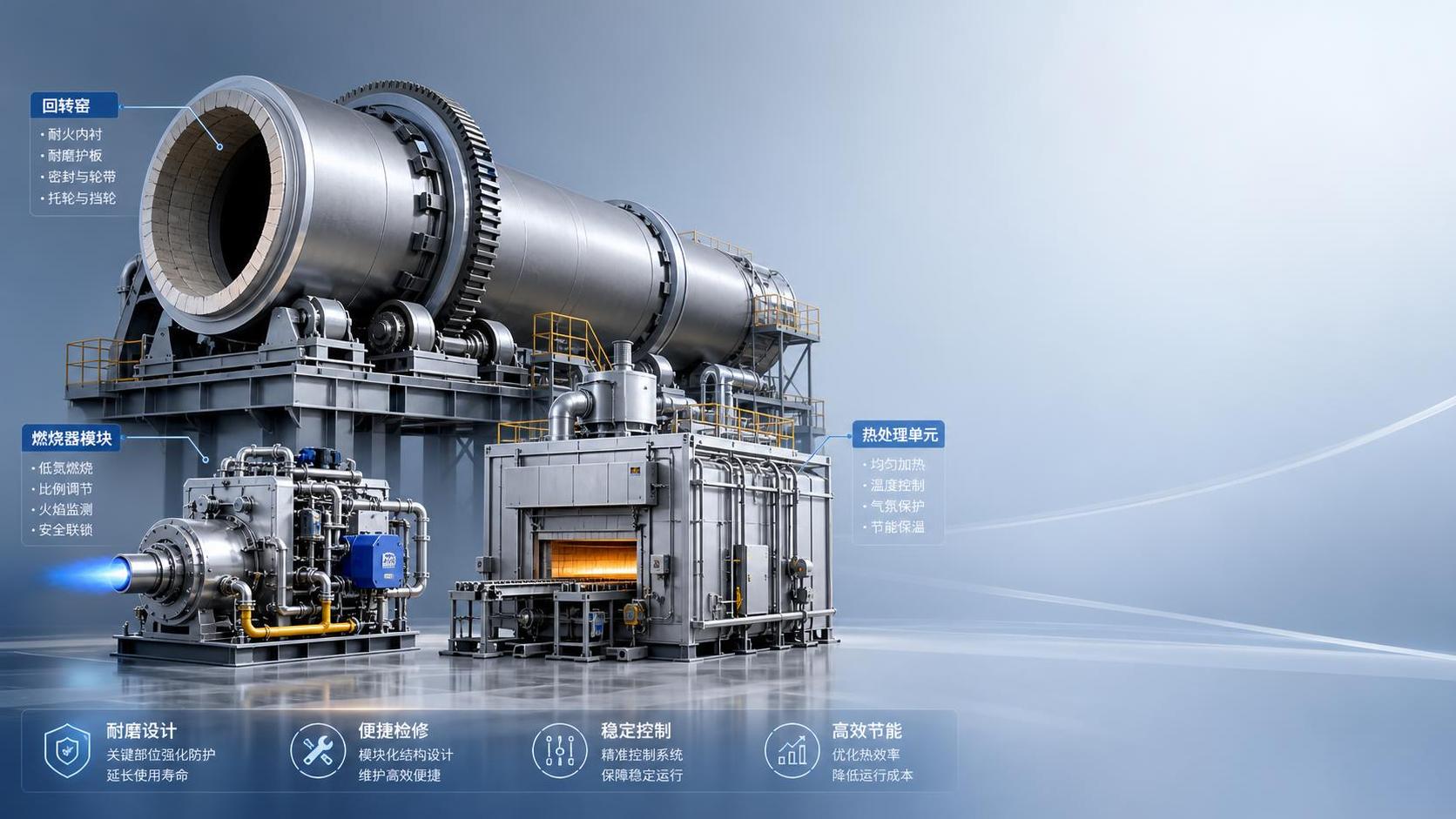
In most cases, rotary kiln technology influences maintenance outcomes through a short list of critical systems.
1. Refractory interaction and shell thermal behavior
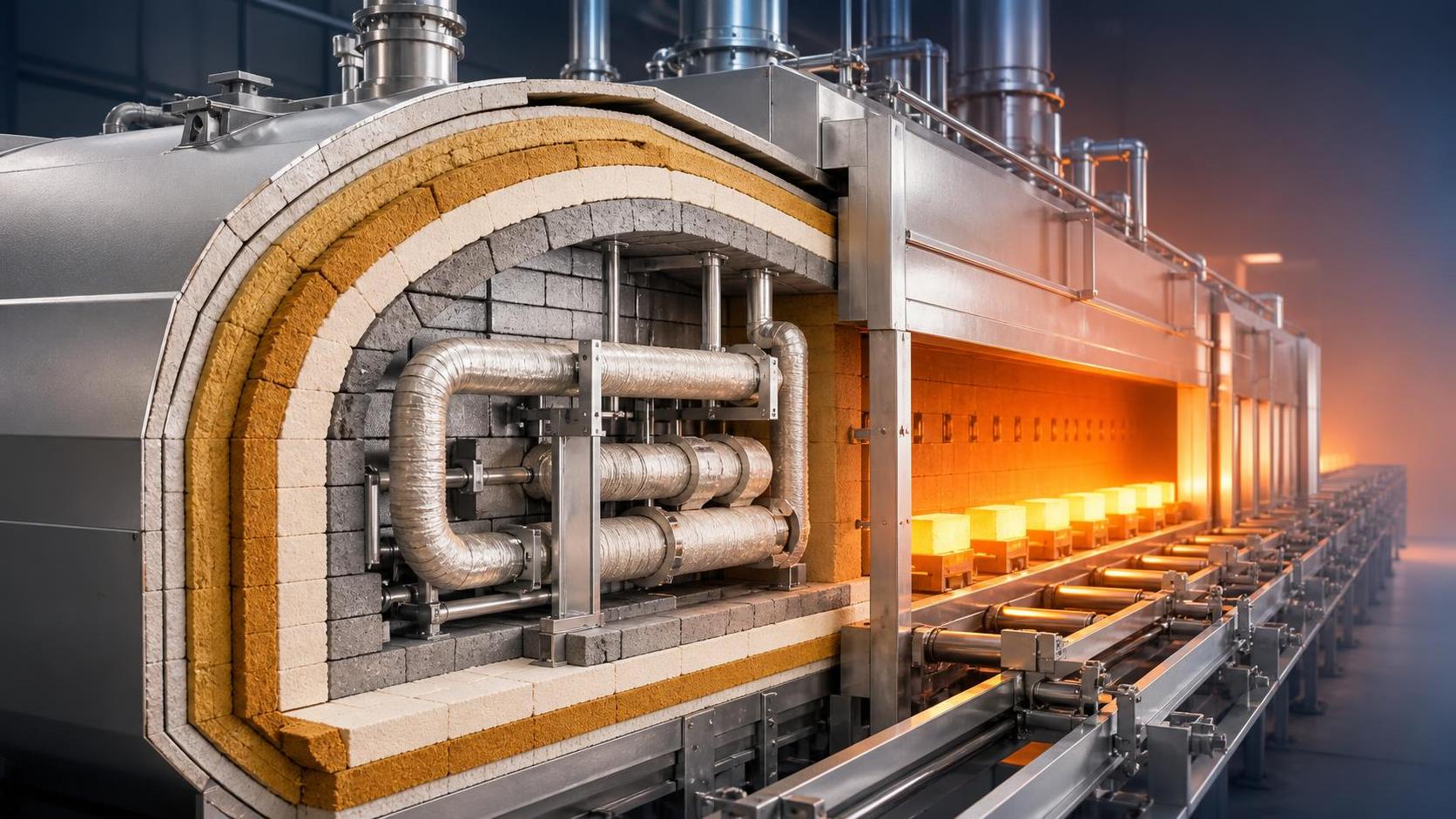
Kiln geometry, coating stability, and thermal gradients strongly affect lining life.
When rotary kiln technology creates uneven heat zones, refractory wear accelerates and emergency patching becomes more frequent.
2. Burner flexibility and flame control
A stable burner system helps absorb fuel variation without upsetting the sintering or calcination profile.
Weak flame shaping can increase rings, build-up, incomplete burnout, and hot spots.
3. Mechanical alignment and support design
Tire migration, roller skew, shell runout, and thrust behavior influence fatigue and contact stress.
Good rotary kiln technology reduces correction frequency and lowers the chance of repeated mechanical intervention.
4. Sealing, draft, and pressure stability
Inlet and outlet seals affect false air, fuel efficiency, dust movement, and temperature consistency.
Poor seal performance often looks small, but it can quietly reduce both uptime and energy performance.
5. Instrumentation and predictive monitoring
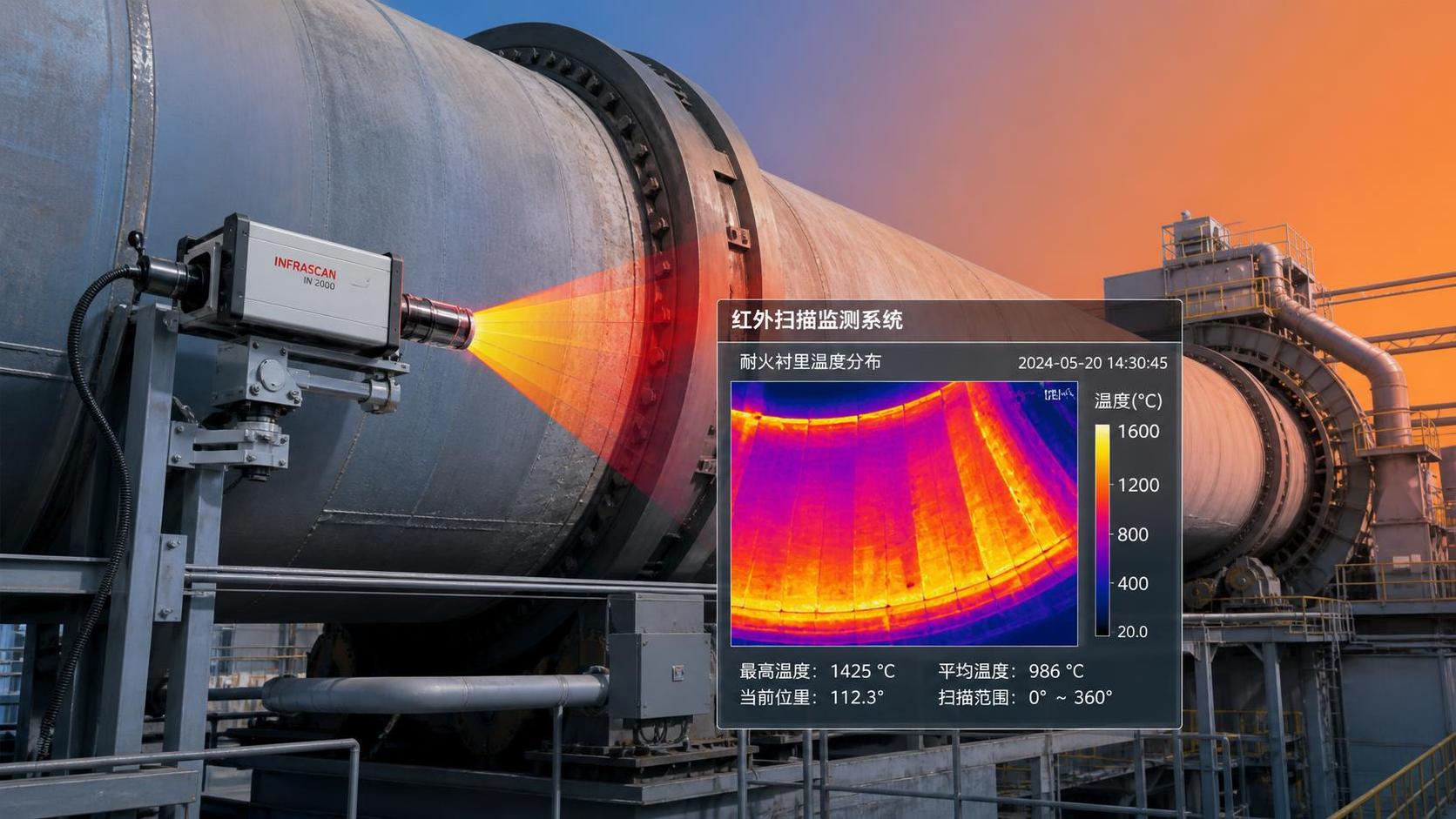
Modern rotary kiln technology increasingly includes thermal cameras, shell scanners, vibration sensors, and analytics dashboards.
These tools shorten diagnosis time and improve fault response efficiency during unstable operation.
The impact spreads across several business and operating links
The effect of rotary kiln technology does not stop at the kiln shell.
It influences scheduling, spare parts planning, energy consumption, compliance exposure, and product consistency.
- Maintenance planning becomes easier when failure modes are predictable.
- Inventory pressure drops when wear patterns are stable and repeatable.
- Energy control improves when air leakage and burner variability are reduced.
- Process stability supports output quality in cement, lime, refractories, and waste treatment lines.
- Restart time shortens when alignment, controls, and diagnostics are built for service access.
In integrated plants, one kiln issue can also interrupt downstream grinding, packaging, heat recovery, or environmental treatment systems.
That is why the practical value of rotary kiln technology extends beyond the equipment itself.
What deserves closer attention when reviewing rotary kiln technology
A useful review should focus on reliability evidence, not only equipment descriptions.
- Check how the system handles fuel variability and sudden thermal swings.
- Review refractory life data under comparable raw material and operating conditions.
- Compare seal design, service access, and replacement time for wear parts.
- Assess alignment philosophy, support loading behavior, and drive redundancy options.
- Examine monitoring depth, alarm logic, and trend visibility for early fault detection.
- Confirm whether shutdown causes are easy to isolate during pressure or flame instability.
- Look at startup and cooldown stress management, not only steady-state capacity.
These points help separate durable rotary kiln technology from systems that perform well only under ideal conditions.
A practical way to judge next-step priorities
The most effective response is usually staged, not disruptive.
The stronger conclusion is simple: uptime should guide rotary kiln technology decisions
The lesson across high-temperature industries is increasingly consistent.
Rotary kiln technology affects uptime more than many teams estimate during early project evaluation.
When thermal control, mechanical stability, refractory compatibility, and diagnostics are aligned, plants gain far more than output.
They gain longer campaigns, faster troubleshooting, lower repair disruption, and more dependable compliance performance.
That makes rotary kiln technology a strategic reliability topic for any operation handling intense heat, complex materials, or fuel variability.
A useful next step is to review recurring stoppages against the kiln’s actual technical architecture.
That comparison often reveals where targeted upgrades can deliver the fastest uptime gains.
For deeper sector intelligence, CF-Elite tracks how rotary kiln technology is evolving across energy efficiency, decarbonization, and service-centered design.
Related News
 Optical Glass Tech FellowHow to Evaluate a Glass Annealing Equipment Manufacturer for Production StabilityChoose a glass annealing equipment manufacturer with proven thermal uniformity, reliable controls, lifecycle value, and responsive service for stable production.Sep 08, 2026
 Prof. Marcus ChenThermal Energy Architecture in North America: Strategies for Lower Building Energy UseThermal energy architecture North America helps project leaders cut building energy use through stronger envelopes, right-sized HVAC, storage, and smart commissioning.Sep 07, 2026
 Ms. Elena RodriguezHow Should Buyers Evaluate Building Material Industry Intelligence Pricing?Building material industry intelligence pricing: learn how to compare coverage, technical depth, and ROI to choose intelligence that reduces procurement risk.Sep 07, 2026
 Ms. Elena RodriguezHow to Use Building Material Intelligence Data for Market and Investment DecisionsBuilding material industry intelligence data helps leaders evaluate demand, costs, regulation, capacity, and technology to make smarter market and investment decisions.Sep 05, 2026
 Thermal Energy ArchitectHow PLC Control Improves Energy Efficiency and Temperature Stability in KilnsEnergy efficient kilns PLC control improves temperature stability, cuts fuel waste, and optimizes combustion, draft, and material flow. Explore proven strategies for smarter kiln modernization.Sep 04, 2026
 Optical Glass Tech FellowEuropean Glass Melting Processes: Furnace Choices, Energy Use, and Quality ControlGlass melting process Europe: explore furnace choices, energy efficiency, cullet strategy, and quality control to improve output, compliance, and long-term glass performance.Sep 03, 2026
 Thermal Energy ArchitectWhat Determines Refractory Lining Monitoring Price for Industrial Kilns?Refractory lining monitoring price depends on kiln size, sensor technology, installation, software, and support. Compare total lifecycle costs and choose the right solution.Sep 02, 2026
 Silicate Process EngineerCement Production System Costs: A Plant Buyer’s Guide to Budgeting and ROICement production systems cost planning made clear: compare CAPEX, operating costs, compliance, and ROI to build a resilient, profitable cement plant investment.Sep 01, 2026
 Dr. Alistair VaughnWhat Should a Process Technology Database Track for High-Temperature Plants?Process technology database essentials for high-temperature plants: track thermal profiles, feed chemistry, refractory wear, emissions, energy, and maintenance for safer, data-driven decisions.Aug 31, 2026
 Ms. Elena RodriguezHow to Evaluate a Silicate Processing Equipment Manufacturer for Plant ProjectsSilicate processing equipment manufacturer selection: assess process fit, guarantees, energy, compliance, delivery risk, and lifecycle support for dependable plant performance.Aug 30, 2026
 Dr. Alistair VaughnHow to Specify Custom Agricultural Processing Equipment for Throughput and HygieneEquipment customization services for agricultural processing: learn to specify hygienic, high-throughput lines that improve yield, reliability, and long-term efficiency.Aug 29, 2026
 Dr. Alistair VaughnHow to Select Process Plant Equipment for High-Temperature, Abrasive Production LinesProcess plant equipment selection for high-temperature, abrasive lines: reduce downtime, improve durability, and optimize lifecycle performance.Aug 28, 2026
 Silicate Process EngineerHow Kiln Heat Recovery Systems Cut Fuel Use in Cement and Lime ProductionKiln heat recovery helps cement and lime plants cut fuel use, improve thermal stability, and build practical, reliable decarbonization strategies.Aug 27, 2026
 Ms. Elena RodriguezProcess Equipment Comparison: Which Metrics Matter Most for Reliable Selection?Process equipment comparison made practical: discover which metrics truly drive reliable selection, from energy efficiency and control stability to wear life, maintainability, and uptime.Aug 26, 2026
 Ms. Elena RodriguezWhat Buyers Should Check Before Sourcing Precision Alloy Bars for Critical PartsPrecision Alloy Bars buyers should verify grade, chemistry, tolerances, surface quality, traceability, and lead time before sourcing for critical parts. Learn what prevents costly machining and reliability risks.Aug 27, 2026
 Ms. Elena RodriguezHow to Evaluate Thermal Management Solutions Insulation for High-Heat Industrial SystemsThermal management solutions insulation: learn how to assess high-heat industrial systems by thermal performance, durability, lifecycle cost, and supplier data for smarter decisions.Aug 25, 2026
 Ms. Elena RodriguezWhat Drives Waste Recycling Cost in Industrial Projects and How to Estimate It?Waste recycling cost in industrial projects depends on composition, moisture, transport, pre-treatment, and compliance. Learn how to estimate it accurately and compare suppliers with confidence.Aug 24, 2026
 Silicate Process EngineerHow to Evaluate Cement Production Plants in the Middle East for Capacity, Fuel Flexibility, and ROIcement production plants Middle East: Learn how to assess true capacity, fuel flexibility, and ROI risks to identify resilient assets and smarter investment opportunities.Aug 23, 2026
 Structural Material AnalystHow to Evaluate Lightweight Material Machinery for Output, Energy Use, and Product QualityLightweight material machinery evaluation guide: compare stable output, energy use, and product quality to choose equipment that cuts waste, lowers costs, and improves production confidence.Aug 22, 2026
 Material Heat-Resist ExpertWhat Determines Refractory Production Line Price in a Turnkey Plant Project?Refractory production line price depends on raw materials, forming method, kiln and drying design, automation, utilities, and scope. Learn what really drives turnkey plant cost before you invest.Aug 21, 2026

Related News
- 00
0000-00
How PLC Control Improves Energy Efficiency and Temperature Stability in Kilns - 00
0000-00
What Determines Refractory Lining Monitoring Price for Industrial Kilns? - 00
0000-00
How Digital Twin Simulations Help Kiln Operators Cut Fuel Use and Stabilize Output - 00
0000-00
What to Evaluate in a Rotary Kiln Technology Manufacturer for High-Temperature Process Projects - 00
0000-00
How to Evaluate an Incineration Equipment Exporter for Compliance, Capacity, and After-Sales Support
Weekly Insights
Stay ahead with our curated technology reports delivered every Monday.