
Which industrial kiln innovations actually cut fuel use?




Which industrial kiln innovations truly reduce fuel use? The answer is rarely a single burner, sensor, or software package. In most high-temperature systems, measurable savings come from coordinated upgrades that improve heat transfer, combustion quality, air leakage control, and process stability at the same time.
For sectors linked to cement, glass, refractory, incineration, and advanced building materials, evaluating industrial kiln innovations requires more than vendor claims. It requires checking where energy is lost, how load conditions vary, and whether the technology can hold gains over months of operation.
Why industrial kiln innovations need a checklist-based review
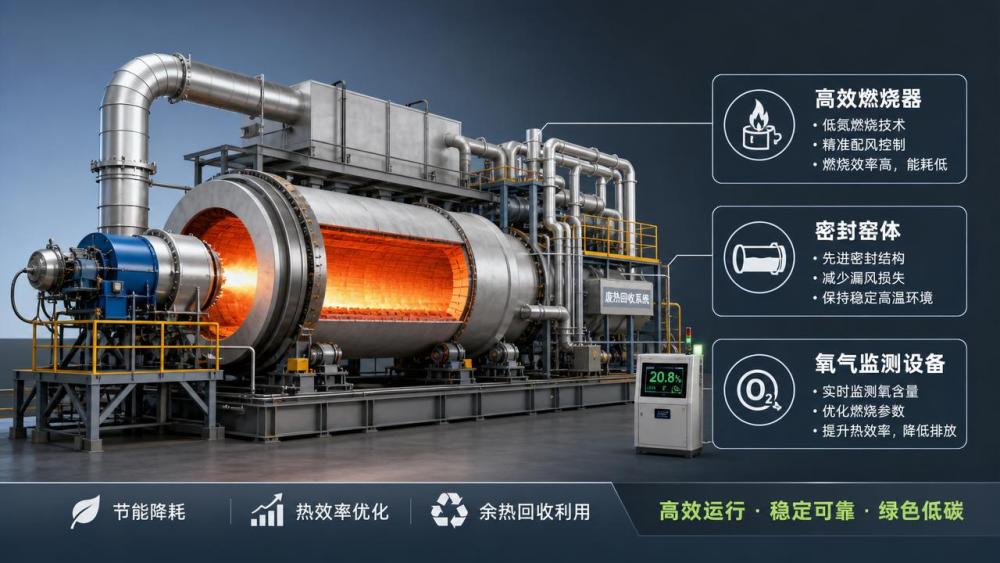
Fuel use in a kiln is shaped by many interacting variables. Flame shape, excess air, refractory condition, feed moisture, draft balance, and waste heat recovery all affect the final energy bill.
That is why the most useful way to review industrial kiln innovations is through a practical checklist. It helps separate real efficiency measures from upgrades that only improve one indicator while shifting losses elsewhere.
A good checklist also supports retrofit planning. Many plants cannot replace an entire kiln line, so they need staged actions with proven payback, low shutdown risk, and compatibility with future decarbonization options.
Core checklist: industrial kiln innovations that usually cut fuel use
- Measure baseline specific fuel consumption by product grade, throughput, moisture, and operating window before comparing industrial kiln innovations or approving any retrofit budget.
- Upgrade combustion controls to maintain stable excess oxygen, air-fuel ratio, and draft, because poor tuning often wastes more fuel than old hardware.
- Install high-efficiency burners that improve flame shaping, mixing intensity, and turndown range, especially where variable loads create unstable combustion zones.
- Reduce false air infiltration at seals, doors, and duct joints, since cold air leaks increase fuel demand and weaken temperature uniformity.
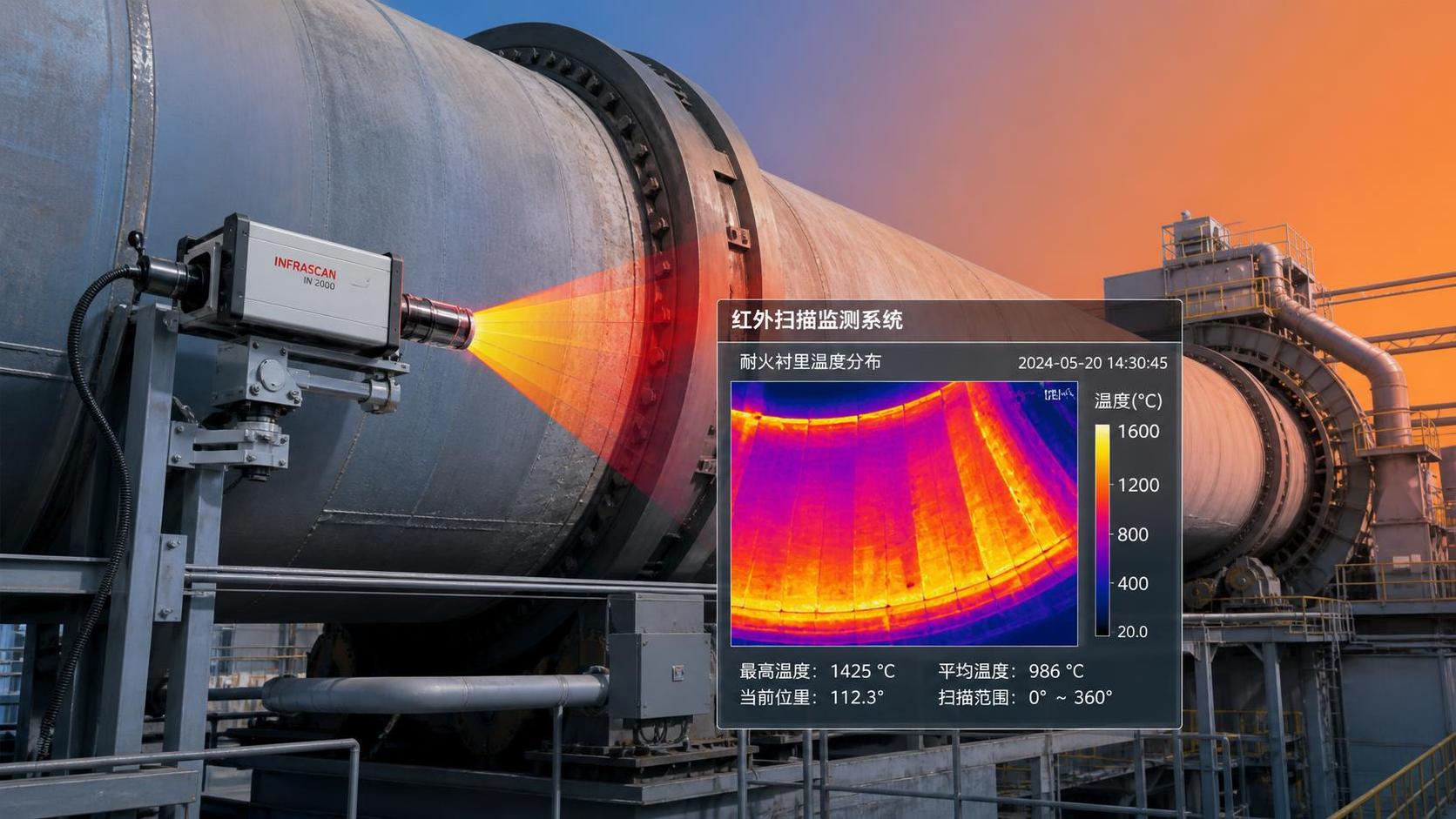
- Inspect refractory linings for hot spots, shell losses, and damaged insulation, then prioritize materials that maintain thermal resistance under actual chemistry and cycling.
- Recover waste heat from exhaust streams for combustion air preheating, raw material drying, or secondary process heating before venting usable energy.
- Stabilize feed size, chemistry, and moisture because process variability forces operators to overfire the kiln to protect quality and throughput.
- Use advanced process control or digital twin tools to reduce oscillation, shorten response time, and hold the kiln near its efficient operating envelope.
- Match fans, drives, and pressure control devices to actual duty, because poor draft management can erase the gains promised by other industrial kiln innovations.
- Verify retrofit economics with post-installation monitoring, including normalized fuel data, uptime impact, maintenance burden, and emissions performance.
Which upgrades usually show the fastest results?
In many legacy kilns, the quickest gains come from combustion tuning, leak sealing, and oxygen control. These measures often require less capital than major mechanical changes, yet they can produce visible fuel savings within one operating cycle.
Burner replacement can also perform well, but only when it is linked to airflow balancing and process measurement. A new burner alone cannot fix unstable feed, damaged insulation, or a weak exhaust system.
Which industrial kiln innovations deliver strategic long-term savings?
Waste heat recovery, advanced control platforms, and refractory redesign usually create the most durable reductions. They improve the thermal system itself rather than just treating a visible symptom.
These industrial kiln innovations are especially valuable where energy prices are volatile or carbon intensity matters. Better heat recovery and lower excess air directly support both operating cost control and emissions reduction.
Application notes across different kiln scenarios
Rotary kilns in cement and lime processes
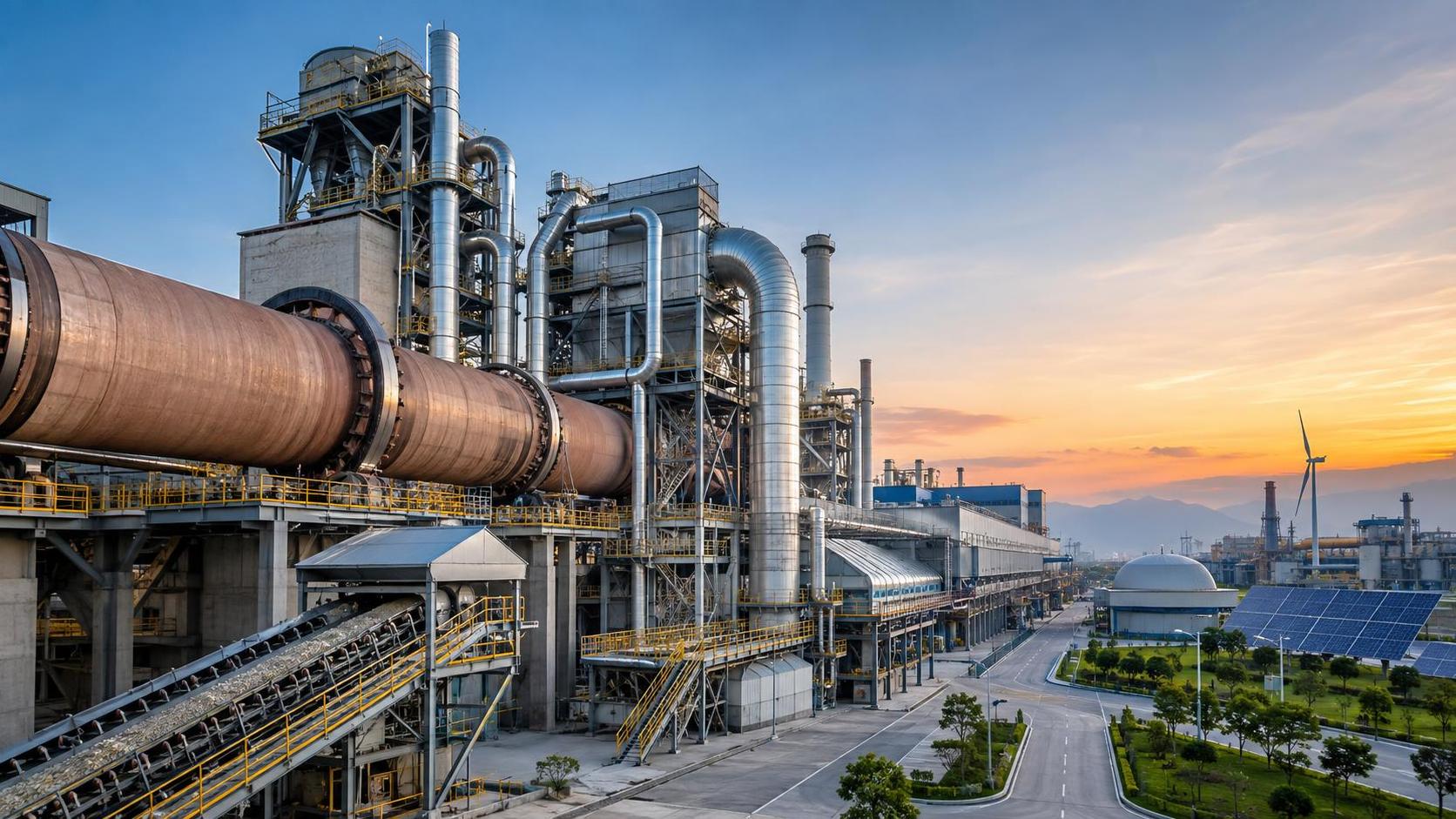
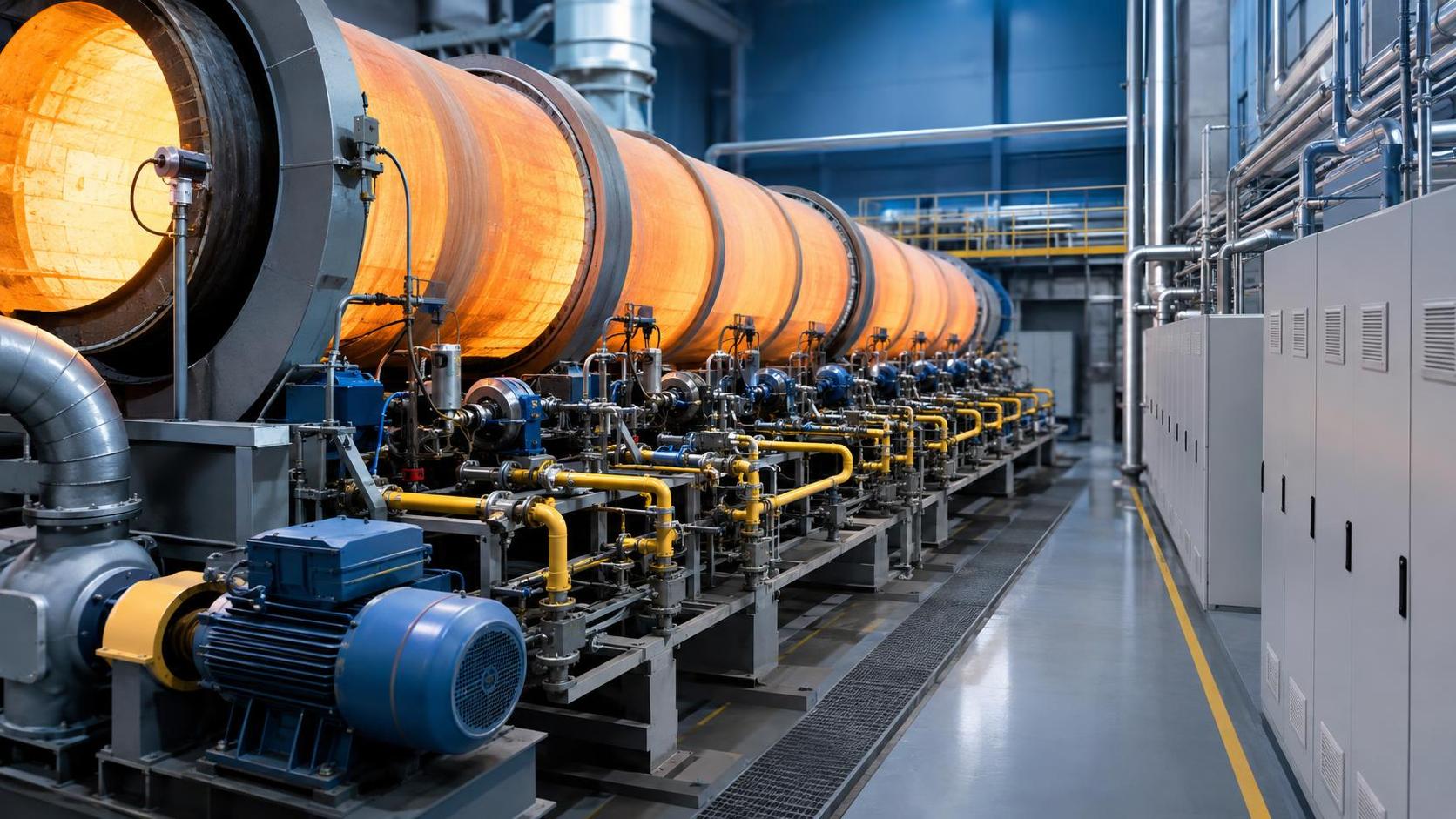
For rotary kilns, fuel savings depend heavily on preheating efficiency, seal integrity, and stable burning zone control. Industrial kiln innovations work best when feed chemistry variation is also managed upstream.
Secondary air temperature and shell heat loss deserve close review. If these two factors remain poor, expensive burner or software upgrades may underperform against expectation.
Tunnel kilns for refractories and building materials
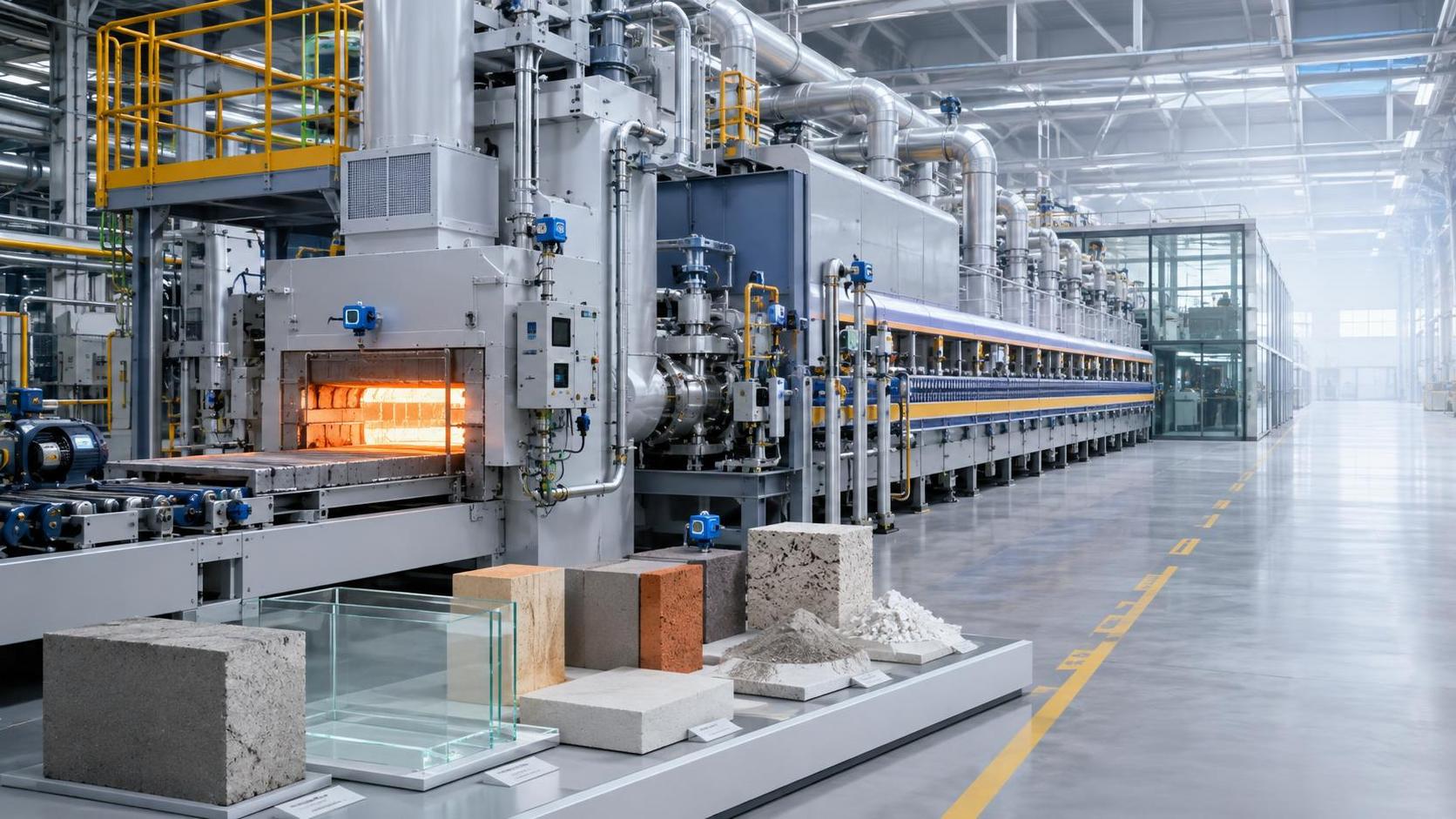
Tunnel kilns often benefit from zone-level control, car sealing improvements, and better recirculation management. Here, industrial kiln innovations should focus on temperature uniformity as much as raw fuel reduction.
When heat distribution improves, product rejects usually fall as well. That means total energy per saleable unit can drop more than burner efficiency alone would suggest.
Glass melting and thermal treatment lines
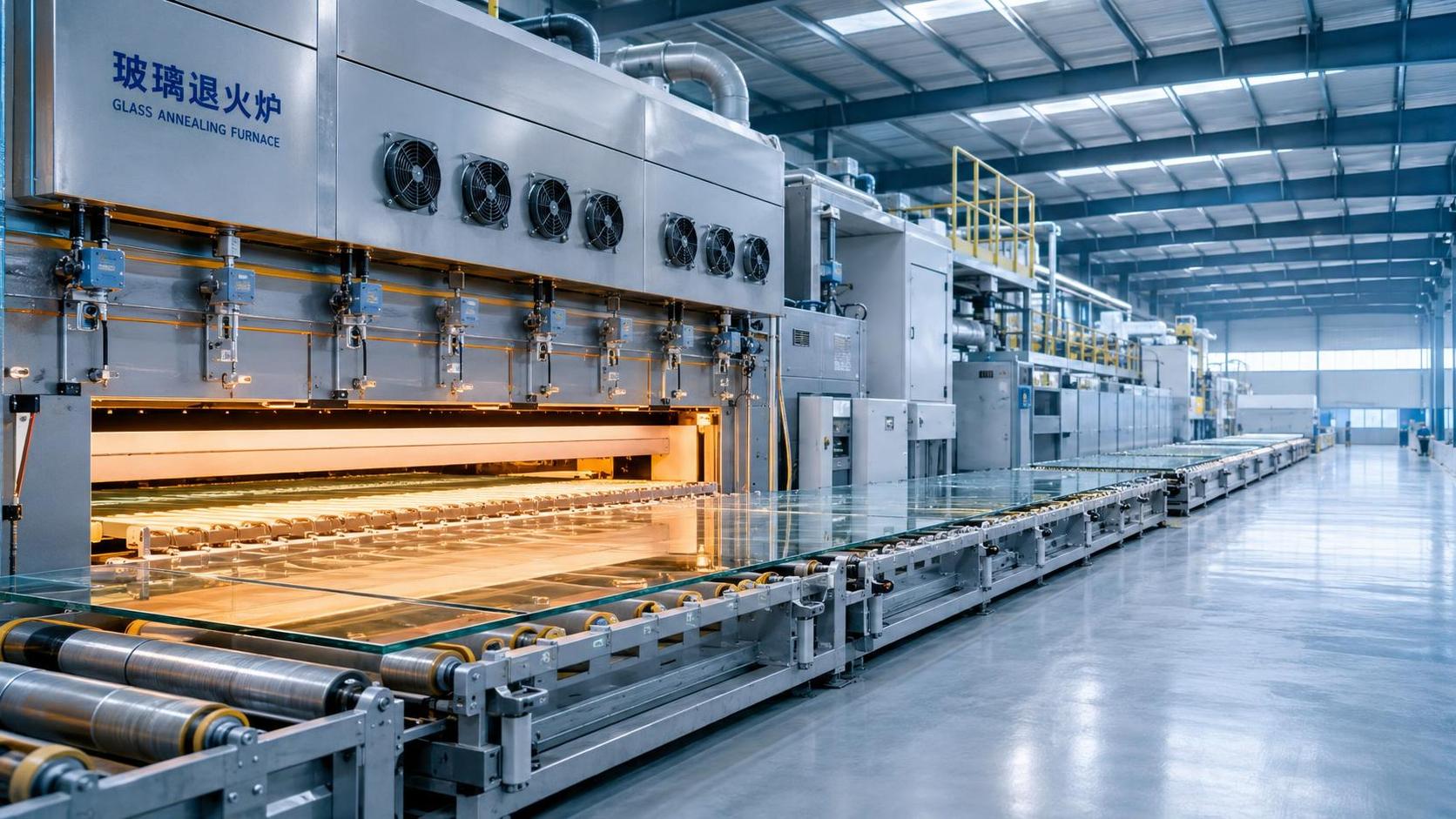
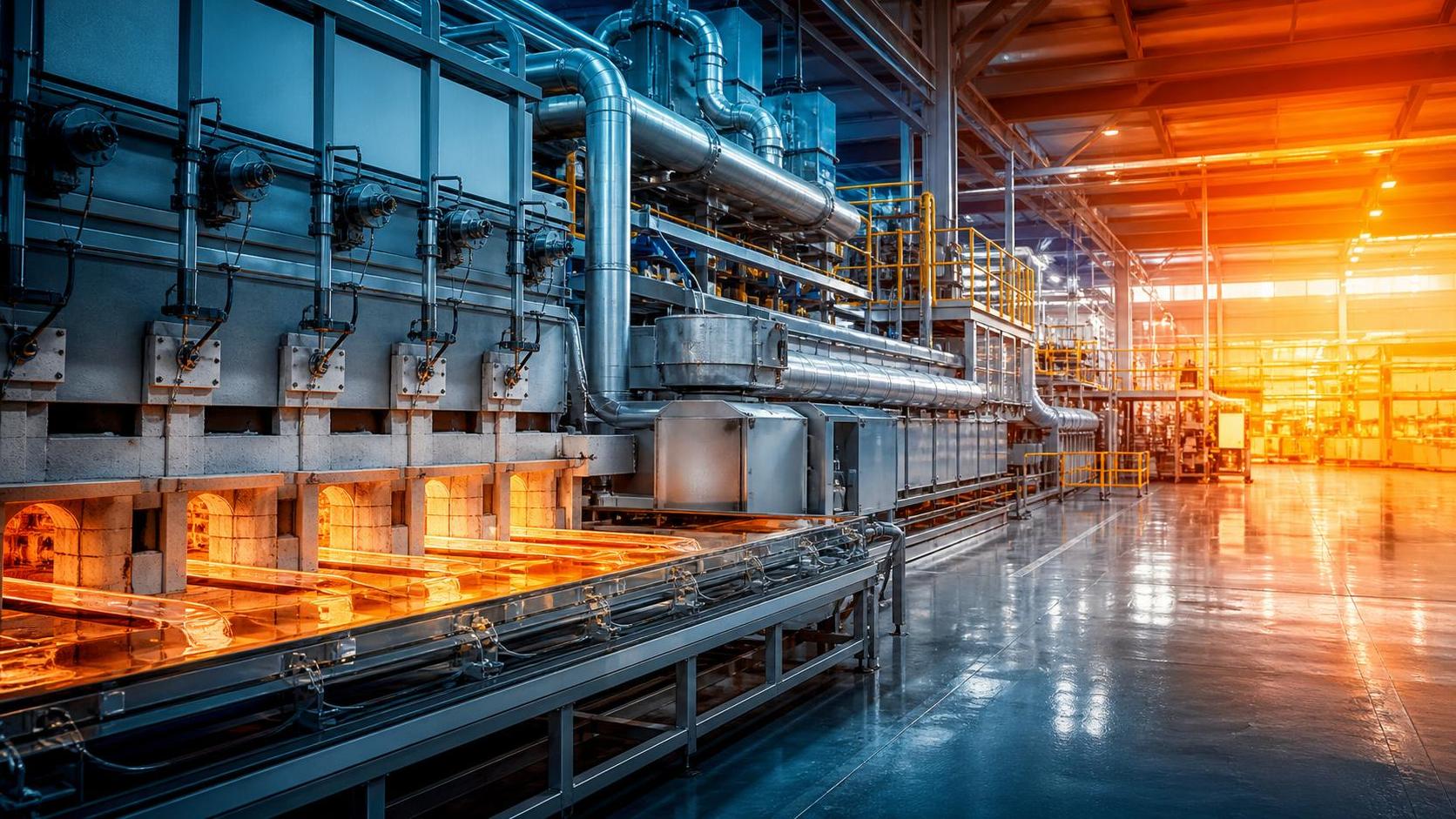
In glass-related systems, heat recovery and combustion precision are critical because thermal balance affects both fuel use and product quality. Regenerative or recuperative arrangements can produce meaningful gains if fouling is controlled.
Industrial kiln innovations in this area should be judged against pull rate, glass quality, and campaign stability, not fuel metrics alone.
Industrial incineration and co-processing systems
These systems face variable calorific value and difficult combustion conditions. The most effective industrial kiln innovations usually involve feed blending logic, residence time control, and robust monitoring of oxygen and temperature.
If waste composition swings sharply, operators often increase support fuel as a safety margin. Better predictive control can reduce that margin without compromising destruction efficiency.
Commonly overlooked risks when assessing industrial kiln innovations
- Ignoring normalized data and trusting headline savings from different production rates, fuel types, or product mixes.
- Overlooking maintenance complexity, spare parts dependency, or calibration requirements that gradually reduce realized savings.
- Treating automation as a substitute for mechanical integrity, even though leaking seals and damaged refractory still waste heat.
- Adding waste heat recovery without checking dust loading, corrosion risk, or pressure drop effects on draft stability.
- Selecting industrial kiln innovations that improve peak efficiency but perform poorly during turndown or mixed-fuel operation.
Another frequent problem is weak verification. Savings should be measured after startup using adjusted baselines, not accepted from commissioning snapshots taken during ideal conditions.
Practical execution steps for fuel-saving kiln upgrades
- Audit thermal losses first using shell scans, oxygen trends, exhaust temperature, and leak inspections.
- Rank opportunities by fuel impact, shutdown needs, and compatibility with planned capacity or decarbonization changes.
- Pilot control changes before major hardware spending whenever process instability appears to be the main loss driver.
- Bundle linked measures such as burner upgrades, draft control, and seal repair to avoid partial gains.
- Track results for at least one full production pattern, including startup, turndown, and different feed conditions.
For intelligence-led evaluation, CF-Elite’s focus on thermal management, process kinetics, and heavy equipment evolution aligns well with this staged approach. In complex kiln environments, decision quality improves when technical benchmarking is connected with emissions pressure, market volatility, and retrofit feasibility.
Conclusion: which industrial kiln innovations are worth prioritizing?
The industrial kiln innovations that actually cut fuel use are usually the least glamorous and the most measurable. Stable combustion, lower false air, stronger insulation, useful heat recovery, and disciplined process control beat isolated equipment claims.
Start with a baseline, then test each option against normalized fuel data, product quality, and operating resilience. That method identifies which industrial kiln innovations create lasting savings instead of temporary improvement on paper.
The next practical step is simple: map heat losses, rank retrofit actions, and verify every promised gain with plant data. In modern thermal industries, that is how fuel efficiency becomes an operational result rather than a marketing phrase.
Related News
 Optical Glass Tech FellowHow to Evaluate a Glass Annealing Equipment Manufacturer for Production StabilityChoose a glass annealing equipment manufacturer with proven thermal uniformity, reliable controls, lifecycle value, and responsive service for stable production.Sep 08, 2026
 Prof. Marcus ChenThermal Energy Architecture in North America: Strategies for Lower Building Energy UseThermal energy architecture North America helps project leaders cut building energy use through stronger envelopes, right-sized HVAC, storage, and smart commissioning.Sep 07, 2026
 Ms. Elena RodriguezHow Should Buyers Evaluate Building Material Industry Intelligence Pricing?Building material industry intelligence pricing: learn how to compare coverage, technical depth, and ROI to choose intelligence that reduces procurement risk.Sep 07, 2026
 Ms. Elena RodriguezHow to Use Building Material Intelligence Data for Market and Investment DecisionsBuilding material industry intelligence data helps leaders evaluate demand, costs, regulation, capacity, and technology to make smarter market and investment decisions.Sep 05, 2026
 Thermal Energy ArchitectHow PLC Control Improves Energy Efficiency and Temperature Stability in KilnsEnergy efficient kilns PLC control improves temperature stability, cuts fuel waste, and optimizes combustion, draft, and material flow. Explore proven strategies for smarter kiln modernization.Sep 04, 2026
 Optical Glass Tech FellowEuropean Glass Melting Processes: Furnace Choices, Energy Use, and Quality ControlGlass melting process Europe: explore furnace choices, energy efficiency, cullet strategy, and quality control to improve output, compliance, and long-term glass performance.Sep 03, 2026
 Thermal Energy ArchitectWhat Determines Refractory Lining Monitoring Price for Industrial Kilns?Refractory lining monitoring price depends on kiln size, sensor technology, installation, software, and support. Compare total lifecycle costs and choose the right solution.Sep 02, 2026
 Silicate Process EngineerCement Production System Costs: A Plant Buyer’s Guide to Budgeting and ROICement production systems cost planning made clear: compare CAPEX, operating costs, compliance, and ROI to build a resilient, profitable cement plant investment.Sep 01, 2026
 Dr. Alistair VaughnWhat Should a Process Technology Database Track for High-Temperature Plants?Process technology database essentials for high-temperature plants: track thermal profiles, feed chemistry, refractory wear, emissions, energy, and maintenance for safer, data-driven decisions.Aug 31, 2026
 Ms. Elena RodriguezHow to Evaluate a Silicate Processing Equipment Manufacturer for Plant ProjectsSilicate processing equipment manufacturer selection: assess process fit, guarantees, energy, compliance, delivery risk, and lifecycle support for dependable plant performance.Aug 30, 2026
 Dr. Alistair VaughnHow to Specify Custom Agricultural Processing Equipment for Throughput and HygieneEquipment customization services for agricultural processing: learn to specify hygienic, high-throughput lines that improve yield, reliability, and long-term efficiency.Aug 29, 2026
 Dr. Alistair VaughnHow to Select Process Plant Equipment for High-Temperature, Abrasive Production LinesProcess plant equipment selection for high-temperature, abrasive lines: reduce downtime, improve durability, and optimize lifecycle performance.Aug 28, 2026
 Silicate Process EngineerHow Kiln Heat Recovery Systems Cut Fuel Use in Cement and Lime ProductionKiln heat recovery helps cement and lime plants cut fuel use, improve thermal stability, and build practical, reliable decarbonization strategies.Aug 27, 2026
 Ms. Elena RodriguezProcess Equipment Comparison: Which Metrics Matter Most for Reliable Selection?Process equipment comparison made practical: discover which metrics truly drive reliable selection, from energy efficiency and control stability to wear life, maintainability, and uptime.Aug 26, 2026
 Ms. Elena RodriguezWhat Buyers Should Check Before Sourcing Precision Alloy Bars for Critical PartsPrecision Alloy Bars buyers should verify grade, chemistry, tolerances, surface quality, traceability, and lead time before sourcing for critical parts. Learn what prevents costly machining and reliability risks.Aug 27, 2026
 Ms. Elena RodriguezHow to Evaluate Thermal Management Solutions Insulation for High-Heat Industrial SystemsThermal management solutions insulation: learn how to assess high-heat industrial systems by thermal performance, durability, lifecycle cost, and supplier data for smarter decisions.Aug 25, 2026
 Ms. Elena RodriguezWhat Drives Waste Recycling Cost in Industrial Projects and How to Estimate It?Waste recycling cost in industrial projects depends on composition, moisture, transport, pre-treatment, and compliance. Learn how to estimate it accurately and compare suppliers with confidence.Aug 24, 2026
 Silicate Process EngineerHow to Evaluate Cement Production Plants in the Middle East for Capacity, Fuel Flexibility, and ROIcement production plants Middle East: Learn how to assess true capacity, fuel flexibility, and ROI risks to identify resilient assets and smarter investment opportunities.Aug 23, 2026
 Structural Material AnalystHow to Evaluate Lightweight Material Machinery for Output, Energy Use, and Product QualityLightweight material machinery evaluation guide: compare stable output, energy use, and product quality to choose equipment that cuts waste, lowers costs, and improves production confidence.Aug 22, 2026
 Material Heat-Resist ExpertWhat Determines Refractory Production Line Price in a Turnkey Plant Project?Refractory production line price depends on raw materials, forming method, kiln and drying design, automation, utilities, and scope. Learn what really drives turnkey plant cost before you invest.Aug 21, 2026

Related News
- 00
0000-00
How PLC Control Improves Energy Efficiency and Temperature Stability in Kilns - 00
0000-00
What Determines Refractory Lining Monitoring Price for Industrial Kilns? - 00
0000-00
How Digital Twin Simulations Help Kiln Operators Cut Fuel Use and Stabilize Output - 00
0000-00
What to Evaluate in a Rotary Kiln Technology Manufacturer for High-Temperature Process Projects - 00
0000-00
How to Evaluate an Incineration Equipment Exporter for Compliance, Capacity, and After-Sales Support
Weekly Insights
Stay ahead with our curated technology reports delivered every Monday.