
When high-temperature process engineering saves retrofit costs




For procurement teams evaluating upgrades across kilns, glass lines, incineration systems, or extrusion equipment, high-temperature process engineering can be the difference between costly retrofits and smarter long-term investment. By aligning thermal efficiency, material durability, and emissions targets from the start, decision-makers can reduce lifecycle costs, avoid hidden redesign risks, and secure equipment strategies that support both production stability and carbon goals.
Why does high-temperature process engineering matter before procurement approval?
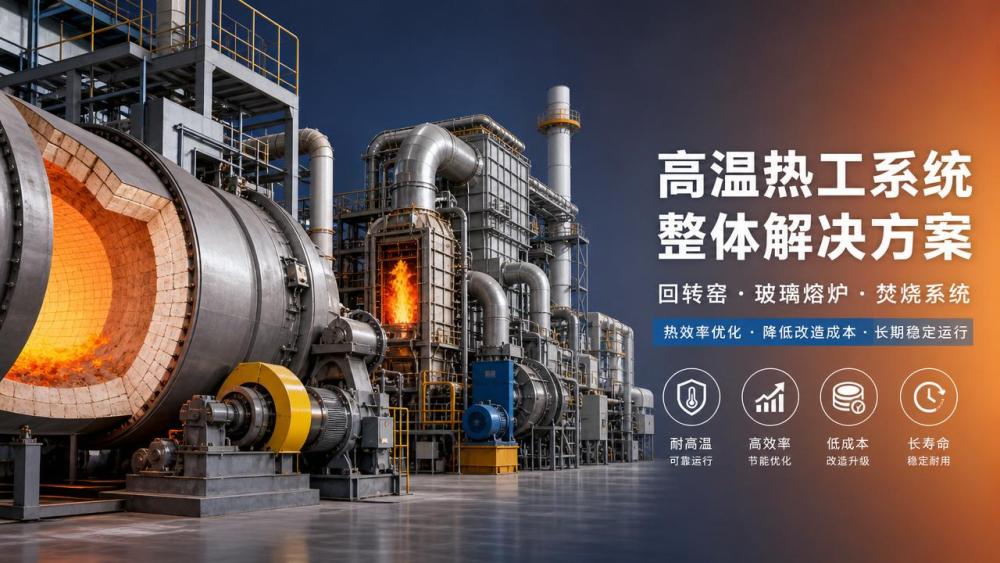
In heavy thermal industries, retrofit costs rarely come from one obvious mistake. They usually come from poor alignment between process temperature, fuel choice, refractory design, airflow balance, residence time, emissions control, and equipment layout.
That is why high-temperature process engineering should not be treated as a late-stage technical check. It is an early procurement discipline that influences CAPEX, OPEX, downtime risk, spare parts demand, and future compliance flexibility.
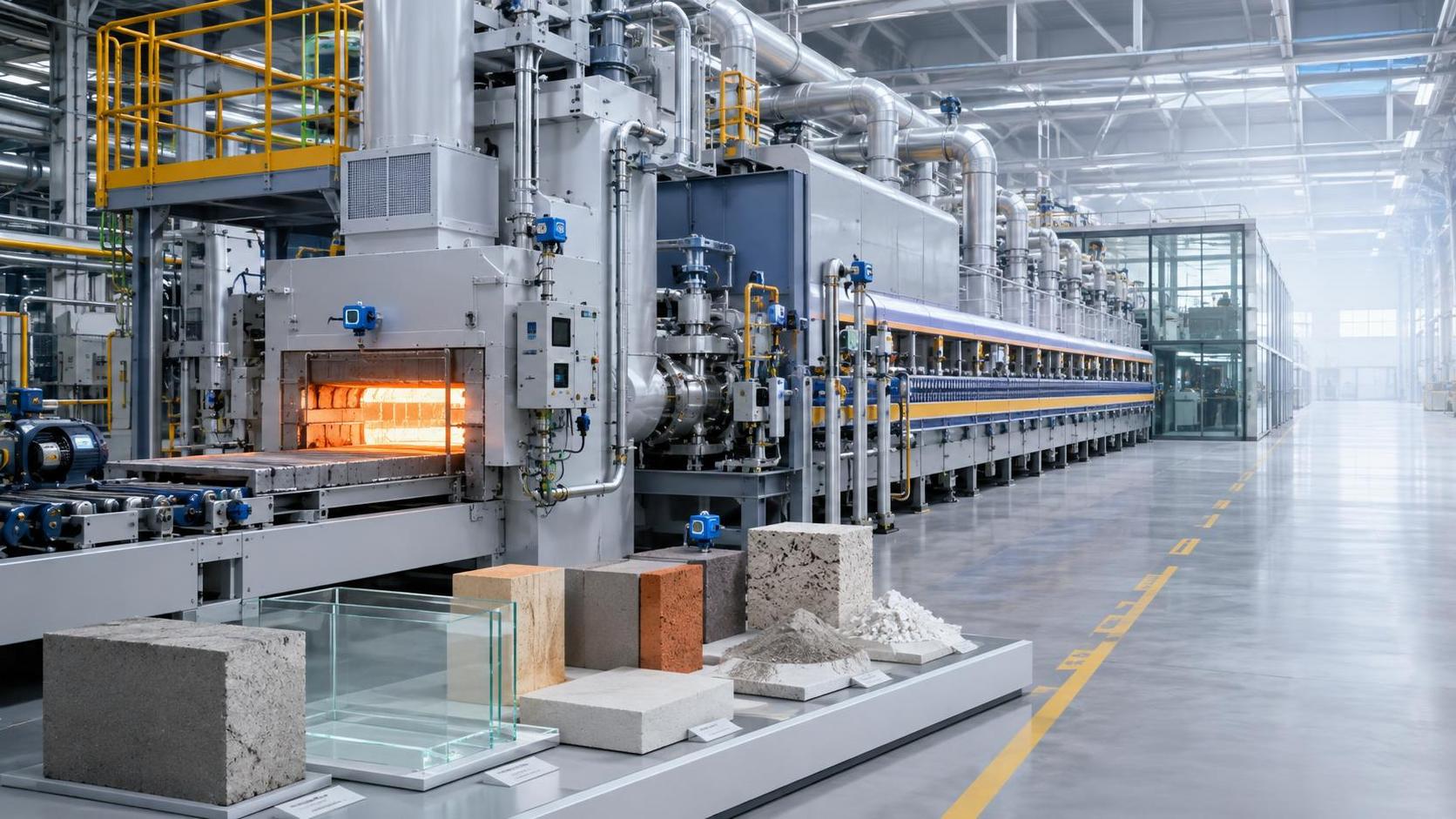
For buyers in cement plants, glass production, industrial kilns, incineration systems, refractory lines, and building material extrusion, the real question is not only which machine to buy. The better question is whether the thermal process has been engineered well enough to avoid rework after installation.
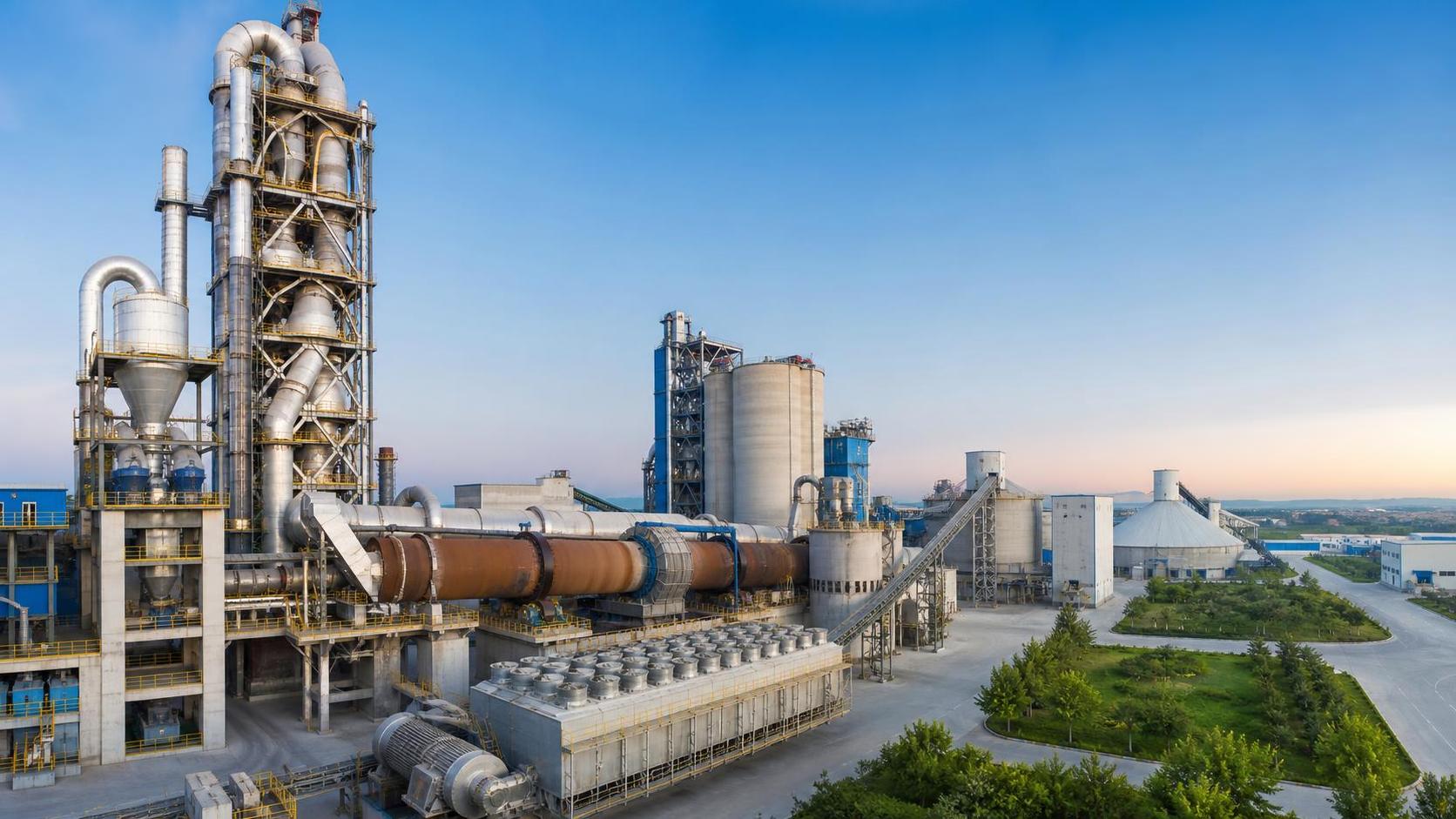
- A kiln shell can be structurally sound but still underperform if heat transfer assumptions are wrong.
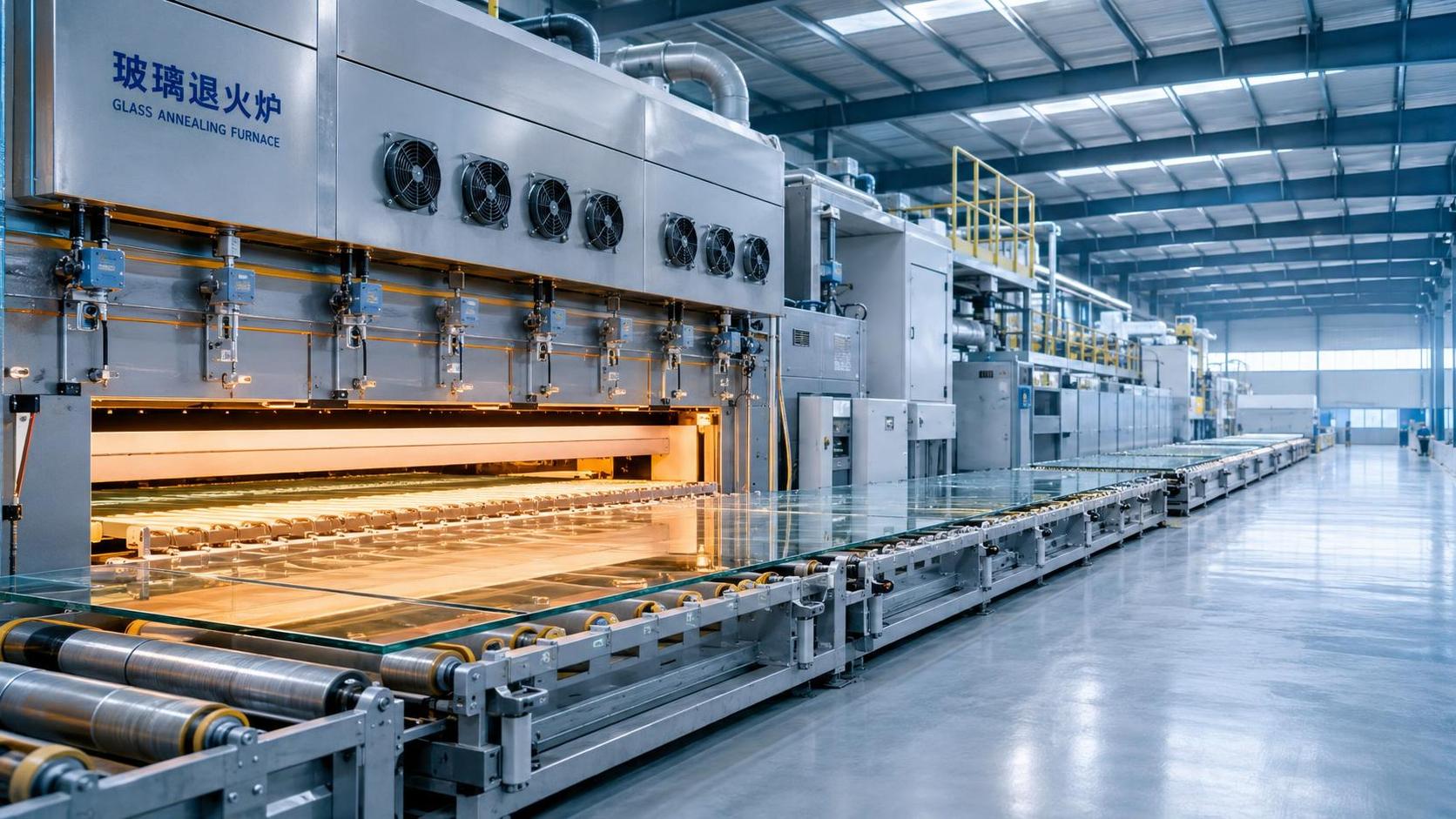
- A glass furnace may meet design output on paper, yet trigger energy overruns if combustion and insulation are mismatched.
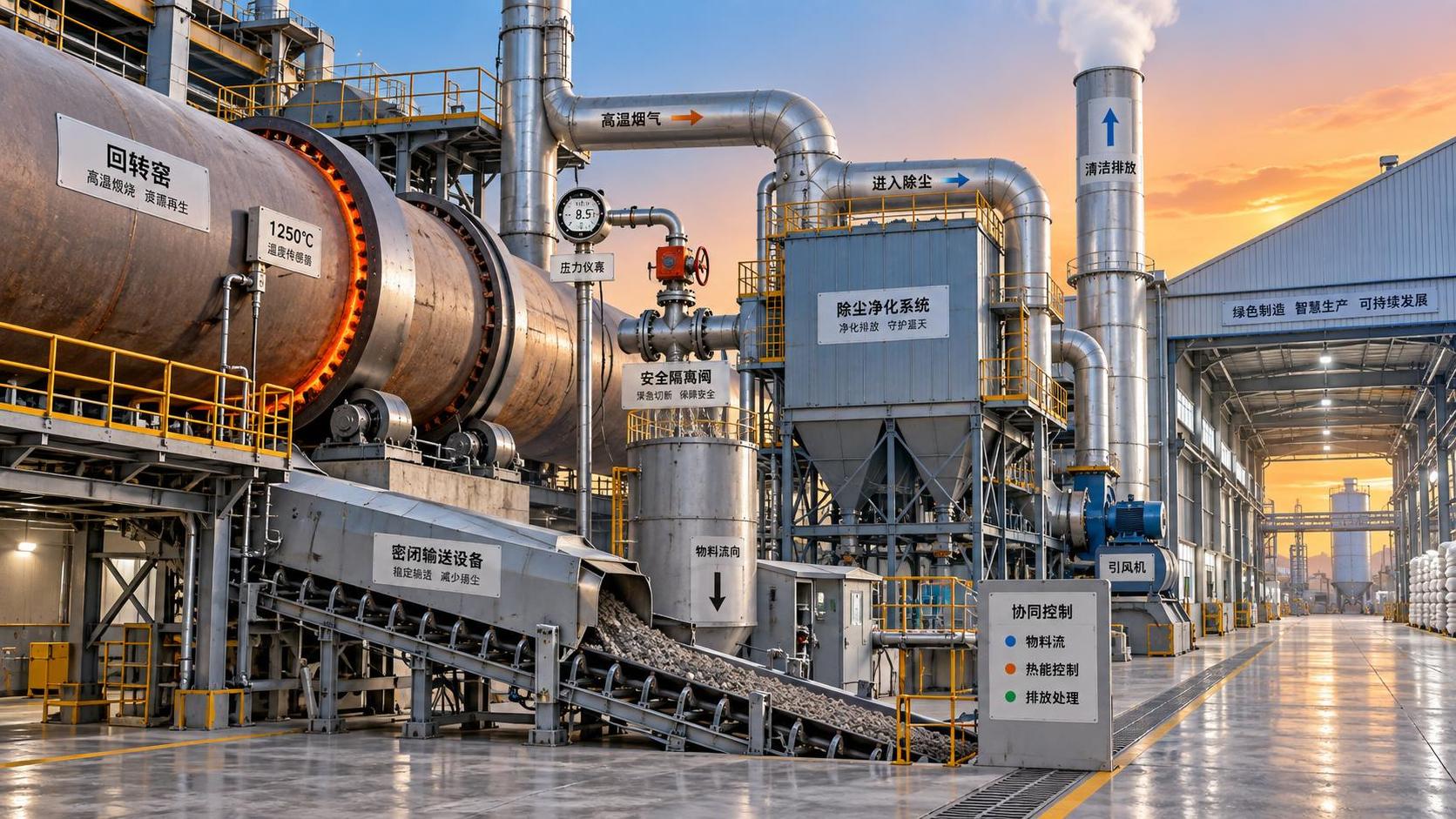
- An incineration line can pass commissioning, then fail long-term emissions stability due to residence-time or secondary combustion gaps.
- An extrusion line may suffer die wear, product cracking, or unstable moisture control if thermal conditioning upstream was not fully modeled.
This is where CF-Elite brings value. Its intelligence focus on foundation materials and thermal management helps procurement teams connect process physics, chemical reaction kinetics, equipment selection, and carbon reduction planning before money is locked into the wrong configuration.
Where do retrofit costs usually come from in high-temperature projects?
Most retrofit budgets are approved after a problem becomes visible. Smart procurement tries to identify those problem sources earlier. In high-temperature process engineering, retrofit pressure often appears in five predictable areas.
1. Thermal mismatch between design and real operating loads
A line may be specified for nominal throughput, but daily operations involve feed variability, start-stop cycling, fuel shifts, or seasonal ambient changes. If the original thermal model is too narrow, burners, fans, refractory layers, or control logic may need expensive correction.
2. Underestimated refractory wear and hot-face stress
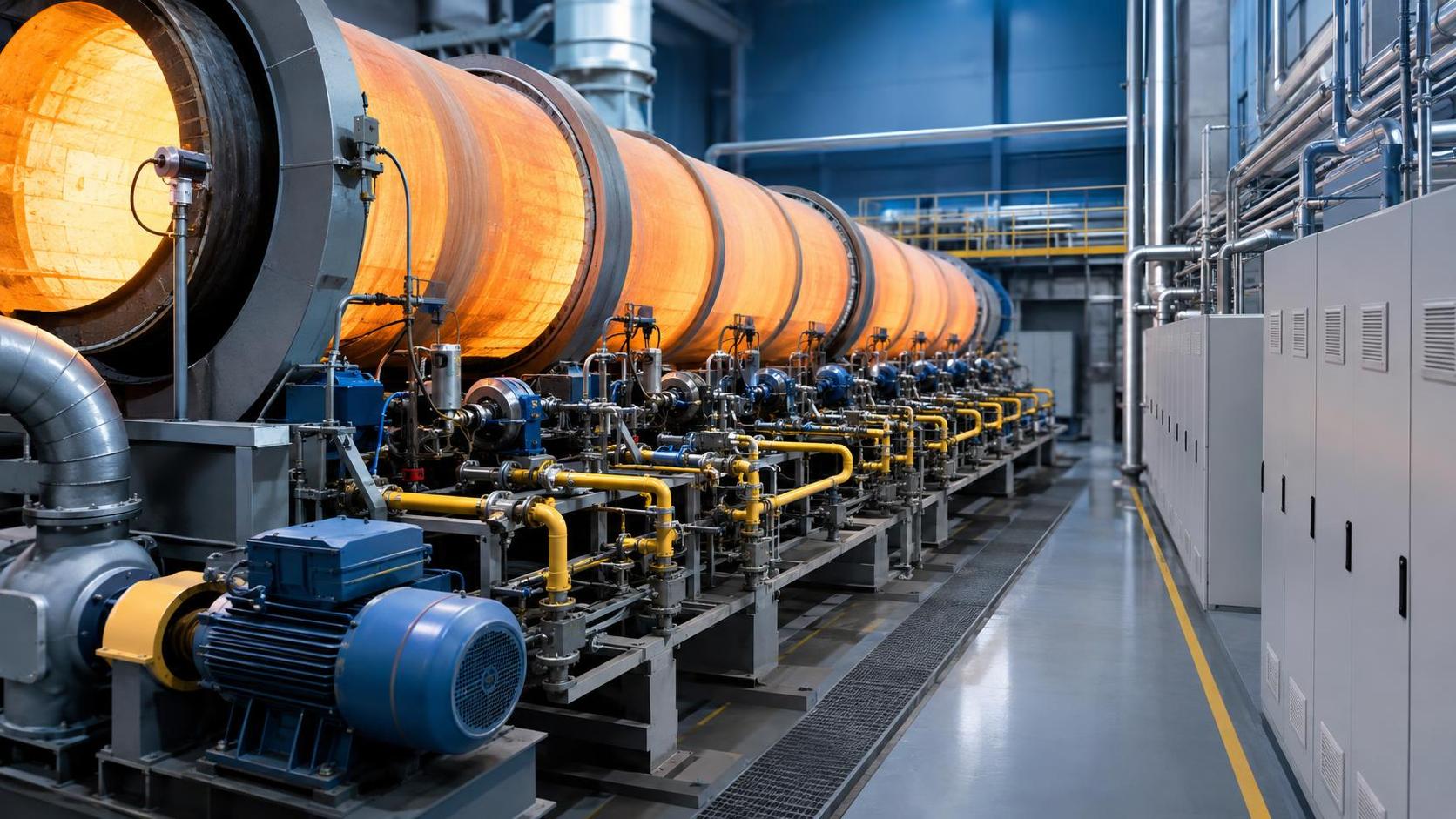
Buyers sometimes compare refractory offers mainly by unit price. That creates risk. In rotary kilns, incinerators, and furnaces, coating behavior, alkali attack, thermal shock resistance, and shell temperature all affect campaign life and shutdown frequency.
3. Emissions upgrades added after equipment selection
If NOx, SOx, particulate, VOC, or dioxin control is considered too late, the plant may need new ducts, larger fans, extra residence volume, or revised burner settings. Those changes are far more expensive after civil works and primary equipment are fixed.
4. Poor integration with digital monitoring and predictive maintenance
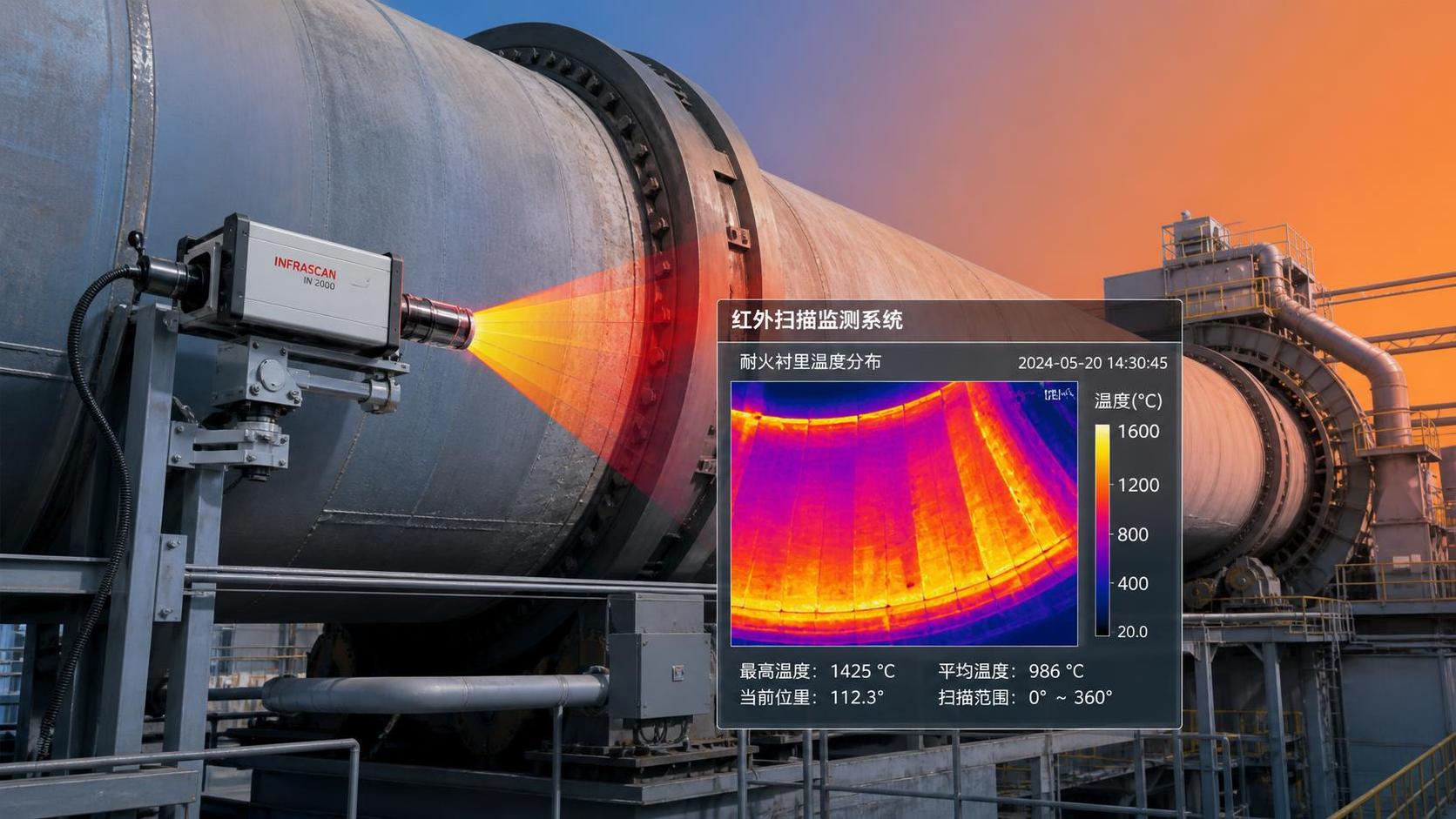
Online shell scanning, furnace temperature mapping, refractory condition monitoring, and digital twin simulation are not luxury items in many modern plants. When omitted at purchase stage, adding them later often means wiring changes, instrumentation shutdowns, and software compatibility issues.
5. Incomplete feedstock and fuel scenario planning
Alternative fuels, variable waste streams, cullet ratio changes, and raw material fluctuations all alter combustion dynamics and heat balance. High-temperature process engineering reduces retrofit risk by stress-testing future operating windows, not just current ones.
Which procurement signals show that a supplier truly understands high-temperature process engineering?
Procurement teams often receive technically polished proposals that still leave major process questions unanswered. The table below helps buyers separate equipment sellers from process-capable partners.
For procurement personnel, this comparison is practical. A process-engineered offer lowers the chance that hidden constraints will surface during commissioning. It also gives stronger grounds for internal approval because risk assumptions are documented.
CF-Elite’s strategic intelligence model is built around these decision points. Instead of looking at equipment in isolation, it tracks how thermal architecture, material science, market demand, and environmental policy interact across high-temperature sectors.
How does high-temperature process engineering apply across different industrial scenarios?
Procurement decisions vary by industry, but the thermal logic behind retrofit avoidance is often comparable. The goal is to identify where process engineering has the highest leverage before contracts are finalized.
The next table maps common application scenarios to the engineering issues that most often affect lifecycle cost and modification exposure.
The pattern is clear. Across sectors, high-temperature process engineering reduces the need to retrofit when production, energy, and compliance requirements begin to shift. That matters greatly in long-cycle assets where modification windows are limited and shutdown costs are high.
What should procurement teams compare beyond equipment price?
Low purchase price can become the most expensive option if thermal losses, spare consumption, and line instability are underestimated. Buyers should compare total installed value, not only quoted hardware.
A practical procurement checklist
- Confirm the real operating envelope, including peak load, reduced load, shutdown frequency, and fuel variation rather than only nominal capacity.
- Ask for process assumptions behind energy numbers. Separate guaranteed performance from estimated performance.
- Review refractory zones, insulation layers, and expected shell or casing temperatures in relation to campaign life and maintenance access.
- Check whether emissions control interfaces are already considered, including gas volume, temperature windows, and dust loading.
- Evaluate instrumentation and online monitoring from the beginning, especially if your plant plans condition-based maintenance.
- Assess future retrofit margin. A well-engineered line should allow process adaptation without major civil reconstruction.
This wider view is especially important in international sourcing. Different vendors may quote on different boundaries, and missing scope items often appear later as “owner responsibility.” Procurement teams need thermal-process clarity to avoid those budget leaks.
How can high-temperature process engineering reduce lifecycle cost?
Lifecycle cost in thermal assets is shaped by fuel efficiency, lining life, maintenance intervals, emission-control reliability, and production consistency. Even a moderate improvement in these areas can outweigh a lower initial quote.
The table below shows how procurement teams can frame cost discussions when comparing a basic configuration with a process-engineered solution.
This comparison does not mean the most sophisticated design is always necessary. It means the process basis should match the commercial risk of the asset. For high-duty lines with energy-intensive operation, better thermal engineering often pays back through avoided interruptions and fewer redesign events.
What standards and compliance points should buyers ask about?
Procurement personnel do not need to become process engineers, but they should ask enough compliance questions to expose design gaps. In thermal projects, standards are often cross-functional rather than limited to one certificate.
- Materials and refractory performance should be discussed in relation to service temperature, chemical exposure, and thermal cycling, not only catalog values.
- Combustion and emissions interfaces should consider local environmental permits, stack monitoring requirements, and future tightening of discharge limits.
- Electrical and control packages should align with plant safety procedures, shutdown logic, and instrumentation reliability expectations.
- Mechanical design should account for thermal expansion, access for maintenance, and integration with existing structures.
CF-Elite’s sector coverage is useful here because compliance is not isolated from commercial planning. Environmental regulation, energy transition, and equipment modernization increasingly move together, especially in international projects and distributor-led sourcing.
What are common misconceptions that lead to expensive retrofits?
Many retrofit costs begin with assumptions that sound reasonable in a purchasing meeting but fail in plant reality. Recognizing them early can save time and approval friction.
“If throughput is the same, the process risk is the same.”
Not necessarily. Two lines with the same output can have very different feed chemistry, fuel flexibility, ambient conditions, and maintenance strategy. High-temperature process engineering looks beyond nameplate capacity.
“A thicker refractory always means longer life.”
Thickness alone does not solve chemical attack, spalling, coating instability, or installation quality problems. Correct lining design depends on the service zone and process chemistry.
“Emissions can be fixed later with end-of-pipe upgrades.”
Sometimes, but often at high cost. Poor combustion staging, gas temperature profile, or residence time may force structural changes that are much more expensive than early process correction.
“Monitoring systems can be added after startup.”
They can, but retrofitting sensors, cameras, scanning systems, and data integration often disrupts operation and leaves blind spots that could have been addressed in the original design package.
FAQ: what do buyers most often ask about high-temperature process engineering?
How early should high-temperature process engineering enter a procurement project?
Ideally before final RFQ boundaries are fixed. Once the bid package is too narrow, suppliers price to the document rather than to the real process need. Early engineering input improves scope clarity, supplier comparability, and internal budget confidence.
Is high-temperature process engineering only important for new plants?
No. It is equally important in brownfield upgrades where legacy layout, existing utilities, and downtime constraints create more complexity. In fact, retrofit avoidance is often more valuable in older plants because every modification affects multiple interfaces.
What procurement documents should include thermal-process data?
At minimum, RFQs should define throughput range, material properties, fuel basis, operating temperature windows, expected emissions constraints, utility availability, maintenance philosophy, and instrumentation requirements. Without these, proposals may not be truly comparable.
How can buyers compare suppliers when each uses different assumptions?
Build a bid comparison matrix around assumptions, not only price. Ask each supplier to state heat balance basis, refractory zoning logic, expected maintenance intervals, compliance interfaces, and control strategy. That exposes hidden exclusions quickly.
When is outside intelligence support useful?
It is useful when procurement must balance technical detail, cross-border sourcing, uncertain regulations, and long asset life. Independent market and process intelligence can help validate whether a quoted solution reflects current industry direction or simply a familiar legacy design.
Why choose us for procurement intelligence in high-temperature industries?
CF-Elite is positioned for buyers who need more than general market news. Its focus on large-scale silicate production lines, industrial incineration, refractory systems, glass manufacturing gear, and extrusion equipment gives procurement teams a stronger basis for technical-commercial judgment.
Our advantage lies in connecting process engineering and purchasing logic. We track thermal efficiency, material durability, digital monitoring, co-processing trends, environmental regulation, and commercial demand shifts in one decision framework.
- Need help confirming whether a quoted line has enough thermal flexibility for future fuel or feed changes? We can help frame the technical checkpoints.
- Need support comparing supplier assumptions on heat balance, refractory life, or emissions interfaces? We can help structure the evaluation matrix.
- Need visibility on upgrade timing, delivery constraints, digital monitoring options, or compliance-related procurement risk? We can help narrow the questions before negotiations begin.
- Need a more informed path for product selection, customization scope, quotation review, sample or parameter discussion, and delivery planning? We can support those conversations with sector-focused intelligence.
If your team is reviewing a kiln, float line, incineration unit, refractory production system, or building material extrusion project, contact us with your target process parameters, equipment shortlist, expected delivery window, compliance questions, or retrofit concerns. That is often the fastest way to turn high-temperature process engineering into lower lifecycle cost and better procurement decisions.
Related News
 Dr. Alistair VaughnIndustrial Process Engineering: How to Map Processes for Safer, More Efficient PlantsIndustrial process engineering reveals bottlenecks, safety risks, and energy losses through practical process mapping for safer, more efficient plants.Sep 09, 2026
 Optical Glass Tech FellowHow to Evaluate a Glass Annealing Equipment Manufacturer for Production StabilityChoose a glass annealing equipment manufacturer with proven thermal uniformity, reliable controls, lifecycle value, and responsive service for stable production.Sep 08, 2026
 Prof. Marcus ChenThermal Energy Architecture in North America: Strategies for Lower Building Energy UseThermal energy architecture North America helps project leaders cut building energy use through stronger envelopes, right-sized HVAC, storage, and smart commissioning.Sep 07, 2026
 Ms. Elena RodriguezHow Should Buyers Evaluate Building Material Industry Intelligence Pricing?Building material industry intelligence pricing: learn how to compare coverage, technical depth, and ROI to choose intelligence that reduces procurement risk.Sep 07, 2026
 Ms. Elena RodriguezHow to Use Building Material Intelligence Data for Market and Investment DecisionsBuilding material industry intelligence data helps leaders evaluate demand, costs, regulation, capacity, and technology to make smarter market and investment decisions.Sep 05, 2026
 Thermal Energy ArchitectHow PLC Control Improves Energy Efficiency and Temperature Stability in KilnsEnergy efficient kilns PLC control improves temperature stability, cuts fuel waste, and optimizes combustion, draft, and material flow. Explore proven strategies for smarter kiln modernization.Sep 04, 2026
 Optical Glass Tech FellowEuropean Glass Melting Processes: Furnace Choices, Energy Use, and Quality ControlGlass melting process Europe: explore furnace choices, energy efficiency, cullet strategy, and quality control to improve output, compliance, and long-term glass performance.Sep 03, 2026
 Thermal Energy ArchitectWhat Determines Refractory Lining Monitoring Price for Industrial Kilns?Refractory lining monitoring price depends on kiln size, sensor technology, installation, software, and support. Compare total lifecycle costs and choose the right solution.Sep 02, 2026
 Silicate Process EngineerCement Production System Costs: A Plant Buyer’s Guide to Budgeting and ROICement production systems cost planning made clear: compare CAPEX, operating costs, compliance, and ROI to build a resilient, profitable cement plant investment.Sep 01, 2026
 Dr. Alistair VaughnWhat Should a Process Technology Database Track for High-Temperature Plants?Process technology database essentials for high-temperature plants: track thermal profiles, feed chemistry, refractory wear, emissions, energy, and maintenance for safer, data-driven decisions.Aug 31, 2026
 Ms. Elena RodriguezHow to Evaluate a Silicate Processing Equipment Manufacturer for Plant ProjectsSilicate processing equipment manufacturer selection: assess process fit, guarantees, energy, compliance, delivery risk, and lifecycle support for dependable plant performance.Aug 30, 2026
 Dr. Alistair VaughnHow to Specify Custom Agricultural Processing Equipment for Throughput and HygieneEquipment customization services for agricultural processing: learn to specify hygienic, high-throughput lines that improve yield, reliability, and long-term efficiency.Aug 29, 2026
 Dr. Alistair VaughnHow to Select Process Plant Equipment for High-Temperature, Abrasive Production LinesProcess plant equipment selection for high-temperature, abrasive lines: reduce downtime, improve durability, and optimize lifecycle performance.Aug 28, 2026
 Silicate Process EngineerHow Kiln Heat Recovery Systems Cut Fuel Use in Cement and Lime ProductionKiln heat recovery helps cement and lime plants cut fuel use, improve thermal stability, and build practical, reliable decarbonization strategies.Aug 27, 2026
 Ms. Elena RodriguezProcess Equipment Comparison: Which Metrics Matter Most for Reliable Selection?Process equipment comparison made practical: discover which metrics truly drive reliable selection, from energy efficiency and control stability to wear life, maintainability, and uptime.Aug 26, 2026
 Ms. Elena RodriguezWhat Buyers Should Check Before Sourcing Precision Alloy Bars for Critical PartsPrecision Alloy Bars buyers should verify grade, chemistry, tolerances, surface quality, traceability, and lead time before sourcing for critical parts. Learn what prevents costly machining and reliability risks.Aug 27, 2026
 Ms. Elena RodriguezHow to Evaluate Thermal Management Solutions Insulation for High-Heat Industrial SystemsThermal management solutions insulation: learn how to assess high-heat industrial systems by thermal performance, durability, lifecycle cost, and supplier data for smarter decisions.Aug 25, 2026
 Ms. Elena RodriguezWhat Drives Waste Recycling Cost in Industrial Projects and How to Estimate It?Waste recycling cost in industrial projects depends on composition, moisture, transport, pre-treatment, and compliance. Learn how to estimate it accurately and compare suppliers with confidence.Aug 24, 2026
 Silicate Process EngineerHow to Evaluate Cement Production Plants in the Middle East for Capacity, Fuel Flexibility, and ROIcement production plants Middle East: Learn how to assess true capacity, fuel flexibility, and ROI risks to identify resilient assets and smarter investment opportunities.Aug 23, 2026
 Structural Material AnalystHow to Evaluate Lightweight Material Machinery for Output, Energy Use, and Product QualityLightweight material machinery evaluation guide: compare stable output, energy use, and product quality to choose equipment that cuts waste, lowers costs, and improves production confidence.Aug 22, 2026


Related News
- 00
0000-00
How PLC Control Improves Energy Efficiency and Temperature Stability in Kilns - 00
0000-00
What Determines Refractory Lining Monitoring Price for Industrial Kilns? - 00
0000-00
How Digital Twin Simulations Help Kiln Operators Cut Fuel Use and Stabilize Output - 00
0000-00
What to Evaluate in a Rotary Kiln Technology Manufacturer for High-Temperature Process Projects - 00
0000-00
How to Evaluate an Incineration Equipment Exporter for Compliance, Capacity, and After-Sales Support
Weekly Insights
Stay ahead with our curated technology reports delivered every Monday.