
What to check before upgrading industrial waste management




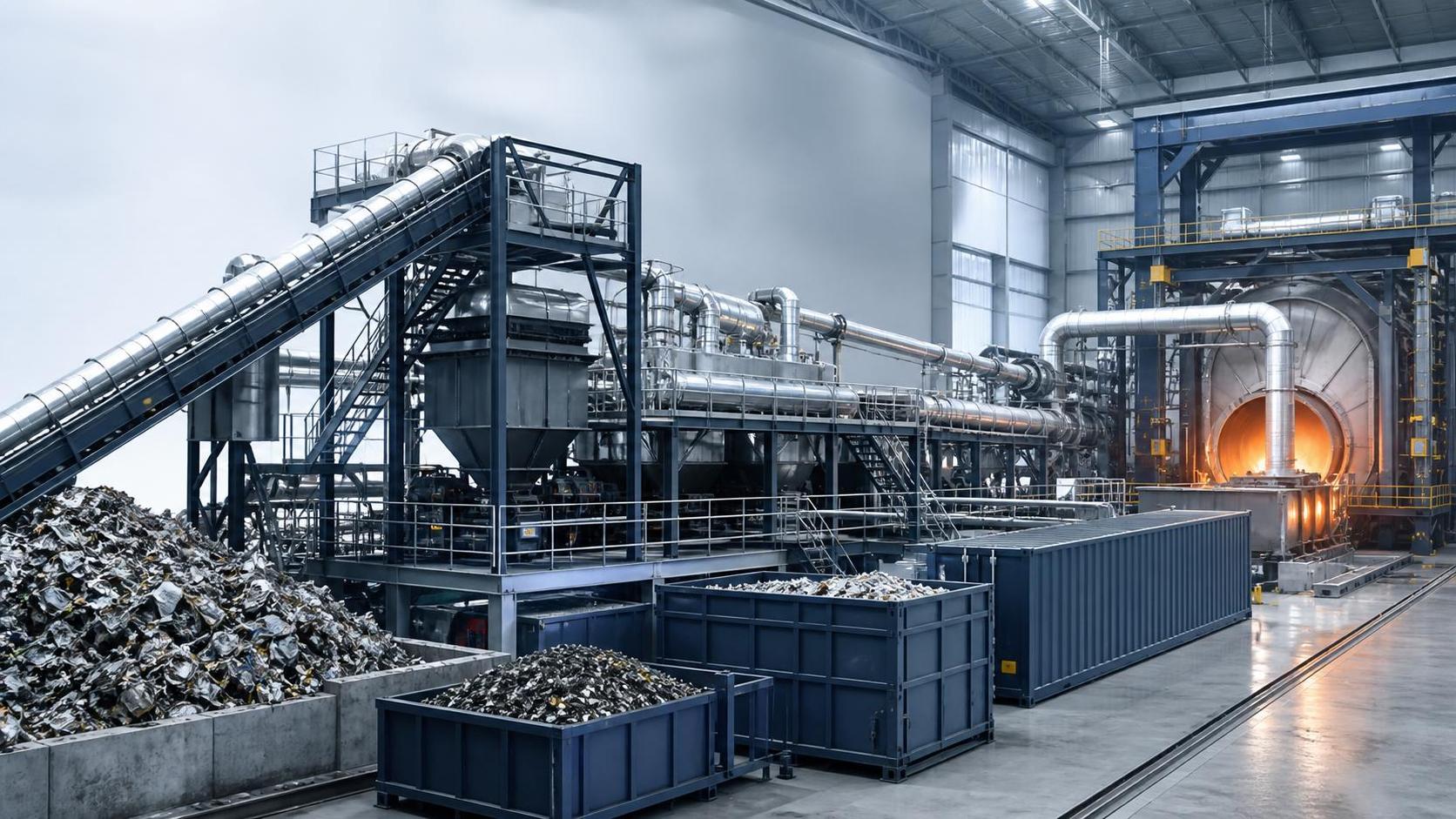
Before funding an upgrade, industrial waste management should be reviewed as a system, not as isolated equipment. Thermal balance, feed variability, air emissions, residue quality, and maintenance risk all shape final performance.
In cement, glass, kilns, incineration, refractories, and extrusion operations, weak early checks often cause redesign, permit delay, unstable throughput, and poor energy recovery. A structured review protects compliance and investment value.
Industrial waste management upgrade scope and baseline
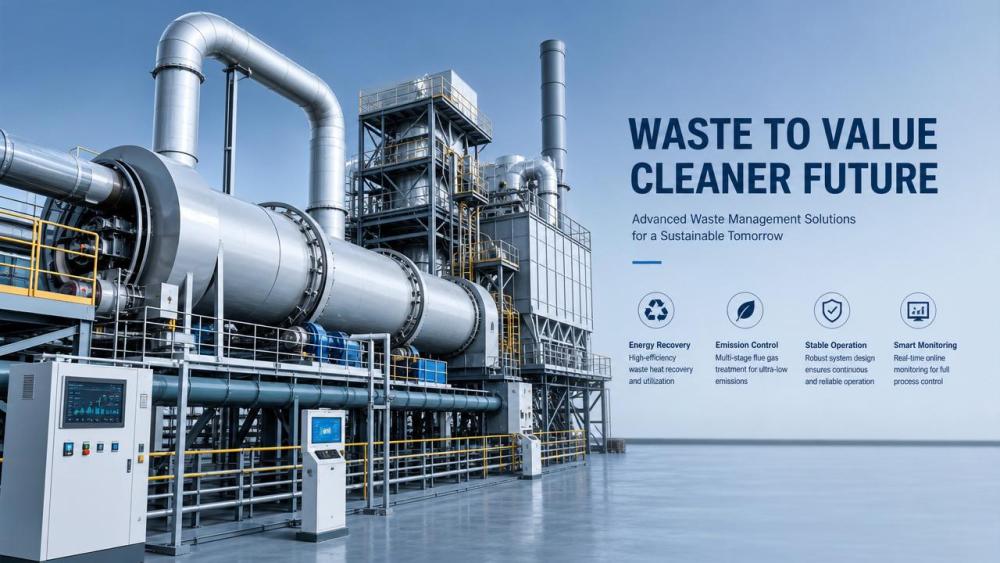
An upgrade in industrial waste management may involve collection, pre-treatment, combustion, co-processing, heat recovery, flue gas cleaning, ash handling, automation, or data systems.
The first check is the current baseline. Without baseline data, expected gains remain assumptions. Review at least twelve months of operating records before selecting any technical route.
Core baseline items
- Waste composition, moisture, calorific value, particle size, and seasonal fluctuation.
- Current throughput, downtime causes, bypass rates, and unplanned shutdown history.
- Fuel substitution ratio and present energy recovery efficiency.
- Emission trends for dust, NOx, SOx, HCl, HF, CO, TOC, and heavy metals.
- Residue output, ash classification, and disposal or reuse costs.
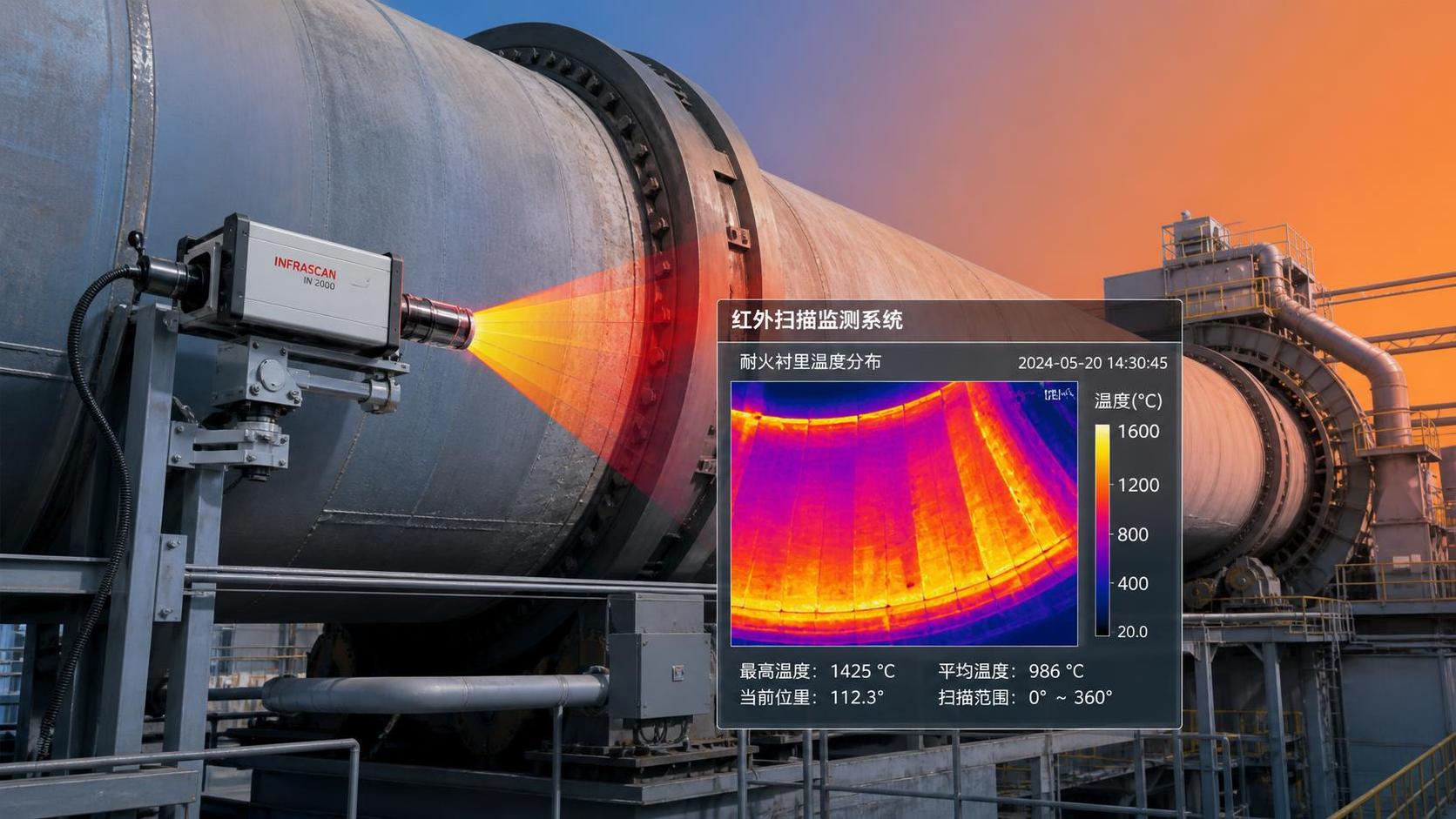
- Refractory wear, corrosion points, and thermal cycling stress.
For complex thermal assets, CF-Elite consistently tracks the link between ultra-high temperature parameters and waste conversion behavior. That connection matters when upgrade plans promise capacity without proving process stability.
Compliance and permit checks before upgrading industrial waste management
Industrial waste management upgrades often fail on compliance sequencing rather than engineering quality. A technically sound system can still be delayed if permit assumptions conflict with real feedstock or local rules.
Check the full regulatory path early. Include waste acceptance, storage limits, transport rules, stack testing, continuous monitoring, occupational safety, noise, wastewater, and residue classification.
Key compliance questions
- Does the proposed feed mix match the site’s licensed waste categories?
- Will higher chlorine, sulfur, or metals trigger new control requirements?
- Do monitoring systems meet updated reporting and calibration obligations?
- Will residue reuse remain legal after process changes?
- Is a full environmental impact review required?
This step is especially important in cross-border projects. Standards, test methods, and documentation formats vary, even when headline emission limits appear similar.
Feedstock quality, process compatibility, and thermal risk
Industrial waste management performance depends on the match between waste properties and process design. Upgrading hardware without understanding feed variability is a common source of unstable combustion and emissions spikes.
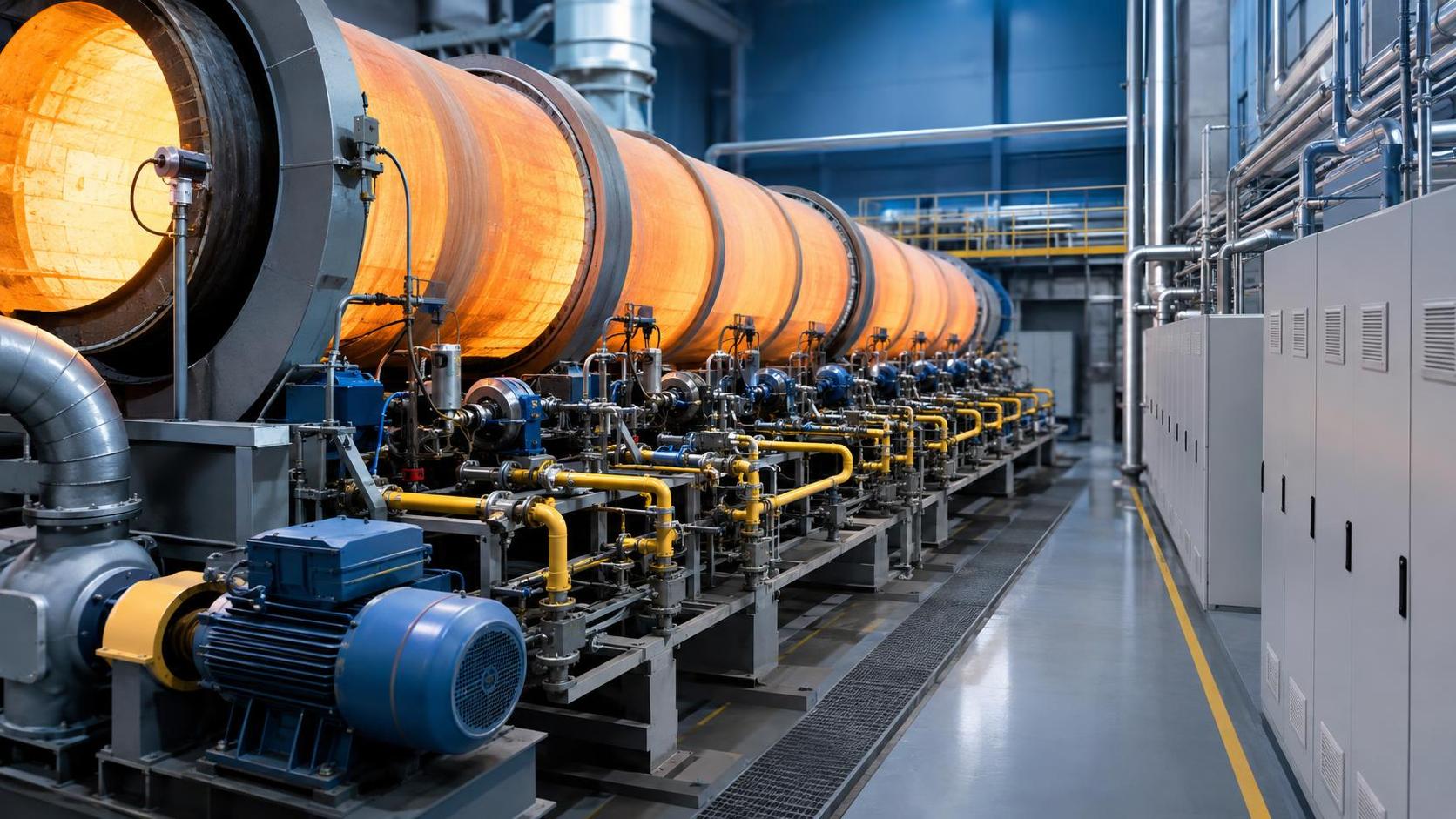
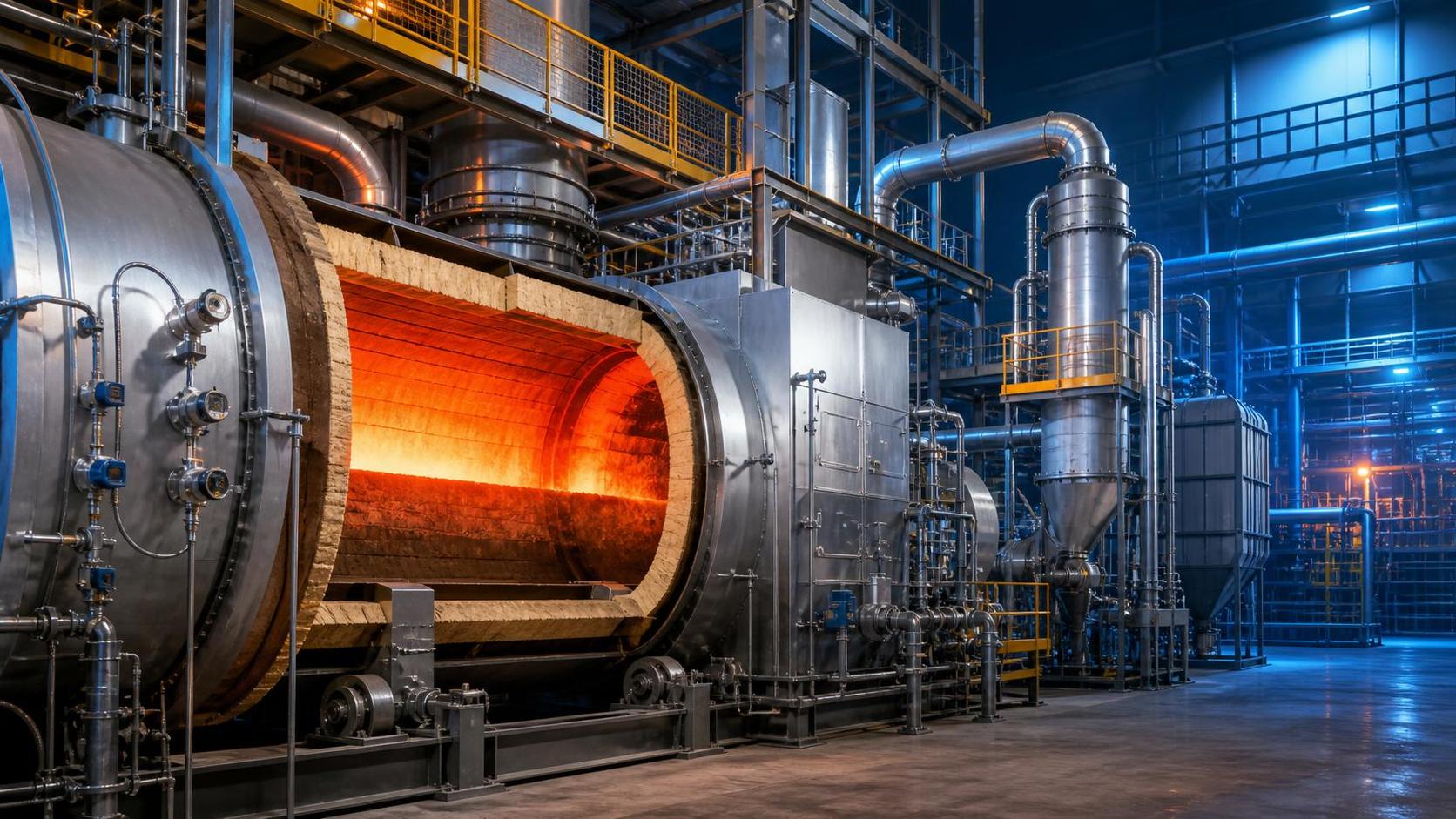
In rotary kilns and incineration lines, moisture swings affect flame shape, burnout time, and auxiliary fuel demand. Chlorine and alkalis can worsen buildups, corrosion, and refractory damage.
The best industrial waste management upgrade starts with representative sampling. One-off lab results are not enough. Sampling should reflect operating shifts, supplier variation, and wet or dry season effects.
Energy recovery, utilities, and total cost structure
Many upgrades are justified by energy recovery. Yet practical savings depend on integration with steam demand, power export rules, fuel displacement, and parasitic loads from fans, pumps, shredders, and treatment units.
Industrial waste management economics should be modeled using net system benefit, not gross heat value. Hidden utility penalties can erase the expected return.
Cost elements that deserve early review
- Pre-treatment electricity and wear-part consumption.
- Reagent demand for acid gas, dioxin, and mercury control.
- Water use, wastewater treatment, and sludge handling.
- Planned shutdown duration during tie-in works.
- Higher maintenance from abrasive or corrosive feed.
- Carbon cost, energy credits, and avoided landfill fees.
For thermal industries, energy recovery must also be matched with process quality. Heat recovered at the wrong pressure, temperature, or timing may offer limited usable value.
Equipment reliability, digital monitoring, and control readiness
Reliable industrial waste management depends on more than major hardware. Conveying, dosing, burners, analyzers, seals, dampers, and refractory details often determine whether the system performs as designed.
Check how the new equipment fits existing automation. Control architecture should manage feed changes quickly while protecting stack performance and thermal stability.
High-value technical checks
- Sensor location, analyzer response time, and calibration access.
- Interlocks for overtemperature, explosion risk, and feed interruption.
- Digital historian coverage for emissions, energy, and downtime.
- Predictive maintenance for bearings, fans, bag filters, and refractory zones.
- Spare parts strategy for critical imported components.
CF-Elite’s intelligence focus on digital twins and online monitoring reflects a broader trend. Upgrades now succeed when physical design and operational data are planned together from the beginning.
Typical industrial waste management upgrade scenarios
Different thermal sectors face different decision paths. The same industrial waste management solution rarely fits every line.
Practical checklist for decision quality
A disciplined checklist reduces surprises in industrial waste management projects. It also helps compare vendors on evidence instead of broad claims.
- Confirm baseline data quality and sampling coverage.
- Stress-test feed variability against process design.
- Map every permit, test, and reporting obligation.
- Model net energy benefit and full lifecycle cost.
- Review refractory, corrosion, and maintenance exposure.
- Verify controls, monitoring, and shutdown logic.
- Plan residue handling and by-product compliance.
- Sequence construction to limit production interruption.
When these checks are completed before procurement, industrial waste management upgrades become easier to stage, finance, commission, and optimize.
Next-step evaluation framework
The most effective next step is a structured pre-upgrade review. Build a matrix linking waste properties, thermal process limits, emission obligations, energy targets, and capital assumptions.
For projects in cement, glass, incineration, refractory, or extrusion environments, this approach creates a practical decision base. It prevents overdesigned systems and exposes underappreciated operational constraints.
CF-Elite supports this thinking through high-authority intelligence on silicate production lines, industrial kilns, incineration, and thermal management. Better industrial waste management starts with better technical visibility.
Before upgrading industrial waste management, validate the process, the permit path, the energy case, and the maintenance reality. That sequence turns risk into informed action and stronger long-term returns.
Related News
 Optical Glass Tech FellowHow to Evaluate a Glass Annealing Equipment Manufacturer for Production StabilityChoose a glass annealing equipment manufacturer with proven thermal uniformity, reliable controls, lifecycle value, and responsive service for stable production.Sep 08, 2026
 Prof. Marcus ChenThermal Energy Architecture in North America: Strategies for Lower Building Energy UseThermal energy architecture North America helps project leaders cut building energy use through stronger envelopes, right-sized HVAC, storage, and smart commissioning.Sep 07, 2026
 Ms. Elena RodriguezHow Should Buyers Evaluate Building Material Industry Intelligence Pricing?Building material industry intelligence pricing: learn how to compare coverage, technical depth, and ROI to choose intelligence that reduces procurement risk.Sep 07, 2026
 Ms. Elena RodriguezHow to Use Building Material Intelligence Data for Market and Investment DecisionsBuilding material industry intelligence data helps leaders evaluate demand, costs, regulation, capacity, and technology to make smarter market and investment decisions.Sep 05, 2026
 Thermal Energy ArchitectHow PLC Control Improves Energy Efficiency and Temperature Stability in KilnsEnergy efficient kilns PLC control improves temperature stability, cuts fuel waste, and optimizes combustion, draft, and material flow. Explore proven strategies for smarter kiln modernization.Sep 04, 2026
 Optical Glass Tech FellowEuropean Glass Melting Processes: Furnace Choices, Energy Use, and Quality ControlGlass melting process Europe: explore furnace choices, energy efficiency, cullet strategy, and quality control to improve output, compliance, and long-term glass performance.Sep 03, 2026
 Thermal Energy ArchitectWhat Determines Refractory Lining Monitoring Price for Industrial Kilns?Refractory lining monitoring price depends on kiln size, sensor technology, installation, software, and support. Compare total lifecycle costs and choose the right solution.Sep 02, 2026
 Silicate Process EngineerCement Production System Costs: A Plant Buyer’s Guide to Budgeting and ROICement production systems cost planning made clear: compare CAPEX, operating costs, compliance, and ROI to build a resilient, profitable cement plant investment.Sep 01, 2026
 Dr. Alistair VaughnWhat Should a Process Technology Database Track for High-Temperature Plants?Process technology database essentials for high-temperature plants: track thermal profiles, feed chemistry, refractory wear, emissions, energy, and maintenance for safer, data-driven decisions.Aug 31, 2026
 Ms. Elena RodriguezHow to Evaluate a Silicate Processing Equipment Manufacturer for Plant ProjectsSilicate processing equipment manufacturer selection: assess process fit, guarantees, energy, compliance, delivery risk, and lifecycle support for dependable plant performance.Aug 30, 2026
 Dr. Alistair VaughnHow to Specify Custom Agricultural Processing Equipment for Throughput and HygieneEquipment customization services for agricultural processing: learn to specify hygienic, high-throughput lines that improve yield, reliability, and long-term efficiency.Aug 29, 2026
 Dr. Alistair VaughnHow to Select Process Plant Equipment for High-Temperature, Abrasive Production LinesProcess plant equipment selection for high-temperature, abrasive lines: reduce downtime, improve durability, and optimize lifecycle performance.Aug 28, 2026
 Silicate Process EngineerHow Kiln Heat Recovery Systems Cut Fuel Use in Cement and Lime ProductionKiln heat recovery helps cement and lime plants cut fuel use, improve thermal stability, and build practical, reliable decarbonization strategies.Aug 27, 2026
 Ms. Elena RodriguezProcess Equipment Comparison: Which Metrics Matter Most for Reliable Selection?Process equipment comparison made practical: discover which metrics truly drive reliable selection, from energy efficiency and control stability to wear life, maintainability, and uptime.Aug 26, 2026
 Ms. Elena RodriguezWhat Buyers Should Check Before Sourcing Precision Alloy Bars for Critical PartsPrecision Alloy Bars buyers should verify grade, chemistry, tolerances, surface quality, traceability, and lead time before sourcing for critical parts. Learn what prevents costly machining and reliability risks.Aug 27, 2026
 Ms. Elena RodriguezHow to Evaluate Thermal Management Solutions Insulation for High-Heat Industrial SystemsThermal management solutions insulation: learn how to assess high-heat industrial systems by thermal performance, durability, lifecycle cost, and supplier data for smarter decisions.Aug 25, 2026
 Ms. Elena RodriguezWhat Drives Waste Recycling Cost in Industrial Projects and How to Estimate It?Waste recycling cost in industrial projects depends on composition, moisture, transport, pre-treatment, and compliance. Learn how to estimate it accurately and compare suppliers with confidence.Aug 24, 2026
 Silicate Process EngineerHow to Evaluate Cement Production Plants in the Middle East for Capacity, Fuel Flexibility, and ROIcement production plants Middle East: Learn how to assess true capacity, fuel flexibility, and ROI risks to identify resilient assets and smarter investment opportunities.Aug 23, 2026
 Structural Material AnalystHow to Evaluate Lightweight Material Machinery for Output, Energy Use, and Product QualityLightweight material machinery evaluation guide: compare stable output, energy use, and product quality to choose equipment that cuts waste, lowers costs, and improves production confidence.Aug 22, 2026
 Material Heat-Resist ExpertWhat Determines Refractory Production Line Price in a Turnkey Plant Project?Refractory production line price depends on raw materials, forming method, kiln and drying design, automation, utilities, and scope. Learn what really drives turnkey plant cost before you invest.Aug 21, 2026

Related News
- 00
0000-00
How PLC Control Improves Energy Efficiency and Temperature Stability in Kilns - 00
0000-00
What Determines Refractory Lining Monitoring Price for Industrial Kilns? - 00
0000-00
How Digital Twin Simulations Help Kiln Operators Cut Fuel Use and Stabilize Output - 00
0000-00
What to Evaluate in a Rotary Kiln Technology Manufacturer for High-Temperature Process Projects - 00
0000-00
How to Evaluate an Incineration Equipment Exporter for Compliance, Capacity, and After-Sales Support
Weekly Insights
Stay ahead with our curated technology reports delivered every Monday.