
What industrial thermal systems fail first under high loads




Under high loads, industrial thermal systems seldom collapse in one dramatic event.
They usually fail at predictable weak points first.
Those first failures often appear as heat imbalance, pressure drift, abnormal flame behavior, or gradual material damage.
In kilns, incinerators, glass furnaces, and extrusion lines, early recognition protects uptime, energy efficiency, and product stability.
For operators tracking industrial thermal systems, the real question is not whether overload causes stress.
It is which component reaches its limit first, and why.
Core failure pattern in industrial thermal systems under high loads
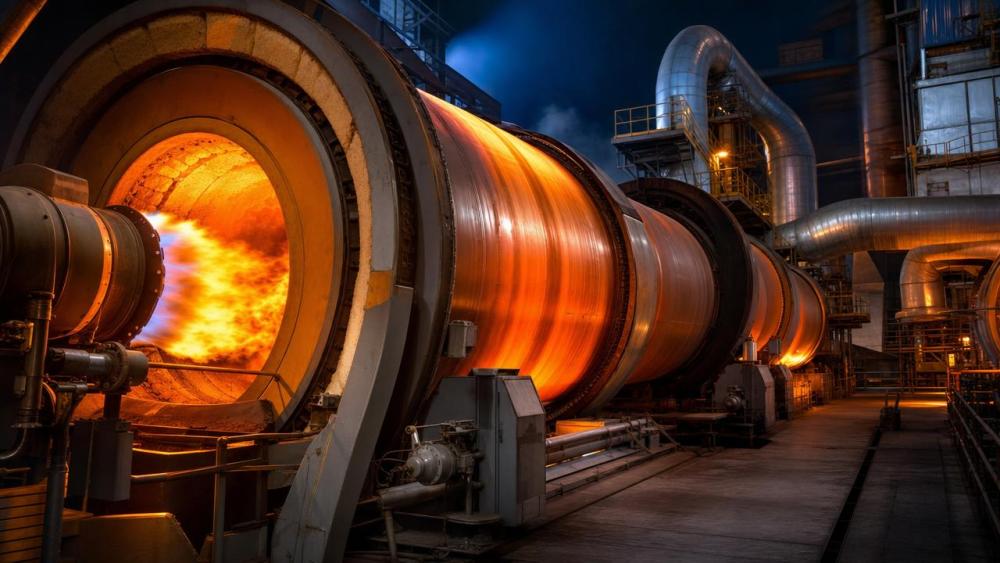
High load conditions increase temperature gradients, gas velocity, mechanical stress, and chemical attack at the same time.
That combined stress makes certain subsystems fail before the main structure does.
Across most industrial thermal systems, first failures cluster in five areas.
- Refractory linings exposed to thermal shock, chemical corrosion, and anchoring fatigue.
- Burners and combustion zones affected by unstable mixing, fouling, and flame distortion.
- Seals and expansion joints weakened by heat cycling and leakage paths.
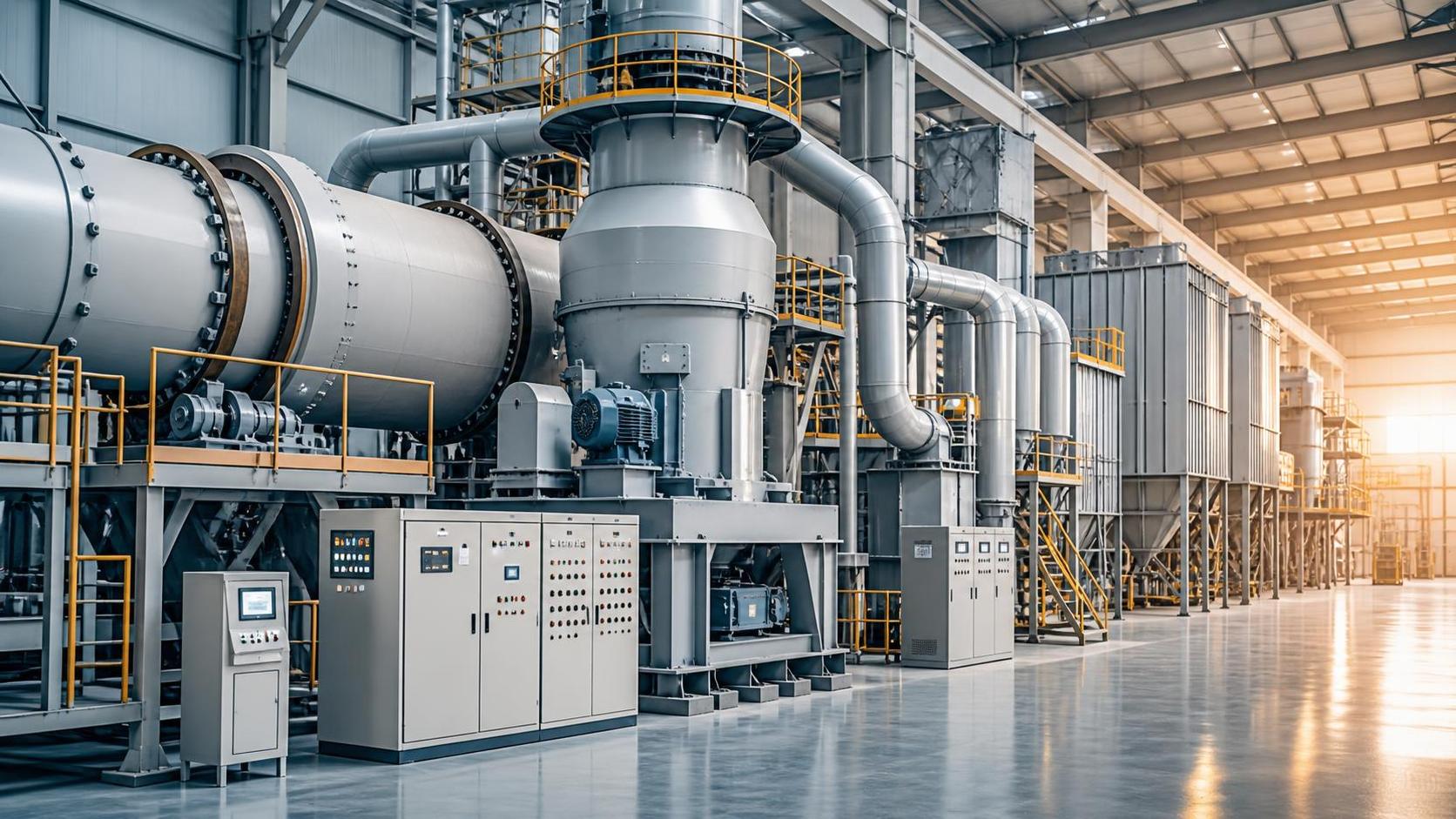
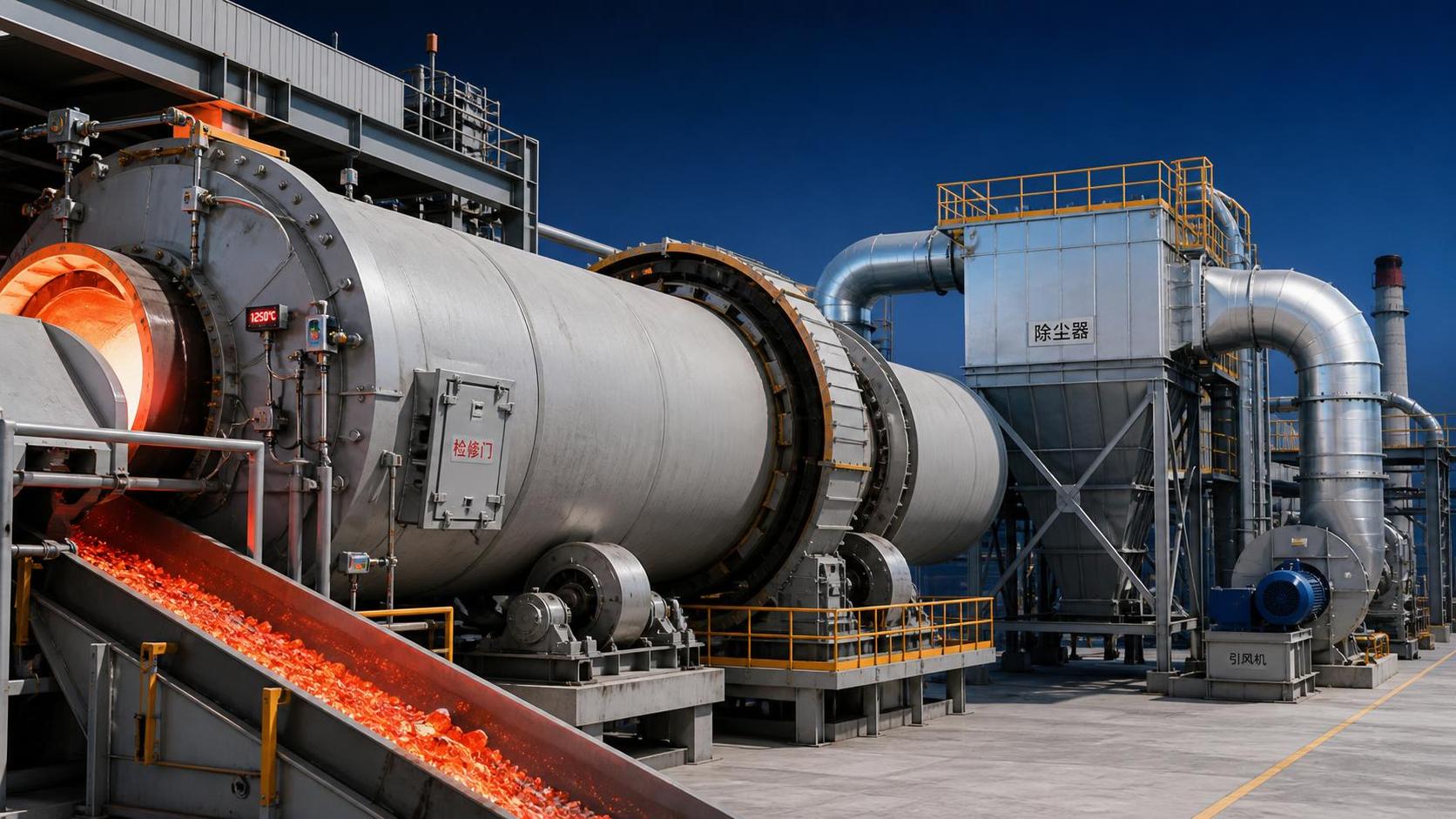
- Fans, ducts, and induced draft systems overloaded by resistance, dust, and heat.
- Heat transfer surfaces suffering from coating buildup, warping, or uneven thermal loading.
These points fail early because they operate at the boundary between process design and real-world variation.
They absorb fluctuations first.
When industrial thermal systems are pushed above normal throughput, small control deviations become physical damage much faster.
Why first-failure analysis matters across heavy thermal industries
In comprehensive industrial sectors, thermal equipment rarely works in isolation.
A weak seal in one section can raise fuel use, upset emissions, and destabilize downstream quality.
This is why first-failure analysis matters for industrial thermal systems beyond maintenance alone.
For intelligence platforms like CF-Elite, these patterns connect thermal mechanics with carbon reduction and equipment strategy.
When industrial thermal systems fail early, the cost appears in fuel, emissions, spare parts, and lost production hours.
Components that usually fail first in industrial thermal systems
Refractory linings
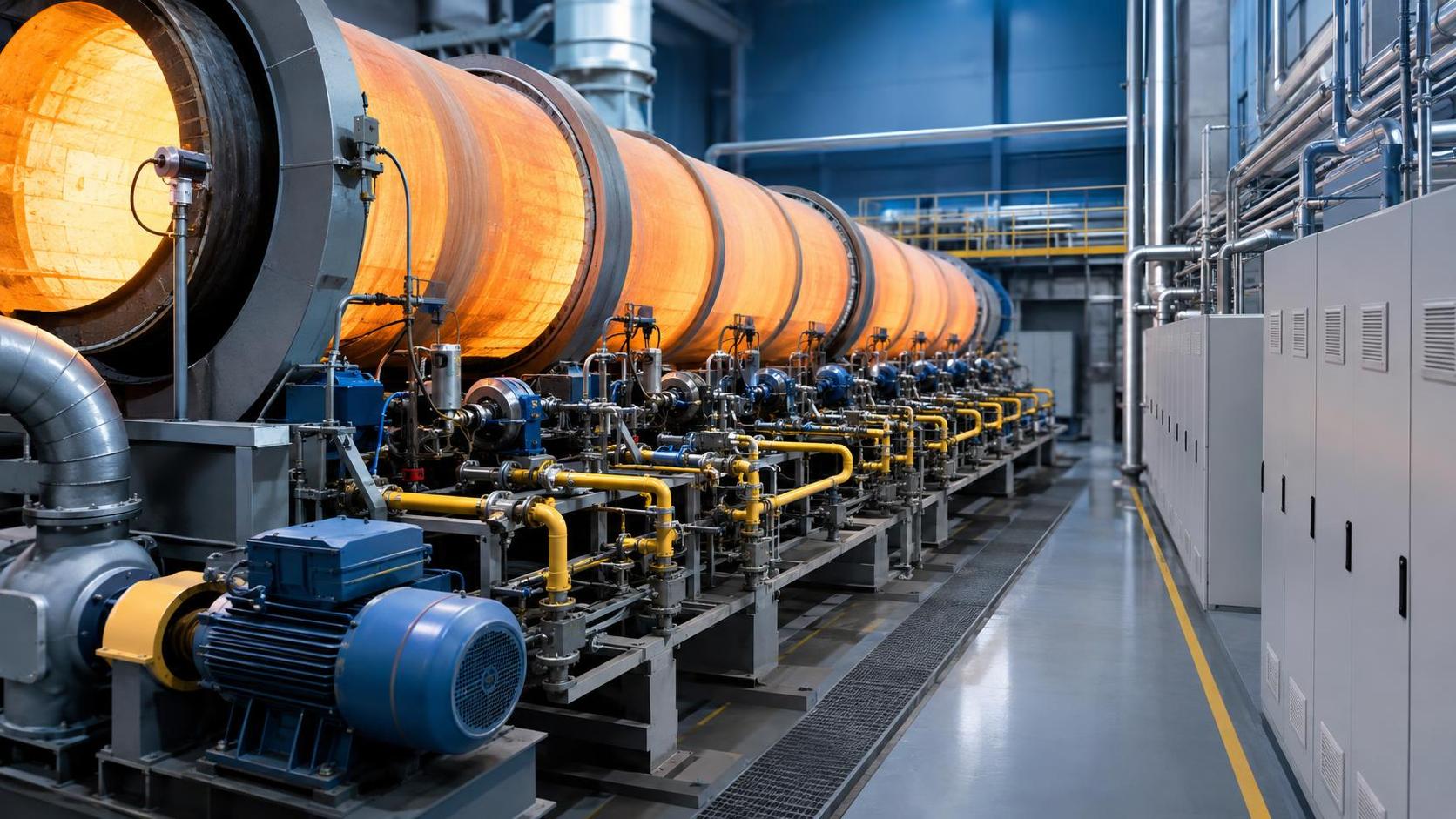
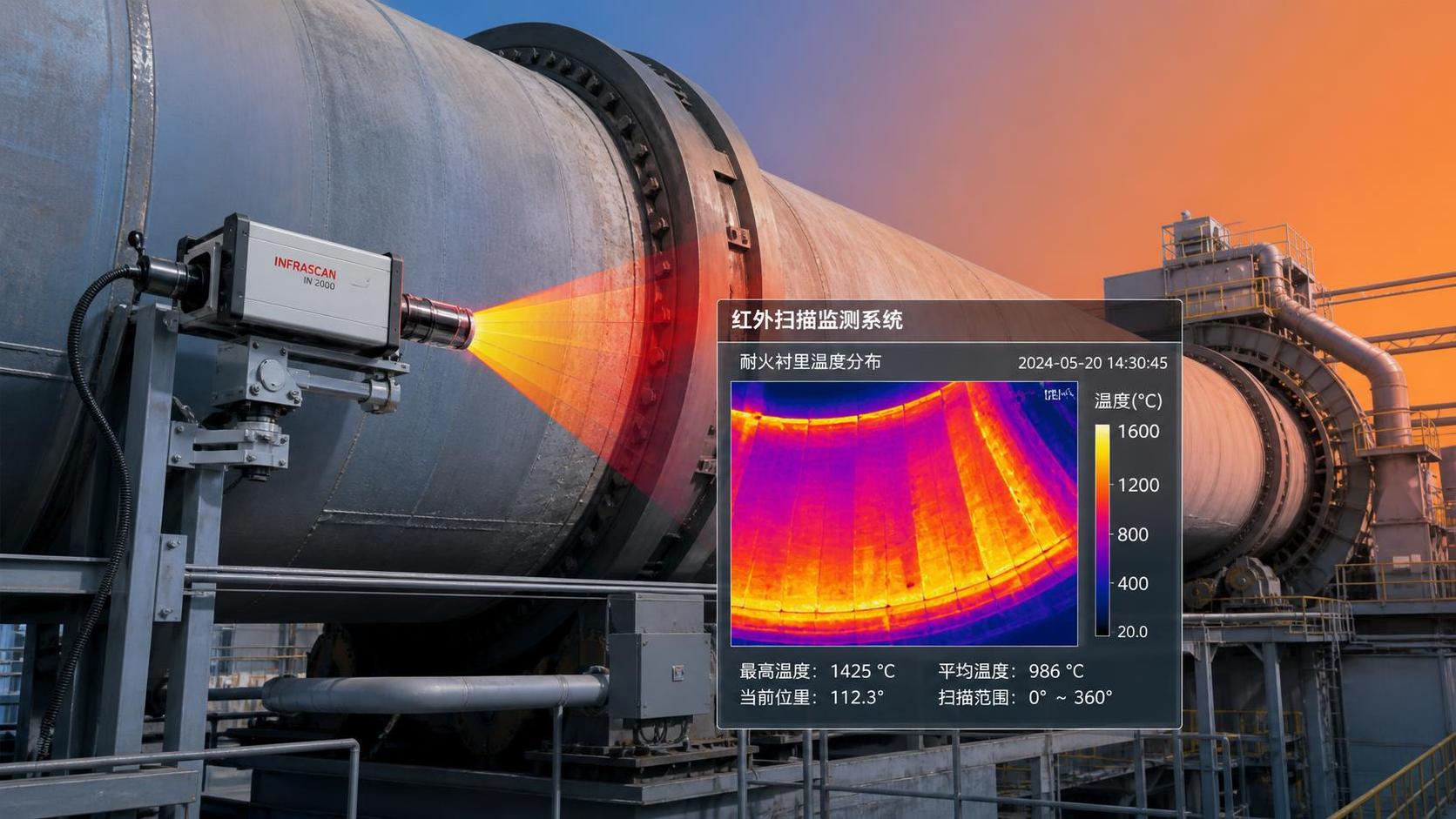
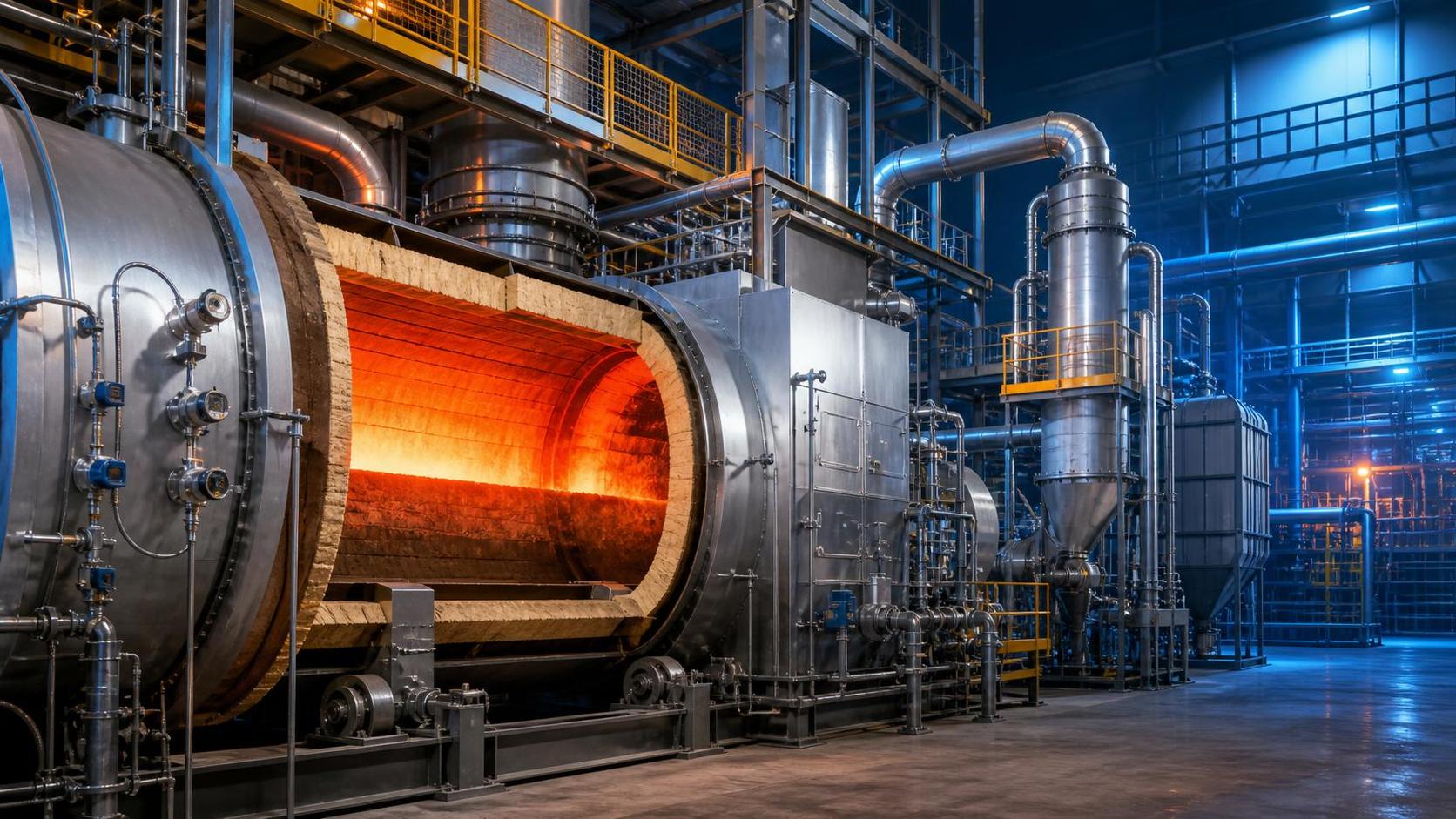
Refractory is often the first visible casualty of overload.
Rapid temperature swings create thermal shock.
Aggressive ash, alkalis, chlorides, or molten phases accelerate corrosion.
Common warning signs include shell hotspots, changed surface color, spalling, increased skin temperature, and rising local heat loss.
Burners and combustion hardware
Burners fail early when firing rates rise beyond stable mixing conditions.
Nozzle erosion, poor atomization, flame impingement, and air imbalance can damage adjacent walls very quickly.
In industrial thermal systems, burner issues also distort process chemistry and emission profiles.
Seals, doors, and expansion elements
A small seal failure can trigger a large performance drop.
False air changes oxygen balance, increases fan demand, cools hot zones, and creates control instability.
Under high loads, rotating seals and access doors degrade faster because differential movement becomes more severe.
Fans and gas handling systems
Fans often fail before operators expect them to.
Dust accumulation, bearing temperature rise, blade erosion, and vibration increase rapidly during overload conditions.
Many industrial thermal systems depend on precise draft control.
When fan performance falls, the whole heat balance becomes unstable.
Heat transfer surfaces and transition zones
Heat exchangers, regenerators, recuperators, cooling sections, and transition chambers commonly lose efficiency before they totally fail.
Buildup, plugging, and distortion reduce thermal transfer.
That hidden decline forces higher firing input, pushing industrial thermal systems deeper into stress.
Typical overload scenarios and first-failure signals
Different process lines show different first signals.
The key is to link symptom patterns with component stress, not treat every alarm as isolated.
- Throughput increase with unchanged combustion setup often damages burners and kiln inlet refractories first.
- Fuel switching may trigger slagging, corrosive attack, or unstable flame geometry.
- Higher moisture feed increases draft demand and can overload fans and drying zones.
- Frequent start-stop cycling shortens refractory and expansion joint life.
- Poor raw material uniformity creates local overheating and coating instability.
Useful first-failure indicators in industrial thermal systems include:
- Unexpected shell temperature rise or hotspot growth.
- More oxygen demand without throughput benefit.
- Flame instability, pulsation, or burner noise changes.
- Pressure fluctuations across chambers or ducts.
- Higher motor current in fans, drives, or auxiliaries.
- Product quality drift linked to specific thermal zones.
Operational value of identifying first-failure points early
Early diagnosis improves more than reliability.
It supports energy planning, spare part prioritization, and decarbonization targets.
For industrial thermal systems, every avoided false air leak or refractory collapse protects thermal efficiency.
It also reduces emergency shutdowns, which are usually the most carbon-intensive operating events.
This is especially relevant in sectors observed by CF-Elite.
Cement, glass, incineration, refractory production, and extrusion all rely on stable high-temperature continuity.
Small thermal failures can become strategic losses when they interrupt long-cycle assets.
Practical monitoring and maintenance guidance for industrial thermal systems
A practical response starts with focused monitoring, not only broader inspection frequency.
The most effective programs watch the parts most likely to fail first under load.
Digital trend analysis is especially useful.
Instead of reacting to single alarms, compare thermal, mechanical, and combustion signals over time.
That method reveals how industrial thermal systems deteriorate under real production stress.
Next-step focus for stronger thermal reliability
The first parts to fail under high loads are usually not the largest components.
They are the interfaces where heat, flow, motion, and chemistry meet.
For industrial thermal systems, that means refractories, burners, seals, fans, and heat transfer zones deserve the closest attention.
A useful next step is to map every critical thermal asset by first-failure likelihood, warning signal, and inspection interval.
This creates a more disciplined reliability model for kilns, furnaces, incineration units, and extrusion lines.
CF-Elite’s intelligence perspective supports this approach by linking process data, material behavior, and energy strategy into one operational view.
When first-failure points are understood early, industrial thermal systems stay safer, leaner, and more resilient under demanding loads.
Related News
 Optical Glass Tech FellowHow to Evaluate a Glass Annealing Equipment Manufacturer for Production StabilityChoose a glass annealing equipment manufacturer with proven thermal uniformity, reliable controls, lifecycle value, and responsive service for stable production.Sep 08, 2026
 Prof. Marcus ChenThermal Energy Architecture in North America: Strategies for Lower Building Energy UseThermal energy architecture North America helps project leaders cut building energy use through stronger envelopes, right-sized HVAC, storage, and smart commissioning.Sep 07, 2026
 Ms. Elena RodriguezHow Should Buyers Evaluate Building Material Industry Intelligence Pricing?Building material industry intelligence pricing: learn how to compare coverage, technical depth, and ROI to choose intelligence that reduces procurement risk.Sep 07, 2026
 Ms. Elena RodriguezHow to Use Building Material Intelligence Data for Market and Investment DecisionsBuilding material industry intelligence data helps leaders evaluate demand, costs, regulation, capacity, and technology to make smarter market and investment decisions.Sep 05, 2026
 Thermal Energy ArchitectHow PLC Control Improves Energy Efficiency and Temperature Stability in KilnsEnergy efficient kilns PLC control improves temperature stability, cuts fuel waste, and optimizes combustion, draft, and material flow. Explore proven strategies for smarter kiln modernization.Sep 04, 2026
 Optical Glass Tech FellowEuropean Glass Melting Processes: Furnace Choices, Energy Use, and Quality ControlGlass melting process Europe: explore furnace choices, energy efficiency, cullet strategy, and quality control to improve output, compliance, and long-term glass performance.Sep 03, 2026
 Thermal Energy ArchitectWhat Determines Refractory Lining Monitoring Price for Industrial Kilns?Refractory lining monitoring price depends on kiln size, sensor technology, installation, software, and support. Compare total lifecycle costs and choose the right solution.Sep 02, 2026
 Silicate Process EngineerCement Production System Costs: A Plant Buyer’s Guide to Budgeting and ROICement production systems cost planning made clear: compare CAPEX, operating costs, compliance, and ROI to build a resilient, profitable cement plant investment.Sep 01, 2026
 Dr. Alistair VaughnWhat Should a Process Technology Database Track for High-Temperature Plants?Process technology database essentials for high-temperature plants: track thermal profiles, feed chemistry, refractory wear, emissions, energy, and maintenance for safer, data-driven decisions.Aug 31, 2026
 Ms. Elena RodriguezHow to Evaluate a Silicate Processing Equipment Manufacturer for Plant ProjectsSilicate processing equipment manufacturer selection: assess process fit, guarantees, energy, compliance, delivery risk, and lifecycle support for dependable plant performance.Aug 30, 2026
 Dr. Alistair VaughnHow to Specify Custom Agricultural Processing Equipment for Throughput and HygieneEquipment customization services for agricultural processing: learn to specify hygienic, high-throughput lines that improve yield, reliability, and long-term efficiency.Aug 29, 2026
 Dr. Alistair VaughnHow to Select Process Plant Equipment for High-Temperature, Abrasive Production LinesProcess plant equipment selection for high-temperature, abrasive lines: reduce downtime, improve durability, and optimize lifecycle performance.Aug 28, 2026
 Silicate Process EngineerHow Kiln Heat Recovery Systems Cut Fuel Use in Cement and Lime ProductionKiln heat recovery helps cement and lime plants cut fuel use, improve thermal stability, and build practical, reliable decarbonization strategies.Aug 27, 2026
 Ms. Elena RodriguezProcess Equipment Comparison: Which Metrics Matter Most for Reliable Selection?Process equipment comparison made practical: discover which metrics truly drive reliable selection, from energy efficiency and control stability to wear life, maintainability, and uptime.Aug 26, 2026
 Ms. Elena RodriguezWhat Buyers Should Check Before Sourcing Precision Alloy Bars for Critical PartsPrecision Alloy Bars buyers should verify grade, chemistry, tolerances, surface quality, traceability, and lead time before sourcing for critical parts. Learn what prevents costly machining and reliability risks.Aug 27, 2026
 Ms. Elena RodriguezHow to Evaluate Thermal Management Solutions Insulation for High-Heat Industrial SystemsThermal management solutions insulation: learn how to assess high-heat industrial systems by thermal performance, durability, lifecycle cost, and supplier data for smarter decisions.Aug 25, 2026
 Ms. Elena RodriguezWhat Drives Waste Recycling Cost in Industrial Projects and How to Estimate It?Waste recycling cost in industrial projects depends on composition, moisture, transport, pre-treatment, and compliance. Learn how to estimate it accurately and compare suppliers with confidence.Aug 24, 2026
 Silicate Process EngineerHow to Evaluate Cement Production Plants in the Middle East for Capacity, Fuel Flexibility, and ROIcement production plants Middle East: Learn how to assess true capacity, fuel flexibility, and ROI risks to identify resilient assets and smarter investment opportunities.Aug 23, 2026
 Structural Material AnalystHow to Evaluate Lightweight Material Machinery for Output, Energy Use, and Product QualityLightweight material machinery evaluation guide: compare stable output, energy use, and product quality to choose equipment that cuts waste, lowers costs, and improves production confidence.Aug 22, 2026
 Material Heat-Resist ExpertWhat Determines Refractory Production Line Price in a Turnkey Plant Project?Refractory production line price depends on raw materials, forming method, kiln and drying design, automation, utilities, and scope. Learn what really drives turnkey plant cost before you invest.Aug 21, 2026

Related News
- 00
0000-00
How PLC Control Improves Energy Efficiency and Temperature Stability in Kilns - 00
0000-00
What Determines Refractory Lining Monitoring Price for Industrial Kilns? - 00
0000-00
How Digital Twin Simulations Help Kiln Operators Cut Fuel Use and Stabilize Output - 00
0000-00
What to Evaluate in a Rotary Kiln Technology Manufacturer for High-Temperature Process Projects - 00
0000-00
How to Evaluate an Incineration Equipment Exporter for Compliance, Capacity, and After-Sales Support
Weekly Insights
Stay ahead with our curated technology reports delivered every Monday.