
Why high-temp material processing fails more often than expected




High-temp material processing fails more often than expected because stable heat alone never guarantees stable output. In real industrial settings, thermal balance, feed chemistry, airflow, refractory health, residence time, and control response interact continuously.
A small shift in one variable can spread through the whole line. The result may be warped glass, under-burned clinker, unstable incineration, cracked refractories, or blocked extrusion. For operations tied to energy cost and carbon targets, these failures become strategic risks.
For CF-Elite, understanding why high-temp material processing fails is essential across silicate production, industrial kilns, refractory lines, and thermal waste systems. The most useful approach is not theory alone, but scenario-based judgment that reveals where instability starts.
When high-temp material processing looks stable but hidden drift has already begun
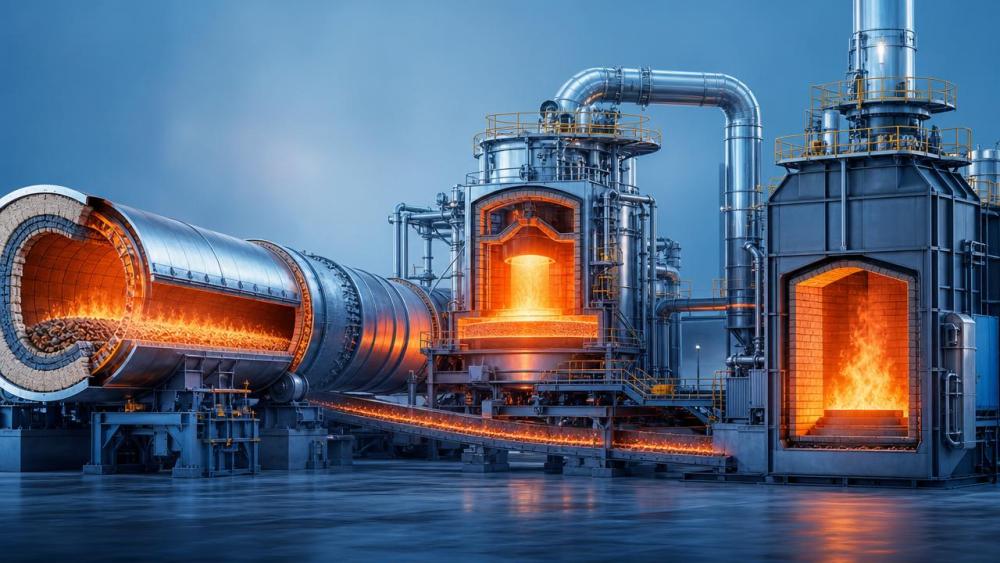
Many lines appear normal until quality loss becomes obvious. This is common in high-temp material processing where sensors show acceptable averages, while local thermal zones already exceed safe limits.
The background challenge is that different process scenarios need different stability definitions. A rotary kiln values burn uniformity. A glass furnace values melt homogeneity. An extrusion line values viscosity consistency under pressure.
Because each scenario responds differently, operators often apply one rule to all thermal systems. That creates blind spots. The same temperature deviation can be harmless in one process and destructive in another.
Why average temperature data often misleads decisions
Average readings flatten extremes. Yet failure in high-temp material processing usually begins at the extremes, not at the mean. Local hot spots, dead zones, and unstable flame shape can damage product long before alarms activate.
This is why CF-Elite emphasizes stitched intelligence. Process data should be read alongside fuel quality, raw material variability, lining wear, draft behavior, and environmental control constraints.
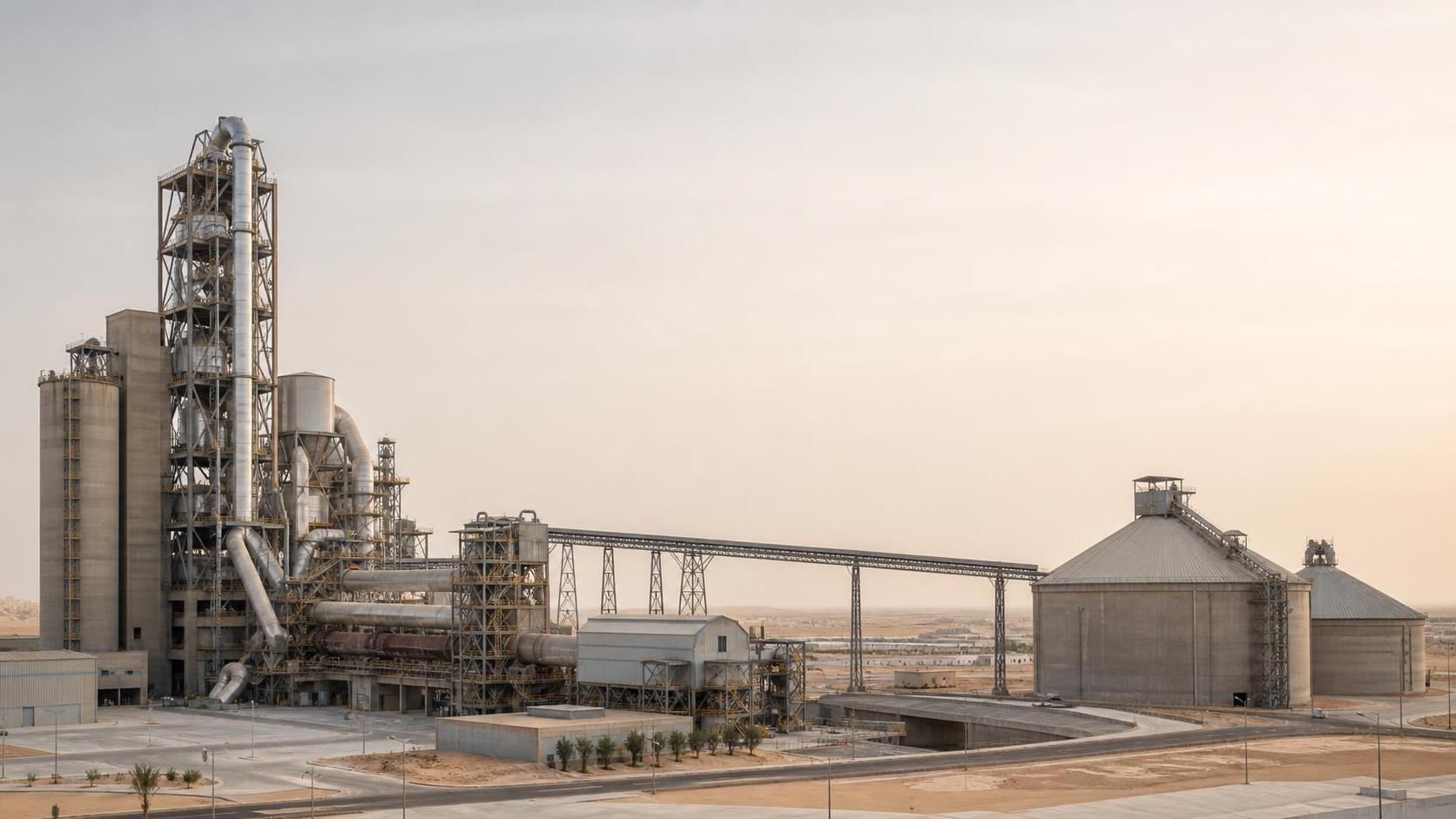
In cement and lime kilns, chemistry variation can cause thermal failure before shutdown
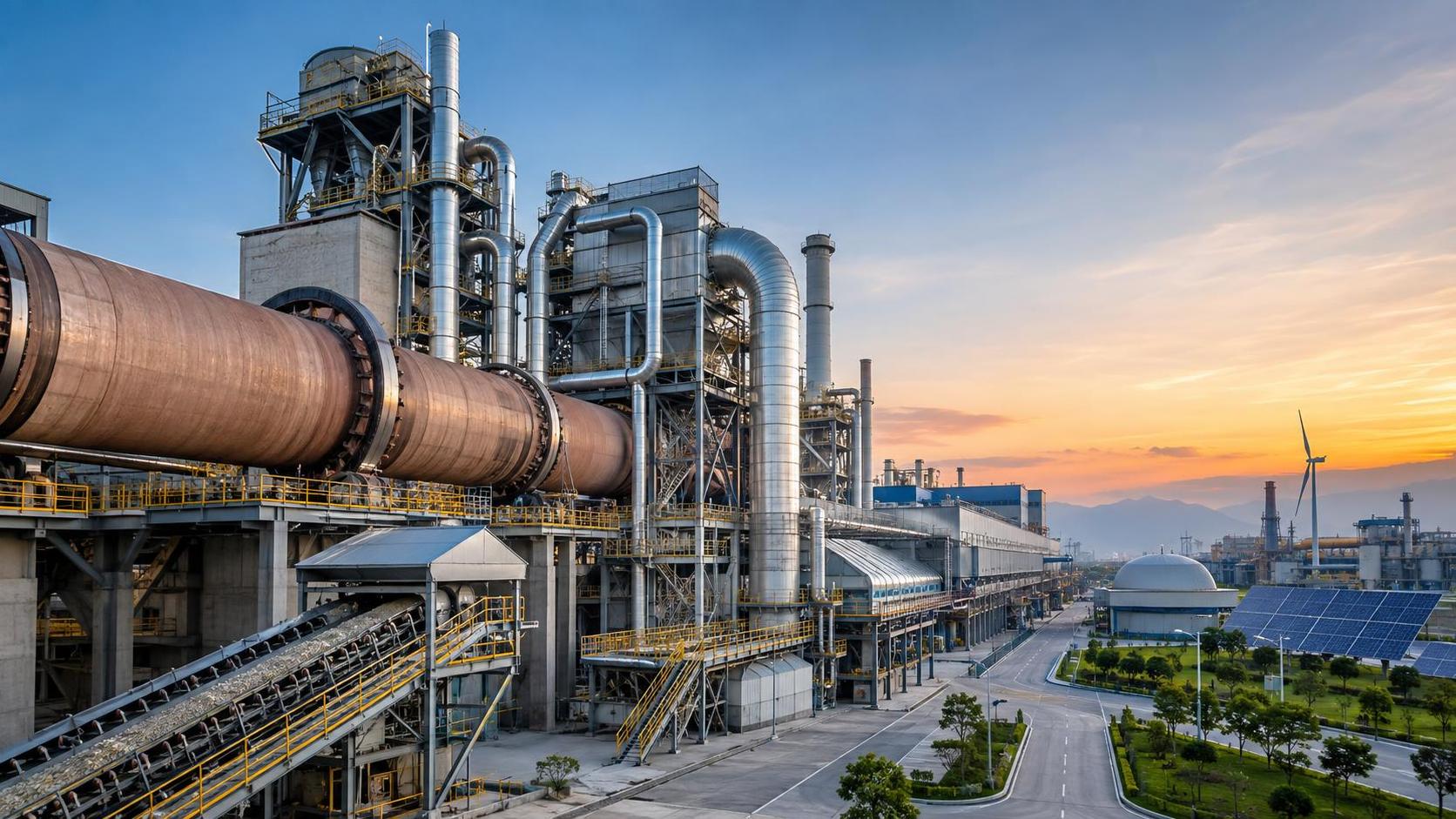
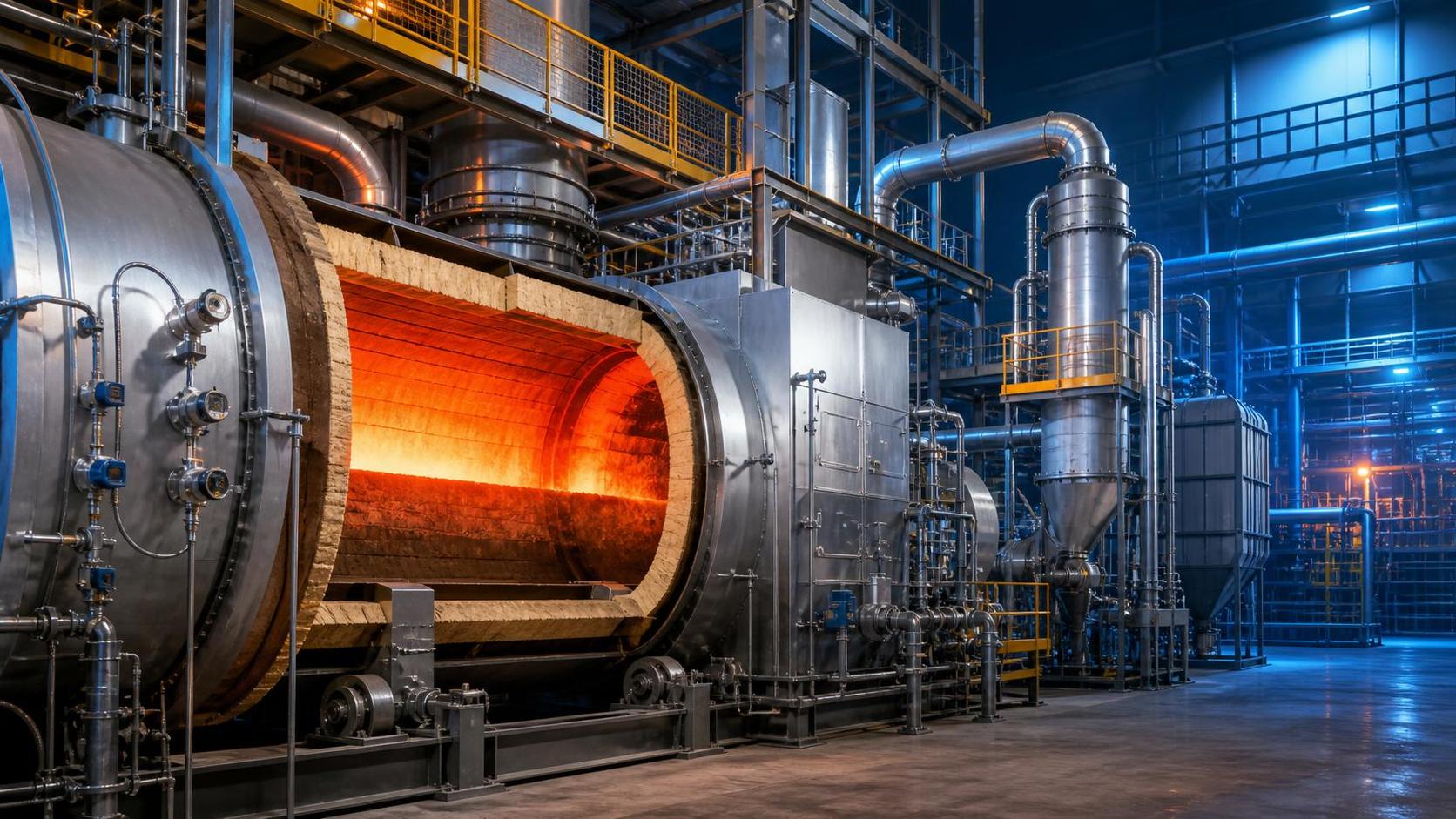
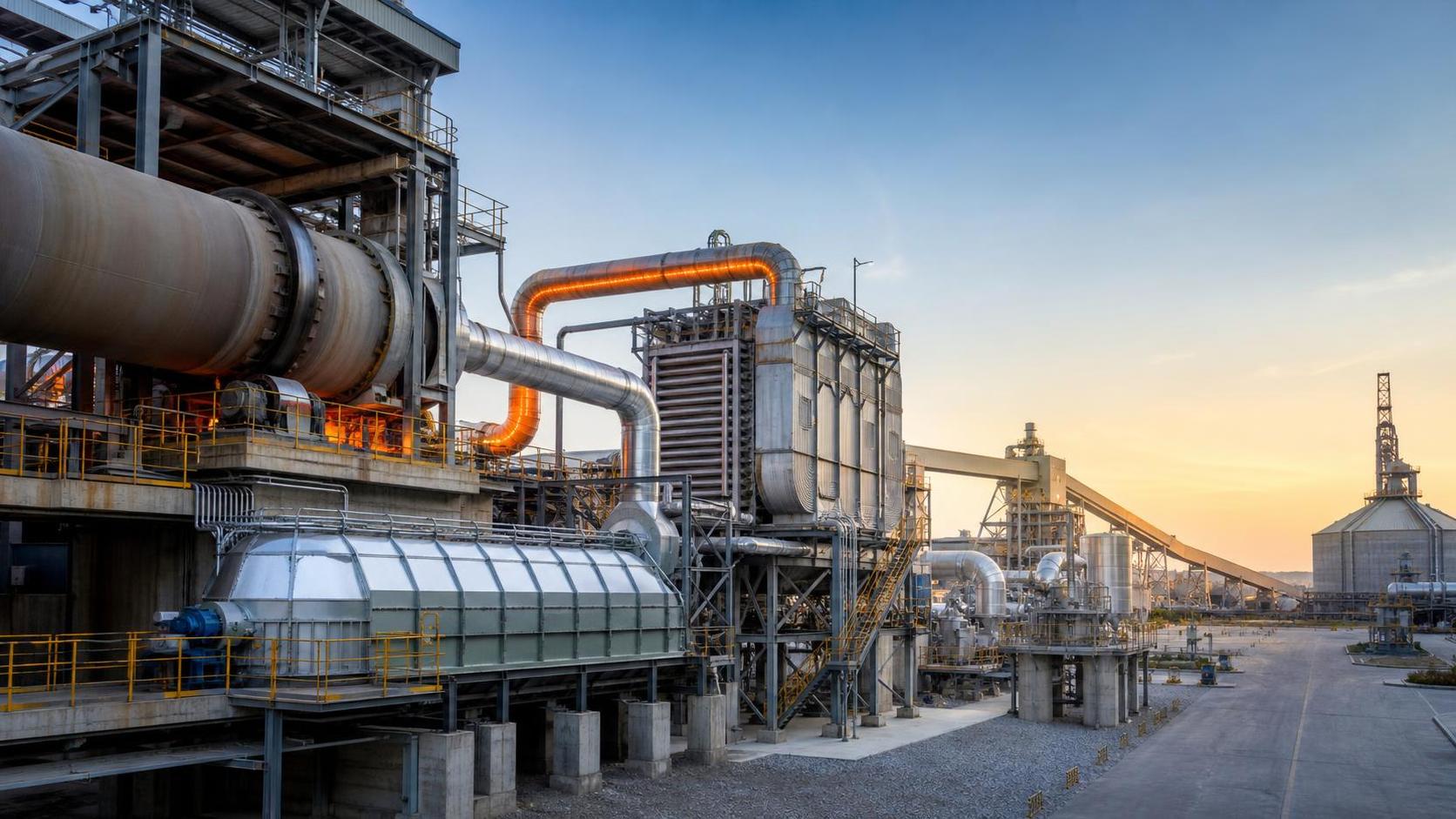
In cement-related high-temp material processing, feed consistency matters as much as burner capacity. Slight changes in moisture, particle size, or alkali content can alter calcination behavior and coating stability.
When operators increase heat to correct low output, they may intensify ring formation, overburning, or dust circulation. The line then consumes more fuel while becoming less predictable.
Core judgment points in kiln-heavy scenarios
- Feed chemistry shifts faster than control loops can compensate.
- Secondary air instability changes flame momentum and heat transfer.
- Build-up or coating loss changes internal thermal geometry.
- Alternative fuel use adds combustion variability.
In these scenarios, high-temp material processing fails not because the peak temperature is low, but because thermal residence and reaction completion become uneven across the kiln profile.
In glass melting lines, precision losses begin with minor thermal asymmetry
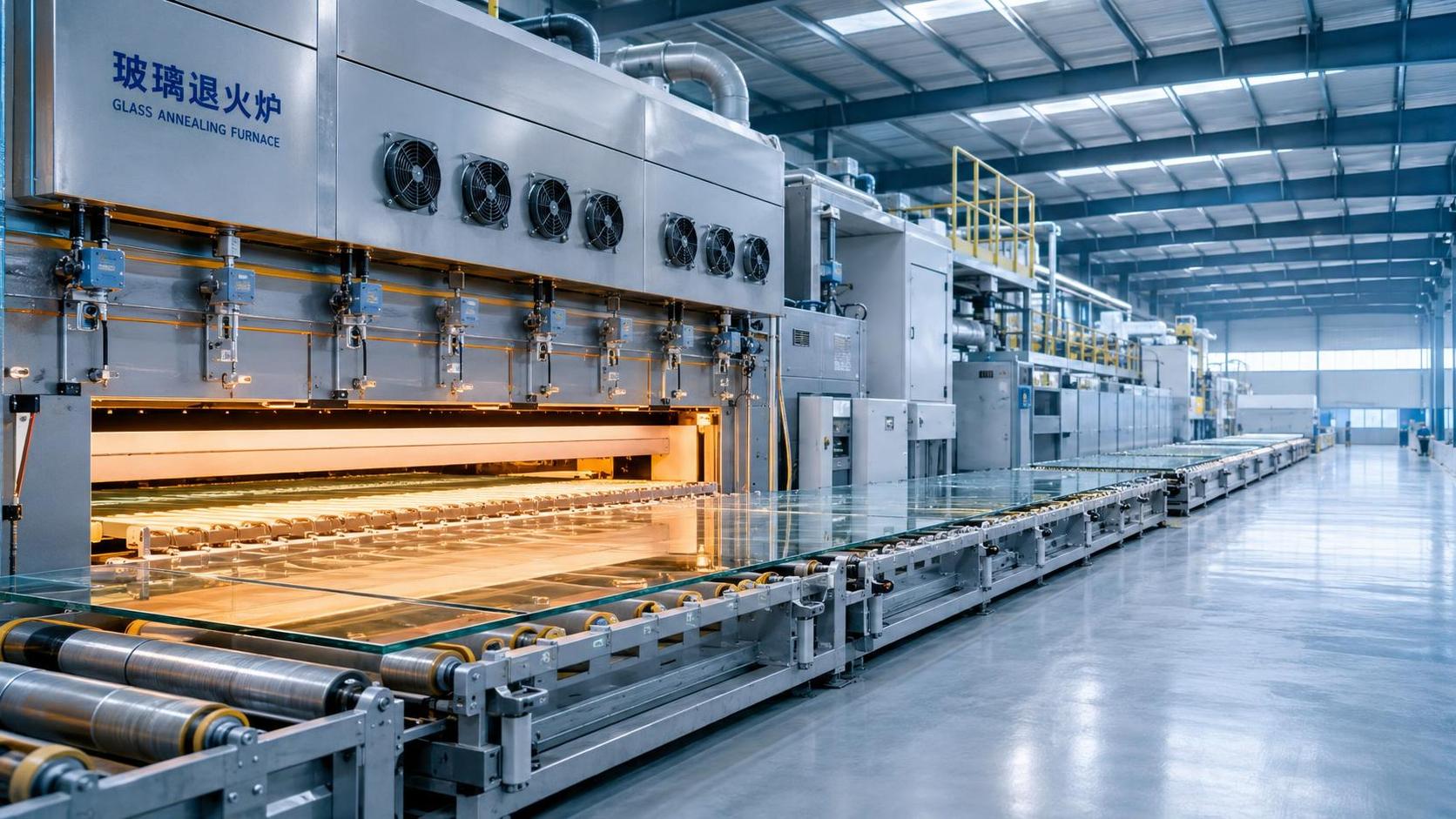
Glass systems show another failure pattern. Here, high-temp material processing depends on precise melting, fining, and annealing balance. A slight furnace asymmetry can create cords, bubbles, stress defects, or thickness variation.
This scenario is especially sensitive because the material itself records thermal history. Once instability enters the melt, downstream correction becomes difficult and expensive.
What usually gets missed in glass-related scenarios
The mistake is treating all defects as furnace temperature problems. In reality, cullet ratio, raw batch uniformity, crown condition, burner alignment, and pull-rate changes all influence high-temp material processing quality.
Annealing also deserves more attention. Products may leave the hot zone looking correct, while hidden stress causes breakage later during cutting, transport, or field use.
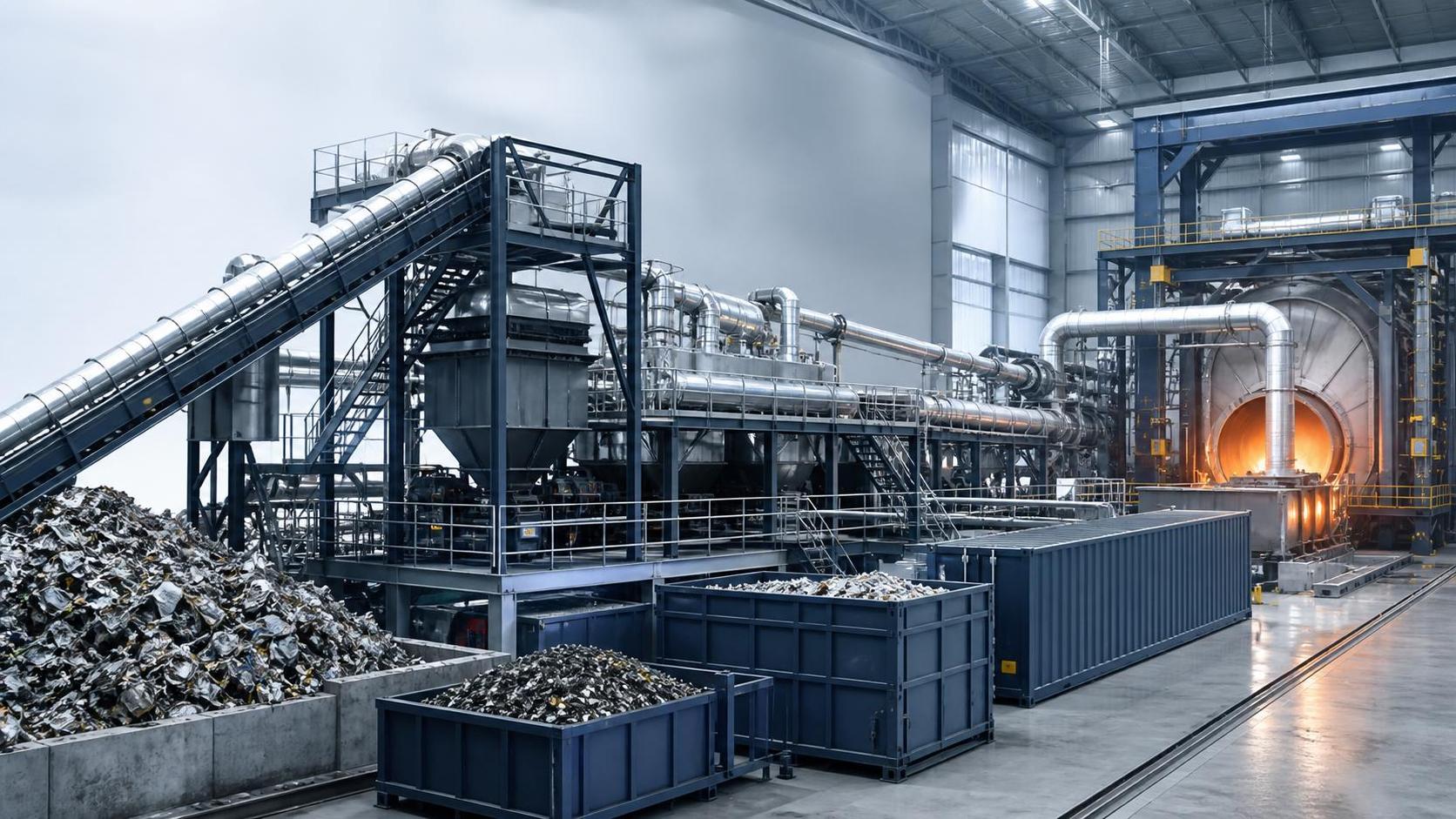
In incineration and waste-to-energy systems, unstable input reshapes the whole thermal regime
Industrial incineration exposes perhaps the most variable form of high-temp material processing. Waste composition changes constantly. Moisture, calorific value, chlorine, ash, and particle form can swing sharply within one shift.
That means combustion stability, emissions control, slagging behavior, and refractory attack are linked. A problem that begins in feed preparation can later appear as corrosion, opacity spikes, or low energy recovery.
Key judgment points for thermal waste scenarios
- Input variability requires faster combustion feedback than many lines have.
- Air distribution affects burnout, emissions, and deposit formation together.
- Chemical attack on linings may accelerate during partial upset conditions.
- Energy optimization can conflict with destruction efficiency if judged narrowly.
In this case, high-temp material processing should be evaluated as an integrated thermal and chemical system, not as a simple combustion chamber.
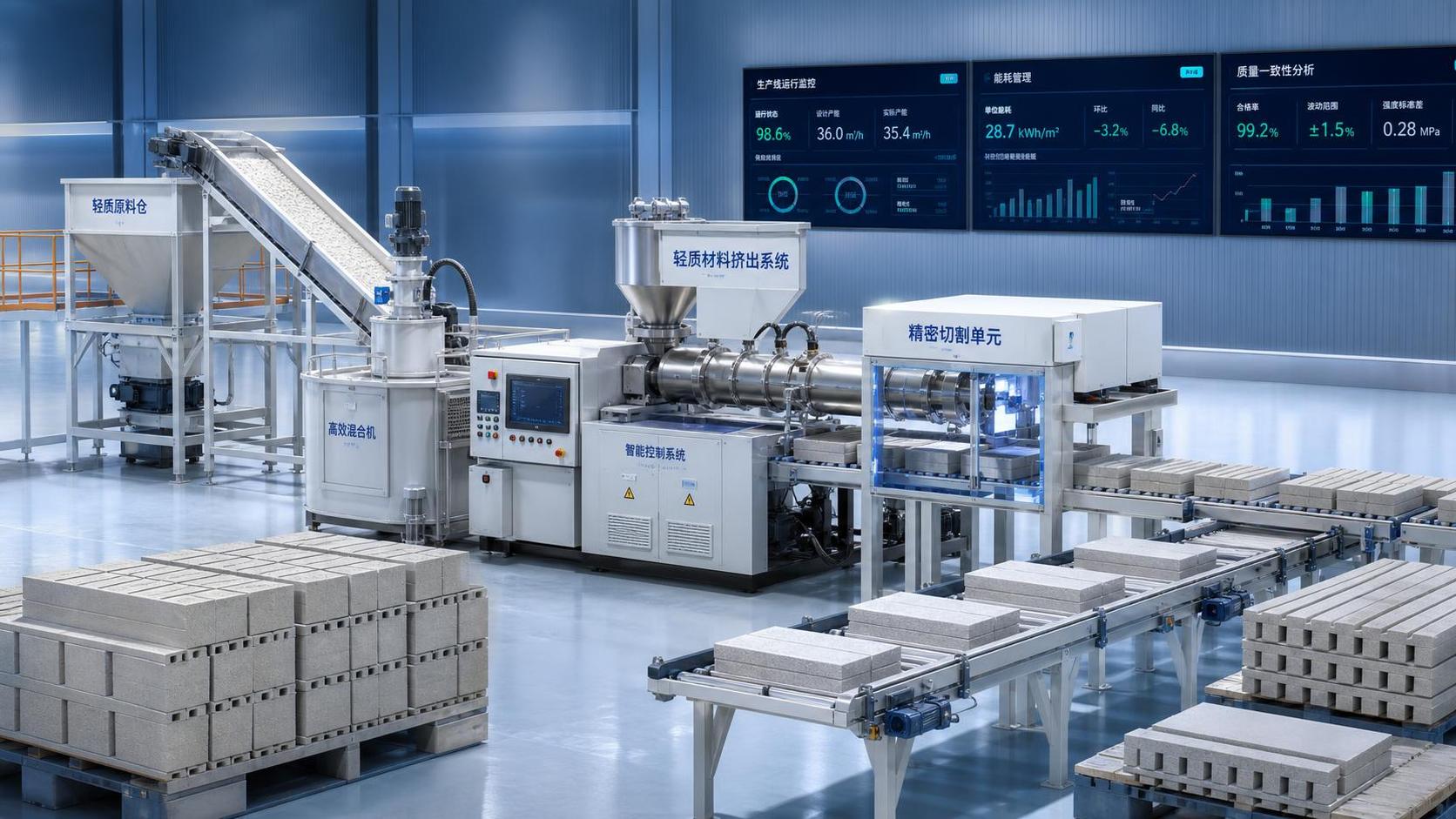
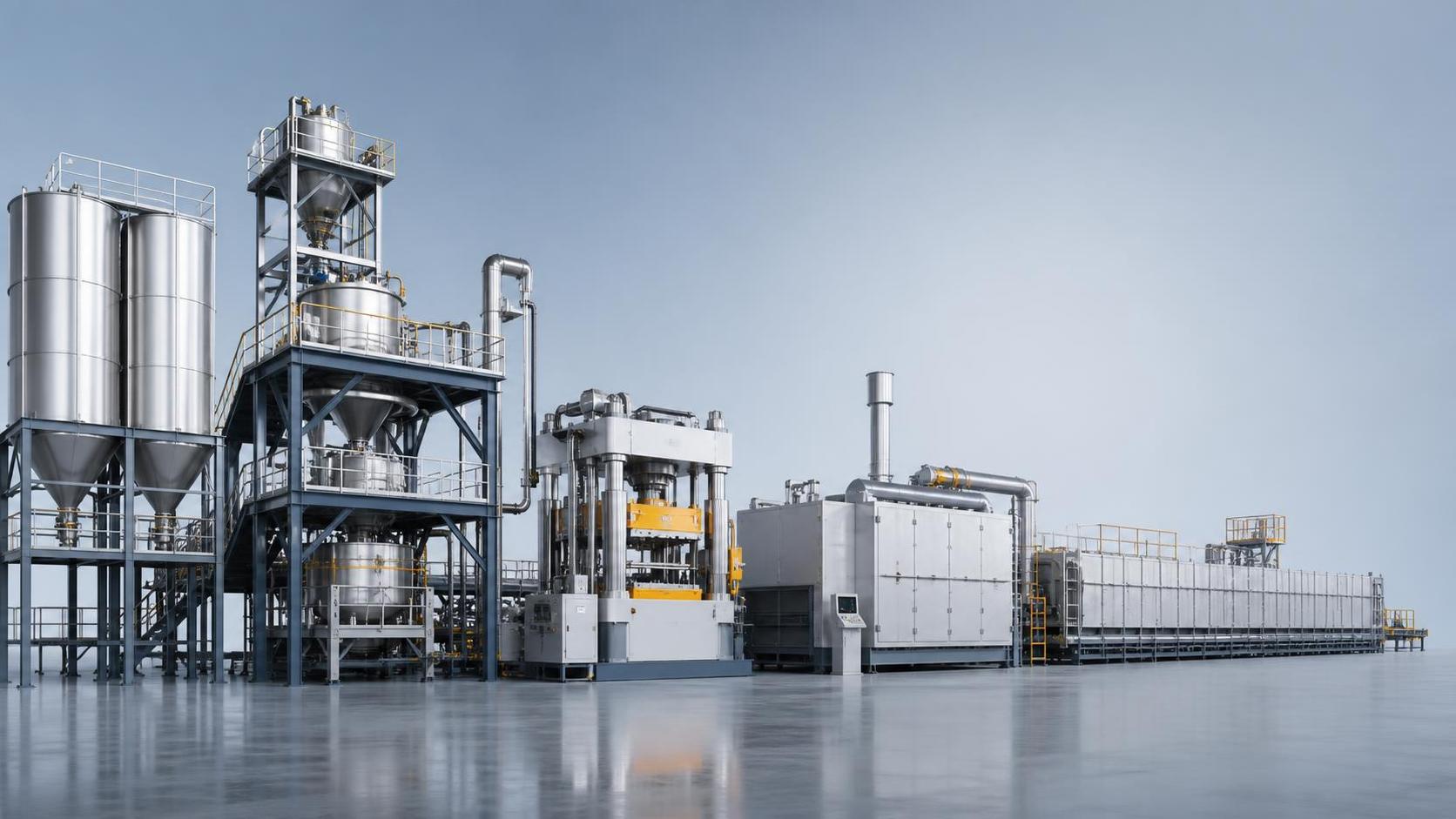
In refractory and extrusion lines, mechanical pressure often hides thermal mismatch
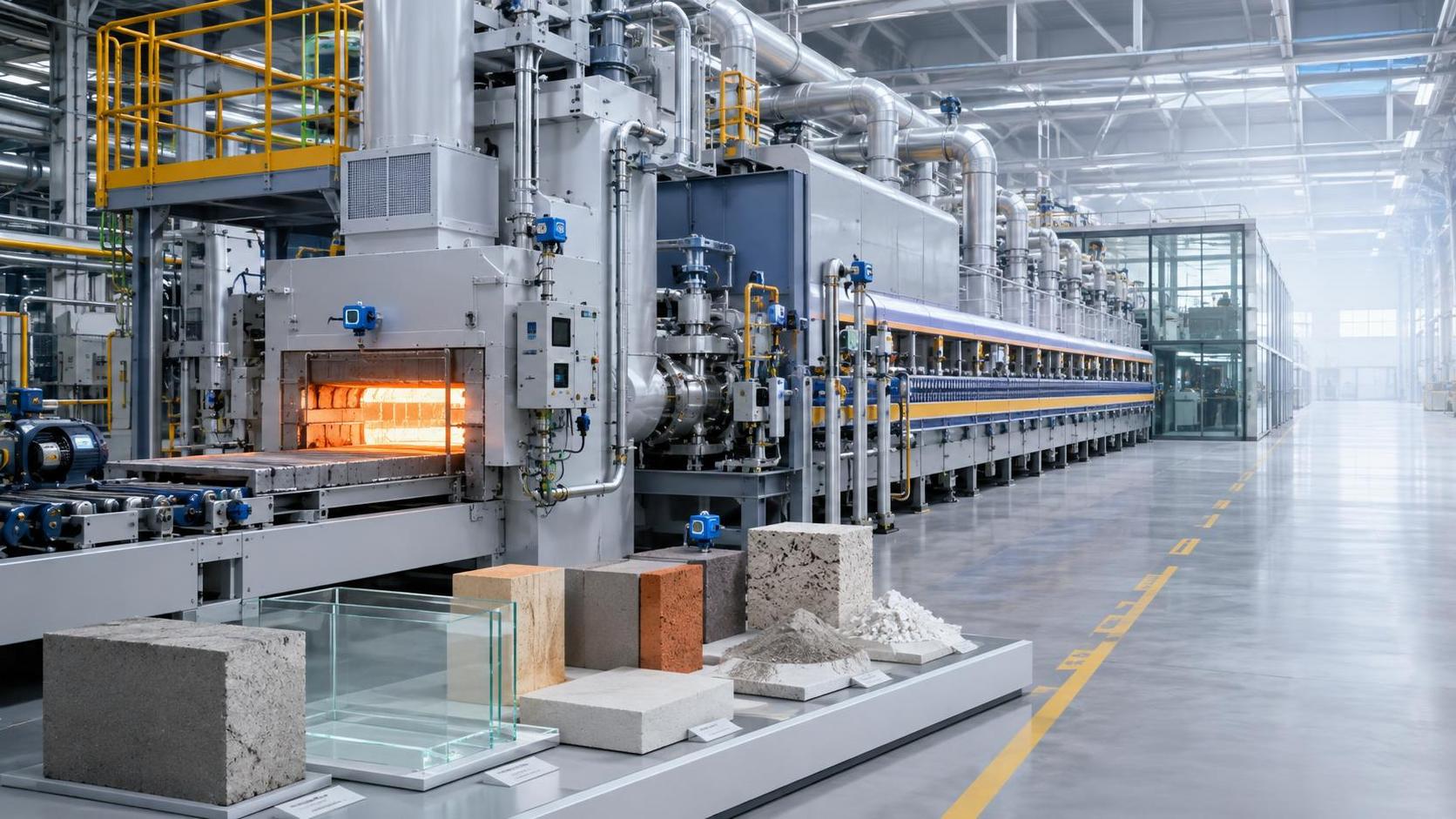
Refractory production and new building material extrusion face a different failure mode. The line may maintain output volume, yet internal structure quality declines due to moisture imbalance, binder response, or uneven heating.
In these scenarios, high-temp material processing interacts closely with shaping pressure. If thermal conditioning and mechanical loading are out of sync, cracks, warpage, laminations, and density variation can follow.
Typical warning signs before serious output loss
- Extrusion pressure rises while final density becomes less uniform.
- Drying and firing schedules drift apart from material response.
- Surface quality appears acceptable but internal defects increase.
- Kiln setting patterns create uneven thermal exposure.
How scenario demands differ across high-temp material processing lines
The same phrase, high-temp material processing, covers very different operational priorities. Comparing those differences helps reveal why borrowed solutions often fail.
Practical adaptation steps that improve high-temp material processing reliability
Reliable high-temp material processing usually improves through layered control, not one dramatic upgrade. Small structural actions often deliver the fastest gains.
- Map critical failure points by process zone, not by department.
- Track raw material variability beside thermal data.
- Review local hot spots, not only average trends.
- Inspect refractory wear as a process variable, not just maintenance history.
- Connect emissions, fuel use, and quality loss in one review model.
- Use digital simulation or historical pattern analysis for upset prediction.
For cross-border heavy industry, this is where intelligence matters. CF-Elite follows technology shifts such as digital twin modeling, online lining monitoring, and advanced co-processing analysis because adaptation must match each thermal scenario.
Common mistakes that make high-temp material processing failures repeat
Several repeat errors appear across industries. They seem minor at first, yet they keep thermal systems vulnerable.
- Judging line health from output alone.
- Ignoring chemistry when responding to heat imbalance.
- Separating quality issues from energy issues.
- Treating refractory degradation as a late-stage problem.
- Applying one control philosophy to every high-temp material processing scenario.
These mistakes explain why high-temp material processing fails more often than expected. The process is never only thermal. It is thermal, chemical, mechanical, and operational at the same time.
The next useful step is scenario-based thermal diagnosis
If failure patterns keep returning, start with a scenario diagnosis instead of another blanket adjustment. Identify where instability first appears, what variable hides it, and which linked indicator confirms it.
For organizations tracking kilns, float lines, incineration systems, refractory plants, or extrusion equipment, better high-temp material processing decisions come from combining field data with sector intelligence. That is the practical path toward lower energy waste, stronger product consistency, and more resilient thermal operations.
CF-Elite supports that path by connecting process behavior, equipment evolution, and decarbonization pressures into one decision view. When hidden failure logic becomes visible, high-temp material processing becomes easier to stabilize and far less costly to repair.
Related News
 Optical Glass Tech FellowHow to Evaluate a Glass Annealing Equipment Manufacturer for Production StabilityChoose a glass annealing equipment manufacturer with proven thermal uniformity, reliable controls, lifecycle value, and responsive service for stable production.Sep 08, 2026
 Prof. Marcus ChenThermal Energy Architecture in North America: Strategies for Lower Building Energy UseThermal energy architecture North America helps project leaders cut building energy use through stronger envelopes, right-sized HVAC, storage, and smart commissioning.Sep 07, 2026
 Ms. Elena RodriguezHow Should Buyers Evaluate Building Material Industry Intelligence Pricing?Building material industry intelligence pricing: learn how to compare coverage, technical depth, and ROI to choose intelligence that reduces procurement risk.Sep 07, 2026
 Ms. Elena RodriguezHow to Use Building Material Intelligence Data for Market and Investment DecisionsBuilding material industry intelligence data helps leaders evaluate demand, costs, regulation, capacity, and technology to make smarter market and investment decisions.Sep 05, 2026
 Thermal Energy ArchitectHow PLC Control Improves Energy Efficiency and Temperature Stability in KilnsEnergy efficient kilns PLC control improves temperature stability, cuts fuel waste, and optimizes combustion, draft, and material flow. Explore proven strategies for smarter kiln modernization.Sep 04, 2026
 Optical Glass Tech FellowEuropean Glass Melting Processes: Furnace Choices, Energy Use, and Quality ControlGlass melting process Europe: explore furnace choices, energy efficiency, cullet strategy, and quality control to improve output, compliance, and long-term glass performance.Sep 03, 2026
 Thermal Energy ArchitectWhat Determines Refractory Lining Monitoring Price for Industrial Kilns?Refractory lining monitoring price depends on kiln size, sensor technology, installation, software, and support. Compare total lifecycle costs and choose the right solution.Sep 02, 2026
 Silicate Process EngineerCement Production System Costs: A Plant Buyer’s Guide to Budgeting and ROICement production systems cost planning made clear: compare CAPEX, operating costs, compliance, and ROI to build a resilient, profitable cement plant investment.Sep 01, 2026
 Dr. Alistair VaughnWhat Should a Process Technology Database Track for High-Temperature Plants?Process technology database essentials for high-temperature plants: track thermal profiles, feed chemistry, refractory wear, emissions, energy, and maintenance for safer, data-driven decisions.Aug 31, 2026
 Ms. Elena RodriguezHow to Evaluate a Silicate Processing Equipment Manufacturer for Plant ProjectsSilicate processing equipment manufacturer selection: assess process fit, guarantees, energy, compliance, delivery risk, and lifecycle support for dependable plant performance.Aug 30, 2026
 Dr. Alistair VaughnHow to Specify Custom Agricultural Processing Equipment for Throughput and HygieneEquipment customization services for agricultural processing: learn to specify hygienic, high-throughput lines that improve yield, reliability, and long-term efficiency.Aug 29, 2026
 Dr. Alistair VaughnHow to Select Process Plant Equipment for High-Temperature, Abrasive Production LinesProcess plant equipment selection for high-temperature, abrasive lines: reduce downtime, improve durability, and optimize lifecycle performance.Aug 28, 2026
 Silicate Process EngineerHow Kiln Heat Recovery Systems Cut Fuel Use in Cement and Lime ProductionKiln heat recovery helps cement and lime plants cut fuel use, improve thermal stability, and build practical, reliable decarbonization strategies.Aug 27, 2026
 Ms. Elena RodriguezProcess Equipment Comparison: Which Metrics Matter Most for Reliable Selection?Process equipment comparison made practical: discover which metrics truly drive reliable selection, from energy efficiency and control stability to wear life, maintainability, and uptime.Aug 26, 2026
 Ms. Elena RodriguezWhat Buyers Should Check Before Sourcing Precision Alloy Bars for Critical PartsPrecision Alloy Bars buyers should verify grade, chemistry, tolerances, surface quality, traceability, and lead time before sourcing for critical parts. Learn what prevents costly machining and reliability risks.Aug 27, 2026
 Ms. Elena RodriguezHow to Evaluate Thermal Management Solutions Insulation for High-Heat Industrial SystemsThermal management solutions insulation: learn how to assess high-heat industrial systems by thermal performance, durability, lifecycle cost, and supplier data for smarter decisions.Aug 25, 2026
 Ms. Elena RodriguezWhat Drives Waste Recycling Cost in Industrial Projects and How to Estimate It?Waste recycling cost in industrial projects depends on composition, moisture, transport, pre-treatment, and compliance. Learn how to estimate it accurately and compare suppliers with confidence.Aug 24, 2026
 Silicate Process EngineerHow to Evaluate Cement Production Plants in the Middle East for Capacity, Fuel Flexibility, and ROIcement production plants Middle East: Learn how to assess true capacity, fuel flexibility, and ROI risks to identify resilient assets and smarter investment opportunities.Aug 23, 2026
 Structural Material AnalystHow to Evaluate Lightweight Material Machinery for Output, Energy Use, and Product QualityLightweight material machinery evaluation guide: compare stable output, energy use, and product quality to choose equipment that cuts waste, lowers costs, and improves production confidence.Aug 22, 2026
 Material Heat-Resist ExpertWhat Determines Refractory Production Line Price in a Turnkey Plant Project?Refractory production line price depends on raw materials, forming method, kiln and drying design, automation, utilities, and scope. Learn what really drives turnkey plant cost before you invest.Aug 21, 2026

Related News
- 00
0000-00
How PLC Control Improves Energy Efficiency and Temperature Stability in Kilns - 00
0000-00
What Determines Refractory Lining Monitoring Price for Industrial Kilns? - 00
0000-00
How Digital Twin Simulations Help Kiln Operators Cut Fuel Use and Stabilize Output - 00
0000-00
What to Evaluate in a Rotary Kiln Technology Manufacturer for High-Temperature Process Projects - 00
0000-00
How to Evaluate an Incineration Equipment Exporter for Compliance, Capacity, and After-Sales Support
Weekly Insights
Stay ahead with our curated technology reports delivered every Monday.