
When do industrial co-processing solutions make business sense?




For business evaluators, industrial co-processing solutions make sense only when economics, compliance, and operational fit align. In energy-intensive sectors such as cement, glass, incineration, and advanced materials, the real question is not whether co-processing is viable, but when it can reduce disposal costs, improve fuel flexibility, support decarbonization goals, and strengthen long-term competitiveness.
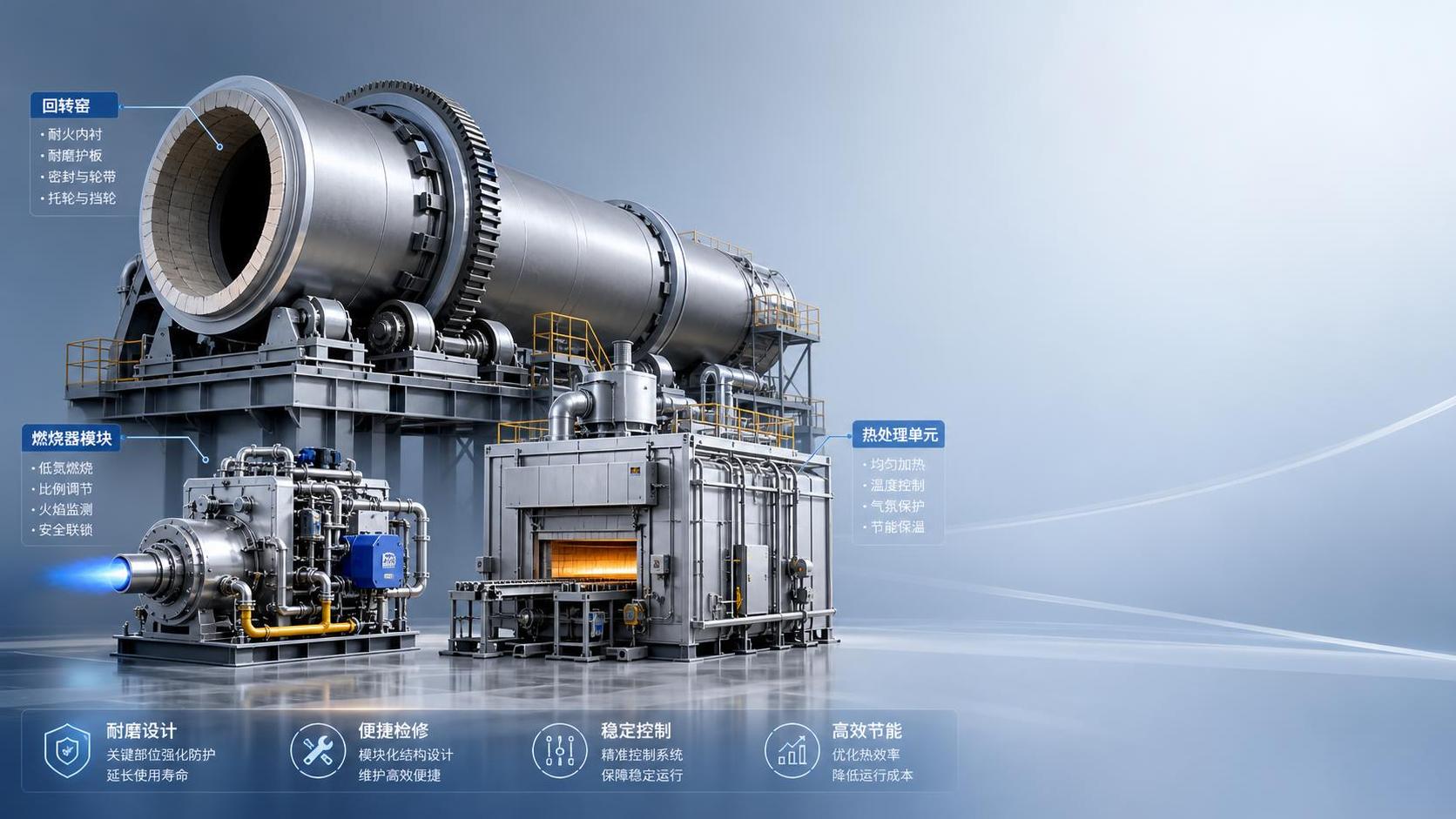
That question is especially relevant for operators and investors tracking rotary kilns, thermal processing systems, refractory-intensive lines, and waste-to-energy interfaces. In many industrial settings, co-processing is not a standalone environmental project. It is a commercial and operational decision shaped by feedstock quality, thermal balance, permitting timelines, residue behavior, and the plant’s ability to convert waste streams into recoverable value.
For the audience served by CF-Elite, the issue is practical: under what conditions do industrial co-processing solutions outperform conventional disposal, single-fuel combustion, or separate treatment routes? The answer usually emerges from five measurable factors: gate fee economics, alternative fuel substitution rate, capex intensity, process stability, and compliance risk over a 3–10 year planning horizon.
What industrial co-processing solutions actually involve in high-temperature industries
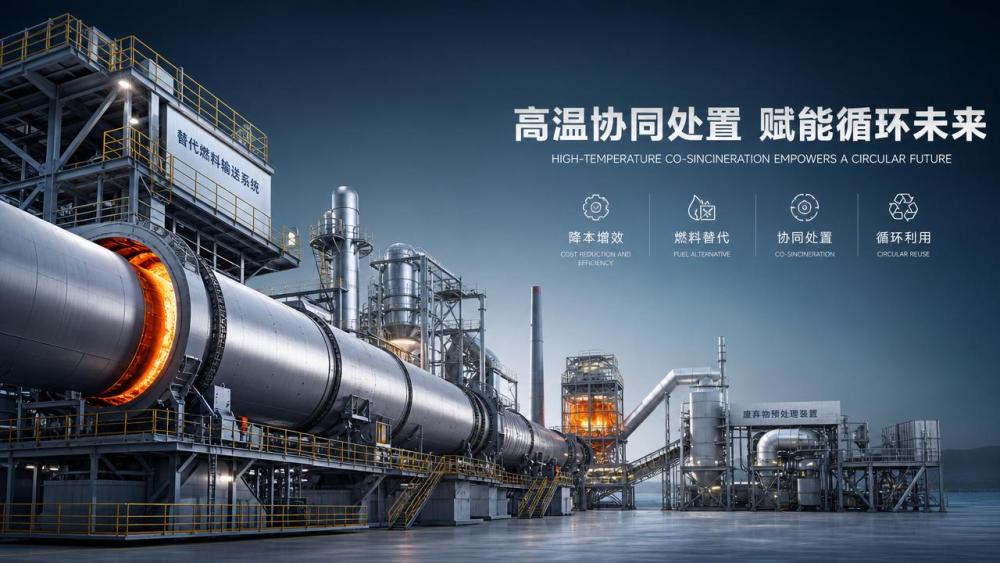
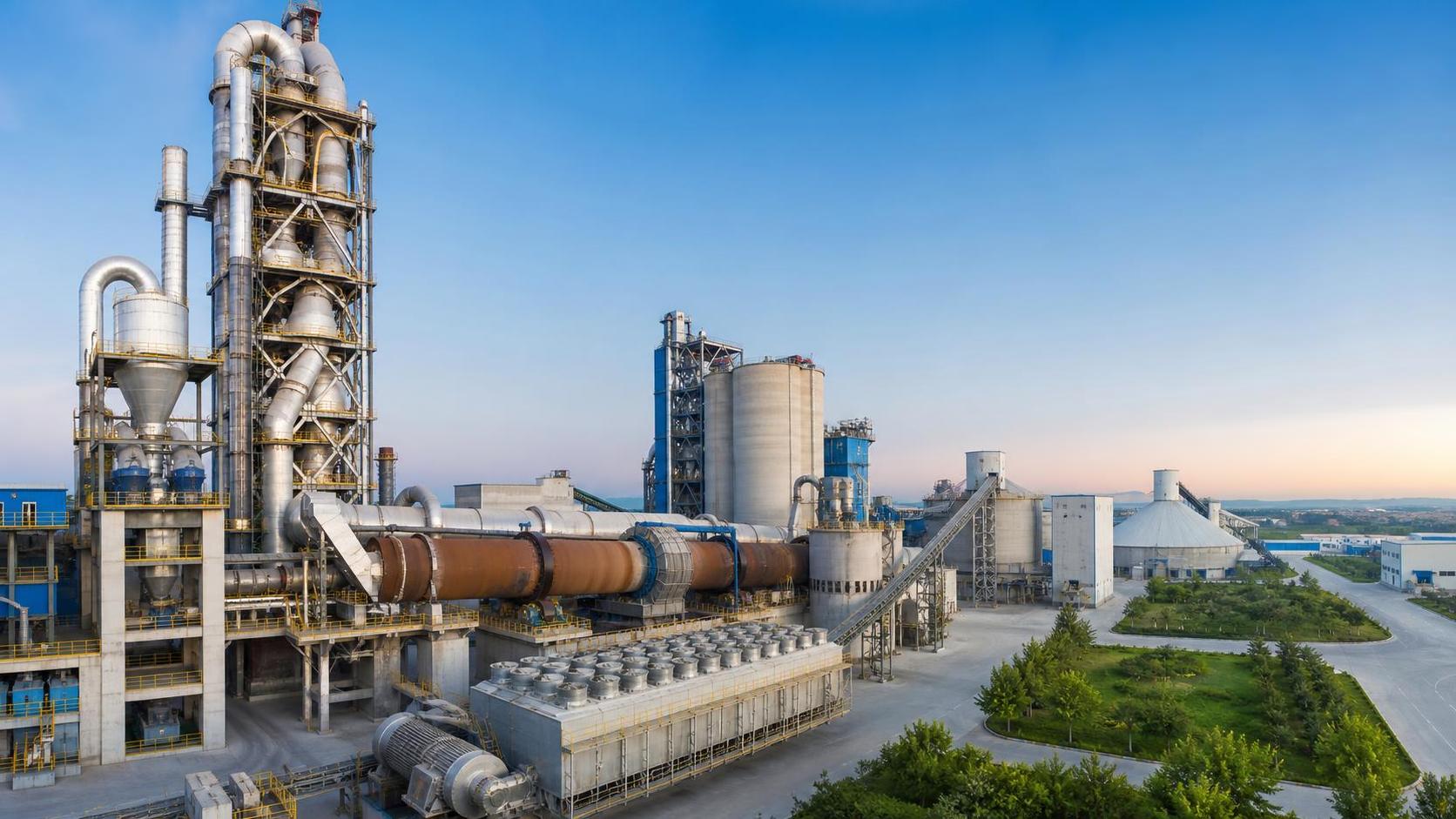
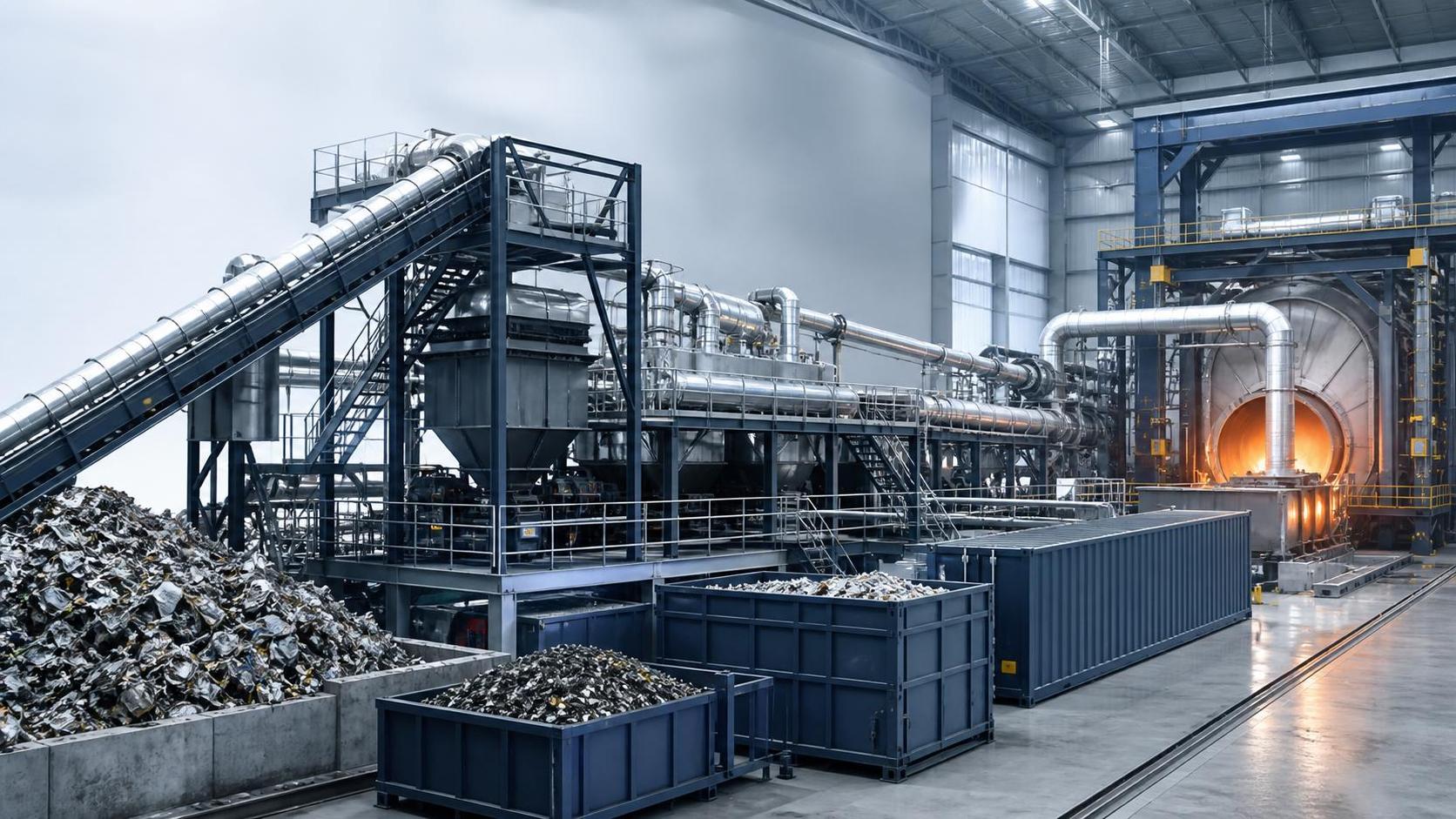
In high-temperature manufacturing, industrial co-processing solutions typically refer to the use of waste-derived materials, by-products, or secondary fuels inside existing thermal assets. Common examples include rotary kilns in cement plants, hazardous and non-hazardous waste integration in incineration systems, cullet and secondary mineral inputs in glass, and controlled reuse of process residues in refractory or building material lines.
The business appeal comes from dual value creation. A plant may lower fossil fuel demand by 10%–60% depending on feed consistency and burner design, while also reducing external disposal volumes. In some projects, the avoided landfill or treatment cost matters more than the fuel saving. In others, carbon exposure and energy security drive the investment case.
Typical co-processing pathways
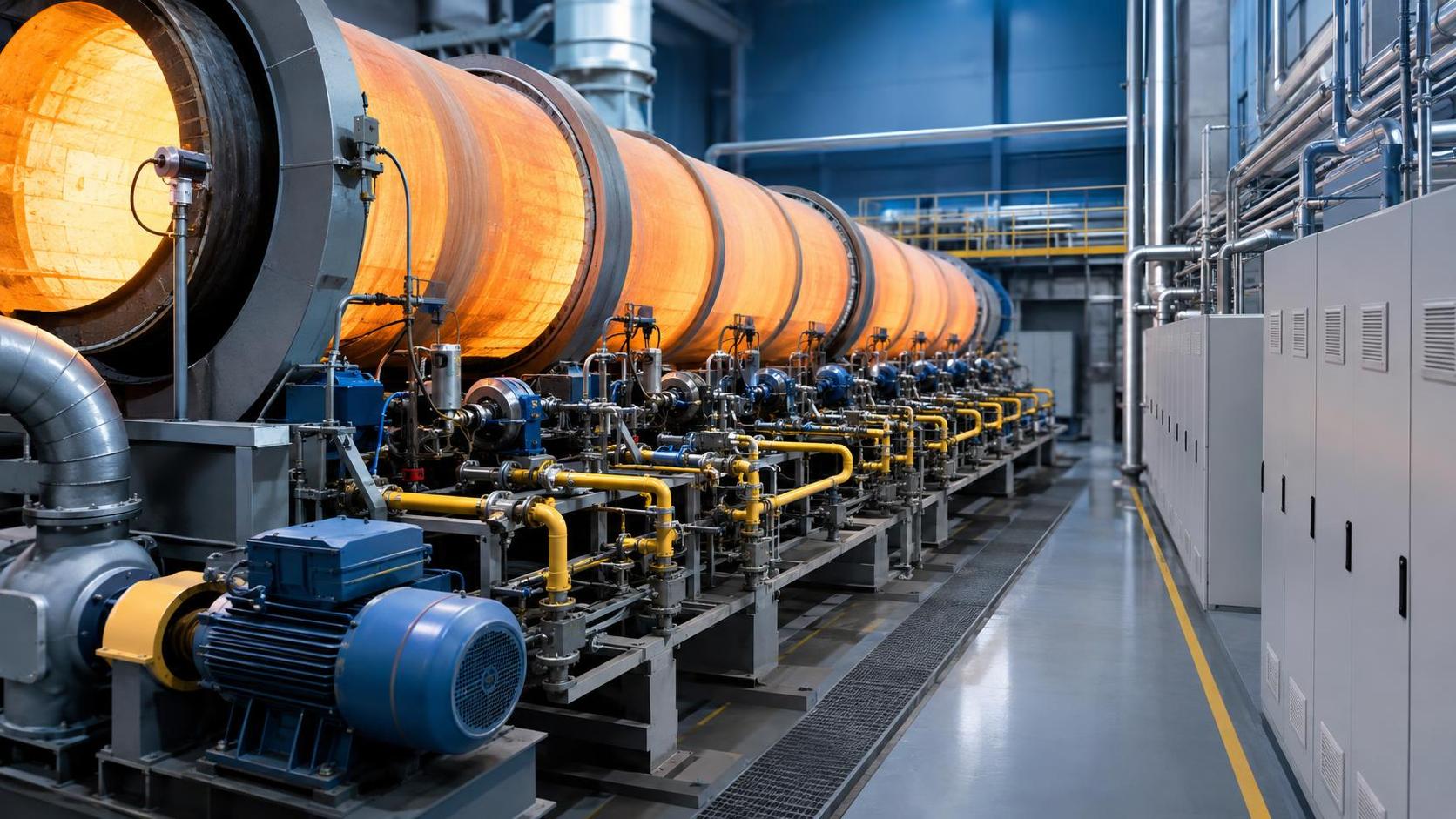
Not every thermal line can accept the same materials. Cement kilns often offer the broadest flexibility because of temperatures that may exceed 1,400°C in the sintering zone and long gas-solid residence times. Glass furnaces and material extrusion lines are more selective because product quality tolerance, ash chemistry, and contamination risk can narrow the usable input range.
- Alternative fuels such as RDF, SRF, biomass fractions, or solvent-rich residues
- Mineral substitutes including slag, fly ash, kiln dust recirculation, or silicate-rich by-products
- Energy recovery from pretreated industrial waste streams with controlled calorific value
- Integrated residue management where ash or mineral fractions become part of final clinker or other matrix materials
Why thermal compatibility is decisive
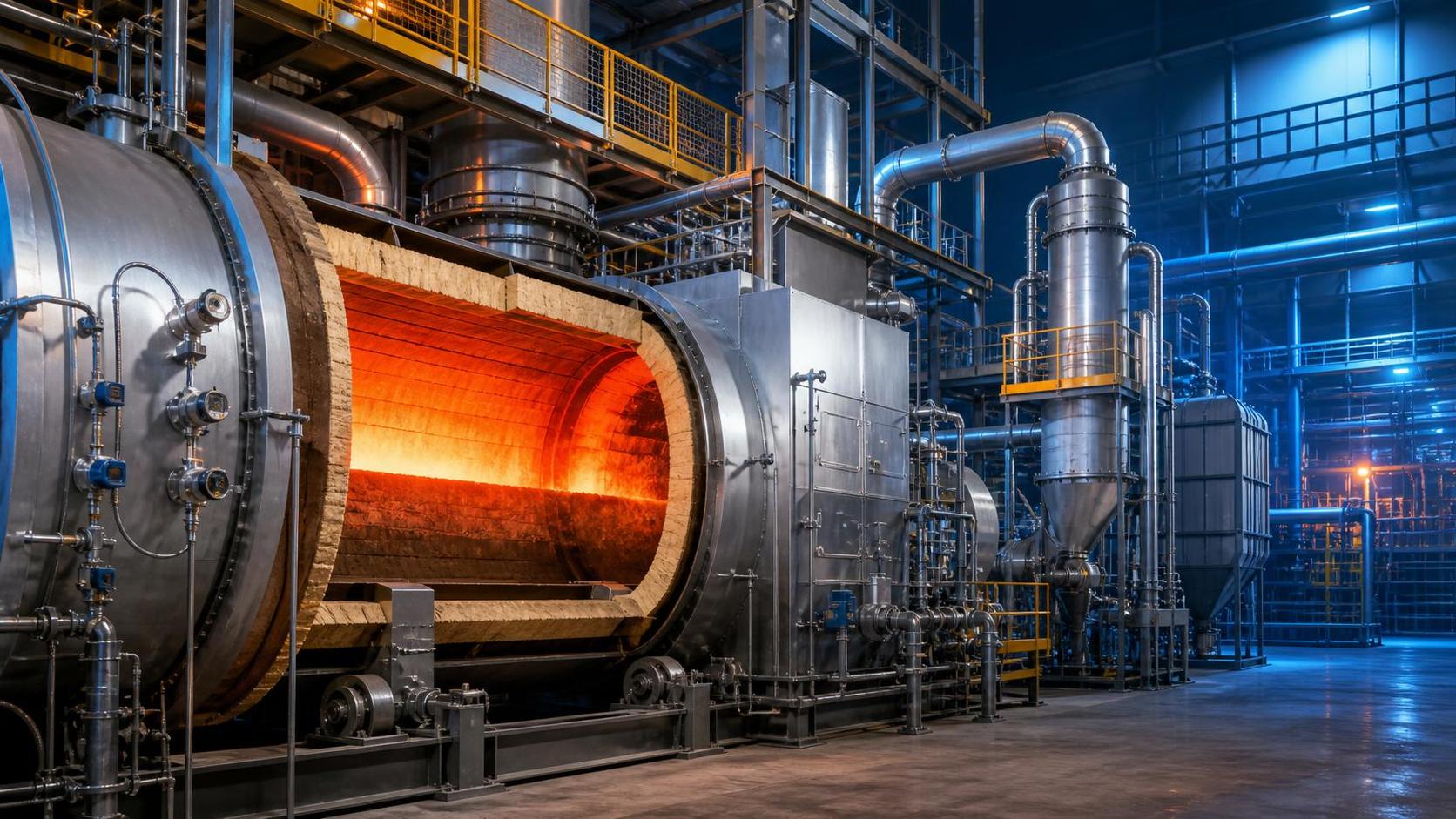
A promising business case can fail if the process window is too narrow. Evaluators should review at least 6 technical checks: calorific value range, chlorine and sulfur loading, moisture level, particle size, ash behavior, and feeding stability. A feedstock with attractive gate fees can still destroy value if it increases coating formation, disrupts flame shape, or accelerates refractory wear by even 10%–15%.
The comparison below helps business teams separate technically aligned co-processing opportunities from those that look attractive only at headline cost level.
The pattern is clear: industrial co-processing solutions work best where the process can absorb material variability without harming throughput or product quality. For business evaluators, this means the thermal asset itself is often the first screening criterion, even before financial modeling begins.
When industrial co-processing solutions make financial sense
A viable project usually depends on a stack of benefits rather than one large saving. If a plant expects only lower fuel cost, the case may be weak. If it combines 4 gains—waste handling revenue, lower thermal fuel spend, reduced carbon intensity, and improved raw material efficiency—the economics become much more resilient across commodity cycles.
Most evaluators should test the model under three scenarios: conservative, base, and stress. A base case might assume 15%–25% thermal substitution in year 1, ramping to 30%–45% after stabilization. A stress case should include lower gate fee income, 5%–10% extra maintenance, and a slower permitting path of 12–18 months instead of 6–9 months.
The core financial variables
Business value typically comes from a manageable set of variables. Once these are quantified, the decision becomes less ideological and more commercial.
- Alternative fuel substitution rate and resulting energy cost reduction
- Gate fee or waste acceptance revenue per ton
- Preprocessing, storage, dosing, and feeding capex
- Incremental opex including maintenance, monitoring, and sampling
- Effect on throughput, uptime, and product quality claims
- Carbon cost exposure and future compliance burden
A practical threshold approach
In many projects, industrial co-processing solutions start to make business sense when payback falls within 24–48 months, feedstock contracts extend beyond 3 years, and process downtime risk remains under a predefined tolerance. For a heavy industrial line, even 1–2 percentage points of throughput loss can erase savings if contribution margins are high.
The table below can support screening discussions before engineering detail is commissioned.
This framework shows why the best opportunities are not always the lowest-cost ones. A stable medium-margin co-processing route can outperform an aggressive low-feed-cost option if it protects kiln availability, emission consistency, and maintenance intervals.
Operational and compliance conditions that can make or break the case
Even a strong financial model can collapse when compliance or plant integration is underestimated. Evaluators in cement, glass, and incineration must test whether the facility has the right handling systems, emissions monitoring, storage safety controls, and quality assurance protocols. If not, the hidden implementation burden can be significant.
Operational fit checklist
A practical review should cover at least 5 plant dimensions before approval.
- Feed acceptance system: unloading, segregation, weighing, and sampling
- Storage resilience: moisture control, fire prevention, and residence time management
- Dosing and injection: consistency, redundancy, and burner or kiln interface stability
- Process control: online monitoring, alarm logic, and adjustment response time
- Residue and quality management: ash behavior, clinker chemistry, glass purity, or formulation impact
Permitting and stakeholder timing
Permitting often takes longer than engineering. A straightforward modification may move in 6–9 months, while a more sensitive waste category or larger throughput change can extend to 12–18 months. Internal alignment also matters. Procurement, EHS, operations, maintenance, and commercial teams should usually be aligned in the first 60–90 days of feasibility work.
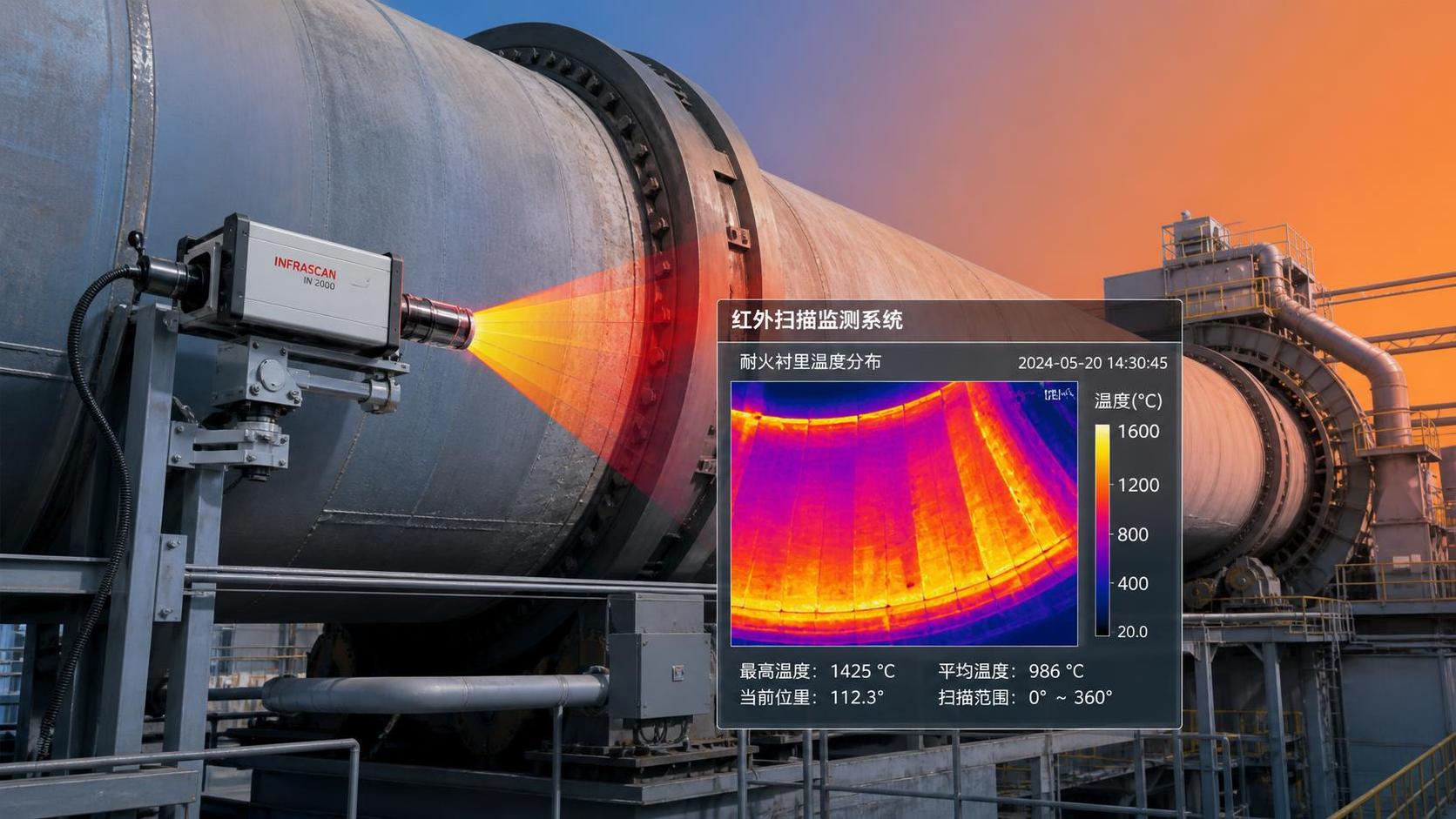
For CF-Elite’s focus sectors, the strongest projects are usually supported by digital monitoring and disciplined thermal analytics. Online refractory condition tracking, mass balance reviews, and combustion trend analysis can reduce the uncertainty that often delays board-level decisions. In practice, better data shortens the gap between technical promise and bankable confidence.
Common reasons business cases fail
Industrial co-processing solutions are frequently rejected for the wrong reason, or approved with the wrong assumptions. The most common failure points are not ideological resistance but poor scoping and incomplete risk pricing.
- Overestimating feedstock consistency across 12 months
- Ignoring additional refractory wear, coating instability, or corrosion effects
- Assuming all waste streams are interchangeable after basic shredding or blending
- Undervaluing laboratory testing and trial burn programs
- Using fuel saving alone while excluding compliance and uptime sensitivity
A disciplined evaluation usually includes a pilot or staged ramp-up with 3 checkpoints: lab characterization, controlled industrial trial, and multi-week operating validation. This phased approach limits the chance of scaling an attractive theory into an unstable full-line reality.
How business evaluators should decide: a practical framework
The most useful approach is to score industrial co-processing solutions across strategic, economic, operational, and regulatory dimensions. This prevents the project from being driven by one department alone. A procurement-led model may miss process risk, while an operations-led model may understate future carbon and disposal exposure.
A four-part evaluation model
Business evaluators can use the following structure during internal reviews:
- Strategic fit: Does co-processing support decarbonization, circularity, or regional fuel resilience over 5–10 years?
- Economic return: Is there a defendable 2–4 year payback under conservative assumptions?
- Operational fit: Can the line absorb variability without harming quality, throughput, or maintenance windows?
- Compliance fit: Are permits, emissions controls, and reporting systems already adequate or realistically upgradable?
Questions to ask suppliers and internal teams
Before approving capex, decision-makers should request specific answers rather than general sustainability claims. Ask for target feed envelope, expected substitution rate by quarter, required shutdown days for integration, monitoring architecture, and the plant conditions under which the performance model no longer holds. Clear boundaries often matter more than optimistic averages.
For organizations following CF-Elite’s intelligence model, this is where market knowledge becomes practical value. Understanding how rotary kilns handle mixed thermal inputs, how glass lines respond to chemistry shifts, or how refractory lifecycles change under altered flame conditions can materially improve investment timing. Good co-processing decisions are rarely made from waste pricing alone; they depend on deep process context.
When to move forward, wait, or reject
Move forward when the feedstock supply is contractable, the plant can integrate dosing and controls with modest disruption, and the return remains positive after including maintenance and compliance costs. Wait when waste quality is uncertain, local permitting is unresolved, or product specifications are too sensitive. Reject when the project depends on unrealistic substitution rates, short-term waste availability, or unproven chemistry tolerance.
Industrial co-processing solutions make business sense when they function as an integrated operating model rather than a side project. For evaluators in cement, glass, incineration, refractory, and advanced building material sectors, the winning formula is measurable: stable feedstock, controlled process impact, acceptable permitting timelines, and a return profile that survives volatility. If you are assessing where co-processing fits into your thermal asset strategy, now is the right time to obtain a tailored technical-commercial review, compare options across your process lines, and consult for a customized solution roadmap.
Related News
 Optical Glass Tech FellowHow to Evaluate a Glass Annealing Equipment Manufacturer for Production StabilityChoose a glass annealing equipment manufacturer with proven thermal uniformity, reliable controls, lifecycle value, and responsive service for stable production.Sep 08, 2026
 Prof. Marcus ChenThermal Energy Architecture in North America: Strategies for Lower Building Energy UseThermal energy architecture North America helps project leaders cut building energy use through stronger envelopes, right-sized HVAC, storage, and smart commissioning.Sep 07, 2026
 Ms. Elena RodriguezHow Should Buyers Evaluate Building Material Industry Intelligence Pricing?Building material industry intelligence pricing: learn how to compare coverage, technical depth, and ROI to choose intelligence that reduces procurement risk.Sep 07, 2026
 Ms. Elena RodriguezHow to Use Building Material Intelligence Data for Market and Investment DecisionsBuilding material industry intelligence data helps leaders evaluate demand, costs, regulation, capacity, and technology to make smarter market and investment decisions.Sep 05, 2026
 Thermal Energy ArchitectHow PLC Control Improves Energy Efficiency and Temperature Stability in KilnsEnergy efficient kilns PLC control improves temperature stability, cuts fuel waste, and optimizes combustion, draft, and material flow. Explore proven strategies for smarter kiln modernization.Sep 04, 2026
 Optical Glass Tech FellowEuropean Glass Melting Processes: Furnace Choices, Energy Use, and Quality ControlGlass melting process Europe: explore furnace choices, energy efficiency, cullet strategy, and quality control to improve output, compliance, and long-term glass performance.Sep 03, 2026
 Thermal Energy ArchitectWhat Determines Refractory Lining Monitoring Price for Industrial Kilns?Refractory lining monitoring price depends on kiln size, sensor technology, installation, software, and support. Compare total lifecycle costs and choose the right solution.Sep 02, 2026
 Silicate Process EngineerCement Production System Costs: A Plant Buyer’s Guide to Budgeting and ROICement production systems cost planning made clear: compare CAPEX, operating costs, compliance, and ROI to build a resilient, profitable cement plant investment.Sep 01, 2026
 Dr. Alistair VaughnWhat Should a Process Technology Database Track for High-Temperature Plants?Process technology database essentials for high-temperature plants: track thermal profiles, feed chemistry, refractory wear, emissions, energy, and maintenance for safer, data-driven decisions.Aug 31, 2026
 Ms. Elena RodriguezHow to Evaluate a Silicate Processing Equipment Manufacturer for Plant ProjectsSilicate processing equipment manufacturer selection: assess process fit, guarantees, energy, compliance, delivery risk, and lifecycle support for dependable plant performance.Aug 30, 2026
 Dr. Alistair VaughnHow to Specify Custom Agricultural Processing Equipment for Throughput and HygieneEquipment customization services for agricultural processing: learn to specify hygienic, high-throughput lines that improve yield, reliability, and long-term efficiency.Aug 29, 2026
 Dr. Alistair VaughnHow to Select Process Plant Equipment for High-Temperature, Abrasive Production LinesProcess plant equipment selection for high-temperature, abrasive lines: reduce downtime, improve durability, and optimize lifecycle performance.Aug 28, 2026
 Silicate Process EngineerHow Kiln Heat Recovery Systems Cut Fuel Use in Cement and Lime ProductionKiln heat recovery helps cement and lime plants cut fuel use, improve thermal stability, and build practical, reliable decarbonization strategies.Aug 27, 2026
 Ms. Elena RodriguezProcess Equipment Comparison: Which Metrics Matter Most for Reliable Selection?Process equipment comparison made practical: discover which metrics truly drive reliable selection, from energy efficiency and control stability to wear life, maintainability, and uptime.Aug 26, 2026
 Ms. Elena RodriguezWhat Buyers Should Check Before Sourcing Precision Alloy Bars for Critical PartsPrecision Alloy Bars buyers should verify grade, chemistry, tolerances, surface quality, traceability, and lead time before sourcing for critical parts. Learn what prevents costly machining and reliability risks.Aug 27, 2026
 Ms. Elena RodriguezHow to Evaluate Thermal Management Solutions Insulation for High-Heat Industrial SystemsThermal management solutions insulation: learn how to assess high-heat industrial systems by thermal performance, durability, lifecycle cost, and supplier data for smarter decisions.Aug 25, 2026
 Ms. Elena RodriguezWhat Drives Waste Recycling Cost in Industrial Projects and How to Estimate It?Waste recycling cost in industrial projects depends on composition, moisture, transport, pre-treatment, and compliance. Learn how to estimate it accurately and compare suppliers with confidence.Aug 24, 2026
 Silicate Process EngineerHow to Evaluate Cement Production Plants in the Middle East for Capacity, Fuel Flexibility, and ROIcement production plants Middle East: Learn how to assess true capacity, fuel flexibility, and ROI risks to identify resilient assets and smarter investment opportunities.Aug 23, 2026
 Structural Material AnalystHow to Evaluate Lightweight Material Machinery for Output, Energy Use, and Product QualityLightweight material machinery evaluation guide: compare stable output, energy use, and product quality to choose equipment that cuts waste, lowers costs, and improves production confidence.Aug 22, 2026
 Material Heat-Resist ExpertWhat Determines Refractory Production Line Price in a Turnkey Plant Project?Refractory production line price depends on raw materials, forming method, kiln and drying design, automation, utilities, and scope. Learn what really drives turnkey plant cost before you invest.Aug 21, 2026


Related News
- 00
0000-00
How PLC Control Improves Energy Efficiency and Temperature Stability in Kilns - 00
0000-00
What Determines Refractory Lining Monitoring Price for Industrial Kilns? - 00
0000-00
How Digital Twin Simulations Help Kiln Operators Cut Fuel Use and Stabilize Output - 00
0000-00
What to Evaluate in a Rotary Kiln Technology Manufacturer for High-Temperature Process Projects - 00
0000-00
How to Evaluate an Incineration Equipment Exporter for Compliance, Capacity, and After-Sales Support
Weekly Insights
Stay ahead with our curated technology reports delivered every Monday.