
What Happens When a Waste Heat Recovery System Is Undersized?




What Happens When a Waste Heat Recovery System Is Undersized?
What happens if a waste heat recovery system is undersized? In a high-temperature plant, the immediate answer is simple: heat that could have been converted into steam, electricity, process heat, or preheated combustion air leaves the system unused. The operational reality is less simple. An undersized waste heat recovery (WHR) system can become a recurring bottleneck that affects fuel consumption, power balance, emission-reduction plans, equipment reliability, and the economics of future production upgrades.
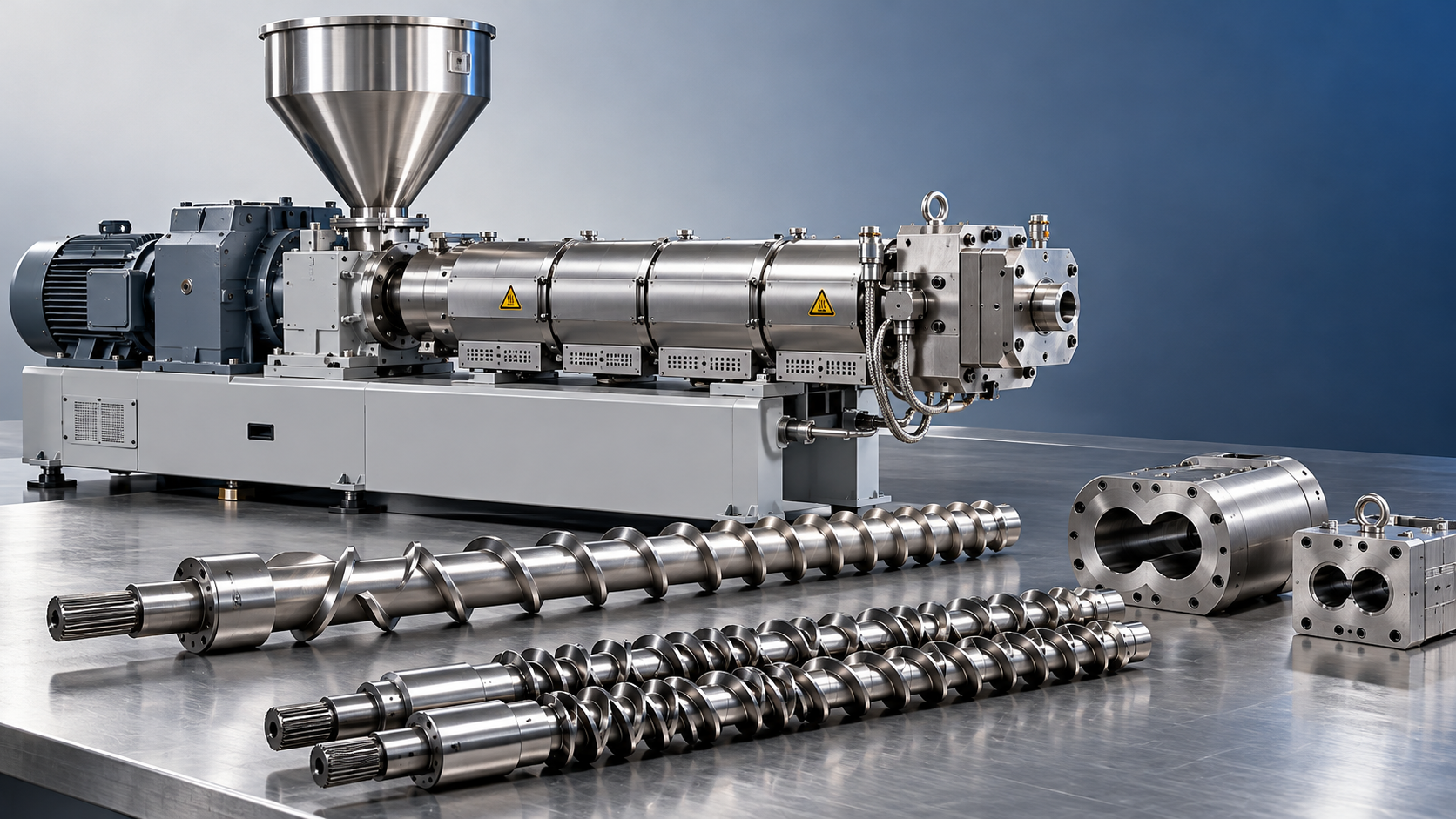
This risk is especially relevant in cement kilns, glass furnaces, industrial incinerators, refractory lines, and building-material extrusion operations. These processes do not produce a perfectly steady exhaust stream. Gas temperature, flow rate, dust loading, oxygen content, moisture, fuel mix, production rate, and maintenance condition can all change. A recovery system sized only for a narrow “normal” operating point may look adequate on a design sheet while leaving a large portion of recoverable energy uncaptured during real production.
The problem is not necessarily that the system fails. Many undersized installations operate safely and reliably. Their weakness is that they cannot accept, transfer, or use the available thermal load when the plant is running at higher output or when process conditions shift. The lost opportunity may be difficult to see without comparing the actual exhaust-energy profile with the recovery system’s practical capacity.
Undersizing Is More Than a Small Heat Exchanger
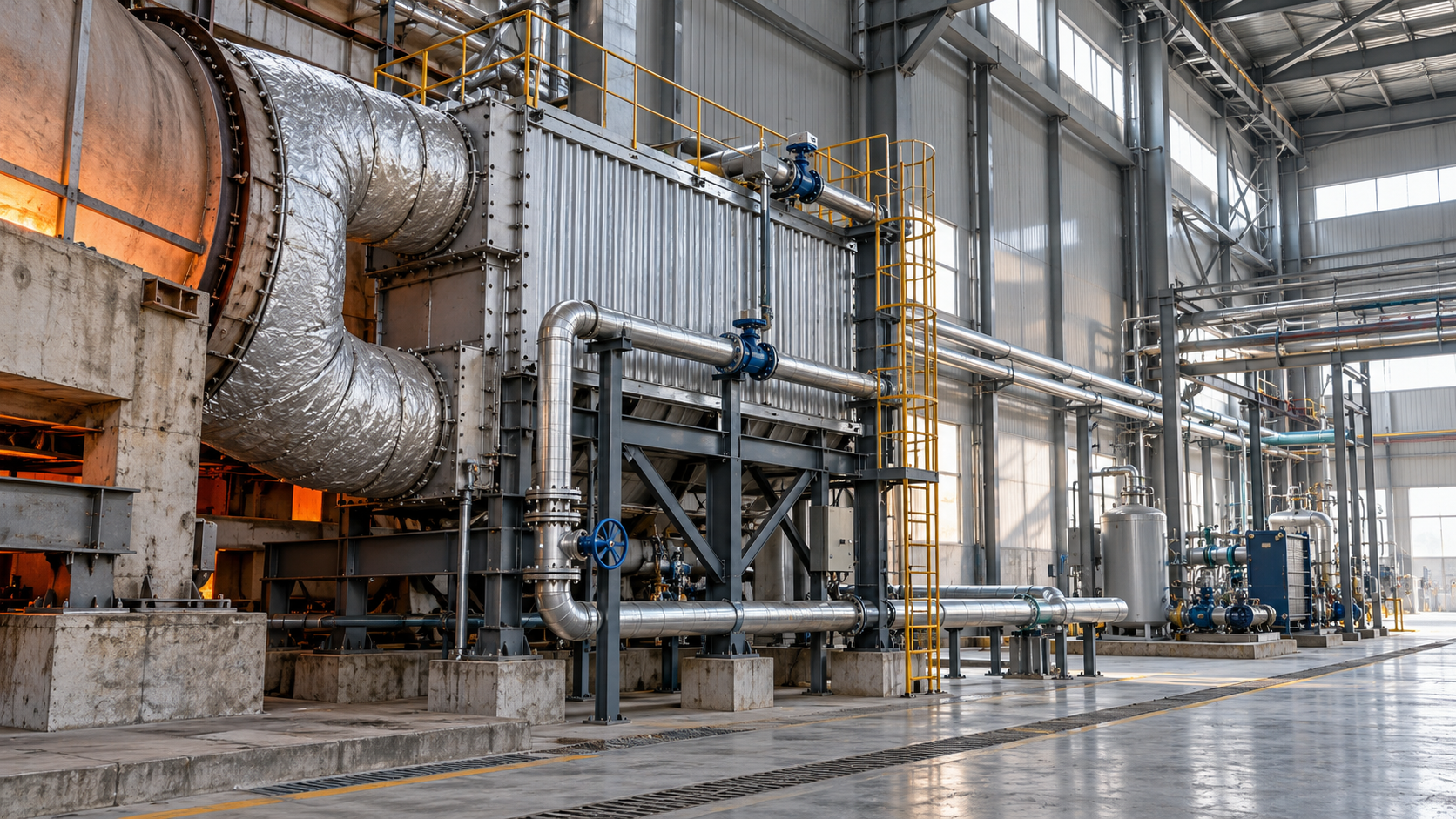
A WHR system is often described through its major equipment: waste heat boiler, heat exchanger, economizer, evaporator, superheater, turbine-generator set, thermal oil circuit, ductwork, fans, pumps, and controls. Yet sizing is not determined by one component alone. It is the match between the entire system and the source process.
For example, a boiler may have insufficient heat-transfer surface for peak gas conditions. A duct may create excessive pressure drop and force a bypass. A turbine may be unable to accommodate the steam flow available at high kiln throughput. A cooling system may limit condensing performance during hot ambient conditions. Even if the heat exchanger itself is physically large, one restrictive downstream component can make the overall recovery train effectively undersized.
In dirty-gas applications, design margin is also consumed over time. Dust deposition, fouling, corrosion, erosion, and changes in gas chemistry can reduce heat transfer or increase pressure losses. A system that had little capacity reserve at commissioning may become constrained much sooner than expected.
The question is therefore not merely, “Can this equipment recover heat?” It is, “Can it recover the useful heat available across the plant’s realistic operating envelope, while maintaining process stability and remaining serviceable?”
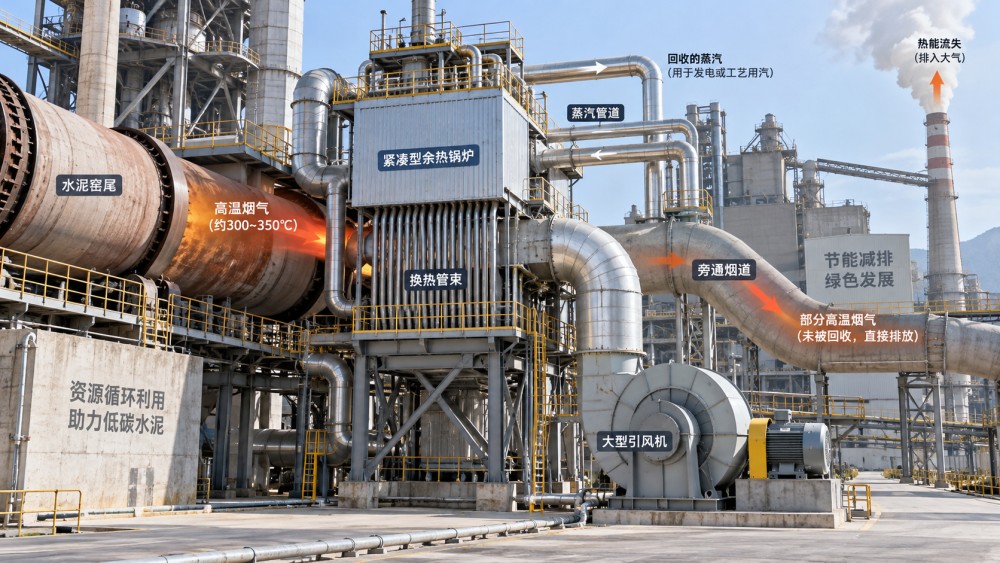
The First Consequence: Valuable Energy Goes Around the System
When exhaust-gas flow or temperature exceeds the design capacity of the WHR train, operators generally have limited choices. They may use a bypass, reduce heat extraction, lower the process rate, or accept higher stack temperatures. In most plants, the practical result is that part of the recoverable thermal energy exits through the stack or cooler exhaust instead of being put to work.
That lost energy can affect the site in different ways. A power-generation WHR system produces less electricity than the process could support. A direct-use system may not provide enough hot water, hot air, drying heat, or thermal oil to serve downstream loads. Where recovered energy was intended to offset purchased electricity or fuel, the financial case weakens—not because recovery is ineffective, but because the installed capacity is too limited to capture the available resource.
A higher exhaust temperature is not automatically proof of poor design. Some processes require a minimum temperature to avoid condensation, protect downstream filtration equipment, maintain draft, or manage certain pollutant-control conditions. The concern arises when the residual temperature is high because the recovery system has reached its limit rather than because the process deliberately requires it.
Why Steam and Power Output May Fall Short
In steam-based recovery, the relationship is direct: less captured heat means less steam generation. But the resulting loss in electrical output is not always linear. Steam pressure and temperature, turbine operating range, auxiliary power consumption, condenser conditions, and part-load efficiency all influence the final result. A system may recover some heat but still generate steam at conditions that do not fully support the turbine’s expected output.
An undersized boiler can also create unstable operating behavior during production swings. If exhaust conditions rise rapidly, steam pressure may approach control limits. The plant may need to open a bypass or reduce the recovery duty to avoid overpressure, excessive gas-side resistance, or thermal stress. Conversely, at low throughput, the same system may operate far below its intended range. This mismatch is common where a line has broad operating variability, frequent starts and stops, or a changing fuel and raw-material mix.
For plants evaluating a turbine-generator installation, focusing only on a nominal thermal input can be misleading. The more useful analysis maps available heat at different process loads and identifies how much steam can actually be generated and used under those conditions. A design based on annual averages may omit the periods when production is most profitable and the recovery opportunity is greatest.
Hidden Process Costs: Pressure Drop, Bypass Use, and Operating Constraints
Under-capacity is sometimes confused with overly restrictive design. They can occur together. When a system is pushed beyond its intended gas flow, pressure drop through ducts, boiler banks, cyclones, filters, or heat-transfer surfaces can increase. In a kiln, incinerator, or furnace line, excessive resistance may interfere with draft control and affect combustion or process stability. Operators will generally protect the core production process before maximizing recovered energy.
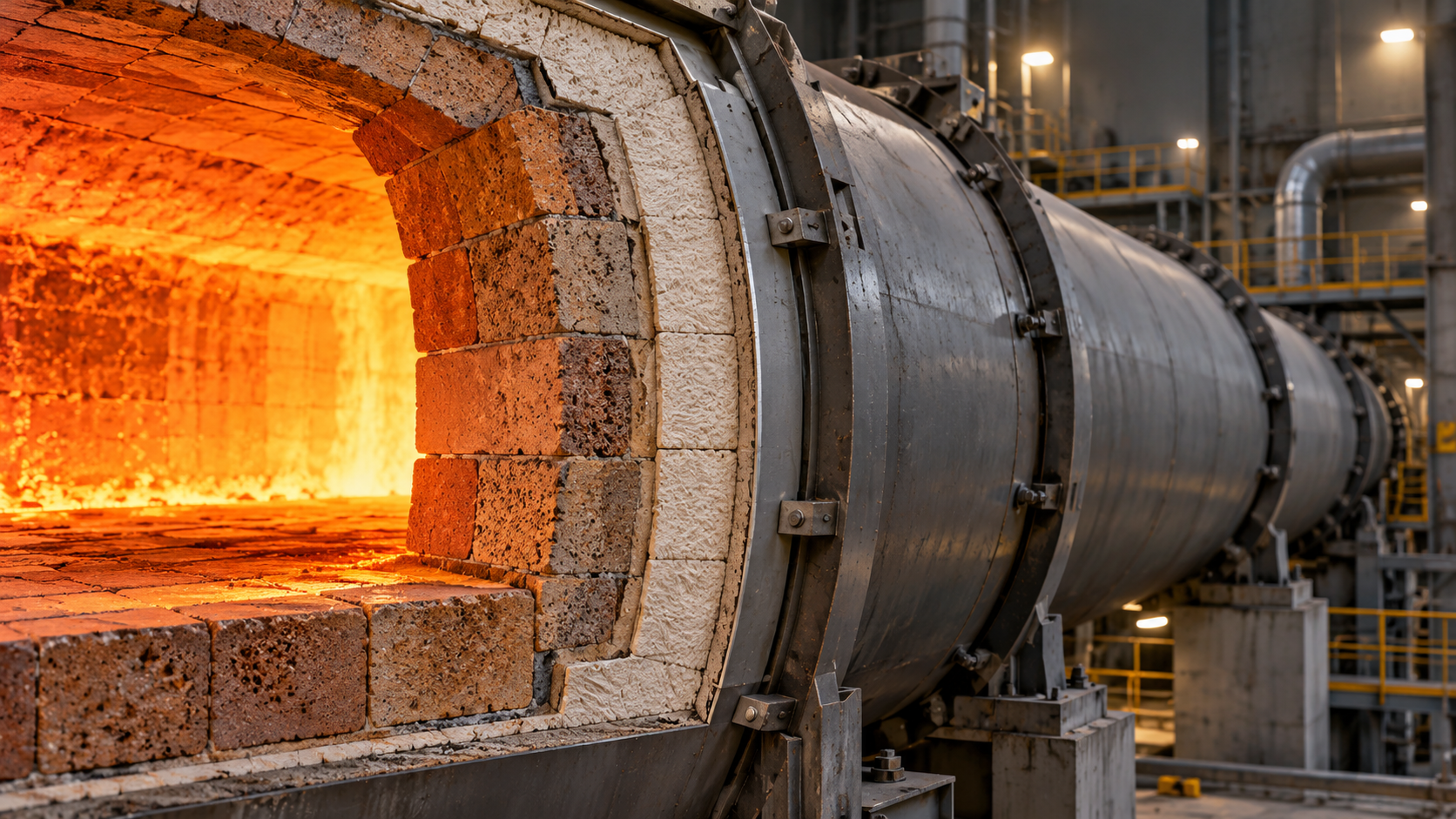
That means a WHR system can be bypassed precisely when the waste-heat stream is most attractive. From a maintenance perspective, frequent bypassing can also complicate temperature management. Repeated thermal cycling may impose stress on refractory interfaces, duct expansion joints, boiler pressure parts, dampers, and insulation systems. The exact risk depends on configuration and materials, but it should be considered during design rather than treated as a minor controls issue.
Why High-Temperature Industries Are Especially Exposed
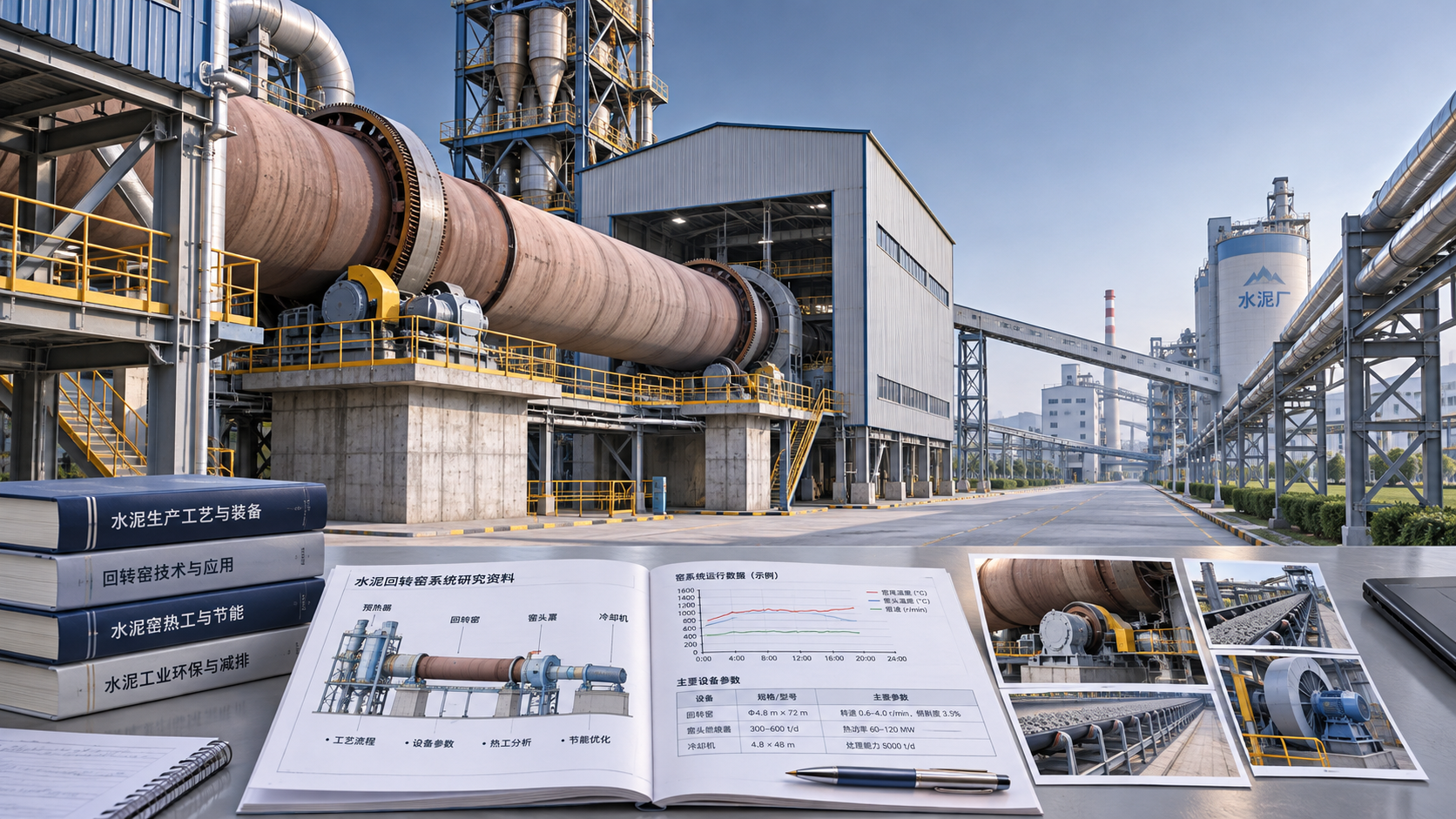
Cement production is a clear example because kiln exhaust and clinker-cooler exhaust can vary with raw meal moisture, kiln feed, alternative-fuel use, cooler performance, and mill operating mode. A recovery system built around one snapshot of operating data may not reflect the range that develops after a capacity increase or fuel transition. If the kiln line is later optimized, the WHR system can become the least flexible part of an otherwise improved plant.
Glass manufacturing presents a different pattern. Furnace campaigns are long, thermal stability is critical, and the usable heat profile depends on furnace design, firing practice, exhaust treatment, and downstream demand. A recovery concept that overlooks fluctuations in combustion conditions or annealing requirements may deliver less usable energy than forecast. The challenge is not simply extracting the maximum possible heat; it is doing so without disturbing a tightly controlled melting and forming process.
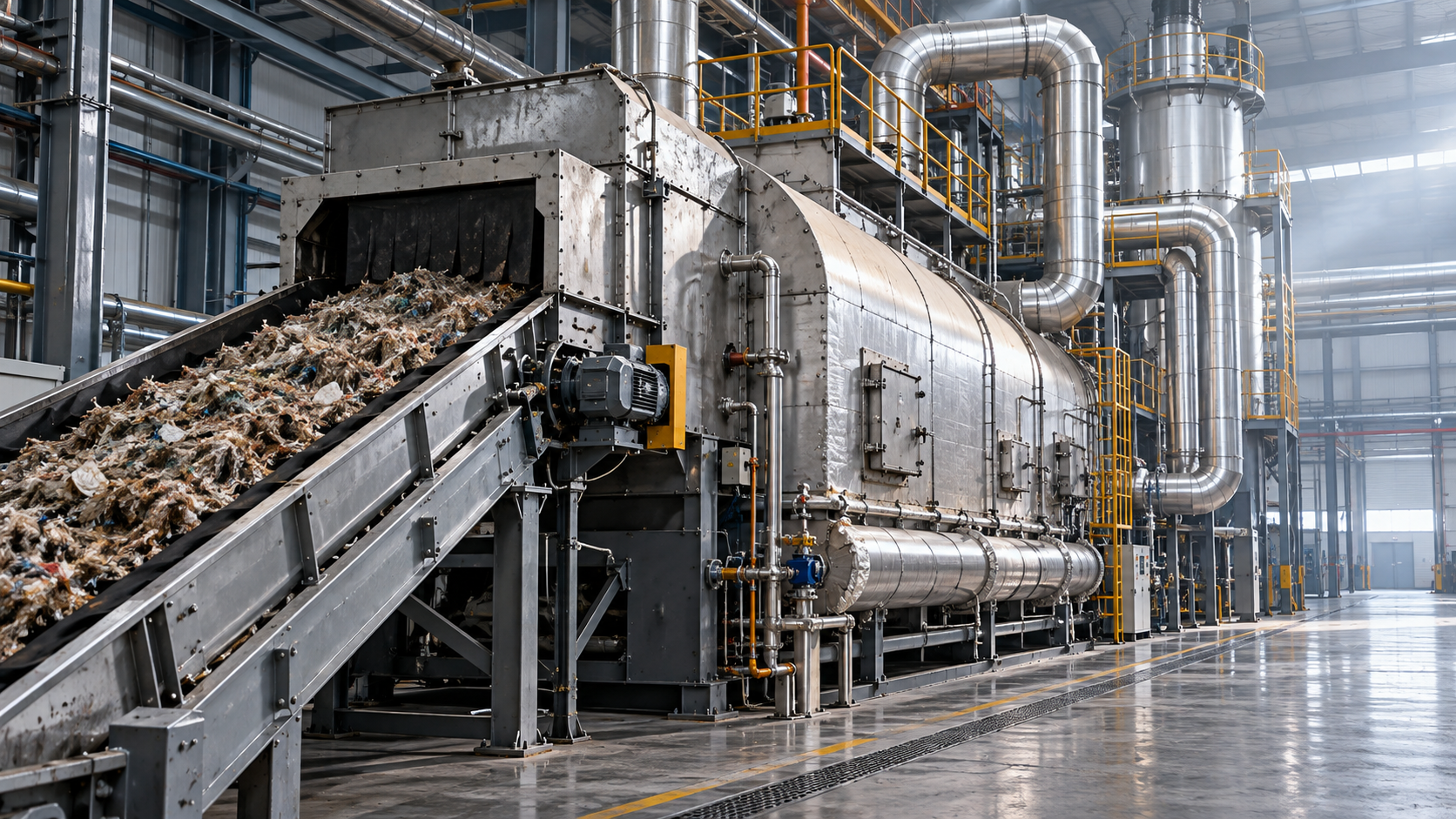
In industrial incineration, waste composition can introduce significant variability in heating value, moisture, corrosive species, ash behavior, and gas cleanliness. Conservative thermal design may be necessary, but excessive conservatism in capacity can leave energy unrealized. Refractory production lines and material extrusion facilities face their own variations in firing cycles, product mix, drying demand, and heat quality. The best recovery arrangement is often determined by where heat is needed, not only by how much heat exists.
The Decarbonization Gap Is Often Larger Than Expected
Many industrial decarbonization plans assume that recovered heat will reduce purchased power, displace fossil-fired heating, or support electrification elsewhere in the plant. If the WHR system is undersized, the carbon benefit is correspondingly constrained. This does not mean every project should be designed for maximum theoretical recovery. Larger systems require capital, space, water or cooling capacity, maintenance access, and careful treatment of corrosion and dust risks.
The important distinction is between intentional curtailment and accidental curtailment. A plant may deliberately reject low-grade heat because it has no economical use, or because extracting more heat would create operational risk. That can be a sound decision. It is different from installing a recovery system that cannot handle available heat of suitable quality because future operating conditions, expansion plans, or degradation allowances were not adequately considered.
How to Determine Whether a System Is Actually Undersized
A useful assessment begins with measured operating history rather than nameplate assumptions. Plant teams should review gas flow, temperature, pressure, oxygen level where relevant, dust loading, moisture, production rate, bypass activity, steam generation, electrical output, and auxiliary consumption across representative operating periods. Startup, shutdown, high-load operation, different product campaigns, and fuel changes should not be excluded simply because they complicate the analysis.
The analysis should then distinguish three limits: the heat available from the process, the heat the recovery equipment can transfer, and the heat or steam the site can actually use. These limits may be controlled by different equipment. A heat balance alone is not enough; it should be paired with pressure-drop calculations, gas-side fouling assumptions, water and steam constraints, control philosophy, and downstream demand profiles.
For existing installations, physical inspection matters. Blocked gas paths, damaged insulation, air leakage, worn dampers, poor distribution, tube fouling, and sensor drift can imitate the symptoms of undersizing. Before committing to major expansion, operators need to separate recoverable capacity lost through condition issues from capacity that was never installed.
Designing for the Operating Envelope, Not a Single Design Day
Avoiding undersizing does not require blindly oversizing every component. It requires a disciplined view of variability and priorities. A robust feasibility study normally tests expected throughput ranges, likely future fuels and raw materials, seasonal cooling conditions, equipment fouling, maintenance intervals, and planned production expansion. It also identifies the minimum exhaust temperature needed for safe downstream operation and the portion of recovered energy that has a dependable use.
Modularity can be valuable where future capacity is uncertain. Space provisions, connection points, structural allowances, and control-system readiness may make later expansion less disruptive. In some circumstances, a smaller first-stage recovery unit with a clear expansion path is more practical than an oversized initial installation that cannot be efficiently operated at common load levels.
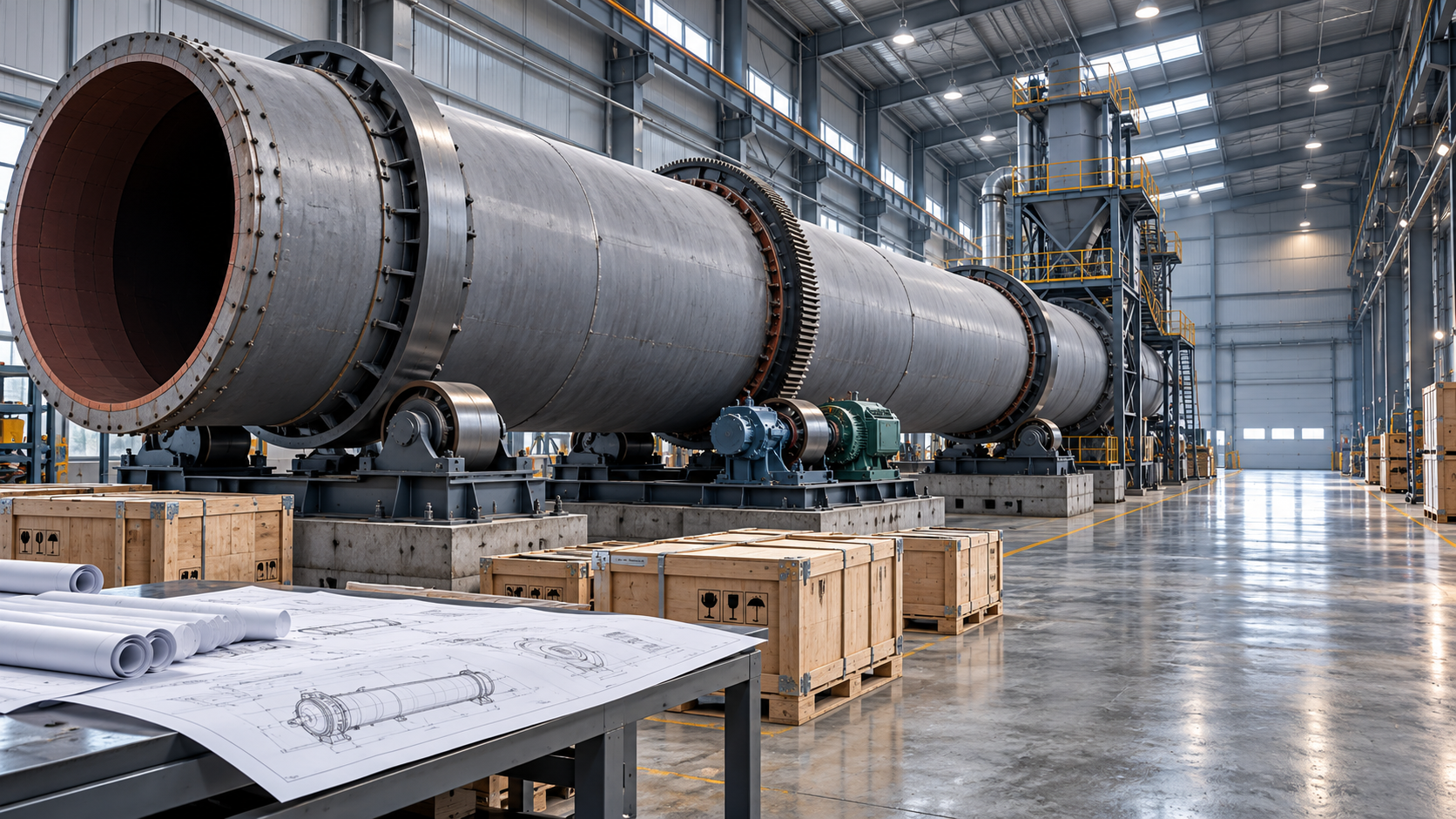
This is where process knowledge has to sit beside thermal calculations. At CF-Elite, the discussion around foundation materials and thermal management extends beyond equipment categories. A rotary kiln, float line, incinerator, refractory tunnel kiln, or extrusion operation has its own chemical, mechanical, and production constraints. Interpreting waste heat correctly means linking physical parameters with the realities of line operation, maintenance, and long-cycle investment decisions.
A Practical Decision Before Expanding Capacity
When a system appears undersized, the right response is not automatically to install a larger boiler or turbine. Start by confirming whether the limiting factor is thermal surface, gas flow, pressure drop, steam utilization, cooling, controls, or equipment condition. Then evaluate the value of additional recovered energy at the hours when it can truly be captured and used.
For high-temperature industries facing tighter energy and carbon expectations, this review is increasingly connected to broader process strategy: alternative fuels in cement, furnace modernization in glass, energy-from-waste performance in incineration, refractory-line upgrades, and lower-energy building-material production. A properly sized WHR system is not just an add-on to the exhaust duct. It is a thermal asset that must evolve with the process it serves.
The most reliable next step is to build a measured operating envelope, verify the current bottleneck, and test upgrade options against real plant conditions. That approach protects production first—and makes sure the heat leaving a high-temperature line is not also carrying away avoidable energy cost.
Related News
 Ms. Elena RodriguezProcess Equipment Pricing: How to Compare Quotes and Total CostsMaster process equipment comparison pricing: compare supplier quotes, uncover hidden costs, and evaluate lifetime expenses to make a confident buying decision.Nov 17, 2026
 Prof. Marcus ChenGlobal Cement Industry Decarbonization: Key Technologies and Cost BarriersExplore global cement industry decarbonization technologies, cost barriers, and practical investment strategies to cut emissions while protecting competitiveness.Nov 16, 2026
 Structural Material AnalystChoosing Specification Preparation Support for North American ProjectsChoose specification preparation support North America projects can rely on. Compare technical expertise, compliance, interfaces, and supplier acceptance criteria.Nov 14, 2026
 Structural Material AnalystSpecialty Ceramic Extrusion: How Material Properties Affect FormingExplore how ceramic specialized material extrusion is shaped by particle size, binders, and solids loading—and learn to improve forming and reduce defects.Nov 13, 2026
 Ms. Elena RodriguezHigh-Pressure Molding Equipment Prices in Europe: What Affects the Total Cost?Explore high pressure molding equipment price Europe buyers can expect to assess, from tooling and installation to running costs. Compare quotes with confidence.Nov 12, 2026
 Structural Material AnalystChoosing a Vacuum Extrusion System: Capacity, Materials and Vacuum LevelsChoosing a vacuum extrusion system? Compare capacity, material behavior and vacuum levels to improve product quality and select the right equipment.Nov 11, 2026
 Optical Glass Tech FellowGlass Melting Innovations: Comparing Electric and Hybrid Furnace TechnologiesExplore glass melting innovations and compare electric and hybrid furnaces by energy use, emissions, glass quality and operating costs to find the right fit.Nov 10, 2026
 Thermal Energy ArchitectHow Thermal Barrier Technology for Kilns Reduces Heat LossDiscover how thermal barrier technology for kilns reduces heat loss, and learn how to select insulation and assess savings without compromising lining durability.Nov 09, 2026
 Prof. Marcus ChenGlobal Materials Trends: What North American Manufacturers Need to KnowExplore global material trends North America manufacturers need to know, from energy costs and supply chains to lower-carbon materials and smarter investment decisions.Nov 08, 2026
 Thermal Energy ArchitectSelecting Abrasion-Resistant Refractories for High-Wear Kiln LiningsExplore advanced refractory materials abrasion resistant enough for high-wear kiln linings. Compare wear mechanisms, thermal stability, installation and lifecycle costs.Nov 06, 2026
 Dr. Alistair VaughnIndustrial Energy Efficiency Certification: ISO 50001 Requirements for PlantsExplore industrial energy efficiency certification with ISO 50001. Learn how plants define scope, measure performance and prepare credible evidence for audits.Nov 05, 2026
 Ms. Elena RodriguezWhat Is an Industrial Intelligence Database and How Is It Used?Discover how an industrial intelligence database helps researchers map markets, track projects, compare technologies, and assess evidence with confidence.Nov 04, 2026
 Ms. Elena RodriguezIndustrial Material Pricing: How Freight and Order Volume Affect QuotesExplore industrial material pricing and learn how freight, order volume, and inventory costs affect quotes. Compare suppliers and make smarter purchasing decisions.Nov 03, 2026
 Structural Material AnalystSingle- vs. Twin-Screw Extrusion Systems: Which Suits Your Material?Choose the right specialized extrusion systems screw type for your material. Compare single- and twin-screw options to improve quality and control costs.Nov 02, 2026
 Thermal Energy ArchitectChoosing Thermal Barrier Materials for Kilns: Temperature and Heat LossExplore thermal barrier materials for kilns and learn how to balance temperature resistance, heat loss, durability and operating costs when selecting a lining.Nov 01, 2026
 Ms. Elena RodriguezSupplier Reference Platform Pricing: Fees and Contract Terms to CompareCompare supplier reference platform pricing, hidden fees, verification costs and contract terms to choose the right solution for your sourcing team.Oct 31, 2026
 Ms. Elena RodriguezSupplier Comparison Metrics: How to Score Cost, Quality, and DeliveryUse supplier comparison metrics to score cost, quality, and delivery with a practical weighted scorecard. Make more confident equipment sourcing decisions.Oct 30, 2026
 Ms. Elena RodriguezWhat Does Industrial Waste Heat Recovery Cost, and When Does It Pay Back?Understand industrial waste heat recovery cost, from equipment and installation to net savings. Learn how to compare quotes, assess risks, and calculate realistic payback before investing.Oct 29, 2026
 Thermal Energy ArchitectChoosing Industrial Waste-to-Energy Equipment by Waste Moisture and Heating ValueChoose industrial waste to energy equipment by moisture and heating value. Compare technologies, fuel needs, and supplier guarantees to make a confident investment.Oct 28, 2026
 Thermal Energy ArchitectChoosing Industrial Kiln Insulation for High Heat and Repeated Thermal CyclingExplore high temperature industry solutions for kiln insulation under repeated thermal cycling. Compare materials, reduce heat loss, and select the right lining for your operating conditions.Oct 27, 2026

Related News
- 00
0000-00
How Thermal Barrier Technology for Kilns Reduces Heat Loss - 00
0000-00
Selecting Abrasion-Resistant Refractories for High-Wear Kiln Linings - 00
0000-00
Choosing Thermal Barrier Materials for Kilns: Temperature and Heat Loss - 00
0000-00
Choosing Industrial Waste-to-Energy Equipment by Waste Moisture and Heating Value - 00
0000-00
Choosing Industrial Kiln Insulation for High Heat and Repeated Thermal Cycling
0000-00
Weekly Insights
Stay ahead with our curated technology reports delivered every Monday.