
Process Technology Resources for Thermal Systems: How to Compare Heat Transfer Options




Choosing heat transfer equipment for high-temperature production is rarely a matter of comparing nameplate capacity alone. In cement, glass, kiln, refractory, and extrusion environments, process technology resources for thermal systems must connect heat flow, residence time, material response, emissions pressure, and operating stability. That is why thermal selection has become a strategic evaluation task rather than a simple equipment purchase decision.
The practical question is not which option looks strongest on paper. It is which option fits a real process window, supports decarbonization targets, and stays reliable under chemical, mechanical, and thermal stress. In that context, process technology resources for thermal systems help turn scattered data into decisions that can hold up in operation.
Why thermal comparison now carries more weight
High-temperature industries are under pressure from several directions at once. Fuel cost volatility, carbon regulation, refractory wear, tighter product tolerances, and digital monitoring all influence how heat transfer solutions are assessed.
For many plants, the old comparison logic focused on thermal efficiency in isolation. That is no longer enough. A system that saves fuel but destabilizes product quality or shortens lining life may create a weaker total result.
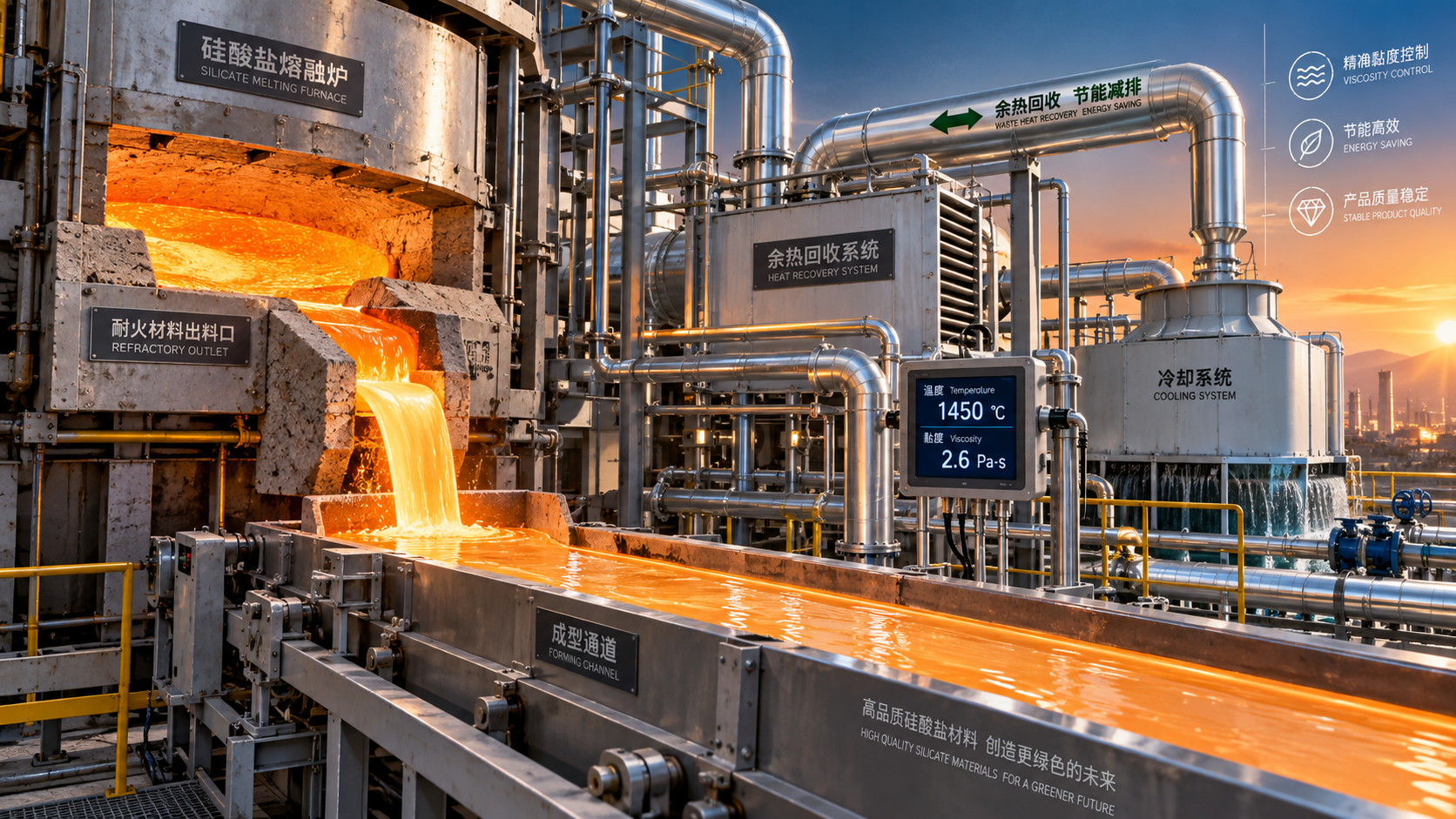
This is where the perspective used by CF-Elite becomes useful. Across silicate production lines, industrial incineration, refractory manufacturing, and advanced extrusion, thermal decisions depend on linking physical parameters with process chemistry and lifecycle outcomes.
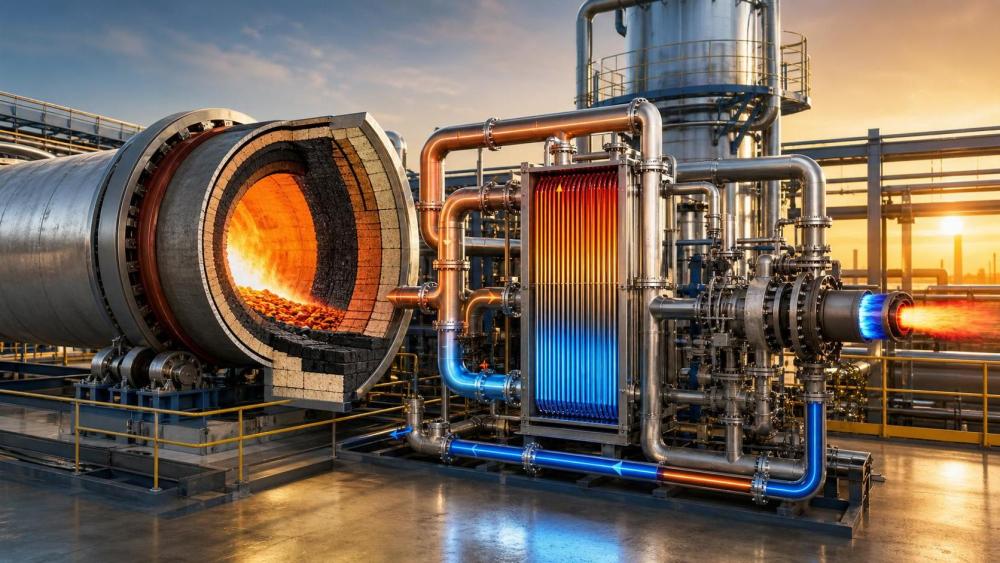
A credible review therefore needs process technology resources for thermal systems that go beyond generic brochures. It should include operating envelopes, heat balances, corrosion or fouling risks, control response, and realistic maintenance patterns.
What should count as a heat transfer option
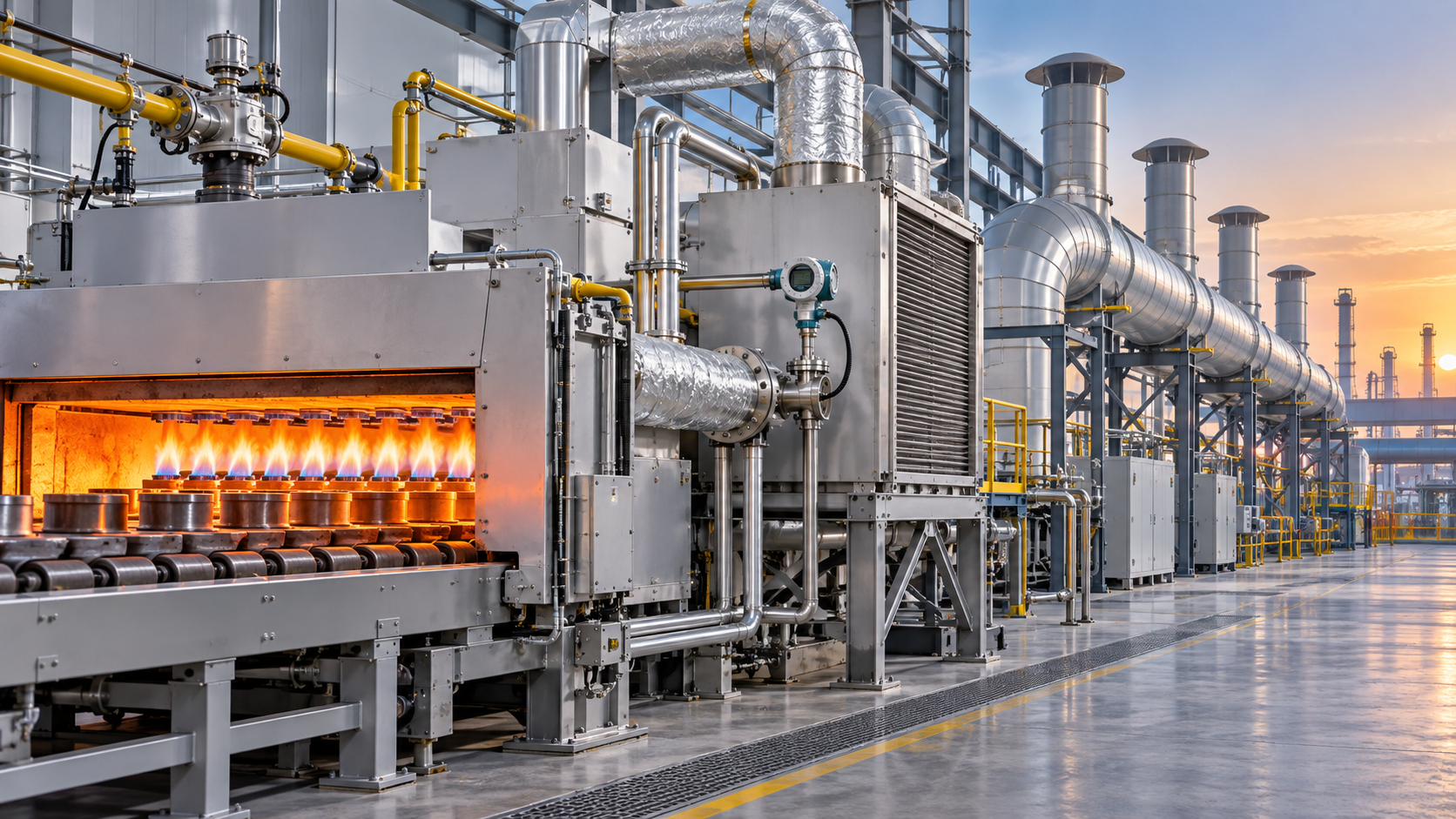
Heat transfer options can mean different things depending on the production stage. In some cases, the choice is between direct and indirect heating. In others, it is about burners, recuperators, heat exchangers, kiln internals, insulation systems, or cooling arrangements.
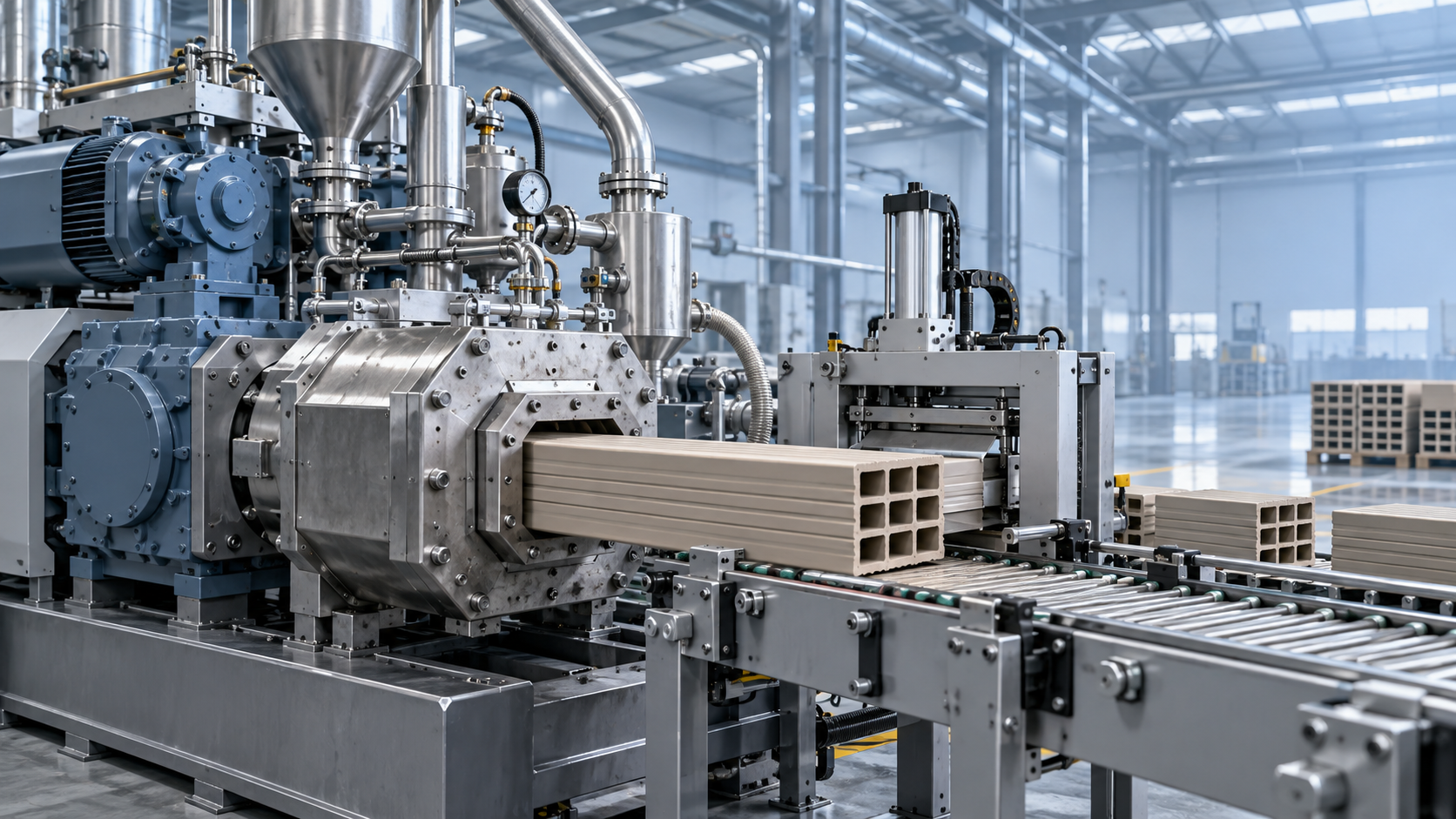
A rotary kiln and a float glass furnace do not face the same constraints. Nor do a hazardous waste incineration line and a lightweight building material extruder. Even when the same thermal principle applies, material behavior changes the decision basis.
That is why process technology resources for thermal systems should define the comparison boundary first. The real unit of analysis is often the process section, not the isolated device.
Typical comparison objects
- Direct-fired versus indirect heating systems
- Radiant, convective, and mixed heat transfer arrangements
- Regenerative and recuperative heat recovery designs
- Different refractory and insulation configurations
- Alternative burner, fuel, or oxidant strategies
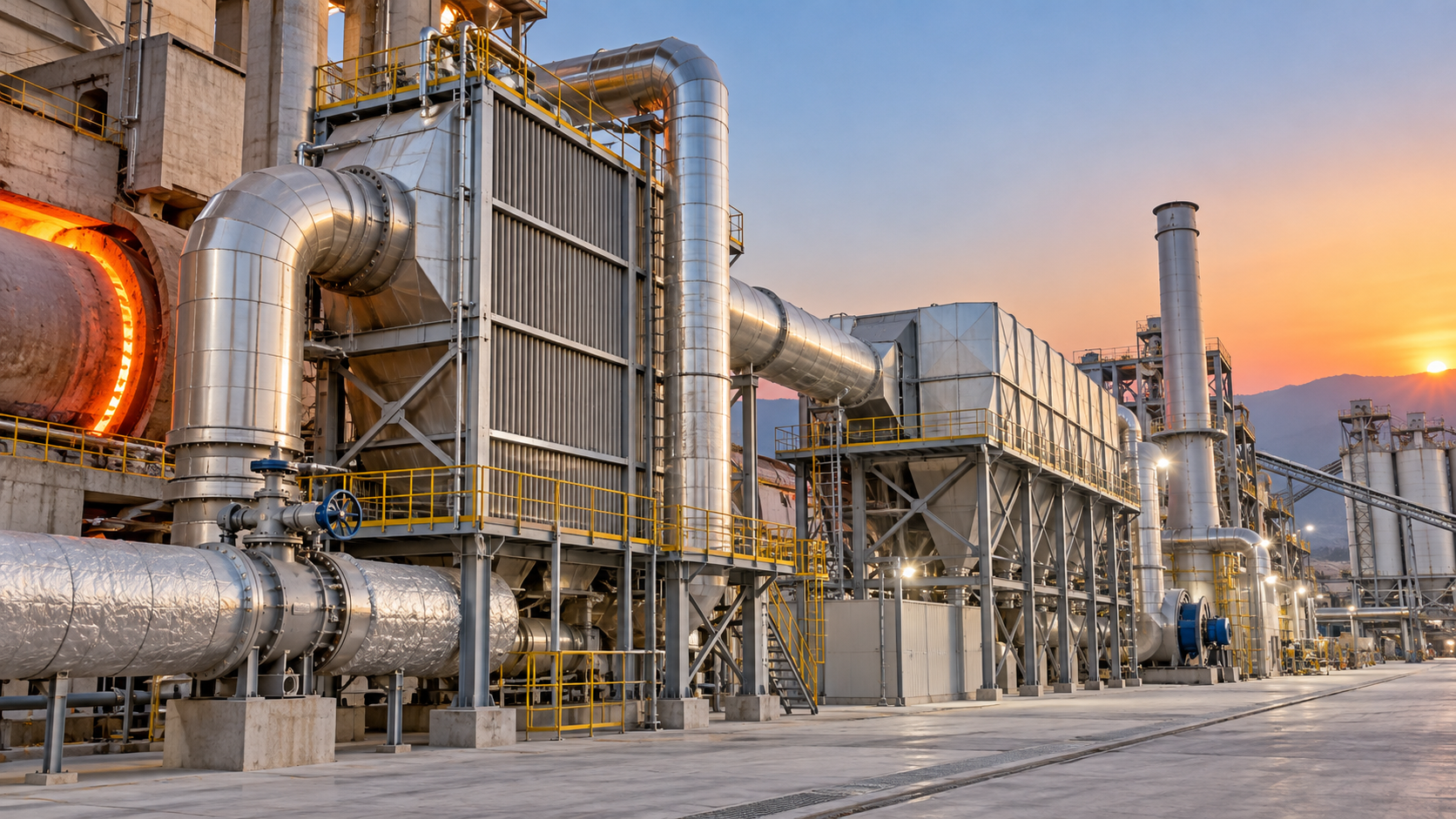
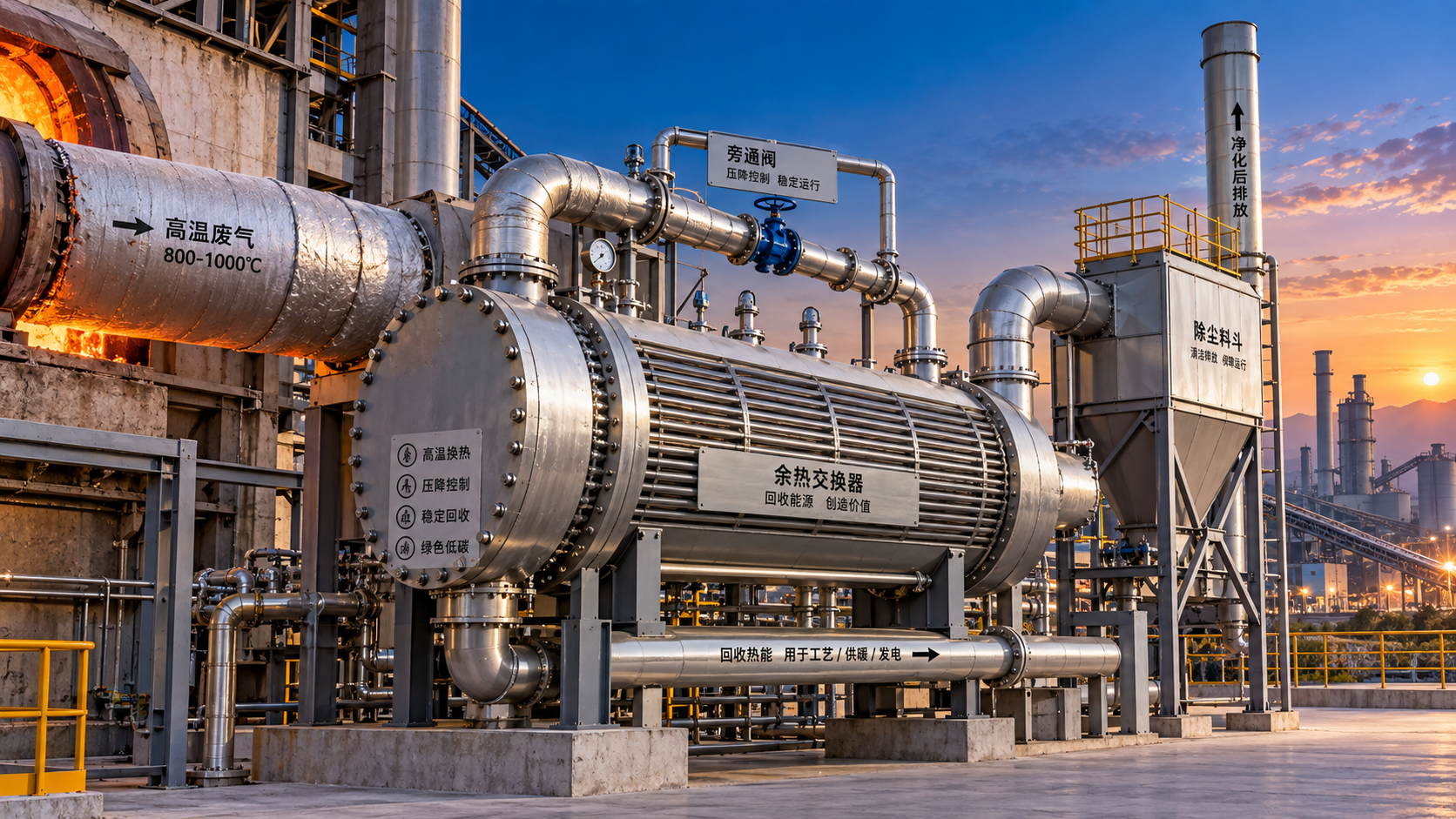
- Primary process heating versus secondary waste heat utilization
The five criteria that usually decide the outcome
Most thermal evaluations become clearer when they are organized around a small set of decision criteria. The details vary by plant, but the same core dimensions tend to matter across sectors.
1. Effective energy use
Efficiency must be measured at process level. Useful heat delivered to the material matters more than headline thermal input efficiency. Losses through exhaust gas, shell radiation, air infiltration, and unsteady cycling should be included.
2. Control and response
Some systems are efficient but slow to adjust. Others respond quickly but create hot spots or unstable profiles. For products sensitive to sintering, melting, annealing, or curing windows, control range can be more valuable than peak performance.
3. Material compatibility
Heat transfer must be matched with feed characteristics, ash behavior, viscosity changes, moisture, and chemical reactivity. A suitable option for clinker formation may fail in glass conditioning or in corrosive incineration duty.
4. Emissions and carbon effect
NOx formation, excess air demand, fuel flexibility, waste heat recovery potential, and electrification pathways now influence long-term value. Process technology resources for thermal systems should include regulatory fit, not just thermal duty.
5. Lifecycle economics
Capital cost still matters, but it should sit beside lining life, outage frequency, spare parts exposure, fan power, operator burden, and process losses from quality drift. The lowest-cost solution at procurement stage may be the highest-cost solution in operation.
How those criteria change across process sectors
The same comparison framework should not be applied identically everywhere. Different industries prioritize different failure modes and value drivers.
This sector view explains why process technology resources for thermal systems need both cross-industry perspective and process-specific depth. Broad benchmarks help, but the final choice still depends on local operating physics.
Where comparisons often go wrong
One common error is evaluating thermal systems under ideal conditions only. Vendor data may assume stable feed, clean surfaces, full load, and perfect combustion tuning. Real plants rarely operate in that environment.
Another issue is separating heat transfer from upstream and downstream constraints. A hotter or faster system can overload dust handling, create refractory shock, or reduce product finishing quality.
There is also a tendency to compare technologies without a shared baseline. If fuel type, moisture range, target output, and emission limits are not normalized, the comparison becomes misleading very quickly.
Useful checks before accepting a thermal claim
- Confirm the duty point and turndown range
- Check whether heat balance includes transient losses
- Review refractory, alloy, and insulation limits
- Ask how fouling, slagging, or dust affects transfer efficiency
- Verify controls integration with existing instrumentation
- Test assumptions against actual maintenance intervals
What stronger process technology resources look like
High-value thermal intelligence is structured, comparative, and process-aware. It does not stop at listing technologies. It explains where each option performs well, where it becomes risky, and what conditions change the ranking.
CF-Elite’s industry focus reflects that need. In sectors shaped by ultra-high temperatures and long equipment cycles, the useful resource is the one that links operational data, reaction behavior, market pressure, and decarbonization direction.
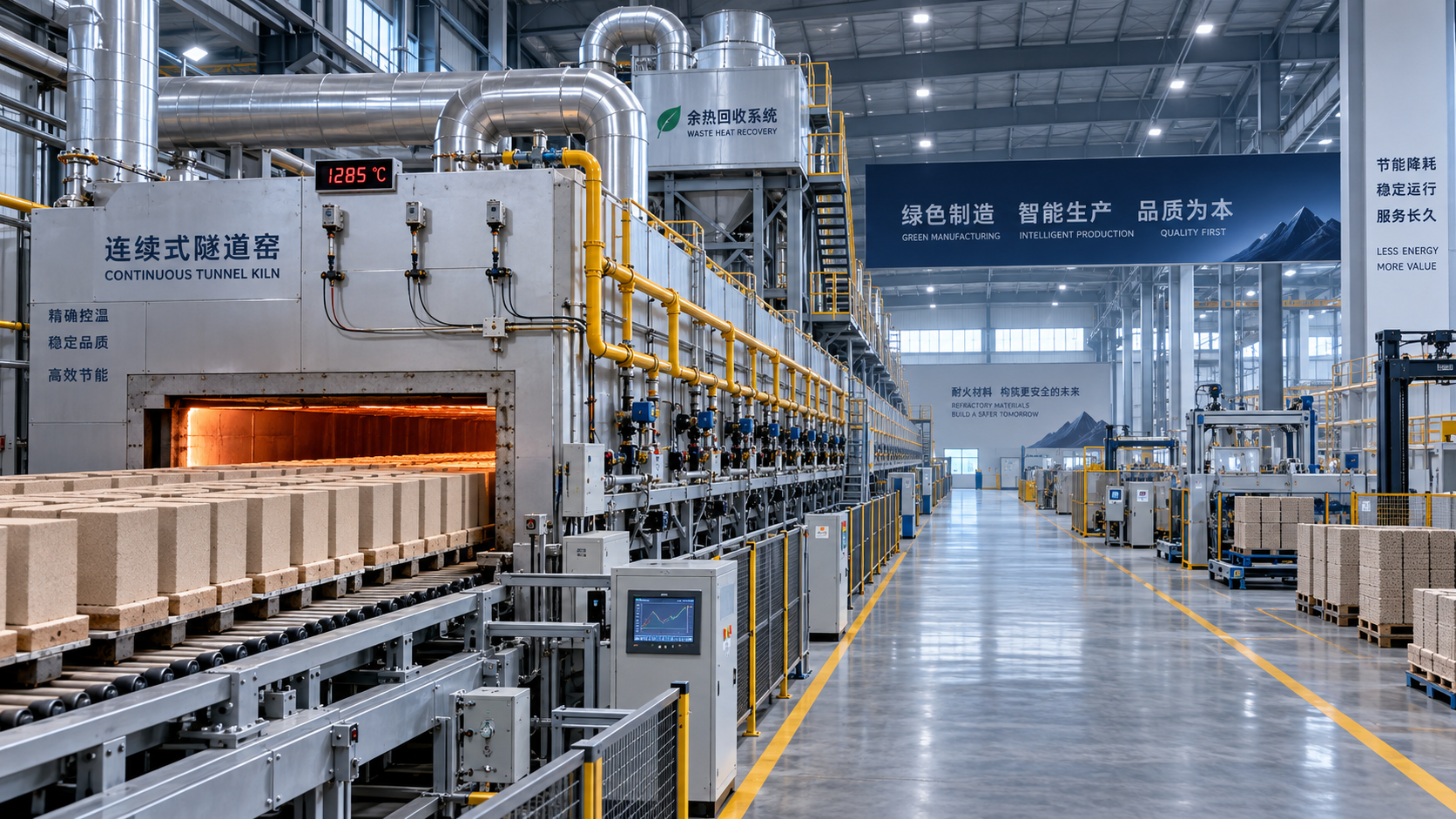
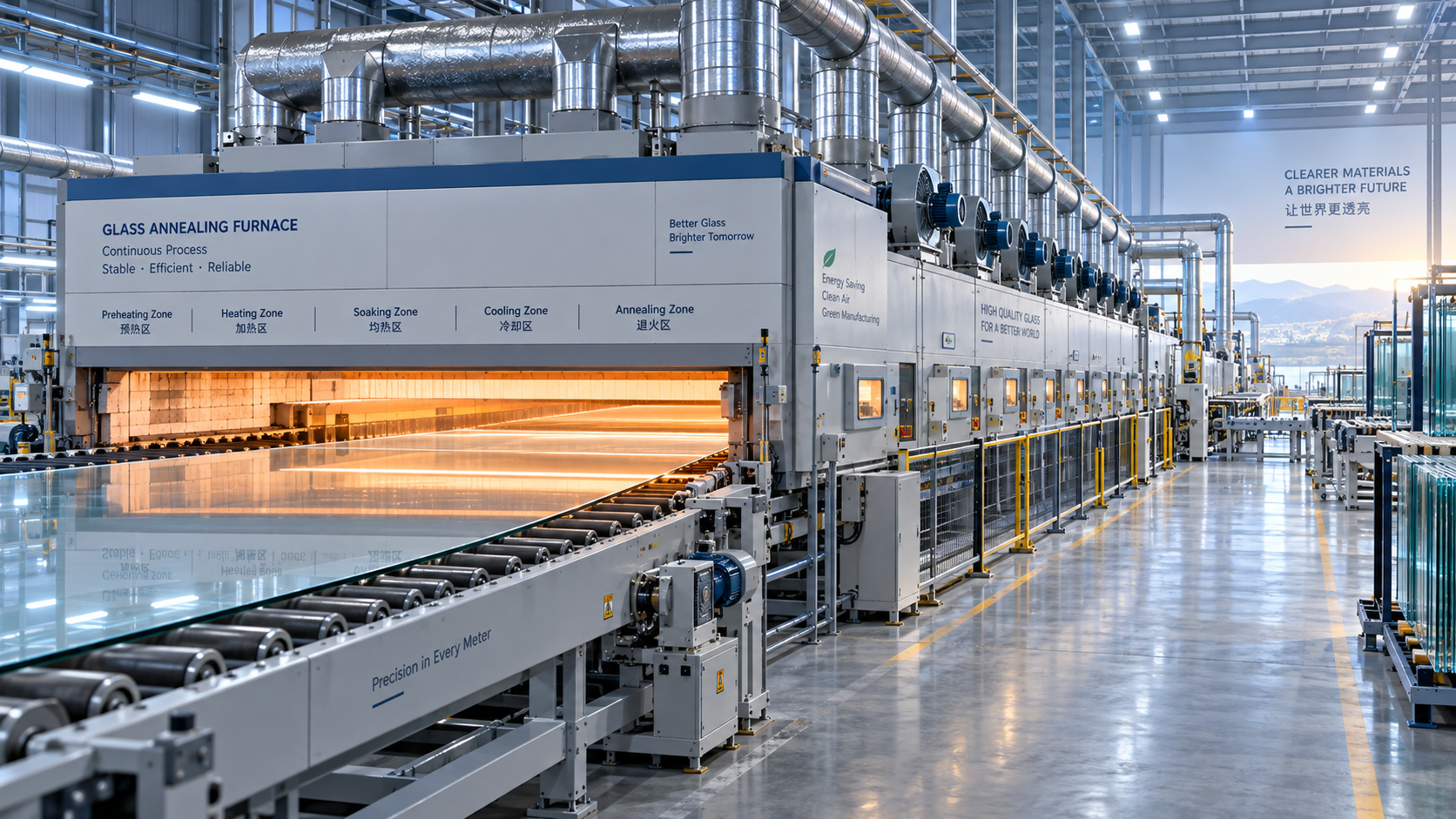
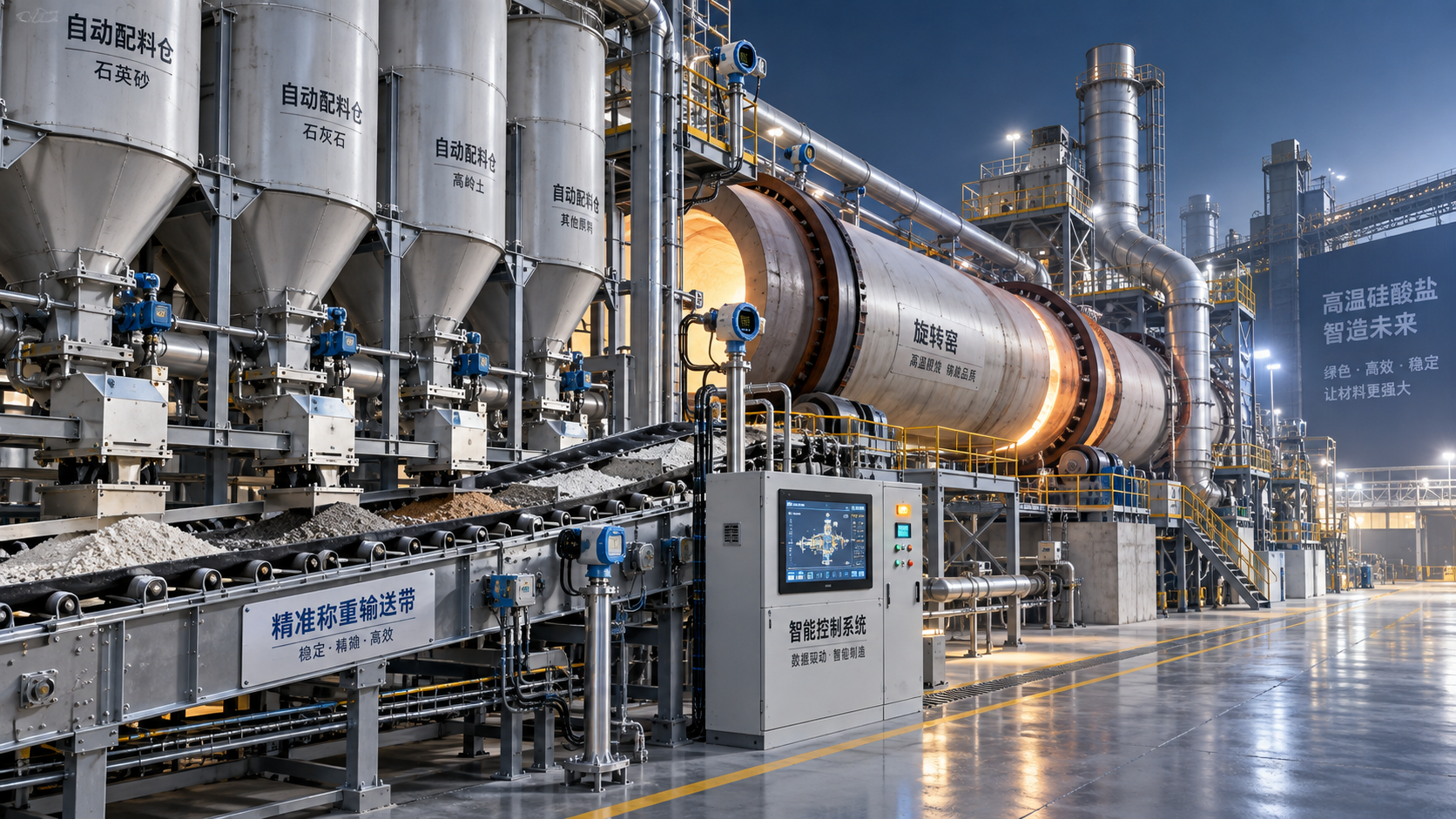
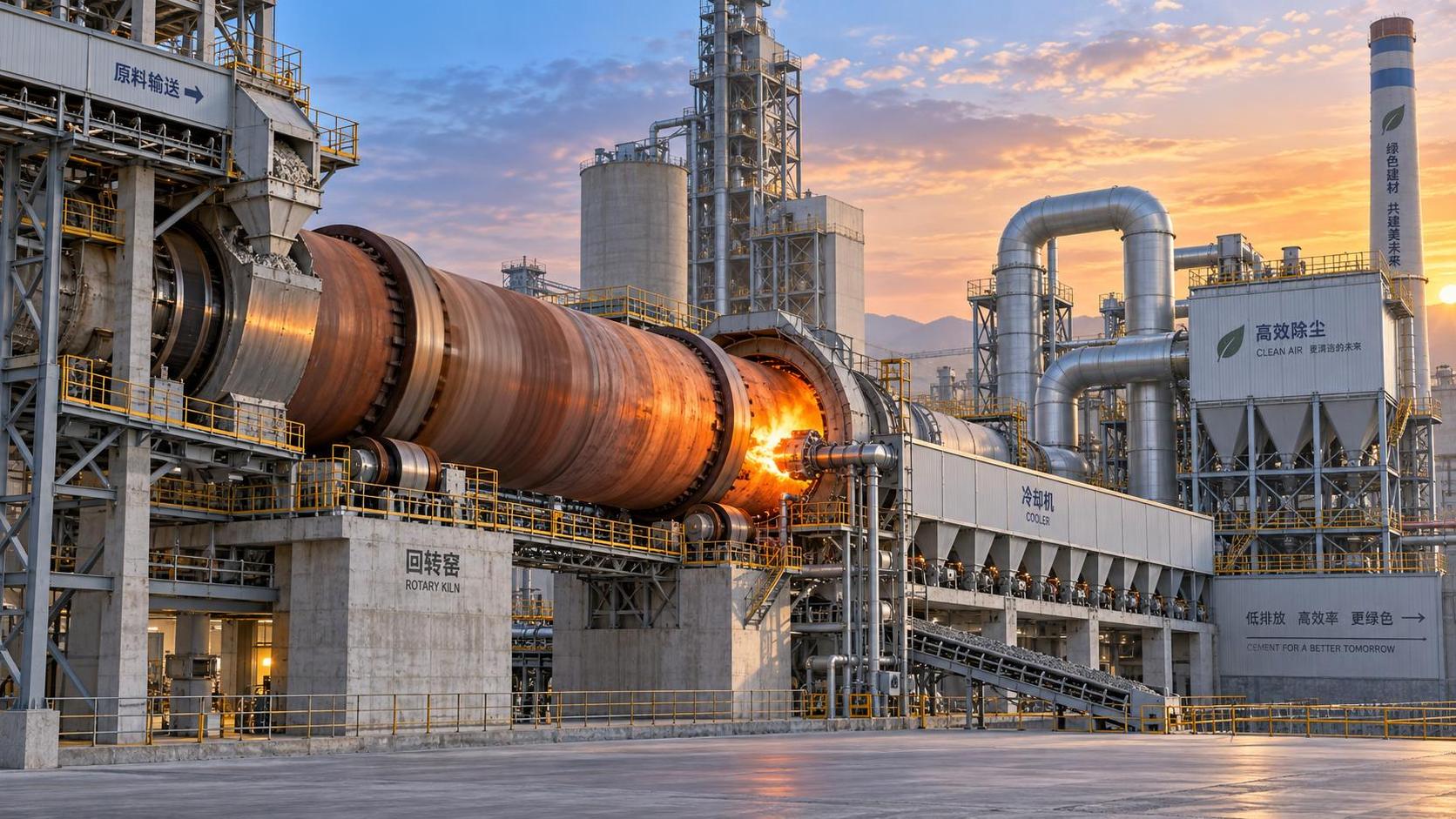
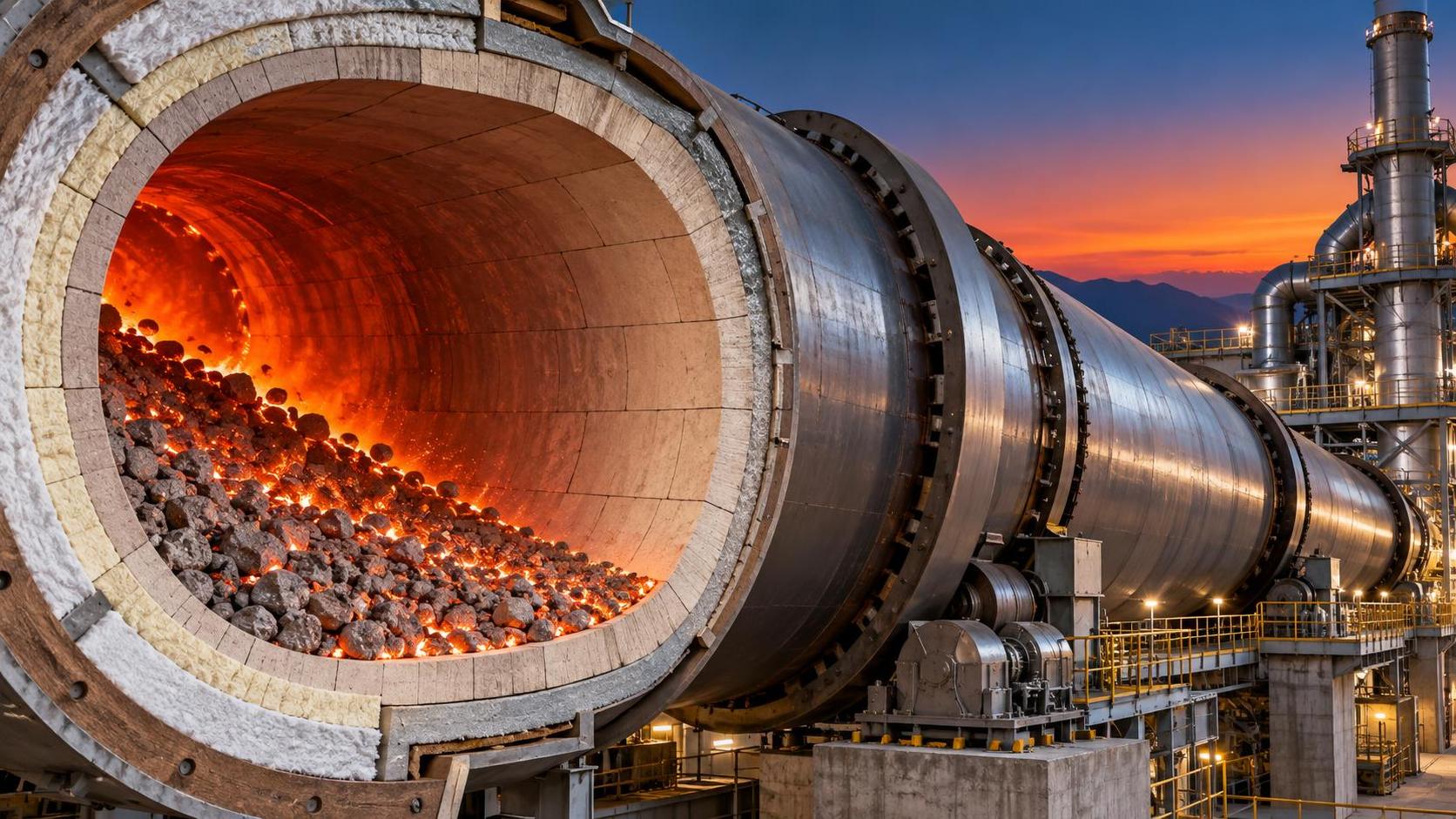
For example, a rotary kiln review becomes stronger when co-processing trends, alternative fuels, and lining monitoring are assessed together. A glass furnace comparison becomes more credible when digital twin simulations and annealing stability are part of the same evaluation logic.
That is the broader role of process technology resources for thermal systems. They support equipment comparison, but they also improve risk visibility and investment timing.
A practical path for the next evaluation round
The next step is to build a comparison method before reviewing specific proposals. Start with the process objective: output increase, fuel switch, emission reduction, temperature uniformity, or asset life extension.
Then define the operating window that matters most. Include load variation, feed chemistry, residence time, maintenance constraints, and compliance targets. This prevents the decision from being shaped by incomplete headline data.
After that, score each option against efficiency, controllability, compatibility, emissions impact, and lifecycle cost. Keep the weighting transparent. In many cases, process technology resources for thermal systems become most valuable when they reveal why two similar options behave very differently in service.
A sound thermal decision usually comes from narrowing uncertainty, not chasing a universal best technology. When the process boundary is clear and the evidence is comparable, the right heat transfer option becomes much easier to defend and much more likely to perform as expected.
Related News
 Thermal Energy ArchitectHow to Specify High-Temperature Process Systems for Continuous Thermal OperationsHigh-temperature process engineering systems: learn how to specify resilient continuous thermal operations for efficiency, compliance, reliable uptime, and long-term performance.Sep 28, 2026
 Thermal Energy ArchitectHow to Evaluate a Thermal Engineering Contractor for High-Temperature Plant ProjectsChoose a thermal engineering contractor with proven process expertise, lifecycle value, emissions control, and delivery discipline for reliable high-temperature plant performance.Sep 27, 2026
 Silicate Process EngineerHow Latin American Cement Plants Can Reduce Dust Emissions in Kilns and Transfer PointsCement plant dust control Latin America: reduce kiln and transfer-point emissions with practical airflow, filtration, monitoring, and maintenance strategies.Sep 26, 2026
 Material Heat-Resist ExpertHow to Evaluate Refractory Production Lines for Output, Quality, and Energy UseRefractory production lines: learn how to assess qualified output, consistent quality, and total energy use for smarter, lower-risk investment decisions.Sep 25, 2026
 Dr. Alistair VaughnHow Waste Recycling Technology Improves Material Recovery in Industrial PlantsWaste recycling technology improves material recovery through source segregation, smart separation, thermal treatment, and quality control for industrial plants.Sep 24, 2026
 Optical Glass Tech FellowHow to Specify Glass Annealing Equipment for European Quality and Energy RequirementsGlass annealing equipment Europe: learn how to specify lehrs for consistent glass quality, energy efficiency, compliance, automation, and reliable long-term performance.Sep 23, 2026
 Optical Glass Tech FellowSilicate Process Automation: Improving Batch Consistency and Energy ControlSilicate process automation improves batch consistency, energy control, traceability, and operator confidence across high-temperature manufacturing operations.Sep 22, 2026
 Optical Glass Tech FellowHow Silicate Industrial Processes Control Viscosity, Energy Use, and Product QualitySilicate industrial processes: learn how viscosity, chemistry, heat transfer, and atmosphere control reduce energy use, improve stability, and protect product quality.Sep 21, 2026
 Thermal Energy ArchitectHow European Plants Can Evaluate Energy Recovery Equipment for High-Temperature ProcessesIndustrial energy recovery equipment Europe: learn how high-temperature plants can assess waste-heat sources, integration risks, lifecycle value, and reliable recovery routes.Sep 20, 2026
 Thermal Energy ArchitectIndustrial Furnace Process Optimization: Reducing Fuel Use Without Sacrificing ThroughputIndustrial process optimization furnace strategies that cut fuel use while protecting throughput. Explore combustion control, heat recovery, refractory performance, and data-driven efficiency gains.Sep 19, 2026
 Ms. Elena RodriguezWhat Drives High-Pressure Extrusion Equipment Cost in Industrial Projects?High pressure extrusion equipment cost explained: compare pressure, die design, automation, wear, energy, and installation factors for smarter industrial investments.Sep 18, 2026
 Thermal Energy ArchitectHow to Size a Waste Heat Recovery Exchanger for High-Temperature Kiln Exhaust?Waste heat recovery exchanger sizing for high-temperature kiln exhaust: balance recoverable duty, fouling, corrosion limits, pressure drop, and reliable heat use.Sep 17, 2026
 Thermal Energy ArchitectWhy Heat-Resistant Materials Lose Abrasion Resistance at High TemperaturesHeat-resistant materials abrasion resistance can decline at high temperatures. Discover the thermal, chemical, and mechanical causes of wear—and how to choose longer-lasting linings.Sep 16, 2026
 Thermal Energy ArchitectHow to Evaluate a Thermal Energy Optimization Company for High-Temperature PlantsChoose a thermal energy optimization company with proven process expertise, measurable savings, and reliable delivery for high-temperature plants. Learn what to assess.Sep 15, 2026
 Thermal Energy ArchitectRotary Kiln Efficiency: How Feed Rate, Fuel Use, and Heat Loss Affect OutputRotary kiln efficiency explained: discover how feed rate, fuel use, heat loss, combustion, and cooling performance shape output, quality, and energy costs.Sep 14, 2026
 Thermal Energy ArchitectHow to Select Heat-Resistant Materials That Maintain Abrasion Resistance in KilnsHeat-resistant materials abrasion resistance: learn how to select kiln linings that withstand heat, wear, thermal cycling, and chemical attack for longer service life.Sep 13, 2026
 Thermal Energy ArchitectHow Rotary Kiln Automation Improves Temperature Control and Fuel EfficiencyRotary kiln technology automation enhances temperature control, stabilizes combustion, and improves fuel efficiency with smarter data, predictive control, and safer operations.Sep 12, 2026
 Silicate Process EngineerCement Plant Emission Control: Selecting Systems for Dust, NOx, and SO2 LimitsCement plant emission control guide: compare dust collectors, NOx reduction, and SO2 systems for reliable compliance across kiln modes, fuel changes, and operating upsets.Sep 11, 2026
 Thermal Energy ArchitectSelecting Abrasion-Resistant High-Temperature Materials for Kiln and Conveyor Wear ZonesHigh-temp material engineering guide to abrasion-resistant kiln and conveyor solutions—match wear, heat, chemistry, and installation design for longer service life.Sep 10, 2026
 Dr. Alistair VaughnIndustrial Process Engineering: How to Map Processes for Safer, More Efficient PlantsIndustrial process engineering reveals bottlenecks, safety risks, and energy losses through practical process mapping for safer, more efficient plants.Sep 09, 2026


Related News
- 00
0000-00
How to Specify High-Temperature Process Systems for Continuous Thermal Operations - 00
0000-00
How to Evaluate a Thermal Engineering Contractor for High-Temperature Plant Projects - 00
0000-00
How European Plants Can Evaluate Energy Recovery Equipment for High-Temperature Processes - 00
0000-00
Industrial Furnace Process Optimization: Reducing Fuel Use Without Sacrificing Throughput - 00
0000-00
How to Size a Waste Heat Recovery Exchanger for High-Temperature Kiln Exhaust?
Weekly Insights
Stay ahead with our curated technology reports delivered every Monday.