
Advanced Refractory Materials Ceramic Fiber: Key Temperature Limits and Industrial Uses




Advanced refractory materials ceramic fiber sits at the center of a practical industrial question: how to hold heat where it is needed, protect equipment where failure is costly, and reduce waste where energy prices and emissions rules keep tightening.
That is why ceramic fiber keeps appearing in discussions around kilns, furnaces, incineration systems, glass lines, and refractory production. It is not simply an insulation product. It is part of a wider thermal management strategy.
Across the sectors tracked by CF-Elite, from cement plants to material extrusion, thermal stability affects fuel use, process quality, maintenance cycles, and compliance pressure. Ceramic fiber matters because small thermal losses often become large operating penalties.
Why Ceramic Fiber Draws So Much Attention
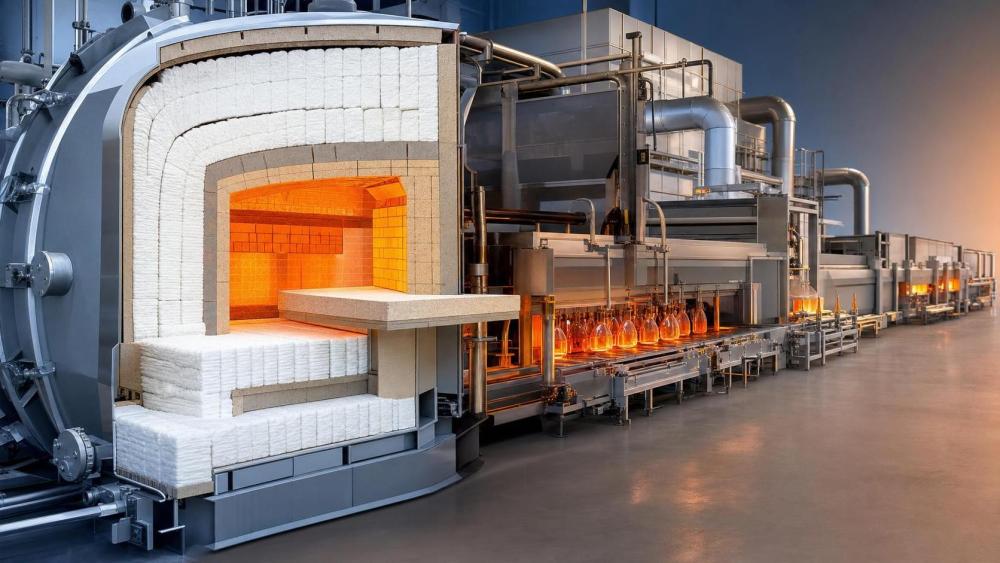
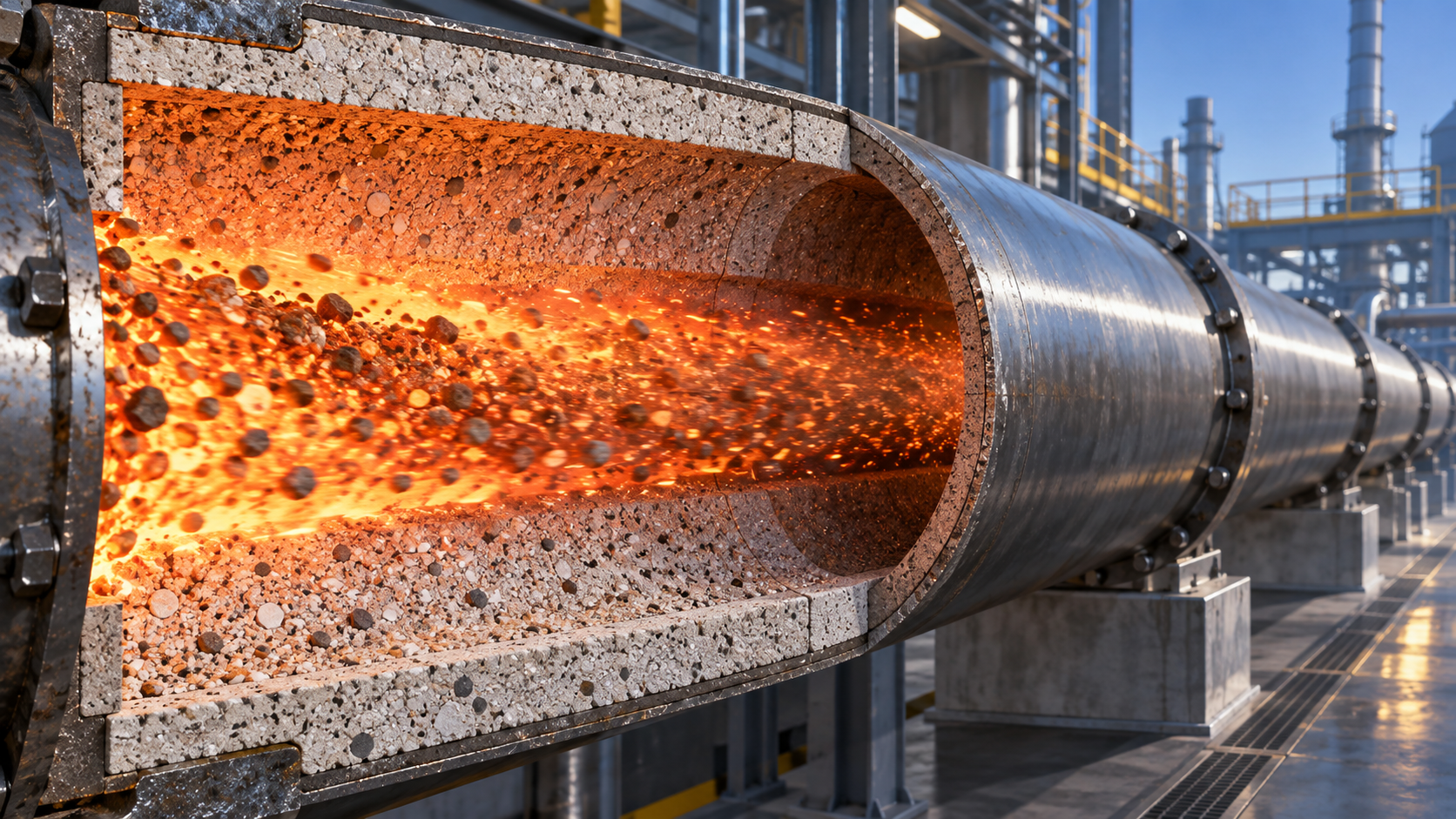
The interest in advanced refractory materials ceramic fiber comes from its unusual balance of low density, low thermal conductivity, and fast thermal response. These properties separate it from dense refractories used mainly for structural endurance.
In many high-temperature systems, operators no longer judge linings only by maximum heat resistance. They also care about heat-up speed, shell temperature, repair convenience, and the effect on carbon intensity per ton of output.
Ceramic fiber enters that conversation because it can reduce stored heat, cut warm-up time, and lower outer wall heat loss. In intermittent operations, those gains can be commercially significant.
This is especially relevant in equipment categories followed by CF-Elite, where thermal barriers must support process continuity while fitting stricter energy and environmental benchmarks.
Understanding the Material Behind the Name
Advanced refractory materials ceramic fiber usually refers to lightweight fibrous insulation made from alumina-silica or related compositions. It may be supplied as blanket, board, paper, module, bulk fiber, or shaped component.
The word “advanced” matters here. Industrial users are often comparing standard ceramic fiber with higher-grade fibers, polycrystalline variants, engineered module systems, or low-bio-persistence alternatives chosen for specific regulations.
The material is designed to slow heat transfer rather than carry heavy mechanical loads. That distinction helps explain both its value and its limits.
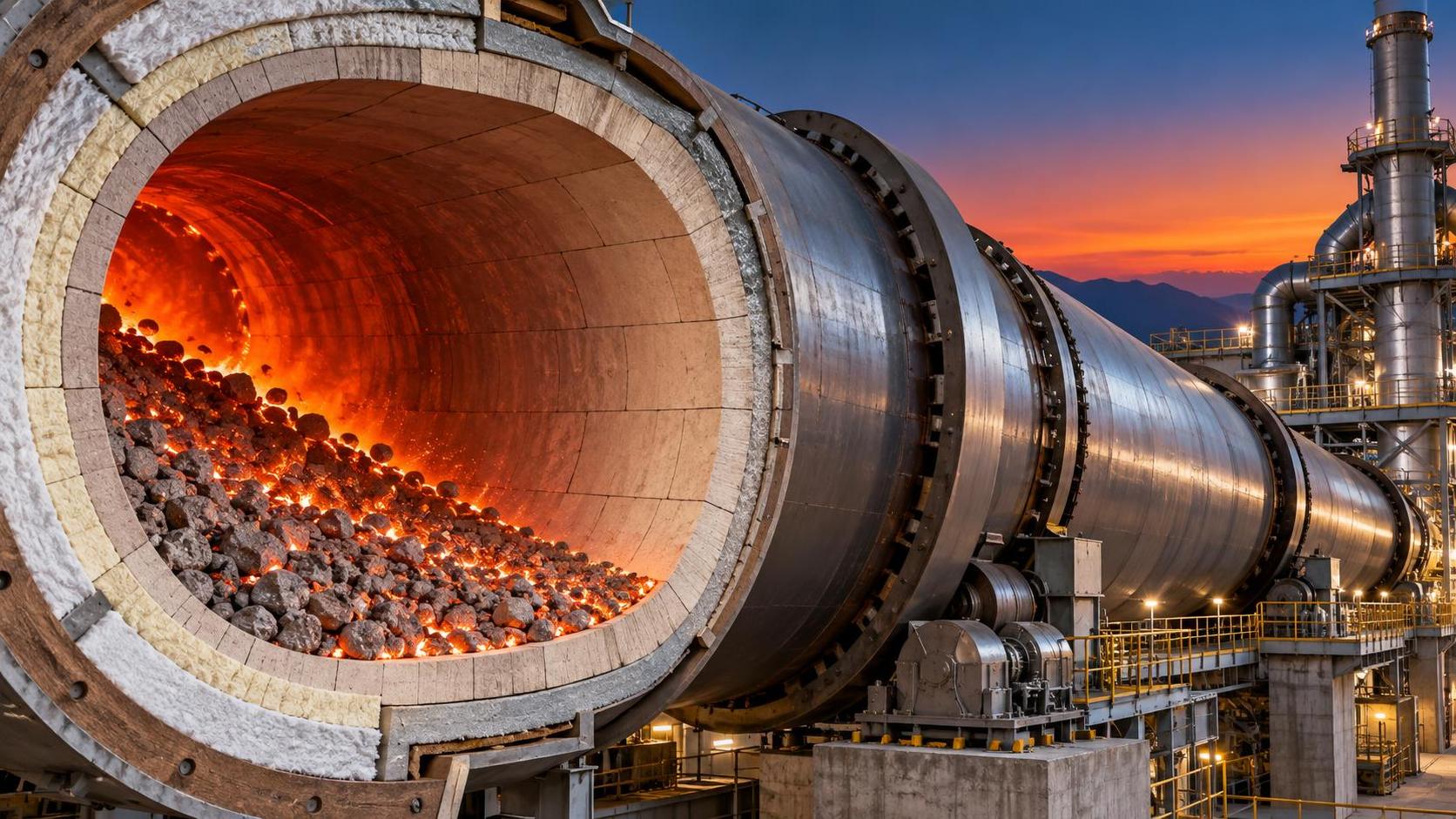
In practice, ceramic fiber often works alongside dense brick, castable, anchors, and steel casing. The most effective lining design is usually layered, not single-material.
Temperature rating is not the same as safe operating temperature
One common mistake is treating the catalog classification temperature as the real service temperature. They are related, but not identical.
Classification values are measured under defined test conditions. Actual service life depends on atmosphere, thermal cycling, gas velocity, chemical attack, vibration, and installation quality.
A fiber module rated for a certain temperature may underperform if alkali vapor, flame impingement, or abrasion is severe. Conversely, it may perform well for long periods in a cleaner, more stable zone.
Key Temperature Limits That Matter in Real Operations
For industrial assessment, temperature limits should be read through four lenses: continuous exposure, short-term peaks, shrinkage behavior, and process atmosphere.
Standard alumina-silica ceramic fiber products are often selected for ranges around 1000 degrees C to 1260 degrees C. Higher grades may serve around 1400 degrees C or more, depending on composition and exposure conditions.
Still, advanced refractory materials ceramic fiber should never be chosen by nominal number alone. A kiln hood, incinerator secondary chamber, and float glass crown zone create very different thermal and chemical realities.
More worth noting is the difference between bulk temperature and hot-face temperature. The lining interface may see far harsher conditions than the chamber average suggests.
Where Industrial Uses Are Expanding
The industrial uses of advanced refractory materials ceramic fiber are broad, but the logic is consistent: apply it where heat conservation, faster cycling, and lighter lining systems outweigh the need for high structural mass.
Cement and lime process systems
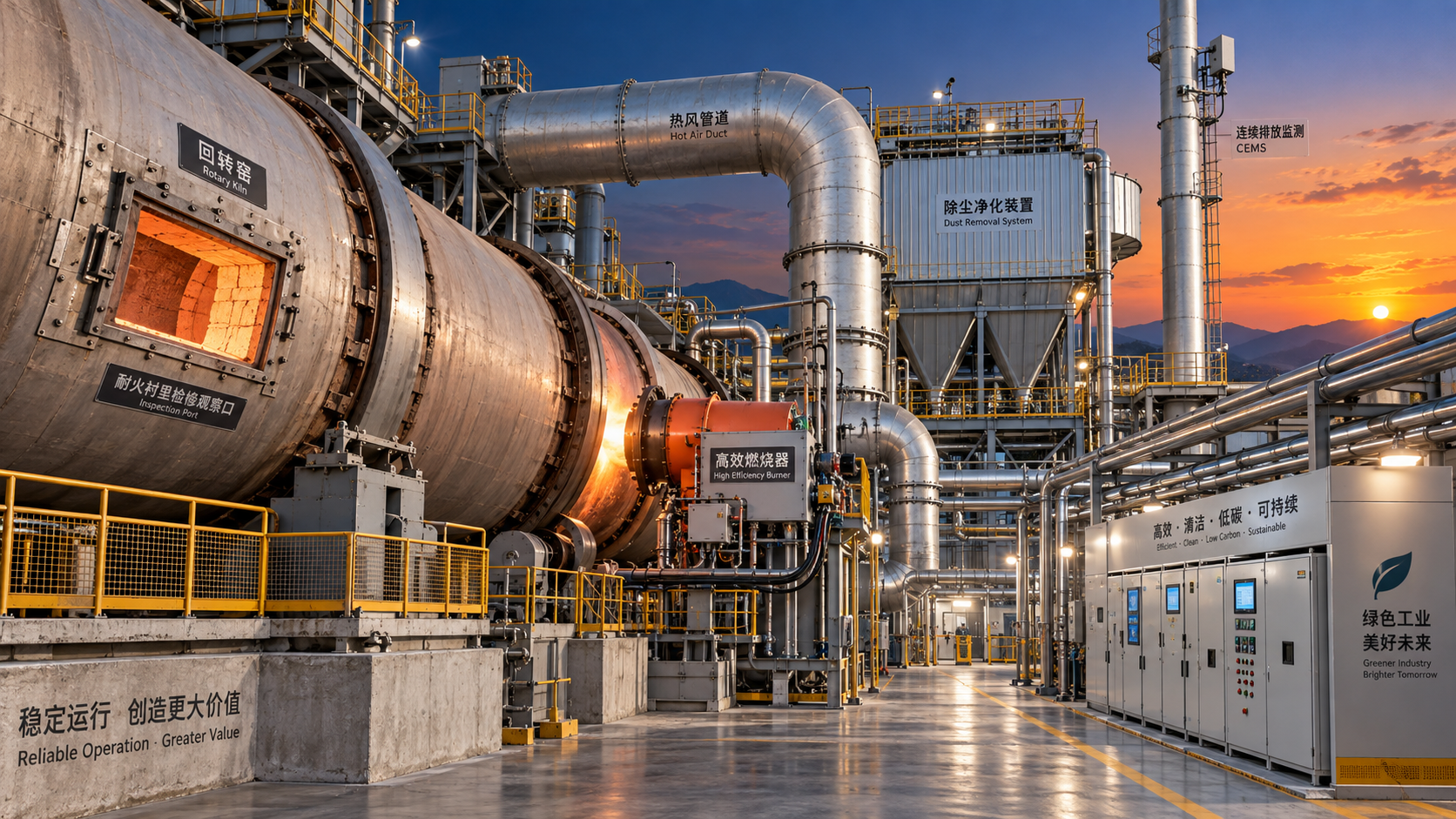
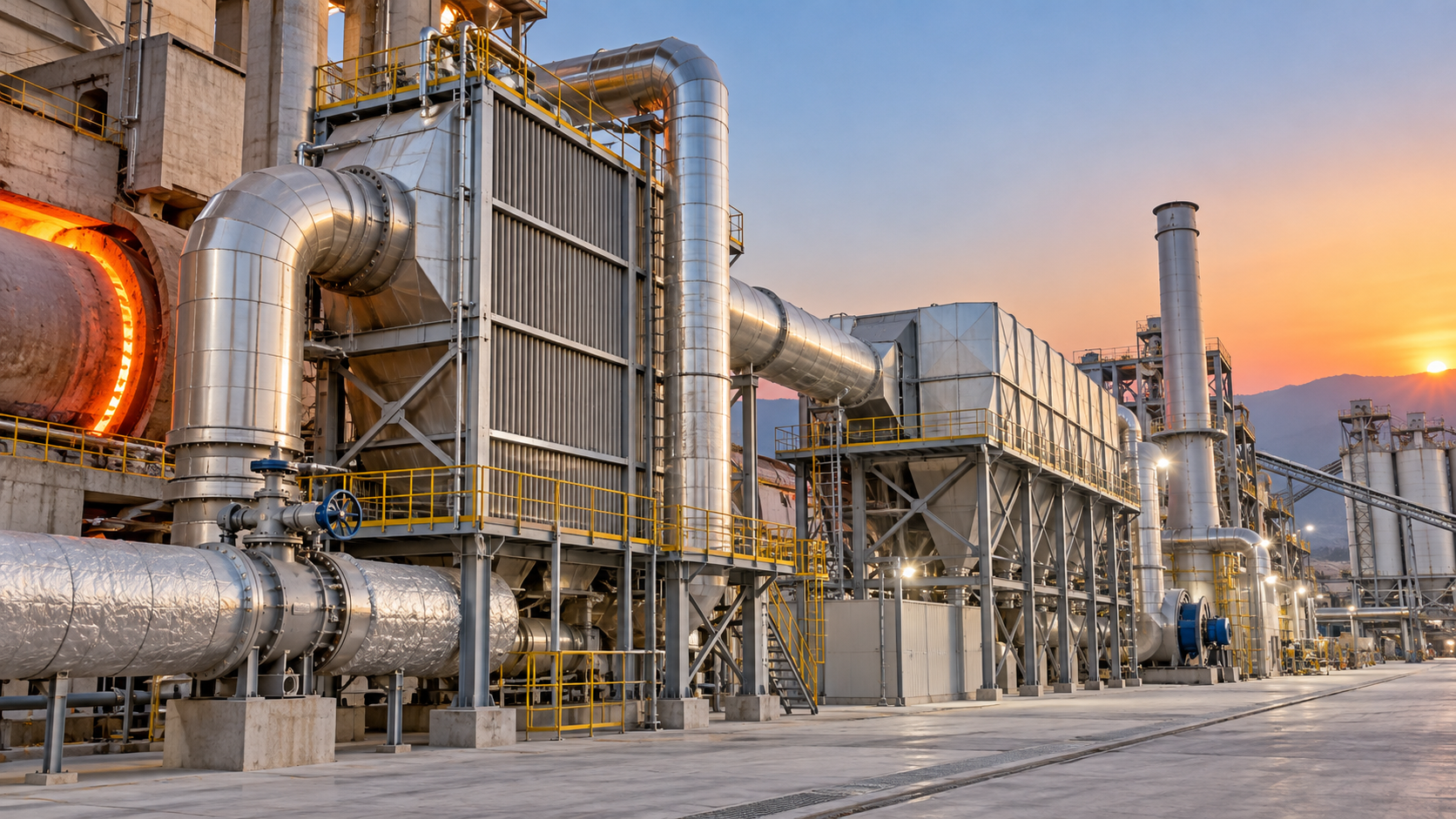
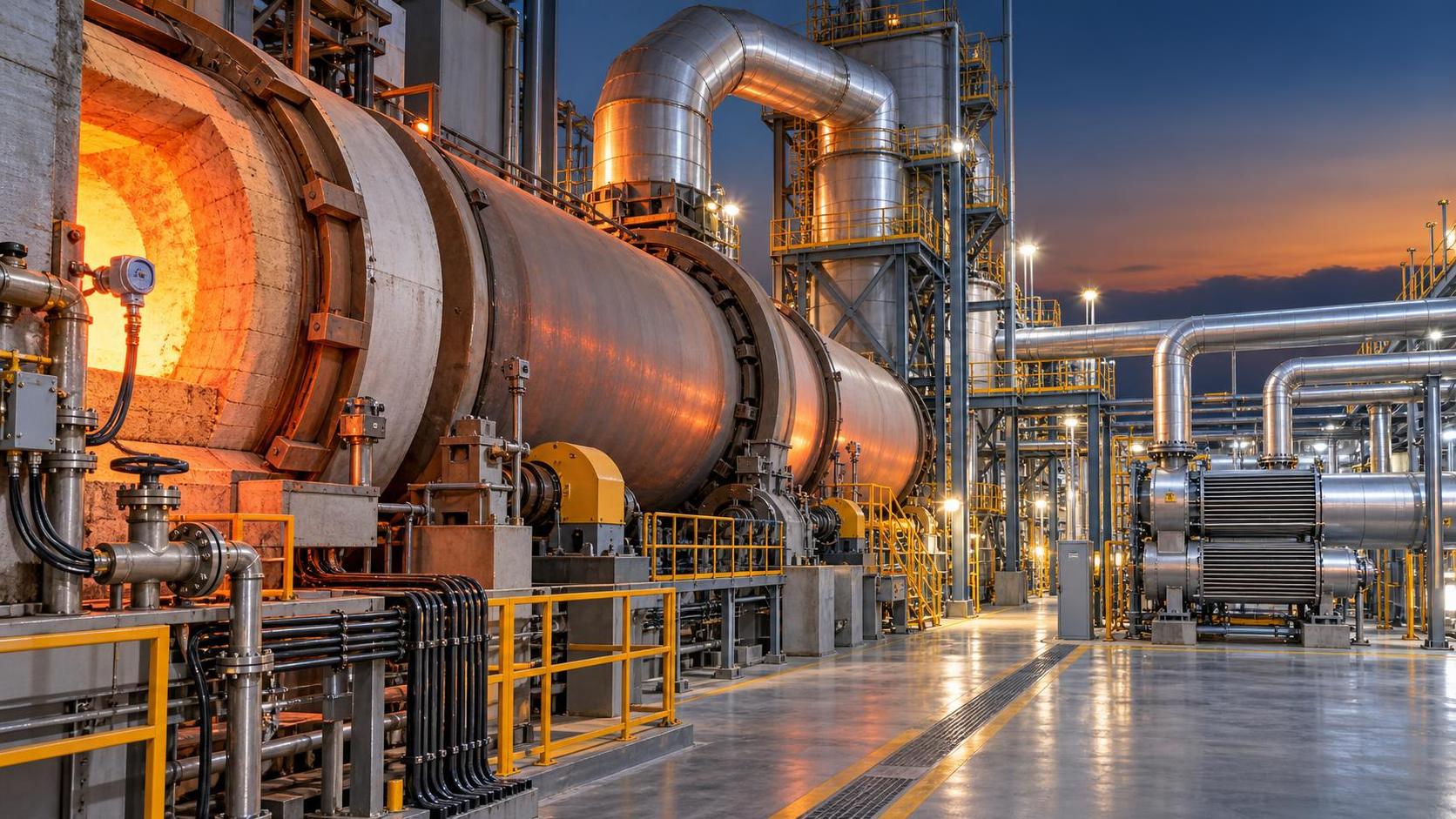
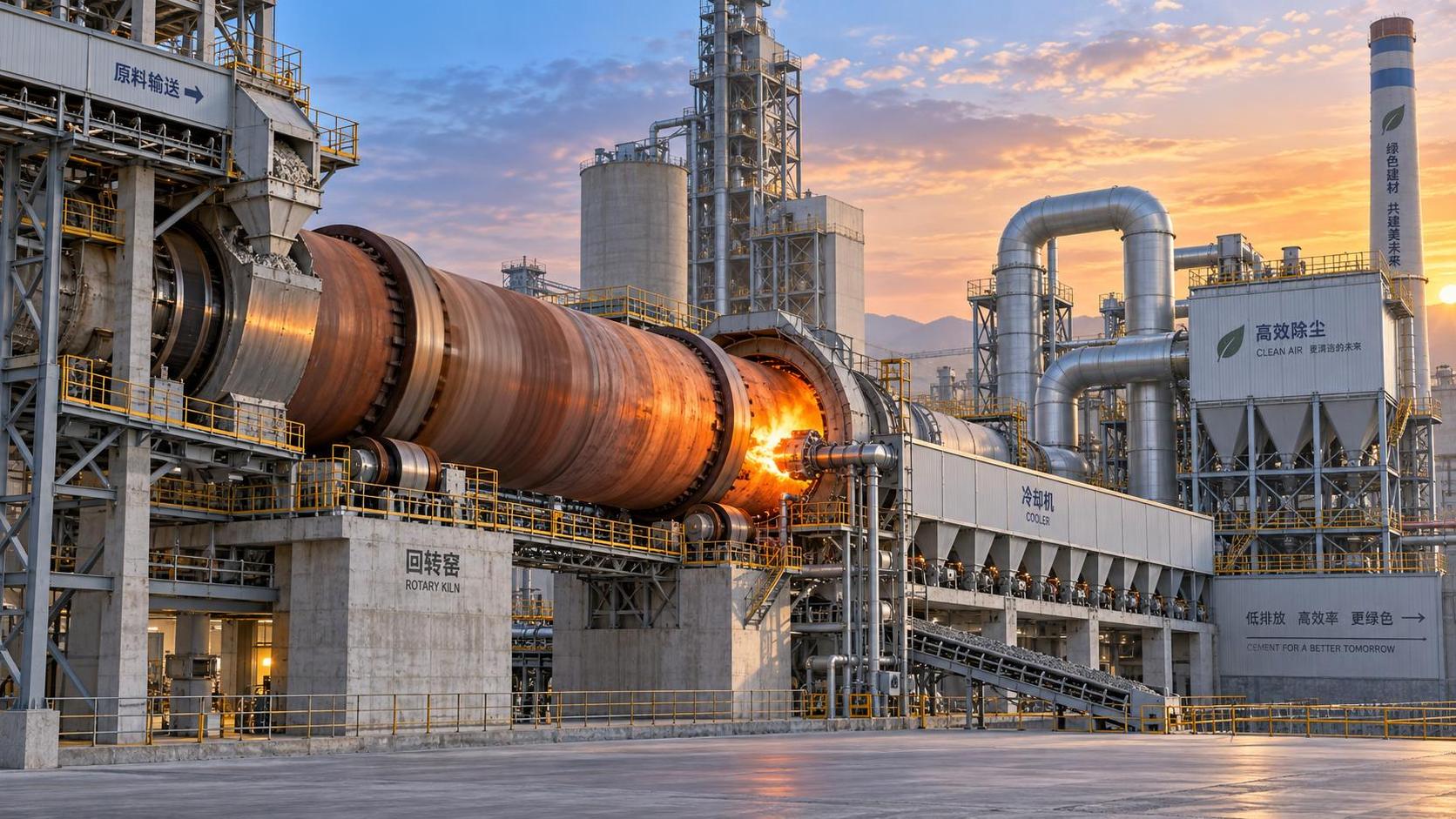
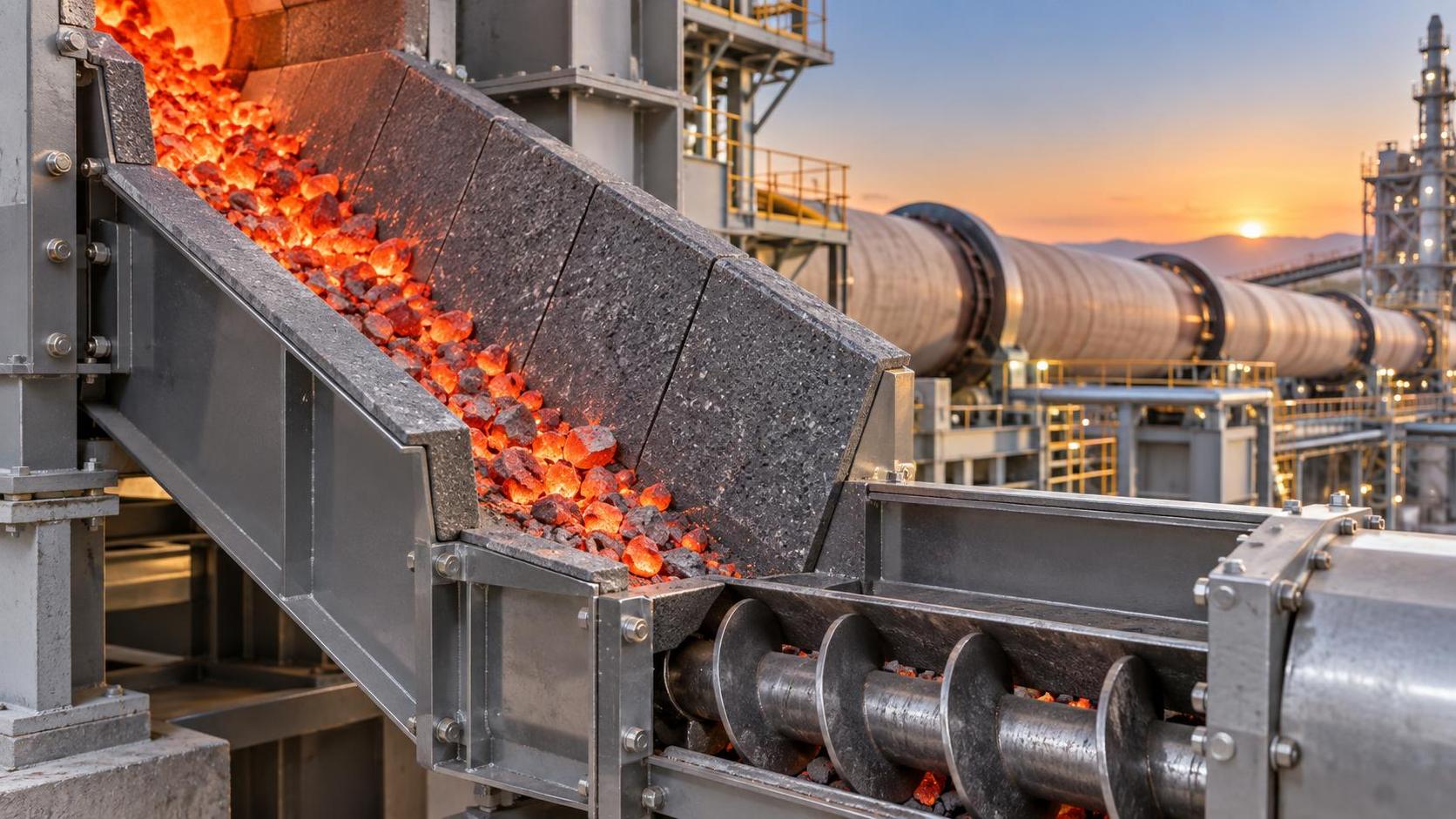
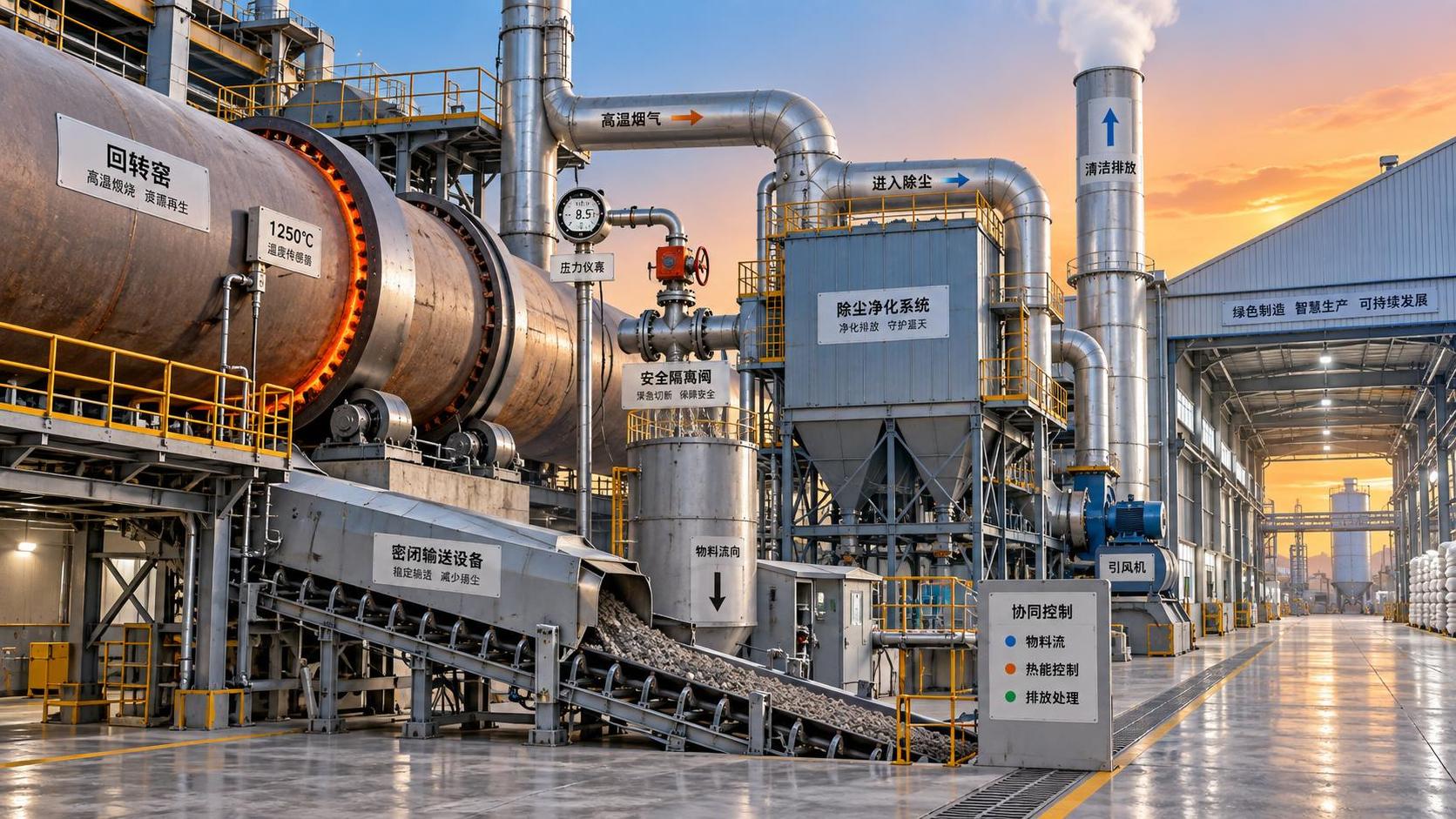
In cement and lime operations, ceramic fiber appears in kiln hoods, tertiary air ducts, preheater connections, burner zones, and expansion joints. It helps control shell heat loss and supports faster maintenance turnaround.
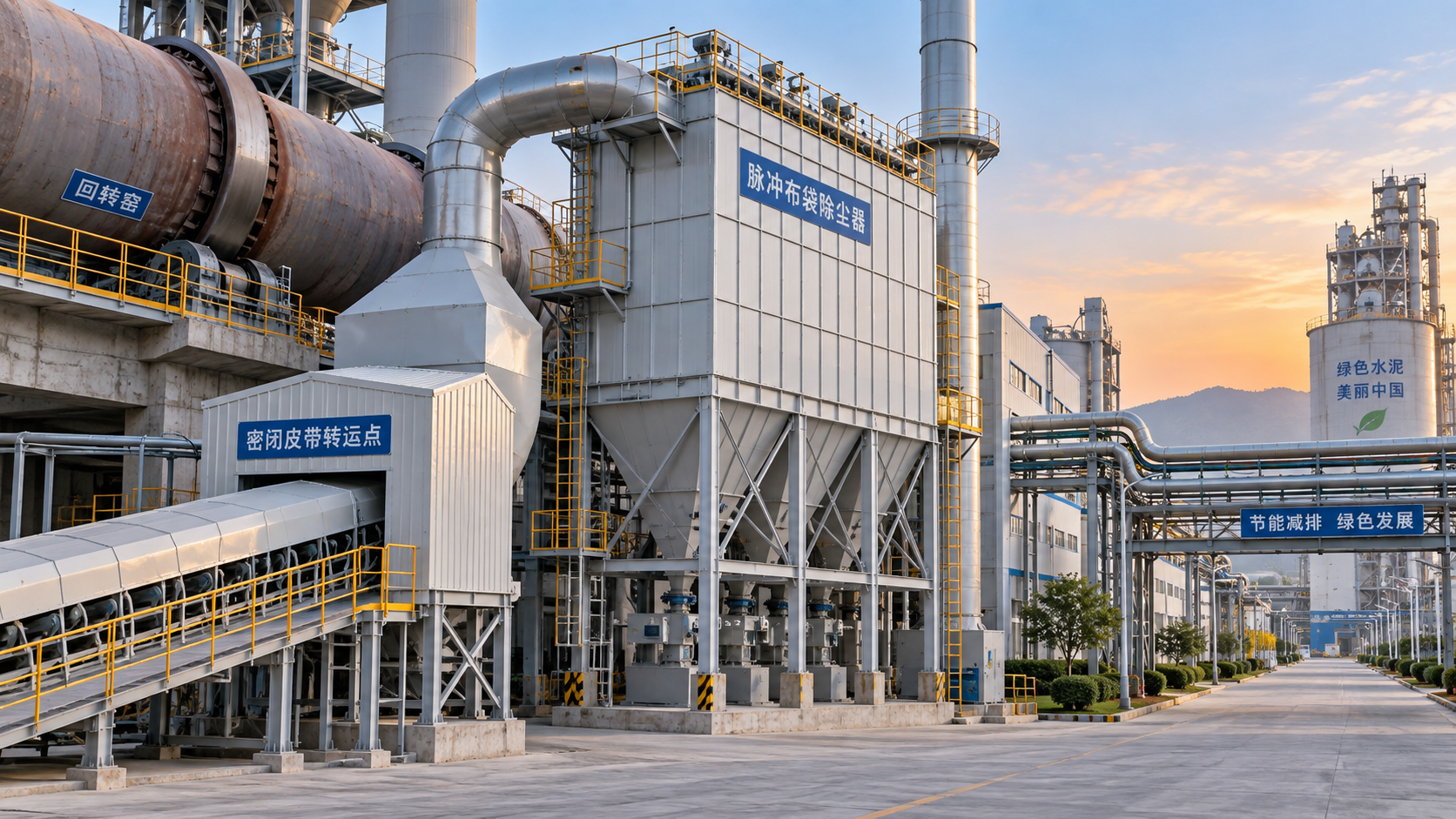
That fits CF-Elite’s focus on production efficiency and dust-sensitive thermal systems, where lining performance can affect both fuel balance and process reliability.
Glass manufacturing equipment
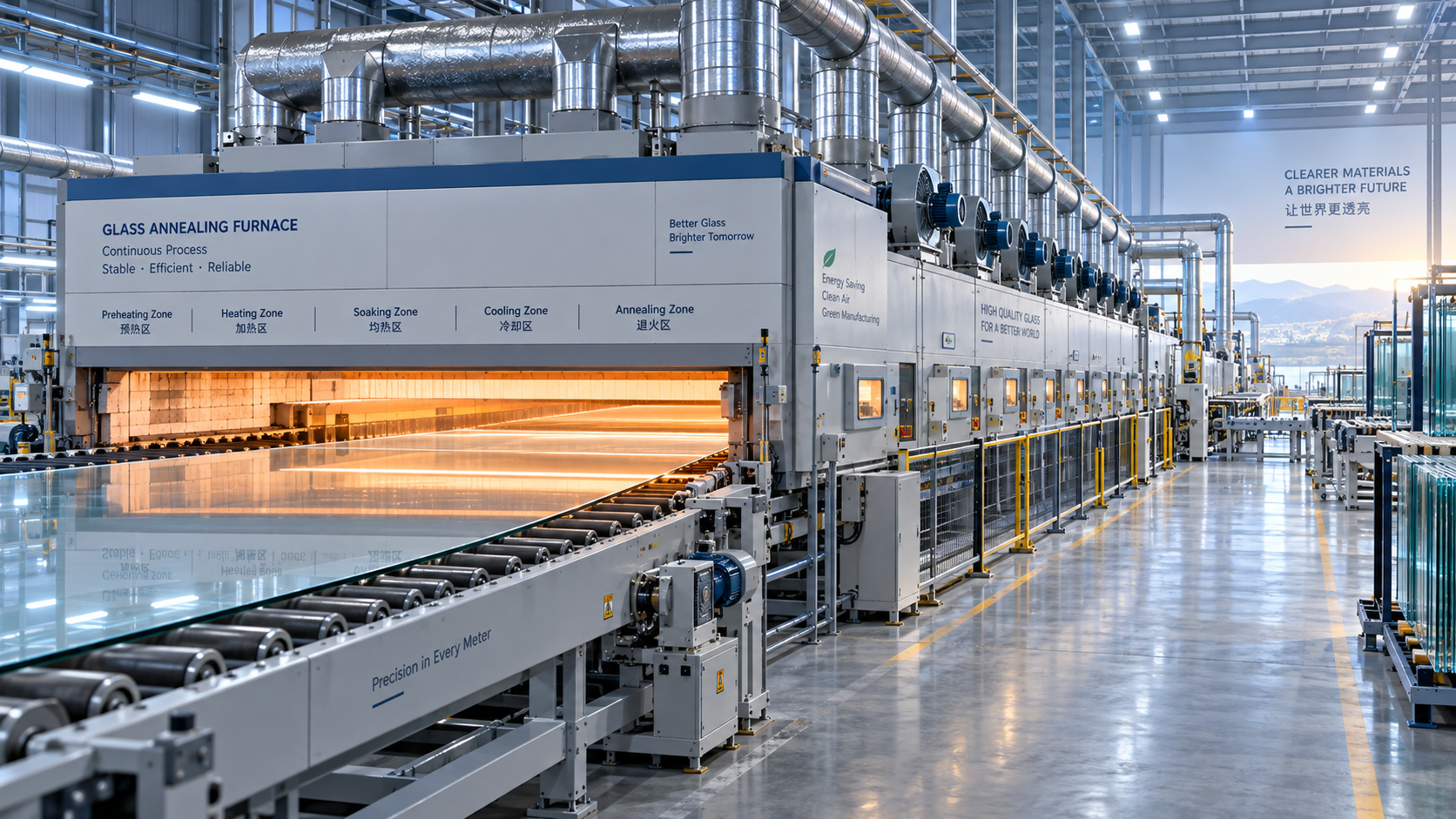
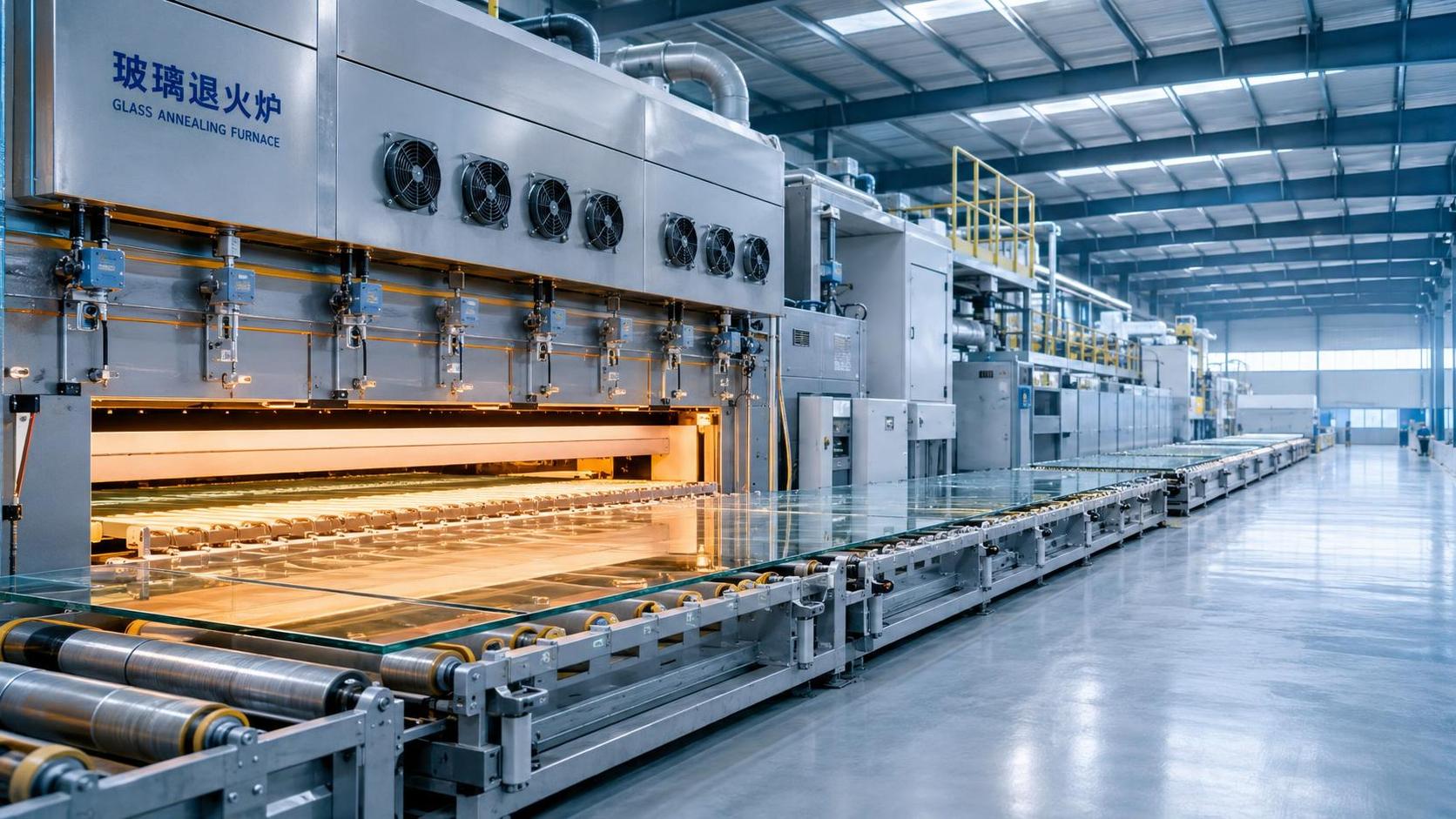
Glass lines use ceramic fiber in backup insulation, annealing equipment, forehearth sections, and thermal seals. The aim is often tighter temperature control rather than direct hot-face exposure.
For precision glass processes, insulation consistency matters because uneven heat distribution can affect viscosity windows, forming quality, and downstream defects.
Industrial kilns and waste incineration
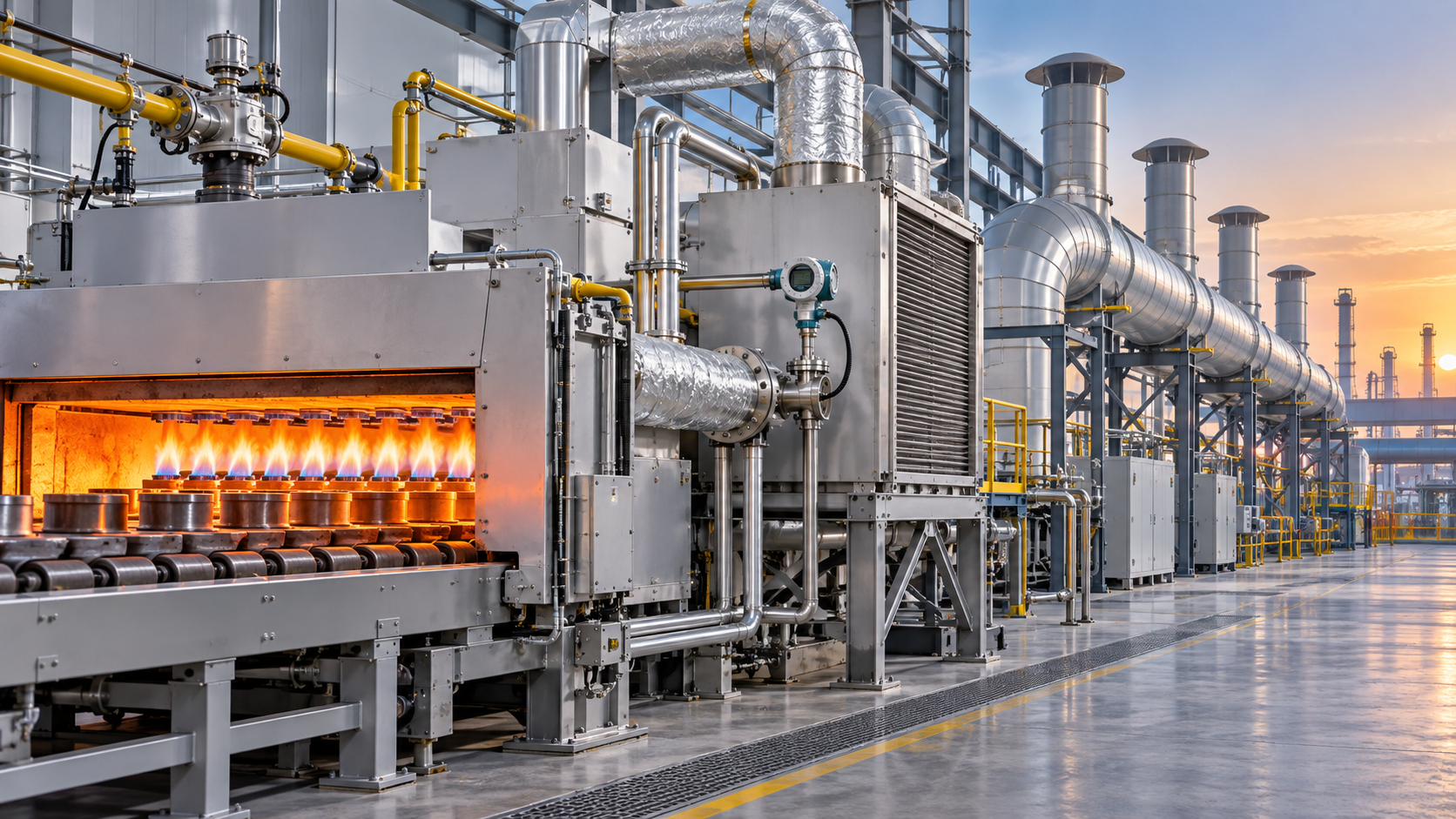
In incineration and thermal oxidation systems, advanced refractory materials ceramic fiber is valued for quick heat-up, reduced thermal inertia, and modular repair options.
But this is also where caution increases. Corrosive gases, ash chemistry, and flame turbulence can sharply reduce service life if the wrong grade or lining layout is chosen.
Refractory production and extrusion lines
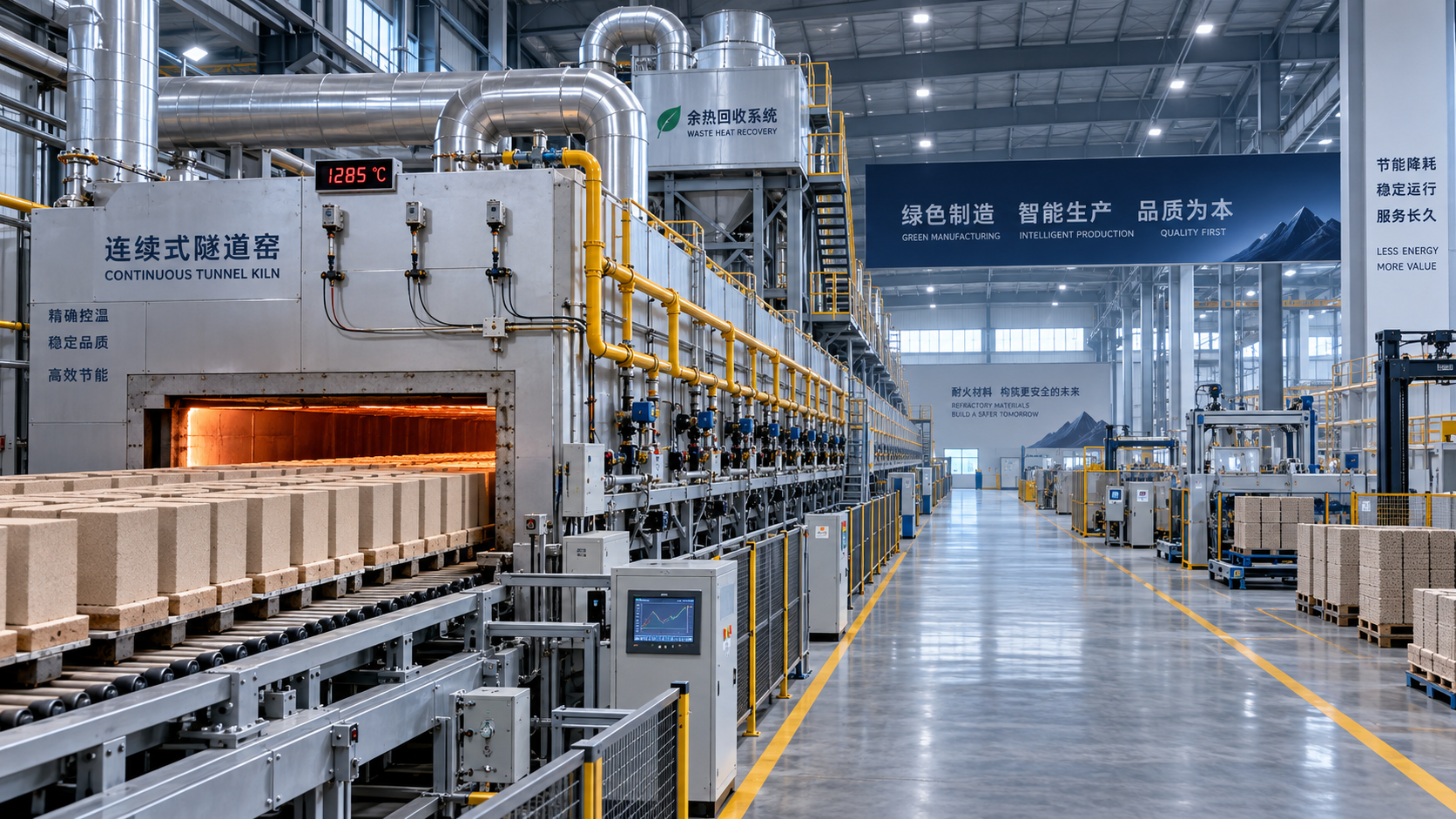
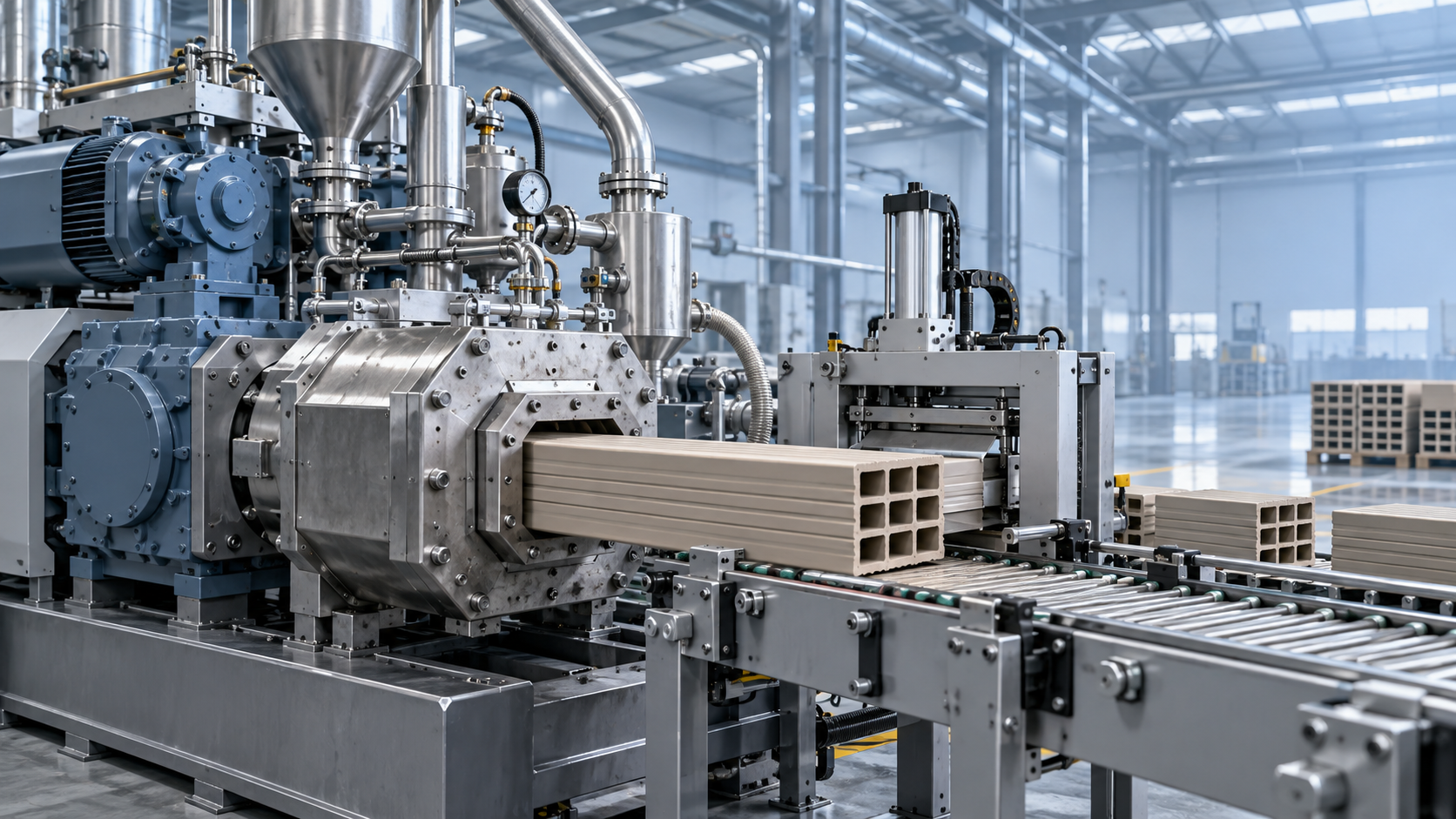
In refractory manufacturing and new building material extrusion, ceramic fiber supports dryers, tunnel kiln components, transfer zones, and thermal covers. It helps stabilize energy use in lines that depend on controlled heating profiles.
What Buyers and Analysts Should Evaluate Beyond Temperature
Temperature rating is only the first screen. In actual evaluation, several secondary variables decide whether advanced refractory materials ceramic fiber delivers value or becomes an early maintenance issue.
- Thermal conductivity at real operating temperatures, not room-temperature reference data.
- Shrinkage performance after prolonged exposure.
- Mechanical resistance against gas flow, abrasion, and module pullout.
- Compatibility with anchors, backup layers, and steel shell design.
- Health, safety, and regional compliance requirements.
- Repairability during shutdown windows.
This broader lens matches how CF-Elite frames thermal management intelligence. The useful question is rarely “Which fiber is hottest?” It is usually “Which lining system performs best under this process chemistry and operating rhythm?”
The Link Between Ceramic Fiber and Decarbonization
Energy efficiency is one reason advanced refractory materials ceramic fiber remains strategically relevant. Lower heat loss reduces fuel demand. Lower thermal mass can shorten startup periods. Both influence carbon intensity.
For plants under pressure to modernize, thermal insulation is no longer a background material issue. It is part of the decarbonization calculation, especially in fuel-heavy industries.
This also explains the growing interest in digital monitoring, shell temperature mapping, and lining life prediction. Better data makes ceramic fiber selection less dependent on rough rule-of-thumb decisions.
Practical Selection Signals for the Next Review
A useful next step is to compare ceramic fiber options by operating zone rather than by product brochure category. The same facility may need different grades and forms across different sections.
It also helps to map four decision layers together: maximum exposure, atmosphere chemistry, maintenance interval, and expected energy return. That framework usually reveals whether advanced refractory materials ceramic fiber is the right answer, or only part of it.
For anyone tracking high-temperature systems through the CF-Elite lens, the most reliable judgment comes from connecting material data with process conditions, not viewing insulation in isolation.
When reviewing a kiln, furnace, or incineration upgrade, start with the thermal profile, verify the real service environment, and then compare lining designs against energy, durability, and compliance targets. That approach produces better decisions than chasing the highest published temperature limit alone.
Related News
 Thermal Energy ArchitectHow to Evaluate a Thermal Engineering Contractor for High-Temperature Plant ProjectsChoose a thermal engineering contractor with proven process expertise, lifecycle value, emissions control, and delivery discipline for reliable high-temperature plant performance.Sep 27, 2026
 Silicate Process EngineerHow Latin American Cement Plants Can Reduce Dust Emissions in Kilns and Transfer PointsCement plant dust control Latin America: reduce kiln and transfer-point emissions with practical airflow, filtration, monitoring, and maintenance strategies.Sep 26, 2026
 Material Heat-Resist ExpertHow to Evaluate Refractory Production Lines for Output, Quality, and Energy UseRefractory production lines: learn how to assess qualified output, consistent quality, and total energy use for smarter, lower-risk investment decisions.Sep 25, 2026
 Dr. Alistair VaughnHow Waste Recycling Technology Improves Material Recovery in Industrial PlantsWaste recycling technology improves material recovery through source segregation, smart separation, thermal treatment, and quality control for industrial plants.Sep 24, 2026
 Optical Glass Tech FellowHow to Specify Glass Annealing Equipment for European Quality and Energy RequirementsGlass annealing equipment Europe: learn how to specify lehrs for consistent glass quality, energy efficiency, compliance, automation, and reliable long-term performance.Sep 23, 2026
 Optical Glass Tech FellowSilicate Process Automation: Improving Batch Consistency and Energy ControlSilicate process automation improves batch consistency, energy control, traceability, and operator confidence across high-temperature manufacturing operations.Sep 22, 2026
 Optical Glass Tech FellowHow Silicate Industrial Processes Control Viscosity, Energy Use, and Product QualitySilicate industrial processes: learn how viscosity, chemistry, heat transfer, and atmosphere control reduce energy use, improve stability, and protect product quality.Sep 21, 2026
 Thermal Energy ArchitectHow European Plants Can Evaluate Energy Recovery Equipment for High-Temperature ProcessesIndustrial energy recovery equipment Europe: learn how high-temperature plants can assess waste-heat sources, integration risks, lifecycle value, and reliable recovery routes.Sep 20, 2026
 Thermal Energy ArchitectIndustrial Furnace Process Optimization: Reducing Fuel Use Without Sacrificing ThroughputIndustrial process optimization furnace strategies that cut fuel use while protecting throughput. Explore combustion control, heat recovery, refractory performance, and data-driven efficiency gains.Sep 19, 2026
 Ms. Elena RodriguezWhat Drives High-Pressure Extrusion Equipment Cost in Industrial Projects?High pressure extrusion equipment cost explained: compare pressure, die design, automation, wear, energy, and installation factors for smarter industrial investments.Sep 18, 2026
 Thermal Energy ArchitectHow to Size a Waste Heat Recovery Exchanger for High-Temperature Kiln Exhaust?Waste heat recovery exchanger sizing for high-temperature kiln exhaust: balance recoverable duty, fouling, corrosion limits, pressure drop, and reliable heat use.Sep 17, 2026
 Thermal Energy ArchitectWhy Heat-Resistant Materials Lose Abrasion Resistance at High TemperaturesHeat-resistant materials abrasion resistance can decline at high temperatures. Discover the thermal, chemical, and mechanical causes of wear—and how to choose longer-lasting linings.Sep 16, 2026
 Thermal Energy ArchitectHow to Evaluate a Thermal Energy Optimization Company for High-Temperature PlantsChoose a thermal energy optimization company with proven process expertise, measurable savings, and reliable delivery for high-temperature plants. Learn what to assess.Sep 15, 2026
 Thermal Energy ArchitectRotary Kiln Efficiency: How Feed Rate, Fuel Use, and Heat Loss Affect OutputRotary kiln efficiency explained: discover how feed rate, fuel use, heat loss, combustion, and cooling performance shape output, quality, and energy costs.Sep 14, 2026
 Thermal Energy ArchitectHow to Select Heat-Resistant Materials That Maintain Abrasion Resistance in KilnsHeat-resistant materials abrasion resistance: learn how to select kiln linings that withstand heat, wear, thermal cycling, and chemical attack for longer service life.Sep 13, 2026
 Thermal Energy ArchitectHow Rotary Kiln Automation Improves Temperature Control and Fuel EfficiencyRotary kiln technology automation enhances temperature control, stabilizes combustion, and improves fuel efficiency with smarter data, predictive control, and safer operations.Sep 12, 2026
 Silicate Process EngineerCement Plant Emission Control: Selecting Systems for Dust, NOx, and SO2 LimitsCement plant emission control guide: compare dust collectors, NOx reduction, and SO2 systems for reliable compliance across kiln modes, fuel changes, and operating upsets.Sep 11, 2026
 Thermal Energy ArchitectSelecting Abrasion-Resistant High-Temperature Materials for Kiln and Conveyor Wear ZonesHigh-temp material engineering guide to abrasion-resistant kiln and conveyor solutions—match wear, heat, chemistry, and installation design for longer service life.Sep 10, 2026
 Dr. Alistair VaughnIndustrial Process Engineering: How to Map Processes for Safer, More Efficient PlantsIndustrial process engineering reveals bottlenecks, safety risks, and energy losses through practical process mapping for safer, more efficient plants.Sep 09, 2026
 Optical Glass Tech FellowHow to Evaluate a Glass Annealing Equipment Manufacturer for Production StabilityChoose a glass annealing equipment manufacturer with proven thermal uniformity, reliable controls, lifecycle value, and responsive service for stable production.Sep 08, 2026


Related News
- 00
0000-00
How to Evaluate a Thermal Engineering Contractor for High-Temperature Plant Projects - 00
0000-00
How European Plants Can Evaluate Energy Recovery Equipment for High-Temperature Processes - 00
0000-00
Industrial Furnace Process Optimization: Reducing Fuel Use Without Sacrificing Throughput - 00
0000-00
How to Size a Waste Heat Recovery Exchanger for High-Temperature Kiln Exhaust? - 00
0000-00
Why Heat-Resistant Materials Lose Abrasion Resistance at High Temperatures
Weekly Insights
Stay ahead with our curated technology reports delivered every Monday.