
High-Temp Material Engineering Insulation: Key Properties for Kilns and Furnaces




In kiln and furnace operations, high-temp material engineering insulation sits at the intersection of heat control, lining reliability, and workplace risk reduction. It is not only a passive barrier. It affects temperature stability, shell exposure, fuel use, shutdown frequency, and the consistency of fired products. Across cement, glass, incineration, refractory processing, and extrusion systems, the right insulation strategy has become a practical decision point rather than a background specification.
Why insulation performance now receives closer scrutiny
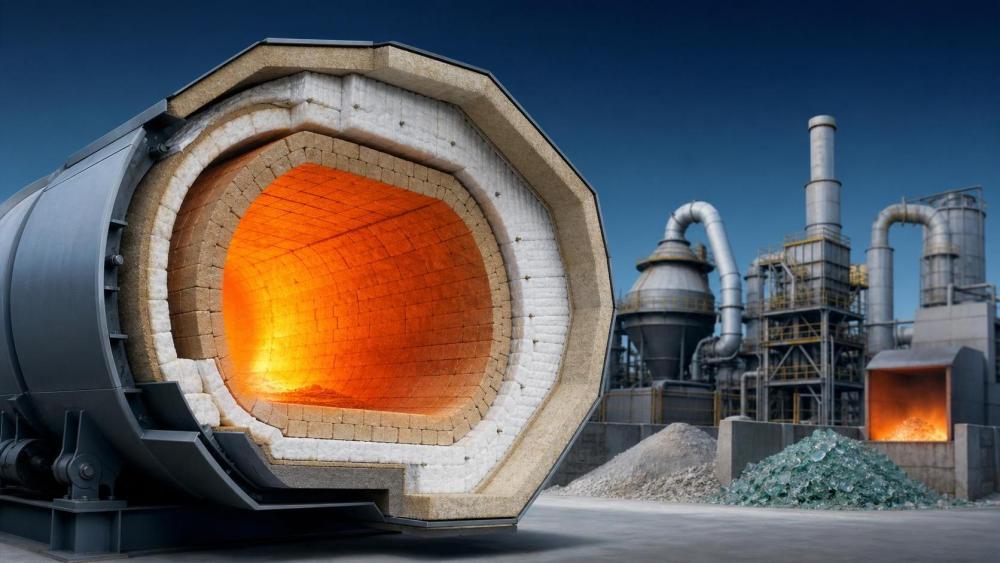
Thermal systems now operate under tighter energy targets, stricter emissions controls, and narrower quality tolerances. That changes how high-temp material engineering insulation is evaluated.
A lining that once seemed acceptable may now create avoidable heat loss, unstable combustion, or shell temperatures that raise maintenance and safety concerns.
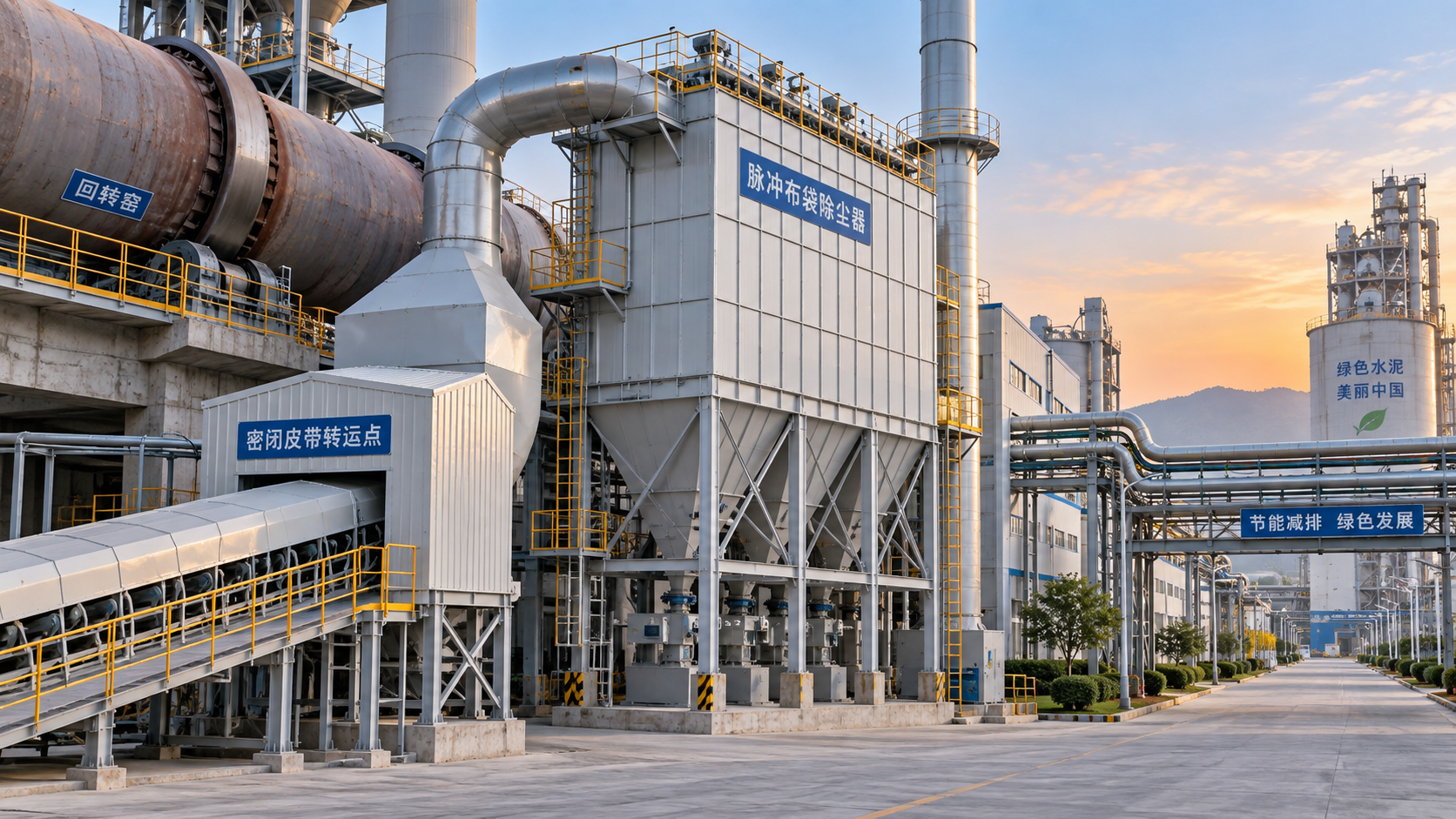
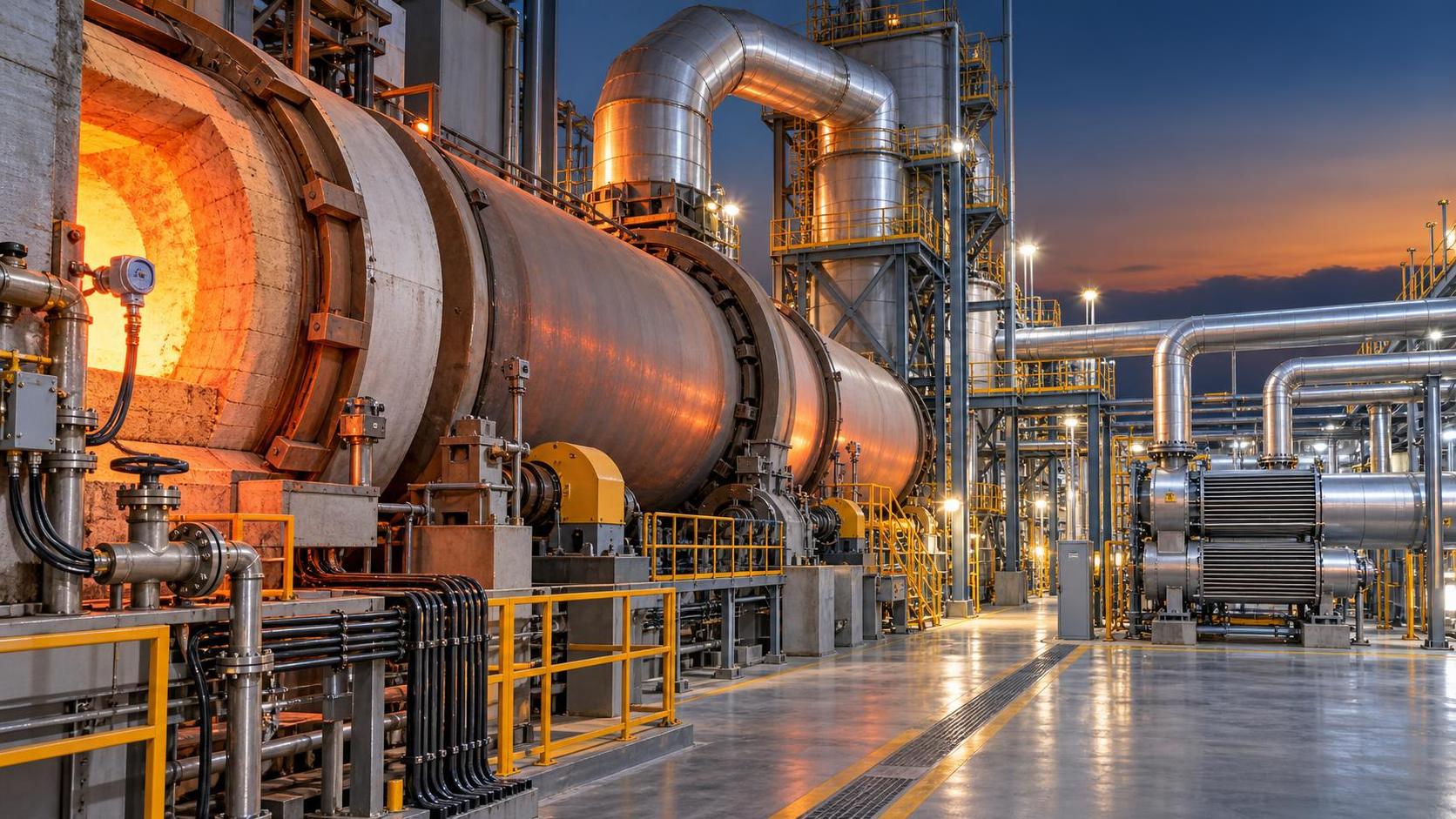
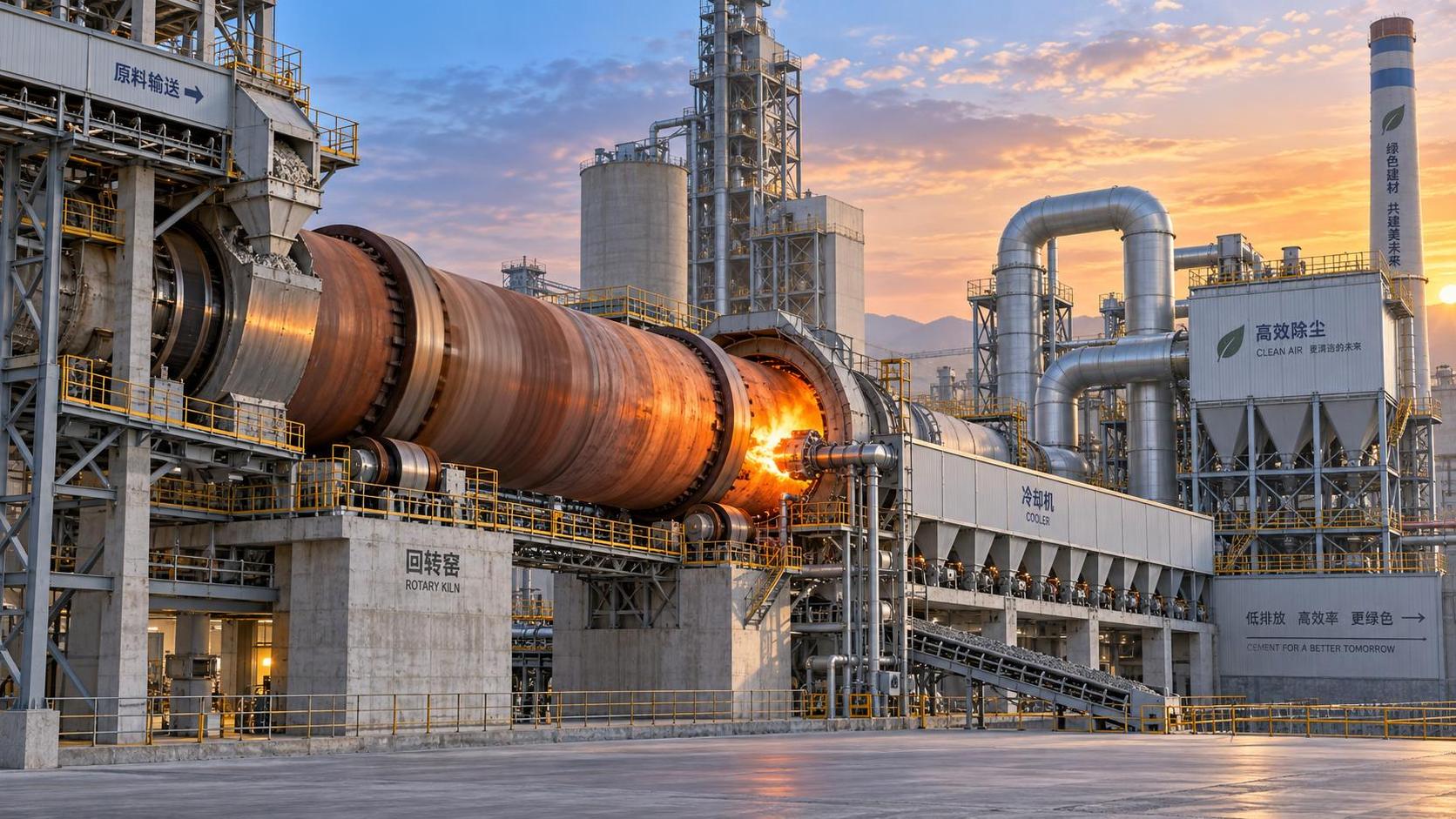
This is especially visible in sectors tracked by CF-Elite. Rotary kilns, float glass lines, waste-to-energy furnaces, refractory plants, and new building material extrusion systems all depend on controlled thermal balance.
The issue is broader than material survival at peak temperature. Operators now need insulation that performs under thermal cycling, chemical attack, mechanical vibration, and changing fuel profiles.
That is why discussions around decarbonization and digital monitoring increasingly lead back to one basic question: how well does the thermal barrier hold its design function over time?
What high-temp material engineering insulation really includes
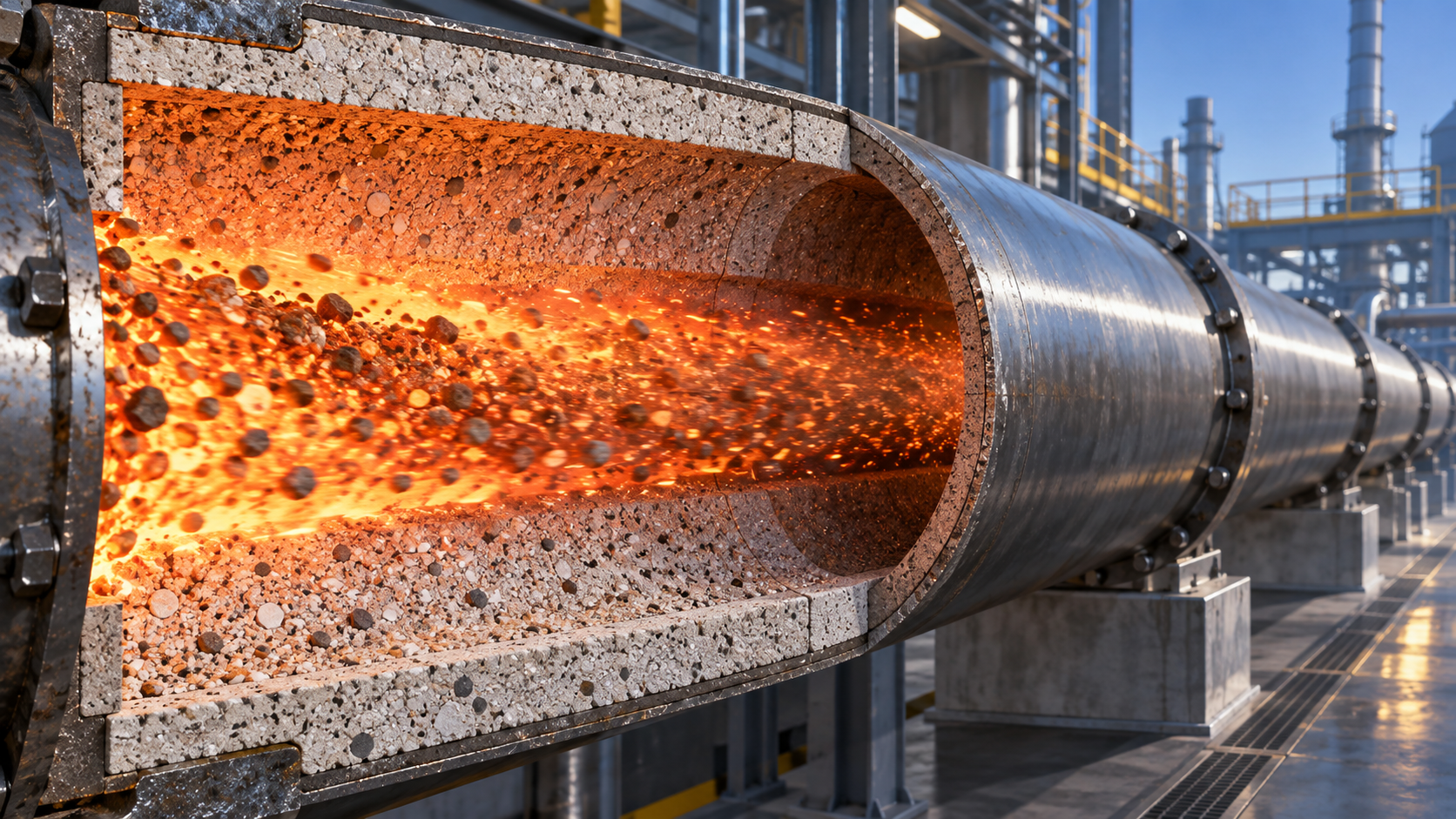
In practical terms, high-temp material engineering insulation refers to the engineered layers that limit heat transfer and protect structural components in high-heat equipment.
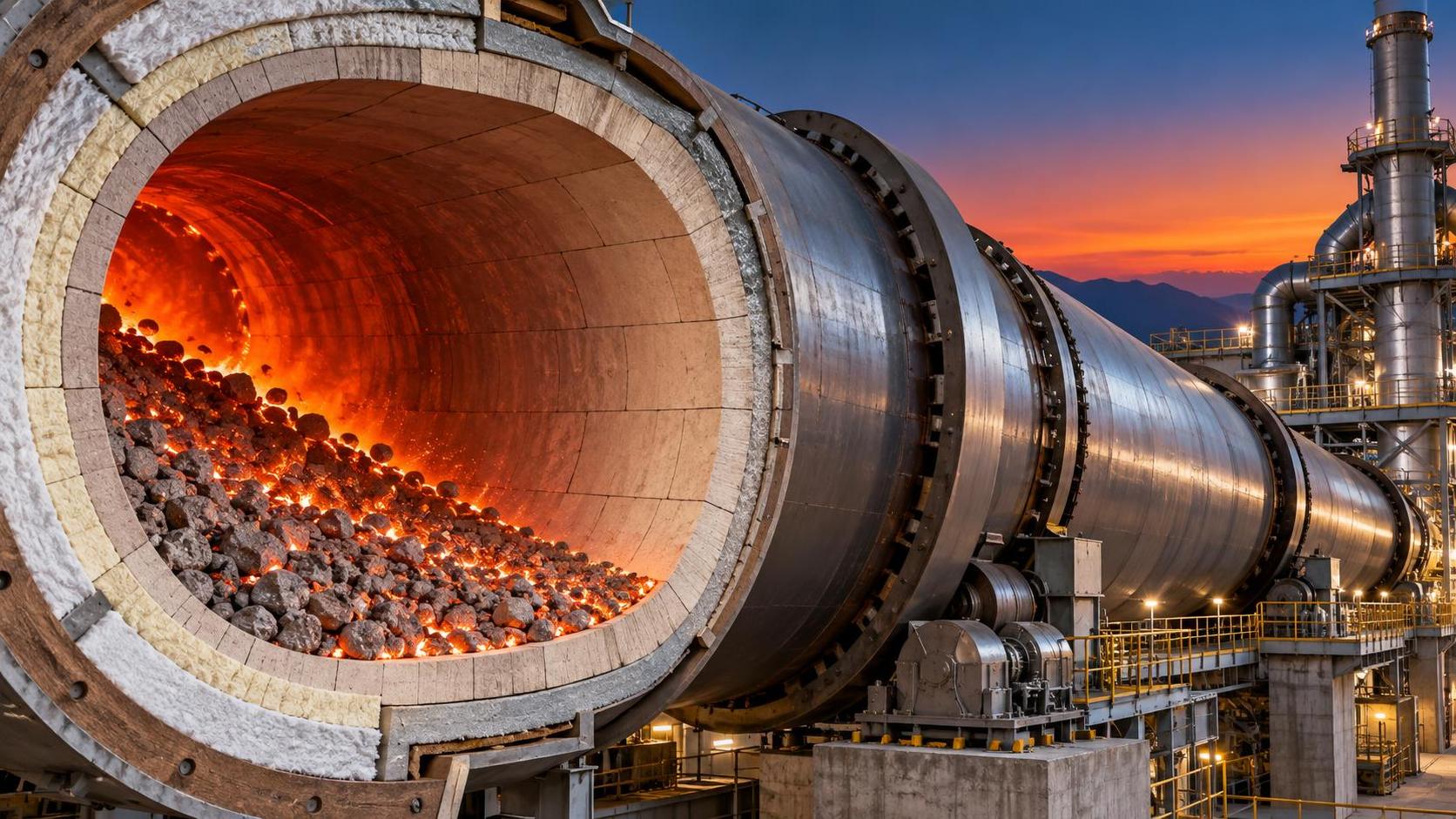
It may include dense refractories, insulating firebricks, ceramic fiber modules, microporous boards, castables, backup insulation, and expansion management components.
The best configuration depends on service temperature, atmosphere, mechanical load, process chemistry, and allowable shell temperature.
In other words, insulation is a system. A material with excellent laboratory conductivity values can still fail operationally if anchoring, joint design, moisture control, or hot-face compatibility are overlooked.
That system view matters because kilns and furnaces rarely fail for one simple reason. Failure usually grows from combined stress.
The properties that decide real-world performance
Several properties deserve priority when reviewing high-temp material engineering insulation for industrial heat equipment.
Thermal conductivity at operating temperature
Low conductivity is the basic requirement, but room-temperature data is not enough. Conductivity can rise sharply at elevated temperatures.
A useful review compares conductivity across the real operating range, not just a single catalog point.
Maximum service temperature and thermal reserve
Designs need a margin above normal operating temperature. Short excursions, burner imbalance, or upset conditions can push local areas much hotter than the average.
Resistance to thermal shock
Frequent heating and cooling cycles cause cracking, delamination, and loss of contact between layers. This is a major issue in batch furnaces and intermittent kilns.
Mechanical strength and dimensional stability
Insulation must retain shape under load, vibration, and creep. Compression or shrinkage can create gaps that quickly become hot spots.
Chemical compatibility
Alkalis, sulfur compounds, chlorides, slag, ash, and volatile species can destroy insulation performance long before the material reaches its thermal limit.
Moisture behavior and dry-out response
Some linings fail during commissioning rather than service. Entrained water, poor curing, or an aggressive dry-out schedule can crack castables and weaken the insulation structure.
Different kiln and furnace environments create different demands
The term high-temp material engineering insulation covers very different operating realities. Selection improves when the service environment is defined first.
Cement and lime kilns
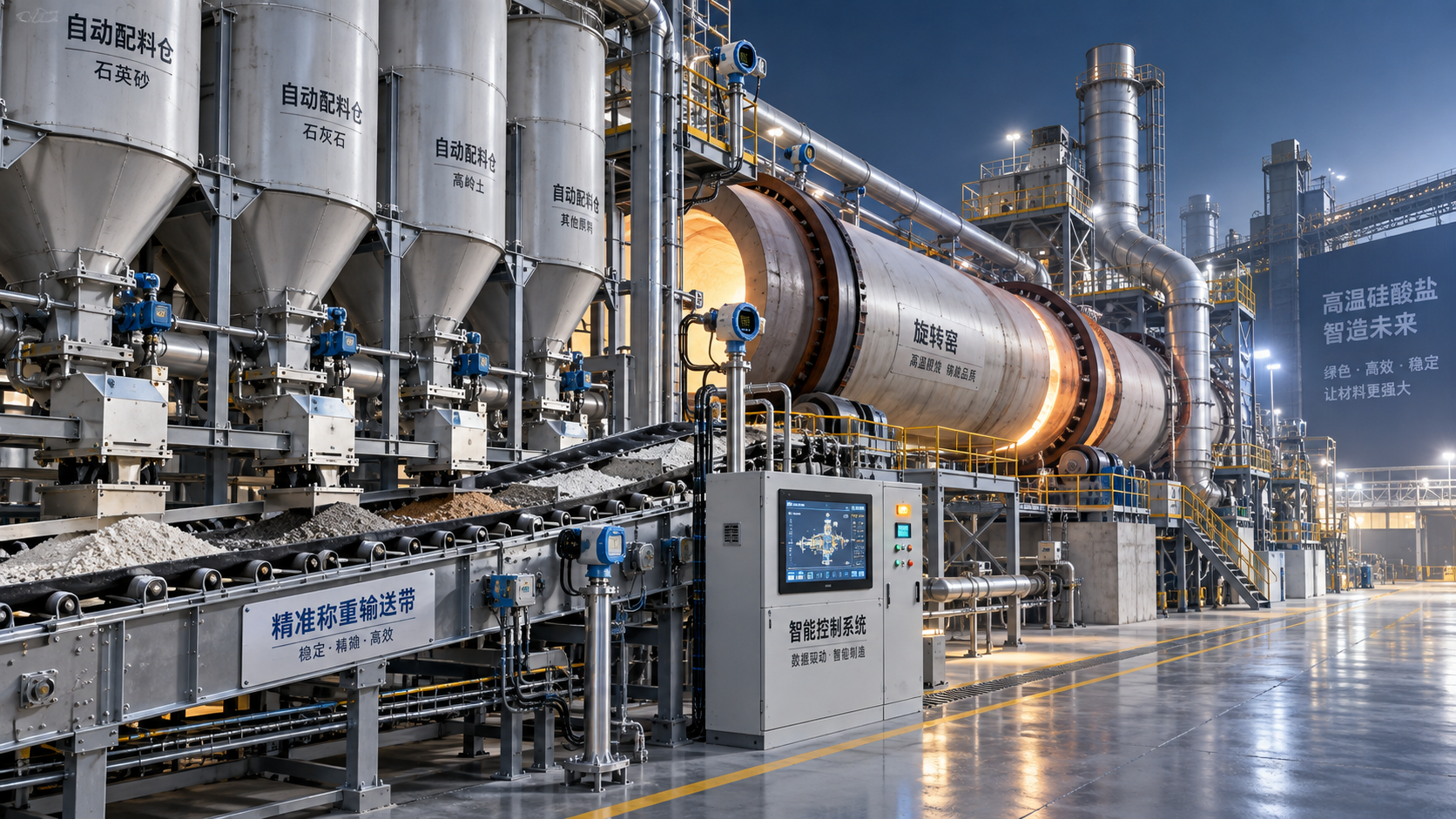
These systems combine high temperature, rotating mechanical stress, coating behavior, and alkali exposure. Thermal efficiency matters, but coating interaction and brick stability matter just as much.
Glass furnaces
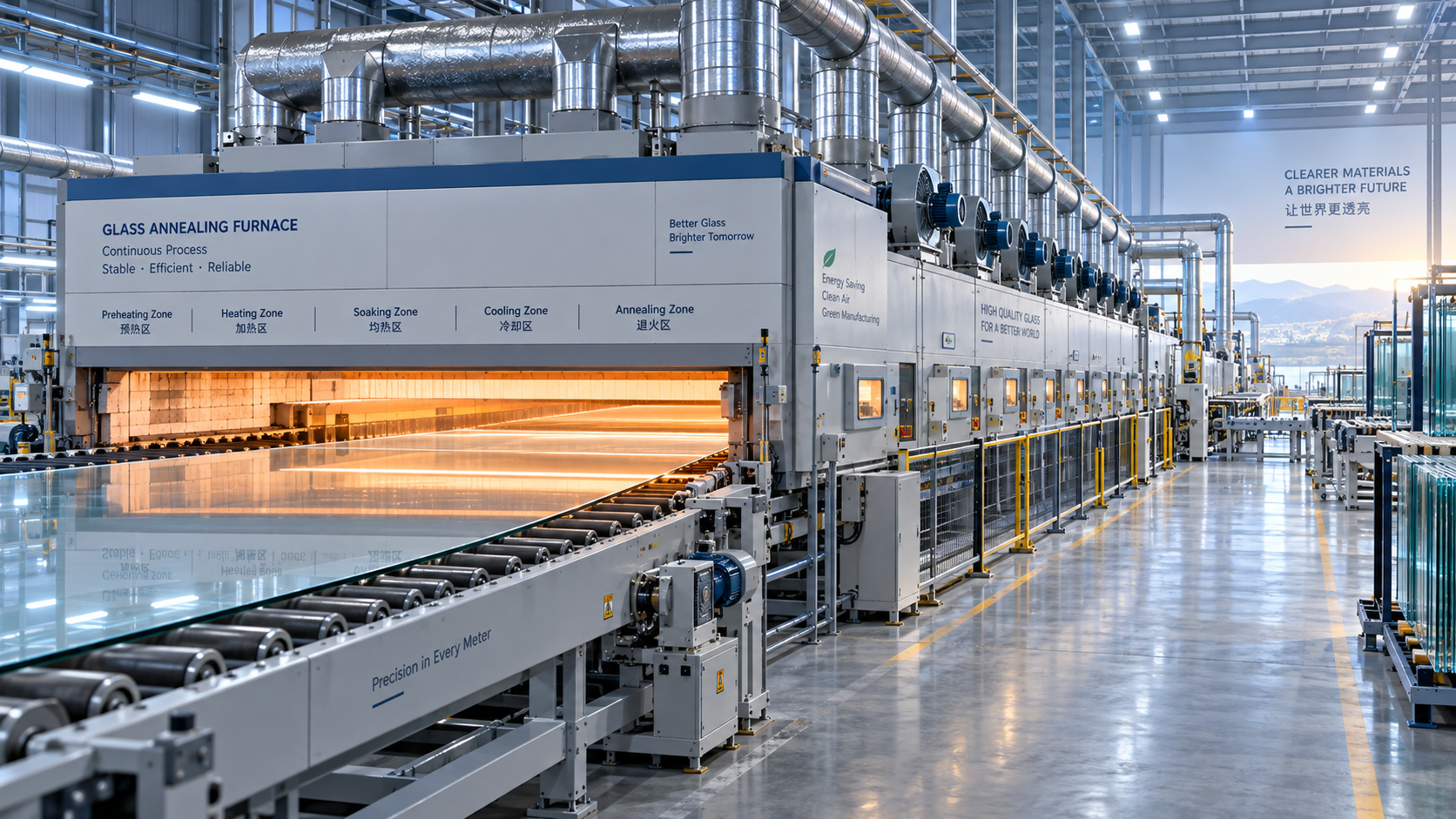
Glass production prioritizes atmosphere control, heat distribution, and contamination avoidance. Even small insulation failures can influence melt quality, crown life, and annealing consistency.
Incineration and waste-to-energy units
Chlorides, sulfur species, ash deposits, and variable feed chemistry create severe corrosion pressure. Here, high-temp material engineering insulation must be judged against both heat and chemistry.
Refractory production lines
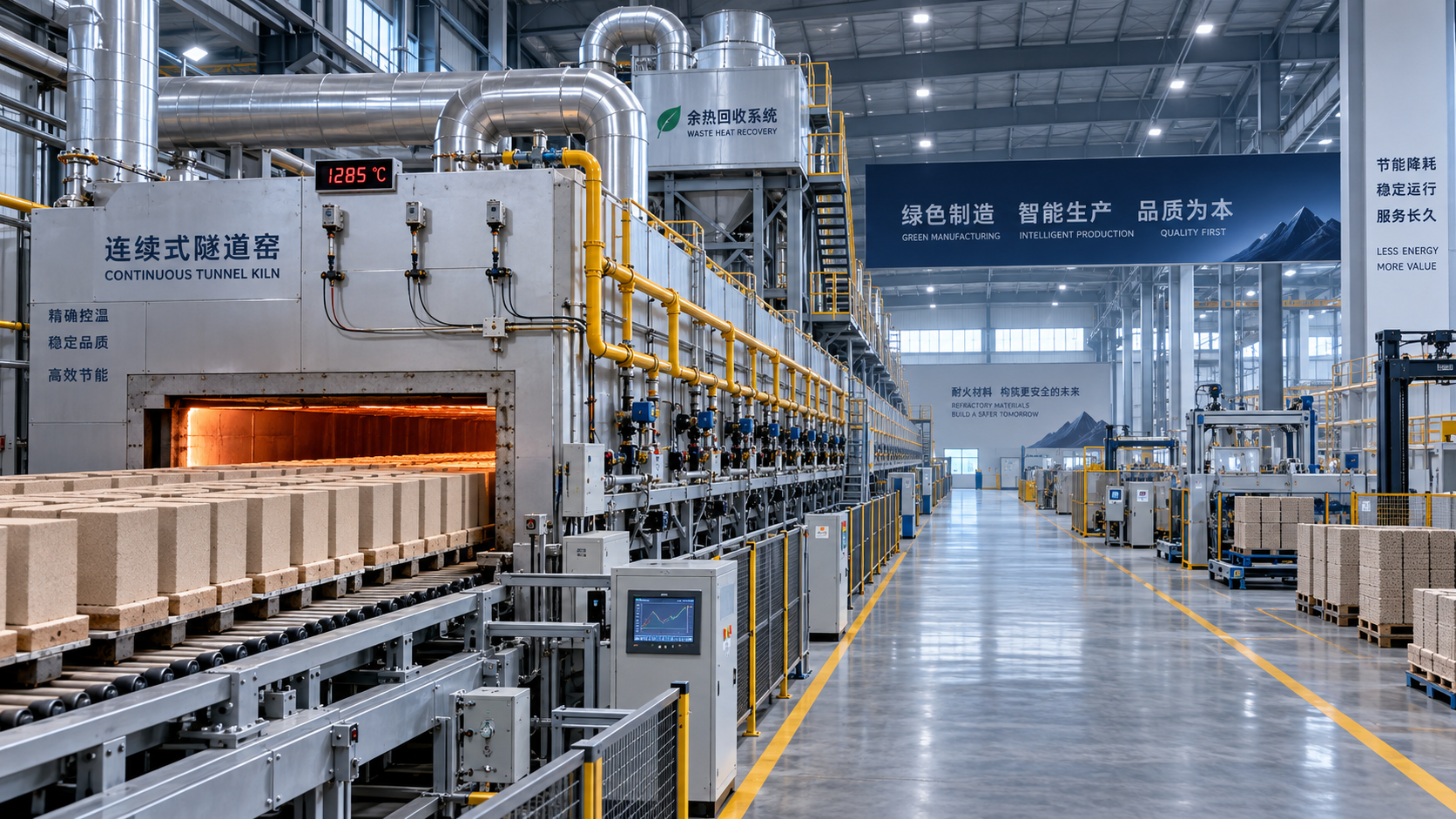
Firing uniformity drives product quality. Uneven insulation performance can change local temperature profiles and produce inconsistent sintering or excess rejects.
Material extrusion and specialty thermal equipment
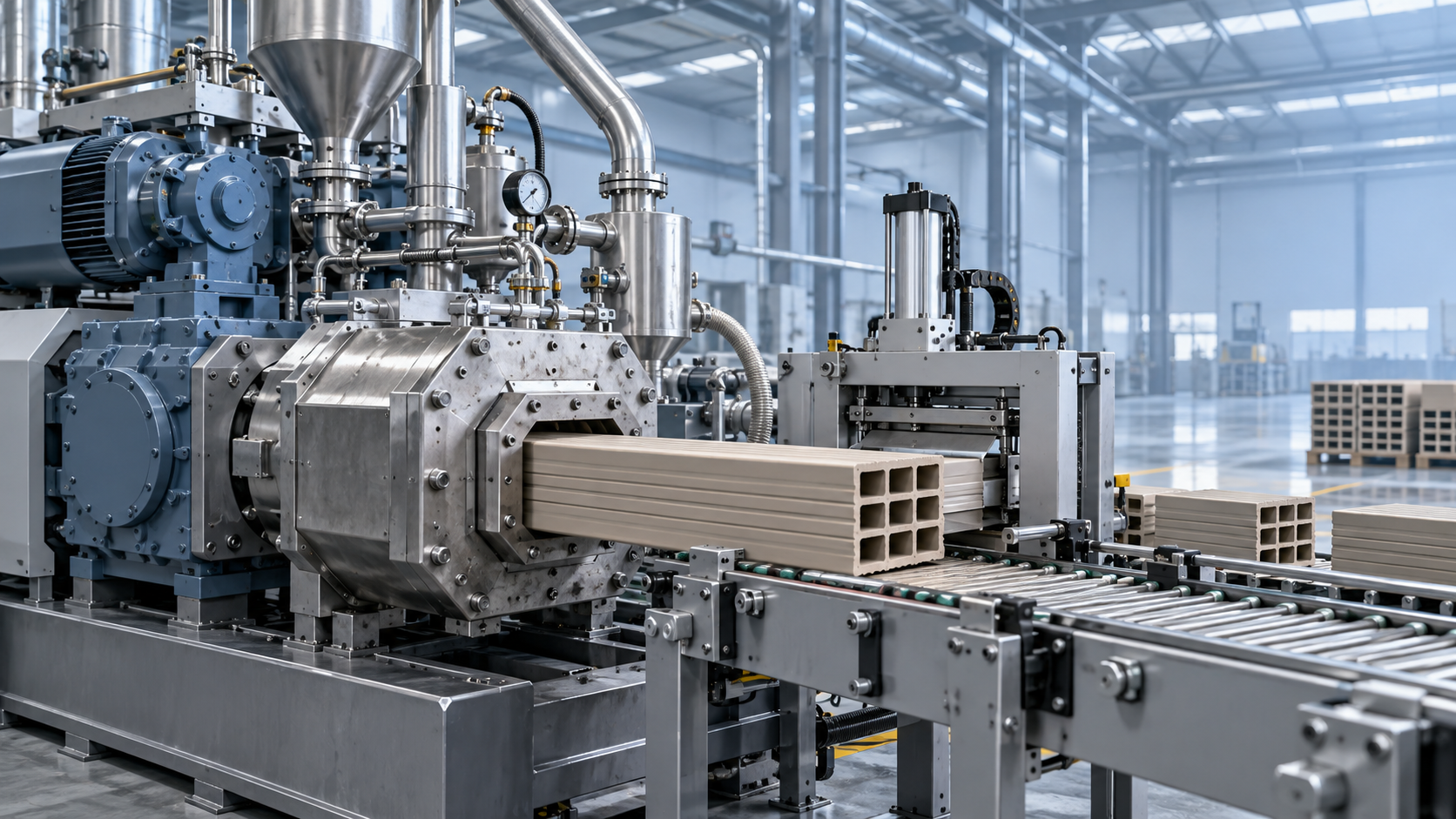
These lines often require precise heat retention around dies, barrels, or curing zones. Thermal lag and external heat drift can quickly reduce process repeatability.
How to judge insulation beyond the datasheet
A datasheet is a starting point, not a full decision tool. In operating plants, insulation performance depends on design fit and execution quality.
This is one reason intelligence platforms such as CF-Elite matter. The value is not just in listing materials. It is in linking process conditions, failure patterns, and operational signals.
- Check whether thermal data is stated at realistic service temperatures.
- Review the full lining build-up, not only the hot-face layer.
- Compare expected shell temperature with actual inspection records.
- Ask how the material handles alkalis, chlorides, slag, or ash deposits.
- Verify anchoring, expansion allowance, and joint treatment.
- Include startup, dry-out, and shutdown procedures in the review.
- Use thermal imaging and online monitoring to confirm performance drift early.
Usually, the most expensive failures come from hidden mismatch rather than obviously weak material. A chemically incompatible backup layer or a poor dry-out sequence can erase the benefit of premium insulation.
Quality, safety, and carbon pressure are now connected
High-temp material engineering insulation has become a cross-functional issue because quality loss, safety exposure, and energy waste often start from the same thermal weakness.
Higher shell temperatures increase contact risk and can accelerate structural fatigue. Internal temperature drift can change product phase development, burn profile, or residence behavior.
At the same time, excess heat loss raises fuel demand and carbon intensity. In heavy thermal industries, that is no longer a side issue.
CF-Elite’s focus on thermal management, refractory monitoring, and decarbonization reflects this convergence. Better insulation decisions now support operating stability and environmental performance together.
Where to focus next in a practical review
A useful next step is to map each kiln or furnace zone by temperature, atmosphere, chemical exposure, cycle pattern, and inspection history.
That makes high-temp material engineering insulation easier to assess in a structured way. It also separates routine heat loss from early signs of lining instability.
Then compare three things: design intent, actual operating data, and recent maintenance findings. Gaps between those points usually reveal where action is justified.
In many plants, the best decision is not a full material change. It may be tighter monitoring, a revised dry-out protocol, a better backup layer, or a different zone-specific specification.
For teams tracking quality, safety, and energy together, the strongest approach is to build a repeatable insulation review standard. That creates a clearer basis for supplier comparison, shutdown planning, and long-term thermal efficiency improvement.
Related News
 Ms. Elena RodriguezHow to Structure Global Specification Data for Faster Industrial Product EvaluationGlobal specification-oriented product information helps industrial teams compare capacity, energy, emissions, automation, and lifecycle data on a like-for-like basis for faster, confident equipment decisions.Sep 29, 2026
 Thermal Energy ArchitectHow to Specify High-Temperature Process Systems for Continuous Thermal OperationsHigh-temperature process engineering systems: learn how to specify resilient continuous thermal operations for efficiency, compliance, reliable uptime, and long-term performance.Sep 28, 2026
 Thermal Energy ArchitectHow to Evaluate a Thermal Engineering Contractor for High-Temperature Plant ProjectsChoose a thermal engineering contractor with proven process expertise, lifecycle value, emissions control, and delivery discipline for reliable high-temperature plant performance.Sep 27, 2026
 Silicate Process EngineerHow Latin American Cement Plants Can Reduce Dust Emissions in Kilns and Transfer PointsCement plant dust control Latin America: reduce kiln and transfer-point emissions with practical airflow, filtration, monitoring, and maintenance strategies.Sep 26, 2026
 Material Heat-Resist ExpertHow to Evaluate Refractory Production Lines for Output, Quality, and Energy UseRefractory production lines: learn how to assess qualified output, consistent quality, and total energy use for smarter, lower-risk investment decisions.Sep 25, 2026
 Dr. Alistair VaughnHow Waste Recycling Technology Improves Material Recovery in Industrial PlantsWaste recycling technology improves material recovery through source segregation, smart separation, thermal treatment, and quality control for industrial plants.Sep 24, 2026
 Optical Glass Tech FellowHow to Specify Glass Annealing Equipment for European Quality and Energy RequirementsGlass annealing equipment Europe: learn how to specify lehrs for consistent glass quality, energy efficiency, compliance, automation, and reliable long-term performance.Sep 23, 2026
 Optical Glass Tech FellowSilicate Process Automation: Improving Batch Consistency and Energy ControlSilicate process automation improves batch consistency, energy control, traceability, and operator confidence across high-temperature manufacturing operations.Sep 22, 2026
 Optical Glass Tech FellowHow Silicate Industrial Processes Control Viscosity, Energy Use, and Product QualitySilicate industrial processes: learn how viscosity, chemistry, heat transfer, and atmosphere control reduce energy use, improve stability, and protect product quality.Sep 21, 2026
 Thermal Energy ArchitectHow European Plants Can Evaluate Energy Recovery Equipment for High-Temperature ProcessesIndustrial energy recovery equipment Europe: learn how high-temperature plants can assess waste-heat sources, integration risks, lifecycle value, and reliable recovery routes.Sep 20, 2026
 Thermal Energy ArchitectIndustrial Furnace Process Optimization: Reducing Fuel Use Without Sacrificing ThroughputIndustrial process optimization furnace strategies that cut fuel use while protecting throughput. Explore combustion control, heat recovery, refractory performance, and data-driven efficiency gains.Sep 19, 2026
 Ms. Elena RodriguezWhat Drives High-Pressure Extrusion Equipment Cost in Industrial Projects?High pressure extrusion equipment cost explained: compare pressure, die design, automation, wear, energy, and installation factors for smarter industrial investments.Sep 18, 2026
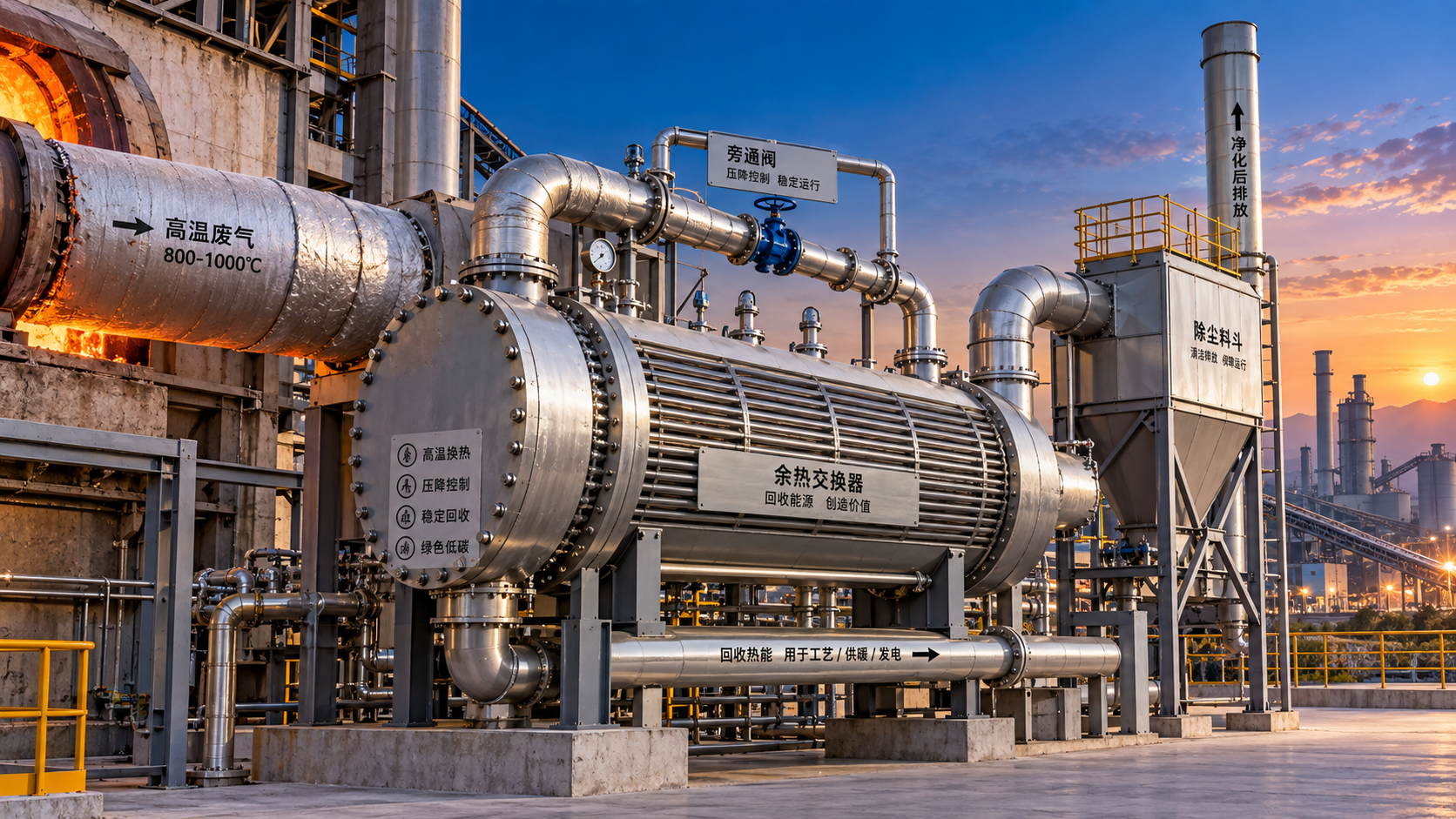
 Thermal Energy ArchitectHow to Size a Waste Heat Recovery Exchanger for High-Temperature Kiln Exhaust?Waste heat recovery exchanger sizing for high-temperature kiln exhaust: balance recoverable duty, fouling, corrosion limits, pressure drop, and reliable heat use.Sep 17, 2026
 Thermal Energy ArchitectWhy Heat-Resistant Materials Lose Abrasion Resistance at High TemperaturesHeat-resistant materials abrasion resistance can decline at high temperatures. Discover the thermal, chemical, and mechanical causes of wear—and how to choose longer-lasting linings.Sep 16, 2026
 Thermal Energy ArchitectHow to Evaluate a Thermal Energy Optimization Company for High-Temperature PlantsChoose a thermal energy optimization company with proven process expertise, measurable savings, and reliable delivery for high-temperature plants. Learn what to assess.Sep 15, 2026
 Thermal Energy ArchitectRotary Kiln Efficiency: How Feed Rate, Fuel Use, and Heat Loss Affect OutputRotary kiln efficiency explained: discover how feed rate, fuel use, heat loss, combustion, and cooling performance shape output, quality, and energy costs.Sep 14, 2026
 Thermal Energy ArchitectHow to Select Heat-Resistant Materials That Maintain Abrasion Resistance in KilnsHeat-resistant materials abrasion resistance: learn how to select kiln linings that withstand heat, wear, thermal cycling, and chemical attack for longer service life.Sep 13, 2026
 Thermal Energy ArchitectHow Rotary Kiln Automation Improves Temperature Control and Fuel EfficiencyRotary kiln technology automation enhances temperature control, stabilizes combustion, and improves fuel efficiency with smarter data, predictive control, and safer operations.Sep 12, 2026
 Silicate Process EngineerCement Plant Emission Control: Selecting Systems for Dust, NOx, and SO2 LimitsCement plant emission control guide: compare dust collectors, NOx reduction, and SO2 systems for reliable compliance across kiln modes, fuel changes, and operating upsets.Sep 11, 2026
 Thermal Energy ArchitectSelecting Abrasion-Resistant High-Temperature Materials for Kiln and Conveyor Wear ZonesHigh-temp material engineering guide to abrasion-resistant kiln and conveyor solutions—match wear, heat, chemistry, and installation design for longer service life.Sep 10, 2026


Related News
- 00
0000-00
How to Specify High-Temperature Process Systems for Continuous Thermal Operations - 00
0000-00
How to Evaluate a Thermal Engineering Contractor for High-Temperature Plant Projects - 00
0000-00
How European Plants Can Evaluate Energy Recovery Equipment for High-Temperature Processes - 00
0000-00
Industrial Furnace Process Optimization: Reducing Fuel Use Without Sacrificing Throughput - 00
0000-00
How to Size a Waste Heat Recovery Exchanger for High-Temperature Kiln Exhaust?
Weekly Insights
Stay ahead with our curated technology reports delivered every Monday.