
High Temperature Solutions for Incineration: How to Match Lining Materials to Waste Types




Why waste type changes the logic of high temperature solutions for incineration
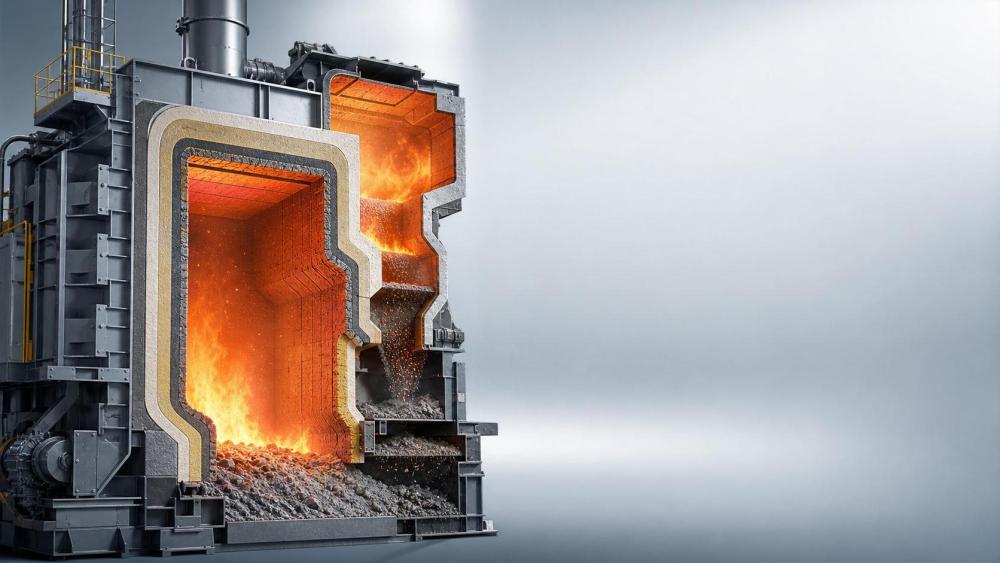
High temperature solutions for incineration start with one practical fact: the flame is not the only problem.
The waste stream decides ash chemistry, gas composition, peak temperature, cycling speed, and mechanical abrasion inside the furnace.
That is why lining selection cannot rely on one refractory grade, even when two incinerators share similar throughput.
In actual operation, failure often begins where chemistry and temperature overlap: slagging zones, burner collars, throat sections, and secondary chambers.
A lining that survives dry mineral waste may crack or flux quickly under chlorides, alkalis, or sticky heavy-metal-rich ash.
For CF-Elite, this is where thermal management becomes a strategic issue rather than a maintenance detail.
Across silicate production, kiln co-processing, and refractory intelligence, the same rule applies: material choice must follow process reality.
The most useful high temperature solutions for incineration therefore combine operating data, waste variability, and lifecycle targets.
When that matching is done well, uptime improves, heat loss drops, and emissions control becomes more stable.
The first judgment is not temperature alone
Many projects begin by asking for a maximum service temperature.
That number matters, but it rarely explains the full lining duty.
A more reliable evaluation looks at five conditions together.
- Thermal profile: steady operation, hot spots, and startup or shutdown frequency.
- Chemical attack: chlorides, sulfates, alkalis, acids, and molten slag behavior.
- Mechanical stress: charging impact, ash movement, and turbulence near burners.
- Atmosphere: oxidizing or reducing phases that change refractory stability.
- Maintenance access: how often repairs can be planned without disrupting plant economics.
This broader view is especially relevant in integrated thermal industries.
CF-Elite tracks how kiln co-processing, waste-to-energy lines, and refractory production all face the same mismatch risk.
The wrong assumption is usually simple: similar temperature means similar material demand.
In practice, high temperature solutions for incineration depend far more on what the heat carries with it.
Municipal solid waste lines usually punish linings through variability
Municipal solid waste rarely gives a stable combustion picture.
Moisture swings, plastics content, alkali salts, and seasonal composition shifts create uneven thermal loading.
The lining challenge is not always extreme temperature.
More often, it is thermal shock plus corrosive deposits in localized zones.
For primary chambers and grate-side walls, abrasion resistance and spalling resistance usually deserve equal attention.
Dense alumina-silicate castables may perform well where ash movement is persistent, provided alkali exposure stays moderate.
Where chlorine and sticky slag become more aggressive, low-cement or ultra-low-cement systems with better matrix control are often preferred.
A common mistake is overbuilding for peak heat while ignoring rapid cycling.
That can leave a hard but brittle lining that looks strong on paper and fails early in service.
Hazardous waste incineration shifts the priority toward chemical survival
Hazardous waste creates a different kind of pressure on refractory systems.
The feed may contain solvents, acids, heavy metals, chlorinated compounds, and reactive residues with unstable calorific value.
Here, high temperature solutions for incineration must handle both thermal severity and corrosive complexity.
Secondary combustion chambers often face sustained high temperature with aggressive gas attack.
High-alumina, silicon carbide-containing, or chemically engineered castables may be more suitable than general-purpose formulations.
The final choice depends on whether slag infiltration, acid vapor, or reducing pockets dominate the damage pattern.
In rotary hazardous waste kilns, ring formation and coating behavior also influence lining life.
A material with strong corrosion resistance may still underperform if thermal conductivity and shell temperature are not managed correctly.
That is one reason digital monitoring and online lining condition tools are gaining value across high-temperature sectors.
Sewage sludge and biomass residues look milder, but ash chemistry says otherwise
These streams are often treated as lower-risk because bulk temperatures can appear moderate.
The overlooked issue is ash composition.
Phosphorus, alkalis, and low-melting eutectics can accelerate slag adhesion and matrix attack.
In fluidized bed or sludge-focused systems, erosion from solids circulation may become as serious as corrosion.
That changes the material balance.
Abrasion-resistant castables, silicon carbide blends, and carefully selected insulation layers can outperform heavier dense systems in some zones.
The better judgment is zone-based, not furnace-wide.
The lower chamber, cyclone entry, and ash discharge areas may each require a different lining logic.
Industrial residues and co-processing lines demand mixed-material thinking
Some of the most demanding applications sit between classic incineration and broader thermal processing.
Industrial residues, spent catalysts, contaminated packaging, and kiln co-processing feeds create hybrid service conditions.
This is familiar territory for CF-Elite because cement kilns, industrial incineration, and refractory lines intersect here.
The waste may introduce alkalis, zinc, sulfur, chlorine, or abrasive mineral fractions into an already complex thermal system.
Under these conditions, high temperature solutions for incineration often need layered thinking.
A working design may combine wear-resistant hot-face materials, backup insulation, anchoring suited for thermal expansion, and repair-friendly geometries.
The key is not selecting the strongest single material.
It is assembling a lining system that can absorb process variation without destabilizing the shell, burner tuning, or emissions profile.
Different waste streams change the matching criteria
The comparison below helps clarify why high temperature solutions for incineration should be judged by exposure pattern, not by furnace label alone.
What gets misjudged before installation
Several costly errors repeat across projects.
- Choosing by datasheet temperature while ignoring ash fusion behavior.
- Using one lining concept across all furnace zones.
- Comparing initial refractory price without estimating shutdown frequency.
- Skipping anchoring review, dry-out discipline, or shell movement assessment.
- Treating current waste composition as stable over the full service cycle.
These mistakes are rarely caused by missing material options.
They usually come from weak translation between process data and lining design.
That translation is exactly where intelligence-led evaluation creates value in high-temperature industries.
A practical way to build better high temperature solutions for incineration
A useful next step is to build the decision around zones, not around a single furnace name.
Start by mapping where peak heat, slag contact, abrasion, and cycling are most severe.
Then compare those zones with actual waste analysis, ash samples, and recent maintenance records.
Where feed composition changes often, keep a margin for chemical uncertainty rather than only thermal margin.
Where carbon reduction targets matter, include insulation performance and shell heat loss in the same review.
This is consistent with the CF-Elite view of thermal management.
Material selection should support durability, process stability, and resource efficiency at the same time.
The strongest high temperature solutions for incineration are usually the ones that connect chemistry, operation, maintenance, and emissions control early.
Before final specification, confirm service zones, waste variability, dry-out requirements, anchor compatibility, replacement intervals, and total lifecycle cost.
That process creates a clearer basis for lining selection and reduces the chance of expensive mismatch later.
Related News
 Ms. Elena RodriguezHow to Structure Global Specification Data for Faster Industrial Product EvaluationGlobal specification-oriented product information helps industrial teams compare capacity, energy, emissions, automation, and lifecycle data on a like-for-like basis for faster, confident equipment decisions.Sep 29, 2026
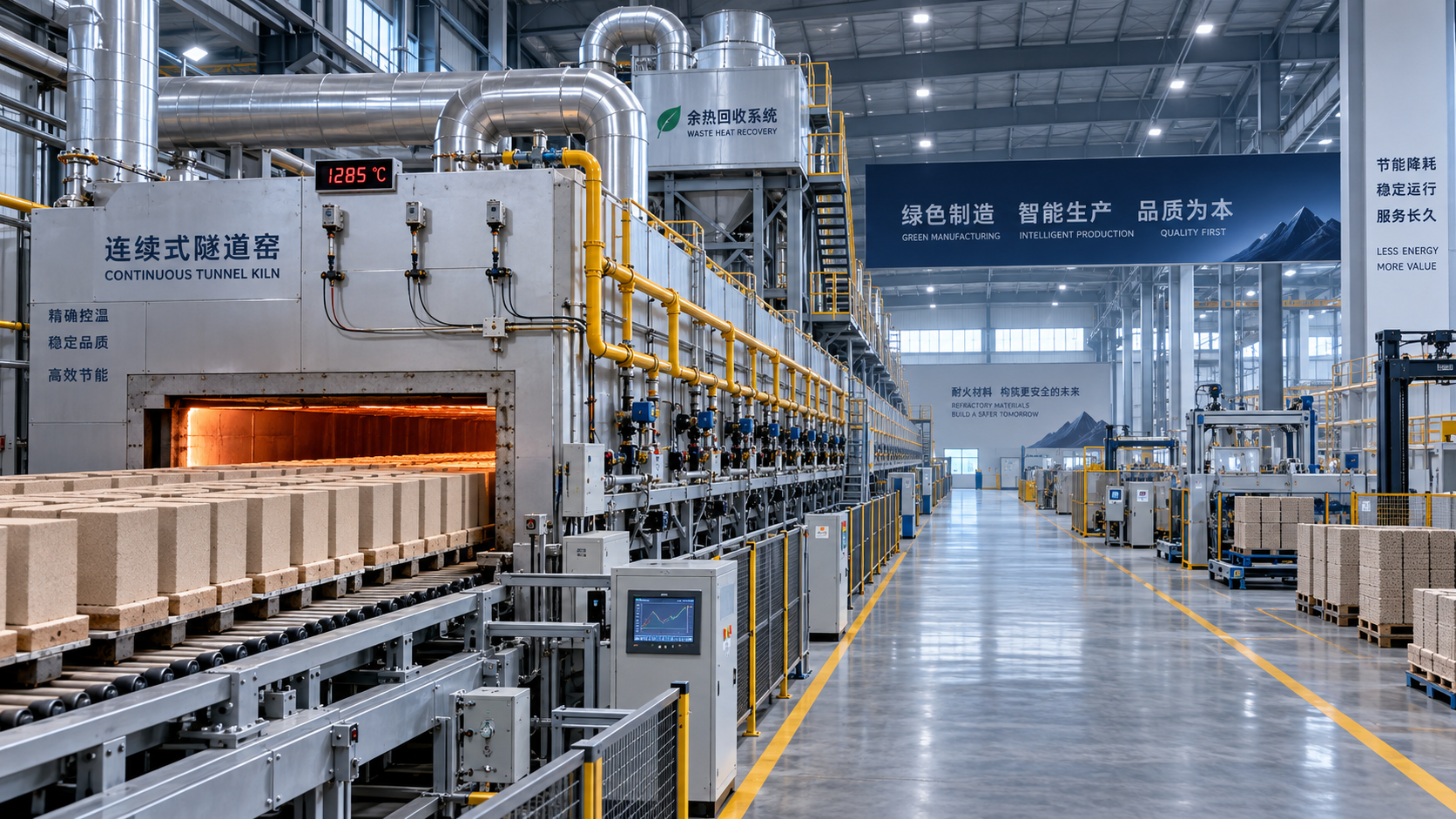
 Thermal Energy ArchitectHow to Specify High-Temperature Process Systems for Continuous Thermal OperationsHigh-temperature process engineering systems: learn how to specify resilient continuous thermal operations for efficiency, compliance, reliable uptime, and long-term performance.Sep 28, 2026
 Thermal Energy ArchitectHow to Evaluate a Thermal Engineering Contractor for High-Temperature Plant ProjectsChoose a thermal engineering contractor with proven process expertise, lifecycle value, emissions control, and delivery discipline for reliable high-temperature plant performance.Sep 27, 2026
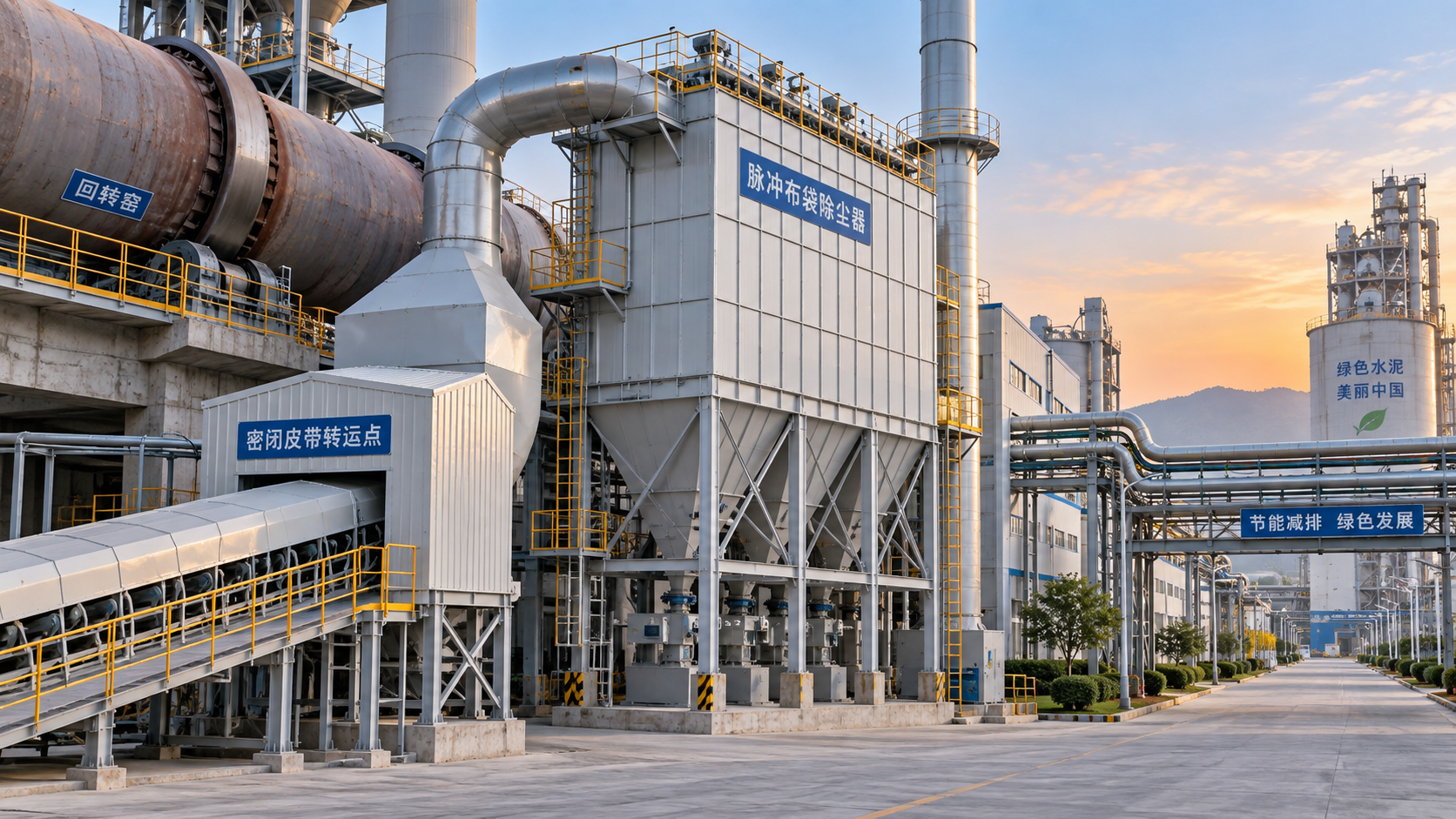
 Silicate Process EngineerHow Latin American Cement Plants Can Reduce Dust Emissions in Kilns and Transfer PointsCement plant dust control Latin America: reduce kiln and transfer-point emissions with practical airflow, filtration, monitoring, and maintenance strategies.Sep 26, 2026
 Material Heat-Resist ExpertHow to Evaluate Refractory Production Lines for Output, Quality, and Energy UseRefractory production lines: learn how to assess qualified output, consistent quality, and total energy use for smarter, lower-risk investment decisions.Sep 25, 2026
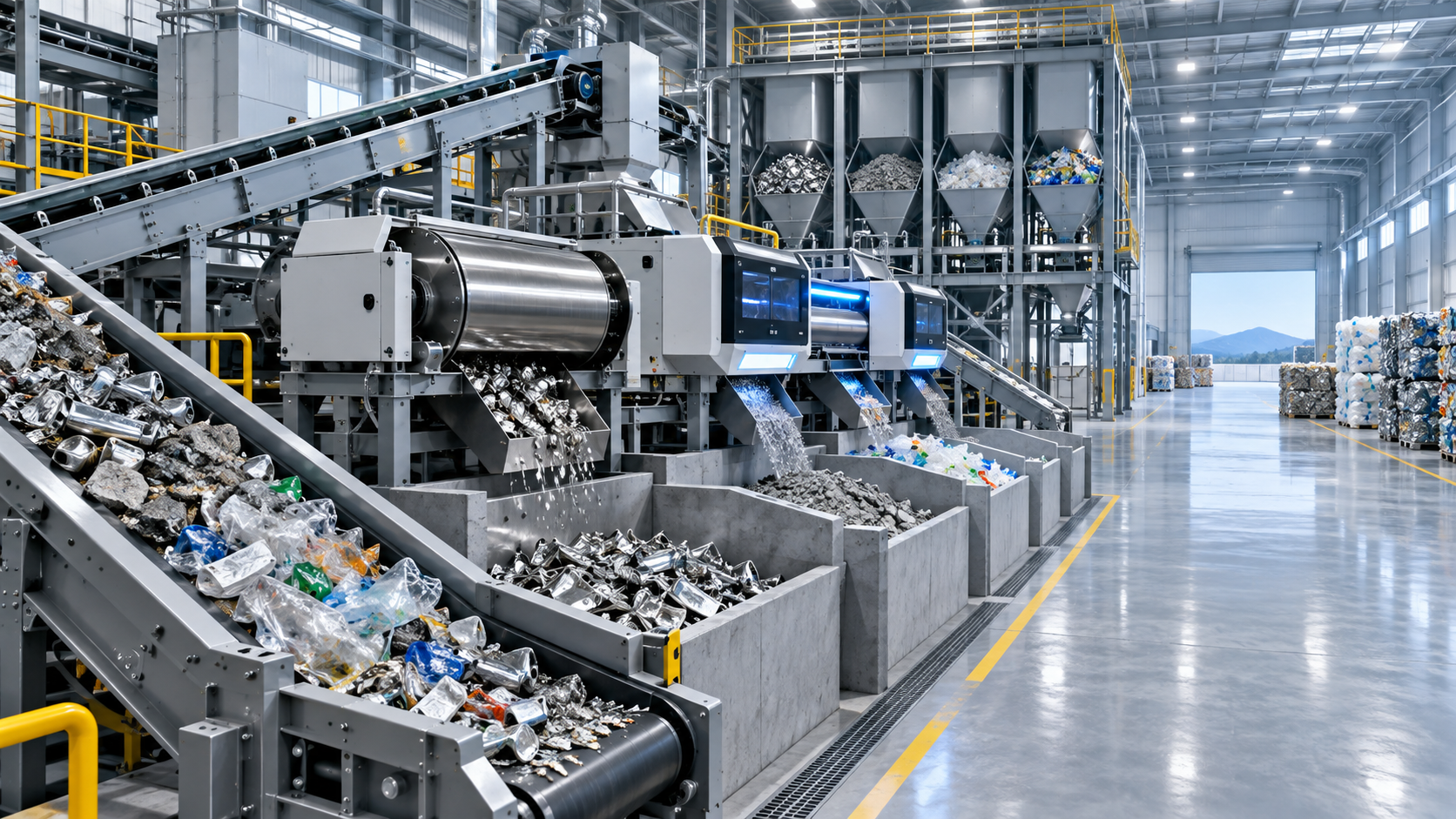
 Dr. Alistair VaughnHow Waste Recycling Technology Improves Material Recovery in Industrial PlantsWaste recycling technology improves material recovery through source segregation, smart separation, thermal treatment, and quality control for industrial plants.Sep 24, 2026
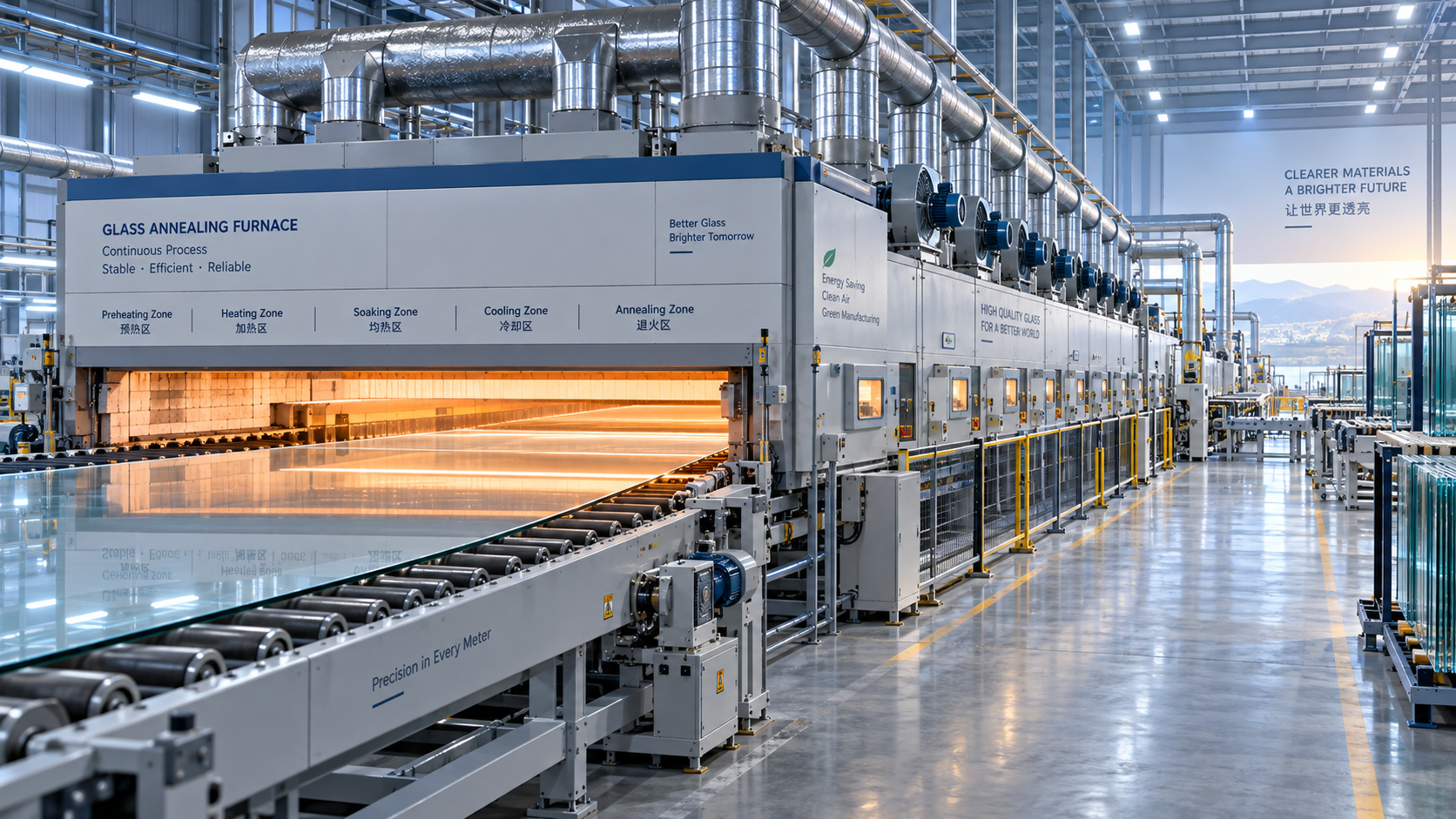
 Optical Glass Tech FellowHow to Specify Glass Annealing Equipment for European Quality and Energy RequirementsGlass annealing equipment Europe: learn how to specify lehrs for consistent glass quality, energy efficiency, compliance, automation, and reliable long-term performance.Sep 23, 2026
 Optical Glass Tech FellowSilicate Process Automation: Improving Batch Consistency and Energy ControlSilicate process automation improves batch consistency, energy control, traceability, and operator confidence across high-temperature manufacturing operations.Sep 22, 2026
 Optical Glass Tech FellowHow Silicate Industrial Processes Control Viscosity, Energy Use, and Product QualitySilicate industrial processes: learn how viscosity, chemistry, heat transfer, and atmosphere control reduce energy use, improve stability, and protect product quality.Sep 21, 2026
 Thermal Energy ArchitectHow European Plants Can Evaluate Energy Recovery Equipment for High-Temperature ProcessesIndustrial energy recovery equipment Europe: learn how high-temperature plants can assess waste-heat sources, integration risks, lifecycle value, and reliable recovery routes.Sep 20, 2026
 Thermal Energy ArchitectIndustrial Furnace Process Optimization: Reducing Fuel Use Without Sacrificing ThroughputIndustrial process optimization furnace strategies that cut fuel use while protecting throughput. Explore combustion control, heat recovery, refractory performance, and data-driven efficiency gains.Sep 19, 2026
 Ms. Elena RodriguezWhat Drives High-Pressure Extrusion Equipment Cost in Industrial Projects?High pressure extrusion equipment cost explained: compare pressure, die design, automation, wear, energy, and installation factors for smarter industrial investments.Sep 18, 2026
 Thermal Energy ArchitectHow to Size a Waste Heat Recovery Exchanger for High-Temperature Kiln Exhaust?Waste heat recovery exchanger sizing for high-temperature kiln exhaust: balance recoverable duty, fouling, corrosion limits, pressure drop, and reliable heat use.Sep 17, 2026
 Thermal Energy ArchitectWhy Heat-Resistant Materials Lose Abrasion Resistance at High TemperaturesHeat-resistant materials abrasion resistance can decline at high temperatures. Discover the thermal, chemical, and mechanical causes of wear—and how to choose longer-lasting linings.Sep 16, 2026
 Thermal Energy ArchitectHow to Evaluate a Thermal Energy Optimization Company for High-Temperature PlantsChoose a thermal energy optimization company with proven process expertise, measurable savings, and reliable delivery for high-temperature plants. Learn what to assess.Sep 15, 2026
 Thermal Energy ArchitectRotary Kiln Efficiency: How Feed Rate, Fuel Use, and Heat Loss Affect OutputRotary kiln efficiency explained: discover how feed rate, fuel use, heat loss, combustion, and cooling performance shape output, quality, and energy costs.Sep 14, 2026
 Thermal Energy ArchitectHow to Select Heat-Resistant Materials That Maintain Abrasion Resistance in KilnsHeat-resistant materials abrasion resistance: learn how to select kiln linings that withstand heat, wear, thermal cycling, and chemical attack for longer service life.Sep 13, 2026
 Thermal Energy ArchitectHow Rotary Kiln Automation Improves Temperature Control and Fuel EfficiencyRotary kiln technology automation enhances temperature control, stabilizes combustion, and improves fuel efficiency with smarter data, predictive control, and safer operations.Sep 12, 2026
 Silicate Process EngineerCement Plant Emission Control: Selecting Systems for Dust, NOx, and SO2 LimitsCement plant emission control guide: compare dust collectors, NOx reduction, and SO2 systems for reliable compliance across kiln modes, fuel changes, and operating upsets.Sep 11, 2026
 Thermal Energy ArchitectSelecting Abrasion-Resistant High-Temperature Materials for Kiln and Conveyor Wear ZonesHigh-temp material engineering guide to abrasion-resistant kiln and conveyor solutions—match wear, heat, chemistry, and installation design for longer service life.Sep 10, 2026


Related News
- 00
0000-00
How to Specify High-Temperature Process Systems for Continuous Thermal Operations - 00
0000-00
How to Evaluate a Thermal Engineering Contractor for High-Temperature Plant Projects - 00
0000-00
How European Plants Can Evaluate Energy Recovery Equipment for High-Temperature Processes - 00
0000-00
Industrial Furnace Process Optimization: Reducing Fuel Use Without Sacrificing Throughput - 00
0000-00
How to Size a Waste Heat Recovery Exchanger for High-Temperature Kiln Exhaust?
Weekly Insights
Stay ahead with our curated technology reports delivered every Monday.