
Industrial Kiln Design Parameters Explained: Temperature Profile, Fuel, and Throughput




Industrial Kiln Design Parameters Explained: Temperature Profile, Fuel, and Throughput
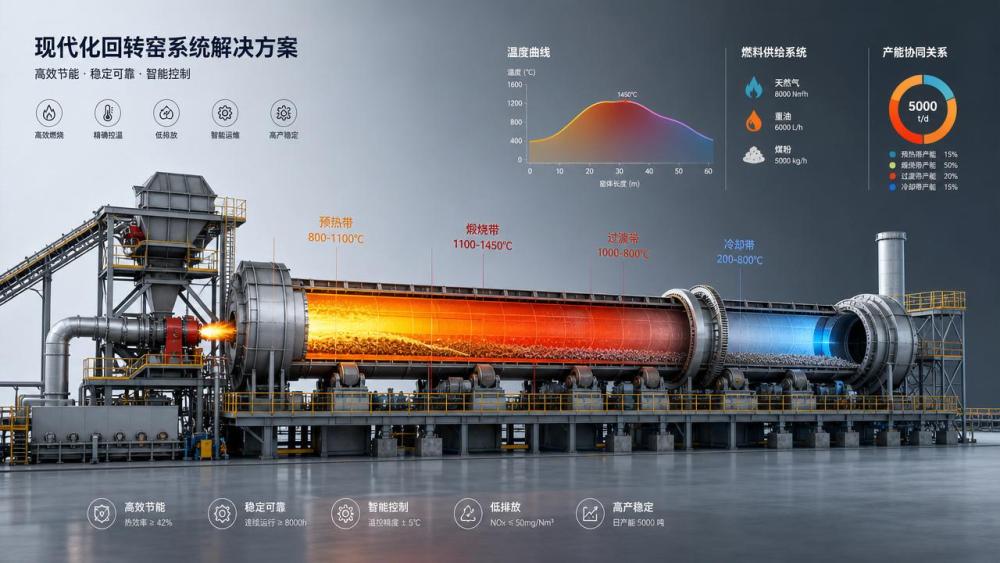
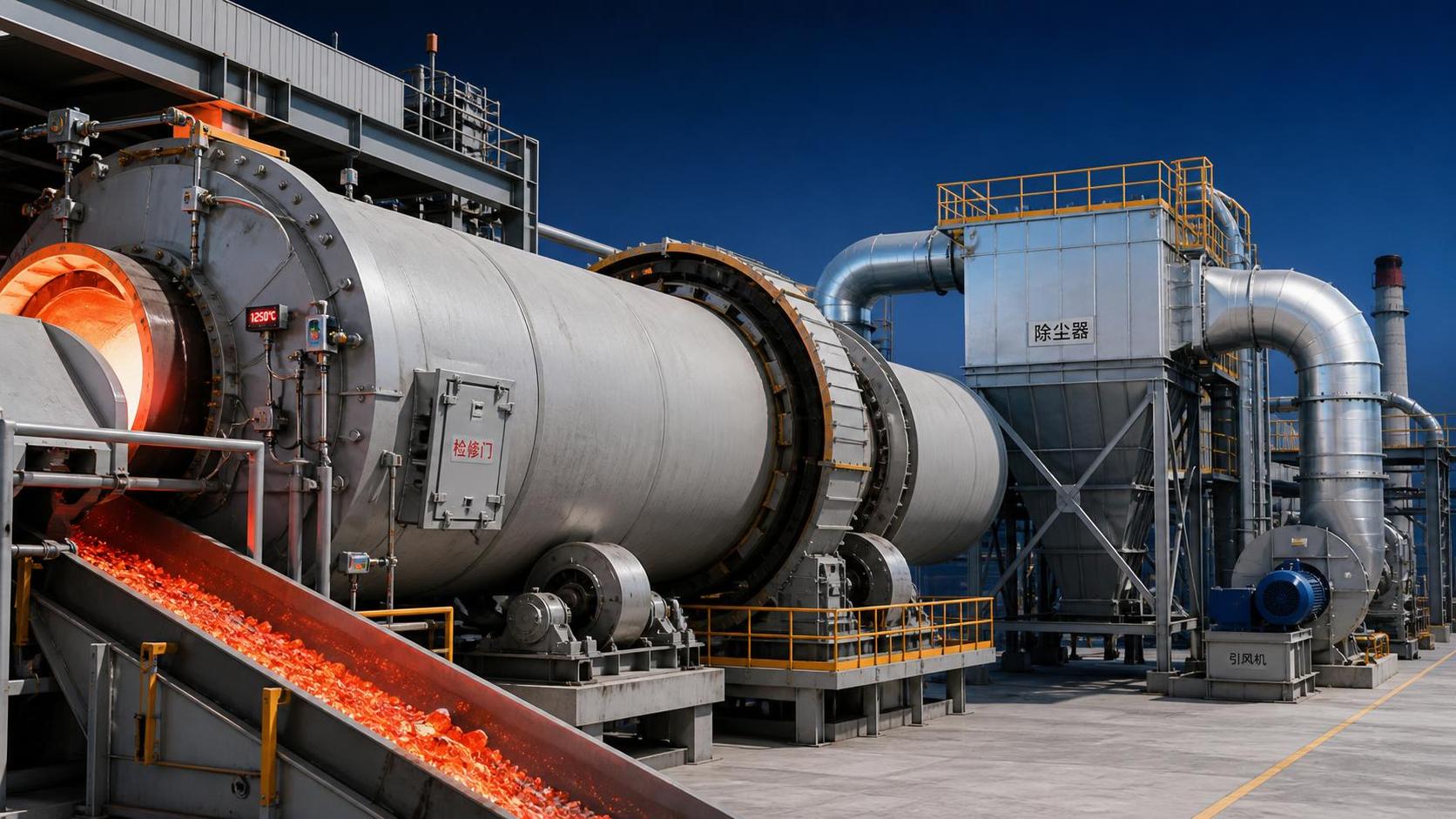
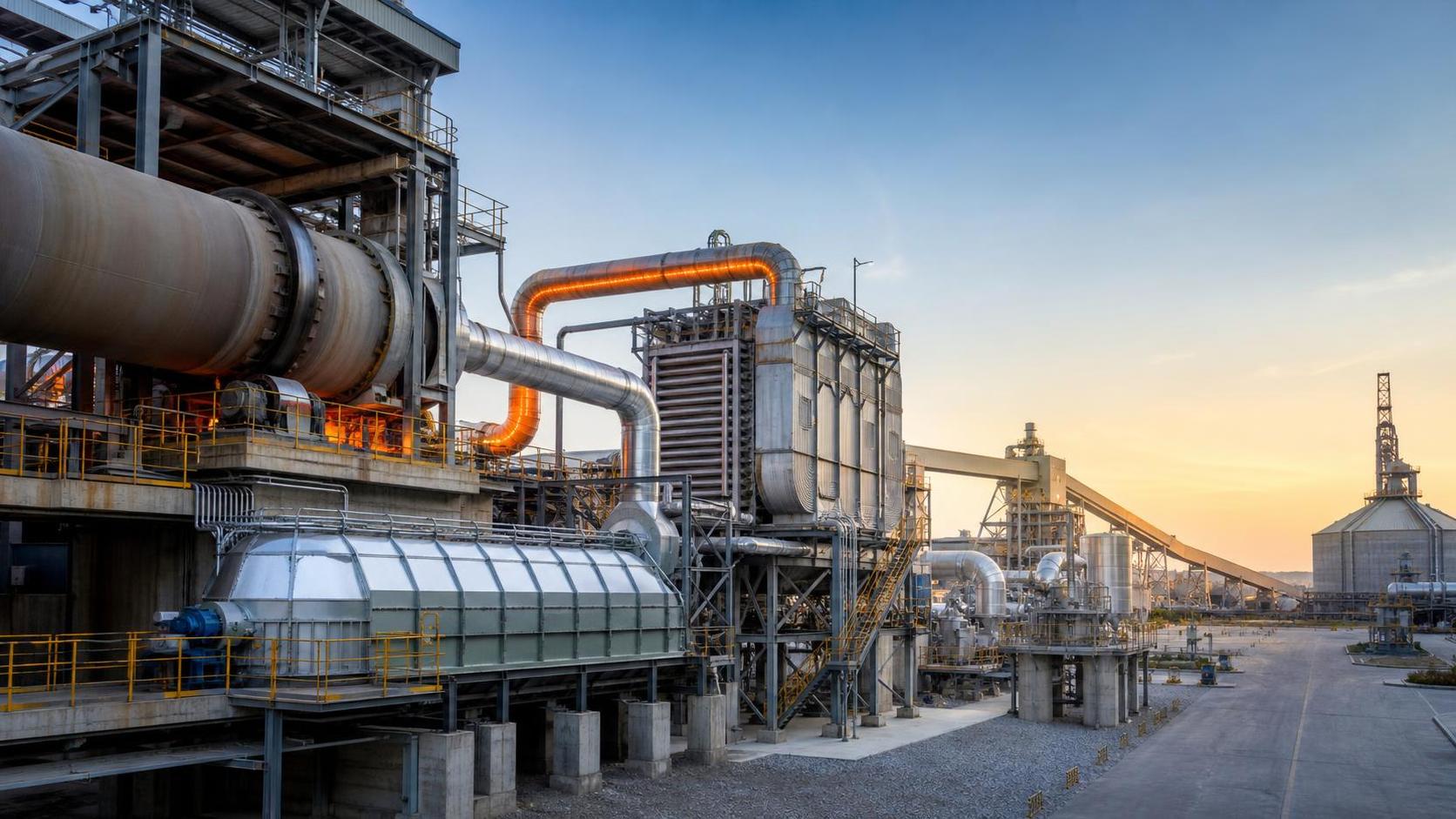
Industrial kiln design decides how heat moves, how fuel is consumed, and how stable output remains over time.
That sounds technical, but the business impact is very direct.
A poor design raises fuel cost, shortens refractory life, and creates unstable product quality.
A strong design supports predictable throughput, easier maintenance, and lower emissions risk.
For heavy industrial projects, industrial kiln design is not only an equipment issue.
It is a system decision linking thermal physics, raw material behavior, fuel strategy, and plant economics.
This matters across cement plants, glass processing, refractory production, waste co-processing, and specialty material lines.
From the market side, tighter carbon targets are making industrial kiln design even more strategic.
Operators now need kilns that balance heat intensity with energy efficiency and compliance resilience.
That is where disciplined parameter selection becomes a real advantage rather than a paperwork exercise.
Why Temperature Profile Sits at the Core of Industrial Kiln Design
The temperature profile is the backbone of industrial kiln design.
It defines how material heats up, reacts, sinters, cools, and exits the process.
Many failures begin here, even when mechanical components appear correctly sized.
A kiln may reach peak temperature, yet still perform poorly if the heat curve is uneven.
In practical terms, the profile includes preheating, reaction zones, soaking time, and cooling behavior.
Each zone must match the chemistry and physical transformation of the processed material.
If the heating rate is too fast, cracking, dusting, ring formation, or incomplete conversion may follow.
If it is too slow, energy intensity rises and throughput drops.
This is why industrial kiln design should start with reaction kinetics, not only shell dimensions.
Key temperature profile checks
- Peak temperature versus required material transformation temperature.
- Residence time inside critical reaction and sintering zones.
- Axial and radial temperature uniformity across the kiln section.
- Cooling rate needed to protect phase stability and downstream handling.
- Thermal shock risk for refractory and metallic components.
Recent operating trends show a stronger push toward tighter temperature control windows.
That also means better sensors, improved combustion tuning, and more digital monitoring during commissioning.
Fuel Selection Changes the Entire Industrial Kiln Design Logic
Fuel is never just a utility line item.
In industrial kiln design, fuel choice changes flame shape, heat transfer mode, emissions profile, and control complexity.
Natural gas, coal, petcoke, heavy oil, biomass, RDF, and mixed alternative fuels all behave differently.
Each option affects burner configuration, air supply, ash management, and refractory loading.
For example, gaseous fuels often support cleaner control and faster response.
Solid fuels can lower direct fuel cost, yet they may introduce variability in flame stability and residue behavior.
Alternative fuels can improve carbon strategy, but only if the kiln can absorb feed inconsistency without product loss.
This is where many retrofit projects underestimate the real scope of industrial kiln design changes.
Fuel selection questions worth asking early
- What is the target heat value and how stable is supply quality?
- Will ash, chlorine, sulfur, or alkali compounds affect buildup or emissions?
- Can the burner and airflow system handle variable combustion behavior?
- What pre-processing is needed for storage, dosing, and safety?
- How will fuel choice influence permit compliance and carbon reporting?
In real projects, fuel flexibility is becoming a stronger design requirement.
However, flexibility without controls can create instability.
A better approach is to define an approved fuel envelope during front-end engineering, then size the kiln around it.
Throughput Targets Must Match Real Process Capacity
Throughput is often the most visible number in industrial kiln design.
It is also one of the most misunderstood.
A nameplate capacity means little if the kiln cannot sustain quality at that level.
True throughput depends on material properties, moisture content, particle size, reaction time, and heat availability.
It also depends on upstream and downstream coordination.
If feed preparation is unstable, kiln performance will never look consistent.
If cooling, conveying, or dust collection is undersized, the bottleneck simply moves downstream.
So, the best industrial kiln design treats throughput as a system value, not a shell-only calculation.
Common throughput risks
- Oversized feed claims with no verified thermal balance.
- Ignoring seasonal moisture swings in raw materials or waste streams.
- Underestimating maintenance downtime in annual output forecasts.
- Using peak throughput as the base case for financial modeling.
A more realistic model uses rated throughput, stable throughput, and stretch throughput as separate planning numbers.
That small change improves procurement, staffing, and power infrastructure planning right away.
How the Main Parameters Interact in Practice
The real challenge in industrial kiln design is interaction.
Temperature profile, fuel, and throughput cannot be optimized one by one.
They push against each other in daily operation.
A higher throughput target usually demands more heat input or longer effective residence time.
A new low-carbon fuel may reduce flame temperature or change combustion stability.
That can force adjustments to burner settings, kiln speed, feed rate, or insulation design.
This is why simulation and pilot validation are becoming more valuable in industrial kiln design.
They reveal interaction effects before capital is locked in.
When these relationships are discussed early, industrial kiln design becomes more bankable and far easier to commission.
A Practical Review Framework for Better Design Decisions
A practical review process keeps industrial kiln design grounded in measurable decisions.
This matters even more when suppliers offer different technical routes.
The smartest comparisons do not focus only on purchase price.
They compare thermal guarantees, fuel assumptions, maintenance windows, and ramp-up risk.
Suggested review checklist
- Confirm the design basis for feed chemistry, moisture, and particle distribution.
- Request a full heat and mass balance under normal and off-design conditions.
- Review burner turndown range and fuel-switching limitations.
- Check refractory specification against expected thermal cycling.
- Validate instrumentation points for temperature, draft, oxygen, and shell monitoring.
- Separate guaranteed throughput from best-case promotional figures.
- Model how emissions controls respond to fuel and load variation.
This kind of disciplined review reflects the broader direction of advanced thermal industries.
Groups like CF-Elite track these signals because thermal equipment choices now shape competitiveness for years.
Better industrial kiln design supports efficiency, resource circularity, and stronger adaptation to carbon-focused regulation.
Final Takeaway
Industrial kiln design works best when temperature profile, fuel strategy, and throughput planning are treated as one decision set.
That is the difference between a kiln that merely runs and a kiln that performs reliably.
The strongest projects define thermal targets clearly, test fuel assumptions early, and model realistic production capacity.
They also build enough operating margin to manage feed variation, maintenance, and future compliance needs.
In day-to-day business, that translates into fewer surprises and better long-term returns.
If the next equipment review or expansion plan is approaching, start with these core industrial kiln design parameters and challenge every assumption behind them.
Related News
 Thermal Energy ArchitectHow to Evaluate a Thermal Energy Optimization Company for High-Temperature PlantsChoose a thermal energy optimization company with proven process expertise, measurable savings, and reliable delivery for high-temperature plants. Learn what to assess.Sep 15, 2026
 Thermal Energy ArchitectRotary Kiln Efficiency: How Feed Rate, Fuel Use, and Heat Loss Affect OutputRotary kiln efficiency explained: discover how feed rate, fuel use, heat loss, combustion, and cooling performance shape output, quality, and energy costs.Sep 14, 2026
 Thermal Energy ArchitectHow to Select Heat-Resistant Materials That Maintain Abrasion Resistance in KilnsHeat-resistant materials abrasion resistance: learn how to select kiln linings that withstand heat, wear, thermal cycling, and chemical attack for longer service life.Sep 13, 2026
 Thermal Energy ArchitectHow Rotary Kiln Automation Improves Temperature Control and Fuel EfficiencyRotary kiln technology automation enhances temperature control, stabilizes combustion, and improves fuel efficiency with smarter data, predictive control, and safer operations.Sep 12, 2026
 Silicate Process EngineerCement Plant Emission Control: Selecting Systems for Dust, NOx, and SO2 LimitsCement plant emission control guide: compare dust collectors, NOx reduction, and SO2 systems for reliable compliance across kiln modes, fuel changes, and operating upsets.Sep 11, 2026
 Thermal Energy ArchitectSelecting Abrasion-Resistant High-Temperature Materials for Kiln and Conveyor Wear ZonesHigh-temp material engineering guide to abrasion-resistant kiln and conveyor solutions—match wear, heat, chemistry, and installation design for longer service life.Sep 10, 2026
 Dr. Alistair VaughnIndustrial Process Engineering: How to Map Processes for Safer, More Efficient PlantsIndustrial process engineering reveals bottlenecks, safety risks, and energy losses through practical process mapping for safer, more efficient plants.Sep 09, 2026
 Optical Glass Tech FellowHow to Evaluate a Glass Annealing Equipment Manufacturer for Production StabilityChoose a glass annealing equipment manufacturer with proven thermal uniformity, reliable controls, lifecycle value, and responsive service for stable production.Sep 08, 2026
 Prof. Marcus ChenThermal Energy Architecture in North America: Strategies for Lower Building Energy UseThermal energy architecture North America helps project leaders cut building energy use through stronger envelopes, right-sized HVAC, storage, and smart commissioning.Sep 07, 2026
 Ms. Elena RodriguezHow Should Buyers Evaluate Building Material Industry Intelligence Pricing?Building material industry intelligence pricing: learn how to compare coverage, technical depth, and ROI to choose intelligence that reduces procurement risk.Sep 07, 2026
 Ms. Elena RodriguezHow to Use Building Material Intelligence Data for Market and Investment DecisionsBuilding material industry intelligence data helps leaders evaluate demand, costs, regulation, capacity, and technology to make smarter market and investment decisions.Sep 05, 2026
 Thermal Energy ArchitectHow PLC Control Improves Energy Efficiency and Temperature Stability in KilnsEnergy efficient kilns PLC control improves temperature stability, cuts fuel waste, and optimizes combustion, draft, and material flow. Explore proven strategies for smarter kiln modernization.Sep 04, 2026
 Optical Glass Tech FellowEuropean Glass Melting Processes: Furnace Choices, Energy Use, and Quality ControlGlass melting process Europe: explore furnace choices, energy efficiency, cullet strategy, and quality control to improve output, compliance, and long-term glass performance.Sep 03, 2026
 Thermal Energy ArchitectWhat Determines Refractory Lining Monitoring Price for Industrial Kilns?Refractory lining monitoring price depends on kiln size, sensor technology, installation, software, and support. Compare total lifecycle costs and choose the right solution.Sep 02, 2026
 Silicate Process EngineerCement Production System Costs: A Plant Buyer’s Guide to Budgeting and ROICement production systems cost planning made clear: compare CAPEX, operating costs, compliance, and ROI to build a resilient, profitable cement plant investment.Sep 01, 2026
 Dr. Alistair VaughnWhat Should a Process Technology Database Track for High-Temperature Plants?Process technology database essentials for high-temperature plants: track thermal profiles, feed chemistry, refractory wear, emissions, energy, and maintenance for safer, data-driven decisions.Aug 31, 2026
 Ms. Elena RodriguezHow to Evaluate a Silicate Processing Equipment Manufacturer for Plant ProjectsSilicate processing equipment manufacturer selection: assess process fit, guarantees, energy, compliance, delivery risk, and lifecycle support for dependable plant performance.Aug 30, 2026
 Dr. Alistair VaughnHow to Specify Custom Agricultural Processing Equipment for Throughput and HygieneEquipment customization services for agricultural processing: learn to specify hygienic, high-throughput lines that improve yield, reliability, and long-term efficiency.Aug 29, 2026
 Dr. Alistair VaughnHow to Select Process Plant Equipment for High-Temperature, Abrasive Production LinesProcess plant equipment selection for high-temperature, abrasive lines: reduce downtime, improve durability, and optimize lifecycle performance.Aug 28, 2026
 Silicate Process EngineerHow Kiln Heat Recovery Systems Cut Fuel Use in Cement and Lime ProductionKiln heat recovery helps cement and lime plants cut fuel use, improve thermal stability, and build practical, reliable decarbonization strategies.Aug 27, 2026



Related News
- 00
0000-00
How to Evaluate a Thermal Energy Optimization Company for High-Temperature Plants - 00
0000-00
Rotary Kiln Efficiency: How Feed Rate, Fuel Use, and Heat Loss Affect Output - 00
0000-00
How to Select Heat-Resistant Materials That Maintain Abrasion Resistance in Kilns - 00
0000-00
How Rotary Kiln Automation Improves Temperature Control and Fuel Efficiency - 00
0000-00
Selecting Abrasion-Resistant High-Temperature Materials for Kiln and Conveyor Wear Zones
Weekly Insights
Stay ahead with our curated technology reports delivered every Monday.