
What is changing in global material supply chain risk?




As procurement teams navigate tighter regulations, decarbonization pressure, and ongoing geopolitical uncertainty, global material supply chain risk is being reshaped in ways that directly affect cost, continuity, and supplier strategy.
From energy-intensive silicate production to specialized thermal equipment, understanding these shifts is essential for smarter sourcing and stronger industrial partnerships.
Understanding the new shape of global material supply chain risk
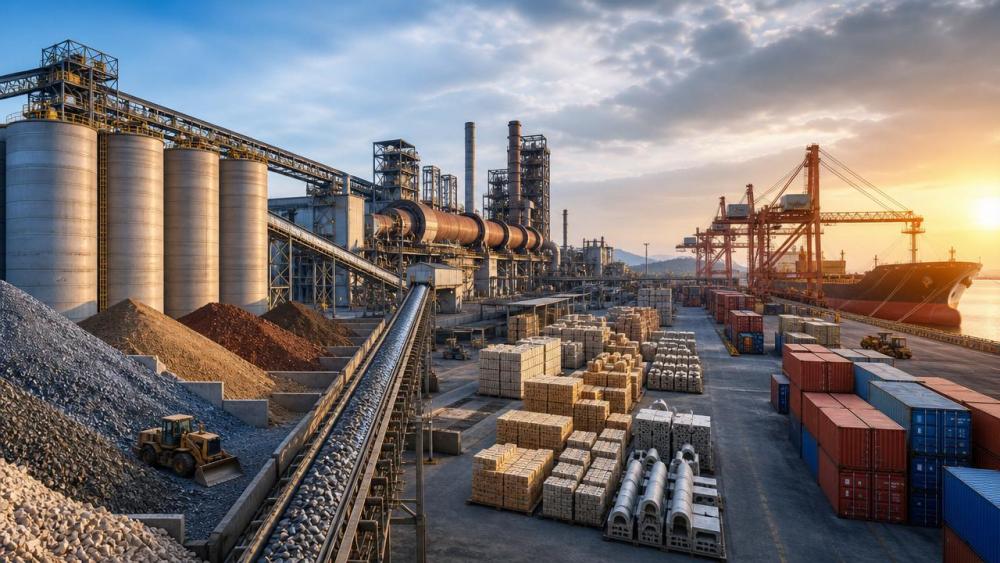
Global material supply chain risk no longer comes from one source alone. It now results from overlapping pressures across energy, policy, logistics, finance, and technology.
In heavy industry, raw materials, refractory inputs, kiln components, and thermal systems are especially exposed because production is capital intensive and highly energy dependent.
The global material supply chain is also changing because visibility expectations are rising. Buyers increasingly need traceability, emissions data, and clearer origin documentation.
This means risk is no longer measured only by delivery delay. It also includes carbon cost exposure, compliance gaps, quality inconsistency, and concentration in strategic regions.
Core definition in today’s market
Global material supply chain risk refers to the probability that sourcing, transport, processing, or compliance issues disrupt material availability, economics, or performance.
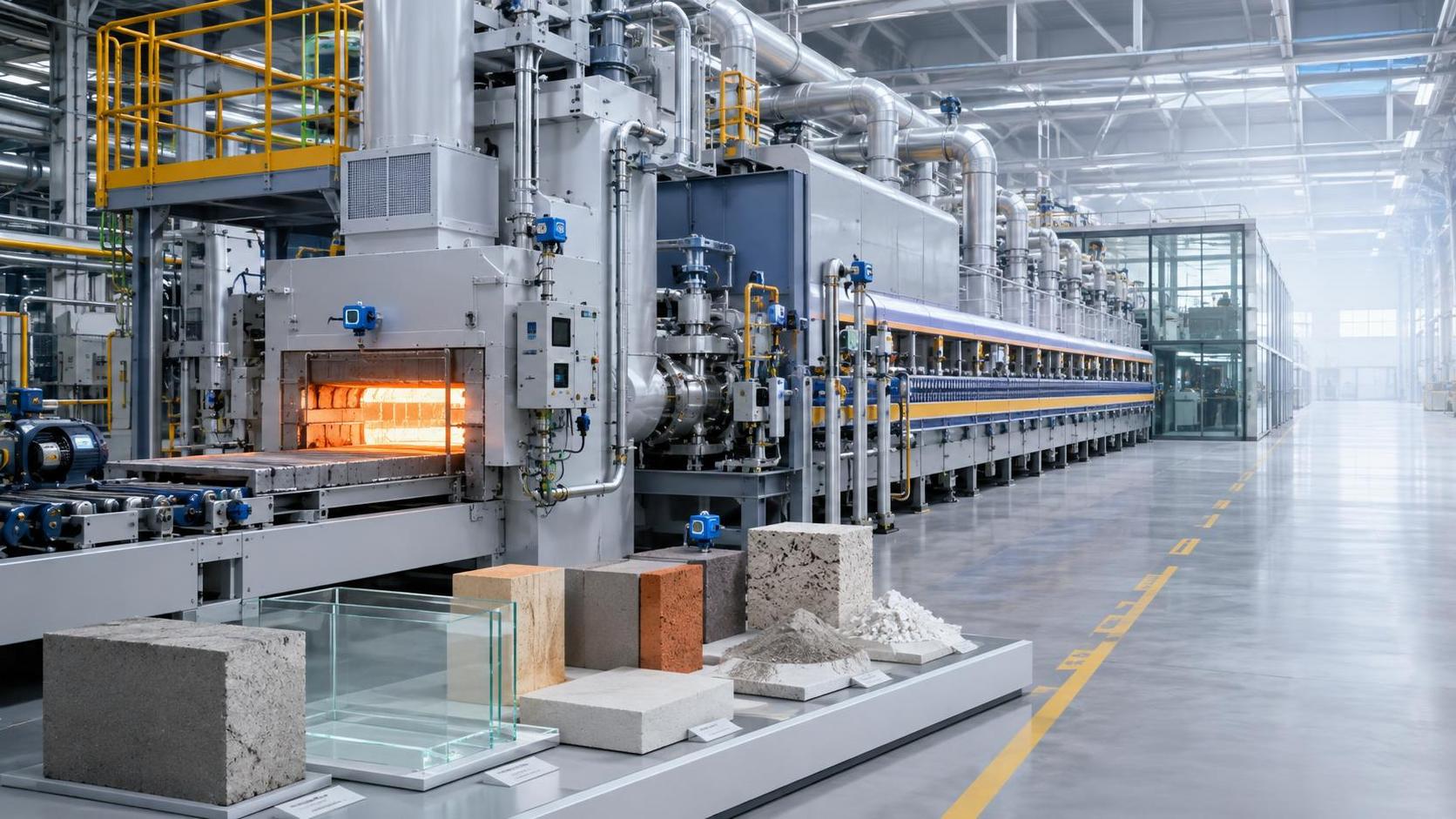
For silicates, glass, cement, refractory products, and industrial thermal equipment, this risk often appears earlier than in lighter manufacturing sectors.
Why the global material supply chain is changing now
Several structural shifts are redefining supply stability. These are not short-term shocks. They are long-cycle changes affecting how industrial supply networks are designed.
- Energy volatility is raising production cost uncertainty for clinker, glass melt, ceramics, and thermal processing equipment.
- Carbon regulation is changing supplier competitiveness, especially where electricity, fuel mix, and emissions reporting differ by region.
- Geopolitical fragmentation is increasing sanctions risk, export control exposure, and customs unpredictability.
- Shipping disruption remains important, but inland logistics and port handling reliability now matter just as much.
- Critical spare parts and engineered components are harder to replace because qualification cycles are long.
These trends are especially relevant to the global material supply chain because many industrial materials depend on uninterrupted heat, stable formulations, and precise process timing.
Key signals shaping current decisions
Industry impact across foundation materials and thermal systems
The global material supply chain affects sectors differently, but common exposure points appear in fuel use, maintenance cycles, and process-critical inputs.
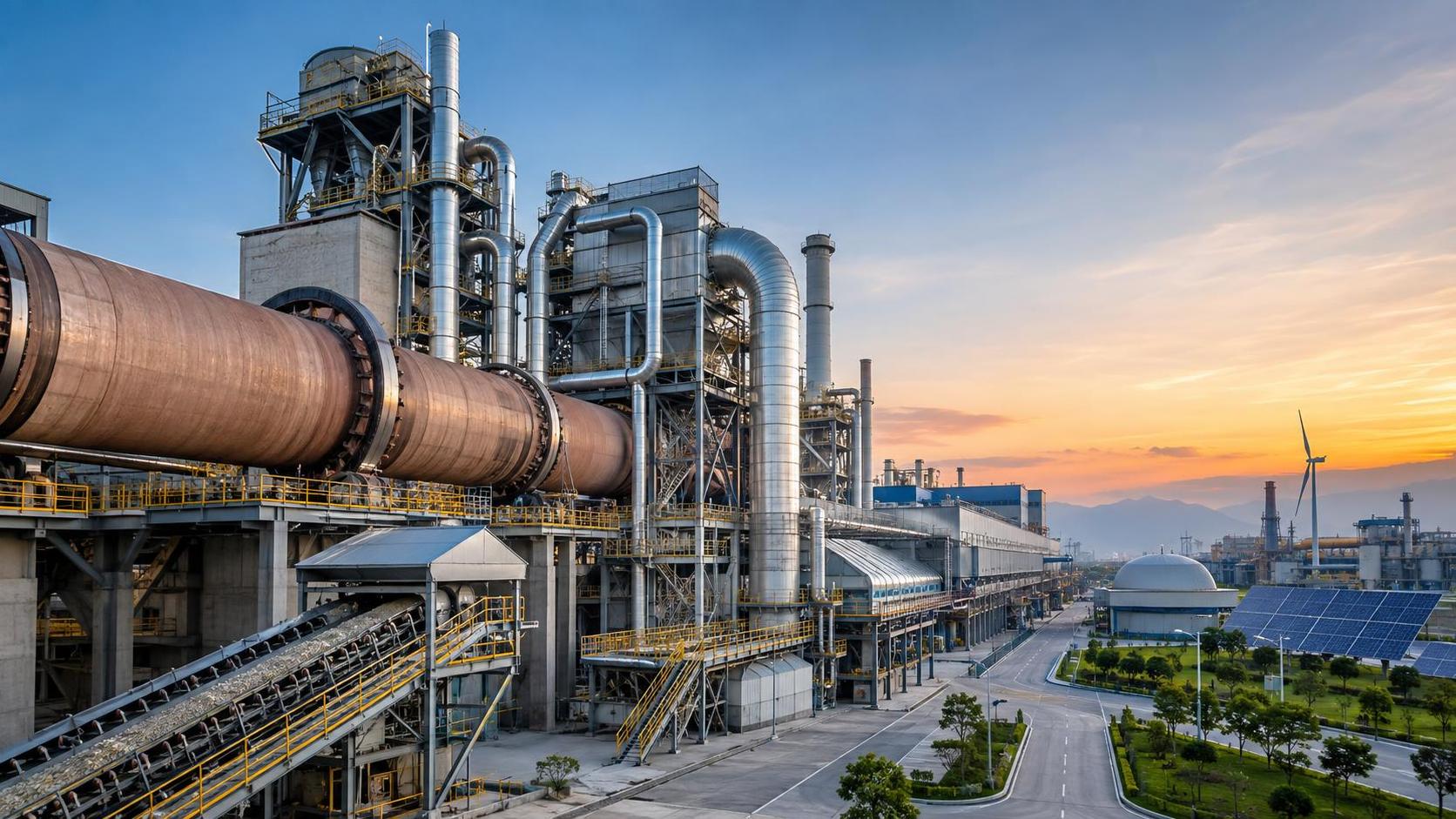
In cement plants, fuel switching and emissions control requirements are changing how clinker lines evaluate both raw feed and combustion support systems.
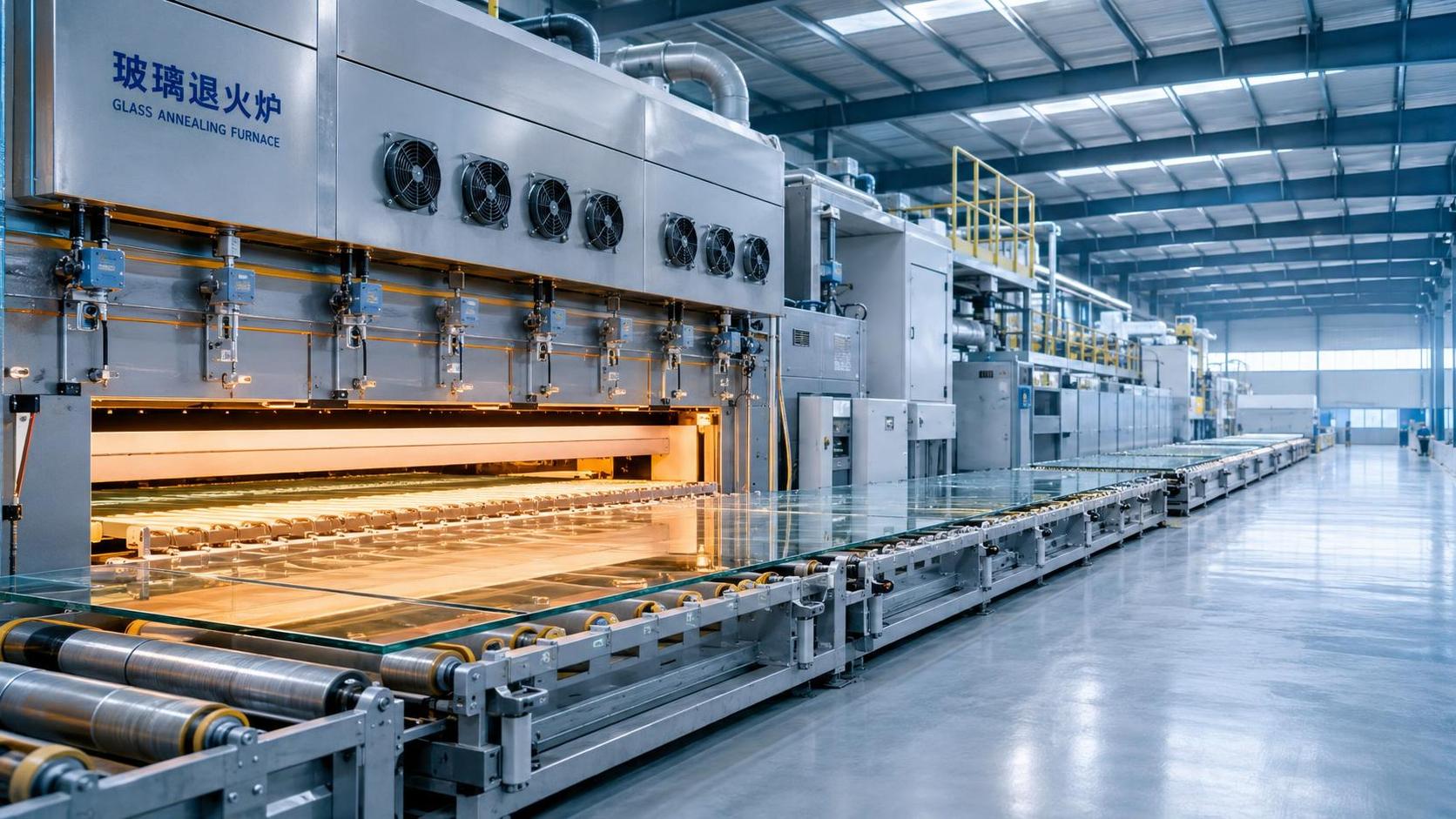
In glass manufacturing, furnace uptime depends on consistent batch materials, stable refractories, and accurate thermal control components.
In industrial kilns and incineration, co-processing rules and waste feed variability create new risk around corrosion, thermal stress, and maintenance intervals.
In refractory production, mineral origin, calcination energy, and transport conditions directly influence final product stability and service life.
In extrusion-based building materials, die precision, binder quality, and moisture control can become weak points when supplier networks are unstable.
Representative risk categories
- Raw material concentration risk in limited mining or processing regions.
- Thermal equipment dependency risk for burners, sensors, insulation, and control modules.
- Environmental compliance risk linked to embedded emissions and waste handling standards.
- Technical substitution risk when alternate materials fail qualification or shorten asset life.
Business value of better global material supply chain visibility
A clearer view of the global material supply chain improves more than resilience. It supports pricing discipline, asset reliability, and better cross-border planning.
When material intelligence is stronger, teams can compare suppliers on more than unit price. They can assess energy exposure, lead-time credibility, and quality consistency.
This is where technical intelligence platforms become useful. They connect market movement with process impact instead of treating procurement and operations separately.
For high-temperature sectors, better visibility can reduce emergency stoppages, improve spare part timing, and support long-cycle investment decisions.
Practical value areas
- Earlier detection of supplier stress before disruption reaches production lines.
- More accurate total cost analysis including energy and compliance variables.
- Stronger qualification planning for alternate sources and engineered components.
- Better alignment between maintenance strategy and material availability.
Typical supply chain scenarios and risk profiles
Not all parts of the global material supply chain carry the same risk pattern. Industrial decision quality improves when exposure is grouped by scenario.
Practical recommendations for managing global material supply chain risk
A resilient global material supply chain needs technical and commercial coordination. General diversification alone is often too shallow for heavy industrial systems.
- Map critical materials by process sensitivity, not just annual spend.
- Track supplier energy mix, emissions data, and regulatory exposure.
- Separate strategic spares from ordinary consumables in planning models.
- Build qualification pathways for second sources before disruption occurs.
- Use digital monitoring to connect market risk with asset condition data.
- Review contracts for force majeure, price adjustment, and data disclosure clauses.
Common mistakes to avoid
One common mistake is treating all substitutions as equal. In kilns, float lines, and refractory systems, minor chemistry differences can create major lifecycle costs.
Another mistake is focusing only on ocean freight. Many global material supply chain disruptions begin with upstream energy shortages or delayed technical certification.
A third mistake is underestimating regulatory lag. A compliant supplier today may face sudden cost changes under new carbon or waste rules.
Next-step outlook for industrial decision making
The future of the global material supply chain will be shaped by traceability, regionalization, decarbonization, and technical interoperability.
For foundation materials and thermal management industries, the most useful response is disciplined intelligence, linked directly to process reality and asset reliability.
CF-Elite supports this approach by following market shifts in cement, glass, kilns, refractories, and extrusion systems through technical, regulatory, and commercial analysis.
Use that intelligence to review vulnerable materials, verify alternate sources, and align sourcing decisions with long-term energy and carbon strategy.
When the global material supply chain changes, the best advantage comes from acting before disruption becomes visible in production.
Related News
 Optical Glass Tech FellowHow to Evaluate a Glass Annealing Equipment Manufacturer for Production StabilityChoose a glass annealing equipment manufacturer with proven thermal uniformity, reliable controls, lifecycle value, and responsive service for stable production.Sep 08, 2026
 Prof. Marcus ChenThermal Energy Architecture in North America: Strategies for Lower Building Energy UseThermal energy architecture North America helps project leaders cut building energy use through stronger envelopes, right-sized HVAC, storage, and smart commissioning.Sep 07, 2026
 Ms. Elena RodriguezHow Should Buyers Evaluate Building Material Industry Intelligence Pricing?Building material industry intelligence pricing: learn how to compare coverage, technical depth, and ROI to choose intelligence that reduces procurement risk.Sep 07, 2026
 Ms. Elena RodriguezHow to Use Building Material Intelligence Data for Market and Investment DecisionsBuilding material industry intelligence data helps leaders evaluate demand, costs, regulation, capacity, and technology to make smarter market and investment decisions.Sep 05, 2026
 Thermal Energy ArchitectHow PLC Control Improves Energy Efficiency and Temperature Stability in KilnsEnergy efficient kilns PLC control improves temperature stability, cuts fuel waste, and optimizes combustion, draft, and material flow. Explore proven strategies for smarter kiln modernization.Sep 04, 2026
 Optical Glass Tech FellowEuropean Glass Melting Processes: Furnace Choices, Energy Use, and Quality ControlGlass melting process Europe: explore furnace choices, energy efficiency, cullet strategy, and quality control to improve output, compliance, and long-term glass performance.Sep 03, 2026
 Thermal Energy ArchitectWhat Determines Refractory Lining Monitoring Price for Industrial Kilns?Refractory lining monitoring price depends on kiln size, sensor technology, installation, software, and support. Compare total lifecycle costs and choose the right solution.Sep 02, 2026
 Silicate Process EngineerCement Production System Costs: A Plant Buyer’s Guide to Budgeting and ROICement production systems cost planning made clear: compare CAPEX, operating costs, compliance, and ROI to build a resilient, profitable cement plant investment.Sep 01, 2026
 Dr. Alistair VaughnWhat Should a Process Technology Database Track for High-Temperature Plants?Process technology database essentials for high-temperature plants: track thermal profiles, feed chemistry, refractory wear, emissions, energy, and maintenance for safer, data-driven decisions.Aug 31, 2026
 Ms. Elena RodriguezHow to Evaluate a Silicate Processing Equipment Manufacturer for Plant ProjectsSilicate processing equipment manufacturer selection: assess process fit, guarantees, energy, compliance, delivery risk, and lifecycle support for dependable plant performance.Aug 30, 2026
 Dr. Alistair VaughnHow to Specify Custom Agricultural Processing Equipment for Throughput and HygieneEquipment customization services for agricultural processing: learn to specify hygienic, high-throughput lines that improve yield, reliability, and long-term efficiency.Aug 29, 2026
 Dr. Alistair VaughnHow to Select Process Plant Equipment for High-Temperature, Abrasive Production LinesProcess plant equipment selection for high-temperature, abrasive lines: reduce downtime, improve durability, and optimize lifecycle performance.Aug 28, 2026
 Silicate Process EngineerHow Kiln Heat Recovery Systems Cut Fuel Use in Cement and Lime ProductionKiln heat recovery helps cement and lime plants cut fuel use, improve thermal stability, and build practical, reliable decarbonization strategies.Aug 27, 2026
 Ms. Elena RodriguezProcess Equipment Comparison: Which Metrics Matter Most for Reliable Selection?Process equipment comparison made practical: discover which metrics truly drive reliable selection, from energy efficiency and control stability to wear life, maintainability, and uptime.Aug 26, 2026
 Ms. Elena RodriguezWhat Buyers Should Check Before Sourcing Precision Alloy Bars for Critical PartsPrecision Alloy Bars buyers should verify grade, chemistry, tolerances, surface quality, traceability, and lead time before sourcing for critical parts. Learn what prevents costly machining and reliability risks.Aug 27, 2026
 Ms. Elena RodriguezHow to Evaluate Thermal Management Solutions Insulation for High-Heat Industrial SystemsThermal management solutions insulation: learn how to assess high-heat industrial systems by thermal performance, durability, lifecycle cost, and supplier data for smarter decisions.Aug 25, 2026
 Ms. Elena RodriguezWhat Drives Waste Recycling Cost in Industrial Projects and How to Estimate It?Waste recycling cost in industrial projects depends on composition, moisture, transport, pre-treatment, and compliance. Learn how to estimate it accurately and compare suppliers with confidence.Aug 24, 2026
 Silicate Process EngineerHow to Evaluate Cement Production Plants in the Middle East for Capacity, Fuel Flexibility, and ROIcement production plants Middle East: Learn how to assess true capacity, fuel flexibility, and ROI risks to identify resilient assets and smarter investment opportunities.Aug 23, 2026
 Structural Material AnalystHow to Evaluate Lightweight Material Machinery for Output, Energy Use, and Product QualityLightweight material machinery evaluation guide: compare stable output, energy use, and product quality to choose equipment that cuts waste, lowers costs, and improves production confidence.Aug 22, 2026
 Material Heat-Resist ExpertWhat Determines Refractory Production Line Price in a Turnkey Plant Project?Refractory production line price depends on raw materials, forming method, kiln and drying design, automation, utilities, and scope. Learn what really drives turnkey plant cost before you invest.Aug 21, 2026

Related News
- 00
0000-00
How Should Buyers Evaluate Building Material Industry Intelligence Pricing? - 00
0000-00
How to Use Building Material Intelligence Data for Market and Investment Decisions - 00
0000-00
How to Evaluate a Silicate Processing Equipment Manufacturer for Plant Projects - 00
0000-00
Process Equipment Comparison: Which Metrics Matter Most for Reliable Selection? - 00
0000-00
What Buyers Should Check Before Sourcing Precision Alloy Bars for Critical Parts
Weekly Insights
Stay ahead with our curated technology reports delivered every Monday.