
How industrial waste recycling cuts risk and disposal fees




For quality control and safety managers, industrial waste recycling is no longer just an environmental initiative—it is a practical strategy to reduce compliance risk, improve process stability, and lower disposal fees. In high-temperature industries, smarter recycling pathways can turn difficult waste streams into controlled resources, helping plants strengthen operational safety while supporting cost efficiency and carbon goals.
Why industrial waste recycling has become a risk-control priority
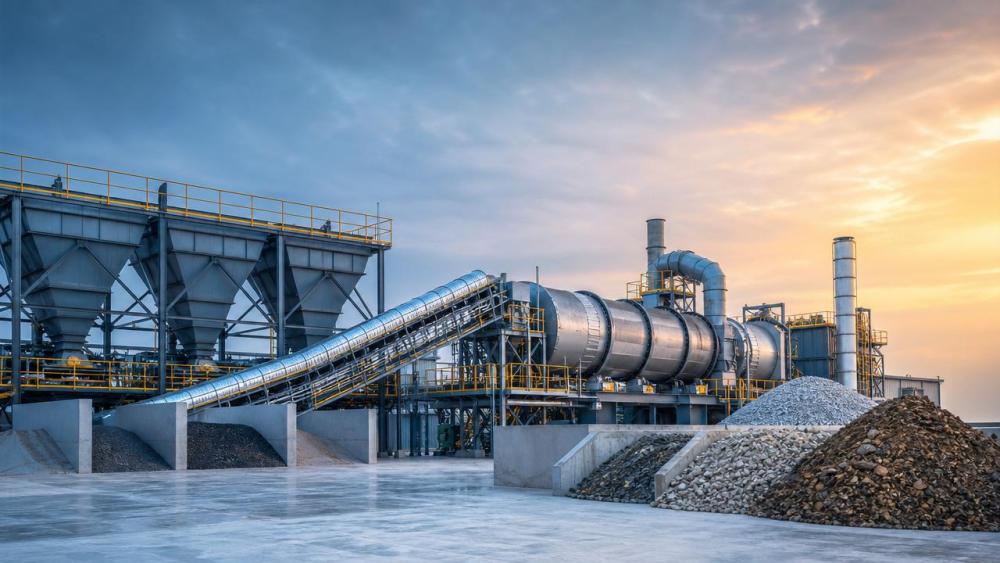
In cement, glass, incineration, refractory, and extrusion operations, waste is not only a disposal issue. It is also a source of safety exposure, quality variation, permit pressure, and hidden cost.
When industrial waste recycling is handled with process discipline, plants can reduce landfill dependence, cut transport frequency, stabilize storage conditions, and lower the chance of nonconforming by-products entering uncontrolled streams.
For safety managers, this means fewer fire loads, less cross-contamination, and better traceability. For quality teams, it means tighter control over feed chemistry, ash behavior, moisture, particle size, and downstream performance.
- Unsegregated waste can trigger reactive mixing, dust release, odor events, and unstable calorific value during thermal processing.
- Poor recycling design may introduce chlorides, alkalis, metals, or organics that affect kiln coating, furnace life, emissions, or final product consistency.
- A controlled recycling route can convert these variables into measurable input specifications instead of unmanaged disposal liabilities.
This is where CF-Elite adds value. Its intelligence focus on thermal management, silicate processes, co-processing, and online monitoring helps decision-makers judge whether a recycling option supports both safety and production performance.
Which waste streams usually offer the fastest cost and risk benefits?
Not every waste stream should be recycled in the same way. Quality control and EHS teams need to classify streams by hazard, composition stability, heating value, mineral content, and impact on equipment.
The table below shows how industrial waste recycling opportunities often differ across high-temperature industrial settings.
The fastest gains usually come from streams that are already generated in high volume, have repeatable chemistry, and fit an existing thermal or material loop. These streams are easier to measure, permit, and standardize.
A practical screening logic for plant teams
- Map each waste stream by source, annual tonnage, moisture, and current disposal cost.
- Test composition stability over time rather than relying on a single lab result.
- Check whether the stream is suitable for energy recovery, mineral recovery, or external recycling.
- Estimate the effect on emissions, refractory wear, product quality, and storage safety.
How industrial waste recycling lowers disposal fees in real operations
Disposal fees are rarely limited to gate charges. Plants also pay for internal handling, dedicated containers, temporary storage, manifest management, transport, spill response readiness, and emergency controls for hazardous or combustible fractions.
Industrial waste recycling reduces these costs when the plant shortens the waste route. A stream reused on site or redirected into a qualified thermal process often needs fewer transport movements and less third-party disposal capacity.
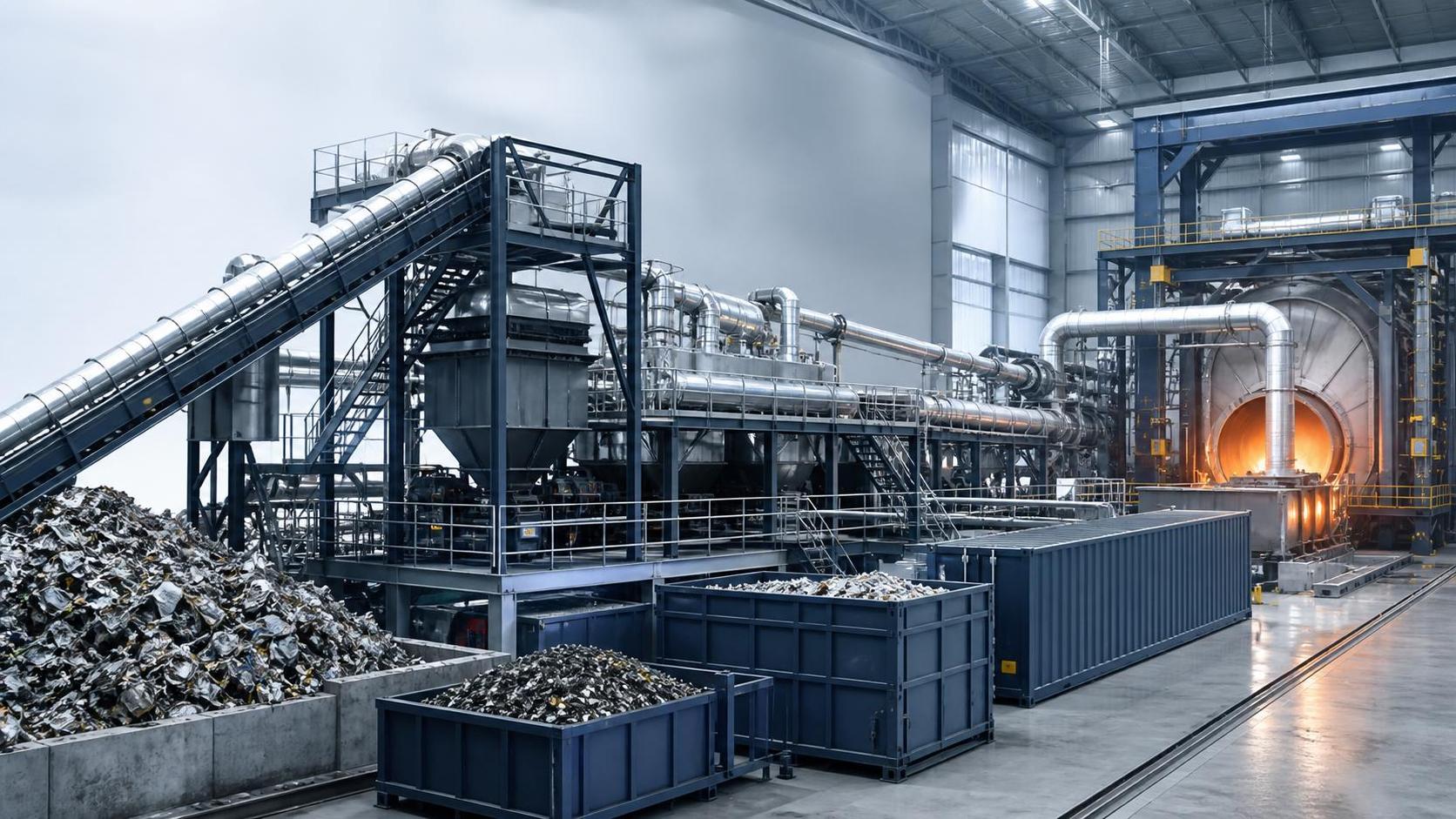
For example, in kiln and incineration systems, selected waste-derived inputs may offset fossil fuel use or virgin mineral consumption. In extrusion and refractory lines, certain off-spec returns can be conditioned and brought back into controlled production windows.
Where savings usually come from
- Lower landfill or hazardous disposal volume after source segregation and pretreatment.
- Reduced hauling frequency because more material stays within an internal or local recycling loop.
- Lower virgin raw material demand when mineral-bearing residues meet process specifications.
- Reduced fuel spend when qualified alternative fuels are prepared to a stable specification.
The key point is that savings only hold if process variability stays under control. A low-cost recycled input that causes ring formation, emission spikes, or product rejection can quickly become expensive.
What quality and safety managers should verify before approving a recycling route
Approval should not be based on disposal savings alone. Industrial waste recycling must be checked against operational safety, product conformity, equipment condition, and permit compliance.
The following evaluation matrix helps cross-functional teams compare options before scale-up.
This matrix shows why industrial waste recycling is a management system issue, not just a procurement or environmental project. Approval works best when operations, EHS, laboratory, maintenance, and compliance review the same criteria.
Common failure points that increase risk
- Accepting a recycled feed based on supplier claims without trend data.
- Skipping storage compatibility checks for wet, oxidizing, or combustible materials.
- Ignoring how chloride, sulfur, alkali, or metal loads affect high-temperature systems.
- Measuring disposal savings but not tracking downtime, dust events, or rejected batches.
How to compare recycling, co-processing, and conventional disposal
Many plants hesitate because the alternatives seem difficult to compare. A structured decision view helps managers avoid choosing the cheapest visible option while missing hidden operating risk.
The table below compares three common pathways for industrial waste recycling decisions in process industries.
For many high-temperature operations, co-processing becomes attractive when disposal fees are rising and the plant already has advanced feed, combustion, and monitoring capability. Internal recycling is strongest when off-spec material is compositionally close to the primary recipe.
Implementation steps: how to launch industrial waste recycling without losing control
A disciplined rollout protects both compliance and production. Plants that move too quickly often create rework, permit questions, or operator resistance.
Recommended implementation sequence
- Baseline current waste generation, disposal fees, incident history, and lab variability.
- Select one or two high-volume streams with clear technical potential and low cross-contamination risk.
- Define acceptance limits for composition, moisture, packaging, and storage conditions before first receipt.
- Run controlled trials with production, maintenance, and EHS oversight, then compare emissions, throughput, and product quality.
- Scale only after documenting work instructions, emergency response measures, and rejection criteria.
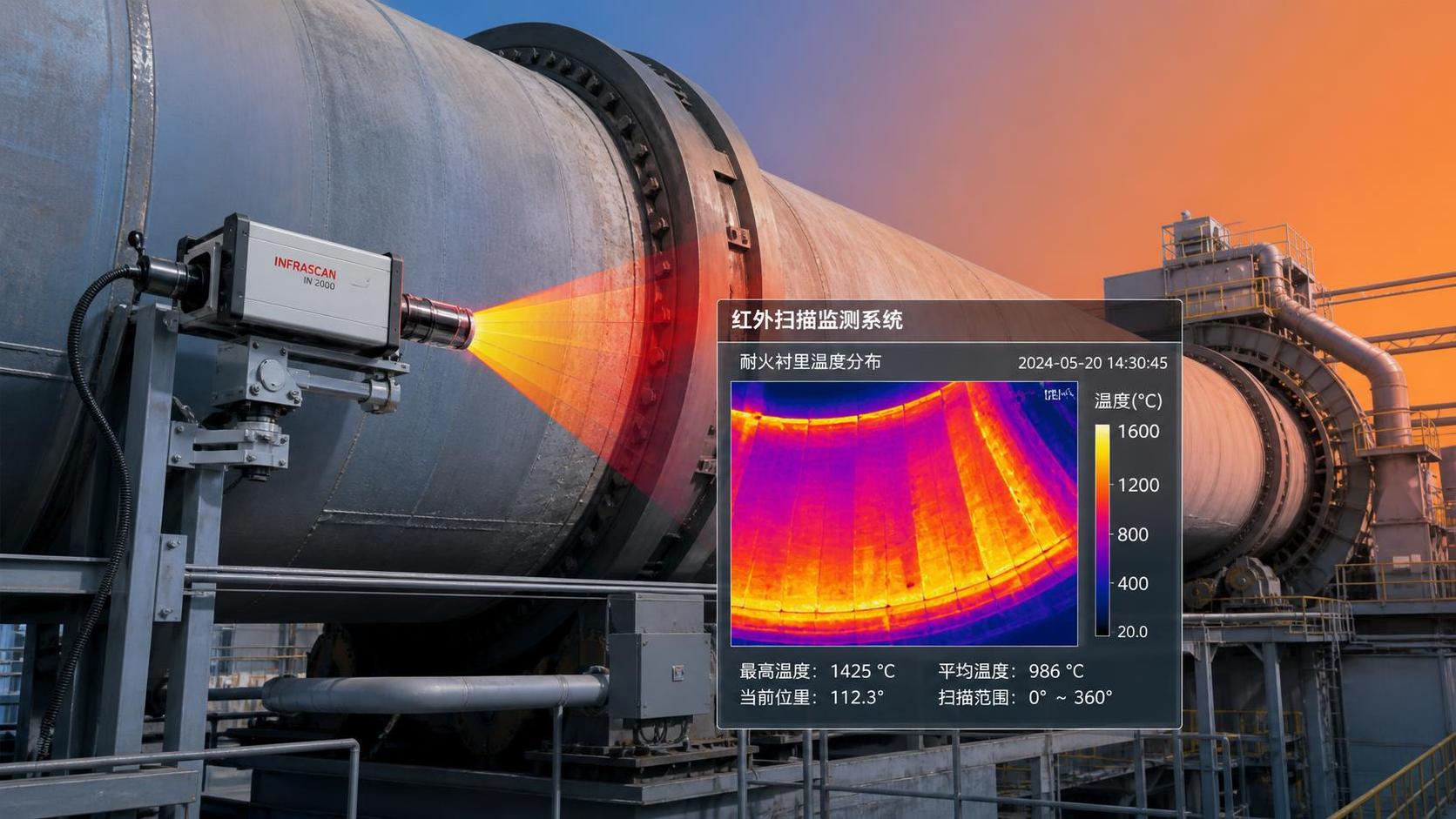
Digital monitoring can improve confidence during this phase. CF-Elite tracks sector practices such as online refractory monitoring, digital twins for process simulation, and rotary kiln co-processing intelligence that help teams forecast instability before it becomes a plant event.
Why data matters more in high-temperature industries
A small shift in waste composition can produce a much larger effect inside a kiln, float line support system, or thermal treatment unit. Residence time, flame profile, ash chemistry, and thermal shock resistance are tightly linked.
That is why industrial waste recycling in these sectors should be evaluated through both material science and operating context, not by waste price alone.
Standards, documentation, and compliance checks that should not be skipped
Regulatory expectations differ by region, but the management principles are consistent. Waste classification, emissions control, worker protection, transport documentation, and traceability must match the chosen pathway.
- Review local waste handling and transboundary transport rules before changing off-site treatment routes.
- Verify whether alternative fuels or recovered mineral inputs require permit modification or prior notification.
- Align storage, labeling, and operator training with recognized EHS systems such as ISO 14001 and ISO 45001 management practices where relevant.
- Maintain batch records, rejection logs, and incident investigations to support audits and internal review.
For quality managers, documentation is also a product defense tool. If recycled inputs are challenged during an audit or customer inquiry, a clear acceptance protocol shows that the plant is managing risk rather than improvising.
FAQ: what managers ask before approving industrial waste recycling
How do we know whether a waste stream is suitable for industrial waste recycling?
Start with repeatability, not volume alone. A smaller but stable stream can be safer and more profitable than a large mixed stream. Check chemical consistency, moisture range, hazard class, storage behavior, and whether the receiving process can tolerate variation.
What is the biggest mistake plants make when trying to cut disposal fees?
They treat industrial waste recycling as a purchasing shortcut instead of a controlled process change. Hidden costs then appear as dust incidents, extra cleaning, unstable combustion, customer complaints, or permit issues.
Can recycling increase safety risk instead of reducing it?
Yes, if segregation, compatibility, and storage controls are weak. Waste-derived fuels, solvent-bearing residues, and fine combustible dusts need clear zoning, ventilation, ignition control, and emergency procedures. The risk falls when the stream is specified and monitored.
Which departments should be involved in approval?
At minimum: EHS, laboratory or QC, operations, maintenance, and compliance. In many plants, procurement and finance should also join because supplier consistency and full-cost accounting strongly influence the result.
Why high-temperature industry intelligence improves recycling decisions
Industrial waste recycling becomes more effective when teams understand not just waste handling, but also thermal behavior, mineral substitution logic, refractory limits, and long-cycle equipment constraints.
CF-Elite is positioned around exactly these questions. Its coverage of cement plants, glass manufacturing systems, industrial kilns and incineration, refractory lines, and new building material extrusion supports deeper evaluation of how recycled streams affect process physics and carbon strategy.
For managers facing supplier claims, disposal pressure, or technical uncertainty, this kind of intelligence helps answer practical questions: Can the stream be co-processed? What monitoring matters most? Which thermal constraints are often missed? Where can digital tools reduce trial risk?
Why choose us for industrial waste recycling decision support
If your team is evaluating industrial waste recycling in cement, glass, incineration, refractory, or extrusion-related operations, CF-Elite can help structure the decision around technical fit, risk visibility, and implementation logic.
You can consult us on specific points that matter to quality and safety managers:
- Parameter confirmation for waste composition, thermal behavior, and process compatibility.
- Route selection between internal recycling, co-processing, pretreatment, or external disposal alternatives.
- Assessment of likely effects on refractory wear, emissions stability, material balance, and operating safety.
- Discussion of delivery timelines, pilot evaluation steps, and data needs for customized solution planning.
- Guidance on documentation priorities, certification-related questions, and quotation communication for supporting equipment or process upgrades.
A strong recycling program does more than divert waste. It protects permits, supports stable production, and gives managers a measurable path to lower disposal fees without losing control of quality or safety. When those decisions involve high-temperature systems, deeper process intelligence is not optional—it is the basis for sound action.
Related News
 Optical Glass Tech FellowHow to Evaluate a Glass Annealing Equipment Manufacturer for Production StabilityChoose a glass annealing equipment manufacturer with proven thermal uniformity, reliable controls, lifecycle value, and responsive service for stable production.Sep 08, 2026
 Prof. Marcus ChenThermal Energy Architecture in North America: Strategies for Lower Building Energy UseThermal energy architecture North America helps project leaders cut building energy use through stronger envelopes, right-sized HVAC, storage, and smart commissioning.Sep 07, 2026
 Ms. Elena RodriguezHow Should Buyers Evaluate Building Material Industry Intelligence Pricing?Building material industry intelligence pricing: learn how to compare coverage, technical depth, and ROI to choose intelligence that reduces procurement risk.Sep 07, 2026
 Ms. Elena RodriguezHow to Use Building Material Intelligence Data for Market and Investment DecisionsBuilding material industry intelligence data helps leaders evaluate demand, costs, regulation, capacity, and technology to make smarter market and investment decisions.Sep 05, 2026
 Thermal Energy ArchitectHow PLC Control Improves Energy Efficiency and Temperature Stability in KilnsEnergy efficient kilns PLC control improves temperature stability, cuts fuel waste, and optimizes combustion, draft, and material flow. Explore proven strategies for smarter kiln modernization.Sep 04, 2026
 Optical Glass Tech FellowEuropean Glass Melting Processes: Furnace Choices, Energy Use, and Quality ControlGlass melting process Europe: explore furnace choices, energy efficiency, cullet strategy, and quality control to improve output, compliance, and long-term glass performance.Sep 03, 2026
 Thermal Energy ArchitectWhat Determines Refractory Lining Monitoring Price for Industrial Kilns?Refractory lining monitoring price depends on kiln size, sensor technology, installation, software, and support. Compare total lifecycle costs and choose the right solution.Sep 02, 2026
 Silicate Process EngineerCement Production System Costs: A Plant Buyer’s Guide to Budgeting and ROICement production systems cost planning made clear: compare CAPEX, operating costs, compliance, and ROI to build a resilient, profitable cement plant investment.Sep 01, 2026
 Dr. Alistair VaughnWhat Should a Process Technology Database Track for High-Temperature Plants?Process technology database essentials for high-temperature plants: track thermal profiles, feed chemistry, refractory wear, emissions, energy, and maintenance for safer, data-driven decisions.Aug 31, 2026
 Ms. Elena RodriguezHow to Evaluate a Silicate Processing Equipment Manufacturer for Plant ProjectsSilicate processing equipment manufacturer selection: assess process fit, guarantees, energy, compliance, delivery risk, and lifecycle support for dependable plant performance.Aug 30, 2026
 Dr. Alistair VaughnHow to Specify Custom Agricultural Processing Equipment for Throughput and HygieneEquipment customization services for agricultural processing: learn to specify hygienic, high-throughput lines that improve yield, reliability, and long-term efficiency.Aug 29, 2026
 Dr. Alistair VaughnHow to Select Process Plant Equipment for High-Temperature, Abrasive Production LinesProcess plant equipment selection for high-temperature, abrasive lines: reduce downtime, improve durability, and optimize lifecycle performance.Aug 28, 2026
 Silicate Process EngineerHow Kiln Heat Recovery Systems Cut Fuel Use in Cement and Lime ProductionKiln heat recovery helps cement and lime plants cut fuel use, improve thermal stability, and build practical, reliable decarbonization strategies.Aug 27, 2026
 Ms. Elena RodriguezProcess Equipment Comparison: Which Metrics Matter Most for Reliable Selection?Process equipment comparison made practical: discover which metrics truly drive reliable selection, from energy efficiency and control stability to wear life, maintainability, and uptime.Aug 26, 2026
 Ms. Elena RodriguezWhat Buyers Should Check Before Sourcing Precision Alloy Bars for Critical PartsPrecision Alloy Bars buyers should verify grade, chemistry, tolerances, surface quality, traceability, and lead time before sourcing for critical parts. Learn what prevents costly machining and reliability risks.Aug 27, 2026
 Ms. Elena RodriguezHow to Evaluate Thermal Management Solutions Insulation for High-Heat Industrial SystemsThermal management solutions insulation: learn how to assess high-heat industrial systems by thermal performance, durability, lifecycle cost, and supplier data for smarter decisions.Aug 25, 2026
 Ms. Elena RodriguezWhat Drives Waste Recycling Cost in Industrial Projects and How to Estimate It?Waste recycling cost in industrial projects depends on composition, moisture, transport, pre-treatment, and compliance. Learn how to estimate it accurately and compare suppliers with confidence.Aug 24, 2026
 Silicate Process EngineerHow to Evaluate Cement Production Plants in the Middle East for Capacity, Fuel Flexibility, and ROIcement production plants Middle East: Learn how to assess true capacity, fuel flexibility, and ROI risks to identify resilient assets and smarter investment opportunities.Aug 23, 2026
 Structural Material AnalystHow to Evaluate Lightweight Material Machinery for Output, Energy Use, and Product QualityLightweight material machinery evaluation guide: compare stable output, energy use, and product quality to choose equipment that cuts waste, lowers costs, and improves production confidence.Aug 22, 2026
 Material Heat-Resist ExpertWhat Determines Refractory Production Line Price in a Turnkey Plant Project?Refractory production line price depends on raw materials, forming method, kiln and drying design, automation, utilities, and scope. Learn what really drives turnkey plant cost before you invest.Aug 21, 2026

Related News
- 00
0000-00
How Should Buyers Evaluate Building Material Industry Intelligence Pricing? - 00
0000-00
How to Use Building Material Intelligence Data for Market and Investment Decisions - 00
0000-00
How to Evaluate a Silicate Processing Equipment Manufacturer for Plant Projects - 00
0000-00
Process Equipment Comparison: Which Metrics Matter Most for Reliable Selection? - 00
0000-00
What Buyers Should Check Before Sourcing Precision Alloy Bars for Critical Parts
Weekly Insights
Stay ahead with our curated technology reports delivered every Monday.