
High-Temperature Kiln Linings: Choosing Materials for Thermal Cycling




High-Temperature Kiln Linings: Choosing Materials for Thermal Cycling
Repeated heating and cooling can undermine a kiln lining long before its rated temperature limit is reached. For technical evaluators comparing high temperature solutions for kilns, the challenge is balancing thermal shock resistance, chemical compatibility, insulation performance, and mechanical durability under actual operating conditions. This guide examines how refractory composition, thermal expansion, lining design, and installation quality influence performance during thermal cycling. Drawing on CF-Elite’s focus on thermal management, it provides a practical framework for assessing material trade-offs, reducing unplanned maintenance, and supporting energy-efficient kiln operation.
Define the operating cycle before comparing materials
A maximum operating temperature is a screening criterion, not a complete lining specification. Two kilns reaching the same peak temperature may need different refractories if one runs continuously and the other cools between batches. Emergency shutdowns, cold-air ingress, burner impingement, and uneven loading can create more damaging local gradients than the normal firing schedule suggests.
Build the selection around a temperature-time profile for each critical zone. Record normal heating and cooling rates, holding periods, shutdown frequency, and credible upset conditions. Distinguish gas temperature from refractory hot-face temperature; a combustion-space measurement does not necessarily describe the temperature experienced by every lining surface.
Then add the conditions that temperature alone cannot capture:
- Feed, ash, slag, and vapor chemistry, including variability from alternative fuels or waste streams.
- Oxidizing, reducing, or alternating atmospheres.
- Abrasion, charge impact, gas velocity, and movement of the kiln shell.
- Available lining thickness, allowable shell temperature, and repair access.
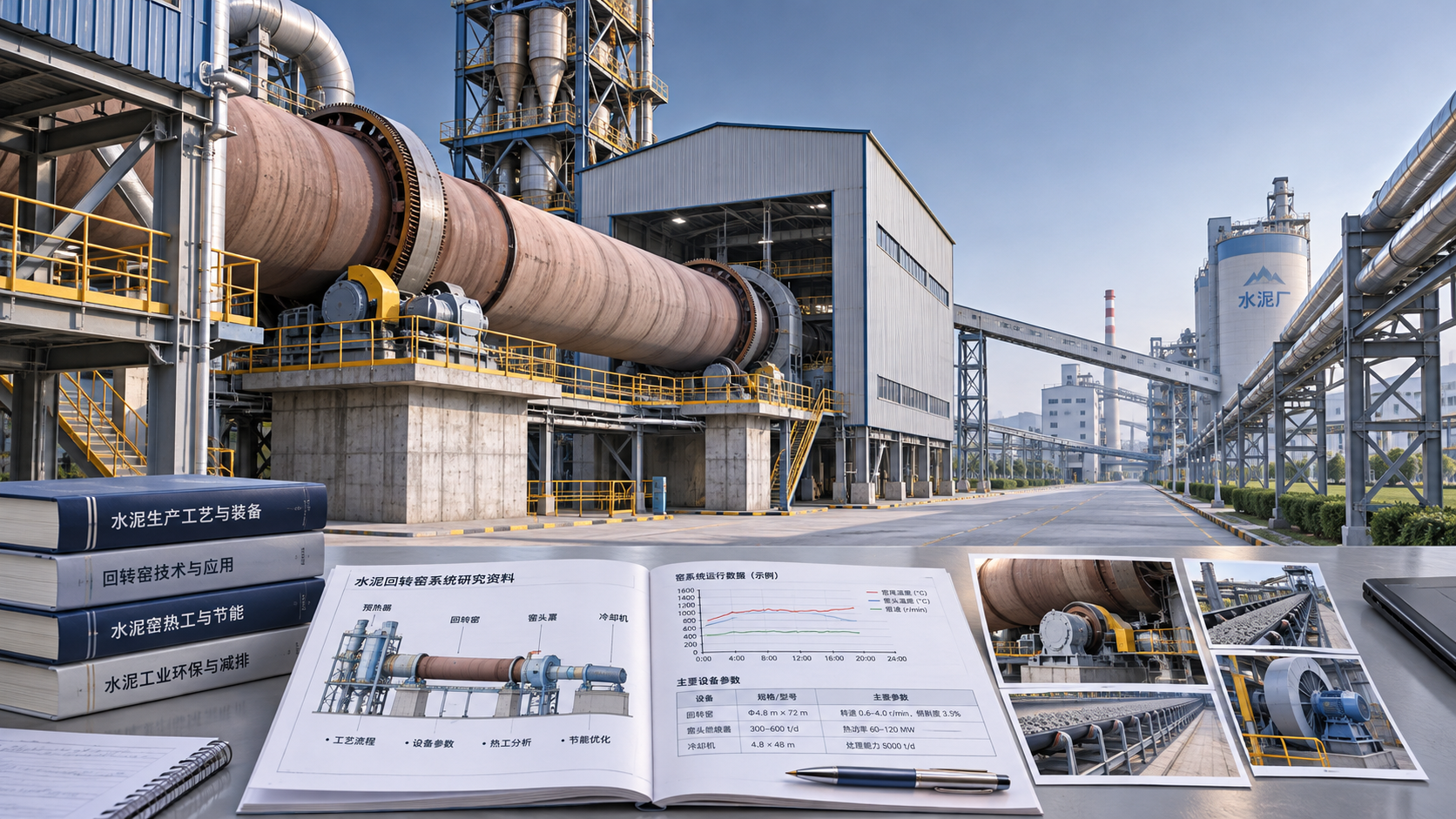
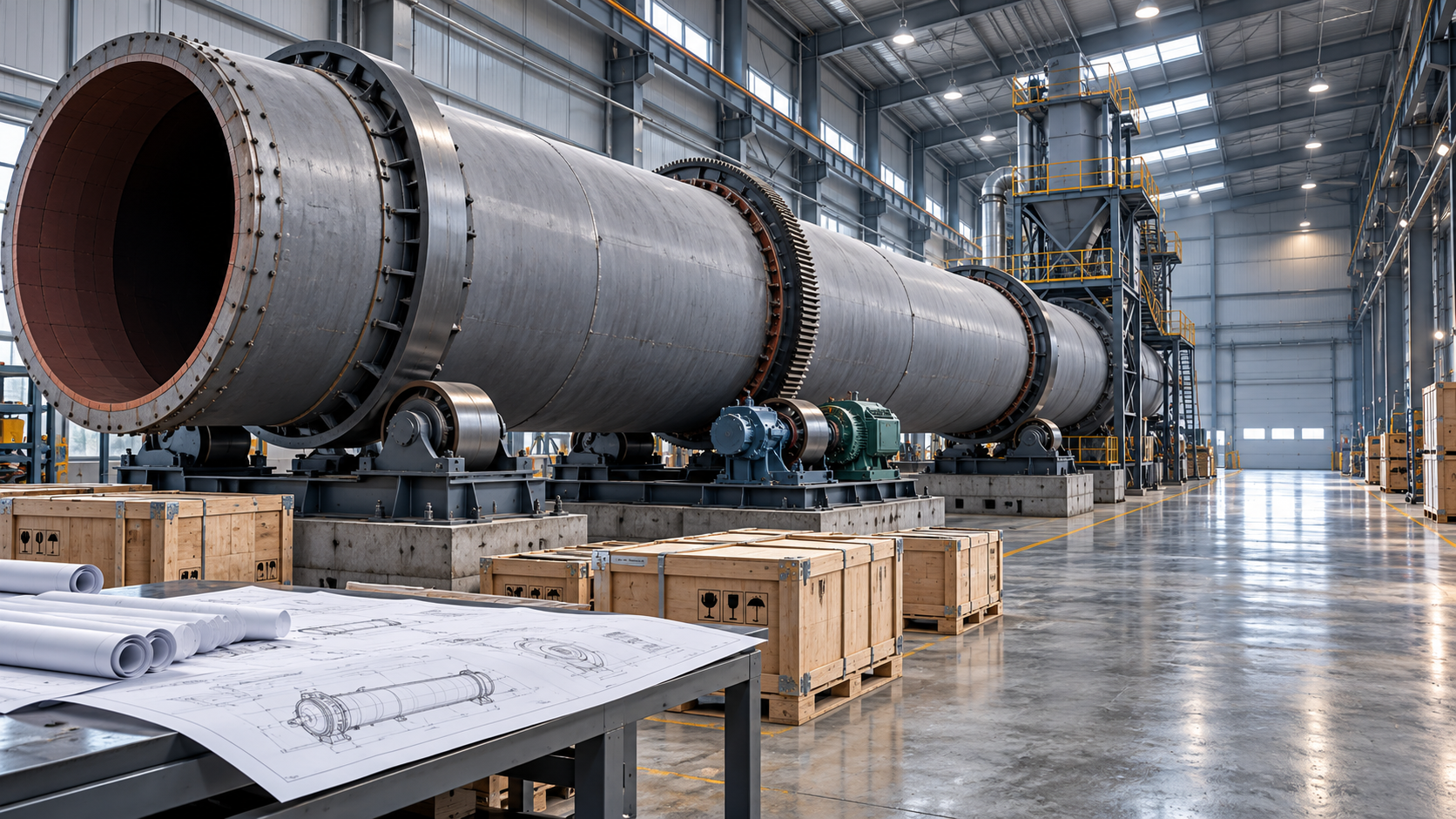
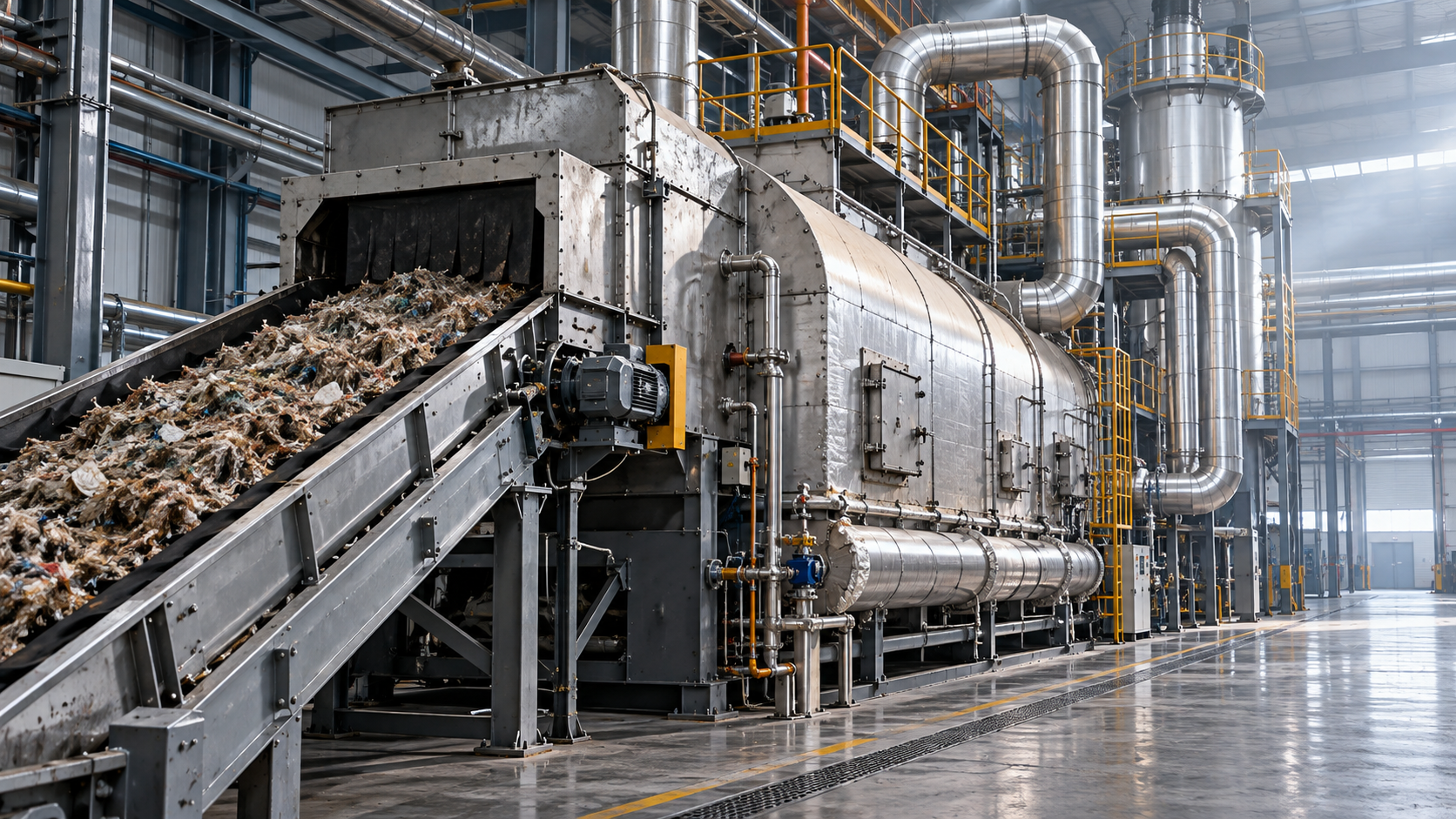
The operating context matters. A rotary cement kiln combines rotation, coating behavior, and chemical exposure. An intermittently fired ceramics kiln may place greater emphasis on low stored heat. An incinerator can require different protection in its combustion chamber and ash-contact zones. A single material specification rarely serves every location equally well.
Why a lining cracks below its temperature limit
During rapid heating, the hot face expands while the cooler material behind it restrains that movement. Cooling reverses the temperature gradient and changes the stress distribution. Repeated cycles can extend small cracks until surface layers detach—a failure commonly described as spalling.
Thermal expansion is only part of the explanation. Elastic stiffness, strength, fracture behavior, conductivity, geometry, and restraint all influence whether a crack initiates and how far it travels. A strong but stiff refractory is not automatically more resistant to cycling than a material with a microstructure that limits crack propagation.
Higher thermal conductivity can reduce internal temperature gradients in some designs, but it may also increase heat transfer toward the shell. Lower conductivity improves insulation yet can leave a steeper gradient near the exposed face. Neither property should be optimized without considering the complete wall.
Chemical penetration makes the problem harder. Reaction products can alter expansion behavior or weaken the near-surface structure. A lining that performs well in a clean thermal-shock test may deteriorate after exposure to alkali vapor or molten deposits. Thermal and chemical damage often reinforce each other.
Material families: where the trade-offs become practical
Dense aluminosilicate and high-alumina refractories
Fireclay and high-alumina bricks or castables provide a broad selection of compositions, densities, and installation methods. They are sensible candidates where mechanical durability and temperature capability must be balanced against cost. However, alumina content alone does not establish thermal-shock resistance or chemical suitability.
Mineral phases, aggregate quality, porosity, and bond system matter. Mullite-containing compositions can be useful in cycling service, while other formulations may be selected for abrasion or corrosion resistance. Compare the actual grade rather than assuming that a higher alumina percentage means longer life.
Basic refractories and silicon carbide
Magnesia-based materials are candidates where basic process chemistry requires them, including relevant cement and metallurgical zones. Their expansion behavior and cycling performance depend strongly on formulation and microstructure. Chemical compatibility may justify their selection, but joint design and operating discipline remain essential.
Silicon carbide refractories can combine abrasion resistance with high conductivity and favorable thermal-shock behavior. That makes them worth evaluating for selected high-wear or rapidly cycled zones. The qualification is important: bond type, oxidation, steam exposure, and alkali attack can change performance. Silicon carbide is a family of products, not a universal upgrade.
Insulating brick and fiber systems
Insulating firebrick reduces heat storage and heat loss compared with many dense linings, but generally offers less resistance to impact, abrasion, and penetration. It can be suitable for protected hot faces or backup layers where loading and chemistry permit.
Refractory fiber systems have low thermal mass, making them attractive for intermittent operation. Their limits include shrinkage, gas erosion, mechanical vulnerability, and chemical attack. Classification temperature should not be treated as an unrestricted continuous-use temperature. Verify the manufacturer’s service recommendations, atmosphere limitations, and applicable worker-exposure requirements.
Dense brick versus castable is a separate decision from chemistry. Brick brings factory-controlled firing and defined joints; castable accommodates complex shapes and local repairs. Castable performance also depends heavily on mixing, placement, curing, and dryout. Neither format is inherently superior under all cycling conditions.
Design the wall as a system, not a stack of datasheets
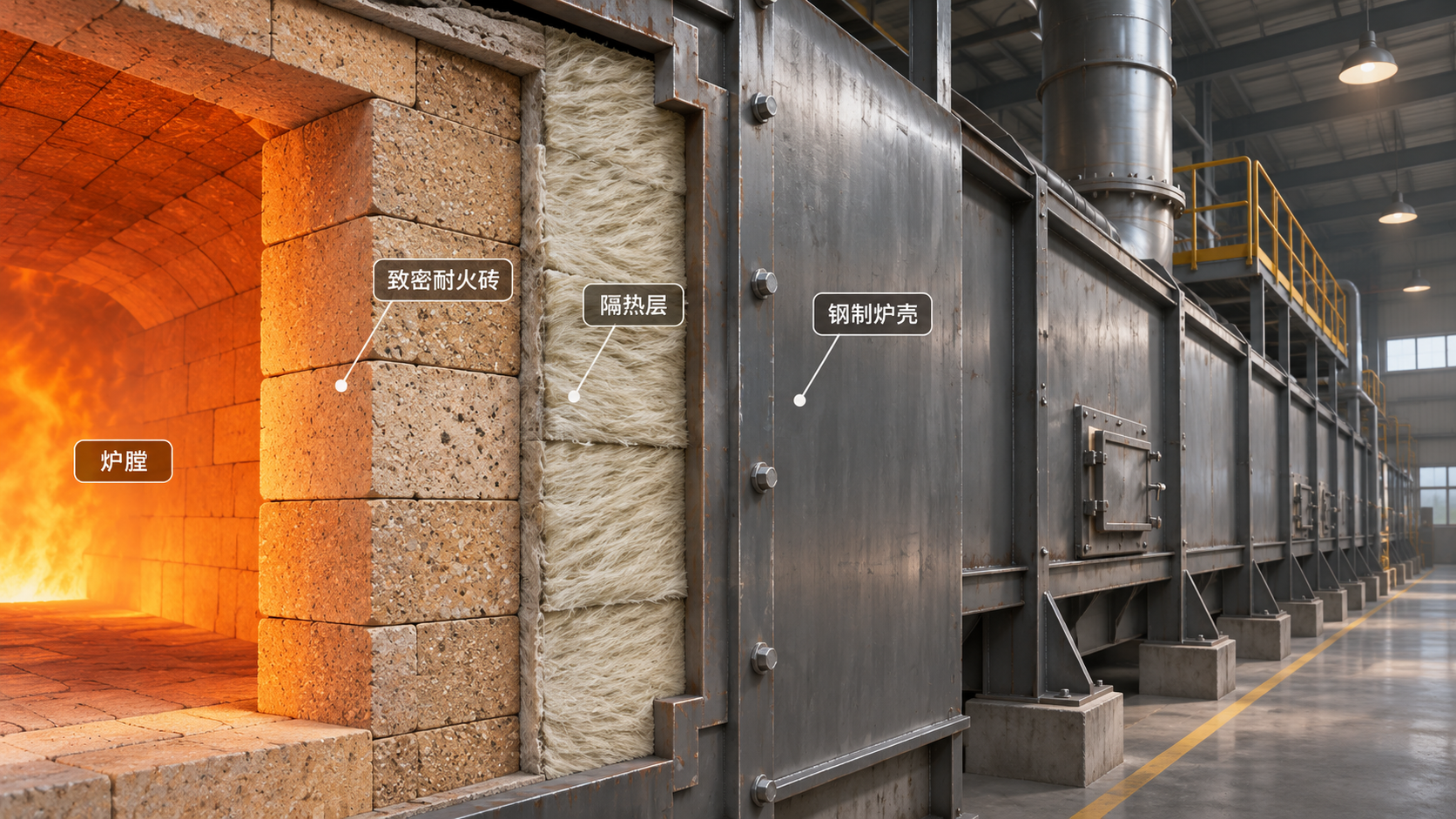
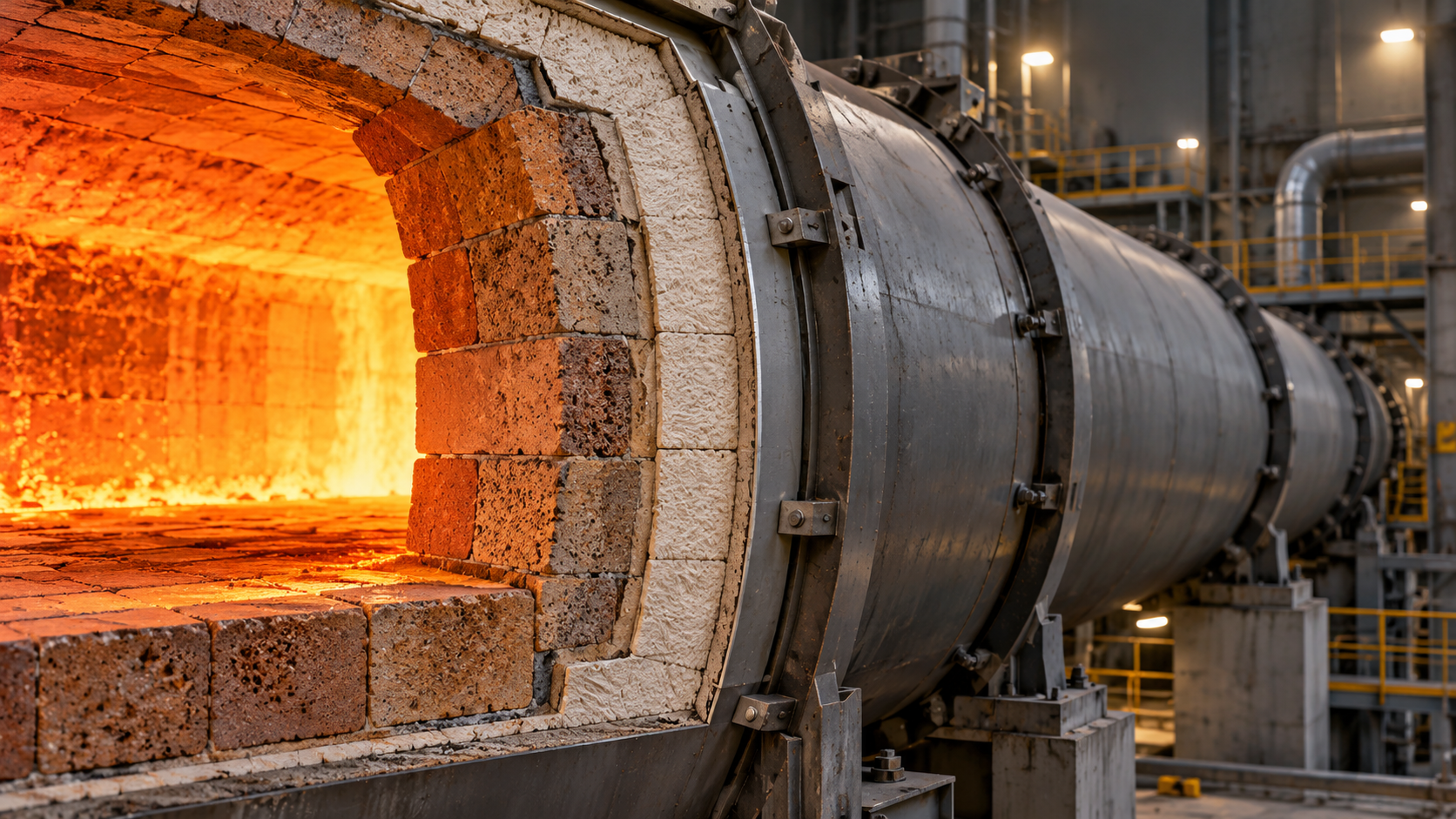
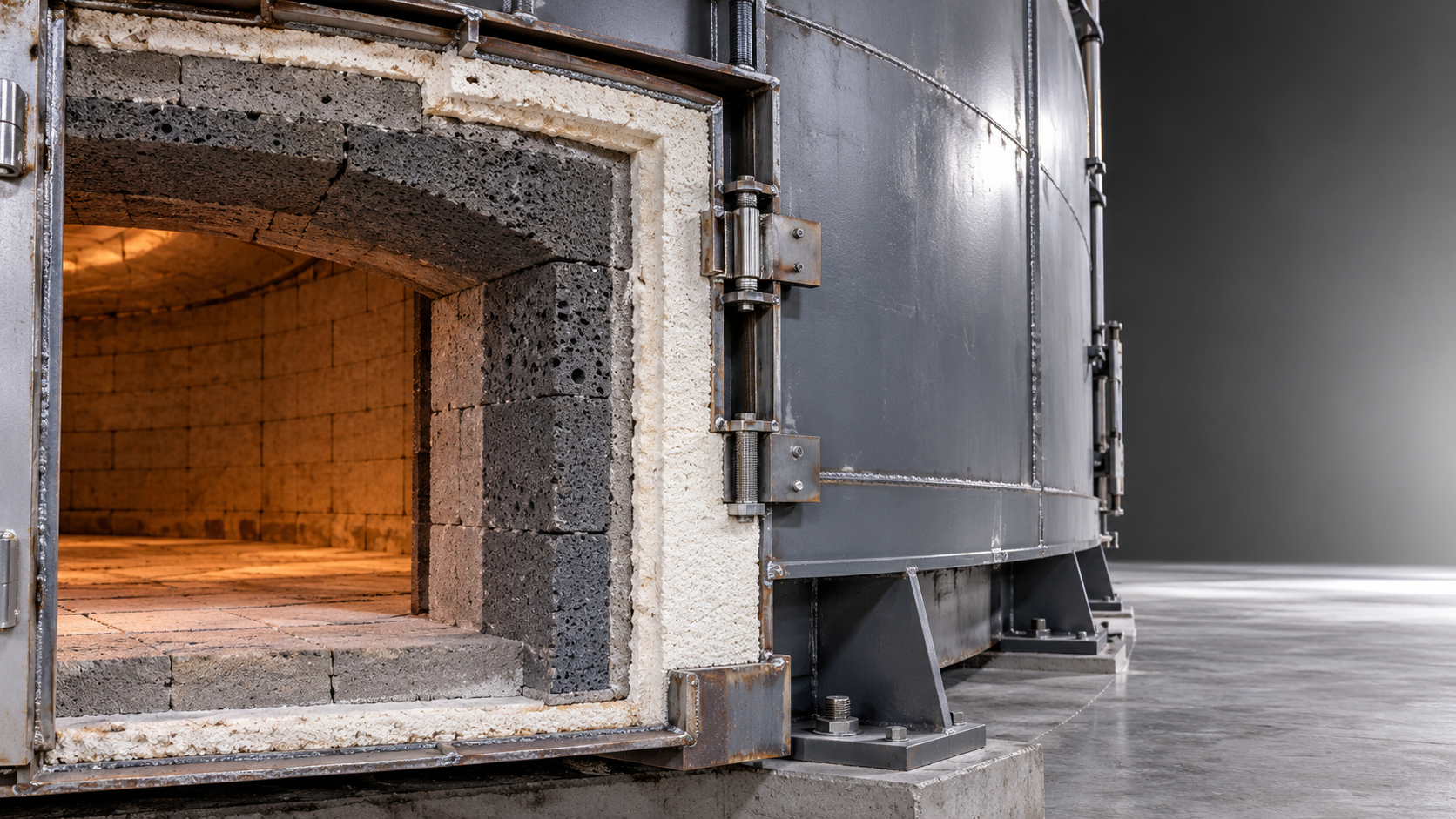
A multilayer lining can separate functions: a working layer handles the process, while backup insulation limits heat loss. But the interface temperature must stay within the backup material’s service limits, including foreseeable upset conditions. Adding insulation behind an existing hot face can raise internal layer temperatures and change expansion behavior.
A useful cross-section shows the hot face, backup insulation, shell, joints, and anchoring arrangement alongside the predicted temperature profile. This makes it easier to identify an overheated backup layer or an anchor extending into an unsuitable temperature zone.
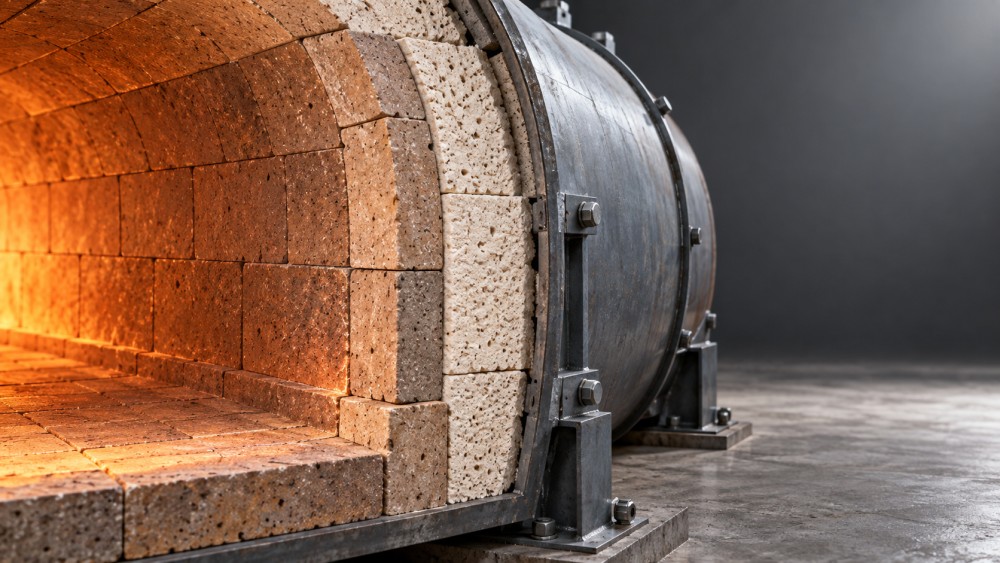
Use temperature-dependent conductivity values in heat-transfer calculations. For frequently cycled equipment, a steady-state calculation alone will not describe stored heat or transient gradients; transient analysis may be needed. Include doors, penetrations, and other thermal bridges when evaluating practical energy performance.
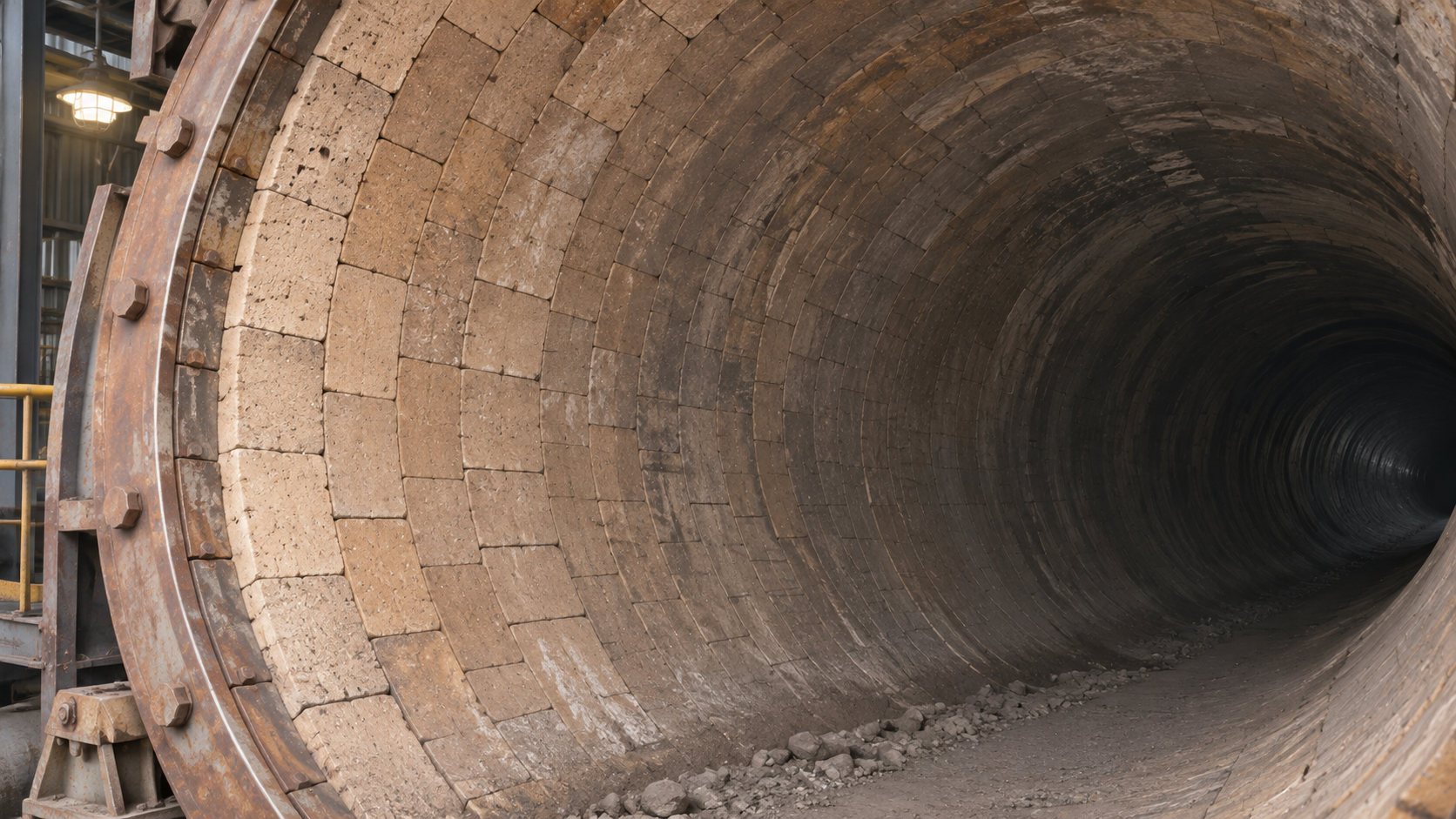
Expansion allowance must accommodate movement without creating uncontrolled leakage paths. Anchor grade, spacing, geometry, and installation details require engineering against expected temperatures and loads. Rotary brick linings introduce different issues, including shell ovality, brick fit, and mechanical stability. A good refractory cannot compensate for a distorted shell or an unsuitable support arrangement.
Ask for evidence that matches the failure mode
A supplier comparison becomes useful when every candidate is assessed against the same service conditions. Room-temperature strength and a headline temperature rating are insufficient. Request evidence that addresses the damage mechanism most likely to end the campaign.
Results from different thermal-shock methods are not directly interchangeable. Water quenching, air cooling, and furnace cycling impose different conditions. Ask which recognized method was used and whether its severity resembles the application. Where uncertainty remains, a controlled trial in a representative zone may be more informative than another generic datasheet.
Installation and restart belong in the selection decision
A castable that needs tightly controlled placement may be a poor fit for a short outage with limited access. Evaluate water quality and addition, mixing equipment, ambient conditions, compaction, curing protection, and inspection capability before approval. Excess mixing water can change porosity and strength; inadequate curing can compromise the bond before service begins.
Dryout is not ordinary process heating. Retained water can generate damaging pressure if heated too quickly. The schedule must reflect the product, lining thickness, geometry, ventilation, and installation conditions, following supplier and responsible engineering guidance. A generic ramp copied from another kiln is not adequate evidence.
After commissioning, retain baseline shell-temperature surveys and inspection records. Investigate hot spots rather than assuming every temperature rise means refractory loss: changes in coating, firing, or loading can also affect readings. During outages, map cracking, spalling, and chemical penetration by zone so the next material decision addresses the observed cause.
Choose for campaign performance, not purchase price
Compare high temperature solutions for kilns on installed lifecycle cost: material, installation, dryout, energy, repairs, and downtime exposure. Keep assumptions visible. Low thermal mass may reduce reheating demand in batch operation, while continuous service can place greater weight on steady heat loss and campaign life.
This system-level view aligns with The Global Cera-Forge Hub (CF-Elite), whose thermal-management intelligence connects refractory performance with cement, glass, and industrial-incineration operating conditions. Energy and carbon assessments need that process context; reducing wall heat loss alone does not establish the net result if durability or production stability deteriorates.
Before final approval, require a zone-by-zone lining proposal, comparable material evidence, a checked thermal design, and an executable installation and dryout plan. If the operating cycle or feed chemistry remains uncertain, resolve that uncertainty—or define a monitored trial—before committing to a full relining.
Related News
 Ms. Elena RodriguezProcess Equipment Pricing: How to Compare Quotes and Total CostsMaster process equipment comparison pricing: compare supplier quotes, uncover hidden costs, and evaluate lifetime expenses to make a confident buying decision.Nov 17, 2026
 Prof. Marcus ChenGlobal Cement Industry Decarbonization: Key Technologies and Cost BarriersExplore global cement industry decarbonization technologies, cost barriers, and practical investment strategies to cut emissions while protecting competitiveness.Nov 16, 2026
 Structural Material AnalystChoosing Specification Preparation Support for North American ProjectsChoose specification preparation support North America projects can rely on. Compare technical expertise, compliance, interfaces, and supplier acceptance criteria.Nov 14, 2026
 Structural Material AnalystSpecialty Ceramic Extrusion: How Material Properties Affect FormingExplore how ceramic specialized material extrusion is shaped by particle size, binders, and solids loading—and learn to improve forming and reduce defects.Nov 13, 2026
 Ms. Elena RodriguezHigh-Pressure Molding Equipment Prices in Europe: What Affects the Total Cost?Explore high pressure molding equipment price Europe buyers can expect to assess, from tooling and installation to running costs. Compare quotes with confidence.Nov 12, 2026
 Structural Material AnalystChoosing a Vacuum Extrusion System: Capacity, Materials and Vacuum LevelsChoosing a vacuum extrusion system? Compare capacity, material behavior and vacuum levels to improve product quality and select the right equipment.Nov 11, 2026
 Optical Glass Tech FellowGlass Melting Innovations: Comparing Electric and Hybrid Furnace TechnologiesExplore glass melting innovations and compare electric and hybrid furnaces by energy use, emissions, glass quality and operating costs to find the right fit.Nov 10, 2026
 Thermal Energy ArchitectHow Thermal Barrier Technology for Kilns Reduces Heat LossDiscover how thermal barrier technology for kilns reduces heat loss, and learn how to select insulation and assess savings without compromising lining durability.Nov 09, 2026
 Prof. Marcus ChenGlobal Materials Trends: What North American Manufacturers Need to KnowExplore global material trends North America manufacturers need to know, from energy costs and supply chains to lower-carbon materials and smarter investment decisions.Nov 08, 2026
 Thermal Energy ArchitectSelecting Abrasion-Resistant Refractories for High-Wear Kiln LiningsExplore advanced refractory materials abrasion resistant enough for high-wear kiln linings. Compare wear mechanisms, thermal stability, installation and lifecycle costs.Nov 06, 2026
 Dr. Alistair VaughnIndustrial Energy Efficiency Certification: ISO 50001 Requirements for PlantsExplore industrial energy efficiency certification with ISO 50001. Learn how plants define scope, measure performance and prepare credible evidence for audits.Nov 05, 2026
 Ms. Elena RodriguezWhat Is an Industrial Intelligence Database and How Is It Used?Discover how an industrial intelligence database helps researchers map markets, track projects, compare technologies, and assess evidence with confidence.Nov 04, 2026
 Ms. Elena RodriguezIndustrial Material Pricing: How Freight and Order Volume Affect QuotesExplore industrial material pricing and learn how freight, order volume, and inventory costs affect quotes. Compare suppliers and make smarter purchasing decisions.Nov 03, 2026
 Structural Material AnalystSingle- vs. Twin-Screw Extrusion Systems: Which Suits Your Material?Choose the right specialized extrusion systems screw type for your material. Compare single- and twin-screw options to improve quality and control costs.Nov 02, 2026
 Thermal Energy ArchitectChoosing Thermal Barrier Materials for Kilns: Temperature and Heat LossExplore thermal barrier materials for kilns and learn how to balance temperature resistance, heat loss, durability and operating costs when selecting a lining.Nov 01, 2026
 Ms. Elena RodriguezSupplier Reference Platform Pricing: Fees and Contract Terms to CompareCompare supplier reference platform pricing, hidden fees, verification costs and contract terms to choose the right solution for your sourcing team.Oct 31, 2026
 Ms. Elena RodriguezSupplier Comparison Metrics: How to Score Cost, Quality, and DeliveryUse supplier comparison metrics to score cost, quality, and delivery with a practical weighted scorecard. Make more confident equipment sourcing decisions.Oct 30, 2026
 Ms. Elena RodriguezWhat Does Industrial Waste Heat Recovery Cost, and When Does It Pay Back?Understand industrial waste heat recovery cost, from equipment and installation to net savings. Learn how to compare quotes, assess risks, and calculate realistic payback before investing.Oct 29, 2026
 Thermal Energy ArchitectChoosing Industrial Waste-to-Energy Equipment by Waste Moisture and Heating ValueChoose industrial waste to energy equipment by moisture and heating value. Compare technologies, fuel needs, and supplier guarantees to make a confident investment.Oct 28, 2026
 Thermal Energy ArchitectChoosing Industrial Kiln Insulation for High Heat and Repeated Thermal CyclingExplore high temperature industry solutions for kiln insulation under repeated thermal cycling. Compare materials, reduce heat loss, and select the right lining for your operating conditions.Oct 27, 2026

Related News
- 00
0000-00
How Thermal Barrier Technology for Kilns Reduces Heat Loss - 00
0000-00
Selecting Abrasion-Resistant Refractories for High-Wear Kiln Linings - 00
0000-00
Choosing Thermal Barrier Materials for Kilns: Temperature and Heat Loss - 00
0000-00
Choosing Industrial Waste-to-Energy Equipment by Waste Moisture and Heating Value - 00
0000-00
Choosing Industrial Kiln Insulation for High Heat and Repeated Thermal Cycling
0000-00
Weekly Insights
Stay ahead with our curated technology reports delivered every Monday.