
Where High-Pressure Molding Innovations Deliver Faster Payback




For business evaluators weighing capital efficiency against long-cycle industrial investment, high-pressure molding innovations are becoming a decisive factor in faster ROI. From green building material extrusion to energy-smart production upgrades, these advances reduce waste, improve throughput, and strengthen operational consistency. This article explores where the strongest payback emerges and how decision-makers can align technology choices with market demand, efficiency goals, and competitive positioning.
What high-pressure molding innovations mean in industrial decision-making
In broad industrial terms, high-pressure molding innovations refer to process, equipment, and control upgrades that shape raw materials under elevated pressure to achieve stronger density, more stable geometry, and better production efficiency. For business evaluators, the concept matters not as a narrow engineering trend but as a capital productivity lever. When pressure systems are optimized, plants can often produce more usable output from the same footprint, reduce reject rates, and lower downstream finishing costs.
This is especially relevant in sectors tied to foundation materials and thermal management. In new building material extrusion, refractory shaping, selected silicate-based products, and other heavy-process environments, the economics of molding quality directly affect fuel use, labor productivity, material utilization, and customer acceptance. High-pressure molding innovations therefore sit at the intersection of manufacturing performance and market responsiveness.
Rather than viewing these innovations as isolated machinery upgrades, leading evaluators assess them as part of a wider production system. The real value often comes from the combination of pressure consistency, die design, moisture control, automation, monitoring, and integration with thermal stages such as curing, drying, firing, or sintering. When these elements work together, payback can accelerate well beyond what a simple capacity increase would suggest.
Why the industry is paying closer attention now
Several structural forces are raising interest in high-pressure molding innovations across the comprehensive industrial landscape. First, energy costs remain volatile, making waste reduction and stable throughput financially more important than ever. Second, environmental compliance is tightening, which means producers must limit scrap, dust, emissions intensity, and avoidable reprocessing. Third, end markets increasingly expect consistency, whether in green construction materials, refractory components, engineered blocks, or specialized formed products.
At the same time, many plants are operating with mixed-age assets. They may not be ready for full line replacement, but they are under pressure to improve output quality and operating margins. This creates a strong business case for targeted innovation. In many cases, the fastest payback does not come from headline expansion projects, but from bottleneck relief inside molding and pre-thermal preparation stages.
For intelligence-driven platforms such as CF-Elite, this shift is significant because molding performance cannot be separated from thermal efficiency, process kinetics, and carbon strategy. Better compaction can improve drying behavior, firing uniformity, structural integrity, and transport resilience. That means high-pressure molding innovations can influence multiple cost centers at once.
Where faster payback usually appears first
The strongest return typically appears where current operations suffer from one or more of the following: inconsistent density, excessive moisture variation, high reject rates, unstable dimensions, high manual intervention, or downstream thermal inefficiency. In those conditions, even moderate improvements in molding can deliver measurable financial gains within a relatively short period.
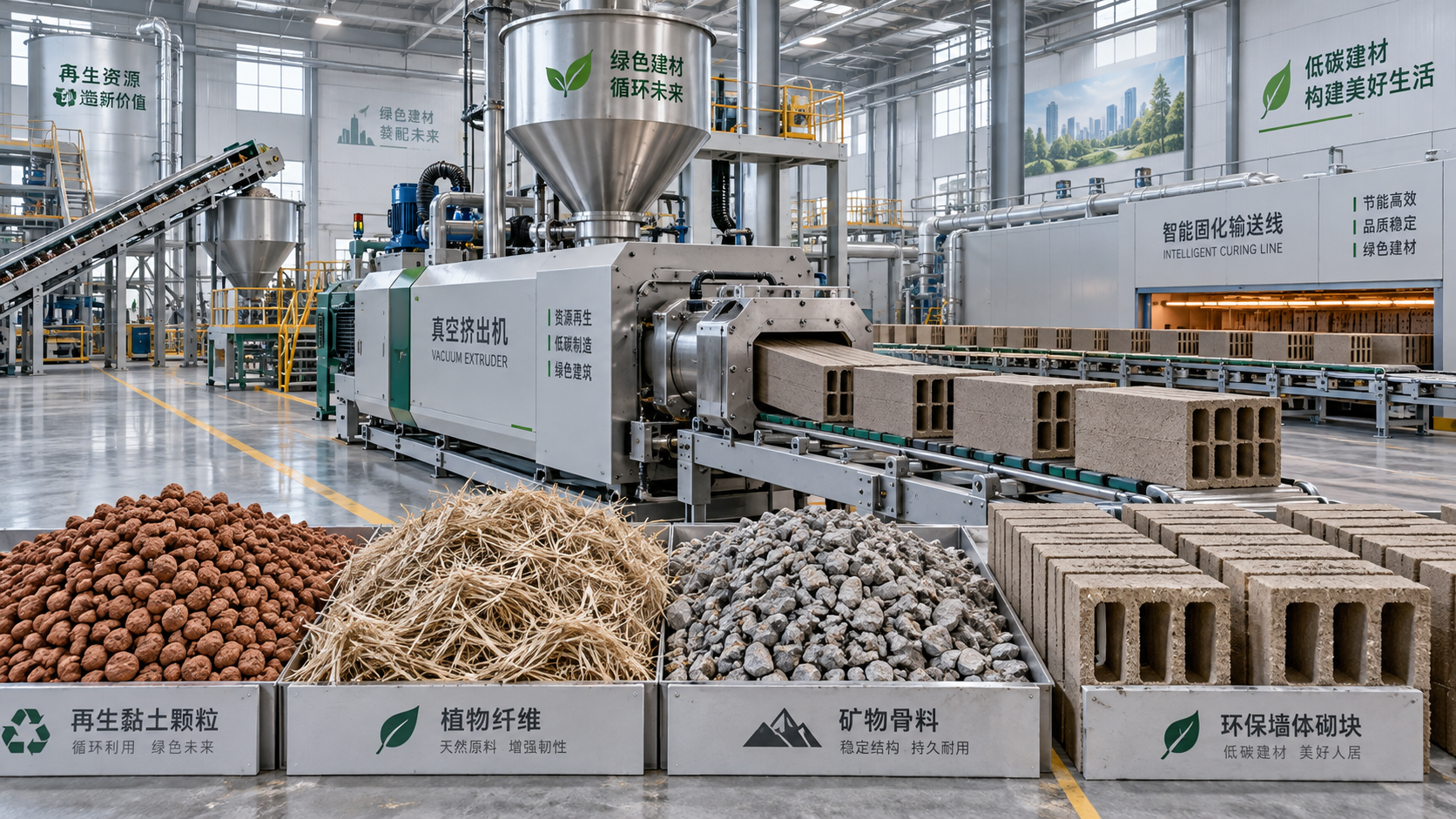
For example, in lightweight wall material production, pressure optimization can improve shape retention and reduce breakage during green handling. In refractory manufacturing, more uniform compaction often supports better thermal shock resistance and lower defect risk after firing. In specialized extrusion lines, pressure control can stabilize product profiles and reduce expensive rework. Across these applications, the common pattern is clear: payback improves when molding quality removes hidden costs throughout the line.
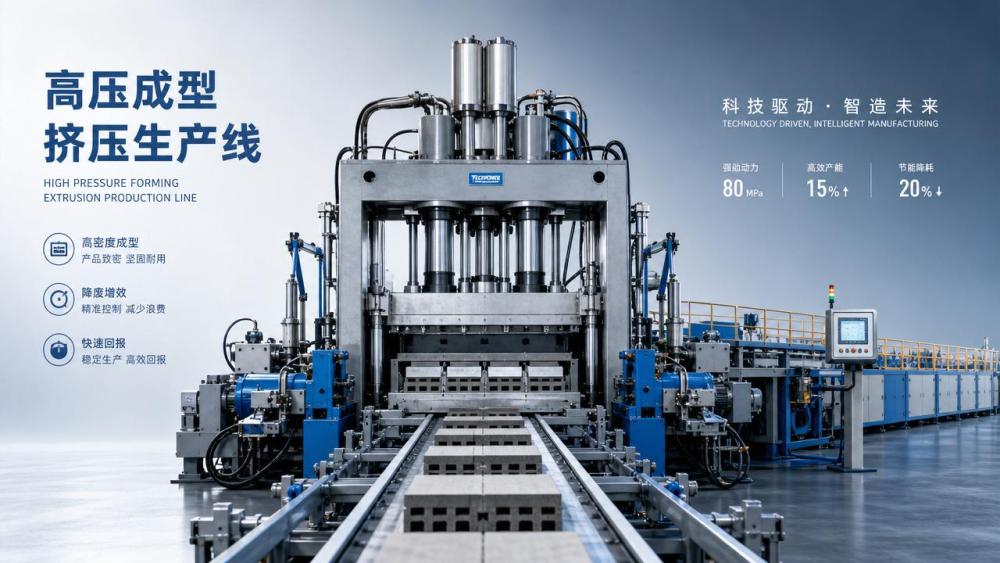
The business value behind high-pressure molding innovations
For evaluators, the appeal of high-pressure molding innovations is that value can be captured in several layers. The first layer is direct operating improvement: more saleable output per hour, less wasted material, fewer stoppages, and lower maintenance pressure on downstream equipment. The second layer is quality assurance: tighter tolerances, stronger consistency, and reduced claim exposure. The third layer is strategic: a plant that produces stable, specification-compliant materials gains stronger pricing discipline and better customer confidence.
Another reason payback can be faster than expected is that molding quality affects non-obvious costs. Poor compaction often leads to drying imbalance, higher thermal stress, excessive handling losses, and inconsistent packaging performance. These secondary losses are frequently spread across different departments, making them easy to underestimate. Once quantified, they often justify investment more clearly than simple nameplate capacity calculations.
In carbon-conscious industries, these innovations also support resource circularity. Better-formed products mean fewer rejects going back into the loop, less wasted energy per accepted unit, and more predictable fuel planning. For companies navigating green building transitions and stricter environmental expectations, that adds reputational and compliance value alongside financial return.
Typical innovation categories and their payback logic
Not all high-pressure molding innovations create value in the same way. Business evaluators should separate them into practical categories so that payback assumptions remain realistic.
1. Mechanical pressure system upgrades
These include improved hydraulic systems, frame rigidity, wear-resistant components, and more stable pressure delivery. Their value often appears in uptime, precision, and reduced maintenance interruptions. This is attractive where equipment fatigue or uneven compaction is limiting throughput.
2. Tooling and die design refinement
Enhanced mold geometry, better material flow paths, and optimized wear surfaces can produce immediate quality gains. These changes are often less capital-intensive than a full machine replacement and can offer quick wins for plants with chronic dimensional variation.
3. Material feed and moisture control
Pressure alone does not solve poor feed consistency. Innovations in blending, granulation, dosing, and moisture balancing often unlock the full benefit of the molding stage. The payback shows up in lower scrap and better downstream thermal behavior.
4. Automation and process intelligence
Sensors, closed-loop control, digital monitoring, and data-linked diagnostics reduce process drift and allow faster intervention. For companies managing multiple lines or export-oriented quality standards, this category can create compounding value through traceability and reduced operator dependency.
Which business situations benefit most
High-pressure molding innovations are not equally urgent in every facility. They tend to deliver the fastest payback in situations where market demand already exists, but operating constraints prevent the plant from converting demand into profitable output.
This is why evaluators should avoid framing investment only as “new machine versus old machine.” The real question is where high-pressure molding innovations remove the most expensive constraint in the value chain. In many facilities, that constraint is not obvious until production, quality, maintenance, and energy data are reviewed together.
How to assess payback without oversimplifying the case
A sound business case should combine direct and indirect return factors. Direct factors include output gain, labor savings, lower reject volume, and maintenance reduction. Indirect factors include lower energy per accepted unit, better schedule reliability, reduced customer complaints, and improved ability to serve higher-value applications.
For capital screening, evaluators can start with five practical questions. First, what percentage of current loss originates in molding-related inconsistency? Second, which downstream costs are being absorbed because compaction quality is weak? Third, can the upgrade be staged to reduce shutdown risk? Fourth, does the target market reward better consistency with stronger volume or pricing? Fifth, how well will the innovation integrate with existing thermal, material handling, and control systems?
This disciplined approach matters in long-cycle industries. Heavy equipment decisions involve installation windows, operator adaptation, spare parts strategy, and variable raw material quality. Fast payback is achievable, but only when assumptions reflect the real production environment rather than an isolated equipment brochure.
Practical guidance for business evaluators
First, connect molding performance to full-line economics. In sectors covered by CF-Elite, molding cannot be evaluated independently from drying, kiln behavior, firing uniformity, or final application requirements. Second, prioritize data visibility before major spending. A short diagnostic period with defect mapping, moisture tracking, and throughput analysis often reveals whether the best answer is a press upgrade, tooling redesign, or process control improvement.
Third, distinguish between volume-driven and quality-driven payback. Some projects justify themselves through higher output, while others win through lower claims, stronger durability, or qualification for better market segments. Fourth, assess supplier capability beyond installation. In specialized industrial lines, after-sales technical support, process tuning knowledge, and integration experience are often as important as the hardware itself.
Finally, align high-pressure molding innovations with long-term strategy. If the business is moving toward green materials, tighter environmental compliance, or digitalized production oversight, the right molding investment can support multiple strategic objectives at once. That is where payback becomes not only faster, but more resilient.
Conclusion: turning process insight into stronger ROI
High-pressure molding innovations deliver faster payback where they solve real production friction: unstable density, excess waste, weak downstream performance, and inconsistent quality. For business evaluators in heavy-process industries, the opportunity is not simply to modernize equipment, but to identify where molding improvements unlock broader efficiency, energy, and market gains.
A strong evaluation combines process understanding, realistic return modeling, and alignment with demand trends in green construction materials, refractory systems, and silicate-related production. With that approach, high-pressure molding innovations become more than a technical upgrade. They become a practical route to stronger competitiveness, faster ROI, and more sustainable industrial growth.
Related News
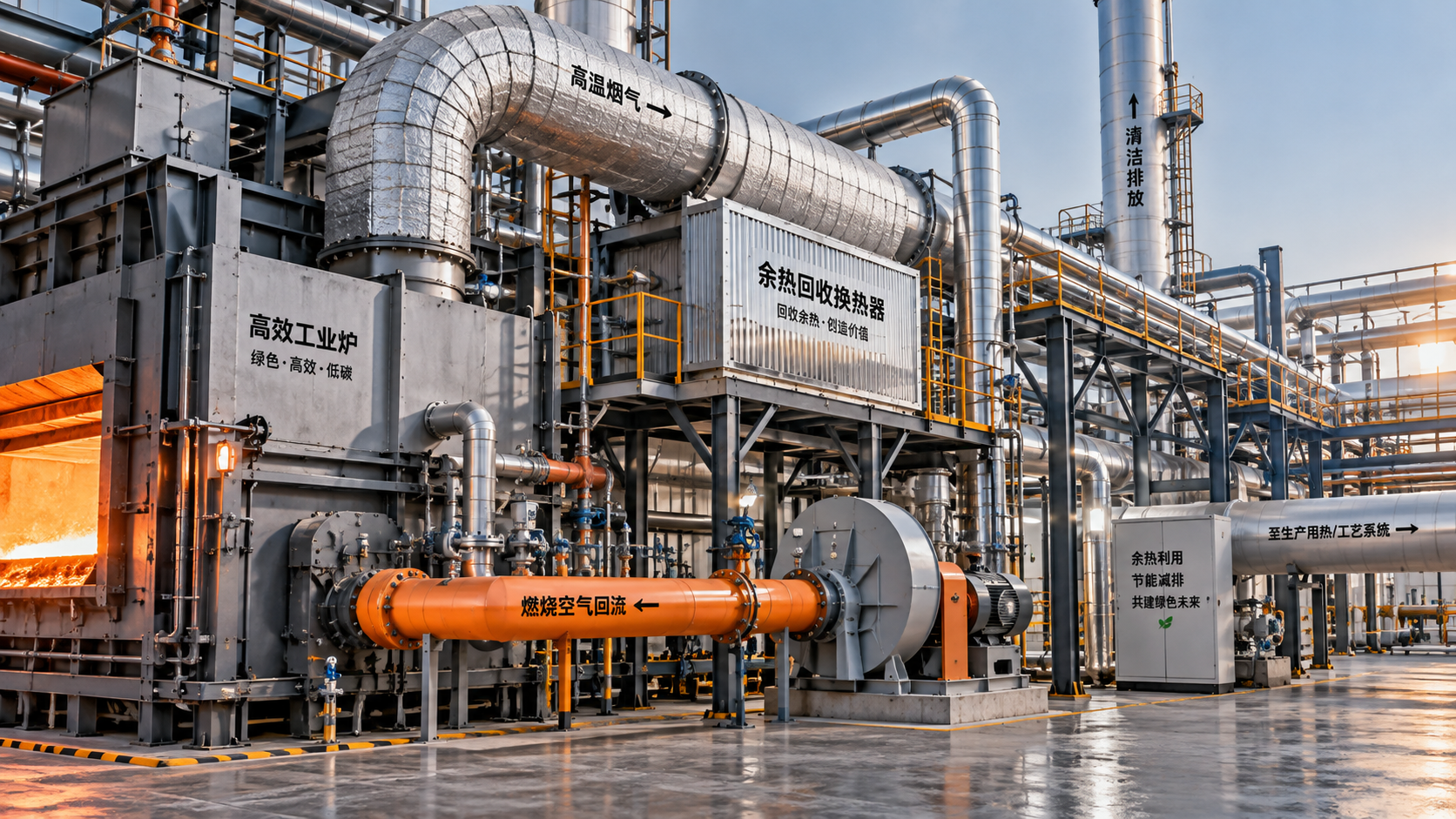
 Thermal Energy ArchitectIndustrial Furnace Optimization: Heat Recovery Retrofit Costs and PaybackExplore industrial process optimization furnace strategies to assess heat recovery retrofit costs, calculate realistic payback and cut energy bills while protecting production.Oct 15, 2026
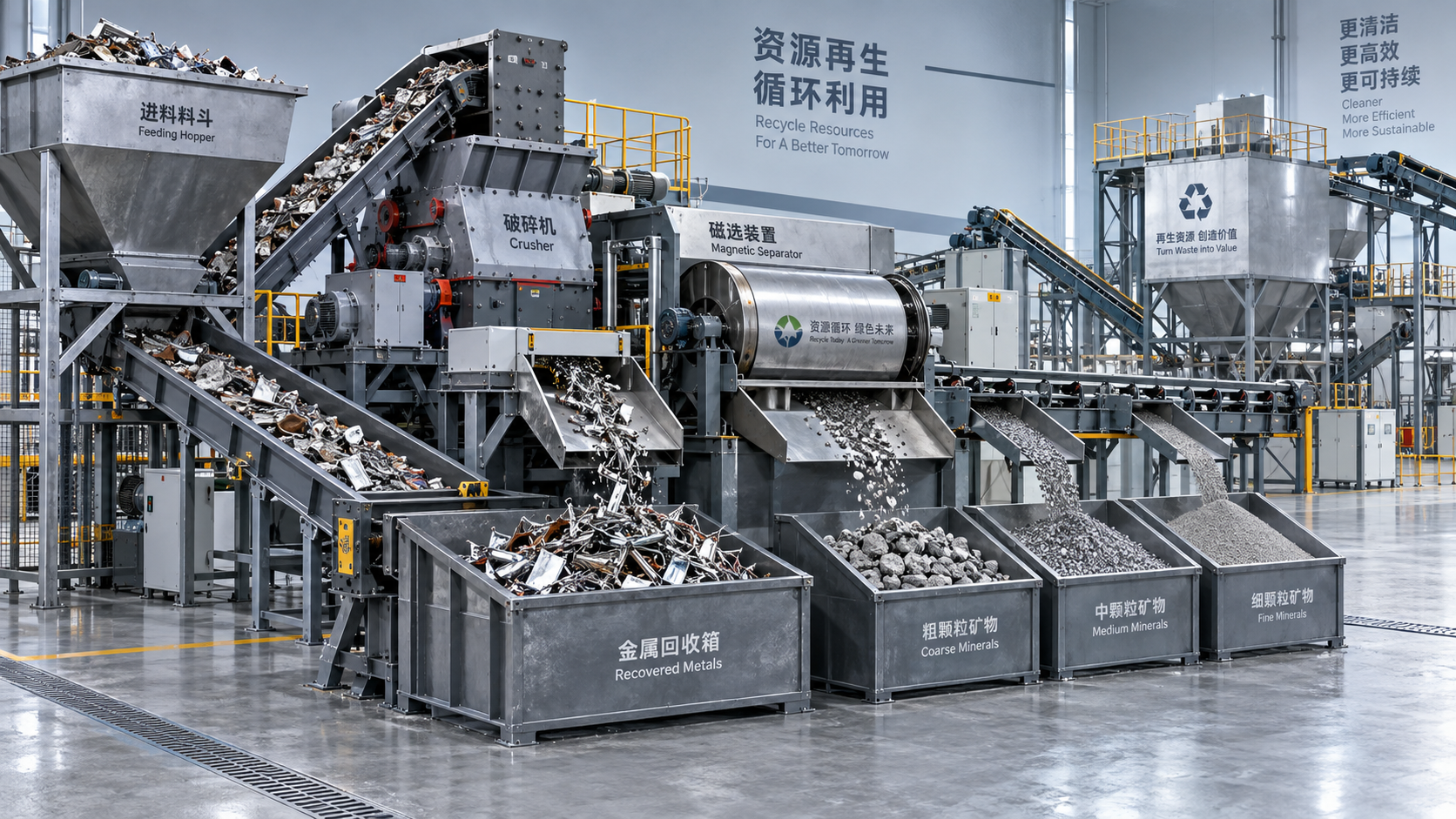
 Dr. Alistair VaughnIndustrial Waste Recycling: Selecting Conversion Systems by Feedstock and OutputCompare industrial waste conversion systems recycling teams can match to feedstock and output. Explore recovery routes, quality criteria, and costs to choose with confidence.Oct 14, 2026
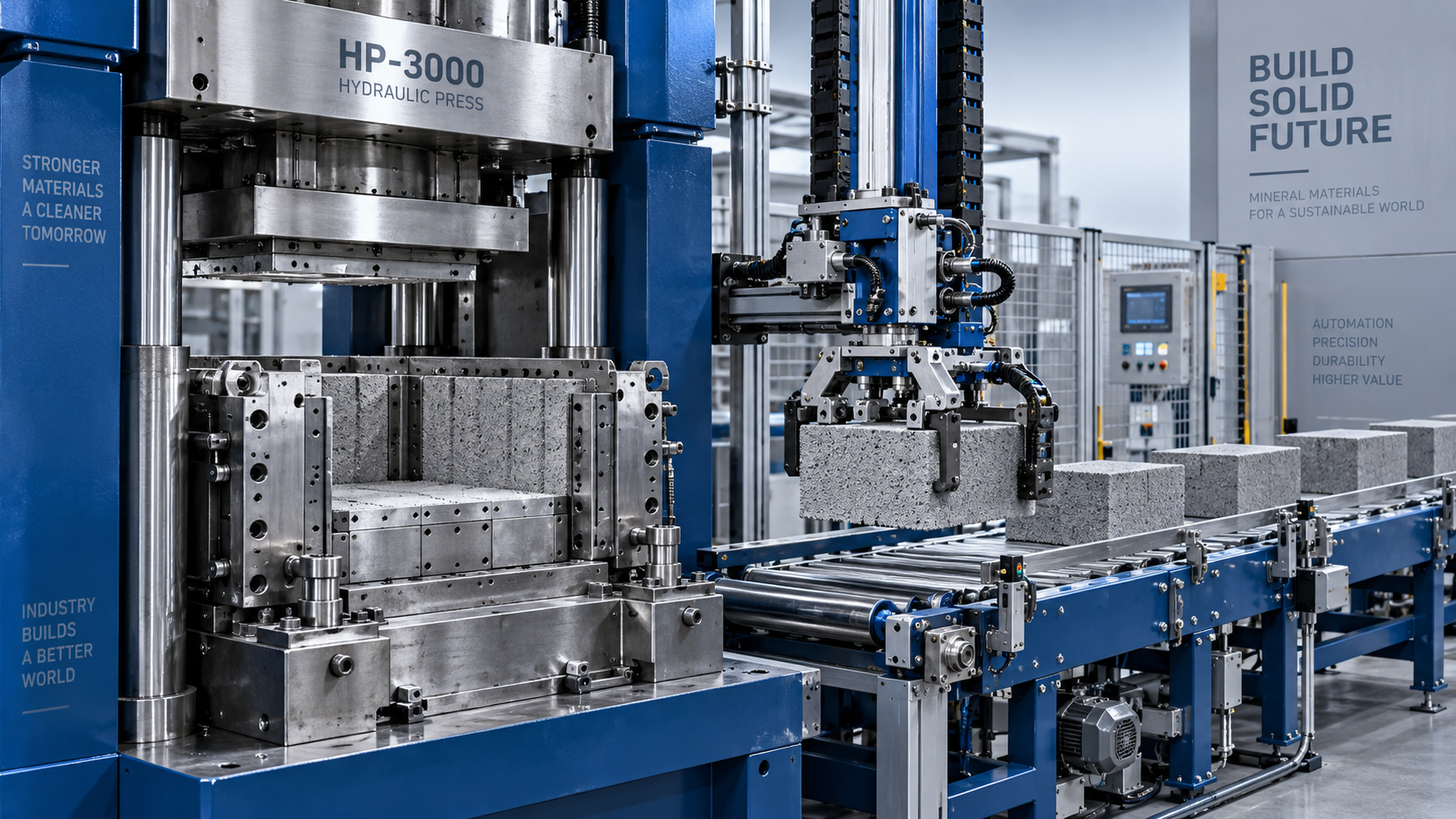
 Ms. Elena RodriguezHigh-Pressure Molding Innovations: How Automation and Tooling Affect PriceExplore the high-pressure molding innovations price equation: compare automation, tooling, and ownership costs to find upgrades that cut waste and deliver measurable value.Oct 13, 2026
 Ms. Elena RodriguezIndustrial Process Optimization: Where to Target Energy, Yield, and Throughput LossesIndustrial process optimization: identify energy, yield, and throughput losses to improve plant stability, reduce costs, and unlock measurable performance gains.Oct 12, 2026
 Ms. Elena RodriguezGlass Market Intelligence: How to Assess Demand, Capacity, and Regional Growth RisksGlass market intelligence for evaluating demand, effective capacity, energy exposure, trade dynamics, and regional growth risks before investing in glass manufacturing.Oct 11, 2026
 Ms. Elena RodriguezHow Should Industrial Energy Efficiency Vendors Be Compared?How do I compare industrial energy efficiency vendors? Discover a practical framework for evaluating process fit, verified savings, reliability, emissions, and lifecycle support.Oct 15, 2026
 Silicate Process EngineerWhat Is a Realistic Energy Efficiency Target for a Cement Plant?What energy efficiency target is realistic for a cement plant? Explore practical thermal and electrical benchmarks, savings opportunities, and phased strategies to reduce costs, improve reliability, and build a credible decarbonization roadmap.Oct 14, 2026
 Ms. Elena RodriguezAre Green Building Materials More Expensive to Manufacture?Are green building materials more expensive to manufacture? Explore cost drivers, savings opportunities, and how sustainable production can strengthen long-term competitiveness.Oct 13, 2026
 Structural Material AnalystWhich Sustainable Construction Materials Are Suitable for Extrusion?Which sustainable construction materials are suitable for extrusion? Explore recycled clay, cementitious mixes, geopolymers, and bio-composites for reliable, lower-impact building products.Oct 12, 2026
 Optical Glass Tech FellowWhat Should a Glass Furnace Energy Specification Include?What should be included in a glass furnace energy specification? Explore performance, fuel flexibility, heat recovery, emissions, and monitoring essentials.Oct 11, 2026
 Dr. Alistair VaughnHow Process Technology Platforms Improve Control Across Multi-Line ManufacturingDiscover how a process technology platform strengthens cross-line control, connects operational data, and improves energy, quality, and maintenance decisions.Oct 10, 2026
 Optical Glass Tech FellowHow Glass Furnace Emissions Are Measured and Controlled for Regulatory ComplianceGlass furnace emissions: learn how to measure, monitor, and control NOx, SOx, particulate, CO, and CO2 for reliable regulatory compliance.Oct 08, 2026
 Prof. Marcus ChenIndustrial Decarbonization Strategies in Europe: A Roadmap for Energy-Intensive PlantsIndustrial decarbonization strategies Europe: explore practical pathways for energy-intensive plants to cut emissions, improve efficiency, and protect performance.Oct 07, 2026
 Thermal Energy ArchitectEnergy-Efficient Silicate Production Lines: What to Compare Before SelectionSilicate production lines energy efficient selection guide: compare thermal performance, stability, emissions, controls, and lifecycle value before investing.Oct 06, 2026
 Optical Glass Tech FellowHow to Evaluate Automated Float Glass Lines for Capacity, Quality, and Energy UseEvaluate automated float glass lines for net capacity, consistent quality, energy efficiency, automation reliability, and lifecycle value. Explore key criteria for smarter investment decisions.Oct 05, 2026
 Thermal Energy ArchitectWhat Does CE Marking Require for an Energy-Efficient Industrial Kiln?Energy efficient kiln CE requirements explained: assess safety, technical files, energy performance, and EU compliance before purchase or commissioning.Oct 04, 2026
 Thermal Energy ArchitectRefractory Manufacturing Solutions for Brick Plants: How to Extend Kiln LifeRefractory manufacturing solutions for brick plant operations: discover proven strategies to extend kiln life, reduce heat loss, prevent lining failures, and plan cost-effective repairs.Oct 03, 2026
 Thermal Energy ArchitectHow to Specify Heavy Industrial Process Systems for High-Temperature PlantsHeavy industrial processes systems: learn how to specify high-temperature plants for efficiency, emissions control, maintainability, and lifecycle performance.Oct 02, 2026
 Structural Material AnalystHow Sustainable Material Extrusion Can Improve Wall Panel Durability and Design FlexibilityDiscover how sustainable material extrusion for wall panels improves durability, moisture resistance, design flexibility, and installation consistency for high-performing wall systems.Oct 01, 2026
 Thermal Energy ArchitectHow to Evaluate a High-Temperature Materials Manufacturer for Furnace ApplicationsChoose a high-temperature materials manufacturer with confidence: compare thermal performance, chemical resistance, quality controls, installation support, and lifecycle cost.Sep 30, 2026




Related News
- 00
0000-00
High-Pressure Molding Innovations: How Automation and Tooling Affect Price - 00
0000-00
Industrial Process Optimization: Where to Target Energy, Yield, and Throughput Losses - 00
0000-00
Glass Market Intelligence: How to Assess Demand, Capacity, and Regional Growth Risks - 00
0000-00
How Should Industrial Energy Efficiency Vendors Be Compared? - 00
0000-00
Are Green Building Materials More Expensive to Manufacture?
Weekly Insights
Stay ahead with our curated technology reports delivered every Monday.