
How to Choose Silicate Industrial Solutions for Different Production Requirements




How to Choose Silicate Industrial Solutions for Different Production Requirements
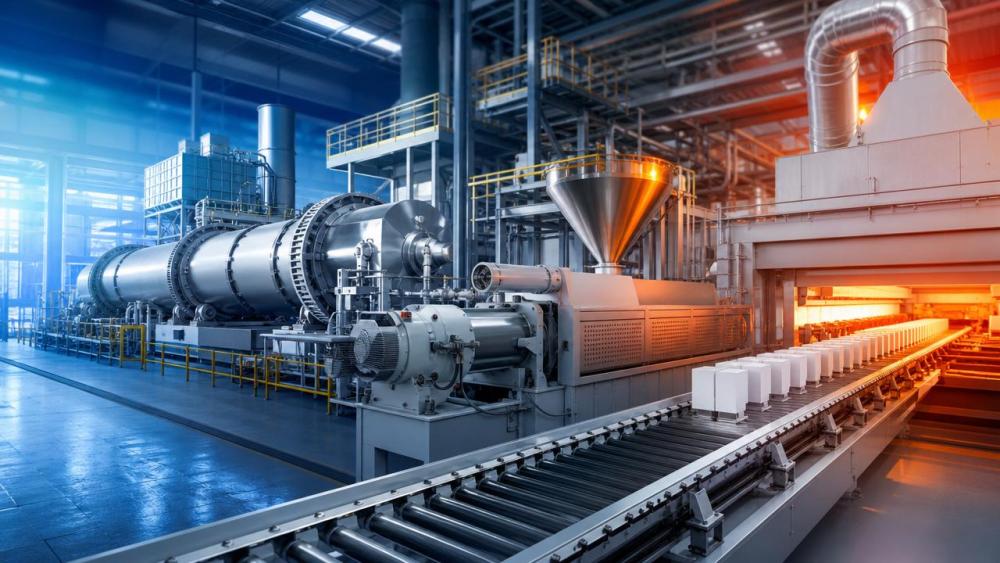
Choosing the right silicate industrial solutions is no longer just a technical decision. It shapes cost control, emissions performance, product stability, and future expansion.
That is especially true across cement, glass, refractory, incineration, and extrusion operations. Each process has different thermal loads, raw material behavior, and compliance pressure.
In practice, the best silicate industrial solutions are rarely the biggest or most advanced on paper. They are the ones that fit real production goals.
A useful decision framework starts with five questions. What output is required, what quality level is expected, how strict are energy targets, what regulations apply, and how flexible must the line be?
Once those answers are clear, equipment selection becomes less reactive. It becomes a structured business decision with measurable return.
Start with Production Requirements, Not Equipment Catalogs
Many projects begin with vendor comparisons too early. That often leads to mismatched silicate industrial solutions and avoidable retrofit costs later.
A better approach is to define the production profile first. This includes material type, target throughput, fuel options, product tolerances, and planned operating hours.
For example, a float glass line and a refractory brick plant both operate at high temperature. Yet their process control priorities are very different.
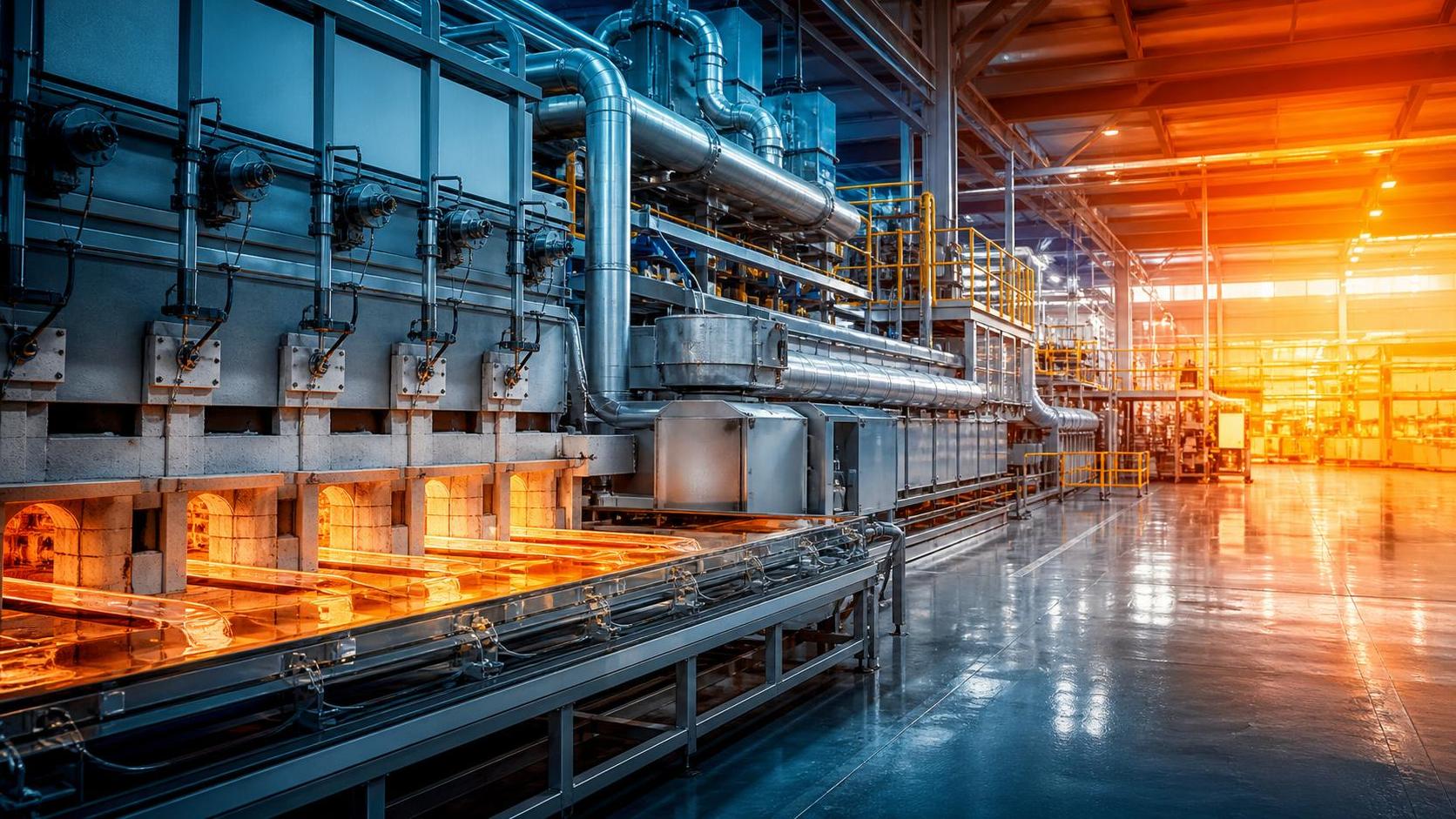
- Glass production values melting consistency, thermal uniformity, and annealing precision.
- Refractory production focuses on phase stability, firing curve control, and lining durability.
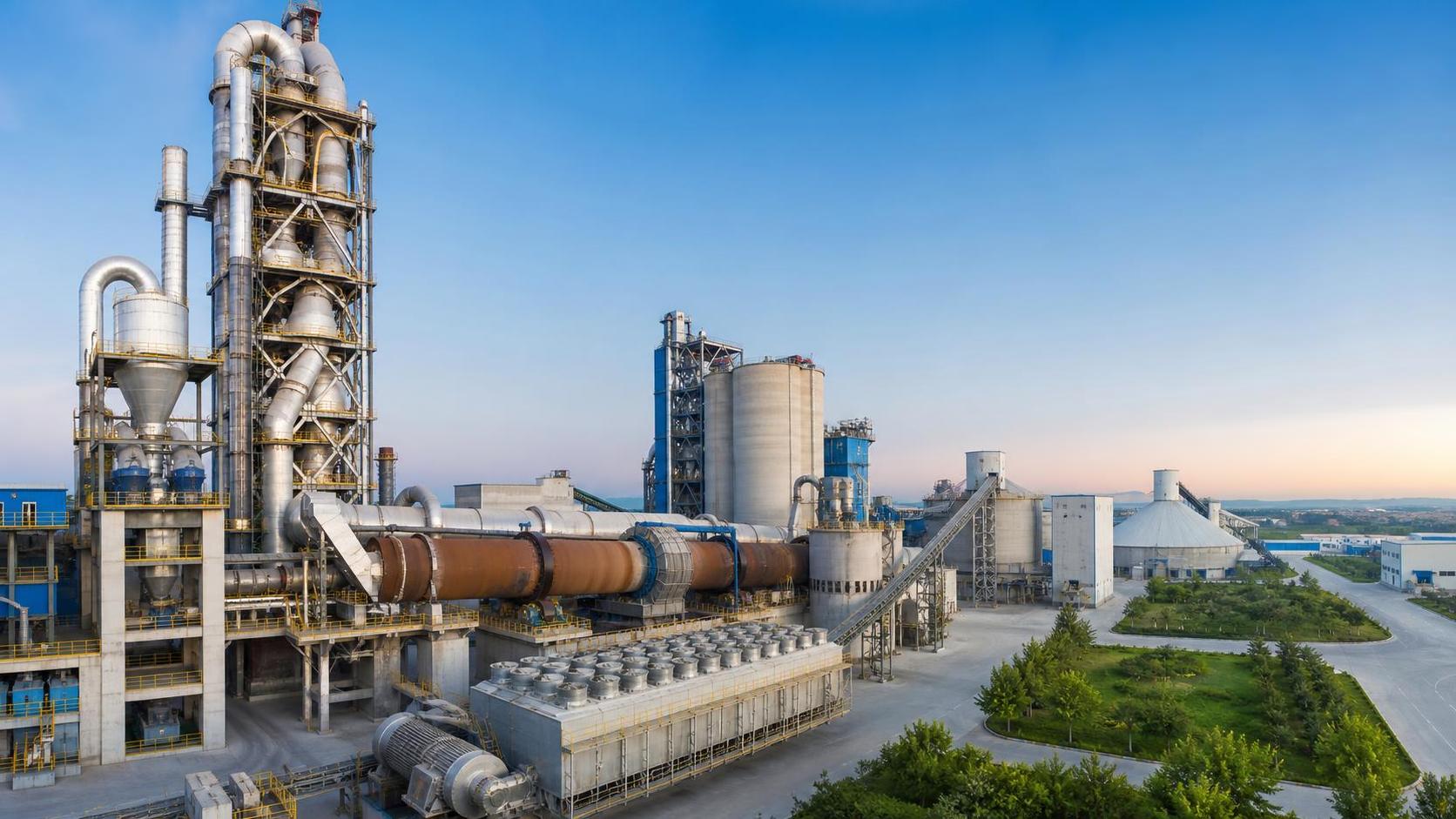
- Cement systems prioritize clinker quality, fuel efficiency, and dust handling.
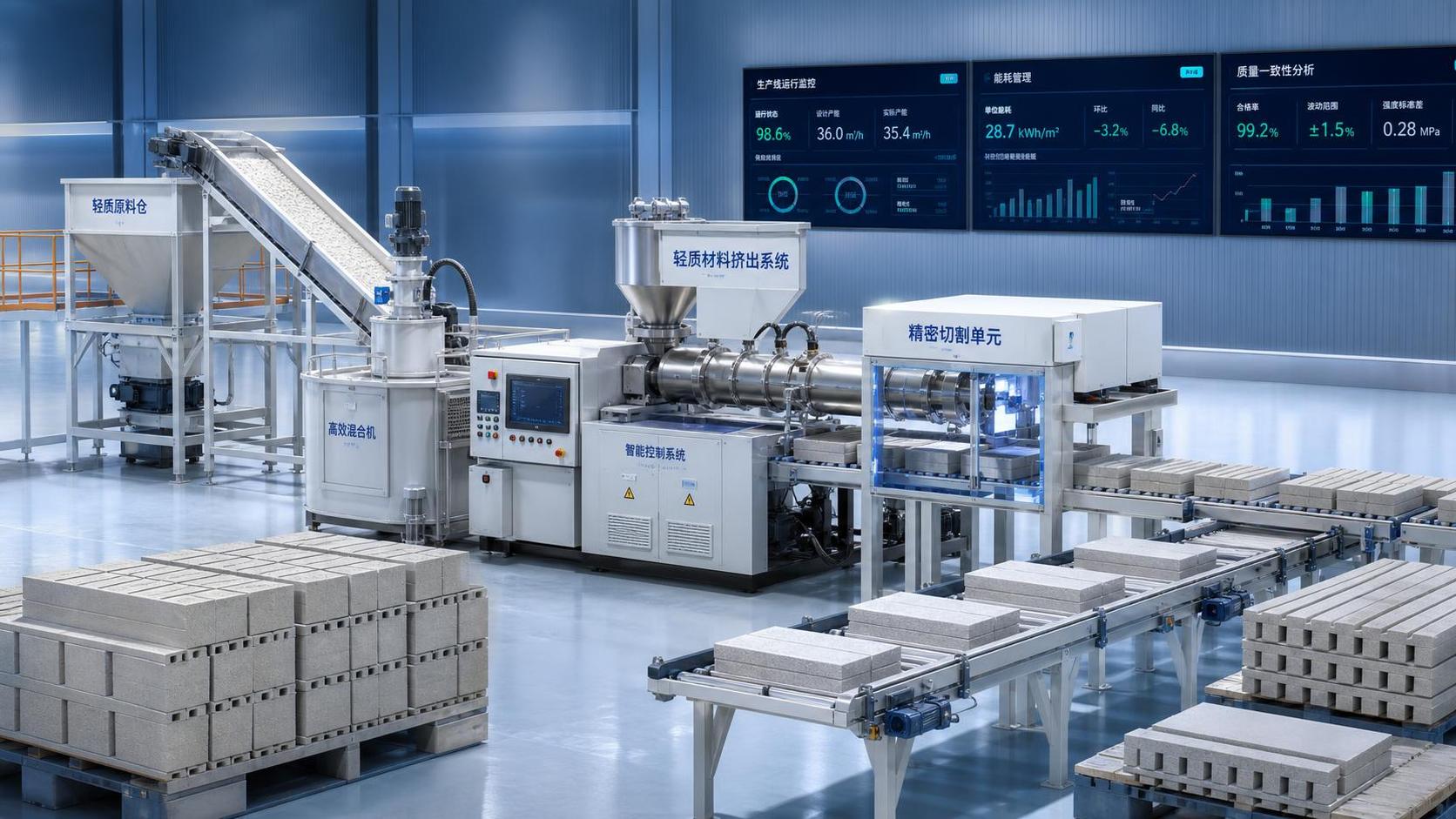
- Extrusion lines need pressure consistency, moisture balance, and die reliability.
This is why silicate industrial solutions should be chosen by process behavior, not by generic industry labels. The closer the match, the lower the operational friction.
Match Solutions to Thermal and Chemical Demands
Thermal management sits at the center of most silicate industrial solutions. Temperature range alone is not enough for selection.
Decision quality improves when teams also assess heat transfer mode, residence time, atmosphere control, and reaction sensitivity. These factors influence both equipment choice and long-term maintenance load.
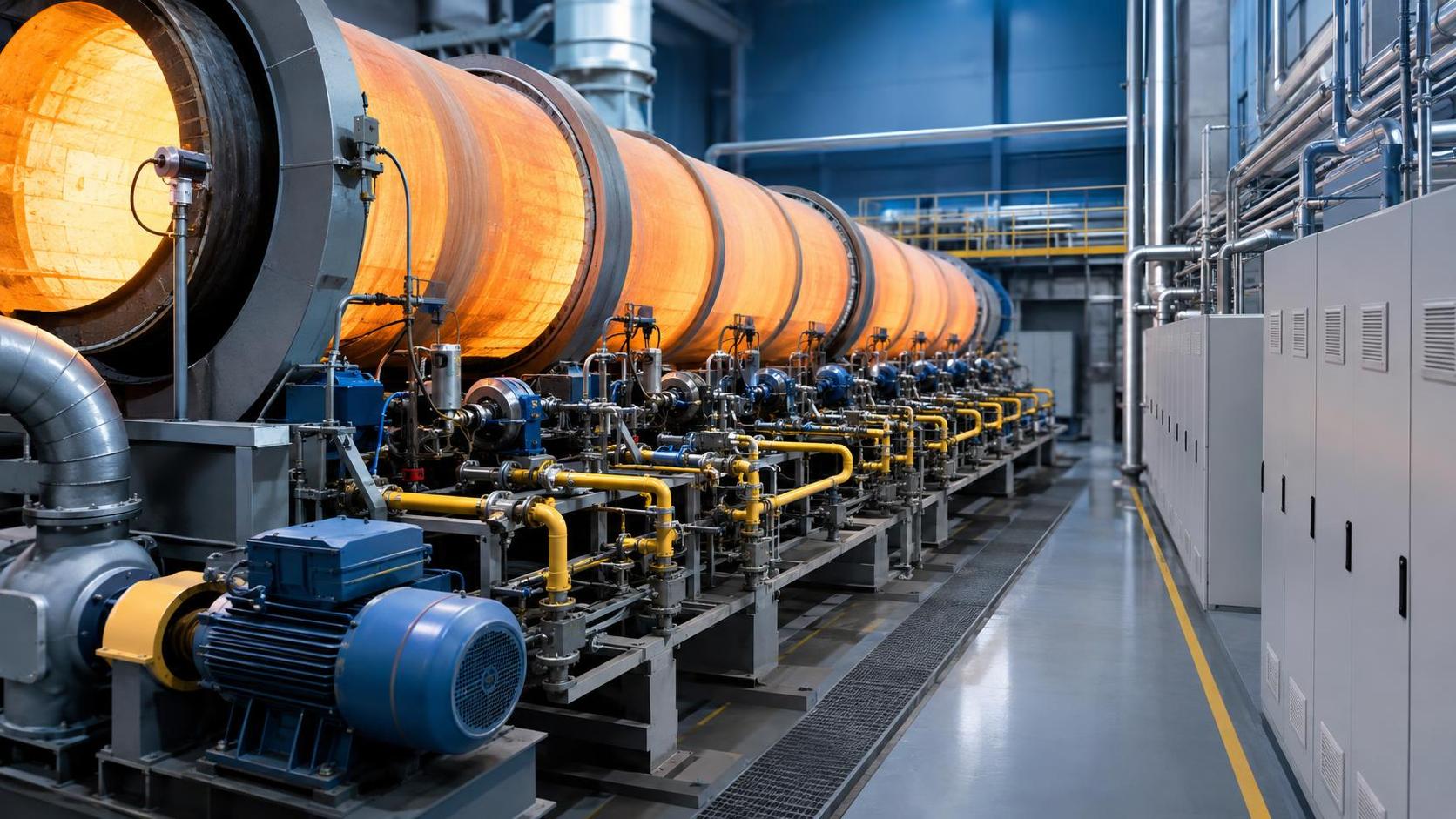
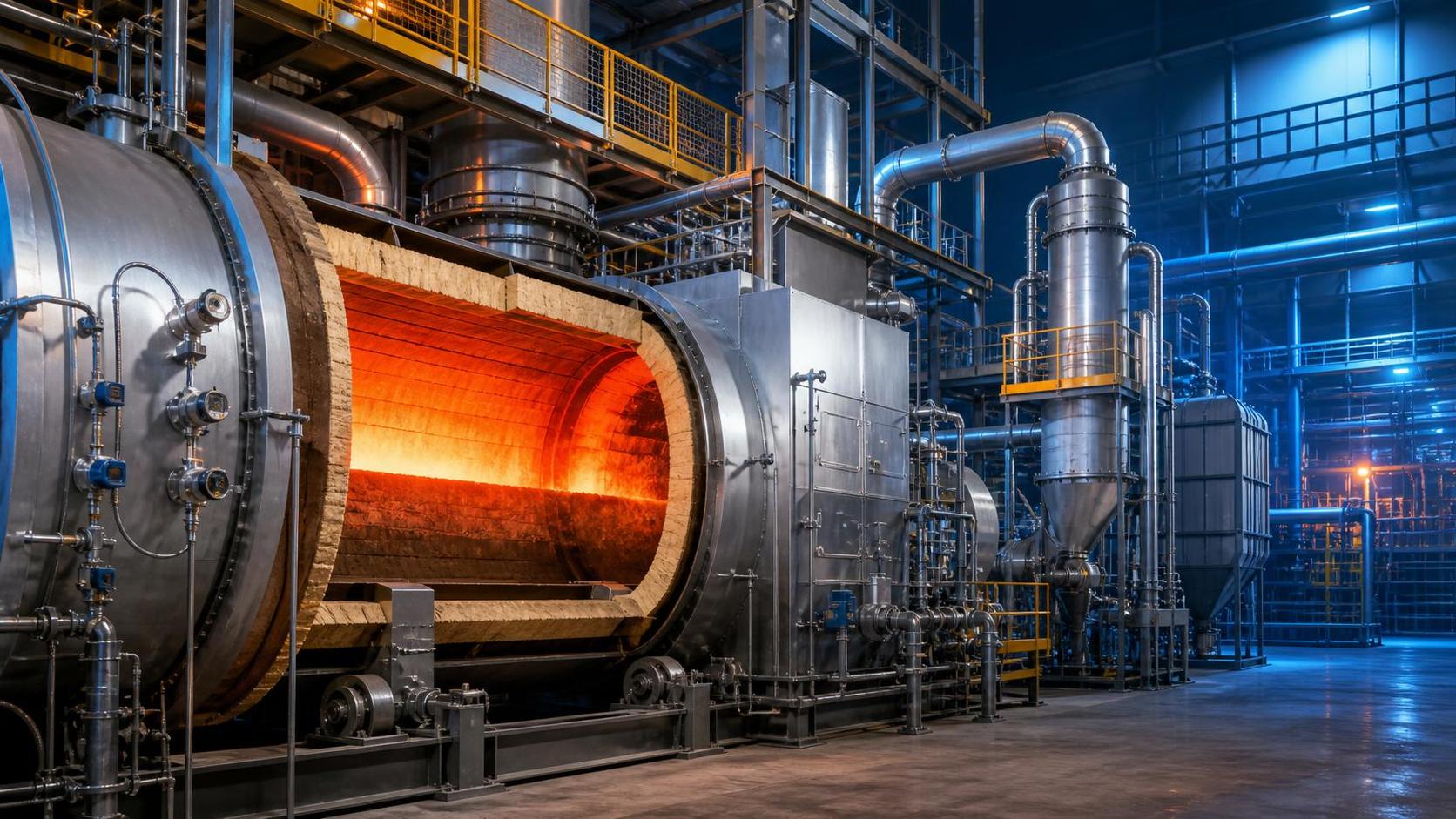
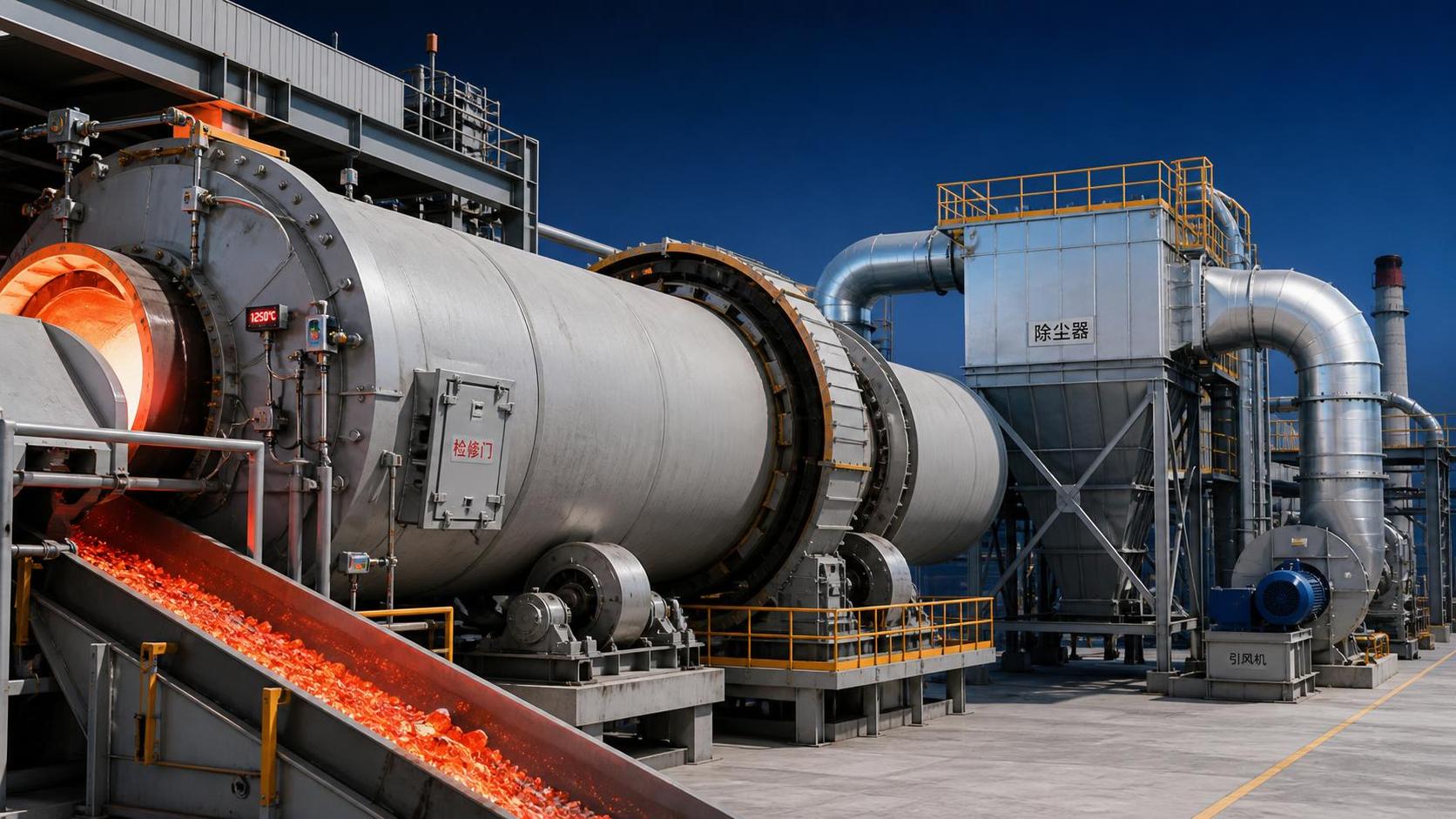
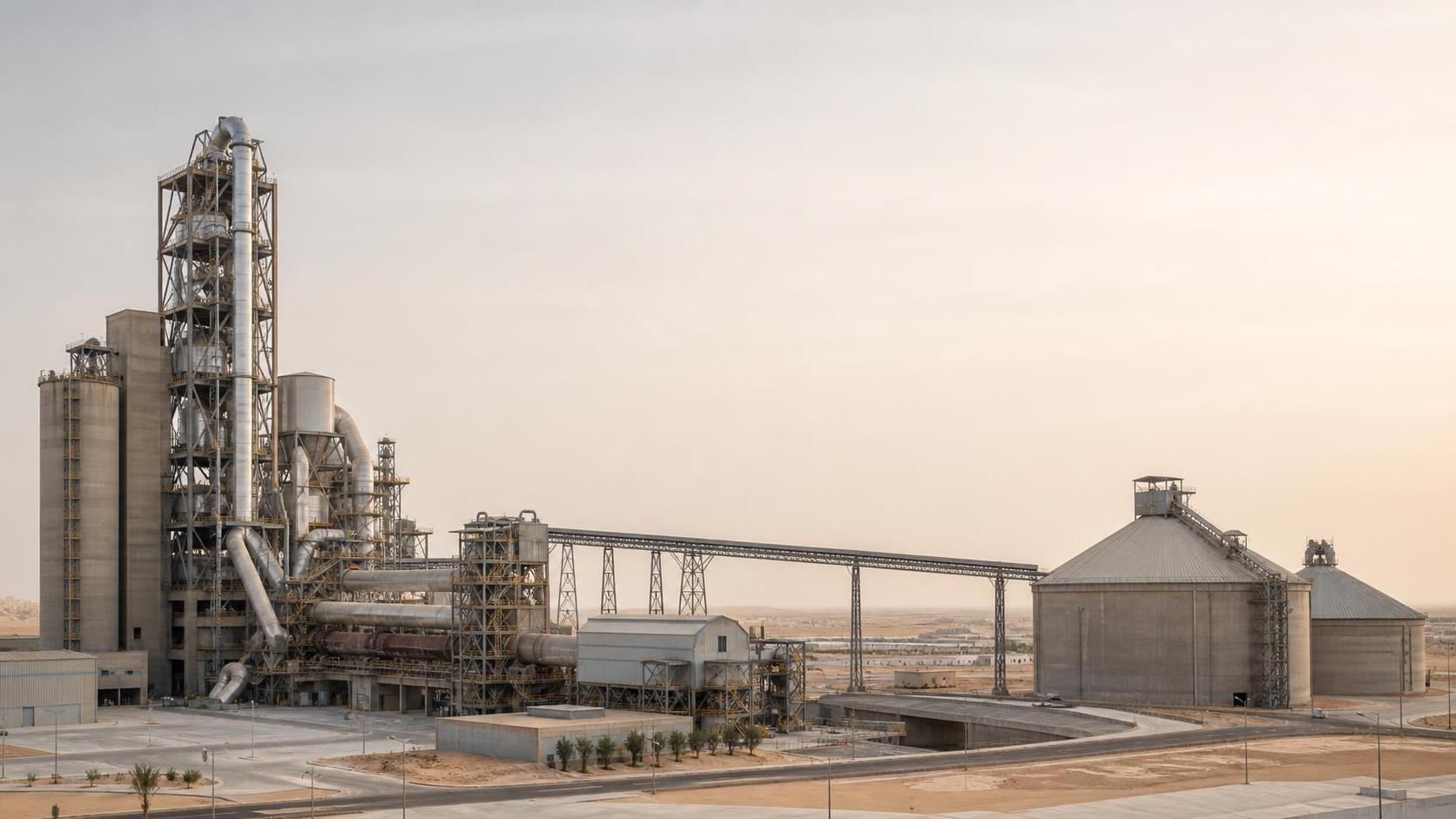
In cement kilns, for instance, stable calcination and clinker mineral formation depend on tight control of flame profile and material movement. A poorly matched system may still run, but at a higher energy penalty.
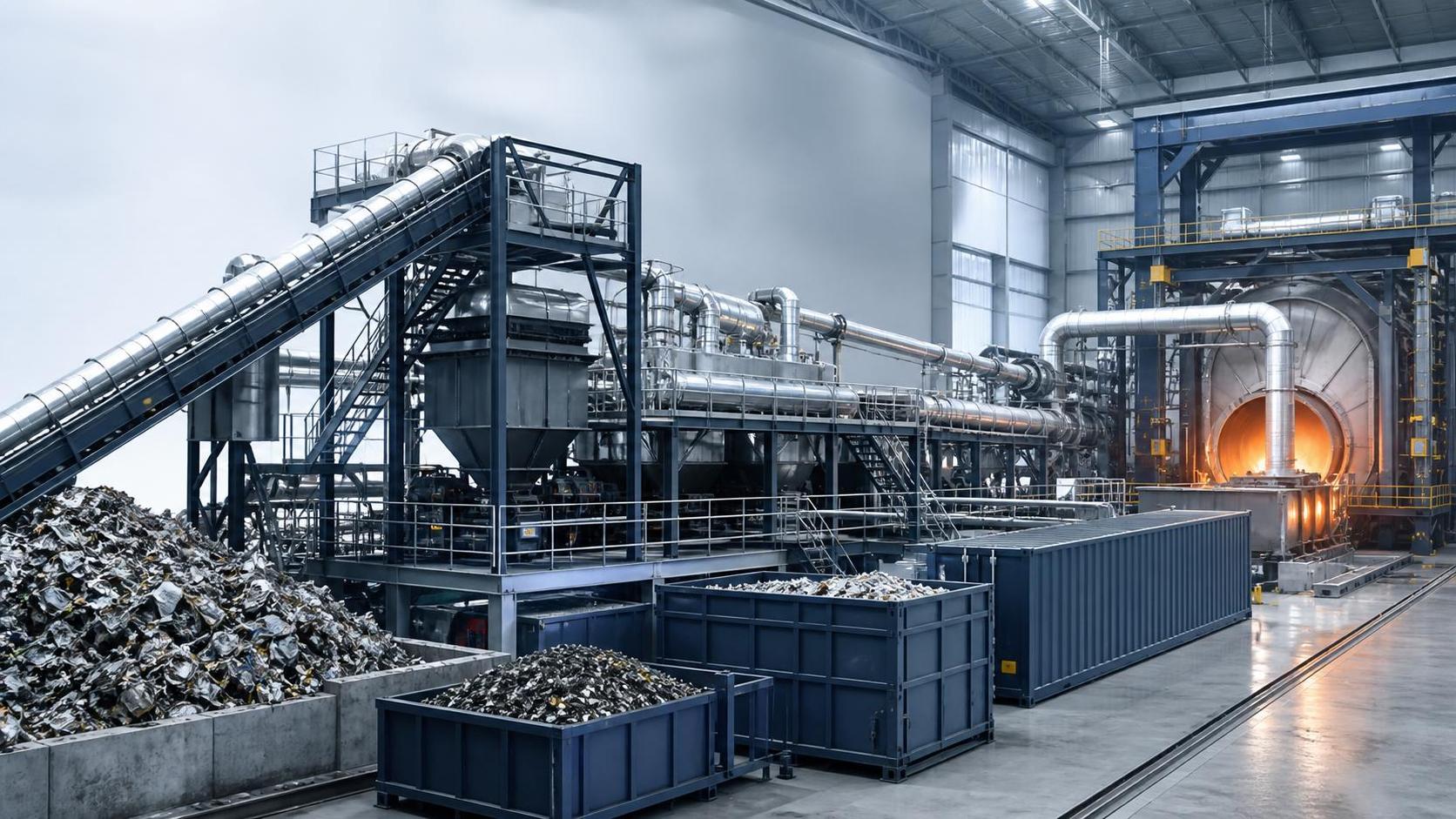
In waste co-processing or industrial incineration, the challenge shifts. Operators need silicate industrial solutions that can handle fluctuating feed composition without sacrificing combustion stability or emissions performance.
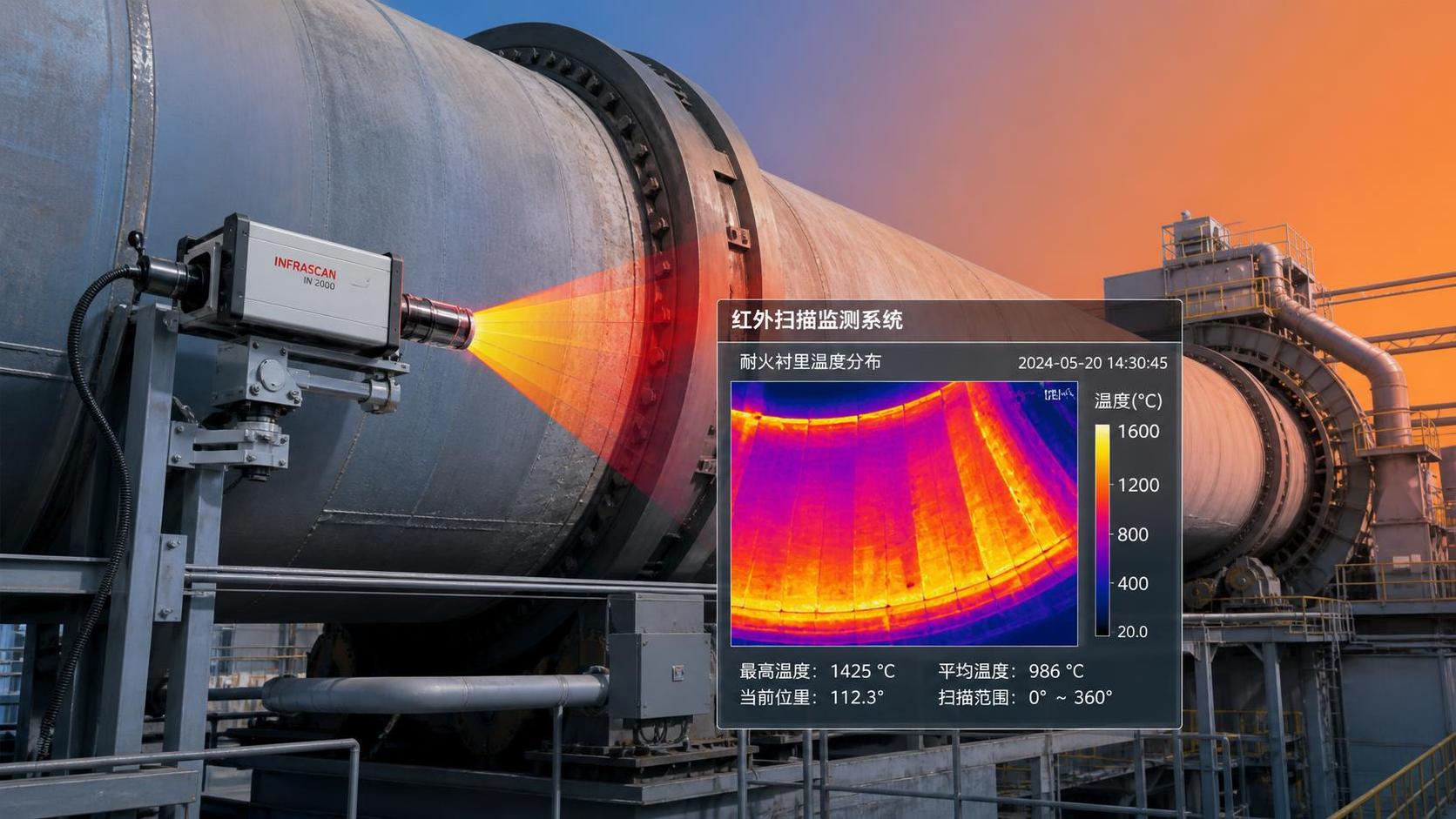
That also means refractory design, burner configuration, air distribution, and monitoring systems must be assessed as one integrated package.
Key evaluation points
- Peak and average operating temperature.
- Reaction sensitivity to oxygen, humidity, and thermal shock.
- Material abrasiveness, stickiness, and chemical volatility.
- Required heating or cooling speed.
- Expected lining life and shutdown frequency.
Consider Output Quality and Process Stability Together
High output does not automatically mean high performance. The most valuable silicate industrial solutions protect quality while keeping production stable under variable conditions.
From recent market shifts, one clearer signal is this. Buyers increasingly favor lines that can hold product consistency even when fuel mix, raw materials, or environmental constraints change.
This matters in several ways. Cement producers monitor clinker phase balance. Glass manufacturers watch bubble control, optical quality, and edge stress. Extrusion plants focus on dimensional stability and density control.
As a result, silicate industrial solutions should be evaluated through both design capacity and operating window. A narrow operating window may look efficient at full load, but risky in daily production.
Evaluate Energy, Emissions, and Future Compliance Early
Energy performance is now a core selection factor, not a secondary optimization. For many facilities, it directly shapes payback and market competitiveness.
That means silicate industrial solutions must be judged by specific energy consumption, waste heat recovery potential, fuel flexibility, and emissions control compatibility.
In actual business settings, regulations often tighten faster than equipment lifecycles. A line installed today may face stricter NOx, CO2, dust, or waste utilization standards within a few years.
So the smarter choice is often not the cheapest quote. It is the solution that leaves room for future burners, online monitoring, digital control, and alternative fuels.
This is where strategic intelligence becomes valuable. Platforms such as CF-Elite help connect thermal parameters, process evolution, and decarbonization trends into practical selection logic.
What to verify before approval
- Baseline energy use under stable and variable loads.
- Compatibility with waste heat recovery systems.
- Readiness for alternative fuels or feedstocks.
- Space for future emissions control upgrades.
- Availability of performance data from similar plants.
Look Beyond the Main Machine
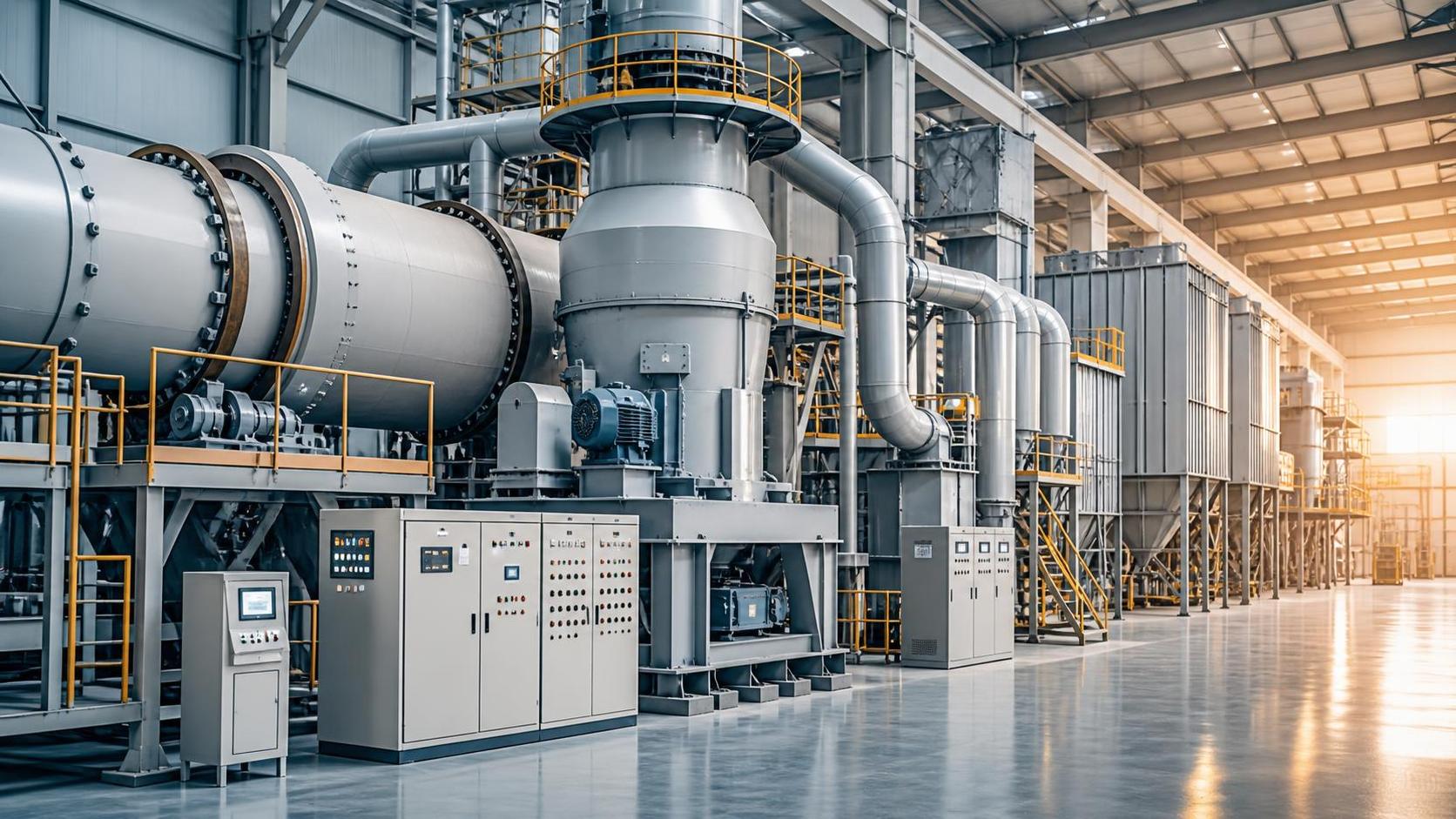
A common mistake is to compare only the kiln, furnace, melter, or extruder. However, silicate industrial solutions succeed or fail through system coordination.
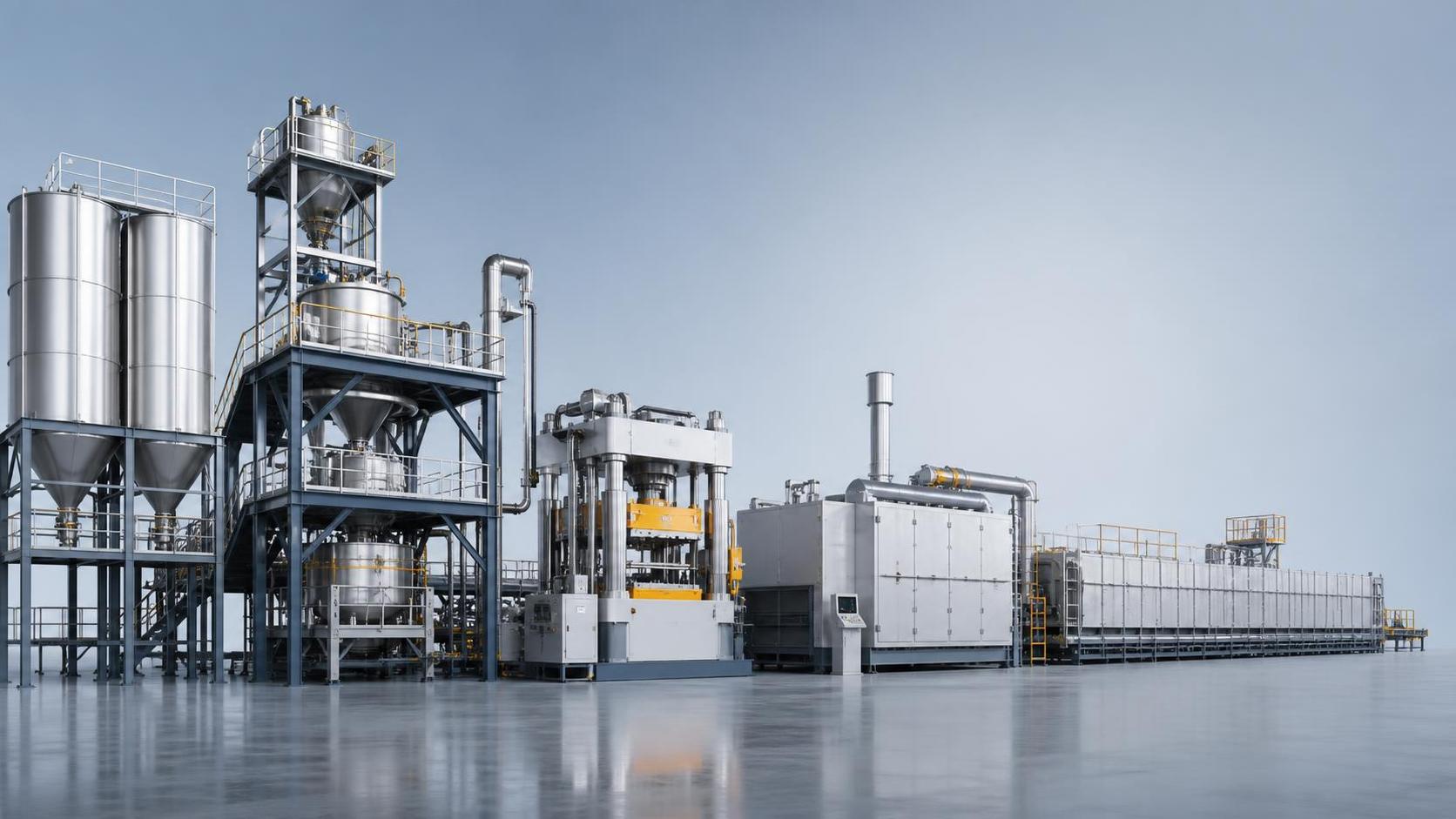
Feed preparation, combustion systems, refractory materials, cooling sections, dust treatment, automation, and spare parts planning all affect overall performance.
More importantly, hidden losses often come from interfaces. An efficient core unit can underperform if upstream moisture control is weak or downstream handling creates repeated disruptions.
For that reason, decision teams should request a full process map. The best silicate industrial solutions are supported by data flow, maintenance logic, and operator usability from end to end.
Use a Practical Selection Framework
When several suppliers seem technically capable, a weighted evaluation model helps narrow the decision. It also reduces bias from headline pricing or isolated performance claims.
- Define the production target in measurable terms.
- Rank must-have and nice-to-have process features.
- Score silicate industrial solutions on efficiency, quality, flexibility, and risk.
- Compare lifecycle cost, not only capital expenditure.
- Validate references from similar operating environments.
- Review service capability, spare parts access, and commissioning depth.
This framework is especially useful in cross-border procurement. It creates a common language between technical teams, finance functions, and long-term operations planning.
Why Market Intelligence Improves Solution Choice
Choosing silicate industrial solutions in today’s market requires more than vendor brochures. It also requires awareness of regulation shifts, fuel economics, technology maturity, and downstream demand trends.
That is where CF-Elite plays a meaningful role. Its focus on cement production plants, glass manufacturing gear, industrial kilns, refractory production lines, and new building material extrusion supports more informed selection.
By combining process engineering insight with commercial intelligence, CF-Elite helps turn fragmented information into a clearer investment picture. That can shorten decision cycles and lower technology mismatch risk.
Final Decision Checklist
Before selecting silicate industrial solutions, confirm that the proposed system fits both current output needs and future strategic direction. This final check often prevents expensive compromises.
- Does the solution match the real process requirement?
- Can it maintain quality under daily operating variation?
- Will it support energy and carbon goals over time?
- Is the full system, not just the core machine, properly integrated?
- Can the supplier prove performance in similar applications?
The strongest silicate industrial solutions are practical, scalable, and resilient. When selection is grounded in process reality and supported by reliable intelligence, the investment becomes far more defensible.
If the goal is stable output, lower emissions, and stronger long-term returns, the right next step is simple. Evaluate silicate industrial solutions through performance, flexibility, and future readiness together.
Related News
 Optical Glass Tech FellowHow to Evaluate a Glass Annealing Equipment Manufacturer for Production StabilityChoose a glass annealing equipment manufacturer with proven thermal uniformity, reliable controls, lifecycle value, and responsive service for stable production.Sep 08, 2026
 Prof. Marcus ChenThermal Energy Architecture in North America: Strategies for Lower Building Energy UseThermal energy architecture North America helps project leaders cut building energy use through stronger envelopes, right-sized HVAC, storage, and smart commissioning.Sep 07, 2026
 Ms. Elena RodriguezHow Should Buyers Evaluate Building Material Industry Intelligence Pricing?Building material industry intelligence pricing: learn how to compare coverage, technical depth, and ROI to choose intelligence that reduces procurement risk.Sep 07, 2026
 Ms. Elena RodriguezHow to Use Building Material Intelligence Data for Market and Investment DecisionsBuilding material industry intelligence data helps leaders evaluate demand, costs, regulation, capacity, and technology to make smarter market and investment decisions.Sep 05, 2026
 Thermal Energy ArchitectHow PLC Control Improves Energy Efficiency and Temperature Stability in KilnsEnergy efficient kilns PLC control improves temperature stability, cuts fuel waste, and optimizes combustion, draft, and material flow. Explore proven strategies for smarter kiln modernization.Sep 04, 2026
 Optical Glass Tech FellowEuropean Glass Melting Processes: Furnace Choices, Energy Use, and Quality ControlGlass melting process Europe: explore furnace choices, energy efficiency, cullet strategy, and quality control to improve output, compliance, and long-term glass performance.Sep 03, 2026
 Thermal Energy ArchitectWhat Determines Refractory Lining Monitoring Price for Industrial Kilns?Refractory lining monitoring price depends on kiln size, sensor technology, installation, software, and support. Compare total lifecycle costs and choose the right solution.Sep 02, 2026
 Silicate Process EngineerCement Production System Costs: A Plant Buyer’s Guide to Budgeting and ROICement production systems cost planning made clear: compare CAPEX, operating costs, compliance, and ROI to build a resilient, profitable cement plant investment.Sep 01, 2026
 Dr. Alistair VaughnWhat Should a Process Technology Database Track for High-Temperature Plants?Process technology database essentials for high-temperature plants: track thermal profiles, feed chemistry, refractory wear, emissions, energy, and maintenance for safer, data-driven decisions.Aug 31, 2026
 Ms. Elena RodriguezHow to Evaluate a Silicate Processing Equipment Manufacturer for Plant ProjectsSilicate processing equipment manufacturer selection: assess process fit, guarantees, energy, compliance, delivery risk, and lifecycle support for dependable plant performance.Aug 30, 2026
 Dr. Alistair VaughnHow to Specify Custom Agricultural Processing Equipment for Throughput and HygieneEquipment customization services for agricultural processing: learn to specify hygienic, high-throughput lines that improve yield, reliability, and long-term efficiency.Aug 29, 2026
 Dr. Alistair VaughnHow to Select Process Plant Equipment for High-Temperature, Abrasive Production LinesProcess plant equipment selection for high-temperature, abrasive lines: reduce downtime, improve durability, and optimize lifecycle performance.Aug 28, 2026
 Silicate Process EngineerHow Kiln Heat Recovery Systems Cut Fuel Use in Cement and Lime ProductionKiln heat recovery helps cement and lime plants cut fuel use, improve thermal stability, and build practical, reliable decarbonization strategies.Aug 27, 2026
 Ms. Elena RodriguezProcess Equipment Comparison: Which Metrics Matter Most for Reliable Selection?Process equipment comparison made practical: discover which metrics truly drive reliable selection, from energy efficiency and control stability to wear life, maintainability, and uptime.Aug 26, 2026
 Ms. Elena RodriguezWhat Buyers Should Check Before Sourcing Precision Alloy Bars for Critical PartsPrecision Alloy Bars buyers should verify grade, chemistry, tolerances, surface quality, traceability, and lead time before sourcing for critical parts. Learn what prevents costly machining and reliability risks.Aug 27, 2026
 Ms. Elena RodriguezHow to Evaluate Thermal Management Solutions Insulation for High-Heat Industrial SystemsThermal management solutions insulation: learn how to assess high-heat industrial systems by thermal performance, durability, lifecycle cost, and supplier data for smarter decisions.Aug 25, 2026
 Ms. Elena RodriguezWhat Drives Waste Recycling Cost in Industrial Projects and How to Estimate It?Waste recycling cost in industrial projects depends on composition, moisture, transport, pre-treatment, and compliance. Learn how to estimate it accurately and compare suppliers with confidence.Aug 24, 2026
 Silicate Process EngineerHow to Evaluate Cement Production Plants in the Middle East for Capacity, Fuel Flexibility, and ROIcement production plants Middle East: Learn how to assess true capacity, fuel flexibility, and ROI risks to identify resilient assets and smarter investment opportunities.Aug 23, 2026
 Structural Material AnalystHow to Evaluate Lightweight Material Machinery for Output, Energy Use, and Product QualityLightweight material machinery evaluation guide: compare stable output, energy use, and product quality to choose equipment that cuts waste, lowers costs, and improves production confidence.Aug 22, 2026
 Material Heat-Resist ExpertWhat Determines Refractory Production Line Price in a Turnkey Plant Project?Refractory production line price depends on raw materials, forming method, kiln and drying design, automation, utilities, and scope. Learn what really drives turnkey plant cost before you invest.Aug 21, 2026

Related News
- 00
0000-00
How Should Buyers Evaluate Building Material Industry Intelligence Pricing? - 00
0000-00
How to Use Building Material Intelligence Data for Market and Investment Decisions - 00
0000-00
How to Evaluate a Silicate Processing Equipment Manufacturer for Plant Projects - 00
0000-00
Process Equipment Comparison: Which Metrics Matter Most for Reliable Selection? - 00
0000-00
What Buyers Should Check Before Sourcing Precision Alloy Bars for Critical Parts
Weekly Insights
Stay ahead with our curated technology reports delivered every Monday.