Rotary Kiln Company News: New Contracts and Cement Plant Projects




Rotary kiln company news offers a window into the contracts and cement plant projects shaping investment decisions across the global building materials industry. For commercial evaluators, these developments can reveal shifts in equipment demand, supplier capabilities, project scope, and decarbonization priorities. Yet an announcement is only the beginning of the story. The commercial value lies in understanding what has been ordered, how far the project has progressed, and which technical and financial obligations still stand between an agreement and a functioning plant.
That distinction matters in an industry where projects can move through feasibility studies, financing, permitting, engineering, construction, and commissioning over extended periods. A headline about a new cement line may point to a significant equipment opportunity—or to an early-stage ambition that has not secured the conditions needed to proceed.
What new contracts reveal about the rotary kiln market
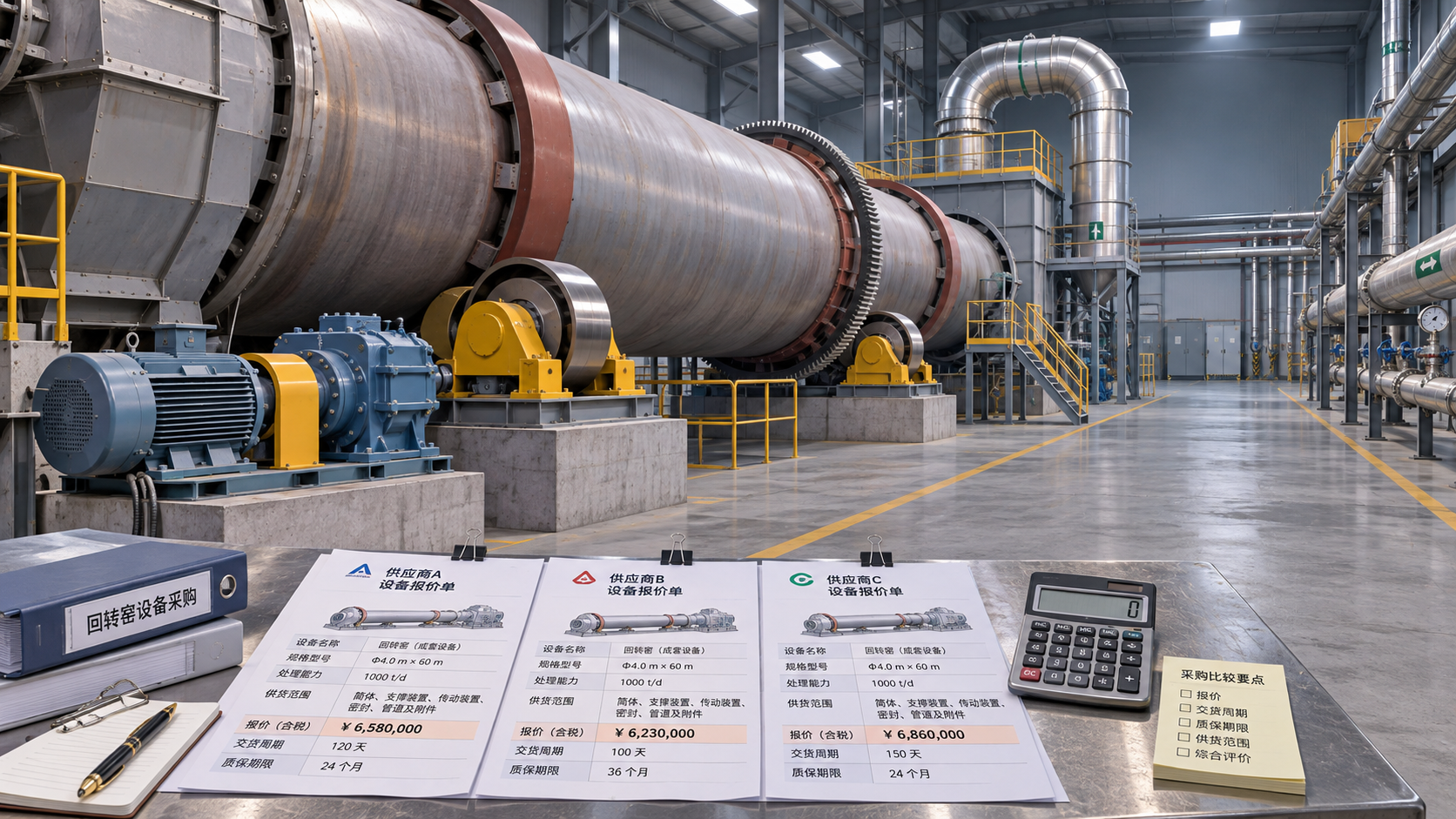
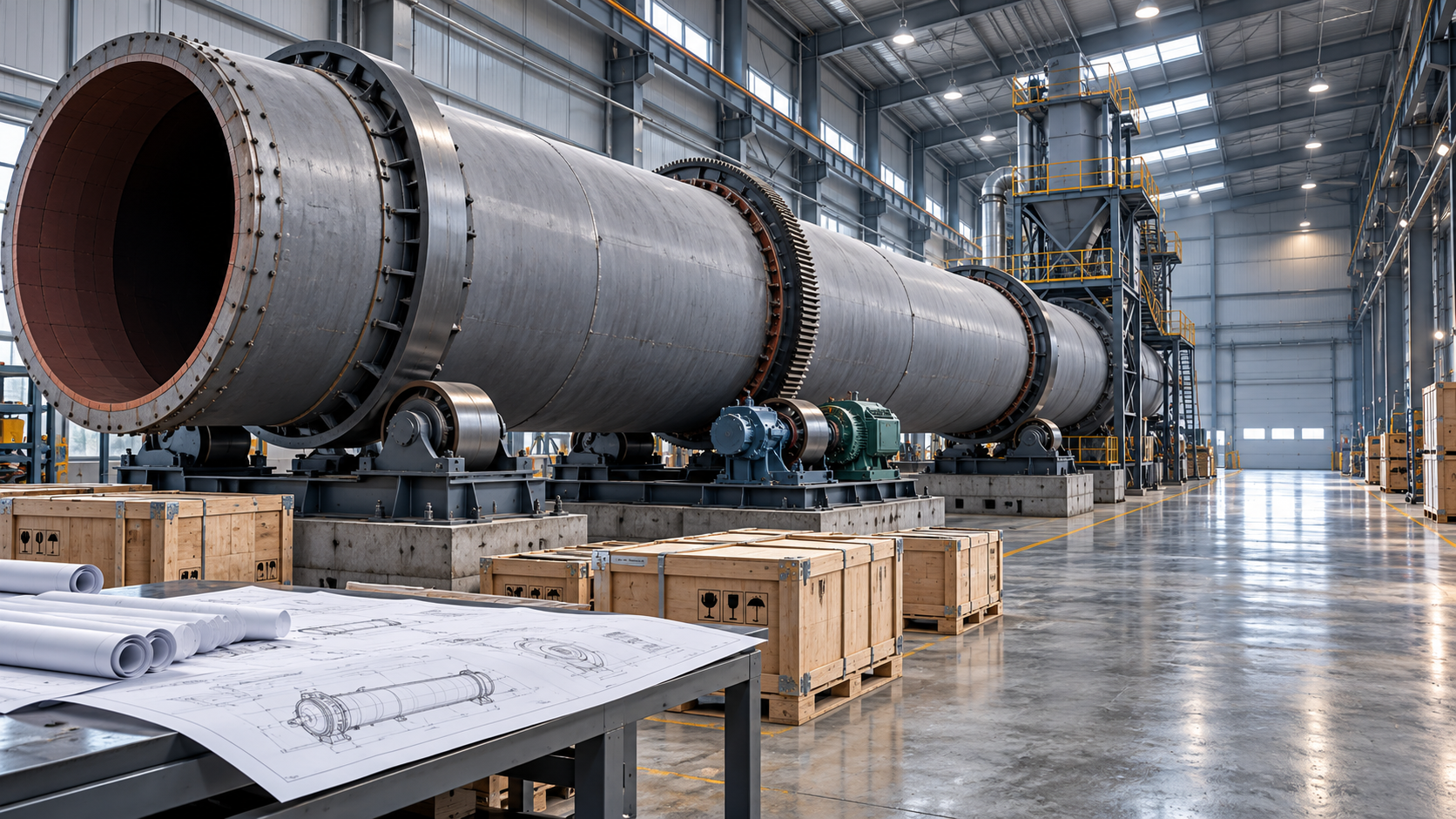
A rotary kiln contract is rarely just an order for a rotating steel shell. Depending on its scope, it may include the kiln drive, burner, preheater, precalciner, clinker cooler, control systems, emissions equipment, installation supervision, or commissioning services. An announcement that identifies these boundaries gives evaluators a much stronger basis for judging its significance than one that mentions only a “complete solution.”
Contract type also changes the picture. An engineering, procurement, and construction agreement may place broad delivery and coordination responsibilities on one contractor. A supply-only agreement, by contrast, can leave civil works, local installation, utilities, and integration with existing plant systems under separate contracts. Neither model is automatically better; the question is whether each party’s responsibilities match its capabilities and the project owner’s risk appetite.
Commercial teams should also distinguish a signed contract from a memorandum of understanding, a letter of intent, or a preferred-bidder announcement. These milestones can indicate genuine interest without confirming that financing, regulatory approvals, or notice to proceed are in place. When those details are missing, treat the announcement as a lead for further investigation rather than proof of committed expenditure.
Details worth extracting from an announcement
- Project status: Is the agreement binding, conditional, or still under negotiation? Has construction actually been authorized?
- Scope of supply: Does the order cover a complete pyroprocessing line, selected equipment, or a service intervention?
- Parties and responsibilities: Identify the plant owner, technology provider, main contractor, and local execution partners where disclosed.
- Capacity and configuration: Check whether stated output refers to clinker or cement, and whether it describes a new line or an upgrade.
- Schedule and dependencies: Look for commissioning targets alongside financing, permits, grid access, fuel supply, and civil works.
- Performance obligations: Determine whether energy use, emissions, availability, or throughput targets are specified, and under what operating conditions.
Not every company will publish these details. Even so, recording what is absent makes follow-up questions more focused and helps prevent two very different contracts from being treated as equivalent.
Cement plant projects are not all the same opportunity
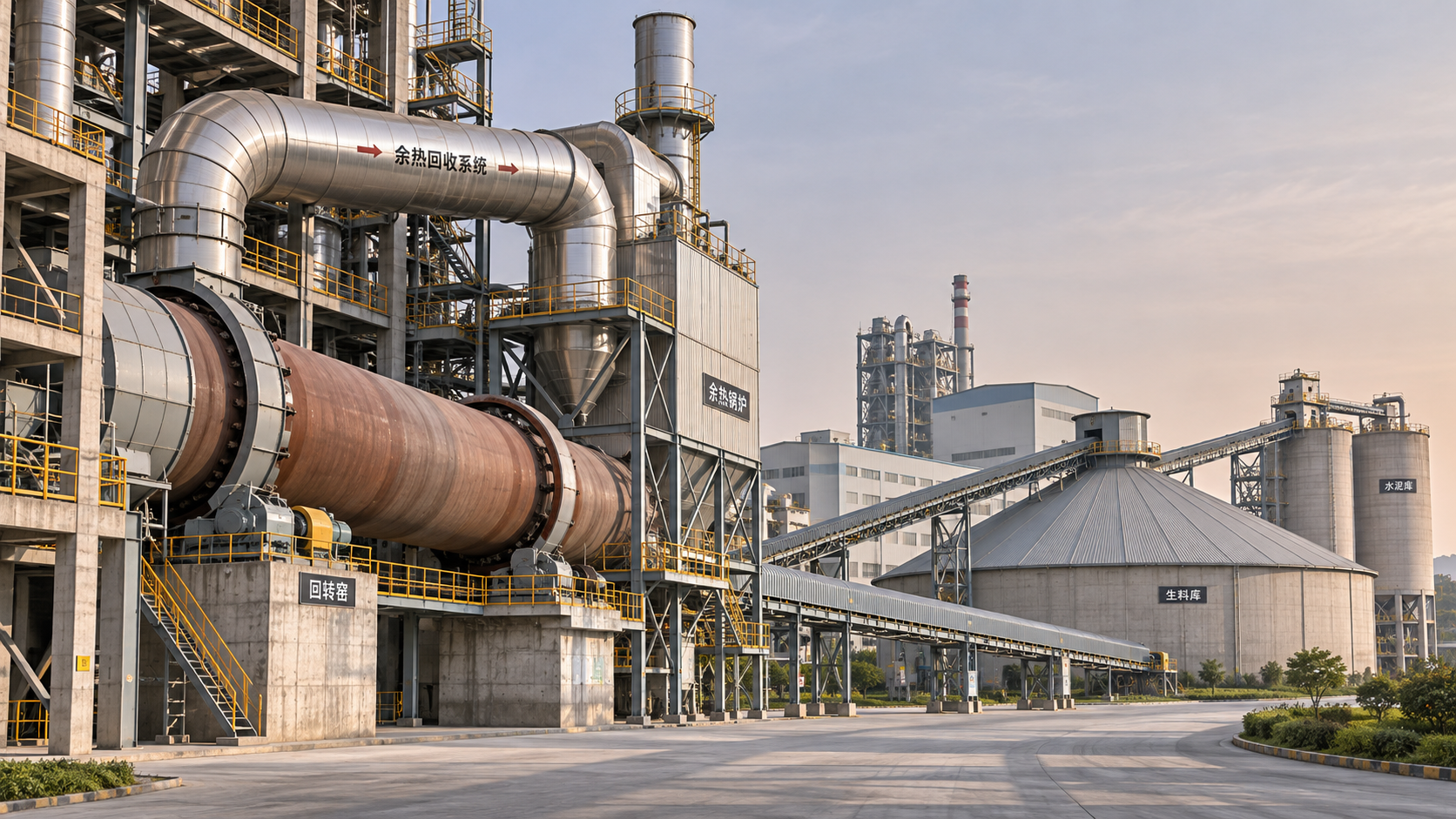
The broad phrase “cement plant project” covers several investment paths. A greenfield integrated plant typically requires raw material preparation, clinker production, cement grinding, storage, and dispatch infrastructure. Its kiln is central to the process, but the investment case depends on the full chain: limestone availability, transport, power, fuel, environmental approvals, and access to a market that can absorb the output.
A brownfield expansion raises a different set of questions. The owner may have existing quarry rights, personnel, and market access, but new equipment must fit around established operations. Space constraints, shutdown windows, old interfaces, and the capacity of shared utilities can shape the project as much as the nominal kiln size. For a supplier, the ability to integrate new equipment with a running plant may be as commercially relevant as the capacity of the equipment itself.
Modernization projects can be less visible in headlines yet important for equipment demand. Replacing a burner, improving cooler performance, upgrading controls, or modifying a preheater may support production and fuel objectives without adding a complete kiln line. A grinding-only facility is another useful distinction: it may increase cement capacity while relying on clinker produced elsewhere, so it should not automatically be counted as a new rotary kiln opportunity.
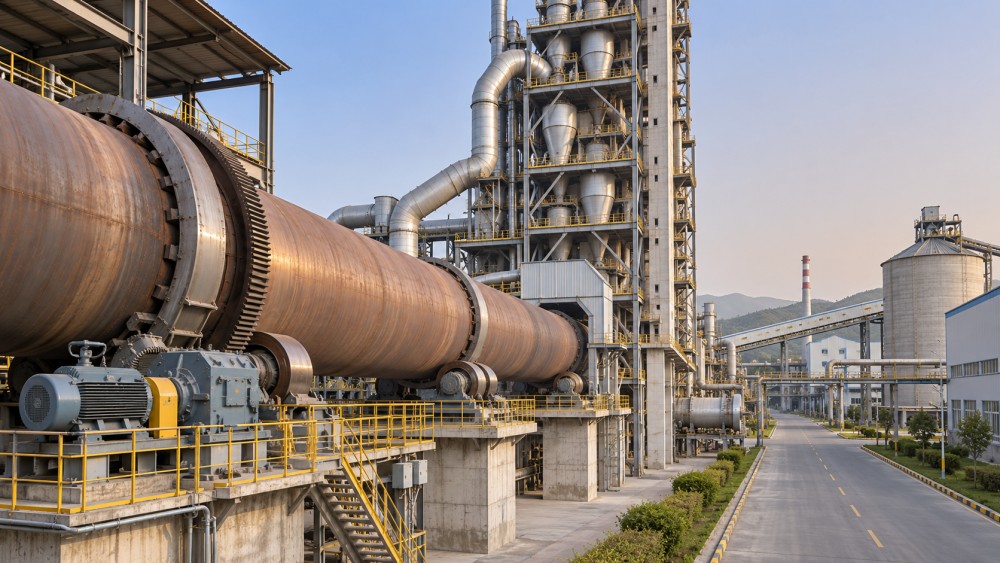
When evaluating a project pipeline, map each announcement to the relevant part of the production chain. This avoids counting the same development twice and makes it easier to see whether demand is emerging for major kiln systems, auxiliary equipment, installation services, refractory materials, or long-term maintenance.
Why decarbonization is changing the contract conversation
Cement producers face pressure to reduce emissions while maintaining reliable output and competitive production costs. As a result, rotary kiln company news increasingly needs to be read through both a process-performance lens and a carbon lens. An equipment upgrade may be described as an efficiency project, an alternative-fuel initiative, or an emissions-control investment; in practice, these objectives often overlap.
Alternative fuel use illustrates the complexity. A kiln system may need changes to fuel preparation, storage, feeding, combustion control, or process monitoring. The business case depends not only on burner design but also on the consistency, availability, cost, and regulatory acceptance of the fuel. Waste-derived fuels can support resource recovery, but their use requires appropriate emissions control and operating discipline; an announcement alone does not establish the environmental outcome.
Heat efficiency deserves similar scrutiny. Improvements to preheaters, calciners, coolers, and process controls can influence fuel consumption, but any claimed saving should be assessed against a defined baseline. Ask whether the comparison assumes the same raw materials, clinker quality, production rate, fuel mix, and operating hours. A performance figure without those conditions can be difficult to translate into a dependable financial forecast.
Carbon capture readiness is another term that calls for care. A plant may reserve space or consider future integration without having selected, financed, or contracted a capture system. Evaluators should separate a design intention from a funded project and examine how capture equipment would interact with power supply, heat demand, transport, and storage infrastructure.
Reading supplier signals beyond the headline
New orders can suggest where a rotary kiln company is building momentum, but the number of announcements is a limited measure of capability. A supplier’s recent portfolio may contain a mixture of equipment packages, engineering studies, and full-plant contracts. Comparing them requires attention to scope, technical complexity, and delivery responsibility.
For example, a company supplying a kiln and preheater for a new clinker line faces different integration challenges from a specialist replacing a drive system during a planned shutdown. Both may be valuable partners, but their track records answer different commercial questions. Relevant experience should be matched to the specific duty, raw materials, fuel characteristics, plant layout, and local execution conditions under review.
Aftermarket support is equally important in long-cycle equipment. Refractory inspection, mechanical alignment, spare parts availability, process optimization, and operator training can influence the plant’s operating experience long after commissioning. Ask who will provide those services locally, which components have long lead times, and how responsibility is shared when equipment from several suppliers must work together.
Digital offerings should be evaluated in the same practical way. A remote monitoring platform or process model may improve visibility, but its usefulness depends on instrument quality, data access, cybersecurity arrangements, and the plant team’s ability to act on recommendations. A contract that specifies integration, user training, and support obligations is more informative than a general promise of a “smart kiln.”
From announcement to commercial assessment
A disciplined review starts with the original company or project-owner announcement, then checks later disclosures for changes in scope, timing, or status. Public permitting records, financing announcements, procurement notices, and contractor updates can provide context where available. Conflicting dates or capacities do not necessarily indicate a problem, but they should be resolved before the information enters a sales forecast or investment comparison.
It is useful to maintain a simple project register with the announcement date, source, owner, location, capacity basis, contract scope, status, and next expected milestone. Separate confirmed facts from assumptions. A project described as “planned” should not sit in the same category as one with a verified notice to proceed, even if both appear equally prominent in search results.
Commercial evaluation should then connect the project to its likely bottlenecks:
- Financing and demand: Is there evidence that capital and a credible route to market are in place?
- Permitting and environmental compliance: Are emissions limits, fuel approvals, water access, and construction permissions understood?
- Technical integration: Can the proposed line work with the available raw meal, fuels, utilities, and existing equipment?
- Execution capacity: Are installation resources, logistics routes, and commissioning responsibilities identified?
- Operating economics: Have energy, maintenance, consumables, and expected utilization been considered alongside capital cost?
- Contractual exposure: Are performance tests, acceptance criteria, change orders, and warranty interfaces clearly allocated?
These questions are especially valuable when a contract value is undisclosed. A smaller retrofit with a well-defined scope and near-term execution may represent a more actionable opportunity for a particular supplier than a much larger integrated plant still awaiting financing.
What to watch as projects move forward
The strongest market signals often appear after the initial announcement: a financing close, an equipment release, a construction mobilization, a delivery milestone, or a commissioning update. Each reduces a different kind of uncertainty. Delays and scope revisions are also useful information, particularly when they reveal pressure around energy infrastructure, permitting, cost escalation, or plant integration.
For business evaluators, the goal is not to turn every item of rotary kiln company news into an immediate sales opportunity. It is to build a clearer view of where capital is moving, which technical requirements are becoming commercially important, and which suppliers are positioned for a particular type of work. CF-Elite’s focus on high-temperature processes, silicate production, and thermal management provides a useful framework for following those connections across cement equipment and the wider industrial supply chain.
Read carefully, a contract announcement becomes more than a headline. It becomes an early indicator to test, update, and compare against the physical and financial realities of getting a cement plant into operation.
Related News
 Ms. Elena RodriguezChoosing a Digital Twin Simulation Supplier: Integration and Cost CriteriaChoosing a digital twin simulations supplier? Compare integration, model validation, lifecycle costs, and pilot criteria to make a confident investment.Nov 19, 2026
 Thermal Energy ArchitectRotary Kiln Company News: New Contracts and Cement Plant ProjectsRotary kiln company news: Explore new contracts, cement plant projects, and decarbonization trends to identify opportunities and assess project risks.Nov 18, 2026
 Ms. Elena RodriguezProcess Equipment Pricing: How to Compare Quotes and Total CostsMaster process equipment comparison pricing: compare supplier quotes, uncover hidden costs, and evaluate lifetime expenses to make a confident buying decision.Nov 17, 2026
 Prof. Marcus ChenGlobal Cement Industry Decarbonization: Key Technologies and Cost BarriersExplore global cement industry decarbonization technologies, cost barriers, and practical investment strategies to cut emissions while protecting competitiveness.Nov 16, 2026
 Structural Material AnalystChoosing Specification Preparation Support for North American ProjectsChoose specification preparation support North America projects can rely on. Compare technical expertise, compliance, interfaces, and supplier acceptance criteria.Nov 14, 2026
 Structural Material AnalystSpecialty Ceramic Extrusion: How Material Properties Affect FormingExplore how ceramic specialized material extrusion is shaped by particle size, binders, and solids loading—and learn to improve forming and reduce defects.Nov 13, 2026
 Ms. Elena RodriguezHigh-Pressure Molding Equipment Prices in Europe: What Affects the Total Cost?Explore high pressure molding equipment price Europe buyers can expect to assess, from tooling and installation to running costs. Compare quotes with confidence.Nov 12, 2026
 Structural Material AnalystChoosing a Vacuum Extrusion System: Capacity, Materials and Vacuum LevelsChoosing a vacuum extrusion system? Compare capacity, material behavior and vacuum levels to improve product quality and select the right equipment.Nov 11, 2026
 Optical Glass Tech FellowGlass Melting Innovations: Comparing Electric and Hybrid Furnace TechnologiesExplore glass melting innovations and compare electric and hybrid furnaces by energy use, emissions, glass quality and operating costs to find the right fit.Nov 10, 2026
 Thermal Energy ArchitectHow Thermal Barrier Technology for Kilns Reduces Heat LossDiscover how thermal barrier technology for kilns reduces heat loss, and learn how to select insulation and assess savings without compromising lining durability.Nov 09, 2026
 Prof. Marcus ChenGlobal Materials Trends: What North American Manufacturers Need to KnowExplore global material trends North America manufacturers need to know, from energy costs and supply chains to lower-carbon materials and smarter investment decisions.Nov 08, 2026
 Thermal Energy ArchitectSelecting Abrasion-Resistant Refractories for High-Wear Kiln LiningsExplore advanced refractory materials abrasion resistant enough for high-wear kiln linings. Compare wear mechanisms, thermal stability, installation and lifecycle costs.Nov 06, 2026
 Dr. Alistair VaughnIndustrial Energy Efficiency Certification: ISO 50001 Requirements for PlantsExplore industrial energy efficiency certification with ISO 50001. Learn how plants define scope, measure performance and prepare credible evidence for audits.Nov 05, 2026
 Ms. Elena RodriguezWhat Is an Industrial Intelligence Database and How Is It Used?Discover how an industrial intelligence database helps researchers map markets, track projects, compare technologies, and assess evidence with confidence.Nov 04, 2026
 Ms. Elena RodriguezIndustrial Material Pricing: How Freight and Order Volume Affect QuotesExplore industrial material pricing and learn how freight, order volume, and inventory costs affect quotes. Compare suppliers and make smarter purchasing decisions.Nov 03, 2026
 Structural Material AnalystSingle- vs. Twin-Screw Extrusion Systems: Which Suits Your Material?Choose the right specialized extrusion systems screw type for your material. Compare single- and twin-screw options to improve quality and control costs.Nov 02, 2026
 Thermal Energy ArchitectChoosing Thermal Barrier Materials for Kilns: Temperature and Heat LossExplore thermal barrier materials for kilns and learn how to balance temperature resistance, heat loss, durability and operating costs when selecting a lining.Nov 01, 2026
 Ms. Elena RodriguezSupplier Reference Platform Pricing: Fees and Contract Terms to CompareCompare supplier reference platform pricing, hidden fees, verification costs and contract terms to choose the right solution for your sourcing team.Oct 31, 2026
 Ms. Elena RodriguezSupplier Comparison Metrics: How to Score Cost, Quality, and DeliveryUse supplier comparison metrics to score cost, quality, and delivery with a practical weighted scorecard. Make more confident equipment sourcing decisions.Oct 30, 2026
 Ms. Elena RodriguezWhat Does Industrial Waste Heat Recovery Cost, and When Does It Pay Back?Understand industrial waste heat recovery cost, from equipment and installation to net savings. Learn how to compare quotes, assess risks, and calculate realistic payback before investing.Oct 29, 2026


Related News
- 00
0000-00
Rotary Kiln Company News: New Contracts and Cement Plant Projects - 00
0000-00
How Thermal Barrier Technology for Kilns Reduces Heat Loss - 00
0000-00
Selecting Abrasion-Resistant Refractories for High-Wear Kiln Linings - 00
0000-00
Choosing Thermal Barrier Materials for Kilns: Temperature and Heat Loss - 00
0000-00
Choosing Industrial Waste-to-Energy Equipment by Waste Moisture and Heating Value
0000-00
Weekly Insights
Stay ahead with our curated technology reports delivered every Monday.