
Choosing a Digital Twin Simulation Supplier: Integration and Cost Criteria




Choosing a digital twin simulations supplier involves more than comparing software features. For procurement teams in cement, glass, and other high-temperature industries, the right partner must connect simulation models with existing control systems, operational data, and engineering workflows.
Total cost also matters: licensing, integration, data preparation, maintenance, and future expansion can all affect the investment. This guide outlines the criteria buyers should evaluate when selecting a supplier.
Start with a defined operational decision, then test whether the supplier can deliver trustworthy outputs using accessible plant data. Compare bids on lifetime cost and measurable acceptance criteria.
What Should Procurement Define Before Comparing Suppliers?
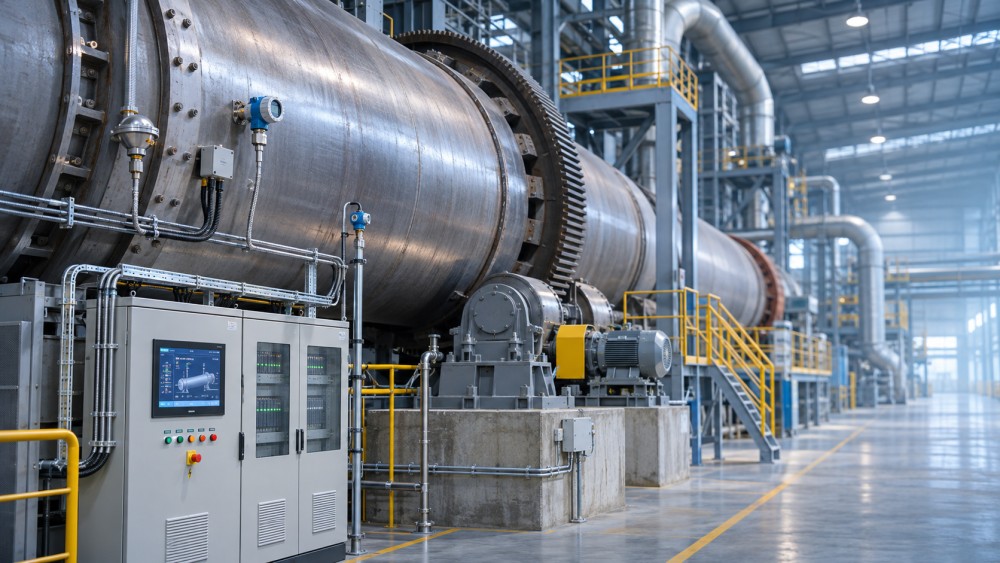
A digital twin is useful when it helps a team make a specific decision. Define that decision before requesting demonstrations or reviewing detailed feature lists.
For a cement plant, the initial use case might be evaluating kiln operating scenarios to reduce fuel consumption while maintaining clinker quality and production stability.
For glass manufacturing, it might involve testing how furnace temperature changes affect energy use and product quality, subject to available measurements and process expertise.
Specify the asset, users, required update frequency, expected outputs, and decisions the model will support. These details determine the integration effort and model requirements.
Separate advisory applications from systems that recommend or implement control changes. Higher levels of operational influence require closer scrutiny of safety, validation, and access permissions.
Ask operations, process engineering, information technology, and procurement to agree on the initial scope. Their early involvement can prevent bids based on incompatible assumptions.
Can the Supplier Integrate With Your Plant Systems?
Integration is often the deciding factor because a convincing simulation has limited value if it cannot receive reliable data or fit existing engineering workflows.
Provide bidders with an inventory of relevant systems, including distributed control systems, programmable logic controllers, historians, laboratory systems, maintenance platforms, and available engineering models.
Request an architecture diagram showing data sources, interfaces, processing locations, the simulation environment, and where users will access results. Identify any proposed third-party components.
Ask which interfaces are already supported and which require custom development. Common industrial standards such as OPC UA may help, but compatibility must be demonstrated.
For each connection, clarify whether data flows in one direction or both. A read-only integration can support many initial use cases while limiting operational exposure.
If the proposed system sends recommendations or commands back to plant controls, require a separate review of authorization, safeguards, operator intervention, and failure behavior.
Integration also includes engineering workflows. Check whether staff can import relevant drawings, equipment specifications, process models, and maintenance records without repeated manual conversion.
Ask who owns each integration task: supplier, plant staff, control-system vendor, or another contractor. Include their availability and costs in the implementation schedule.
Is Your Data Ready for a Reliable Simulation?
Before accepting a performance promise, establish whether the required measurements exist, how frequently they are recorded, and whether their quality supports the intended decisions.
High-temperature processes may involve incomplete measurements of internal conditions, changing raw materials, sensor drift, and equipment wear. These gaps can limit model accuracy.
Ask suppliers to identify essential inputs and distinguish them from desirable inputs. Require an explanation of how missing, delayed, or inconsistent data will be handled.
For example, a kiln model may depend on fuel characteristics, feed composition, temperatures, and production rates. Available measurements vary by site and intended application.
Request a data-readiness assessment with named responsibilities, expected effort, and an estimate for correcting gaps. Include any additional instrumentation in the business case.
Clarify how timestamps, units, equipment identifiers, and historical operating periods will be aligned. Poor alignment can produce plausible results that do not reflect plant behavior.
The supplier should explain whether the model relies on physical equations, historical data, or a combination, and what happens when operating conditions change significantly.
How Will You Verify Model Accuracy and Operational Value?
Do not accept accuracy claims without context. A model can perform well for one variable or operating range and poorly for another important decision.
Define the outputs to validate, the reference measurements, acceptable error ranges, and the operating conditions covered. Include normal production and relevant transitions where data exists.
For a glass furnace, validation might compare predicted and observed temperatures or energy consumption across agreed production periods, rather than relying on a single demonstration.
Agree on how historical data will be divided between model development and independent validation. This helps test performance against periods the model has not learned.
Where direct measurement is unavailable, ask how assumptions will be checked with process engineers and how uncertainty will be communicated to users.
Set acceptance criteria for both technical performance and usability. A model that meets numerical targets but produces results too slowly may still fail operational needs.
Specify who approves acceptance, which evidence is required, and what remediation applies if agreed criteria are missed. Link payment milestones to verifiable deliverables.
What Is the Total Cost of Ownership?
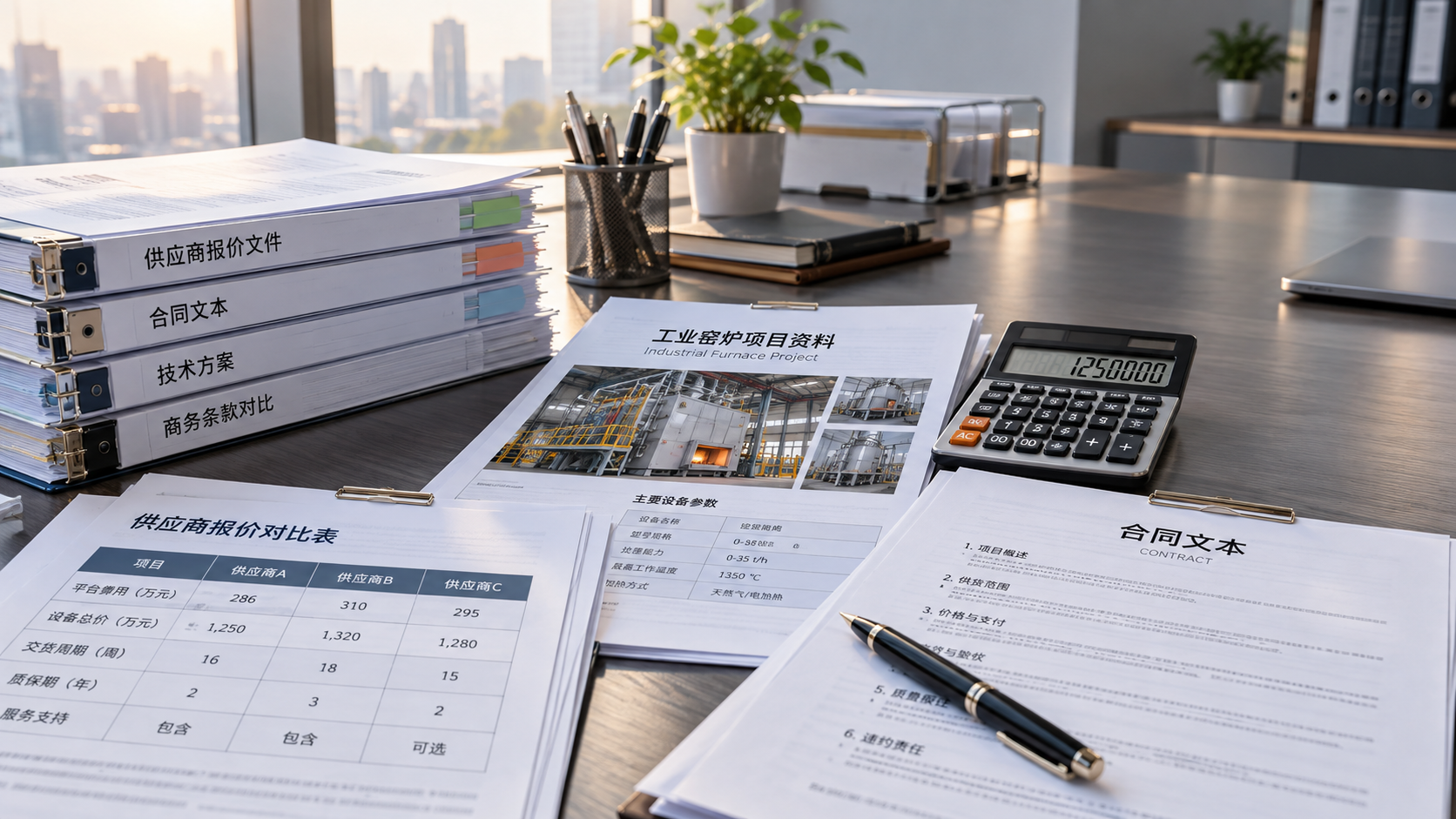
The lowest initial quote may omit substantial work. Compare each digital twin simulations supplier using a common cost model over an agreed planning period.
Include implementation, recurring charges, internal labor, infrastructure, support, and expected expansion. State which costs are fixed, estimated, optional, or dependent on usage.
Ask bidders to complete the same pricing template and disclose assumptions. A shared scope makes differences in price easier to investigate and negotiate.
Pay particular attention to model maintenance. Changes in fuel, raw materials, equipment condition, or production targets may require recalibration or more extensive redevelopment.
Include the cost of plant personnel who provide data, review models, attend training, and maintain interfaces. These commitments affect delivery even when no invoice appears.
For cloud deployments, test pricing against expected data volumes and simulation frequency. Confirm whether storage, data transfer, and compute charges have spending limits.
How Can You Estimate Return on Investment?
Build the business case around a measurable baseline and a credible mechanism for improvement. Avoid treating every simulated saving as an achievable financial benefit.
Potential benefits may include lower fuel consumption, fewer quality losses, reduced downtime, or faster evaluation of operating scenarios. Select measures relevant to the initial use case.
For an illustrative calculation, a plant spending $10 million annually on fuel would save $100,000 per year if verified fuel consumption fell by 1%.
That example assumes comparable production and fuel prices. Actual savings must account for output, product mix, operating conditions, implementation costs, and other changes affecting consumption.
Calculate payback using expected annual net benefits and total upfront investment. Include recurring costs and use a longer-term cash-flow analysis for larger projects.
Present conservative, expected, and optimistic cases. Procurement should ask the supplier which assumptions are supported by site evidence and which remain uncertain.
Agree on a measurement period, baseline adjustment method, and data source before deployment. Assign responsibility for reviewing results after the system enters routine use.
What Security, Ownership, and Contract Terms Matter?
Industrial data can reveal operating conditions, production levels, and proprietary processes. Review security and data rights alongside technical capabilities, before commercial terms are finalized.
Ask where data and models will be stored, who can access them, how access is logged, and whether subcontractors or external support teams require access.
Involve operational technology and cybersecurity teams in reviewing network connections, remote access, patching, incident response, backups, and recovery procedures for the proposed architecture.
Clarify ownership and permitted use of plant data, site-specific models, model outputs, and supplier tools. Check whether the supplier may use data for model training.
Require practical export rights and usable formats for data, configuration, and documentation. Ask what assistance is available if the contract ends or the supplier changes.
Review service levels for availability, response times, and issue resolution. Distinguish supplier commitments from dependencies on plant networks, third-party systems, and customer-provided data.
Contracts should also define change control, acceptance procedures, renewal pricing, and remedies. Legal and technical teams should verify that commitments match the proposed operating model.
How Should Buyers Run a Pilot and Compare Bids?
A focused pilot can expose integration, data, and usability problems before a wider rollout. Choose a representative asset with accessible data and an accountable plant sponsor.
Set a pilot duration, data requirements, deliverables, acceptance tests, and a spending limit. State whether pilot work can be reused in production and at what cost.
Ask suppliers to demonstrate the model using agreed plant data or a representative dataset. Include plant engineers in testing assumptions, outputs, and everyday workflows.
Score proposals against weighted criteria agreed before final evaluation. Integration feasibility, model validation, lifecycle cost, security, support, and relevant process experience deserve explicit consideration.
Use reference calls to investigate comparable projects. Ask customers about implementation challenges, ongoing maintenance, realized outcomes, and the supplier’s response when assumptions changed.
For multi-site plans, request a priced expansion scenario. Determine which model components can be reused and which must be rebuilt for different equipment or processes.
Finally, document unresolved assumptions and assign owners before contract award. A competitive bid is valuable only when its scope and delivery obligations are clear.
Make the Final Decision on Evidence
The strongest supplier is the one that can connect to the required systems, validate outputs for the intended decision, and explain the full cost of ownership.
Use a defined pilot, common bid template, and measurable acceptance criteria to compare offers. This gives procurement a defensible basis for investment and future expansion.
Related News
 Ms. Elena RodriguezChoosing a Digital Twin Simulation Supplier: Integration and Cost CriteriaChoosing a digital twin simulations supplier? Compare integration, model validation, lifecycle costs, and pilot criteria to make a confident investment.Nov 19, 2026
 Thermal Energy ArchitectRotary Kiln Company News: New Contracts and Cement Plant ProjectsRotary kiln company news: Explore new contracts, cement plant projects, and decarbonization trends to identify opportunities and assess project risks.Nov 18, 2026
 Ms. Elena RodriguezProcess Equipment Pricing: How to Compare Quotes and Total CostsMaster process equipment comparison pricing: compare supplier quotes, uncover hidden costs, and evaluate lifetime expenses to make a confident buying decision.Nov 17, 2026
 Prof. Marcus ChenGlobal Cement Industry Decarbonization: Key Technologies and Cost BarriersExplore global cement industry decarbonization technologies, cost barriers, and practical investment strategies to cut emissions while protecting competitiveness.Nov 16, 2026
 Structural Material AnalystChoosing Specification Preparation Support for North American ProjectsChoose specification preparation support North America projects can rely on. Compare technical expertise, compliance, interfaces, and supplier acceptance criteria.Nov 14, 2026
 Structural Material AnalystSpecialty Ceramic Extrusion: How Material Properties Affect FormingExplore how ceramic specialized material extrusion is shaped by particle size, binders, and solids loading—and learn to improve forming and reduce defects.Nov 13, 2026
 Ms. Elena RodriguezHigh-Pressure Molding Equipment Prices in Europe: What Affects the Total Cost?Explore high pressure molding equipment price Europe buyers can expect to assess, from tooling and installation to running costs. Compare quotes with confidence.Nov 12, 2026
 Structural Material AnalystChoosing a Vacuum Extrusion System: Capacity, Materials and Vacuum LevelsChoosing a vacuum extrusion system? Compare capacity, material behavior and vacuum levels to improve product quality and select the right equipment.Nov 11, 2026
 Optical Glass Tech FellowGlass Melting Innovations: Comparing Electric and Hybrid Furnace TechnologiesExplore glass melting innovations and compare electric and hybrid furnaces by energy use, emissions, glass quality and operating costs to find the right fit.Nov 10, 2026
 Thermal Energy ArchitectHow Thermal Barrier Technology for Kilns Reduces Heat LossDiscover how thermal barrier technology for kilns reduces heat loss, and learn how to select insulation and assess savings without compromising lining durability.Nov 09, 2026
 Prof. Marcus ChenGlobal Materials Trends: What North American Manufacturers Need to KnowExplore global material trends North America manufacturers need to know, from energy costs and supply chains to lower-carbon materials and smarter investment decisions.Nov 08, 2026
 Thermal Energy ArchitectSelecting Abrasion-Resistant Refractories for High-Wear Kiln LiningsExplore advanced refractory materials abrasion resistant enough for high-wear kiln linings. Compare wear mechanisms, thermal stability, installation and lifecycle costs.Nov 06, 2026
 Dr. Alistair VaughnIndustrial Energy Efficiency Certification: ISO 50001 Requirements for PlantsExplore industrial energy efficiency certification with ISO 50001. Learn how plants define scope, measure performance and prepare credible evidence for audits.Nov 05, 2026
 Ms. Elena RodriguezWhat Is an Industrial Intelligence Database and How Is It Used?Discover how an industrial intelligence database helps researchers map markets, track projects, compare technologies, and assess evidence with confidence.Nov 04, 2026
 Ms. Elena RodriguezIndustrial Material Pricing: How Freight and Order Volume Affect QuotesExplore industrial material pricing and learn how freight, order volume, and inventory costs affect quotes. Compare suppliers and make smarter purchasing decisions.Nov 03, 2026
 Structural Material AnalystSingle- vs. Twin-Screw Extrusion Systems: Which Suits Your Material?Choose the right specialized extrusion systems screw type for your material. Compare single- and twin-screw options to improve quality and control costs.Nov 02, 2026
 Thermal Energy ArchitectChoosing Thermal Barrier Materials for Kilns: Temperature and Heat LossExplore thermal barrier materials for kilns and learn how to balance temperature resistance, heat loss, durability and operating costs when selecting a lining.Nov 01, 2026
 Ms. Elena RodriguezSupplier Reference Platform Pricing: Fees and Contract Terms to CompareCompare supplier reference platform pricing, hidden fees, verification costs and contract terms to choose the right solution for your sourcing team.Oct 31, 2026
 Ms. Elena RodriguezSupplier Comparison Metrics: How to Score Cost, Quality, and DeliveryUse supplier comparison metrics to score cost, quality, and delivery with a practical weighted scorecard. Make more confident equipment sourcing decisions.Oct 30, 2026
 Ms. Elena RodriguezWhat Does Industrial Waste Heat Recovery Cost, and When Does It Pay Back?Understand industrial waste heat recovery cost, from equipment and installation to net savings. Learn how to compare quotes, assess risks, and calculate realistic payback before investing.Oct 29, 2026

Related News
- 00
0000-00
Choosing a Digital Twin Simulation Supplier: Integration and Cost Criteria - 00
0000-00
Process Equipment Pricing: How to Compare Quotes and Total Costs - 00
0000-00
High-Pressure Molding Equipment Prices in Europe: What Affects the Total Cost? - 00
0000-00
What Is an Industrial Intelligence Database and How Is It Used? - 00
0000-00
Industrial Material Pricing: How Freight and Order Volume Affect Quotes
0000-00
Weekly Insights
Stay ahead with our curated technology reports delivered every Monday.