
Thermal Energy Optimization Gaps Hidden in Daily Operations




In daily plant routines, some of the biggest thermal energy optimization losses are not caused by major equipment failure, but by small operational deviations, delayed maintenance responses, and overlooked heat transfer issues. For after-sales maintenance teams, identifying these hidden gaps is essential to improving uptime, controlling fuel use, and supporting long-term efficiency across kilns, furnaces, and other high-temperature production systems.
For maintenance personnel working across cement plants, glass lines, industrial kilns, refractory production, and extrusion systems, the challenge is rarely a single dramatic event. More often, energy loss builds through burner drift, refractory wear, air leakage, unstable draft, delayed calibration, and inconsistent maintenance handover. In high-temperature industries, even a 1% to 3% thermal deviation can accumulate into measurable fuel waste, product instability, and avoidable shutdown hours over a 30-day operating cycle.
This is where disciplined thermal energy optimization becomes a practical maintenance issue rather than a purely engineering target. For after-sales teams supporting multi-site equipment fleets, the real value lies in spotting hidden gaps early, translating field symptoms into action lists, and helping operators maintain stable thermal balance without waiting for a major fault to trigger intervention.
Where Daily Operations Commonly Hide Thermal Losses
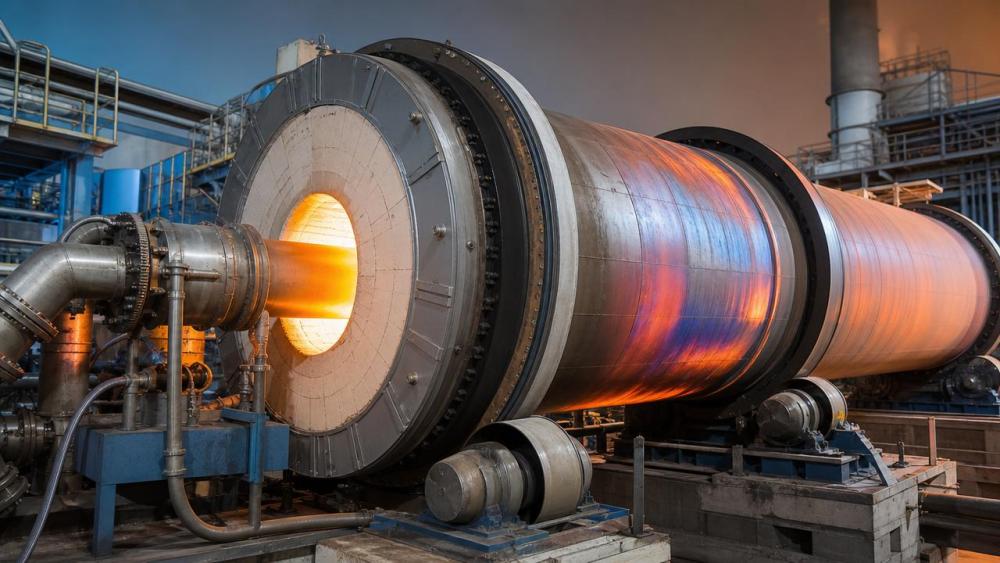
In most heavy thermal processes, hidden losses appear in repeated routines: shift start-up, recipe changes, production speed adjustments, unplanned stoppages, and post-maintenance restarts. These are not always captured by alarm systems because temperatures may remain within broad operating bands while combustion efficiency, heat transfer rate, or insulation performance steadily deteriorate.
After-sales maintenance teams should pay attention to 5 operational zones first: combustion, air sealing, refractory integrity, instrumentation accuracy, and heat recovery stability. In many plants, these zones explain a large share of low-grade efficiency loss, especially where systems run 16 to 24 hours per day and thermal cycling is frequent.
Combustion Drift Is Often Small but Expensive
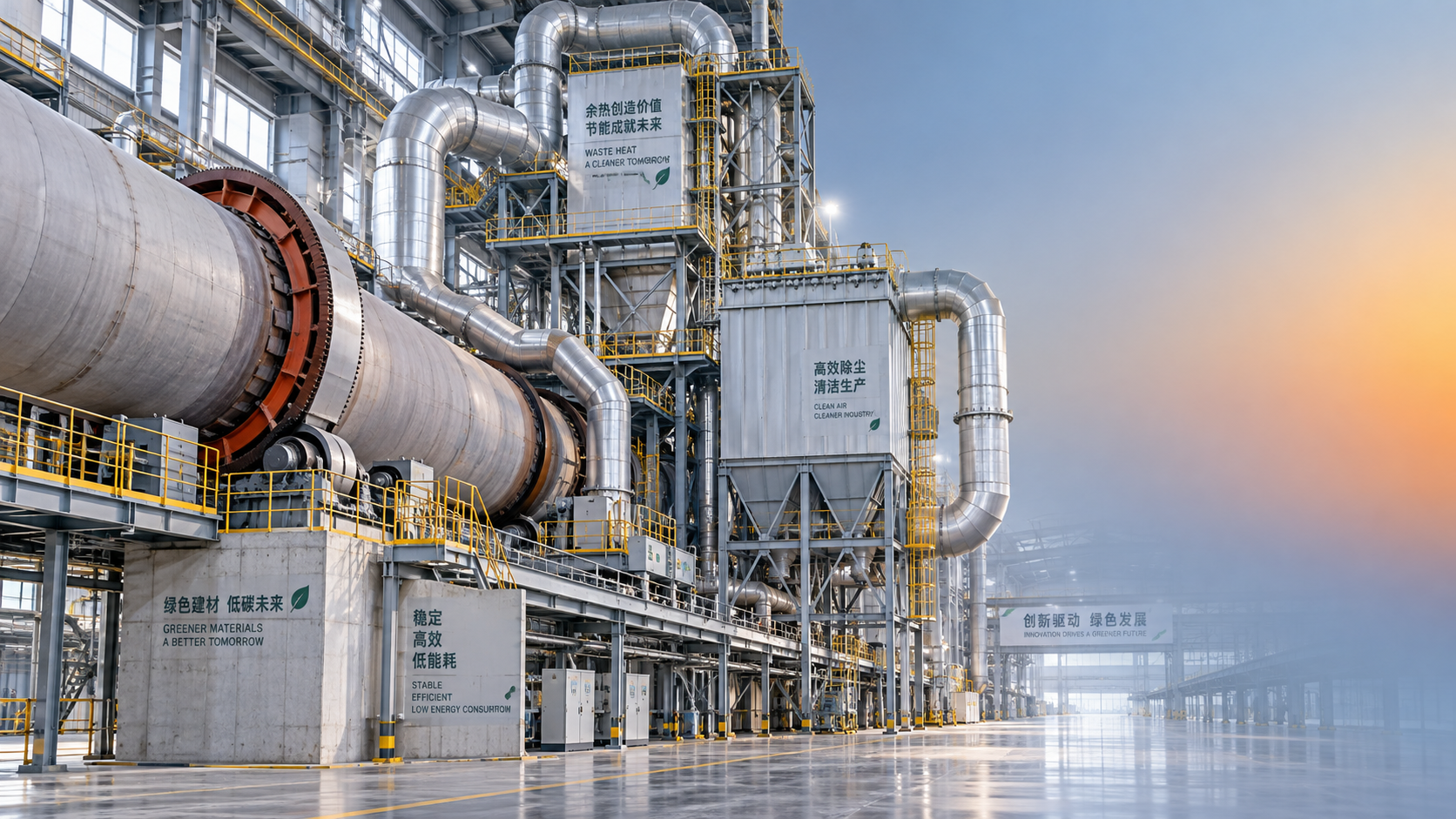
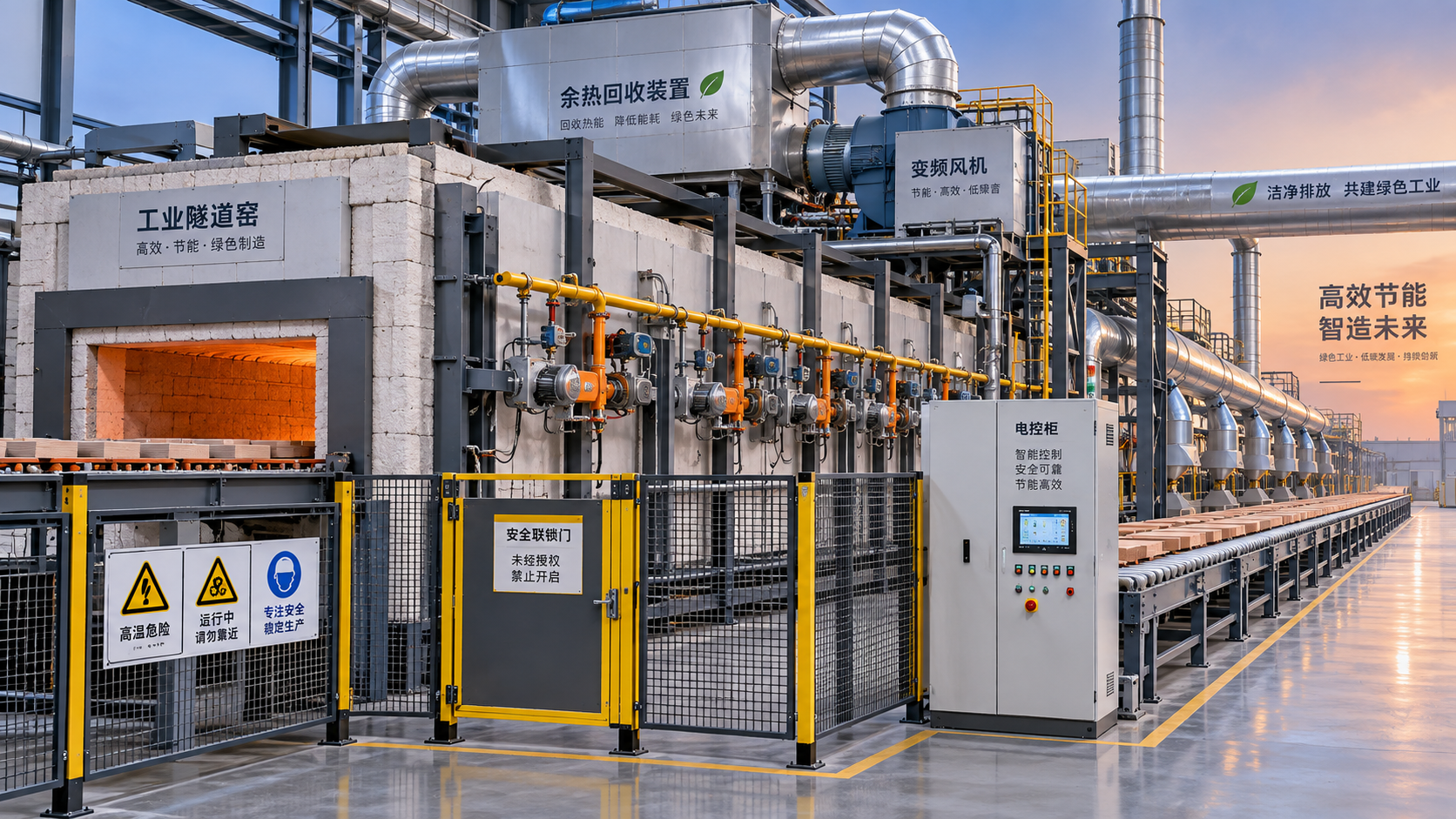
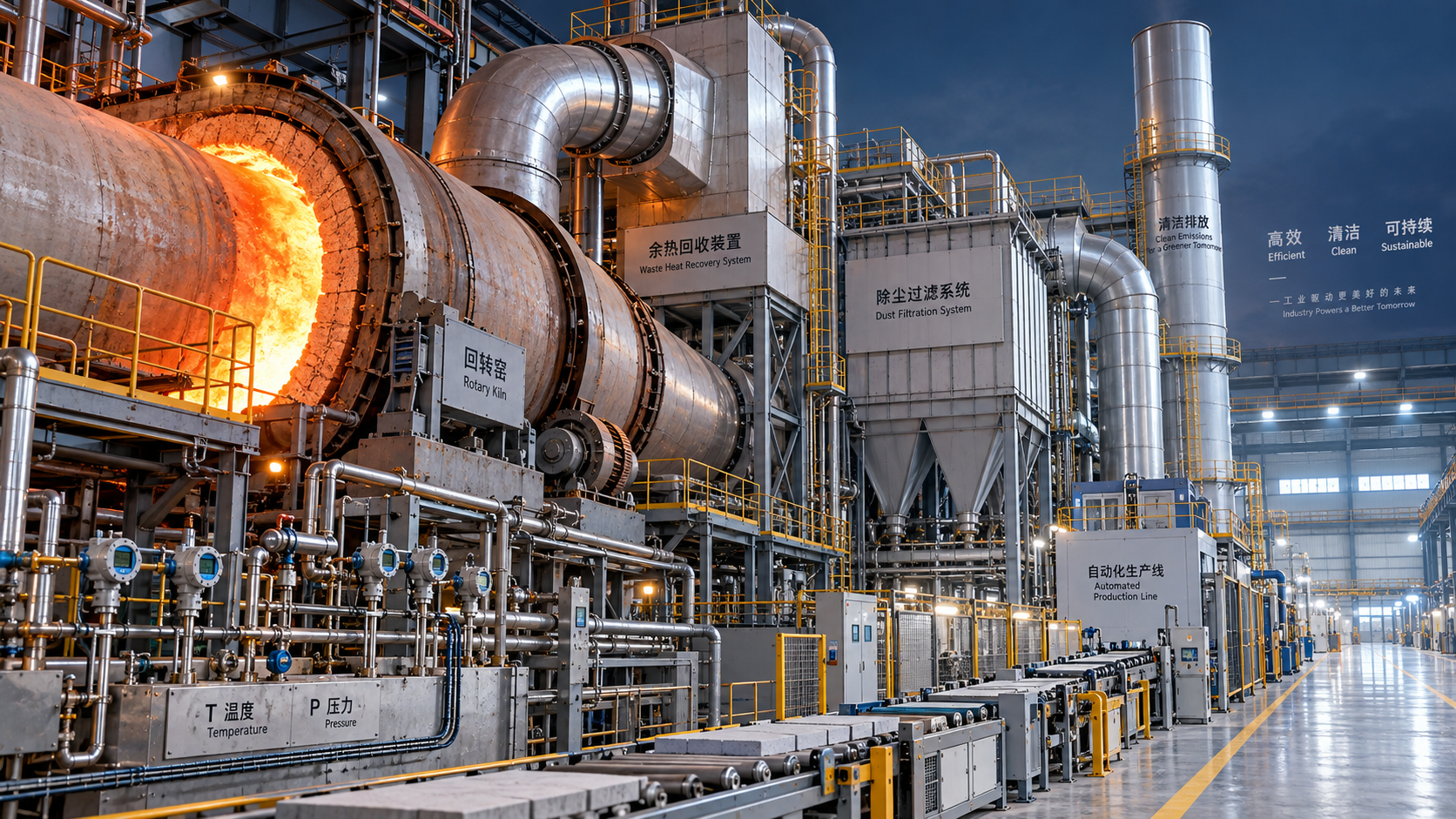
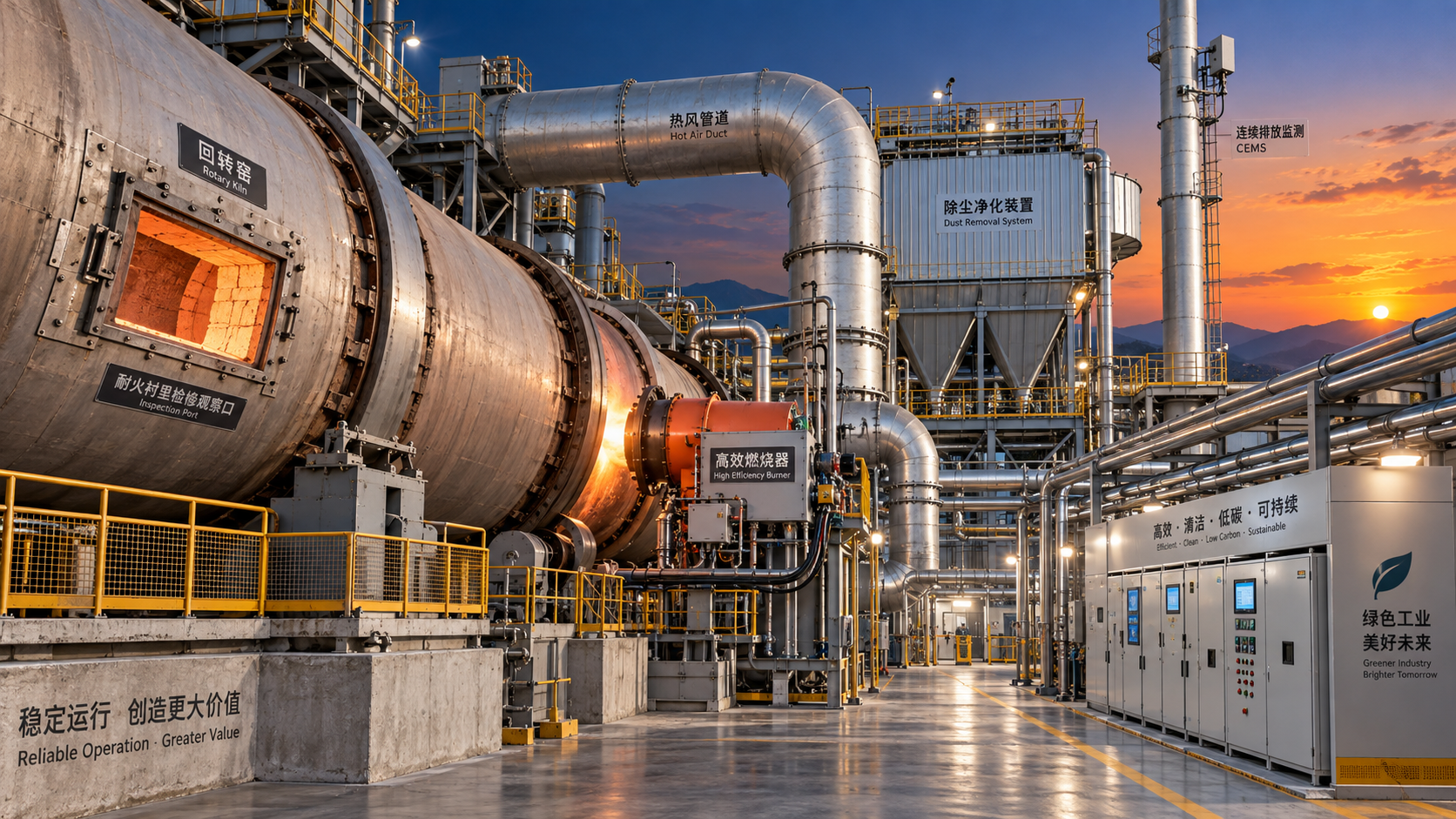
A burner does not need to fail completely to create thermal loss. Minor nozzle fouling, air-fuel imbalance, flame length change, or ignition instability can reduce effective heat transfer while increasing local overheating. In rotary kilns, tunnel kilns, and glass furnaces, this can show up as uneven shell temperature, slower material response, or higher exhaust temperature without a clear fault code.
If oxygen trim, draft control, or valve response is not checked every 7 to 14 days, the plant may continue running with a hidden thermal penalty. A flue gas temperature increase of 15°C to 30°C above the established process baseline often signals useful heat leaving the system instead of being absorbed by the product or recovered downstream.
Refractory Wear Changes Heat Flow Before It Causes Shutdown
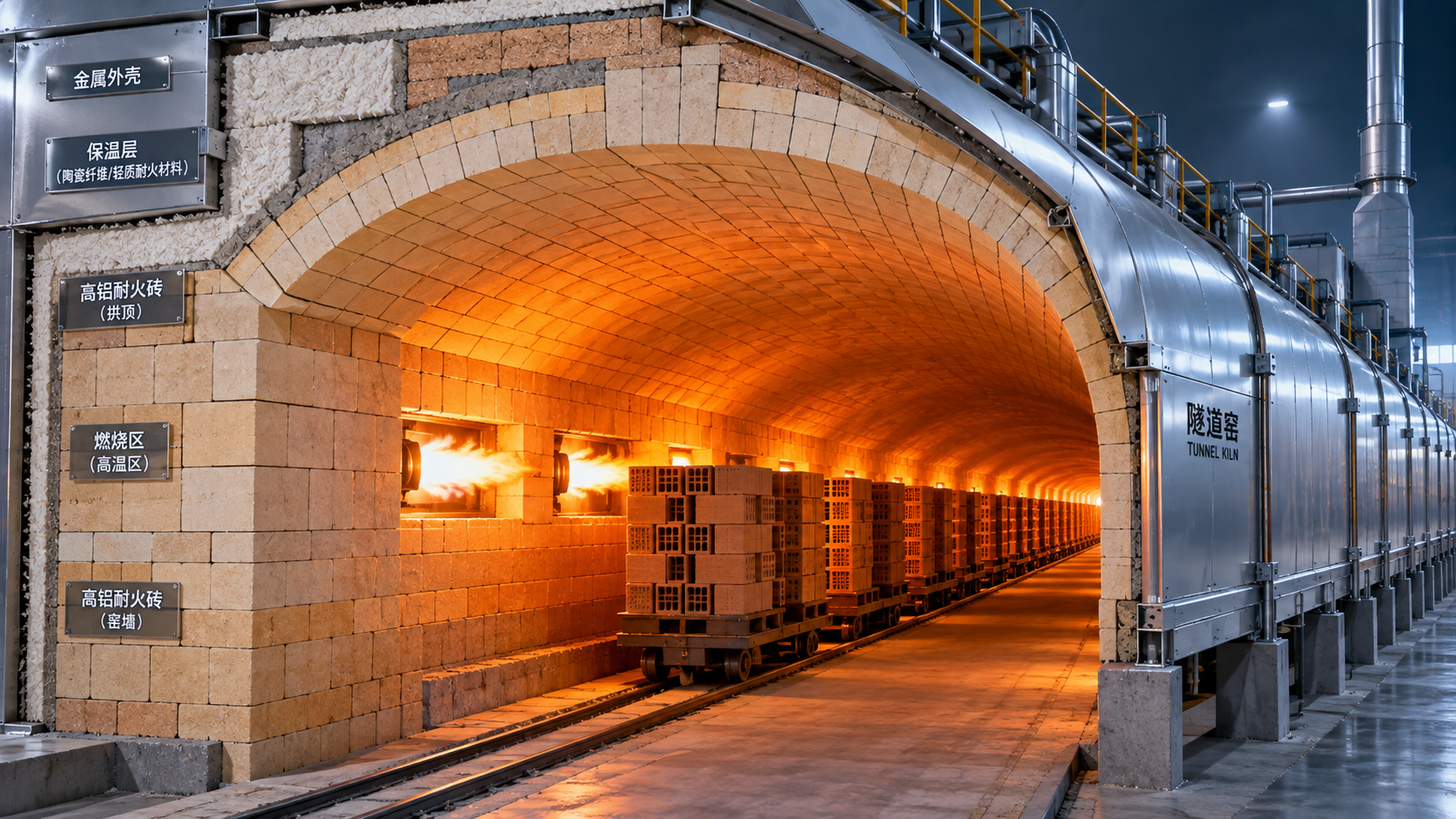
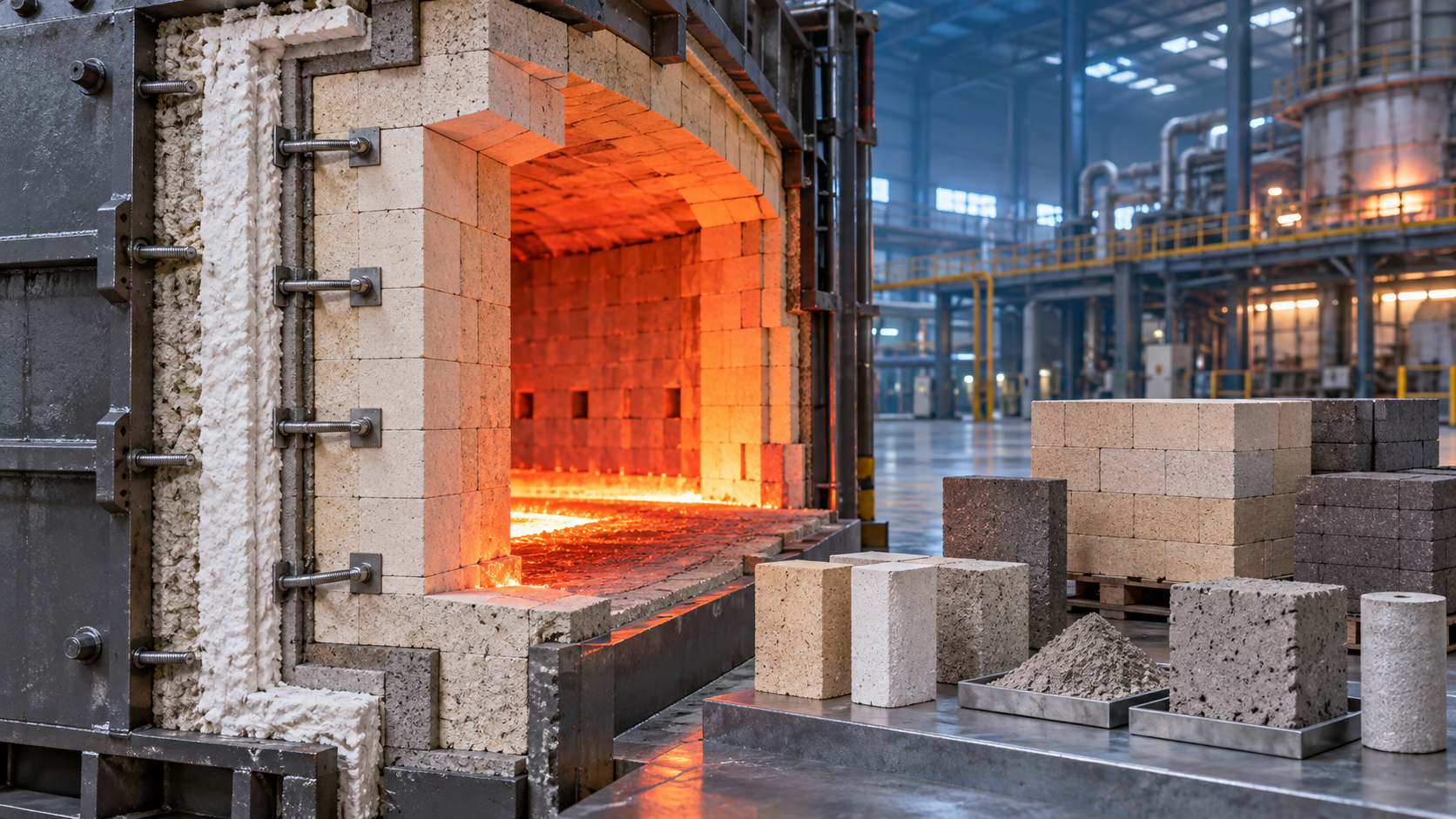
In high-temperature equipment, refractory degradation rarely begins as a catastrophic event. It starts with hairline cracking, anchor stress, hot-face spalling, joint opening, or localized thinning. These changes alter heat retention and surface temperature patterns long before they trigger emergency repair. For after-sales technicians, thermal imaging and shell scanning should be a routine inspection method, not an occasional troubleshooting tool.
A localized outer shell rise of 20°C to 50°C compared with adjacent zones may indicate developing lining loss. On incineration lines or clinker kilns, such conditions can increase fuel demand, reduce campaign life, and shift process control settings in ways operators may mistake for raw material variation.
Air Leakage and Draft Instability Distort the Thermal Balance
False air ingress is one of the most underestimated barriers to thermal energy optimization. Damaged seals, warped access doors, worn expansion joints, and leakage around inspection ports can cool the process zone, raise fan load, and increase exhaust volume. In practical terms, the burner may consume more fuel simply to overcome uncontrolled cold air entering the system.
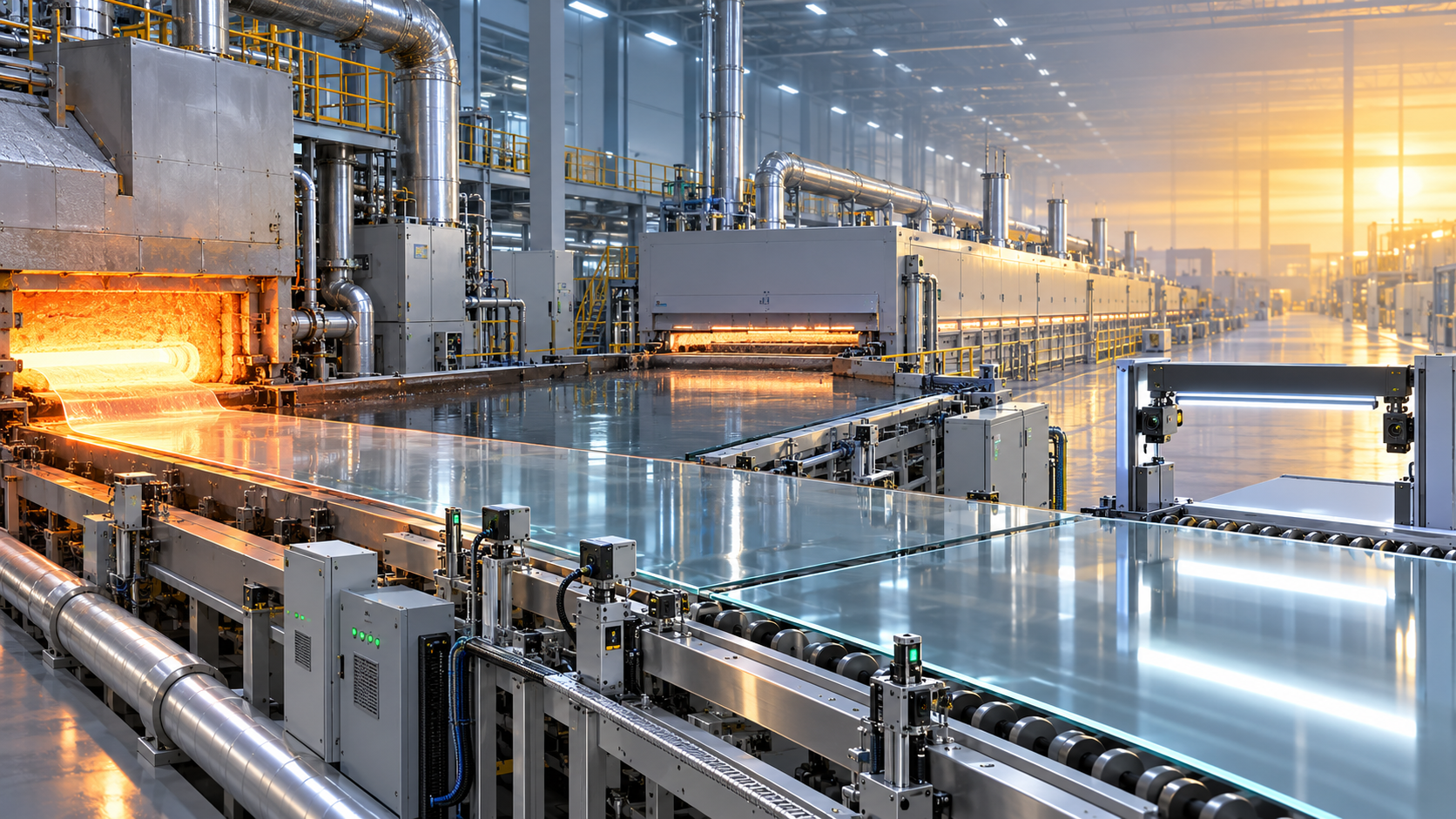
For systems with induced draft fans, a pressure deviation of only a few millibars can disturb flame stability or residence time. This is especially critical in glass annealing zones, waste-to-energy applications, and extrusion drying sections, where process uniformity depends on steady thermal profiles over many hours.
Typical Hidden Gaps Seen During Field Service
The table below summarizes common thermal loss points that after-sales teams encounter during inspections and service visits across high-temperature production assets.
The key point is that none of these gaps always trigger an immediate shutdown. They often remain inside acceptable operating windows while steadily reducing energy performance. That is why thermal energy optimization must be embedded into service routines, trending reviews, and post-visit reports rather than treated as a one-time efficiency project.
How After-Sales Teams Can Detect Gaps Earlier
A practical detection strategy should combine fast field checks with trend-based review. In many plants, maintenance teams focus heavily on mechanical readiness but less on thermal deviation patterns. A more balanced approach uses 4 layers of evidence: operator observations, instrument trends, surface temperature mapping, and maintenance history over the last 30, 60, and 90 days.
Build a Short Thermal Inspection Routine
A thermal inspection routine does not have to be complex. A 20 to 40 minute checklist during each scheduled service window can capture early-stage losses. The most useful checkpoints include burner appearance, exhaust temperature trend, pressure stability, seal condition, shell hot spots, and thermocouple plausibility against process behavior.
- Check burner flame shape and ignition response at least once per shift during unstable production periods.
- Compare actual exhaust temperature against the recent 7-day baseline, not just the design number.
- Inspect kiln, furnace, or dryer seals for dust marks and air ingress traces every 2 to 4 weeks.
- Verify critical temperature and pressure sensors on a defined calibration cycle, often every 3 to 6 months.
- Use infrared scanning after refractory repair, speed change, or fuel changeover.
Look for Pattern Changes, Not Single Readings
One isolated reading may not mean much. A better diagnostic method is to identify pattern drift. For example, if fuel consumption rises 4% over 2 weeks while throughput remains stable, and exhaust temperature is also trending upward, the issue is likely thermal rather than production-related. Likewise, frequent operator setpoint corrections can indicate control loop instability or sensor mismatch.
This is especially relevant in the sectors CF-Elite follows closely: cement, glass, incineration, refractories, and extrusion. Across these processes, the relationship between combustion, material load, and heat retention is dynamic. Maintenance teams that understand those interactions can identify actionable causes faster than teams relying only on alarm history.
A Field-Oriented Detection Framework
The following framework helps after-sales personnel classify thermal energy optimization gaps by urgency, evidence type, and likely service response.
This kind of structured review improves service consistency. It also helps maintenance teams speak the same language as plant managers, process engineers, and procurement staff, because observations are translated into thresholds, evidence, and response priorities instead of vague comments about “running hot” or “using more fuel.”
Maintenance Priorities That Deliver Measurable Thermal Gains
Not every maintenance action has the same impact on thermal energy optimization. After-sales teams often work under tight shutdown windows of 6 to 24 hours, so prioritization matters. The most effective approach is to separate quick wins from structural corrections and to define which items should be handled immediately, during the next stop, or within the next major overhaul cycle.
Quick Wins During Routine Service
Quick wins are actions that can be completed without major dismantling and still reduce heat loss. These usually include burner cleaning, combustion tuning, seal adjustment, replacement of worn gaskets, verification of dampers, and recalibration of critical instruments. In many plants, such tasks can recover part of the thermal efficiency loss within 1 to 3 service visits.
- Clean and inspect burner nozzles, igniters, and flame sensors.
- Check air-fuel ratio stability under low, medium, and high load.
- Repair leakage at inspection doors, duct joints, and rotating seals.
- Confirm thermocouple health against process response and reference devices.
- Review fan damper travel and actuator response time.
Medium-Term Corrections With Higher Payback
Some gaps require planned intervention. Refractory relining in a local hot zone, replacement of damaged insulation modules, burner upgrade, draft system balancing, or heat recovery maintenance may need a longer outage of 2 to 7 days. These actions typically produce larger gains because they address chronic thermal leakage that operators have adapted to over time.
For example, on kiln and incineration systems, unresolved seal wear can force the combustion system to operate above the normal fuel input range. On extrusion drying or curing lines, poor insulation and control drift can reduce product consistency while increasing thermal cycling stress on equipment. Thermal energy optimization in these cases protects both utility cost and asset life.
Priority Matrix for Service Planning
A simple service planning matrix helps after-sales teams align urgency with expected operational impact and shutdown requirements.
The best results usually come from combining one quick action with one structural correction. For example, seal repair alone may reduce leakage, but if sensor drift remains unresolved, operators may still overfire the system. Effective thermal energy optimization depends on coordinated maintenance rather than isolated tasks.
Common Mistakes That Delay Improvement
Many plants have enough maintenance activity but still fail to improve energy performance because the wrong indicators guide the work. One common mistake is treating thermal loss only as a utility issue rather than a process reliability issue. Another is relying on monthly averages, which hide shorter but repeated deviations during shift change, start-up, or unstable load periods.
Mistaking Stable Production for Efficient Production
A line can meet output targets and still operate with significant thermal waste. If throughput stays acceptable, teams may postpone inspection of hot spots, ignore moderate exhaust temperature drift, or normalize repeated burner adjustments. Over a quarter, that mindset can turn a manageable service issue into a higher-cost refractory repair or unplanned outage.
Separating Mechanical and Thermal Maintenance Too Rigidly
Mechanical checks and thermal checks should not be isolated. A loose seal, warped door, sticking damper, or worn drive component can all affect thermal performance indirectly. For after-sales organizations serving high-temperature industries, field reports should connect mechanical observations with energy impact, product quality risk, and maintenance priority level.
FAQ From Maintenance Teams
These are recurring practical questions raised by service personnel working on kilns, furnaces, incinerators, and thermal processing lines.
How often should thermal scans be performed?
For stable lines, monthly scanning is a practical minimum. For equipment with recent refractory work, fuel changes, or repeated instability, weekly checks for the first 4 to 6 weeks are more useful.
What matters more: burner tuning or insulation condition?
Both matter, but burner tuning usually delivers faster short-term correction, while insulation and refractory condition protect long-term heat retention and campaign life. The right order depends on whether the plant shows combustion instability, hot spots, or leakage symptoms first.
When should a hidden loss be escalated to a shutdown recommendation?
Escalation is reasonable when shell temperature rises are persistent, fuel use increases beyond the recent operating norm, or repeated manual control actions fail to stabilize the process over several shifts.
For organizations following the intelligence approach promoted by CF-Elite, the main lesson is clear: thermal performance is shaped every day by maintenance discipline, not only by equipment design. In cement, glass, incineration, refractory, and extrusion applications, thermal energy optimization improves when after-sales teams use trend review, field inspection, and targeted service planning as one connected workflow.
If your plant or customer base is facing unexplained fuel drift, unstable heat profiles, or recurring refractory and sealing issues, a structured thermal review can reveal the operational gaps that standard maintenance routines often miss. To explore practical diagnostics, service planning support, or deeper high-temperature industry intelligence, contact CF-Elite, request a tailored solution, or learn more about maintenance-focused thermal energy optimization strategies.
Related News
 Ms. Elena RodriguezHigh-Pressure Molding Innovations: How Automation and Tooling Affect PriceExplore the high-pressure molding innovations price equation: compare automation, tooling, and ownership costs to find upgrades that cut waste and deliver measurable value.Oct 13, 2026
 Ms. Elena RodriguezIndustrial Process Optimization: Where to Target Energy, Yield, and Throughput LossesIndustrial process optimization: identify energy, yield, and throughput losses to improve plant stability, reduce costs, and unlock measurable performance gains.Oct 12, 2026
 Ms. Elena RodriguezGlass Market Intelligence: How to Assess Demand, Capacity, and Regional Growth RisksGlass market intelligence for evaluating demand, effective capacity, energy exposure, trade dynamics, and regional growth risks before investing in glass manufacturing.Oct 11, 2026
 Structural Material AnalystWhich Sustainable Construction Materials Are Suitable for Extrusion?Which sustainable construction materials are suitable for extrusion? Explore recycled clay, cementitious mixes, geopolymers, and bio-composites for reliable, lower-impact building products.Oct 12, 2026
 Optical Glass Tech FellowWhat Should a Glass Furnace Energy Specification Include?What should be included in a glass furnace energy specification? Explore performance, fuel flexibility, heat recovery, emissions, and monitoring essentials.Oct 11, 2026
 Dr. Alistair VaughnHow Process Technology Platforms Improve Control Across Multi-Line ManufacturingDiscover how a process technology platform strengthens cross-line control, connects operational data, and improves energy, quality, and maintenance decisions.Oct 10, 2026
 Optical Glass Tech FellowHow Glass Furnace Emissions Are Measured and Controlled for Regulatory ComplianceGlass furnace emissions: learn how to measure, monitor, and control NOx, SOx, particulate, CO, and CO2 for reliable regulatory compliance.Oct 08, 2026
 Prof. Marcus ChenIndustrial Decarbonization Strategies in Europe: A Roadmap for Energy-Intensive PlantsIndustrial decarbonization strategies Europe: explore practical pathways for energy-intensive plants to cut emissions, improve efficiency, and protect performance.Oct 07, 2026
 Thermal Energy ArchitectEnergy-Efficient Silicate Production Lines: What to Compare Before SelectionSilicate production lines energy efficient selection guide: compare thermal performance, stability, emissions, controls, and lifecycle value before investing.Oct 06, 2026
 Optical Glass Tech FellowHow to Evaluate Automated Float Glass Lines for Capacity, Quality, and Energy UseEvaluate automated float glass lines for net capacity, consistent quality, energy efficiency, automation reliability, and lifecycle value. Explore key criteria for smarter investment decisions.Oct 05, 2026
 Thermal Energy ArchitectWhat Does CE Marking Require for an Energy-Efficient Industrial Kiln?Energy efficient kiln CE requirements explained: assess safety, technical files, energy performance, and EU compliance before purchase or commissioning.Oct 04, 2026
 Thermal Energy ArchitectRefractory Manufacturing Solutions for Brick Plants: How to Extend Kiln LifeRefractory manufacturing solutions for brick plant operations: discover proven strategies to extend kiln life, reduce heat loss, prevent lining failures, and plan cost-effective repairs.Oct 03, 2026
 Thermal Energy ArchitectHow to Specify Heavy Industrial Process Systems for High-Temperature PlantsHeavy industrial processes systems: learn how to specify high-temperature plants for efficiency, emissions control, maintainability, and lifecycle performance.Oct 02, 2026
 Structural Material AnalystHow Sustainable Material Extrusion Can Improve Wall Panel Durability and Design FlexibilityDiscover how sustainable material extrusion for wall panels improves durability, moisture resistance, design flexibility, and installation consistency for high-performing wall systems.Oct 01, 2026
 Thermal Energy ArchitectHow to Evaluate a High-Temperature Materials Manufacturer for Furnace ApplicationsChoose a high-temperature materials manufacturer with confidence: compare thermal performance, chemical resistance, quality controls, installation support, and lifecycle cost.Sep 30, 2026
 Ms. Elena RodriguezHow to Structure Global Specification Data for Faster Industrial Product EvaluationGlobal specification-oriented product information helps industrial teams compare capacity, energy, emissions, automation, and lifecycle data on a like-for-like basis for faster, confident equipment decisions.Sep 29, 2026
 Thermal Energy ArchitectHow to Specify High-Temperature Process Systems for Continuous Thermal OperationsHigh-temperature process engineering systems: learn how to specify resilient continuous thermal operations for efficiency, compliance, reliable uptime, and long-term performance.Sep 28, 2026
 Thermal Energy ArchitectHow to Evaluate a Thermal Engineering Contractor for High-Temperature Plant ProjectsChoose a thermal engineering contractor with proven process expertise, lifecycle value, emissions control, and delivery discipline for reliable high-temperature plant performance.Sep 27, 2026
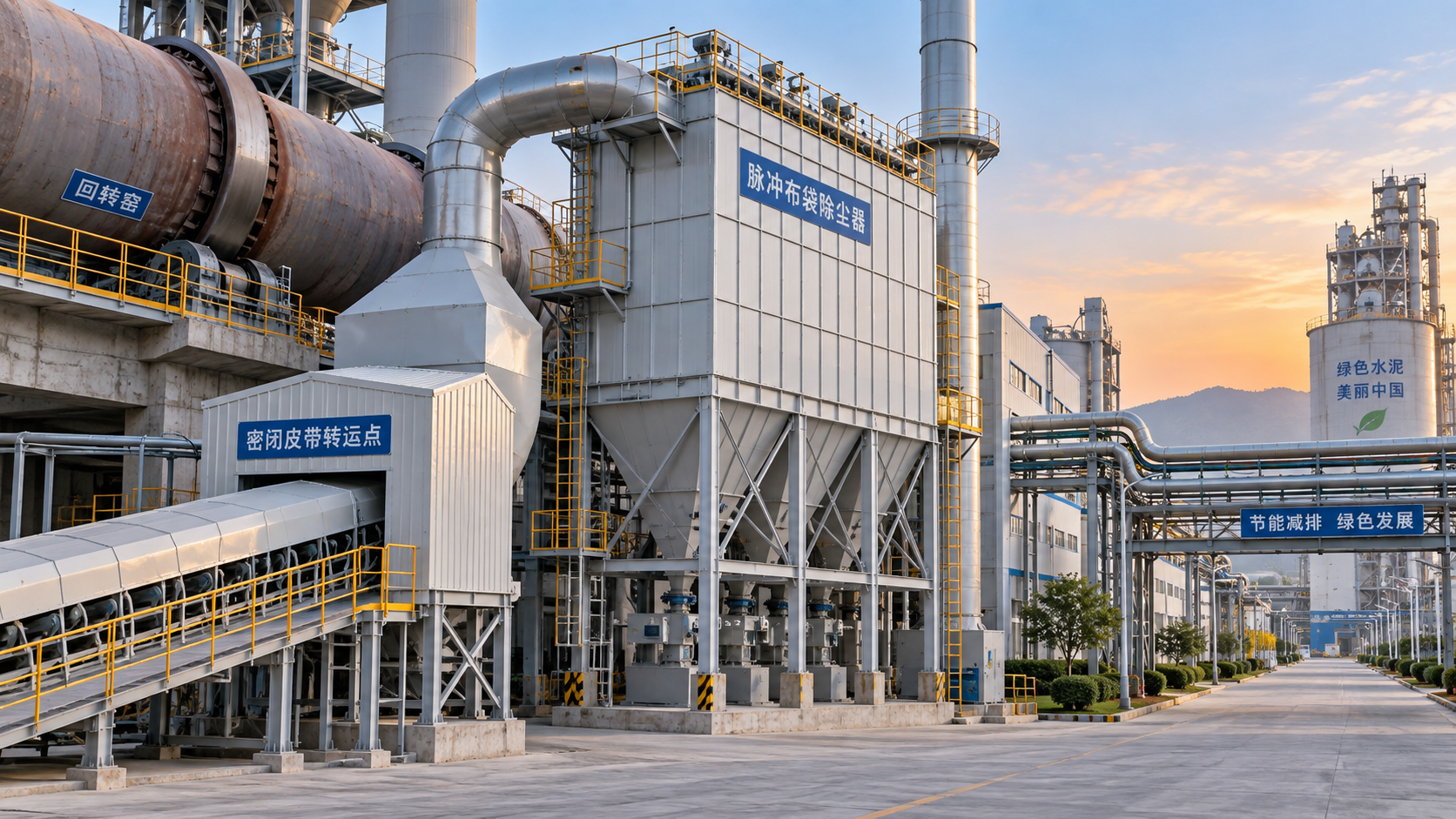
 Silicate Process EngineerHow Latin American Cement Plants Can Reduce Dust Emissions in Kilns and Transfer PointsCement plant dust control Latin America: reduce kiln and transfer-point emissions with practical airflow, filtration, monitoring, and maintenance strategies.Sep 26, 2026
 Material Heat-Resist ExpertHow to Evaluate Refractory Production Lines for Output, Quality, and Energy UseRefractory production lines: learn how to assess qualified output, consistent quality, and total energy use for smarter, lower-risk investment decisions.Sep 25, 2026


Related News
- 00
0000-00
Energy-Efficient Silicate Production Lines: What to Compare Before Selection - 00
0000-00
What Does CE Marking Require for an Energy-Efficient Industrial Kiln? - 00
0000-00
Refractory Manufacturing Solutions for Brick Plants: How to Extend Kiln Life - 00
0000-00
How to Specify Heavy Industrial Process Systems for High-Temperature Plants - 00
0000-00
How to Evaluate a High-Temperature Materials Manufacturer for Furnace Applications
Weekly Insights
Stay ahead with our curated technology reports delivered every Monday.